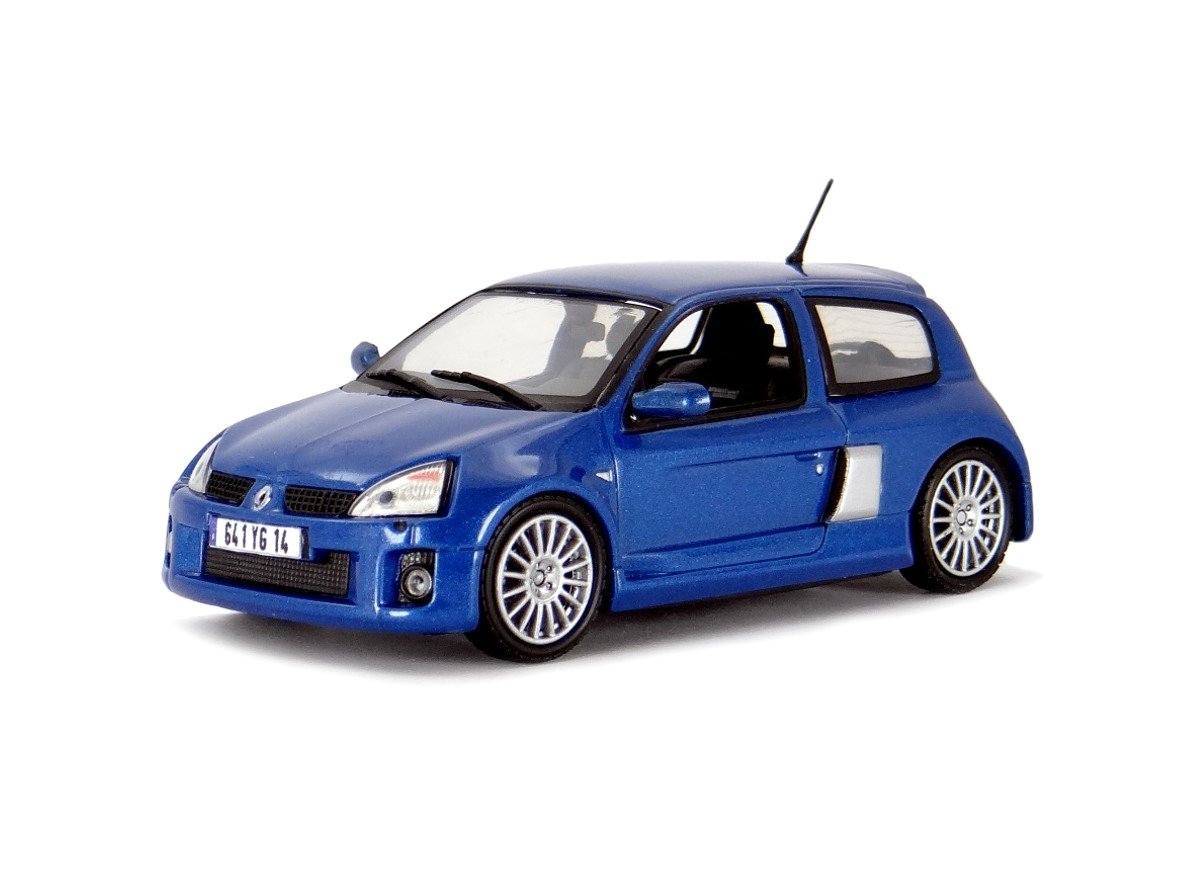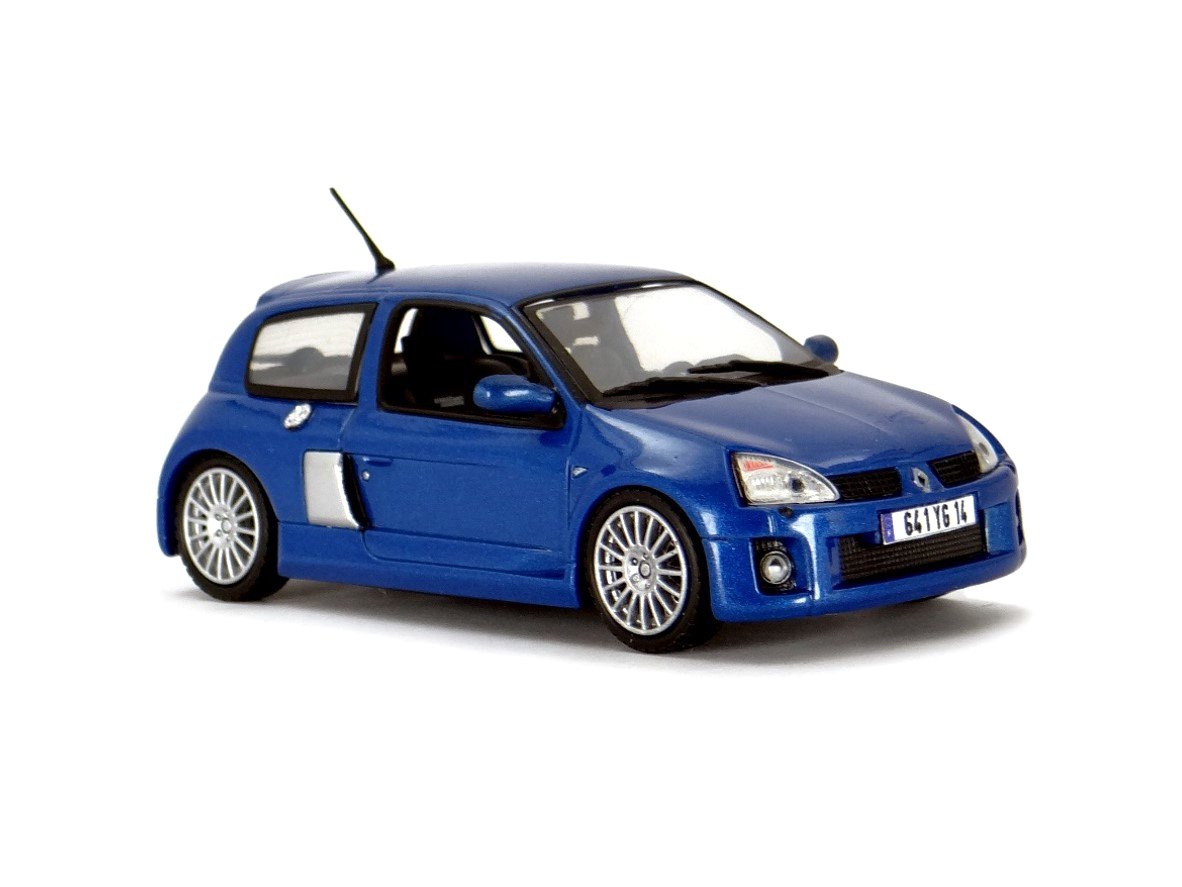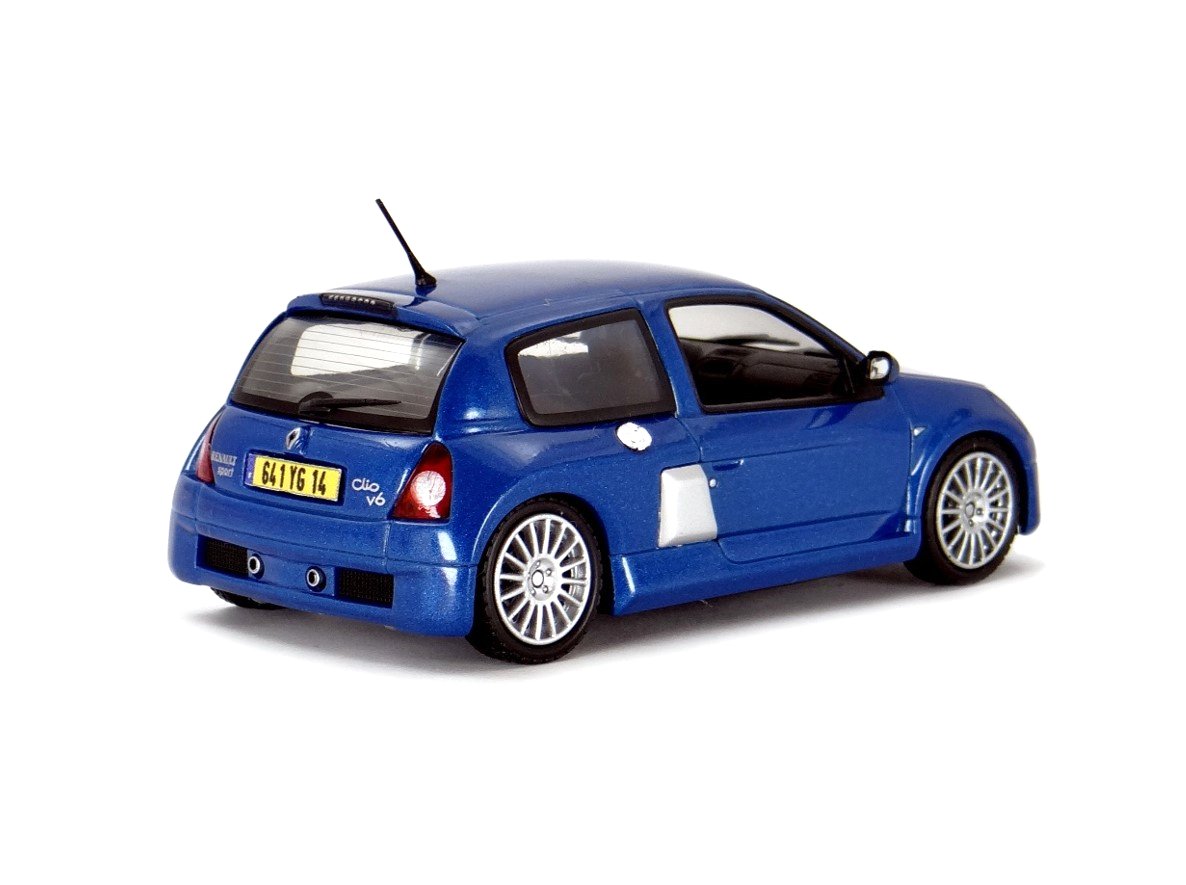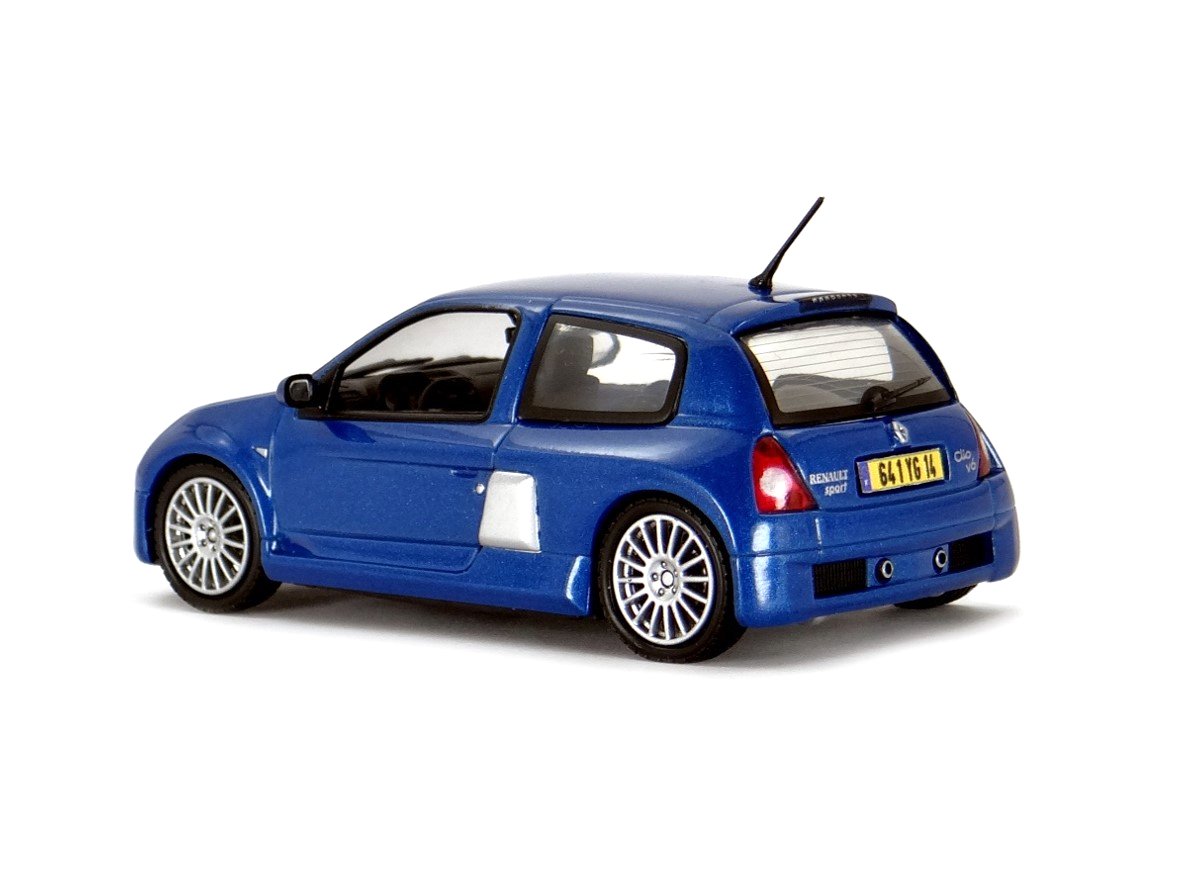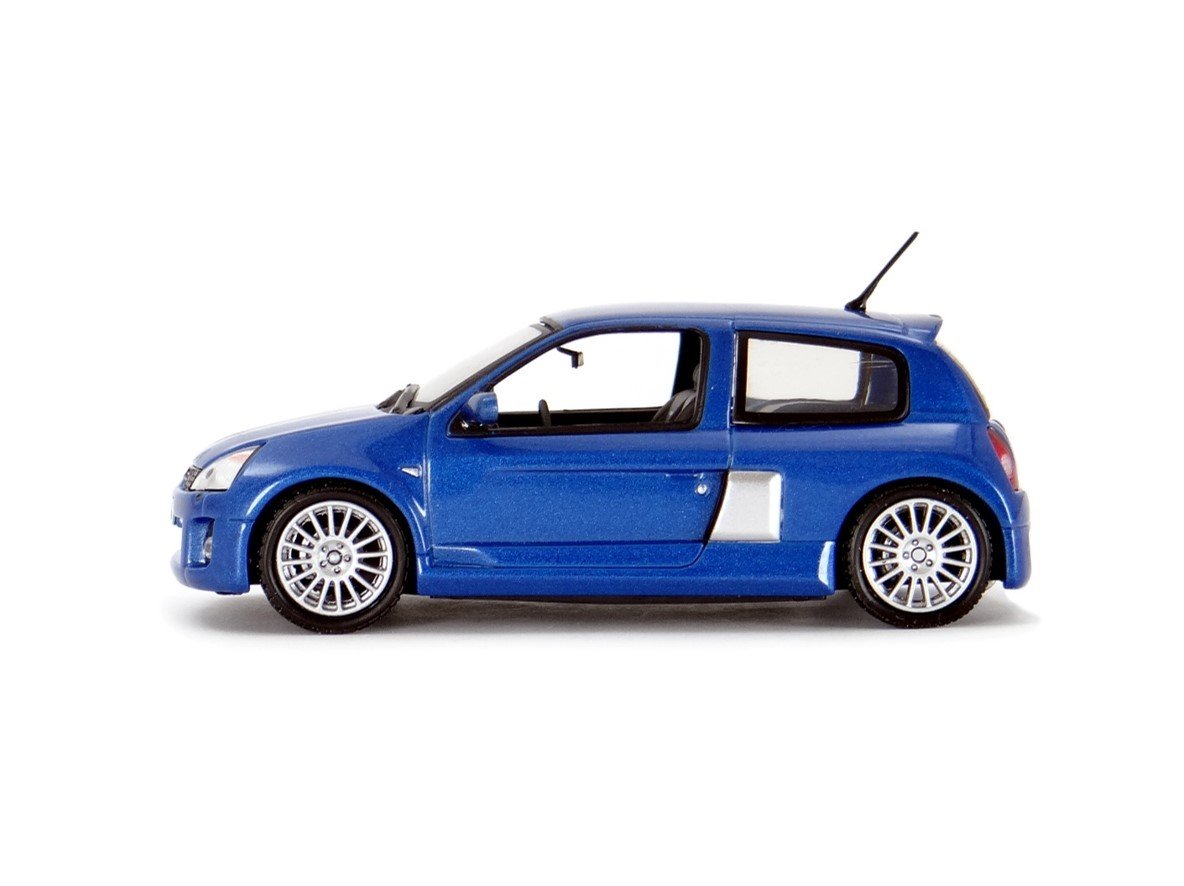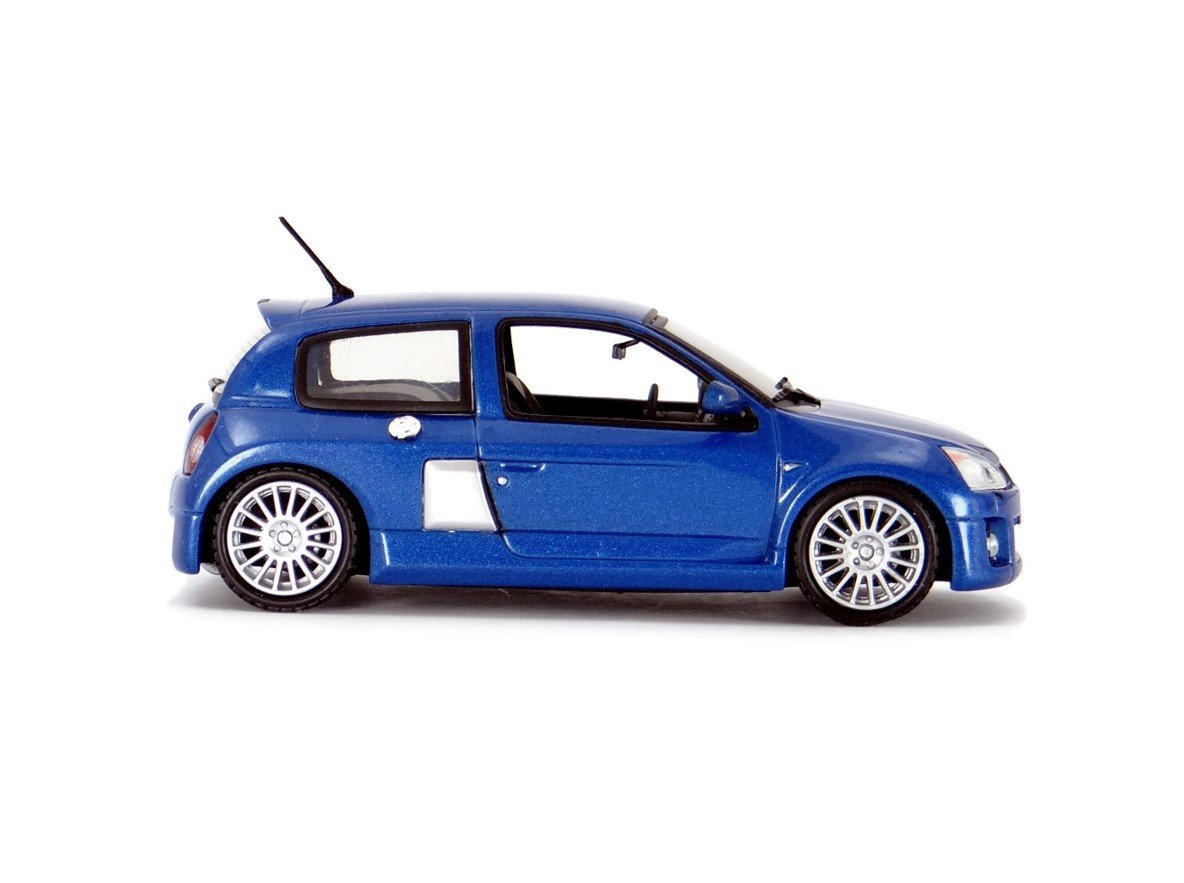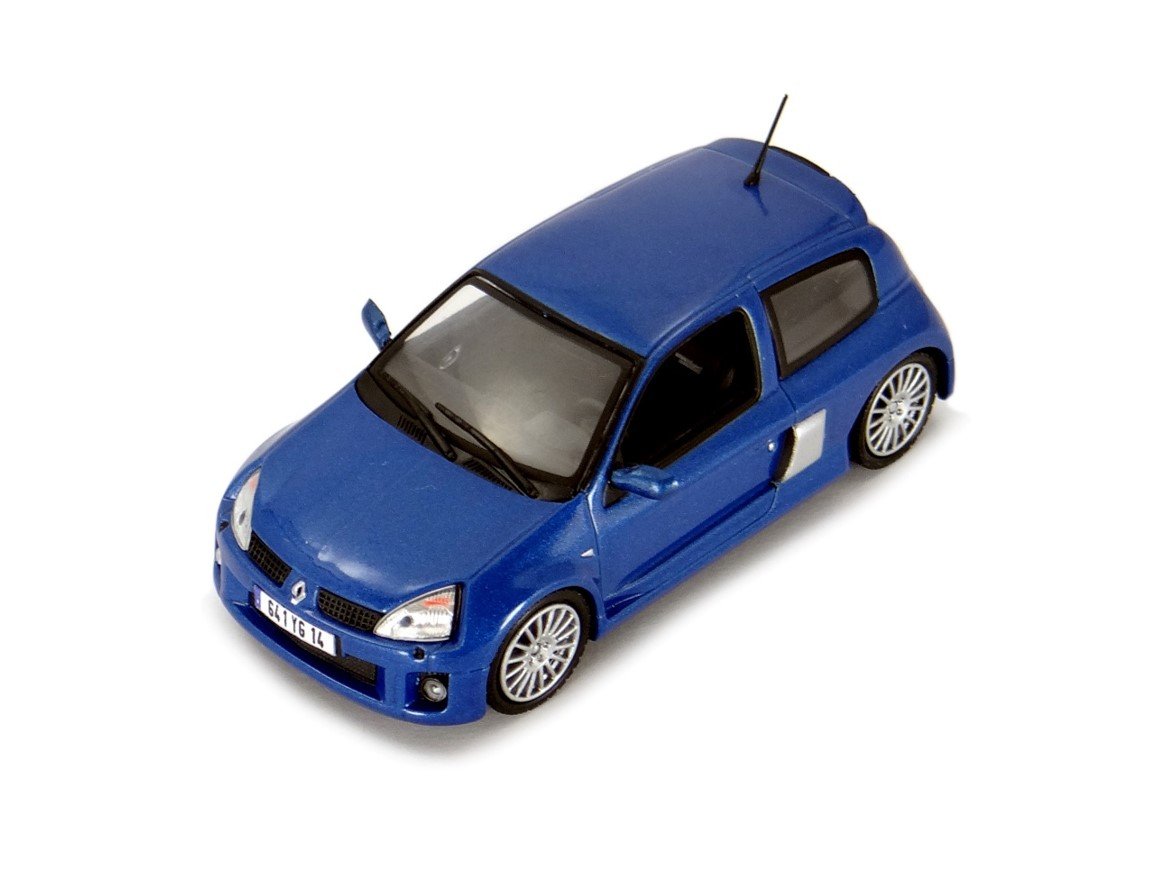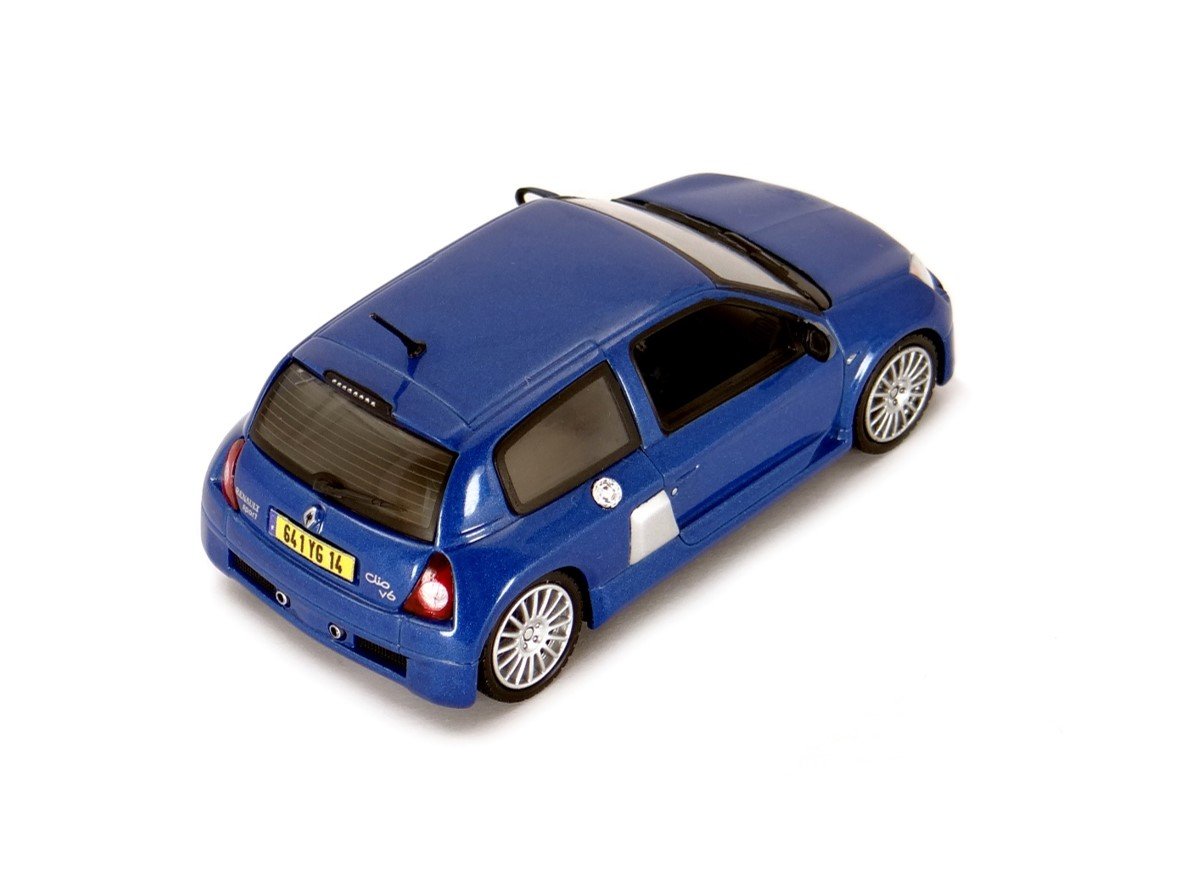

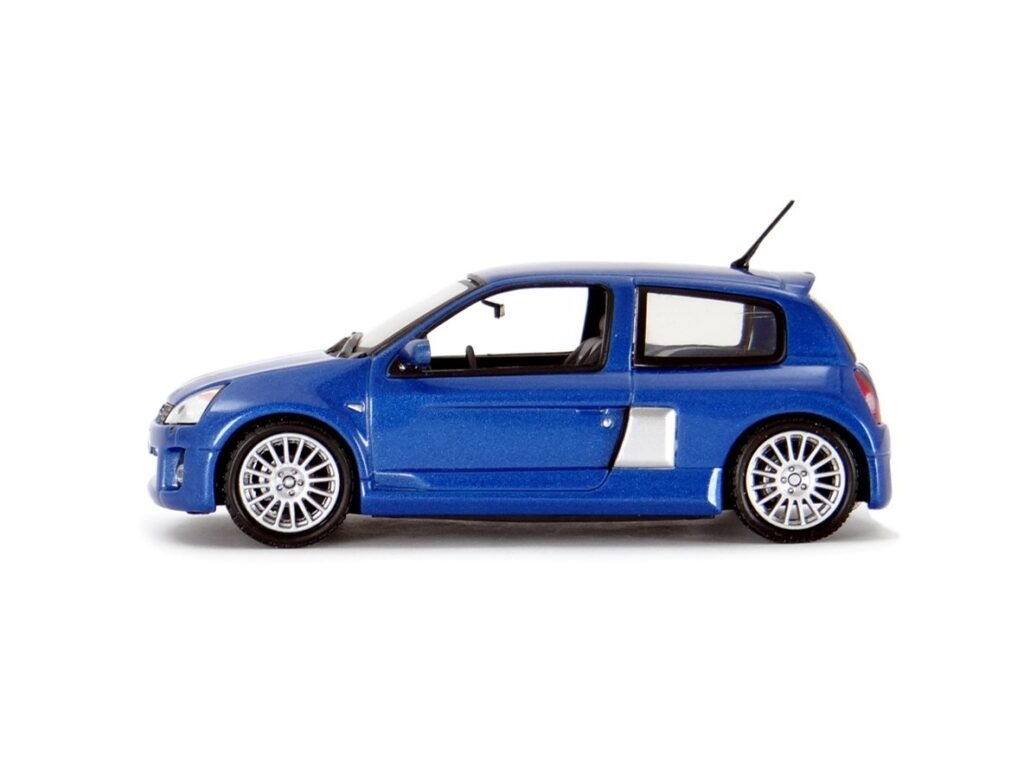
Jeśli ktoś myśli, że to jedynie lekko odświeżony samochód jest w błędzie. Renault Sport Clio V6 phase 2 jest gruntownie przeprojektowany i pod każdym względem lepszy od wcześniejszego modelu.
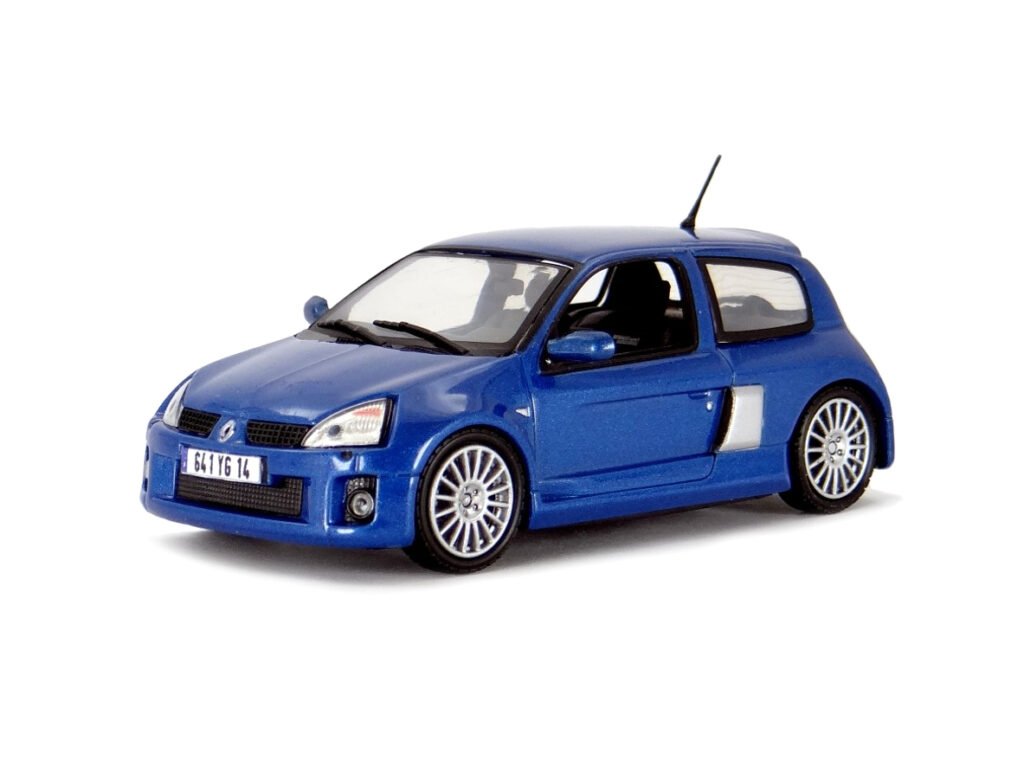
Przełom wieków to czas, kiedy Renault miało odwagę wprowadzać najbardziej szalone pomysły w życie. Świetnym przykładem jest Renault Sport Clio V6. Stworzony jako duchowy następca legendarnego R5 Turbo i spokrewniony z wyścigowym Clio Trophy, był czymś niespotykanym. Miejski hatchback z napędem na tylne koła i centralnie umieszczonym silnikiem V6 był potworem, który z Clio dzielił właściwie tylko nazwę. Gdyby Clio kiedykolwiek stało się Hulkiem, dokładnie tak by wyglądało. Miało też równie nieokiełznaną naturę.
Ze względu na bardzo krótki okres opracowania auta (18 miesięcy), pojawiło się w nim wiele błędów. Połączenie ogromnej mocy, źle zaprojektowanego zawieszenia i krótkiego rozstawu osi skutkowało nieprzewidywalnym zachowaniem i kiepskim prowadzeniem. Nawet doświadczeni kierowcy często mieli problem z okiełznaniem auta. W nieodpowiednich rękach Clio V6 mogło być po prostu niebezpieczne.
Dlatego Renault błyskawicznie wzięło się do poprawiania błędów i dopracowywania konstrukcji. Dwa lata po wprowadzeniu do sprzedaży pierwszej serii, latem 2003 roku, francuska marka zaprezentowała nowe Clio V6. Na pierwszy rzut oka, zmiany jedynie upodobniły wygląd modelu do poliftingowej gamy Clio. Ale w tym przypadku pozory zdecydowanie mylą, bo mechanicznie, to praktycznie inne auto.
Renault Sport Clio V6 “phase 2”, tak jak “phase 1” było opracowane we współpracy z Tom Walkinshaw Racing (TWR), brytyjskim konstruktorem samochodów i zespołem wyścigowym. Nowy model był jednak o wiele bardziej dopracowany. Gruntownie zmieniono największą dotychczasową bolączkę samochodu, czyli podwozie i zawieszenie. Inżynierowie zastosowali dłuższe wahacze wzdłużne (co poskutkowało dłuższym rozstawem osi) zwiększony rozstaw kół przednich, zmodyfikowane ramy pomocnicze wraz z poprzecznymi belkami usztywniającymi konstrukcję, sztywniejsze zawieszenie z nową geometrią oraz nowe amortyzatory. Poprawiono też układ kierowniczy, co przyczyniło się do zmniejszenia średnicy zawracania z 13 do 11.3 m.
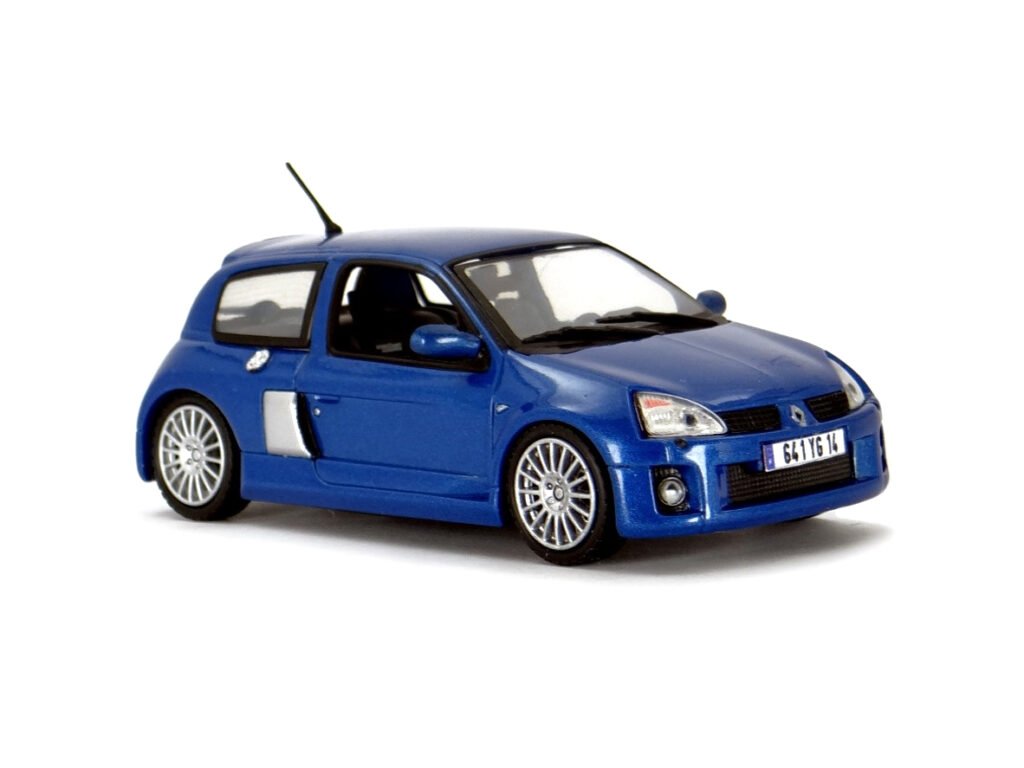
Pod maską zaszły równie wielkie zmiany. Silnik 3.0 V6 z poprzedniego modelu poddano rozległym modyfikacjom. Poza ekipą TWR i Renault Sport, pracowało nad nim nawet Porsche! Niemcy odpowiedzialni byli za zupełnie nowy sterownik silnika, opracowany specjalnie do Clio V6. Stuningowany silnik legitymował się mocą 254 KM, większą o 24 KM od wcześniejszej wersji. Sparowano go z nową skrzynią, również opracowaną specjalnie dla tego modelu. W efekcie, dawało to 245 km/h prędkości maksymalnej i przyspieszenie do 100 km/h w 5,8 s.
Choć wszystkie zmiany poskutkowały wzrostem masy własnej o 45 kg, znacznie poprawiły dynamikę i prowadzenie samochodu. Renault Sport Clio V6 “Phase 2” było pod każdym względem lepsze od modelu “fazy pierwszej”. Jak przyznał Steve Marvin z TWR, odpowiedzialny za ten projekt, o ile pierwsze Clio V6 było prototypem wprowadzonym do produkcji, “faza druga” z 2003 roku była już skończonym produktem.
O ile TWR było opowiedzialne za stworzenie i metamorfozę projektu, nie doczekało już do etapu produkcji. Z powodu problemów finansowych TWR i jego upadku w 2002 roku, produkcję musiało przejąć Renault. Francuzi przenieśli ją do swojego zakładu montażowego Renault-Alpine w Dieppe, gdzie wyprodukowano 1309 egzemplarzy Clio V6 Phase 2, zanim ostatecznie pożegnano ten model w lipcu 2005 roku.
Ostatecznie, zbudowano w sumie 2940 egzemplarzy wszystkich Renault Sport Clio V6. Samochód już za nowości był okrzyknięty klasykiem, więc nie dziwi że teraz osiąga zawrotne ceny na aukcjach. Tym bardziej, że drugiego takiego auta już nigdy nie będzie.
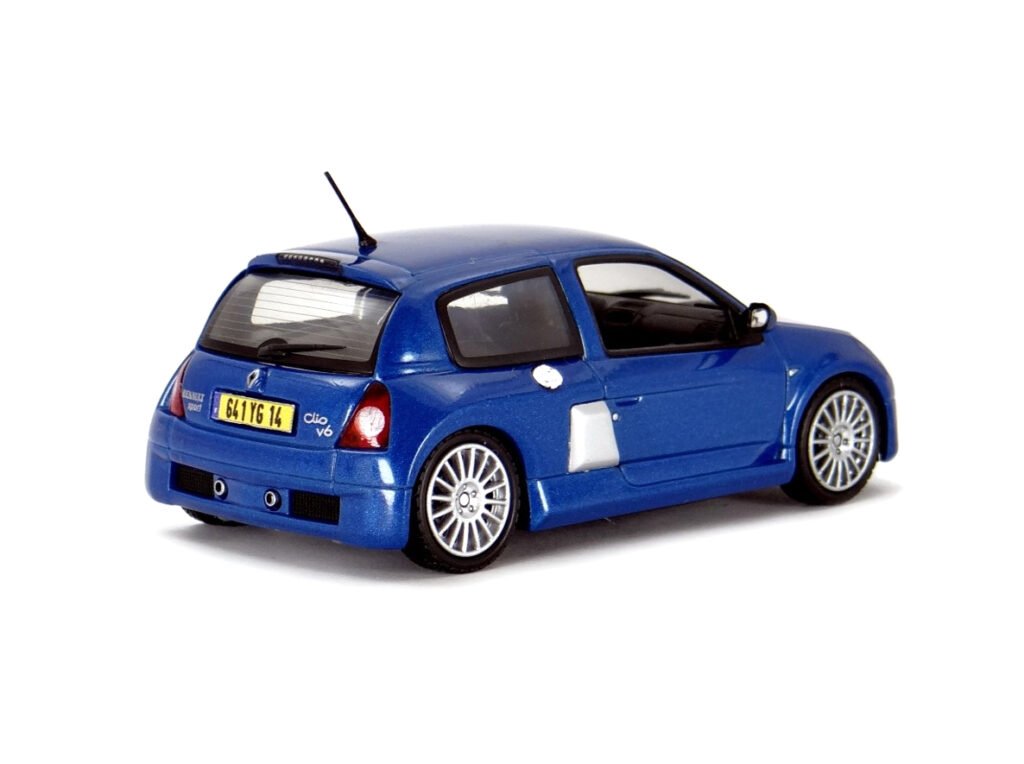
O miniaturze – Renault Sport Clio V6 Phase 2
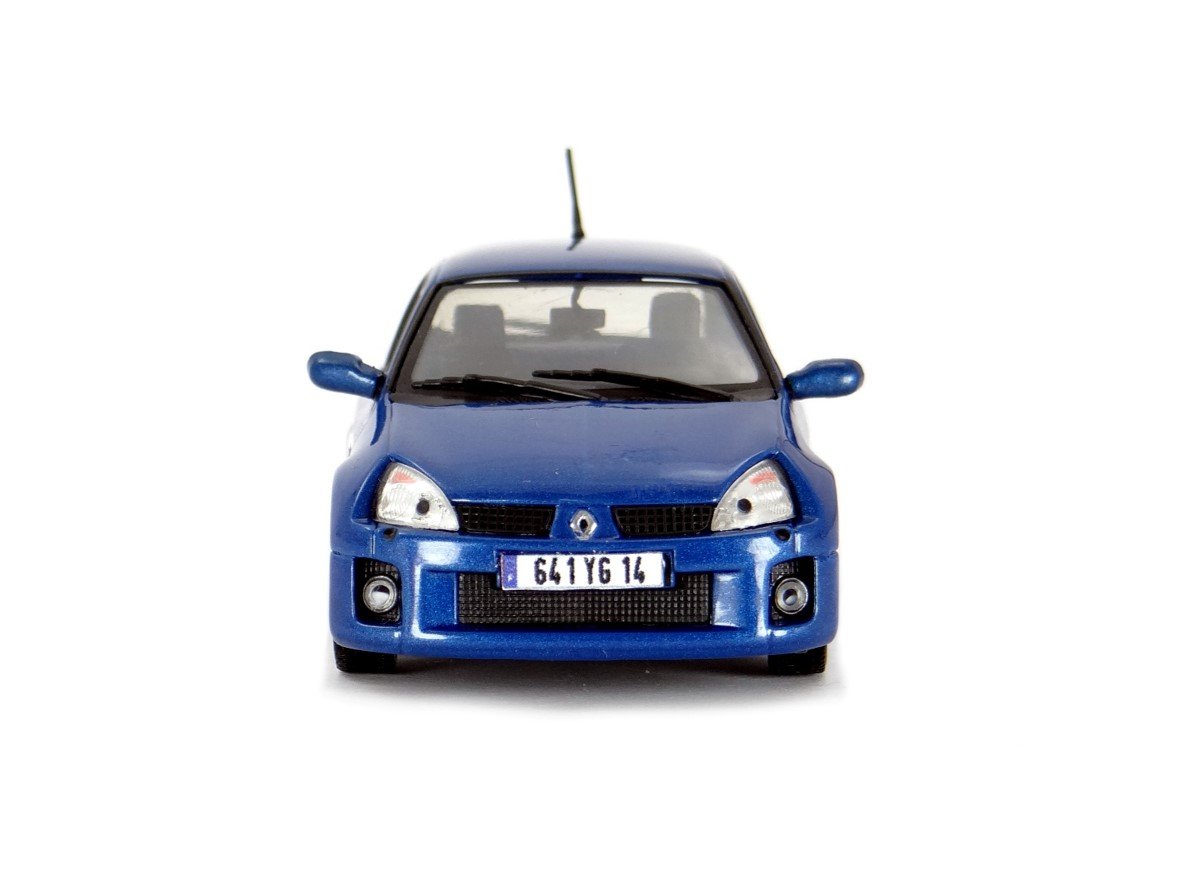
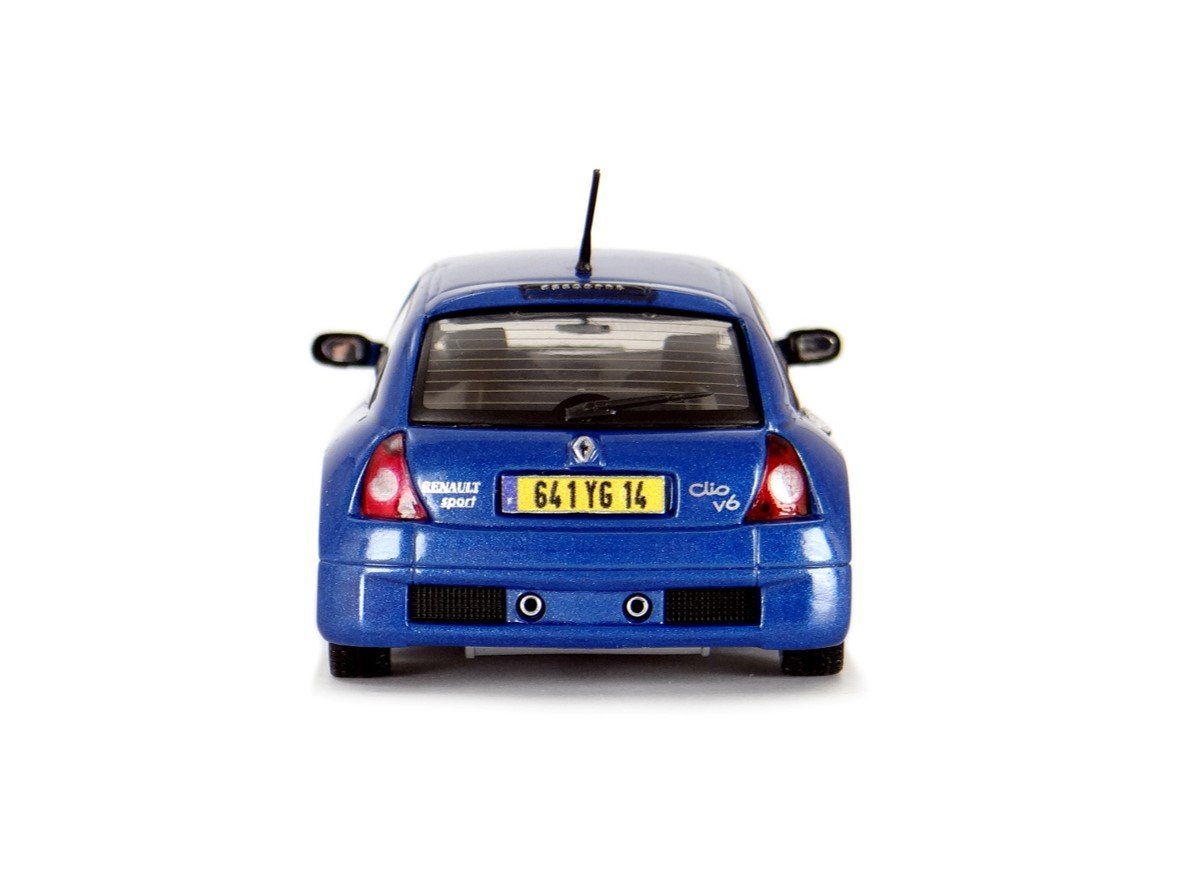
Model Renault Sport Clio V6 Phase 2 w skali 1/43 wykonany przez Universal Hobbies pochodzi z serii “Renault Collection” wydawnictwa M6. Należą się mu najwyższe słowa uznania, bo poziomem odwzorowania równa się z modelami gablotkowymi, choć to “tylko” gazetówka. Szczególne wrażenie robi odwzorowanie wnętrza. Mamy oznaczenia “Renault Sport” na siedzeniach, widoczne tarcze zegarów i barwione na kolor nadwozia elementy kokpitu.
Jedyny większy minus to widoczne bolce mocujące w przednich reflektorach. Szkoda, że producent ich nie zamaskował, bo tak modelik byłby perfekcyjny. Ale nawet z widocznymi bolcami jest to świetna miniaturka.
Zapraszam Was do galerii zdjęć oraz oczywiście stron MiniAutomobile na social mediach: Facebooku i Instagramie!
*** ENGLISH ***
If you think this is just a lightly refreshed car, think again. The Renault Sport Clio V6 Phase 2 is heavily redesigned and is better than the previous model in every way.
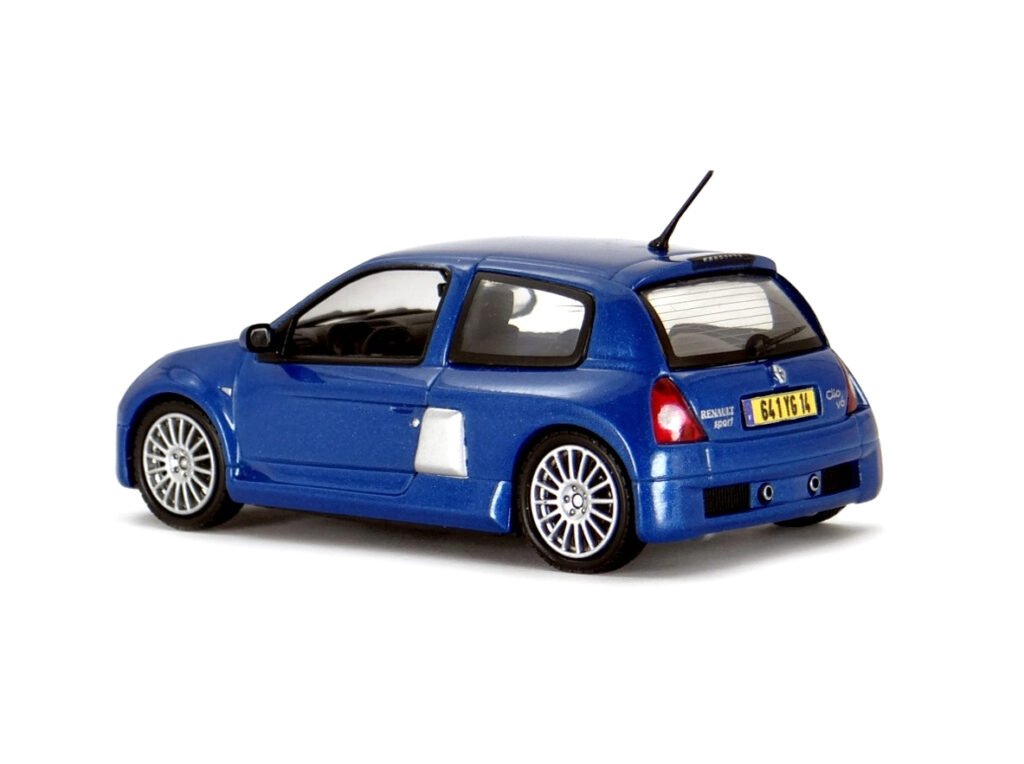
The turn of the century was a time when Renault had the courage to bring its wildest ideas to life. The Renault Sport Clio V6 is a perfect example. Created as the spiritual successor to the legendary R5 Turbo and related to the racing Clio Trophy, it was something truly unusual. A small hatchback with rear-wheel drive and a mid-mounted V6 engine was a beast that shared little with the regular Clio beyond its name. If the Clio had ever turned into the Hulk, this is exactly what it would have looked like —complete with a similarly unruly character.
Because the car was developed in just 18 months, it suffered from multiple issues. The mix of high power, flawed suspension design and a short wheelbase made for unpredictable and poor handling. Even experienced drivers often struggled to keep it under control. In the wrong hands, the Clio V6 could genuinely be dangerous.
That’s why Renault quickly set off to right the wrongs. Two years after releasing the first series, in summer 2003 the French brand presented new Clio V6. At first glance, the updates just brought the model’s looks in-line with the rest of the facelifted Clio range. But, looks surely are deceiving in this case. Mechanically, it’s essentially a different car.
Renault Sport Clio V6 “phase 2”, just like the “phase 1”, was developed with Tom Walkinshaw Racing (TWR), a British engineering firm and a motor racing team. This time however, the vehicle was much more refined. The most significant improvement targeted the car’s main weakness at the time: the chassis and suspension. Engineers implemented longer trailing arms (which increased the wheelbase), widened the front track and revised the subframe design with additional cross-bracing to increase structural rigidity. The engineers also redesigned the suspension setup and revised its geometry, complementing it with new dampers. The steering system was also refined, reducing the turning circle from 13 m to 11.3 m.
Major changes also happened under the bonnet. The 3.0-litre V6 engine from the previous model was extensively modified. Development involved TWR, Renault Sport and even Porsche! The German engineers designed a completely new ECU specifically for the Clio V6. The upgraded engine produced 254 hp, 24 hp more than the previous version. It was paired with a new gearbox, also developed specifically for this model. As a result, the car achieved a top speed of 245 km/h and accelerated from 0 to 100 km/h in 5.8 seconds.
Although all these changes resulted in a 45 kg increase in curb weight, they significantly improved the car’s dynamics and handling. The Renault Sport Clio V6 “Phase 2” was certainly superior in every way to the original Phase 1 model. As Steve Marvin from TWR, who was responsible for the project, admitted, while the first Clio V6 was essentially a prototype brought into production, the 2003 “Phase 2” was a fully finished product.
While TWR was responsible for the creation and transformation of the project, it didn’t see it through to the production stage. Due to TWR’s financial trouble and its demise in 2002, the production had to be taken on by Renault. The French moved it to their Renault-Alpine assembly plant in Dieppe, which produced 1309 examples of the Clio V6 Phase 2, before saying a final goodbye to it in July 2005.
Renault built a total of 2,940 Sport Clio V6 units across all versions. Even when it was new, the car was already hailed as a classic, so it’s no surprise that it now fetches eye-watering prices at auctions. Especially since there will never be another car like it.
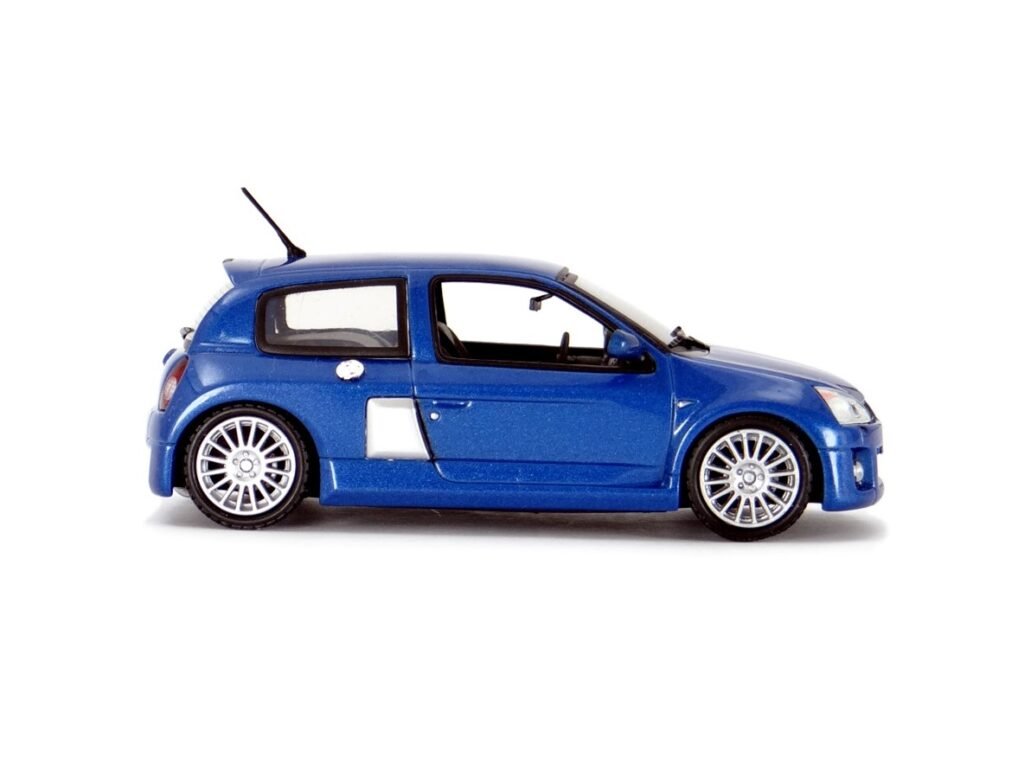
About the miniature – Renault Sport Clio V6 Phase 2
The 1:43 scale Renault Sport Clio V6 Phase 2 model produced by Universal Hobbies comes from the “Renault Collection” series published by M6. It deserves the highest praise, as its level of detail matches display-case models, even though it is “just” a partwork series model. The interior detail is particularly impressive, featuring “Renault Sport” seat markings, visible instrument dials, and body-coloured cockpit elements.
The only major downside is the visible mounting pins in the front headlights. It’s a shame the manufacturer didn’t hide them, as the model would otherwise be perfect. Even so, despite the visible pins, it remains an excellent miniature.
Go and check out the image gallery and of course the MiniAutomobile social pages on Facebook and Instagram!