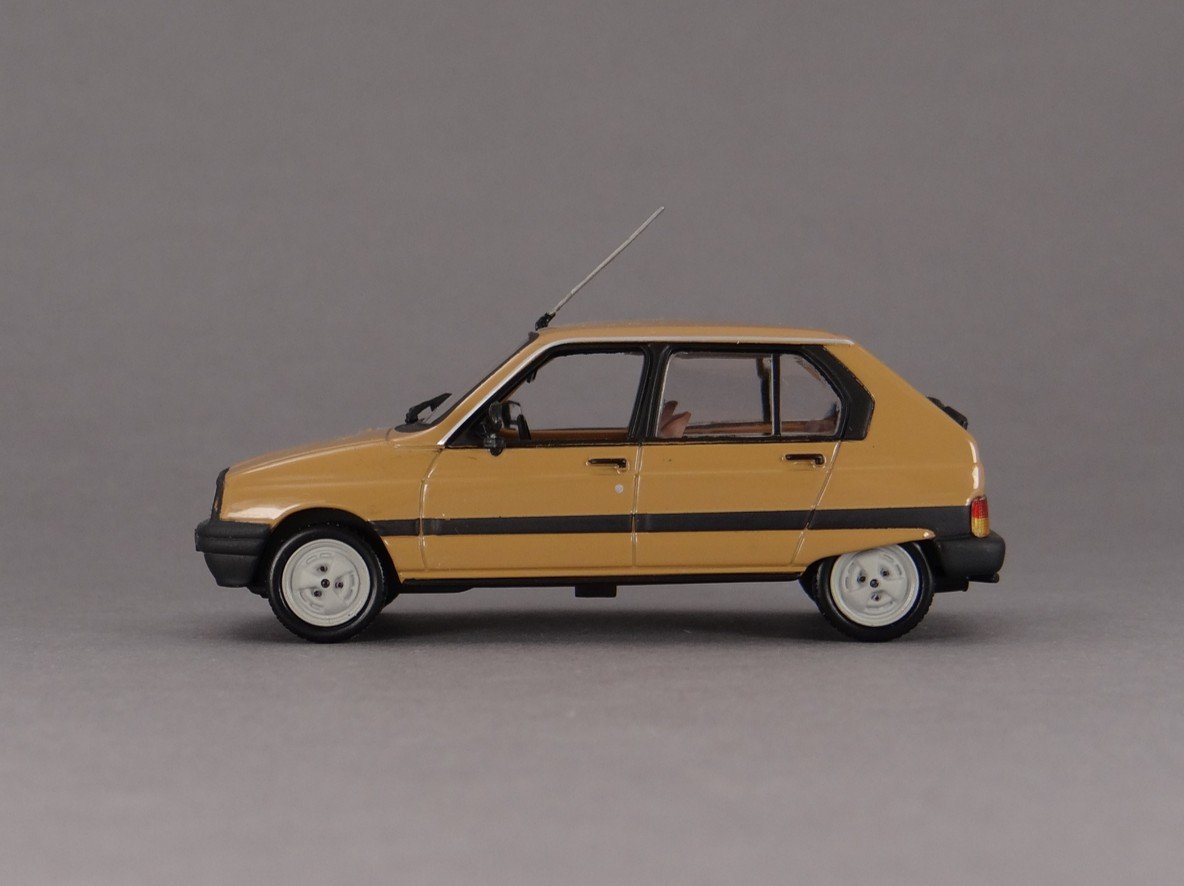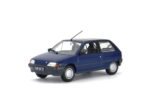

Nie ma co owijać w bawełnę – Citroën Visa z pierwszej serii był po prostu brzydkim kaczątkiem. Jego osobliwa uroda bardziej odstraszała, niż zachęcała potencjalnych nabywców. Wersja po liftingu, znana jako Citroën Visa II, nie stała się może pięknym łabędziem, ale jej wygląd był już o wiele mniej kontrowersyjny.

Citroën pewno nie tak to sobie wyobrażał. Prace nad nowym miejskim samochodem trwały bowiem aż 10 lat i naznaczone były ciągłymi problemami. Kiedy Visa w końcu zadebiutowała w 1978 roku, wzbudziła duże kontrowersje swoim wyglądem. Dość nietypowe proporcje nadwozia oraz przedni pas który nazwano potocznie „świńskim ryjkiem” przykuwały całą uwagę. Mało kto dostrzegał niewątpliwe zalety Visy takie jak ekonomiczne silniki, praktyczne wnętrze i komfort jazdy. Dla większości bardziej liczył się wygląd, a ten większość nabywców odstraszał. Visa sprzedawała się znacznie poniżej oczekiwań i nieporównywalnie gorzej od Renault 5 czy nawet Peugeota 104, na którym bazowała.
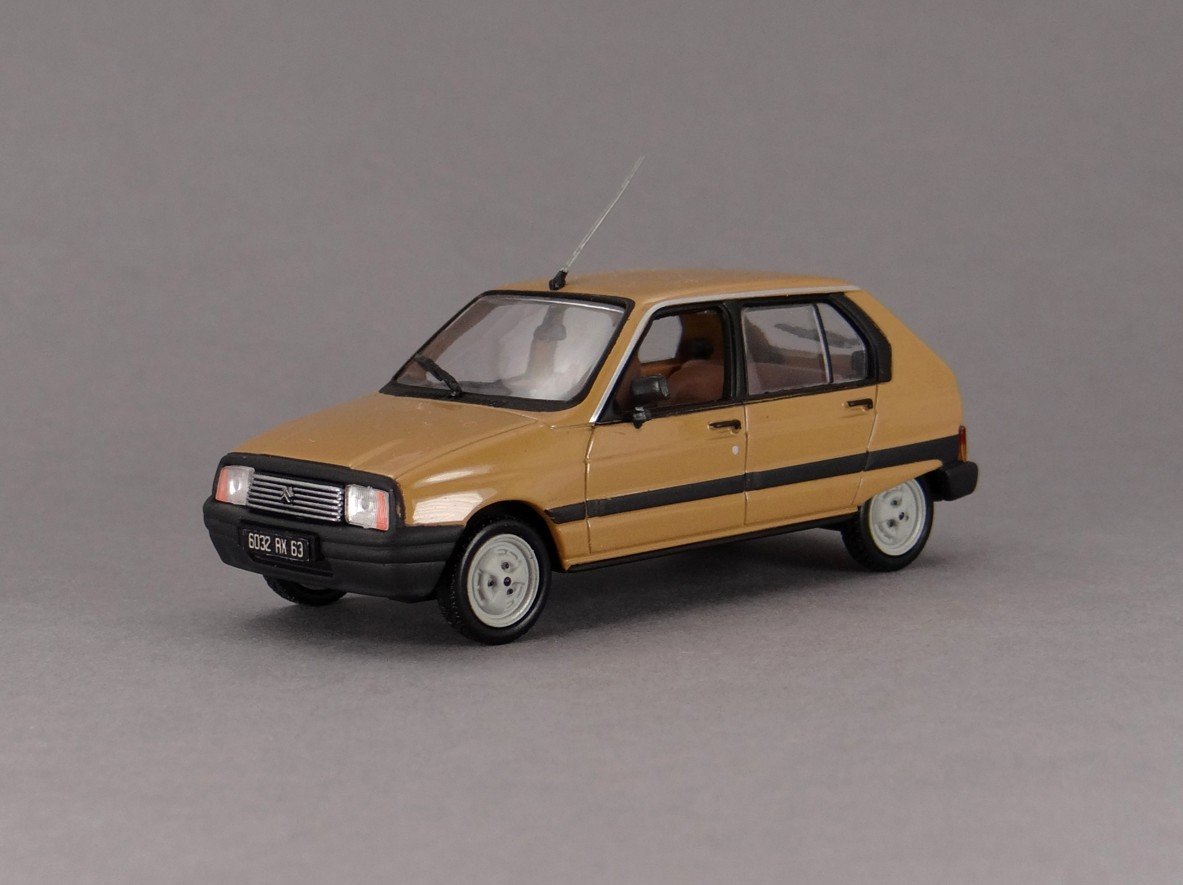
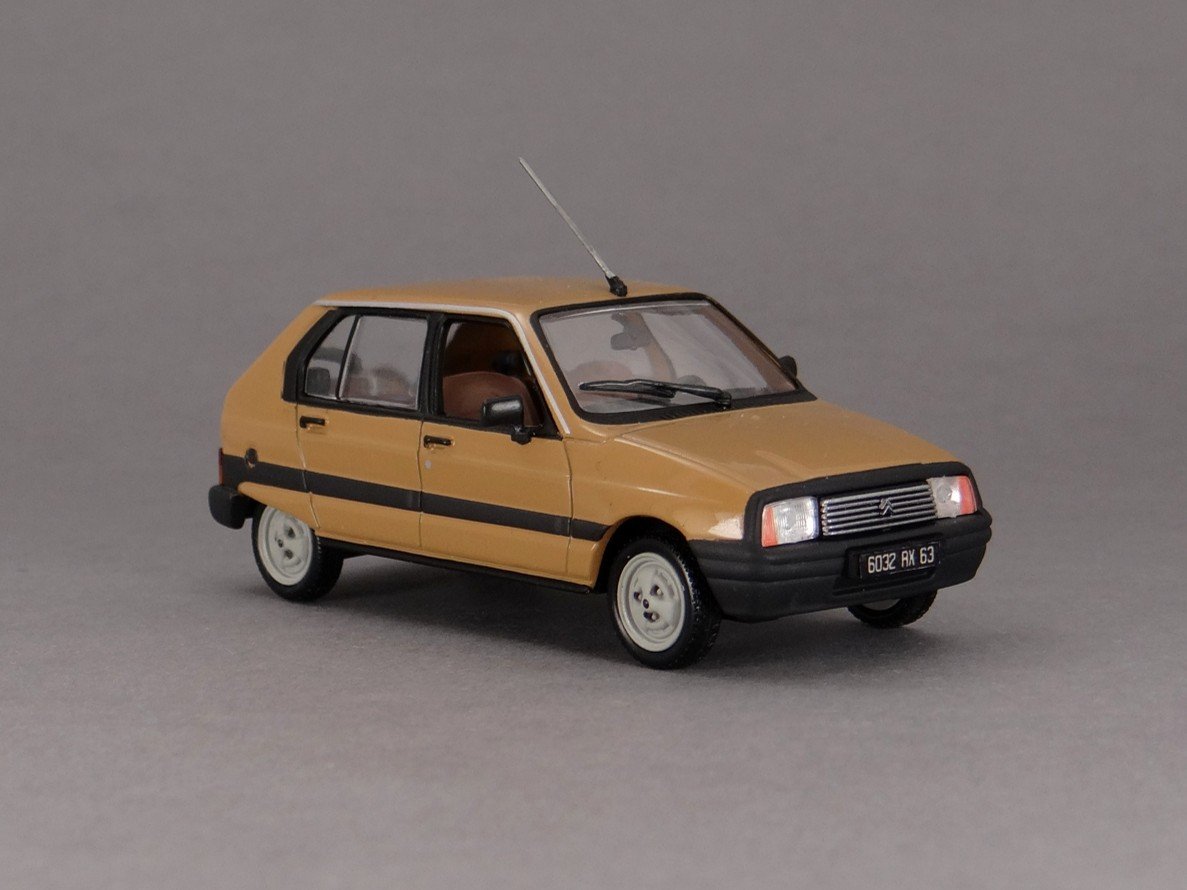
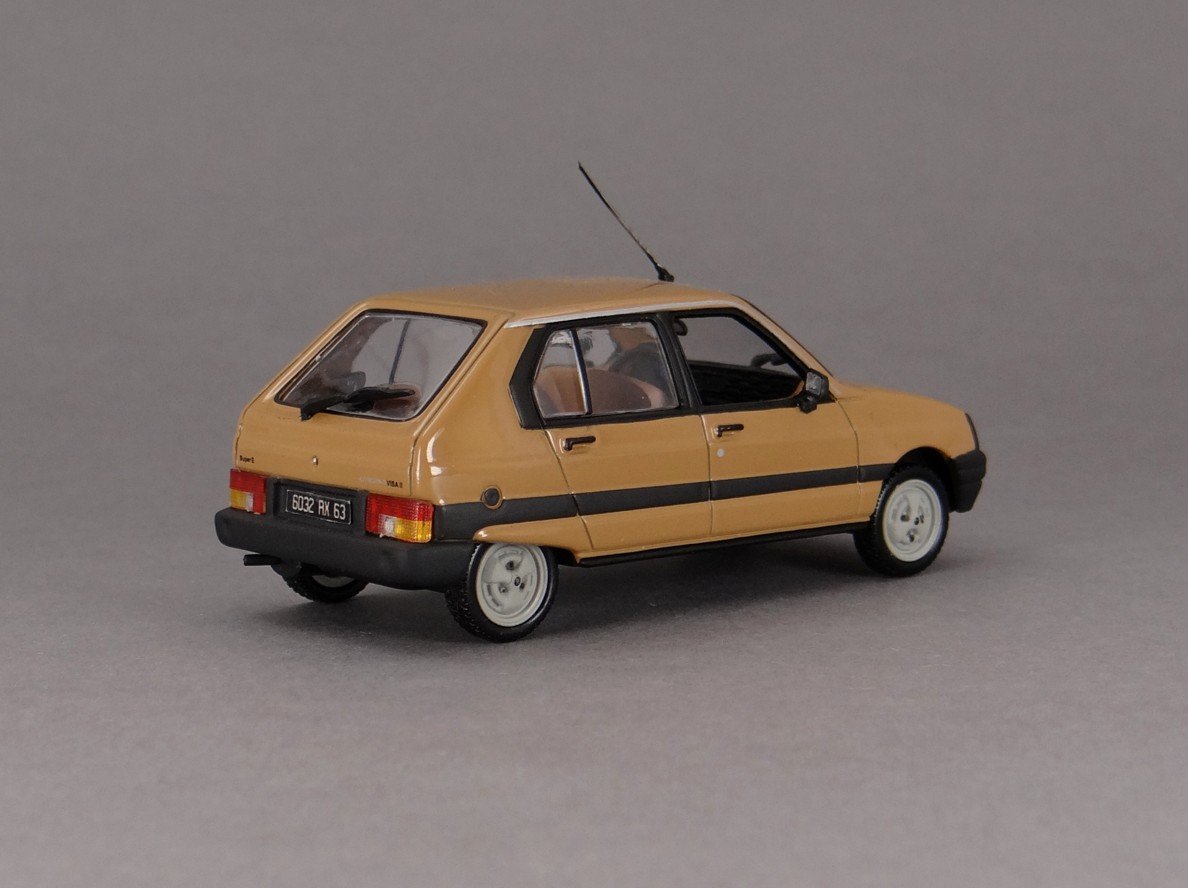
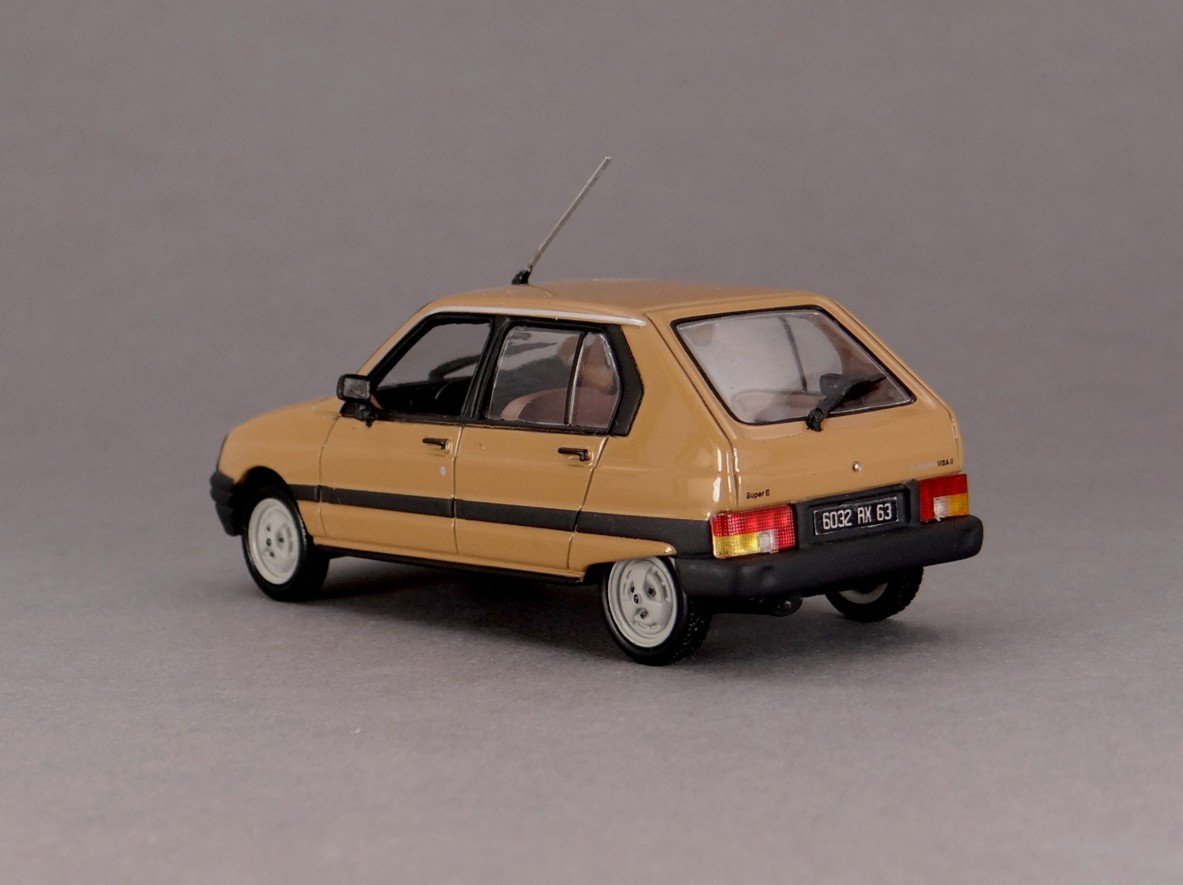
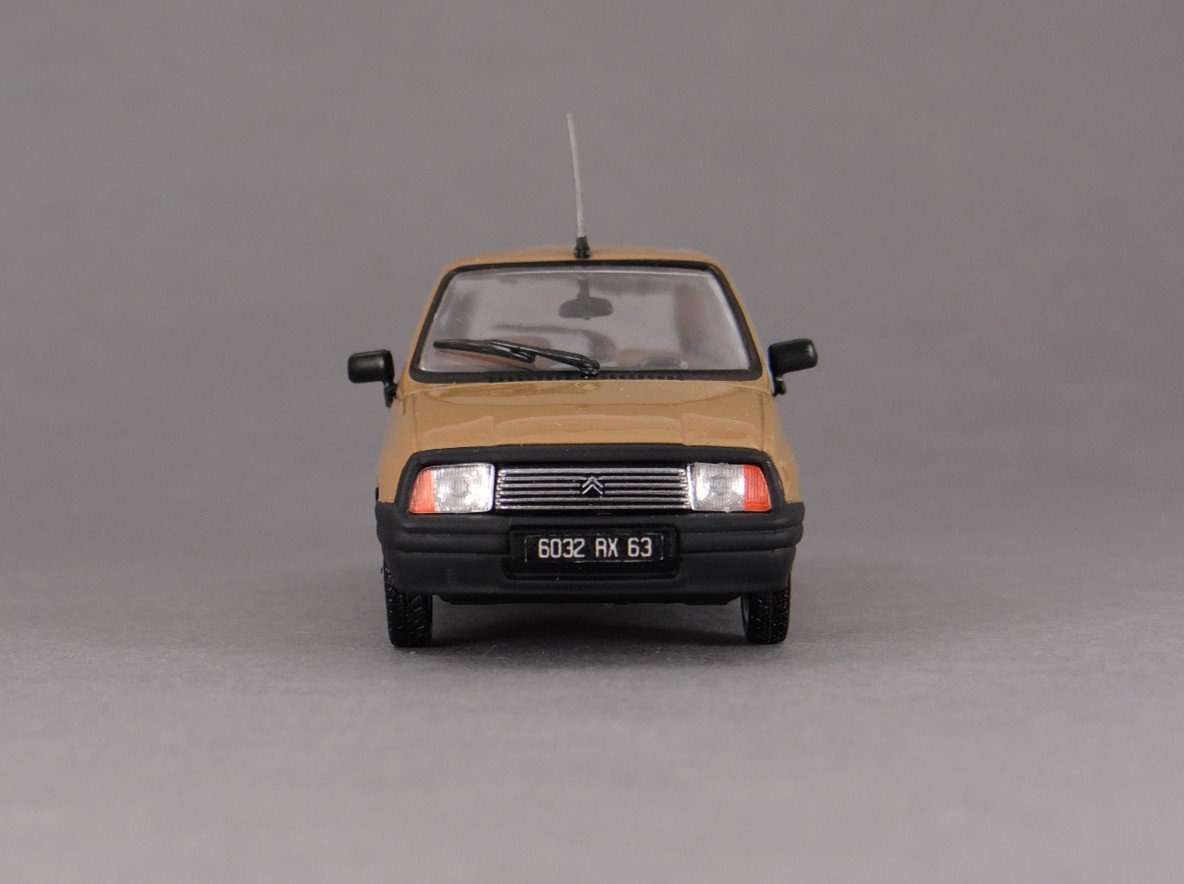
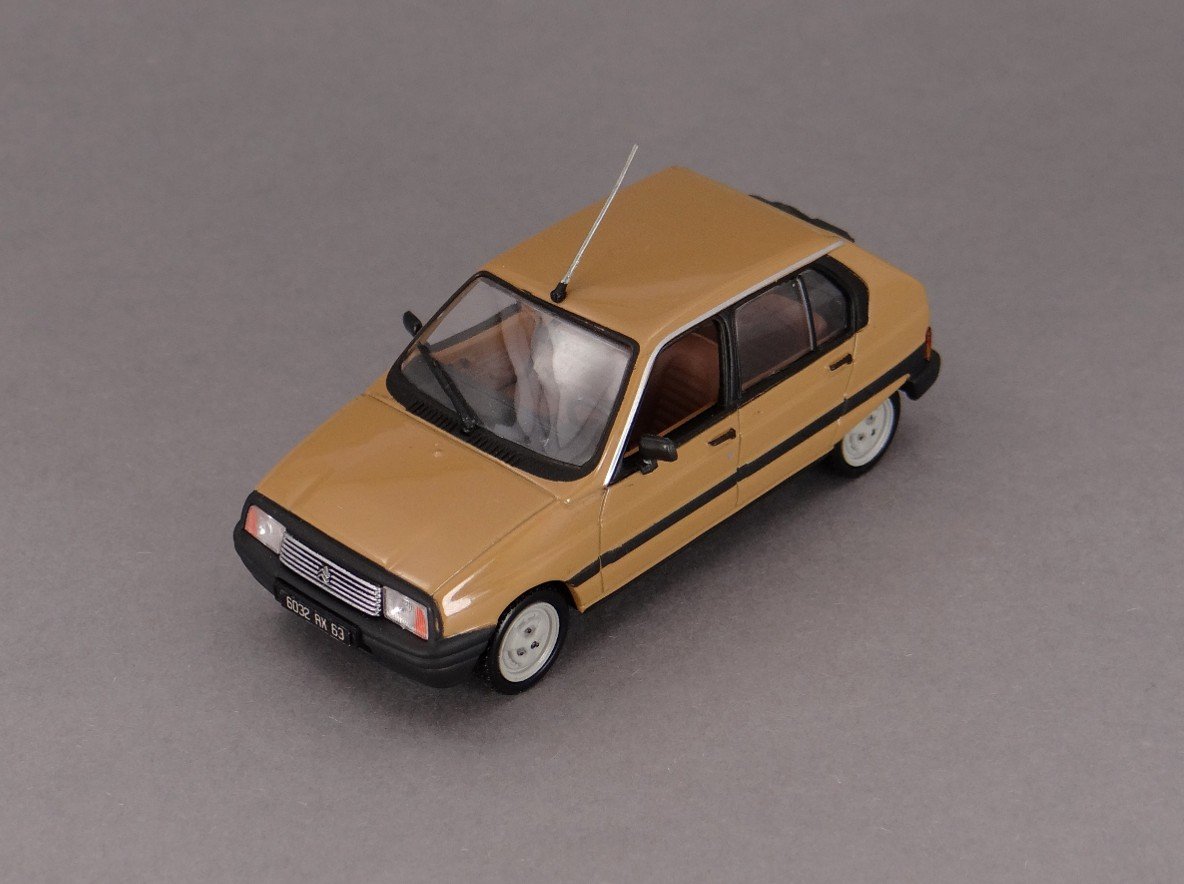
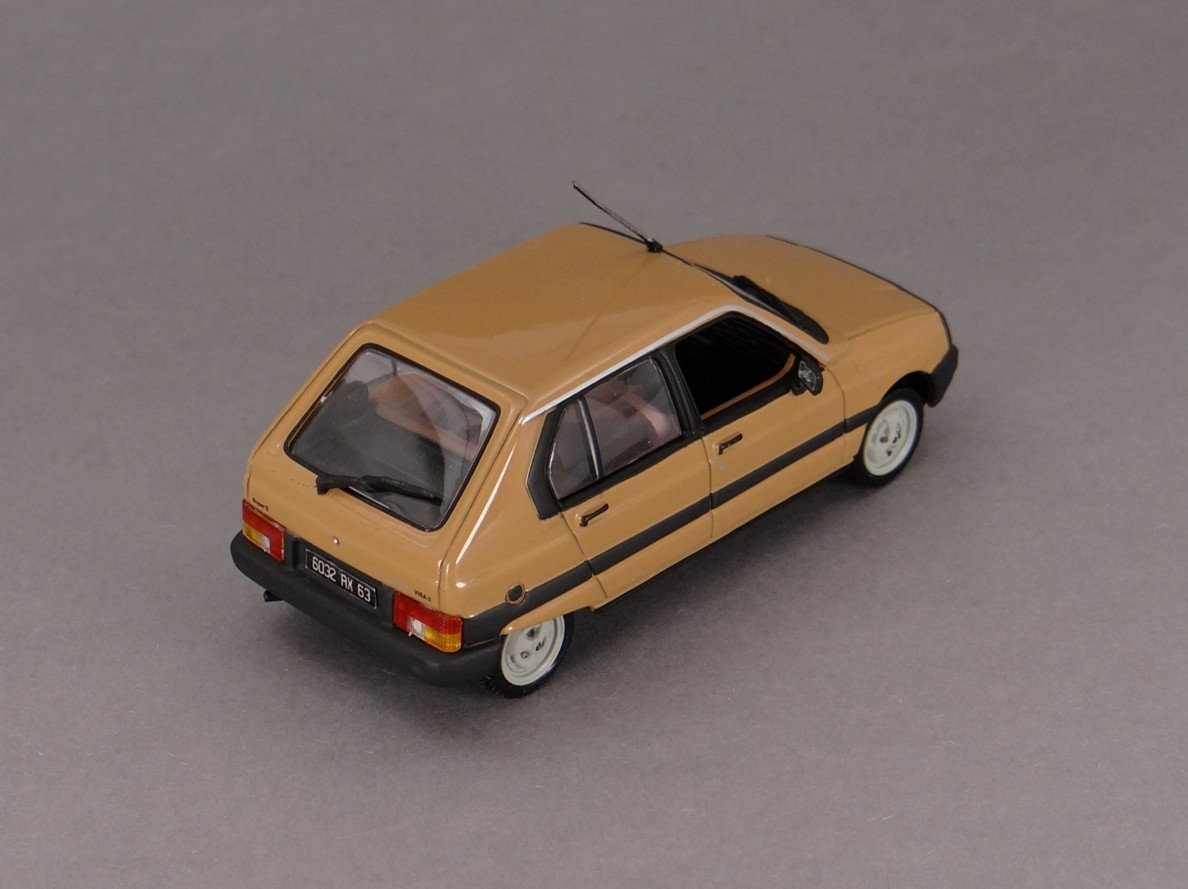
W odpowiedzi na kiepską sprzedaż, w 1981 roku na rynku pojawił się Citroën Visa II, czyli model po liftingu. Citroën powierzył przeprojektowanie auta firmie Heuliez, która za usługę wzięła podobno jedynie 250 000 franków. Niskobudżetowy lifting skoncentrowany był na najbardziej kontrowersyjnym elemencie Visy. Niesławny „świński ryjek” zastąpiono więc znacznie bardziej konwencjonalnym przodem z szerokim plastikowyk wlotem powietrza, czarnymi elementami ozdobnymi wokół przednich lamp i nowym zderzakiem. Zaburzone proporcje nadwozia skorygowano natomiast bardzo prostymi trikami optycznymi. Wokół bocznych szyb dodano po prostu plastikowe nakładki. Natomiast z tyłu, pojawiły się nowe większe światła zachodzące na boki pojazdu oraz czarna malowana ramka wokół tylnej szyby.
Technicznie z kolei nie zmieniło się w zasadzie nic. Gama silników pozostała taka sama i składała się z montowanego wzdłużnie 36-konnego, dwucylindrowego boksera o pojemności 624 cm³ przejętego z Citroëna 2CV oraz montowanego poprzecznie 57-konnego czterocylindrowego motoru o pojemności 1124 cm³. Niesamowicie miękkie zawieszenie o dużym skoku sprężyn również pozostało takie samo.
Jedynie subtelny makijaż nadwozia wystarczył, aby odwrócić losy małego Citroëna. Sprzedaż niedługo wzrosła o 50%, a Visa II przez dwa lata była najlepiej sprzedającym się Citroënem we Francji. Ku uciesze Francuzów, sprzedaż znacznie wzrosła też na rynkach eksportowych.
Poza atrakcyjniejszym wyglądem, dużą zasługę w tym miało stopniowe poszerzanie gamy przez Citroëna. Podążając za trendami epoki, w 1982 roku pojawiła się usportowiona wersja Chrono. Kilka miesięcy później pojawiły się też kolejne sportowe wersje: GT, Tonic i 1000 Pistes. Najszybszą ze wszystkich, Visę GTI, zaprezentowano natomiast w 1985 roku.

Rok wcześniej z kolei Citroën wprowadził do oferty odmianę kabriolet nazwaną Visa Décapotable. Wtedy do oferty dołączyły też wersje z wolnossącym silnikiem diesla (modele 17 D i 17 RD) oraz model 10E z 45-konnym benzynowym silnikiem 954 cm³. W roku 1984 Visa przeszła też drugą restylizację, ale tym razem tylko we wnętrzu. Największą zmianą było pozbycie się najciekawszego elementu wnętrza, czyli citroenowskiego wynalazku „satelity PRN” (P od Pluie, czyli deszcz; R od Route, czyli droga; N od Nuit, czyli noc), za której pośrednictwem korzystało się z wycieraczek, spryskiwaczy, reflektorów, kierunkowskazów oraz klaksonu. „Satelitę PRN” zastąpiono zwyczajnymi dźwigienkami oraz przyciskami na obudowie zegarów. Niestety, znacznie ucierpiała na tym oryginalność wnętrza, które poza jednoramienną kierownicą nie wyróżniało się już niczym innym.
Zgodnie z modą lat.80, Citroën wypuścił też wiele wersji limitowanych Visy II. W kwietniu 1982 była wersja WestEnd, we wrześniu 1983 wersja Platinum, w marcu 1984 wersja Olympique, w marcu 1985 wersja Challenger a w marcu 1986 wersja Leader.
Bodajże najbardziej rozpoznawalną odmianą Visy był jednak bazujący na niej mały dostawczak Citroën C15. Zaprezentowany w 1984 roku i produkowany aż do 2006 roku, sprzedał się w liczbie ponad 1,18 mln egzemplarzy, czyli niewiele mniejszej od samej Visy (ponad 1,25 mln egzemplarzy).
W 1987 roku Visę zastąpił Citroën AX, jednak oba modele były oferowane równolegle jeszcze przez rok. Jako tańsza alternatywa, Visa występowała tylko w podstawowych wersjach wyposażenia z wybranymi silnikami.
Choć Citroën Visa II cieszył się znacznie większą popularnością niż model pierwszej serii, to nigdy nie został czołowym graczem w swoim segmencie. Dlatego też, w pamięci zbiorowej jest to model raczej zapomniany. Żyje głównie w świadomości miłośników aut znad Sekwany.

O miniaturze – Citroën Visa II Super E
Citroën Visa II Super E pochodzi z 50. numeru francuskiej serii „Passion Citroën”. Seria ukazywała się w latach 2004 – 2006 wydawnictwem Éditions Atlas, ale sam modelik został już wyprodukowany przez Universal Hobbies.
Modele w tej serii prezentowały różny poziom, ale akurat Visa II jest jednym z lepszych. Proporcje nadwozia się zgadzają, poziom odwzorowania też jest bardzo dobry. Modelik wymagał tylko niewielkich modyfikacji. Dodałem szkiełka w bocznych lusterkach, pomalowałem antenkę na srebrno, zamalowałem czarne bolce mocujące lampy oraz dodałem francuskie rejestracje. Chciałem wymienić też wycieraczki na fototrawione, ale okazało się to skomplikowanym zabiegiem. Zostałem więc przy fabrycznych wycieraczkach.
Jak zwykle, zapraszam do oglądania i komentowania modelu i zapraszam na social media – Instagrama i Facebooka!
*** ENGLISH ***
No point in beating around the bush — the first-series Citroën Visa was simply an ugly duckling. Its peculiar looks did more to scare potential buyers off, than to attract them. The facelifted version, known as the Citroën Visa II, didn’t necessarily become a beautiful swan, but its appearance was far less controversial.

This was certainly not how Citroën had imagined it. Work on the new city car dragged on for 10 years and was plagued by constant problems. When the Visa finally debuted in 1978, it sparked major controversy with its appearance. The rather unusual body proportions and the front end, commonly nicknamed the “pig’s snout”, drew all the attention. Very few noticed the Visa’s undeniable strengths, such as economical engines, a practical interior and a comfortable ride. For most buyers, looks mattered more — and those looks put the majority of them off. As a result, the Visa sold far below expectations and performed incomparably worse than the Renault 5 or even the Peugeot 104 on which it was based.
In response to poor sales, the Citroën Visa II — the facelifted version of the model — appeared on the market in 1981. Citroën gave the task of redesigning to Heuliez, which reportedly charged only 250,000 francs for the job. The low-budget facelift focused on the most controversial element of the Visa. The infamous “pig’s snout” was thus replaced with a much more conventional front end featuring a wide plastic air intake, black decorative trims around the front headlights and a new, larger bumper. Meanwhile the awkward body proportions were corrected using very simple optical tricks. Plastic trim pieces were added around the side windows. At the rear, new wrap-around light clusters appeared, alongside a black painted frame around the rear window.
Mechanically on the other hand, almost nothing changed. The engine lineup remained the same and consisted of a longitudinally mounted 624 ccm, 36 hp, two-cylinder boxer unit taken from the Citroën 2CV, as well as a transversely mounted 1124 ccm, 57 hp, four-cylinder motor. The incredibly soft suspension with long spring travel also remained unchanged.
Just a subtle touch of make-up to the bodywork was enough to turn the fortunes of the small Citroën around. Sales soon increased by 50% and for two years the Visa II was the best-selling Citroën in France. Much to the delight of the French, sales also rose significantly in export markets.
Apart from the more attractive appearance, much of the credit for this goes to Citroën’s gradual expansion of the model range. Following the trends of the era, a sportier Chrono version appeared in 1982. A few months later, further sporty variants also appeared: the GT, Tonic, and 1000 Pistes. The fastest of them all, the Visa GTI, was introduced in 1985.

A year earlier, Citroën introduced a convertible variant called the Visa Décapotable. At the same time, naturally aspirated diesel versions (the 17 D and 17 RD models) were added to the lineup, along with the 10E model featuring a 954 ccm, 45 hp petrol engine. In 1984, the Visa also received a second upgrade, but this time only inside the cabin. The biggest change was the removal of the most distinctive interior feature: Citroën’s own invention, the “PRN satellite” (P for Pluie—rain; R for Route—road; N for Nuit—night), which was used to operate the wipers, washers, headlights, turn signals as well as the horn. The “PRN satellite” was replaced with conventional stalks and buttons on the instrument cluster housing. Unfortunately, this significantly reduced the interior’s originality, which—aside from the single-spoke steering wheel—no longer stood out in any other way.
In line with 1980s trends, Citroën also released many limited editions of the Visa II. In April 1982 the WestEnd version was introduced; in September 1983 the Platinum; in March 1984 the Olympique; in March 1985 the Challenger and finally in March 1986, the Leader.
However, the most recognizable variant of the Visa was probably the small Citroën C15 van based on it. Introduced in 1984 and produced until 2006, it sold more than 1.18 million units. Only slightly fewer than the Visa itself, which surpassed 1.25 million units sold.
In 1987 the Visa was replaced by the Citroën AX, but both models were sold alongside each other for another year. As a cheaper alternative, the Visa was only available in basic trim specs and with limited engine choice.
Although the Citroën Visa II enjoyed much greater popularity than the first series model, it never became a leading player in its segment. As a result, it remains a rather forgotten model in the collective memory. It lives on mainly in the consciousness of Gallic motoring enthusiasts.

About the miniature – Citroën Visa II Super E
The Citroën Visa II Super E comes from issue 50 of the French series “Passion Citroën”. The series released between 2004 and 2006 was published by Éditions Atlas. However, the model itself was produced by Universal Hobbies.
The models in this series varied in quality, but the Visa II is one of the better ones. The body proportions are correct and the level of detail is also very good. The model required only minor modifications. I added a glass effect to the wing mirrors, painted the antenna silver, painted over the black mounting pins for the light as well as French license plates. I also wanted to replace the wipers with photo-etched ones, but this turned out to be a complicated procedure. Hence, I decided to keep the standard factory wipers.
As always, check out the model and comment below! Don’t forget to also check out my social media – Instagram and Facebook!