

Choć Ford Fiesta II była sprzedawana jako model nowej generacji, w rzeczywistości stanowiła tylko lifting pierwszej Fiesty. To jednak wystarczyło, aby utrzymać sprzedaż małego Forda. Przynajmniej do czasu pojawienia się nowocześniejszych i lepszych rywali.
Pierwsza Fiesta z 1976 roku była dla Forda kluczowym samochodem. Najdroższy, na tamten czas, projekt firmy z niebieskim owalem był jej konieczną odpowiedzią na tworzący się segment B. Odpowiedzią wyśmienitą, bo Fiesta szybko stała się jednym z najpopularniejszych Fordów w Europie. Pomimo sukcesu finansowego, Ford chciał maksymalnego zwrotu pierwotnej inwestycji. Dlatego też, kiedy przyszedł czas na nową generację Fiesty, firma użyła typowo fordowskiego sposóbu z tamtego okresu. Zamiast opracowywać zupełnie nowy model, zmodyfikowała stary.
Ford Fiesta II wyglądała bardzo podobnie do Fiesty I. Niezmieniona sylwetka unowcześniona była jednak nowymi panelami karoserii i światłami. Kanciaste kształty ustąpiły miejsca obłym i bardziej wygładzonym liniom. Kabina z kolei otrzymała nową deskę rozdzielczą i nowe materiały, co znacznie poprawiło jej wygląd.
Zmiany objęły też elementy niewidoczne na pierwszy rzut oka. W nowym modelu Ford zastosował układ kierowniczy i hamulcowy pochodzący z Escorta oraz lekko zmodyfikowane zawieszenie. Powiększono też komorę silnika, aby mogła pomieścić pięciobiegową skrzynię biegów i nowe, większe silniki CVH stopniowo wprowadzane do gamy.
W momencie debiutu w sierpniu 1983 roku bowiem, Fiesta dostępna była tylko z czterocylindrowymi silnikami z rodziny Valencia znanymi z poprzednika: 1.0 i 1.1. Niedługo później wprowadzono pierwszy silnik CVH o pojemności 1.3, a w 1984 roku pierwszy w historii Fiesty diesel 1.6 oraz sportową wersję XR2.
W 1986 roku, Ford Fiesta II doczekała się mikroliftingu. Na zewnątrz główną zmianą był nowy przedni zderzak oraz nowe kolory lakieru a pod maską silnik 1.4 zastąpił jednostkę 1.3. W tym samym roku dostosowano też wszystkie silniki do spalania benzyny bezołowiowej.
Pomimo modyfikacji, Fiesta była pod koniec produkcji dość przestarzałym autem na tle konkurencji. Powiew lat 70. był aż za bardzo wyczuwalny. Nie przeszkadzało to jednak zbytnio w znajdowaniu nowych nabywców aż do 1989 roku, kiedy wprowadzono zupełnie nowy model.
O miniaturze – Ford Fiesta II
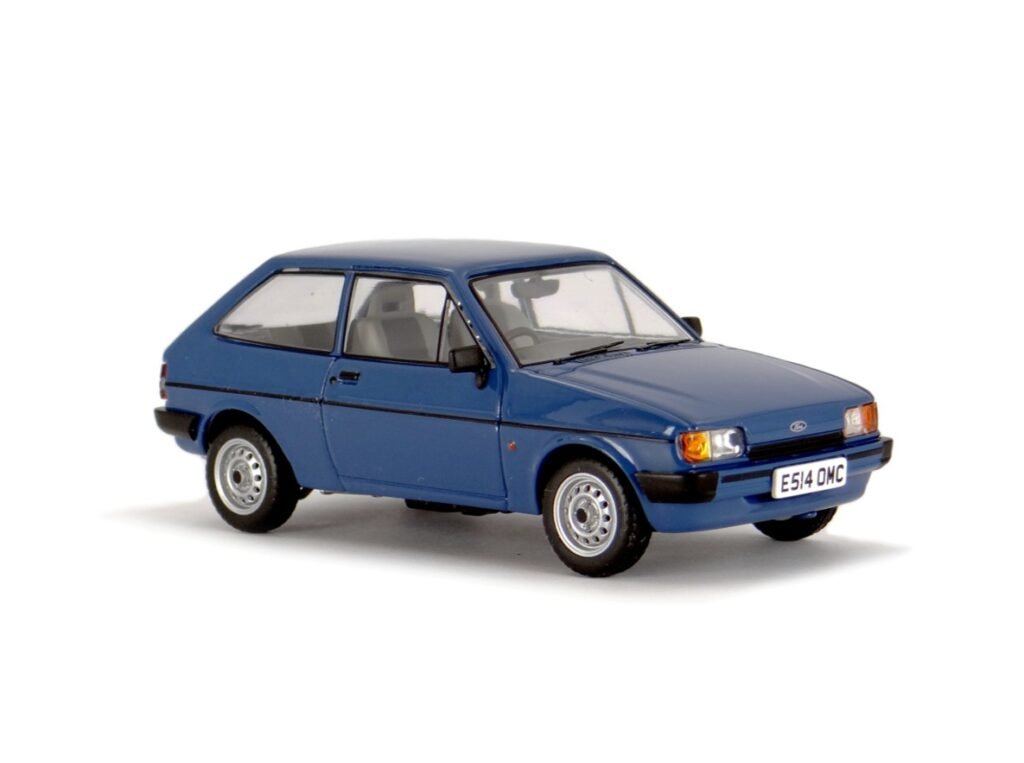
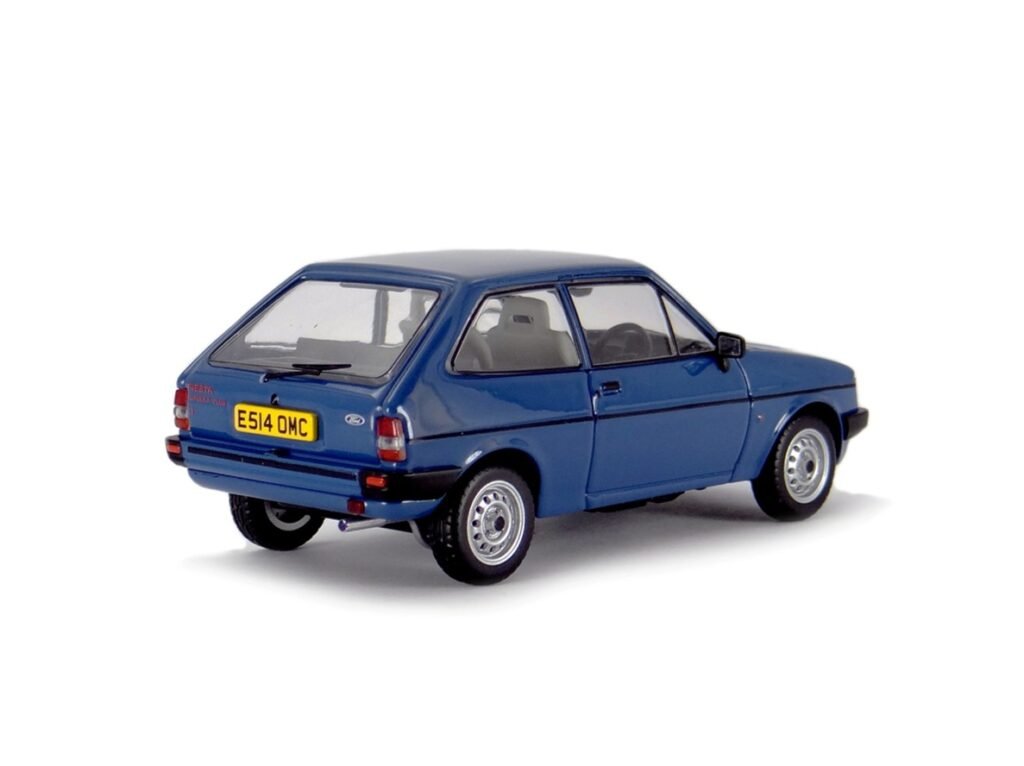
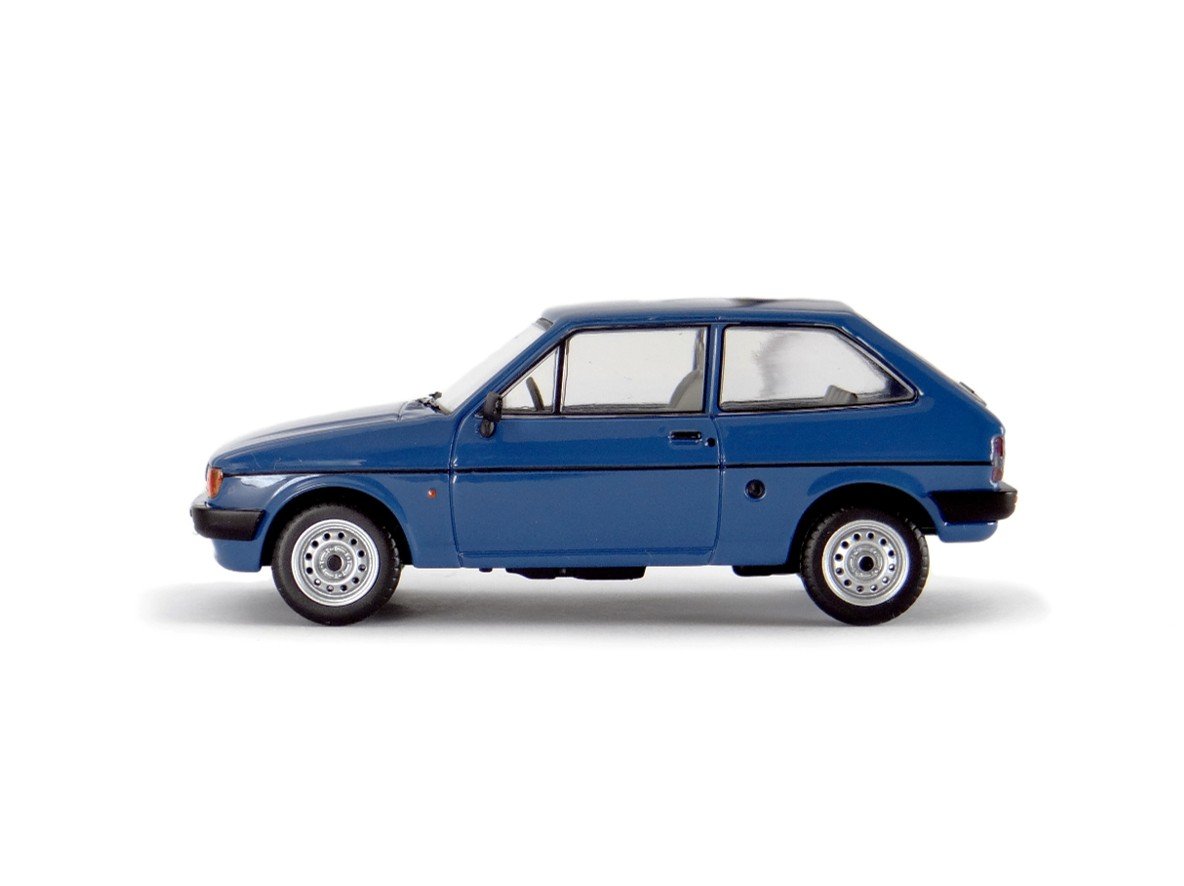
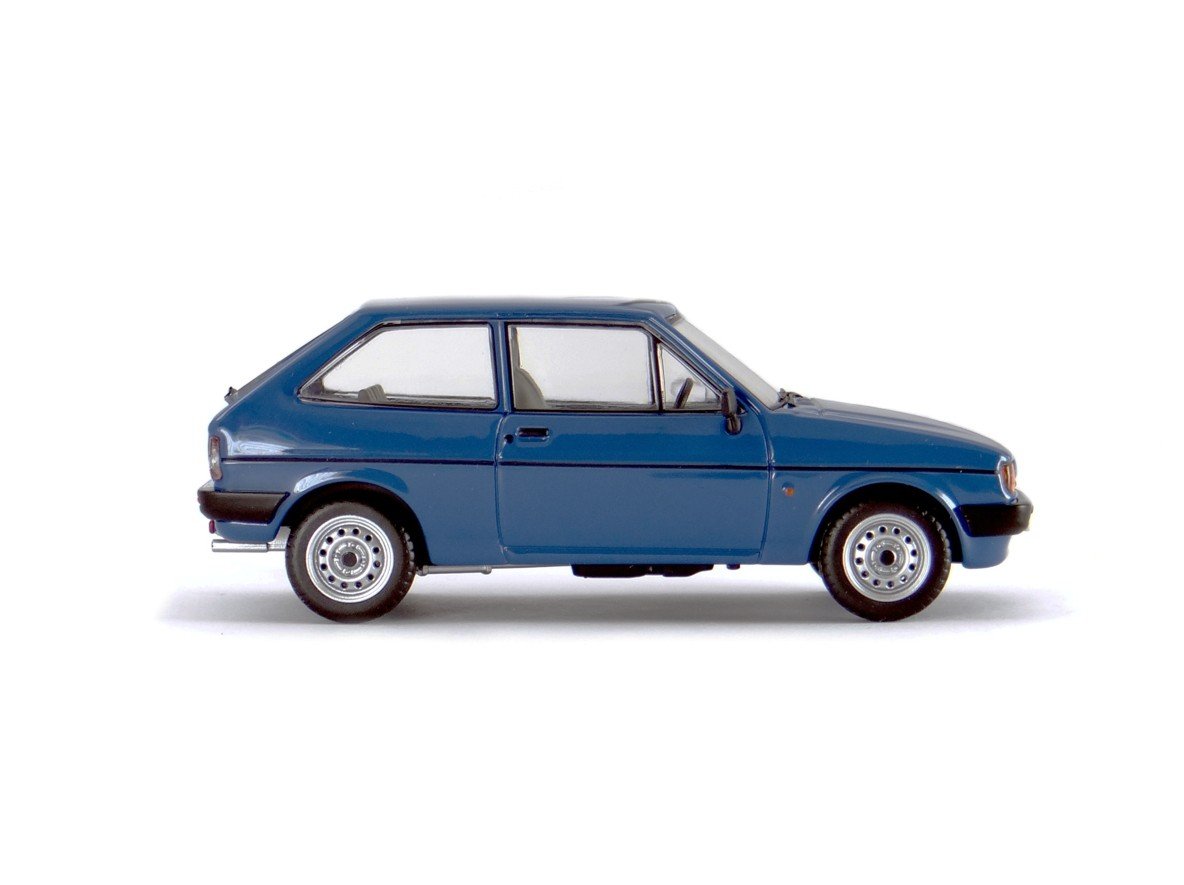
Ford Fiesta II od Corgi Vanguards była chyba najgorętszym debiutem minionego roku dla brytyjskich kolekcjonerów. Corgi wypuścił ją, razem z modelem XR2, we wrześniu i oba autka rozeszły się jak świeże bułeczki. Trudno się dziwić, bo Fiesty są od lat wpisane w brytyjski krajobraz, a druga generacja w świecie modelarskim praktycznie nie istniała. Edicola i Altaya wydały wprawdzie miniaturki Fiesty II w seriach gazetowych ponad 20 lat temu, ale to już prawdziwe białe kruki.
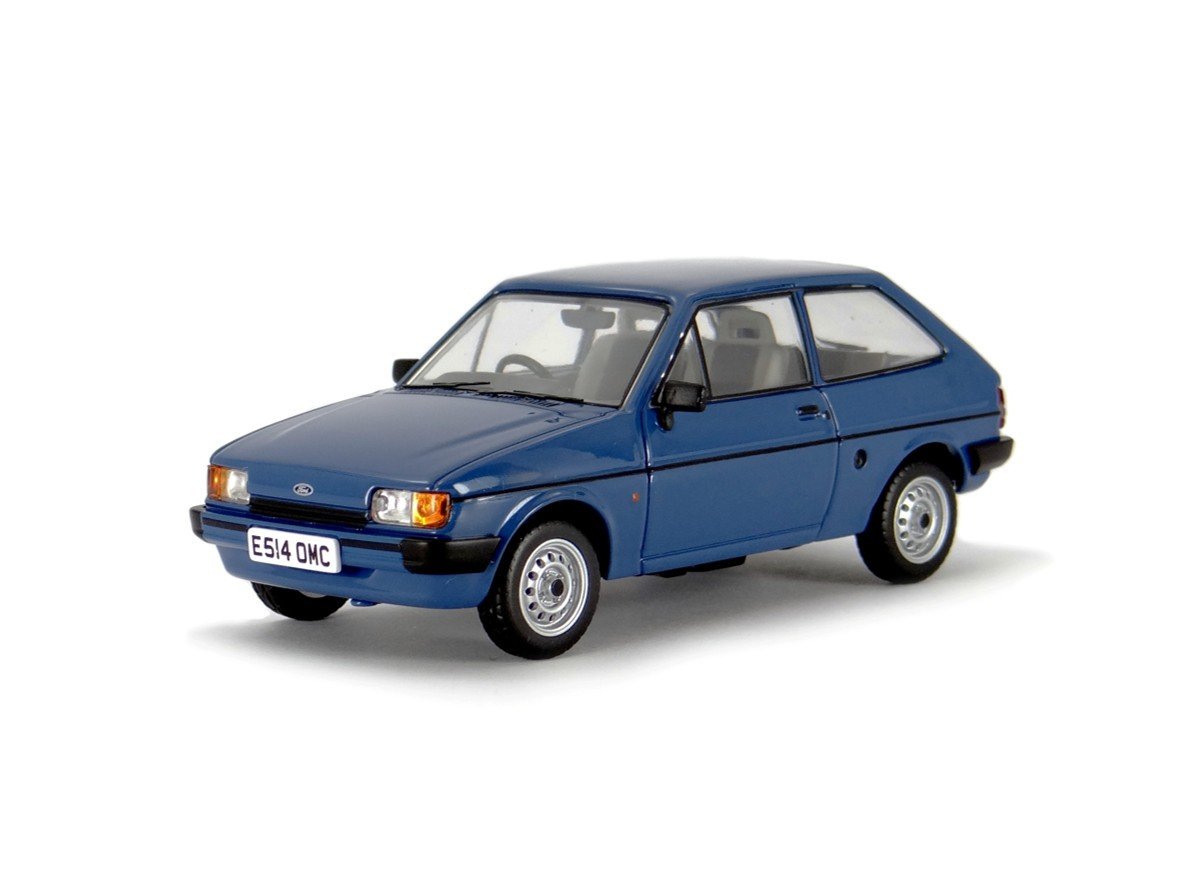
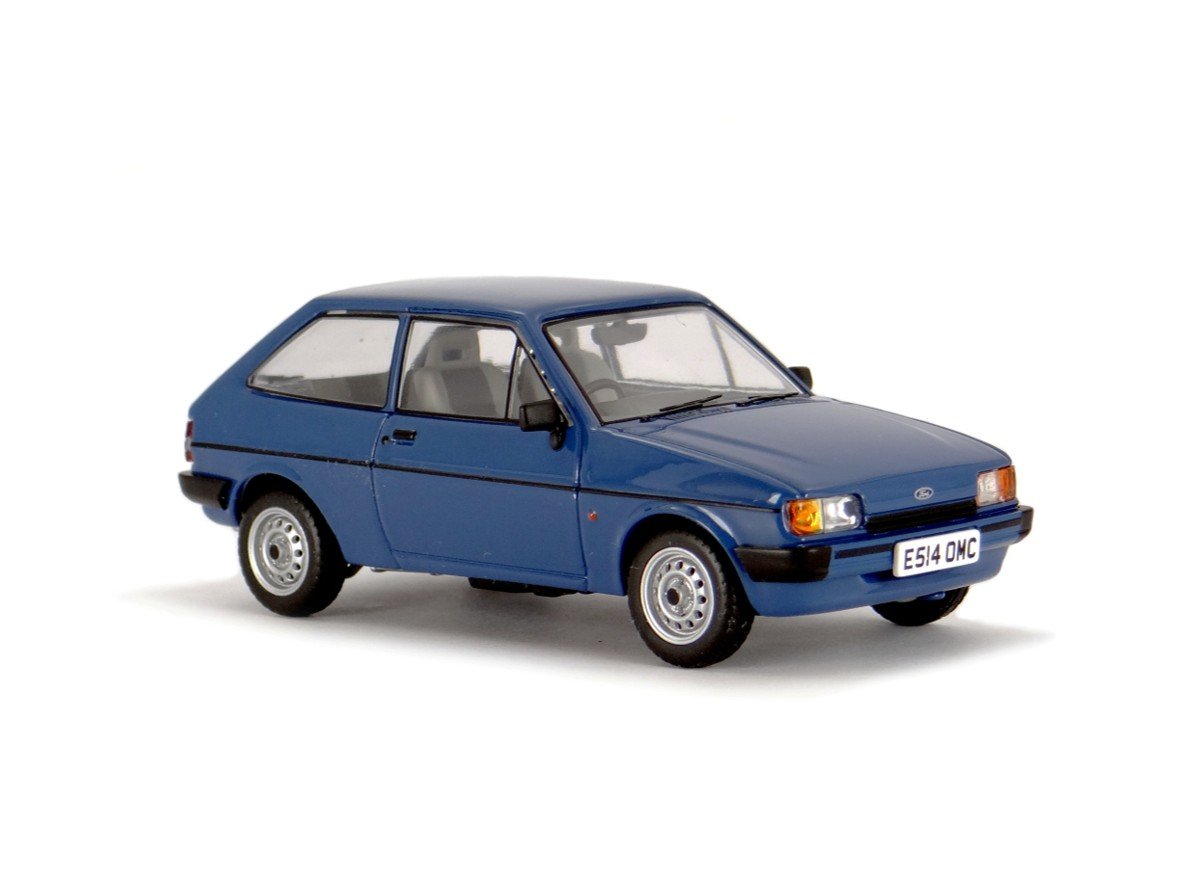
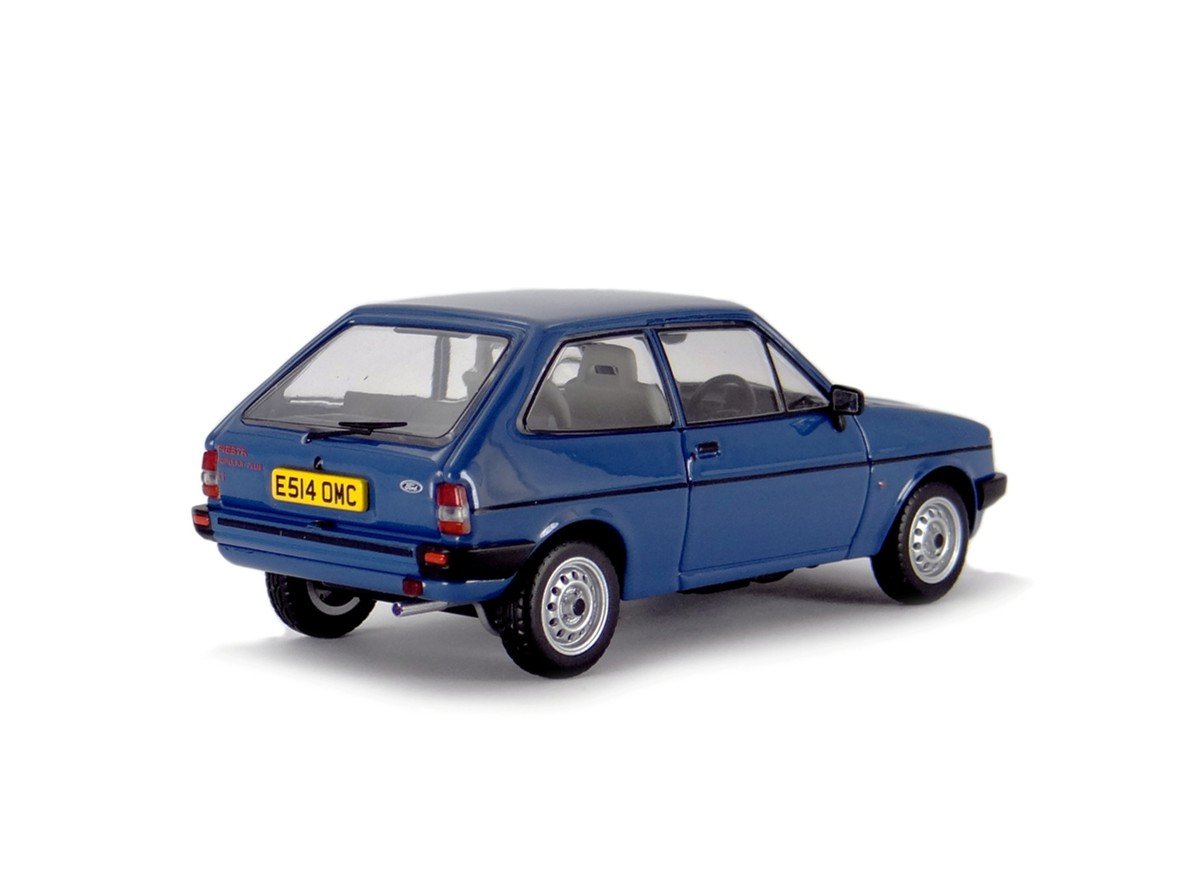
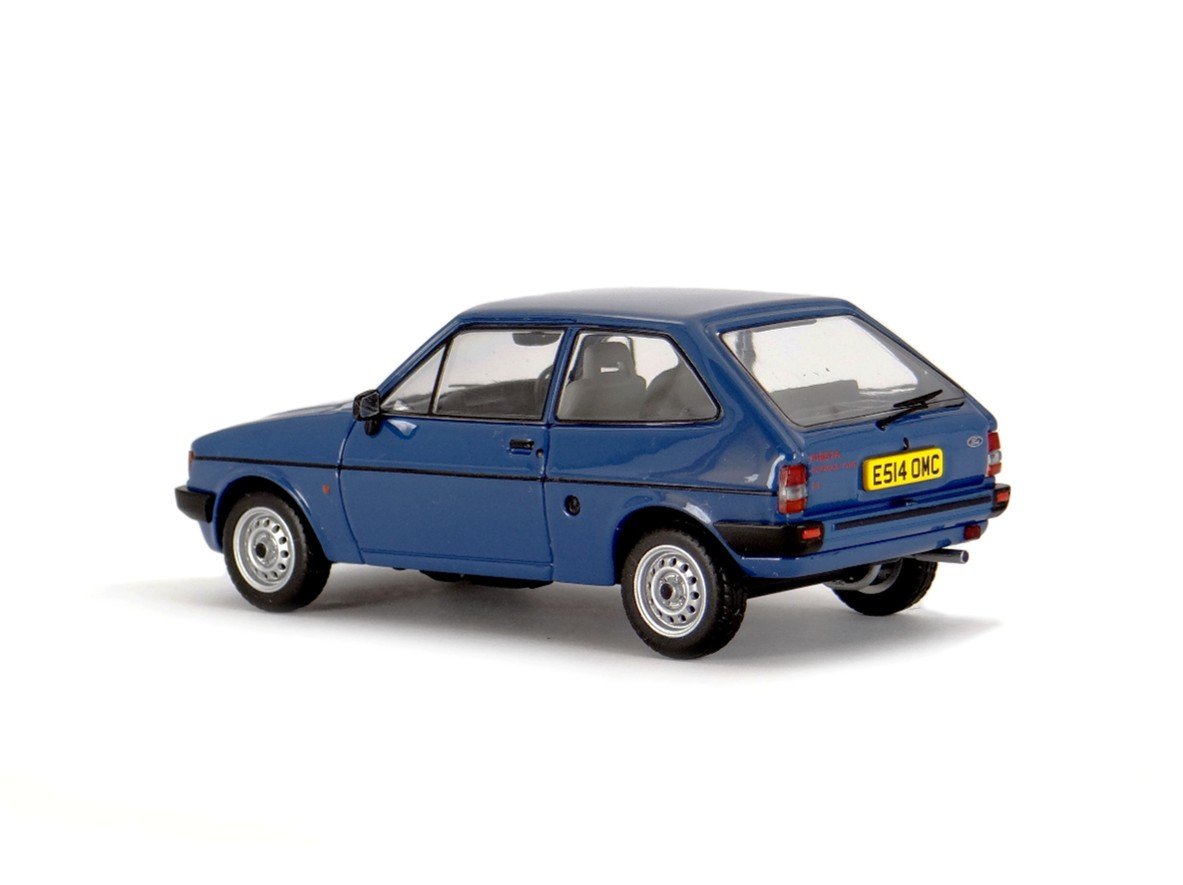
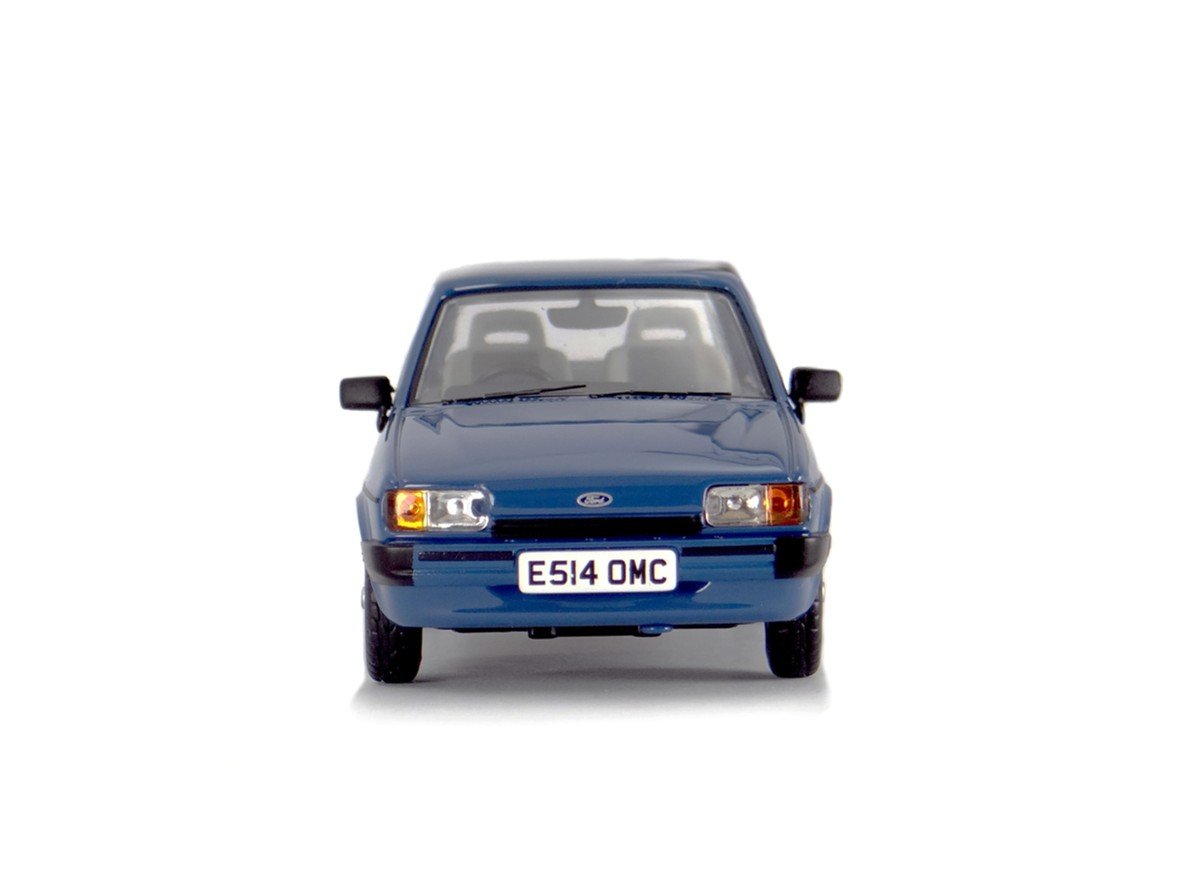
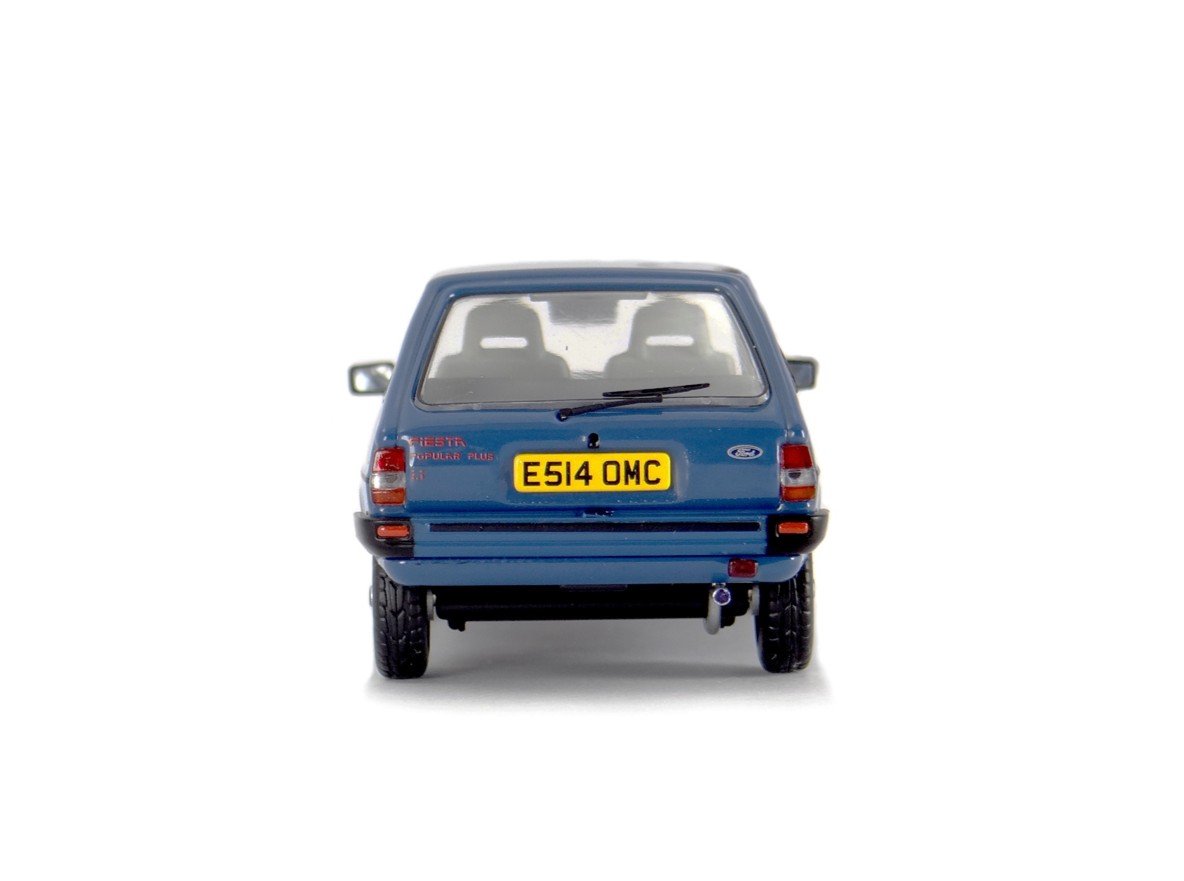
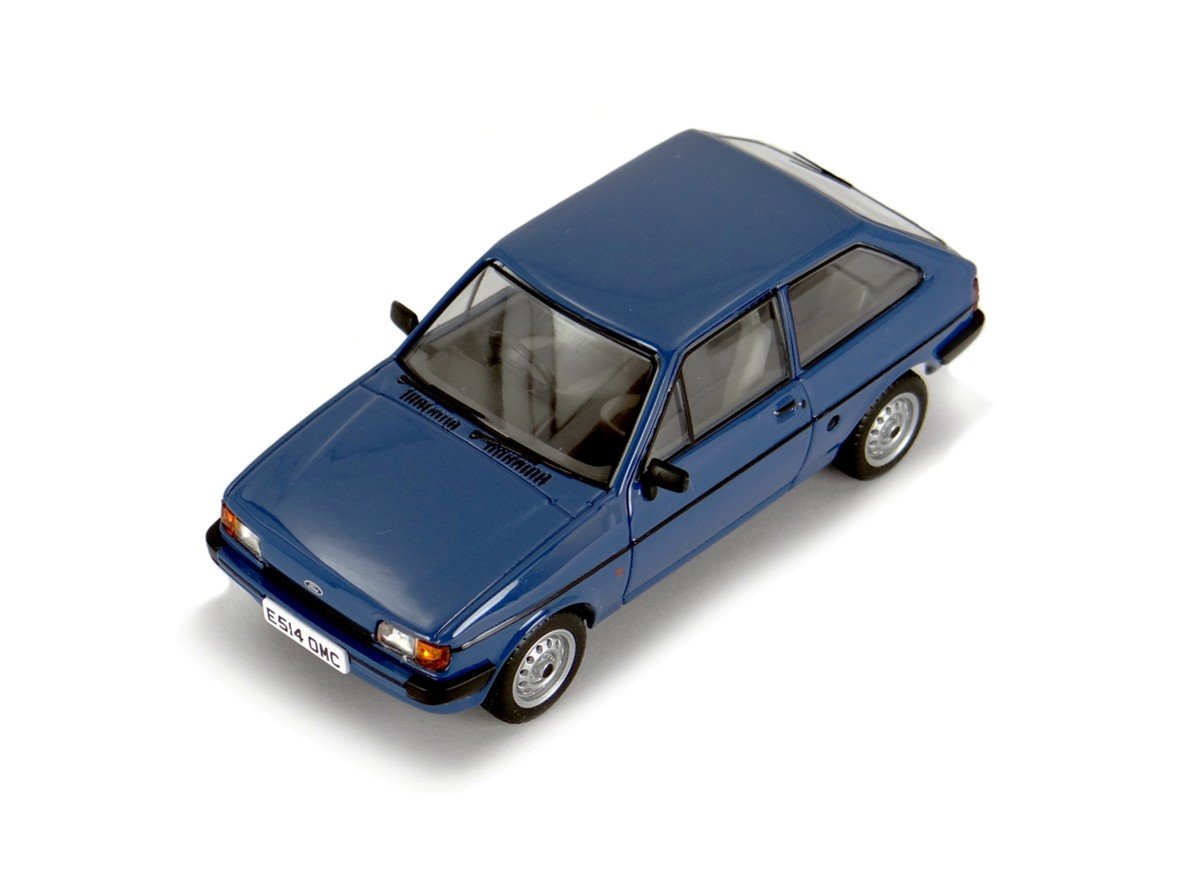
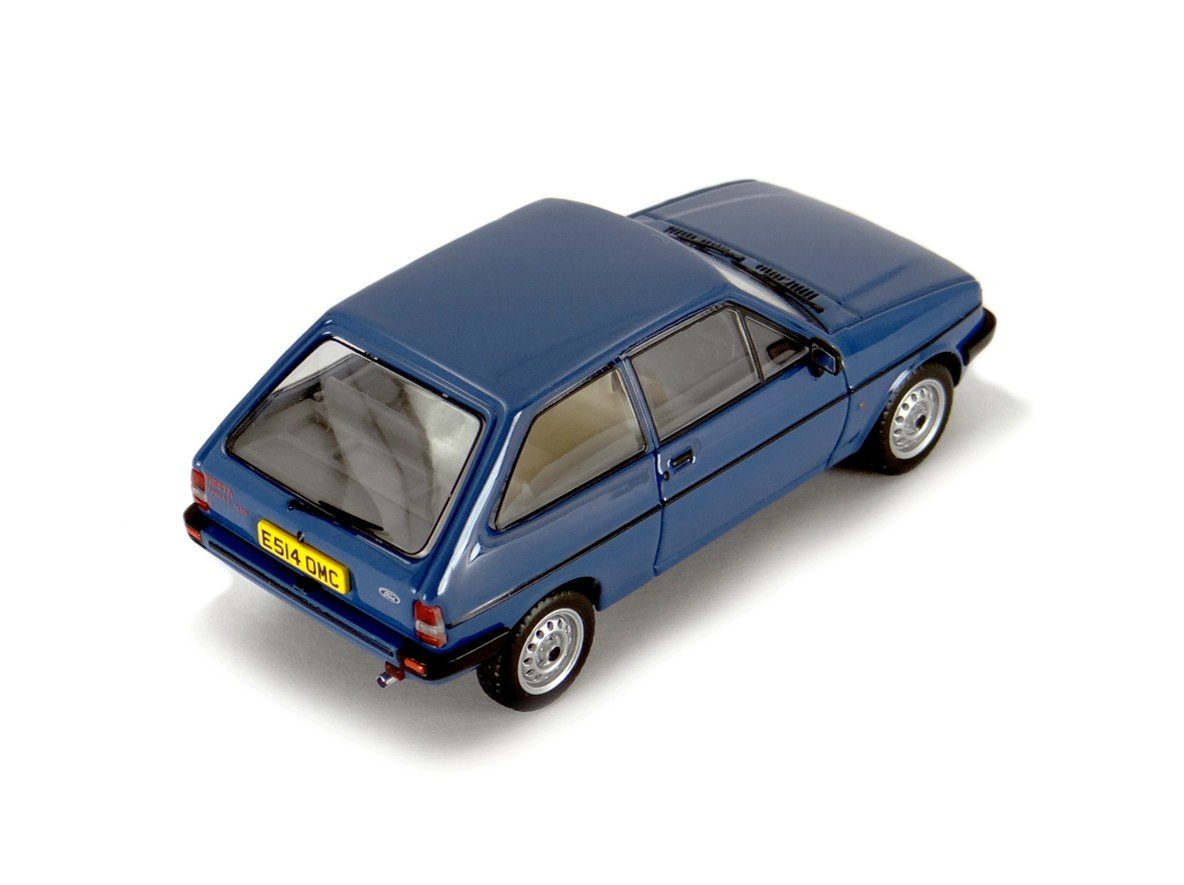
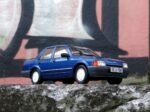
Na ratuenk przyszedł więc Corgi Vanguards. W przeszłości, miewał problemy jakościowe, więc przed kupnem modelu miałem pewne obawy. Na szczęście, okazały się zupełnie bezpodstawne. Vanguards wykonał kawał dobrej roboty. Ich Ford Fiesta 1.1 Popular Plus w kolorze “Maritime Blue” wygląda po prostu fantastycznie. Jest bardzo pieczołowicie odwzorowana. Jedynym większym minusem są nienaturalnie grube tablice rejestracyjne. Numer “E514 OMC” jest jednak jak najbardziej prawdziwy i w rzeczywistości należy do identycznej niebieskiej Fiesty.
W modeliku wykonałem tylko dwie niewielkie modyfikacje. Dodałem szkiełka w bocznych lusterkach i pomalowałem wloty na masce. Teraz, modelik jest według mnie prawie idealny i gotowy do oglądania.
Na koniec, przypomnę że MiniAutomobile są też na social mediach: Facebooku i Instagramie.
*** ENGLISH ***
Although the Ford Fiesta II was marketed as a new generation model, in reality it was just a facelift of the original Fiesta. However, that was enough to keep up the sales of the little Ford. At least, until newer and better rivals appeared.
The original Fiesta of 1976 was a crucial car for Ford. The blue oval’s most expensive project at the time was its necessary response to the emerging B-segment. A stellar response, because the Fiesta soon became one of the most popular Fords in Europe. Despite the financial success, Ford wanted to maximise its return on its initial investment. That’s why, when the time came for a new generation Fiesta, the brand did a typical Ford thing of the era. Rather than designing a brand new model, they modified the old one.
The Ford Fiesta II looked very similar to the Fiesta I. The unchanged silhouette, however, was modernized with new body panels and lights. The sharp angles gave way to more rounded and smoother lines. The cabin received a new dashboard and new materials, which significantly improved its appearance.
The updates also stretched out to areas not visible at first glance. In the new model, Ford used a steering and braking systems taken from the Escort, as well as a slightly modified suspension. The engine bay was also enlarged to accommodate a five-speed gearbox and the new, larger CVH engines that were gradually introduced into the range.
At the time of its debut in August 1983, the Fiesta was available only with four-cylinder Valencia engines known from its predecessor: the 1.0 and 1.1. Shortly afterwards, the first CVH engine, the 1.3, appeared and in 1984 the Fiesta received its first-ever 1.6 diesel engine, as well as the sporty XR2 model.
In 1986, the Ford Fiesta II received a minor facelift. On the outside, the main change was a new front bumper and new paint colours, while under the hood the 1.4 engine replaced the 1.3 unit. In the same year, all engines were also adapted to run on unleaded petrol.
Despite the upgrades, the Fiesta had become quite outdated compared to the competition by the end of its lifeThe spirit of the 1970s was all too noticeable. However, this did not significantly hinder its ability to find new buyers until 1989, when a completely new model was introduced.
About the miniature – Ford Fiesta II
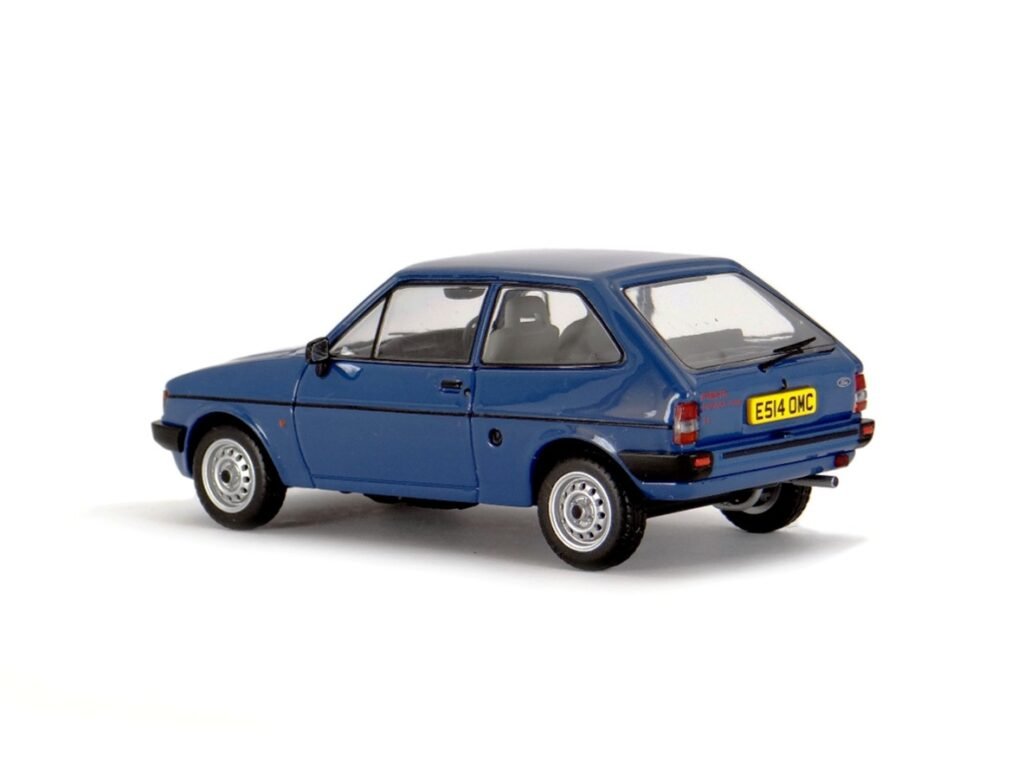
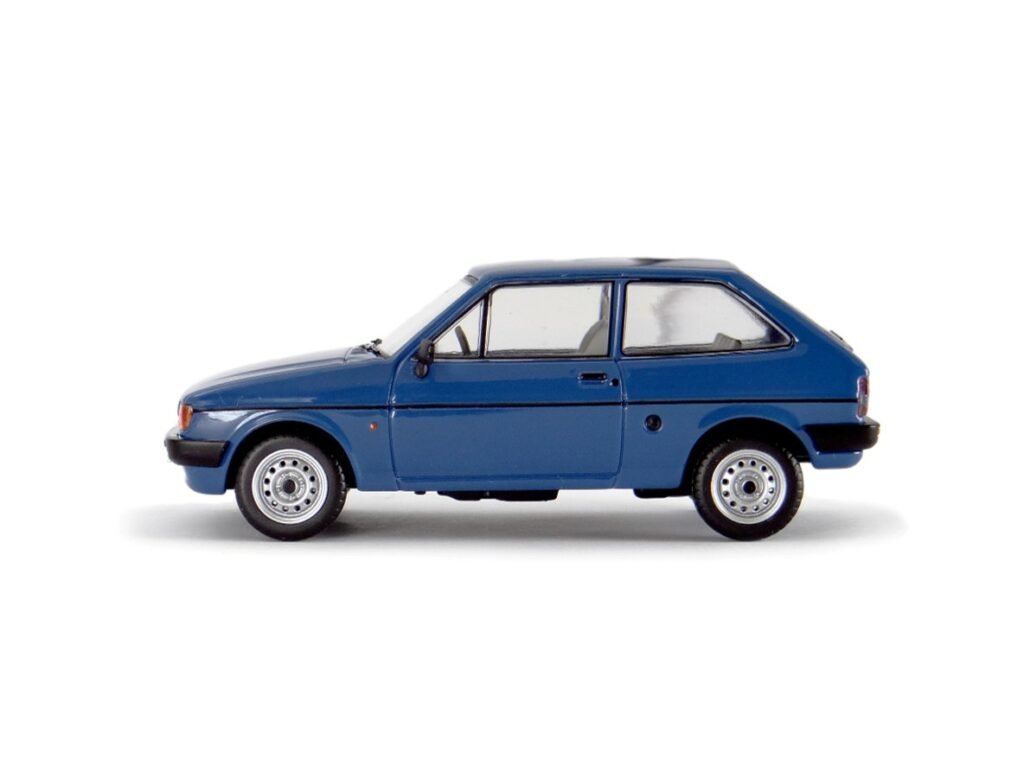
The Ford Fiesta II from Corgi Vanguards was quite possibly the hottest new release of last year for British collectors. Vanguards released it, together with the XR2 model, in September and both sold like hot cakes. That’s no surprise, given that Fiestas are engraved into the British scenery and the second generation was almost non-existent in the modelling world. Edicola and Altaya did release the mk2 Fiesta miniatures in partwork series over 20 years ago, but they’re like gold dust now.
So, Corgi Vanguards came to the rescue. In the past, it had some quality issues, so I was somewhat wary before buying the model. Thankfully, I didn’t need to be. Vanguards did a great job. Their Ford Fiesta 1.1 Popular Plus in “Maritime Blue” is simply fantastic. It is very carefully replicated. The only bigger flaw are the unnaturally thick license plates. However, the “E514 OMC” plate is definitely real and belongs to an identical blue Fiesta in real life.
I only made two modifications in this model. I added the glass effect in the wing mirrors and painted the air intakes on the bonnet. Now, I think the model is almost perfect and ready to be showcased.
Lastly, a little reminder from me, that MiniAutomobile is also on social media: Facebook and Instagram.


Bardzo fajny model. Nie wiedziałem, że Vanguards taki model zrobił. W 1991 roku miałem przyjemność jeździć takim samochodem (mojej siostry) z silnikiem 1.6 Diesel (takim samym jak w moim escorcie) Auto było lżejsze i bardziej dynamiczne. Poza tym to był bardzo udany facelifting auta z 1976 roku.
Tak na marginesie, w UK od wielu lat jest ok 1 mln. Polaków , a modele z wysp na polski rynek kolekcjonerski praktycznie nie docierają, tak było i jest, a moim zdaniem to wielka szkoda.
pozdrawiam
Dziękuję za komentarz! Modelik jest bardzo fajny, cieszę się, że się podoba! Większość modeli wydawanych na Wyspach jest robiona typowo pod Brytyjskie gusta, Vanguards ma całe mnóstwo starych Escortów i Cortin w swojej ofercie, troszkę Vauxhalli. Dla polskiego kolekcjonera to chyba średnio ciekawe auta, więc to pewnie z tego wynika. Pozdrawiam!