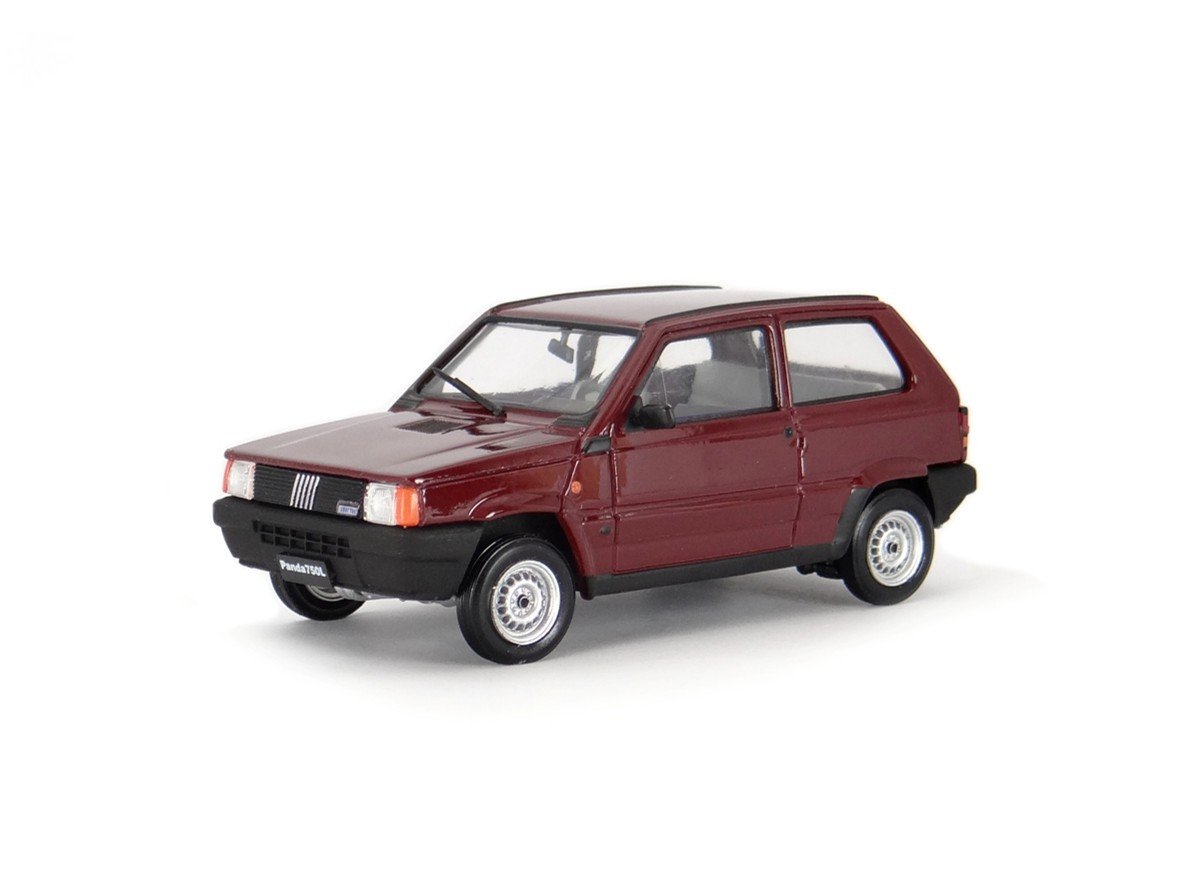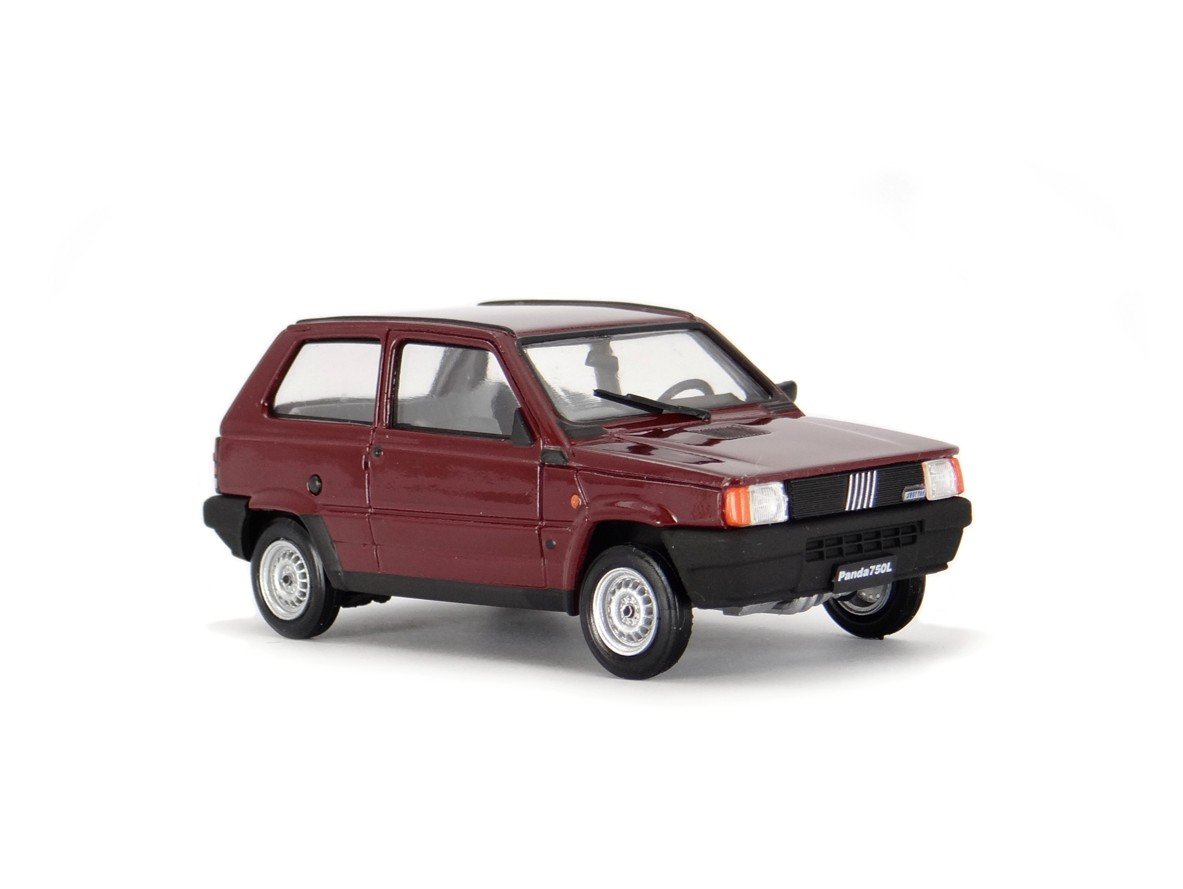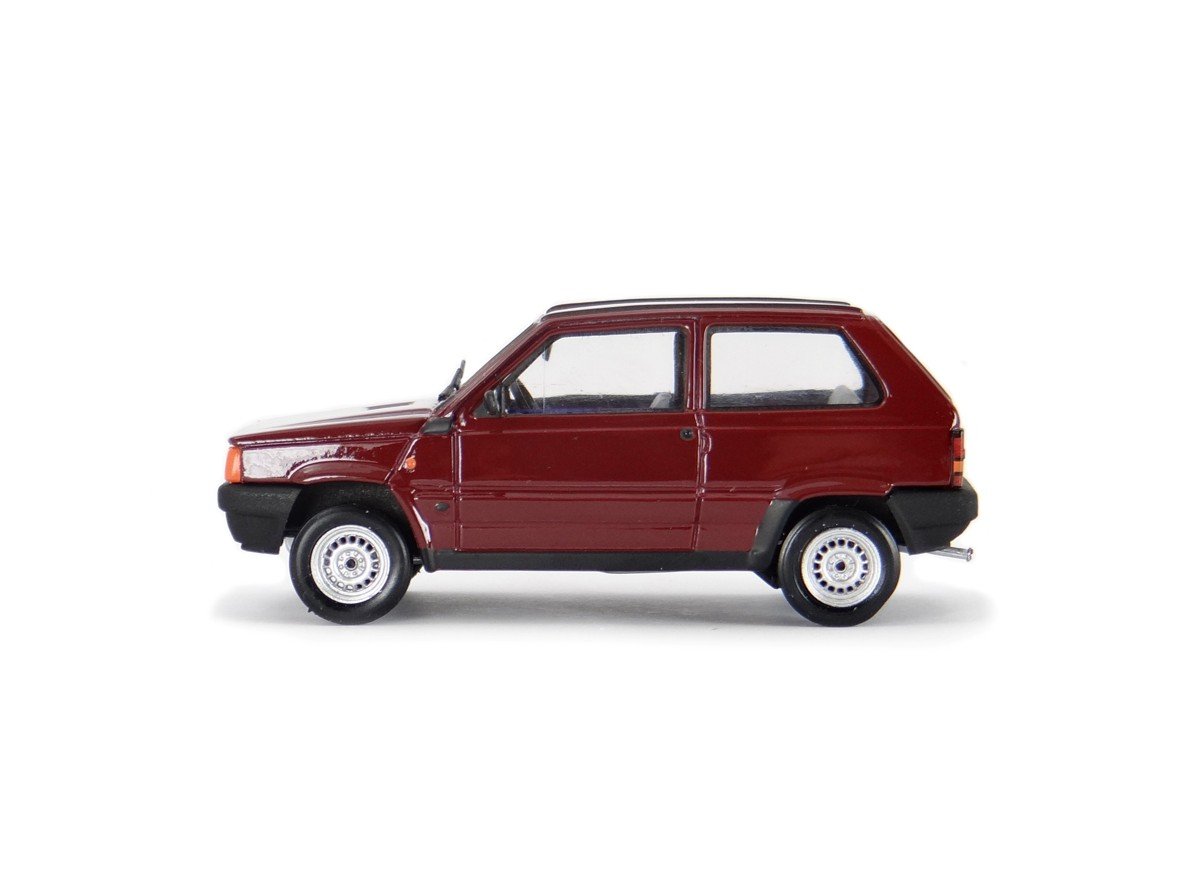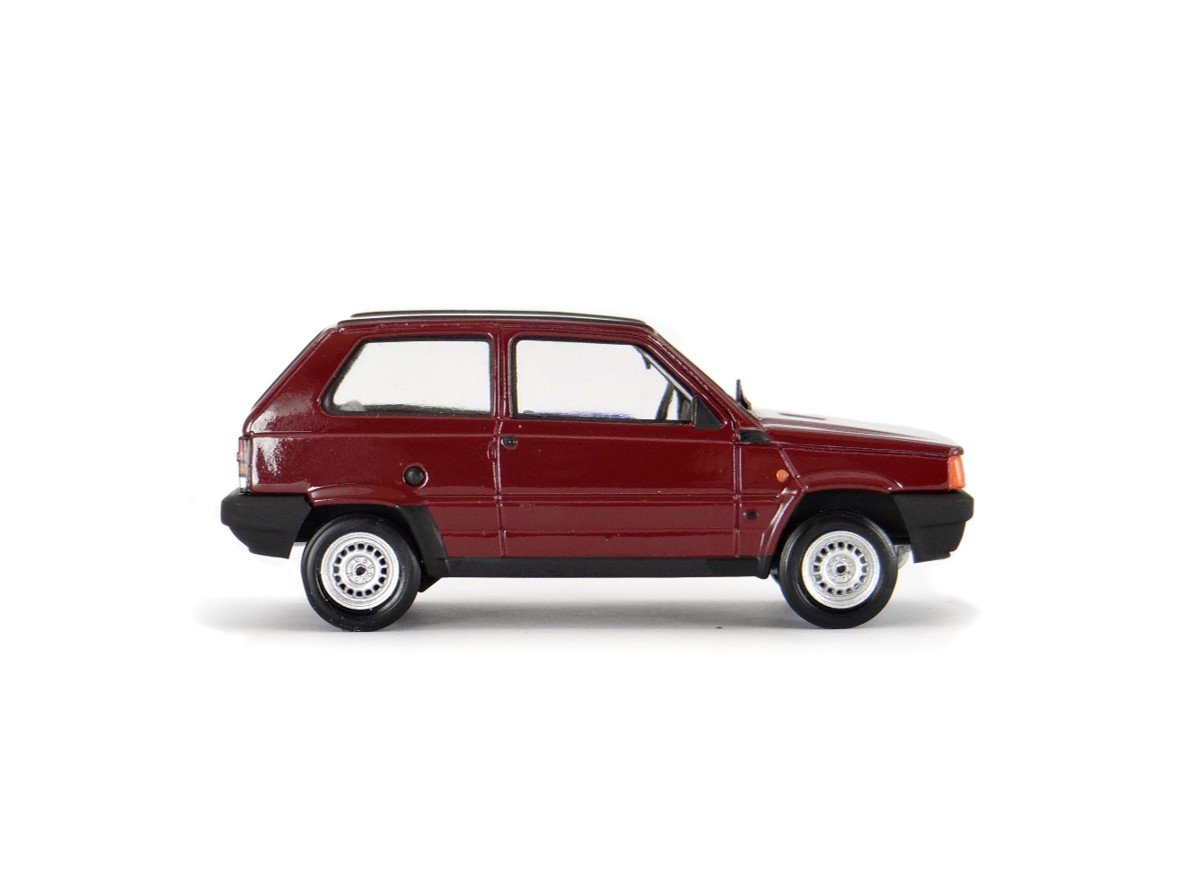

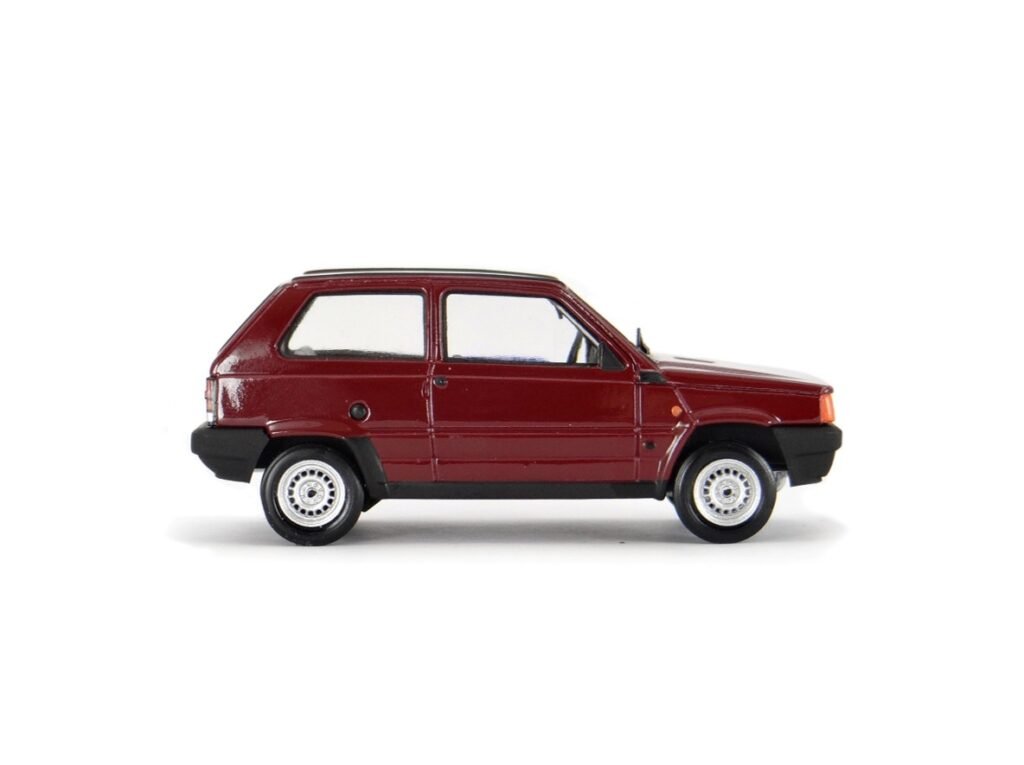
Fiat Panda Supernova, czyli po prostu Panda pierwszej generacji po liftingu. Choć „Supernova” de facto nigdy nie stanowiła jej oficjalnej nazwy, to określenie przylgnęło i jest używane do odróżnienia nowszego modelu
Zaprojektowana przez słynnego Giorgetto Giugiaro, pierwsza Panda to absolutny majstersztyk włoskiej sztuki użytkowej. Inspirowana francuskimi projektami samochodów małolitrażowych, była absolutnie bezkompromisowa. Choć Panda miała służyć wszystkim, projektowano ją ze szczególnym uwzględnieniem mieszkańców włoskich wsi. Dlatego też, maksymalna prostota oraz funkcjonalność były priorytetami. Projekt ewidentnie trafił w gusta, bo Włosi szybko zakochali się w małym pudełkowatym Fiacie. Niedługo, Panda wypełniła włoski krajobraz.
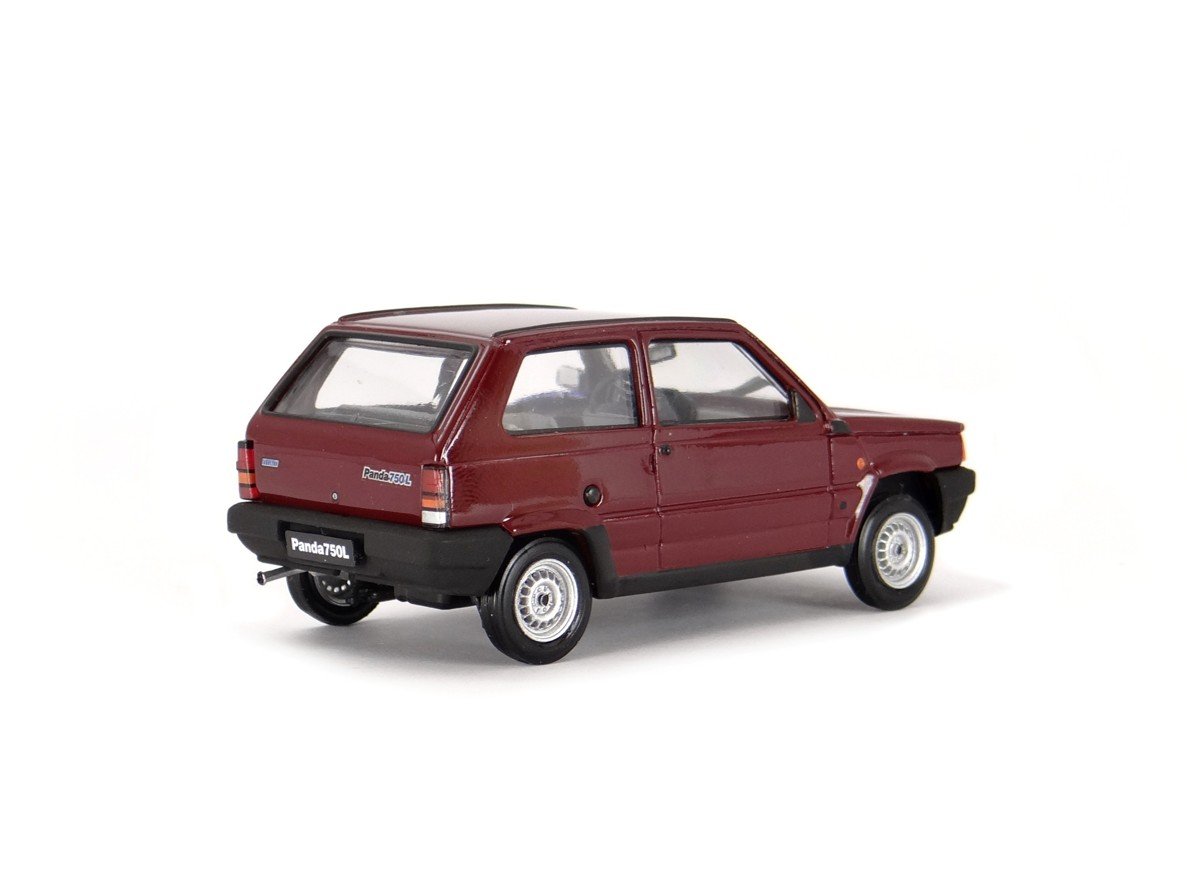
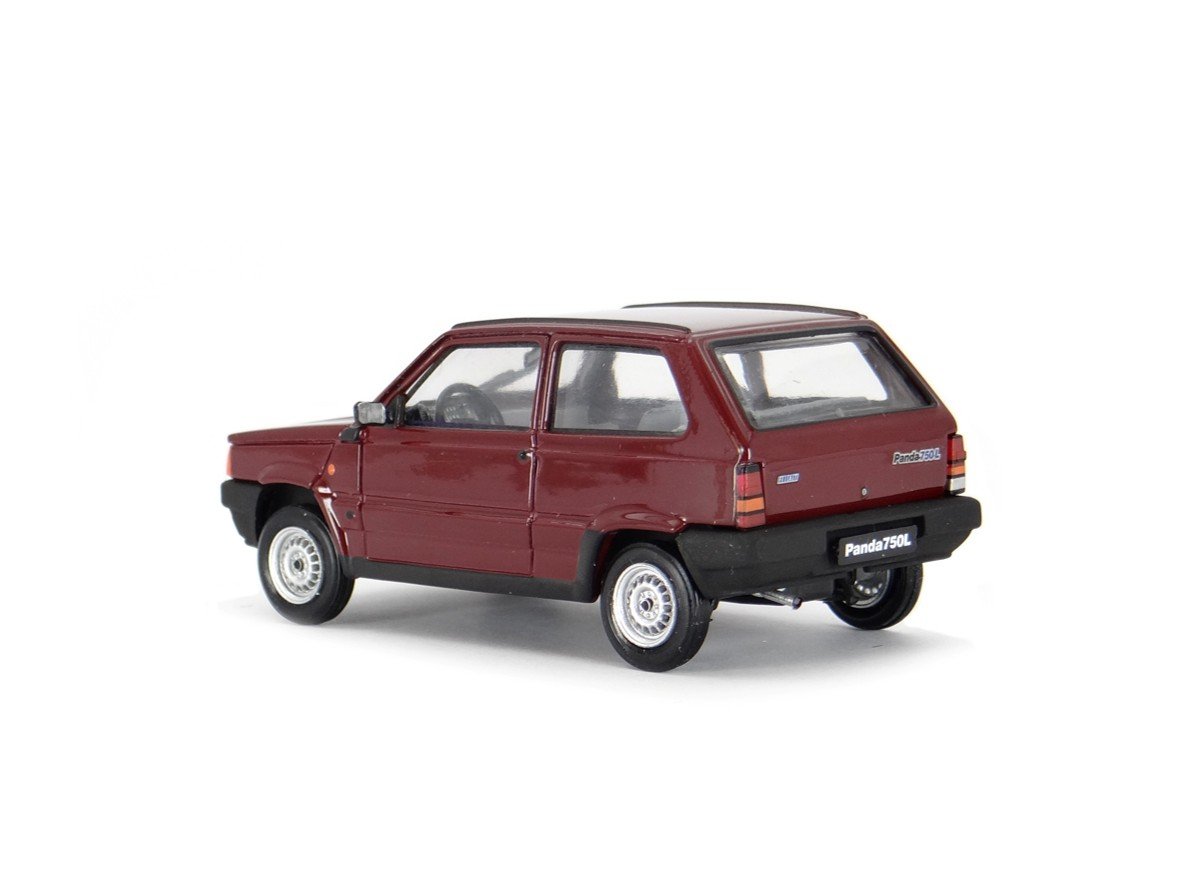
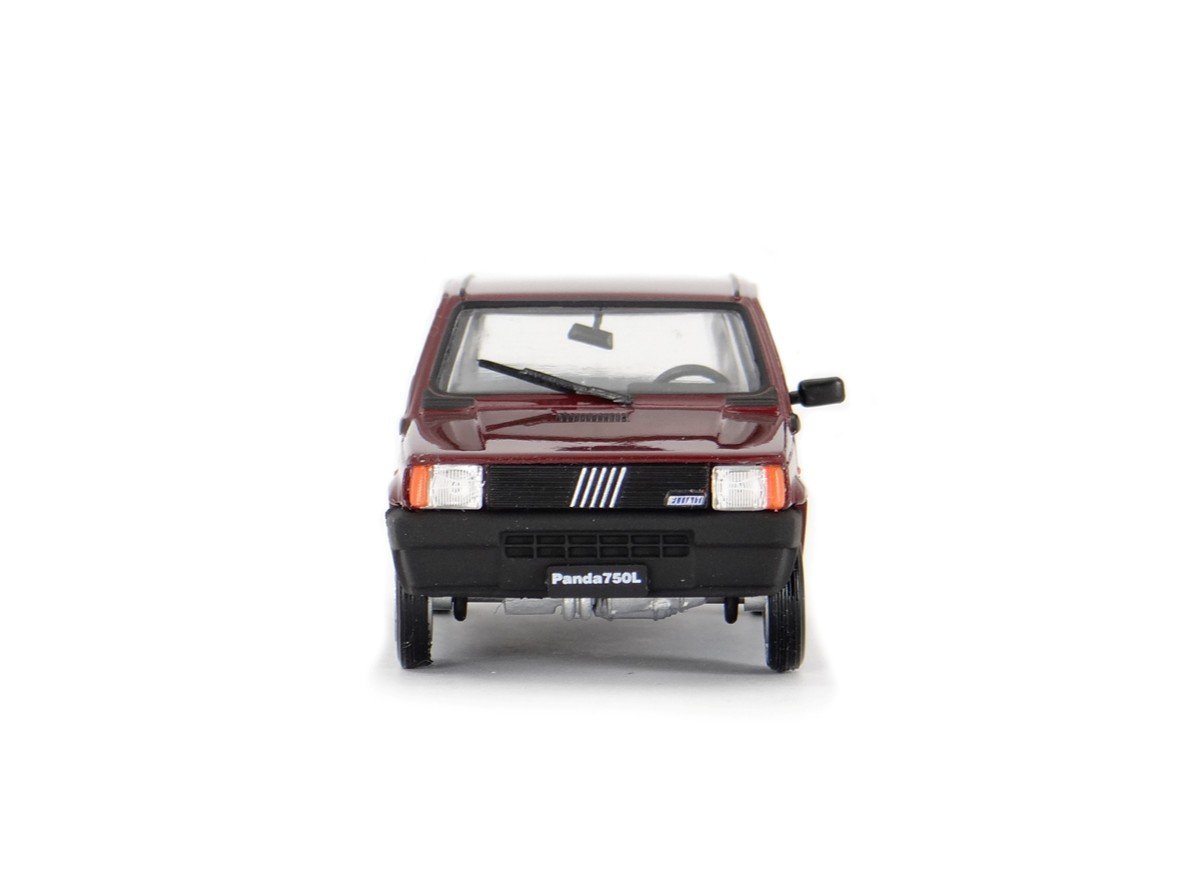
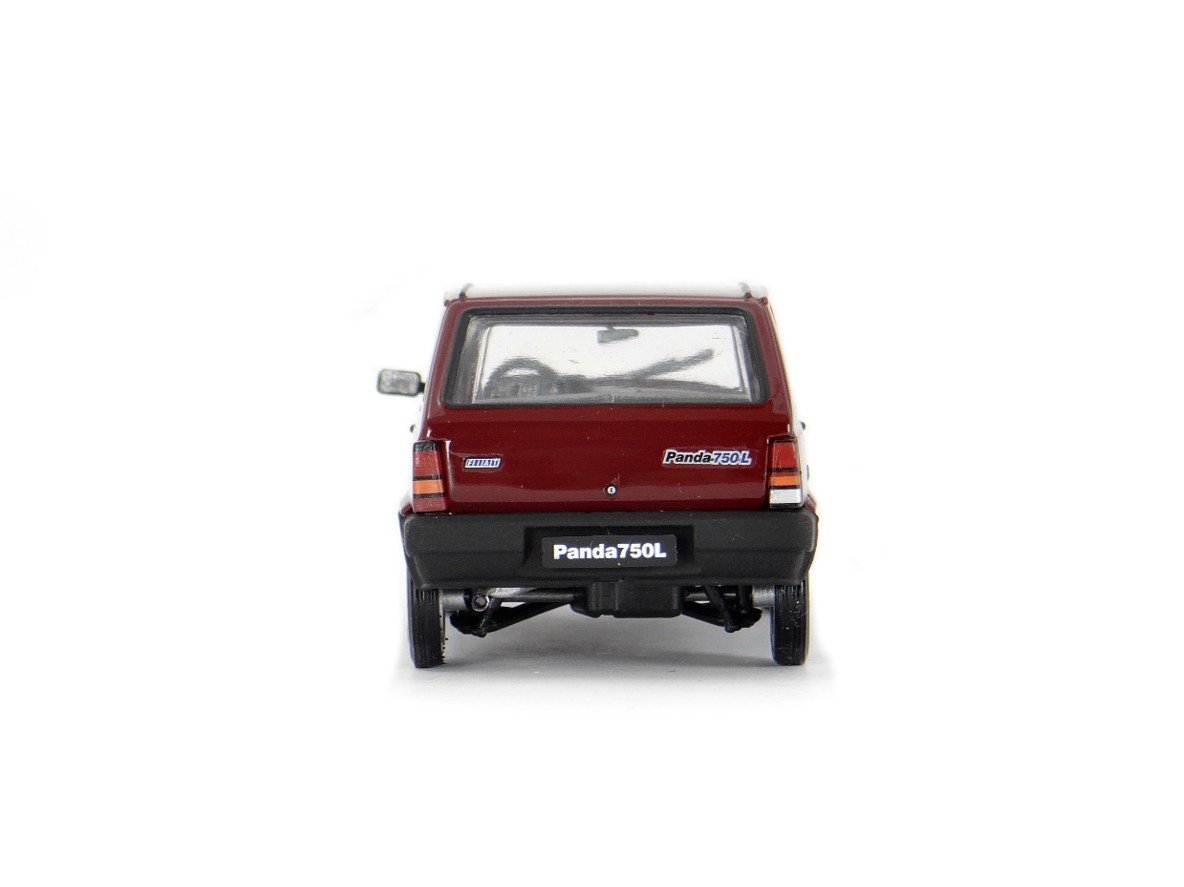
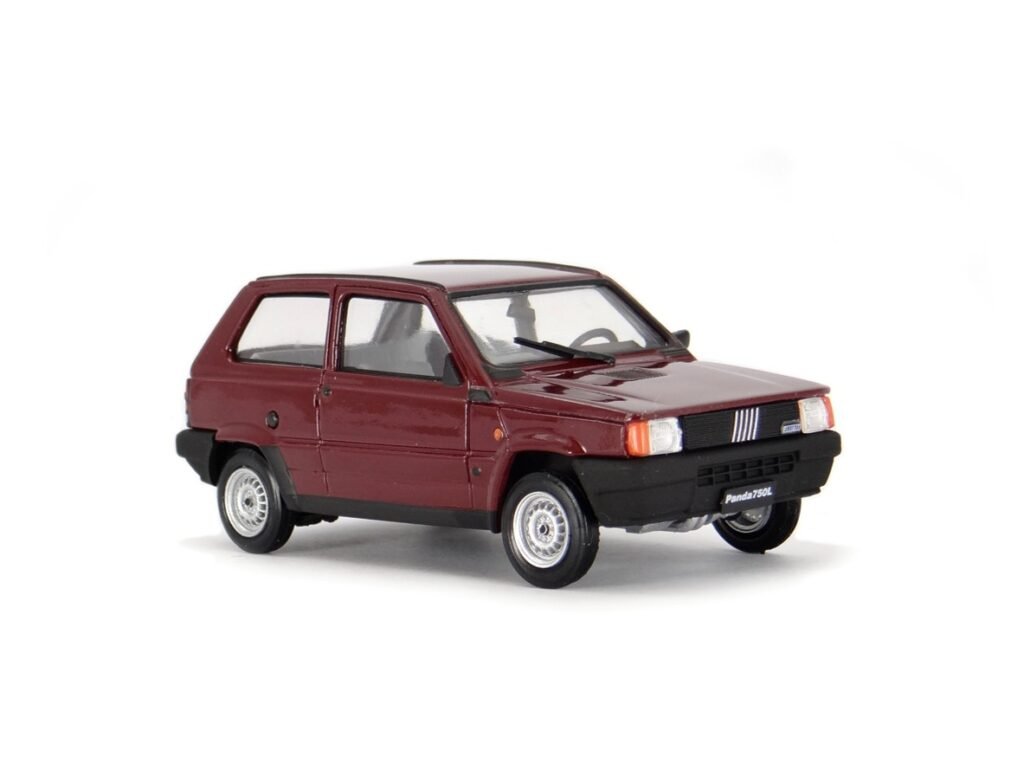
Fiat systematycznie wprowadzał w Pandzie niewielkie modyfikacje, ale to rok 1986 okazał się przełomowy. W styczniu tego roku zadebiutowała bowiem Panda po liftingu, znana potocznie jako Fiat Panda Supernova (wewnętrzne oznaczenie 141A). Na zewnątrz zmiany były niewielkie, ale łatwo zauważalne. Z przodu Fiat zamontował nowy, firmowy grill oraz nowe zderzaki, z boków samochodu zniknęły wielkie plastikowe osłony a z tyłu miejsce na rejestrację przeniesiono z klapy bagażnika na zderzak.
Technicznie natomiast Panda przeszła małą rewolucję. Przede wszystkim stare silniki zastąpiono nowoczesnymi, czterocylindrowymi jednostkami FIRE (Fully Integrated Robotised Engine). Stary, chłodzony powietrzem 2-cylindrowy silnik 652 cm³ (30 KM) zastąpiła jednostka 769 cm³ (34 KM), a silnik 903 cm³ (45 KM) zastąpiła jedonostka 999 cm³ (45 KM). Panda z tymi silnikami nosiła oznaczenia odpowiednio 750 oraz 1000. Nowością w ofercie był też wolnossący diesel 1301 cm³ (34 KM), przejęty z brazyliskiej gamy Fiata.
Kolejną znaczącą zmianą było zupełnie nowe tylne zawieszenie. Stosowany dotychczas sztywny most z resorami piórowymi zastąpiono nowocześniejszym, zależnym układem zawieszenia znanym jako „oś Omega”. Rozwiązanie to, użyte wcześniej w Lancii Y10, składało się z łamanej sztywnej osi z centralnym mocowaniem oraz sprężynami śrubowymi. Dzięki nowemu zawieszeniu Panda Supernova oferowała zarówno znacznie lepsze prowadzenie jak i wyższy komfort jazdy. Co ciekawe, nowe zawieszenie montowano tylko w zwykłych Pandach. Odmiany 4×4 nadal korzystały ze starego rozwiązania.
W ramach liftingu poprawiono też jakość montażu i ochronę antykorozyjną, czyli jedne z największych bolączek pierwszych Pand.
Wnętrze również uległo lekkim modyfikacjom. Zmienił się kształt zegarów i wskaźników, pojawiły się też nowe wzory tapicerek. Zrezygnowano również z cieniutkich rozkładanych hamakowych siedzeń, na rzecz “zwyczajnych” foteli. Panda straciła może i przez to swoją niezwykłą możliwość w przekształcenie wnętrza w małą sypialenkę, ale na pewno zyskał na tym komfort jazdy.
Lifting z 1986 roku unowocześnił Pandę, ale nie zabrał nic z jej charakteru. To nadal było tanie, proste i użytkowe autko. A to Włochom bardzo pasowało, więc Fiat Panda Supernova przez lata królowała na listach sprzedaży nowych samochodów. Z kosmetycznymi zmianami po drodze, przetrwała na rynku aż do 2003 roku. Przez ten czas wyprodukowano prawie 4,5 miliona egzemplarzy, z czego większość trafiła na rodzimy rynek. Nie dziwi więc, że Panda stała się nierozerwalną częścią włoskiego krajobrazu.
O miniaturze – Fiat Panda Supernova
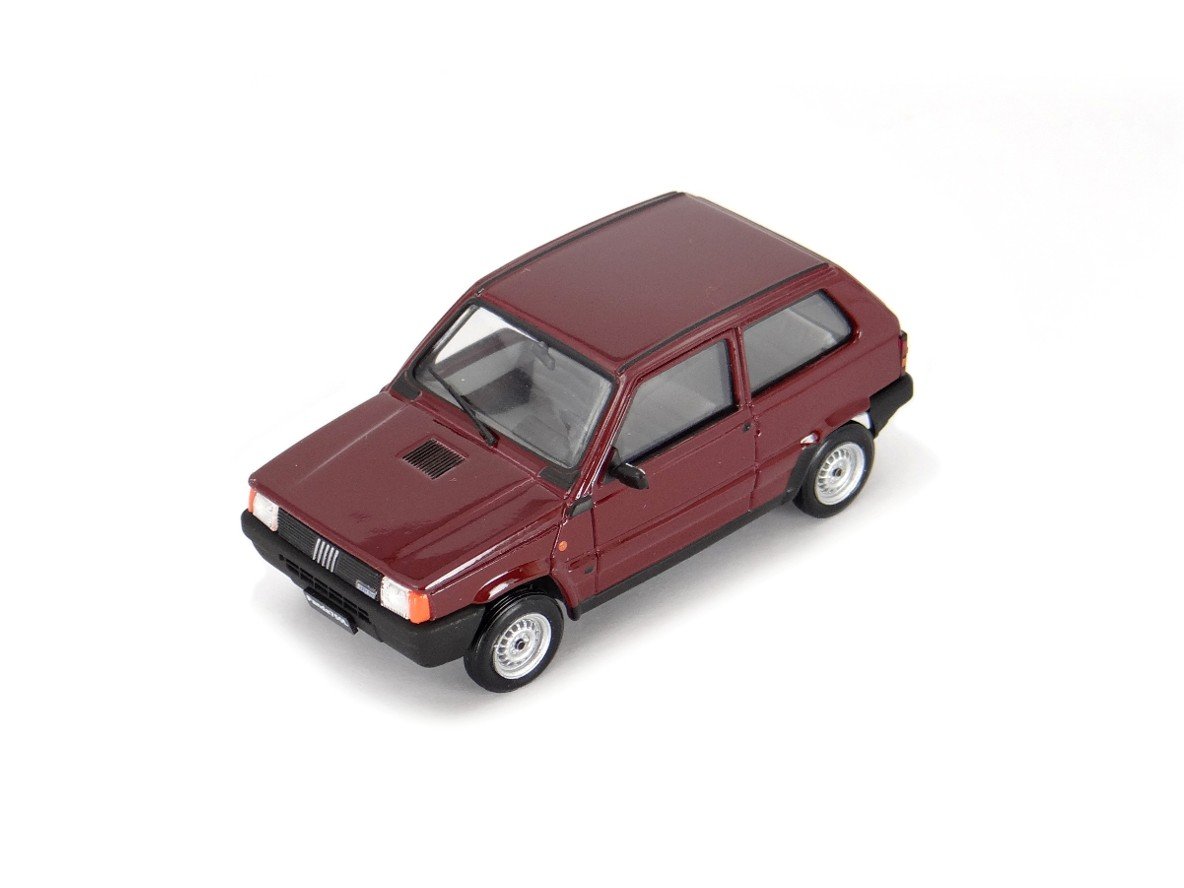
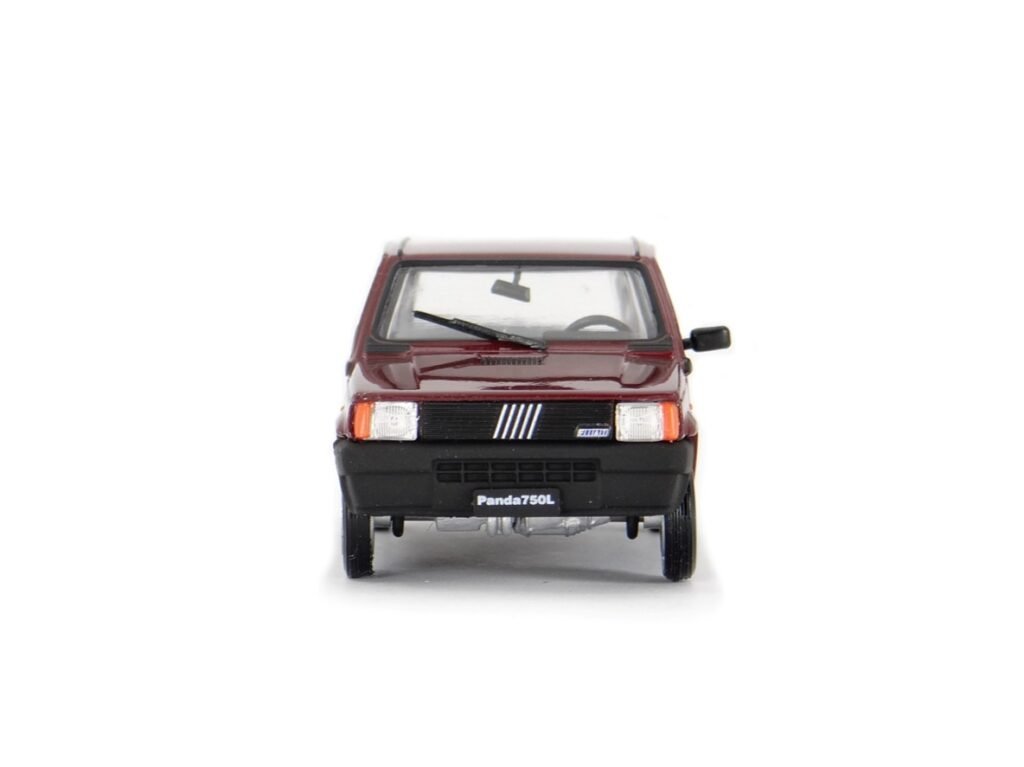
Model który dzisiaj prezentuję to Fiat Panda 750 L Supernova od firmy Brumm. Brumm to włoska firma modelarska powstała w Como w 1972 roku. Zaczęła od produkcji modeli powozów i pojazdów parowych w skali, a od 1977 roku również samochodów. Co ciekawe, firma nadal projektuje i produkuje wszystkie swoje modele we Włoszech. Choć Brumm w swojej ofercie posiada modele różnych marek, to zdecydowaną większość stanowią Fiaty. Włoski patriotyzm trzyma się mocno!
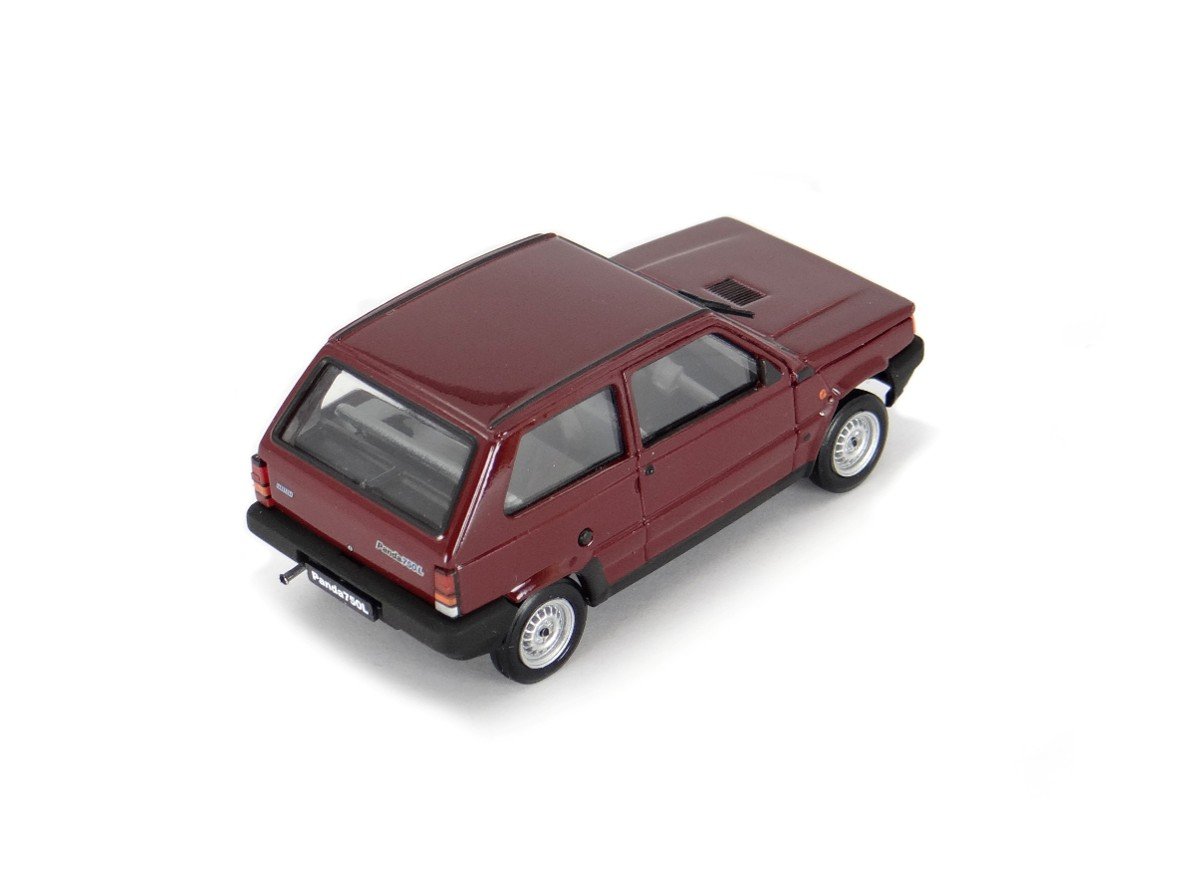
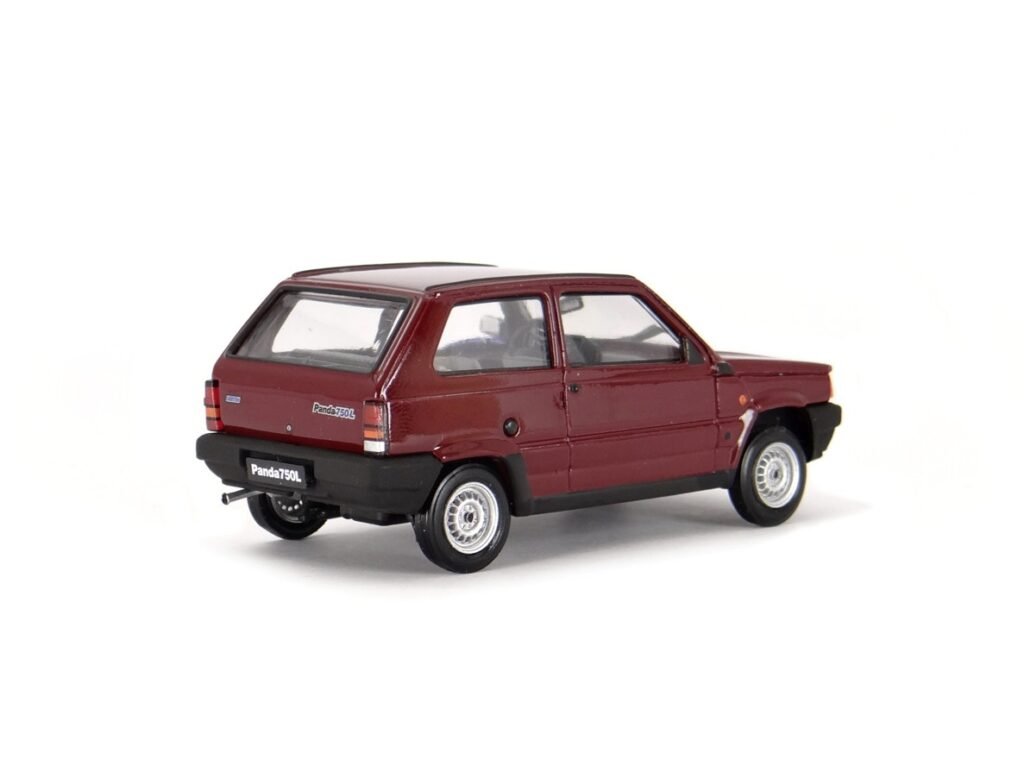
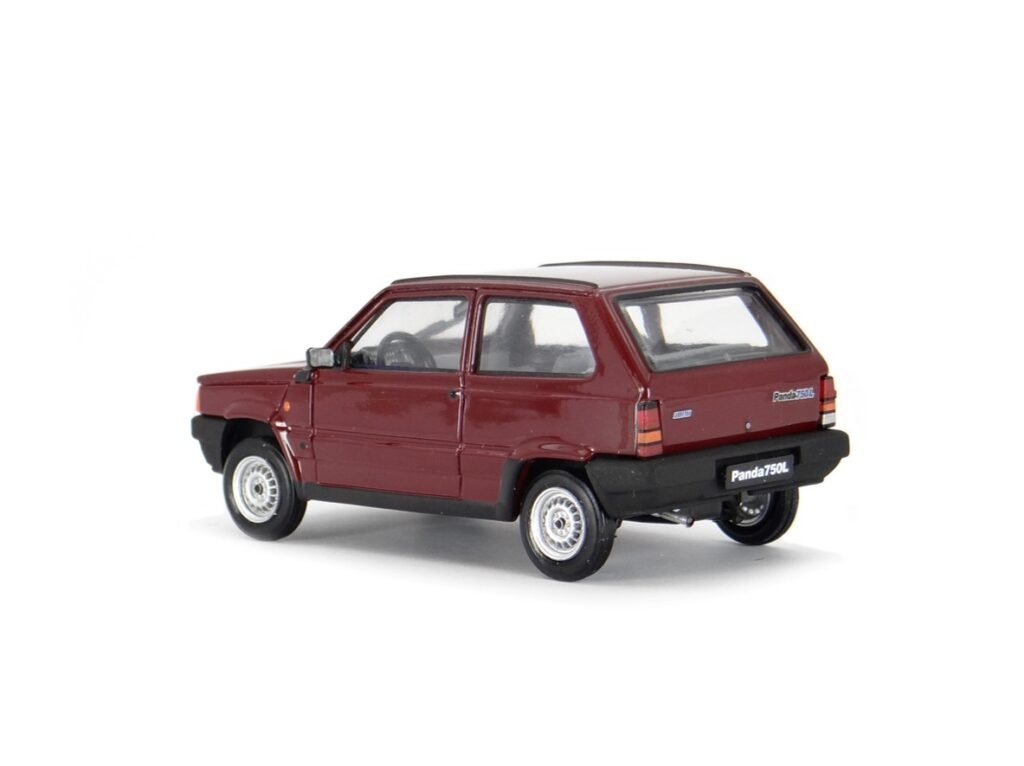
Panda to pierwszy modelik od Brumm w moich zbiorach. Autko wydano w 2023 roku, a ja kupiłem je niedługo później. O ile wiem, jest to jedyny dostępny na runku odlew Pandy Supernova na rynku, więc wyboru nie ma. Na szczęście, modelik wygląda bardzo dobrze! Proporcje są odpowiednie a szczegóły całkiem ładnie odwzorowane. Dużym, pozytywnym zaskoczeniem jest na pewno poziom odwzorowania podwozia, niespotykany w tej skali.
Kolejnym dość rzadko spotykanym zabiegiem, to możliwość wybrania z aż ośmiu kolorów nadwozia! Ja postawiłem na rosso garanza. Sam lakier jest czysto i równopołożony.
Jedynym większym minusem są tylne światła. Trochę za mocno odstają i wyglądają na namalowane, choć takie nie są. Szkoda też, że producent nie zdecydował się na fototrawione wycieraczki.
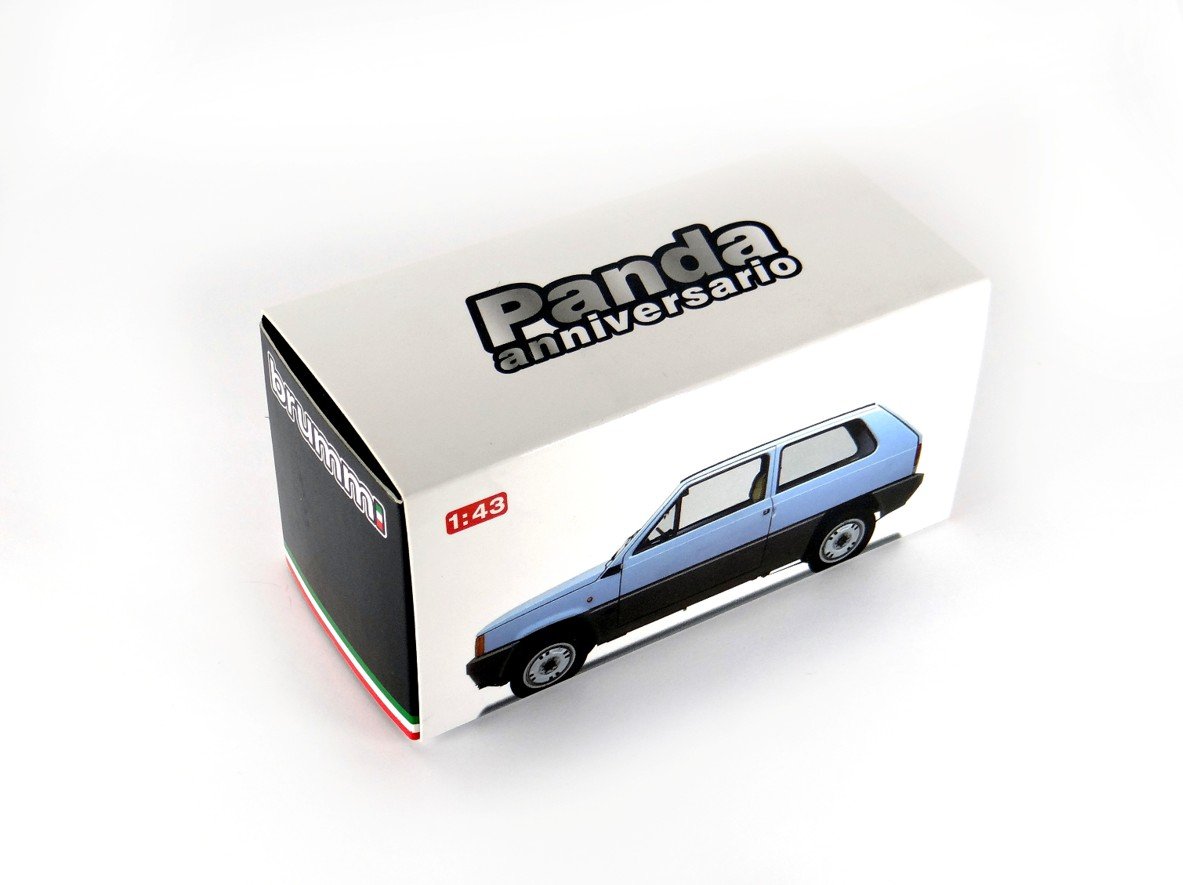
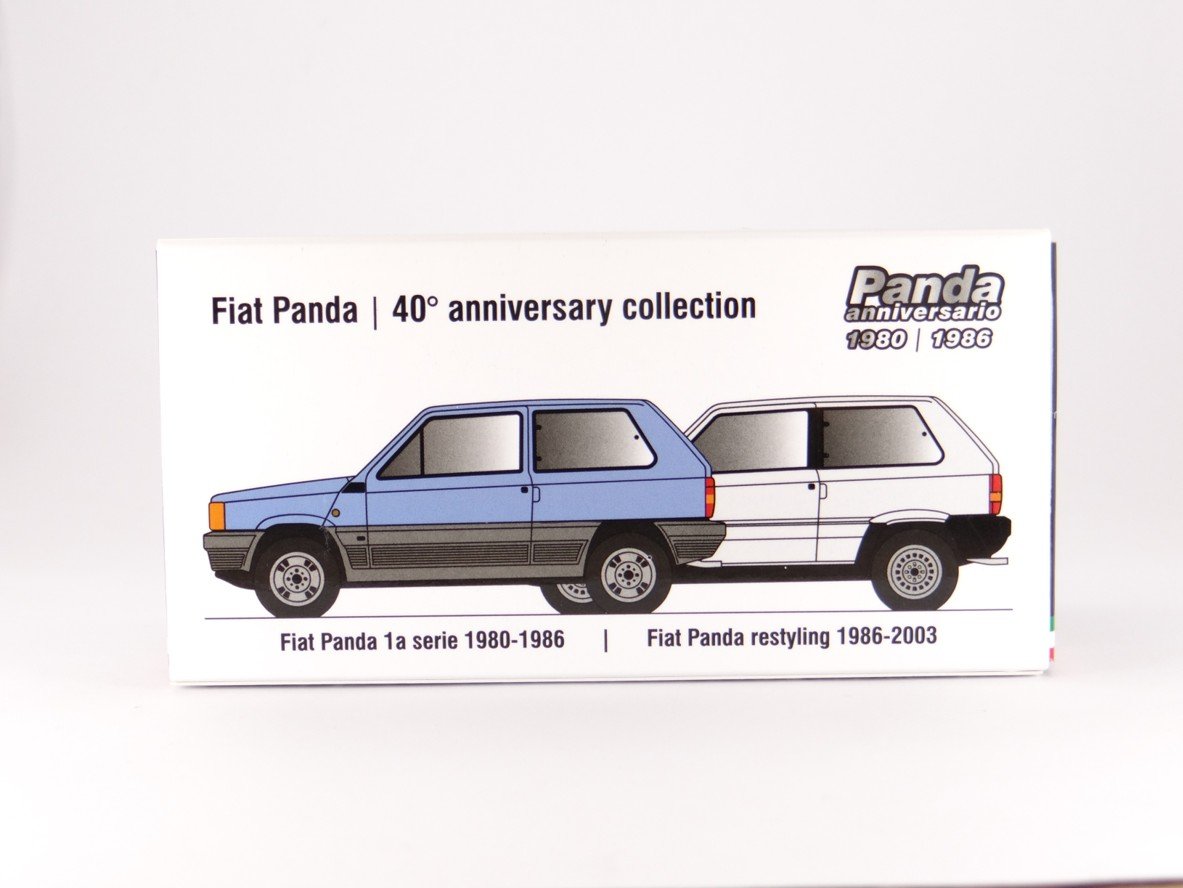
Na koniec, chcę jeszcze wspomnieć o opakowaniu. Brumm tutaj też się bardzo postarał i zaoferował bardzo ładne pudełko. Znowu, rzadkość wśród modeli w tej skali.
Jak zwykle, zapraszam do oglądania i komentowania oraz odwiedzania MiniAutomobili na social mediach – Facebooku i Instagramie!
*** ENGLISH ***
The Fiat Panda Supernova, or in other words the facelifted first-generation Panda. Although “Supernova” was never actually its official name, the term stuck and is used to distinguish the newer model.
Designed by the legendary Giorgetto Giugiaro, the first Panda is an absolute masterpiece of Italian industrial design. Inspired by French small-car designs, it was completely uncompromising. Although the Panda was meant to serve everyone, it was designed particularly with the residents of rural Italy in mind. As a result, maximum simplicity and practicality were the top priorities. The design clearly struck a chord, because Italians quickly fell in love with the small, boxy Fiat. Soon enough, the Panda became a common sight across the Italian landscape.
Fiat gradually introduced small upgrades to the Panda, but it was 1986 that proved to be a landmark year. In January of that year, the facelifted Panda made its debut, commonly known as the Fiat Panda Supernova (internal code 141A). The changes to the exterior were minor, but easily noticeable. At the front, Fiat installed its new corporate grille and new bumpers; the sides of the car lost the large plastic coatings, while at the rear the license plate moved from the tailgate to the bumper.
Mechanically however, the Panda saw a small revolution. First and foremost, the old engines were replaced with modern, four-cylinder FIRE (Fully Integrated Robotised Engine) units. The old 2-cylinder, air-cooled 652 cm³ engine (30 HP) was replaced by a 769 cm³ unit (34 HP), and the 903 cm³ engine (45 HP) was replaced by a 999 cm³ unit (45 HP). Pandas with these engines were marketed as the 750 and 1000, respectively. A new addition to the lineup was also a naturally aspirated 1301 cm³ diesel (34 HP), borrowed from Fiat’s Brazilian range.
Another significant change was an entirely new rear suspension. The previously used rigid axle with leaf springs was replaced by a more modern dependent suspension layout known as the “Omega axle.” Previously used in the Lancia Y10, it consisted of a non-straight rigid axle with a central mounting and coil springs. Thanks to the new suspension, the Panda Supernova offered both significantly better handling and higher ride comfort. Interestingly, the new suspension was installed only in standard Pandas; the 4×4 variants still used the old system.
As part of the facelift, assembly quality and corrosion protection also improved— the two of the biggest issues with the first Pandas.
The interior also saw minor modifications. The shape of the gauges and instrument clusters changed, as well as new upholstery patterns appeared. The very thin fold-out hammock-style seats were also replaced with “regular” seats. While this may have cost the Panda its remarkable ability to transform the interior into a small sleeping area, it certainly gained in ride comfort.
The 1986 facelift upgraded the Panda, but without taking away any of its character. It was still a cheap, simple and utalitarian little car. This suited the Italians perfectly, and so the Fiat Panda Supernova dominated new car sales charts for years. With only minor cosmetic updates along the way, it remained on the market until 2003. During that time, nearly 4.5 million units were produced, most of which went to the domestic market. It’s no wonder, then, that the Panda became an inseparable part of the Italian landscape.
About the miniature – Fiat Panda Supernova
The model I’m presenting today is the Fiat Panda 750 L Supernova by Brumm. Brumm is an Italian model-making company founded in Como in 1972. It started with the production of scale models of carriages and steam vehicles and since 1977 has also been producing cars. Interestingly, the company still designs and manufactures all of its models in Italy. Although Brumm’s range includes models of various brands, the vast majority are Fiats. Italian patriotism is certainly going strong!
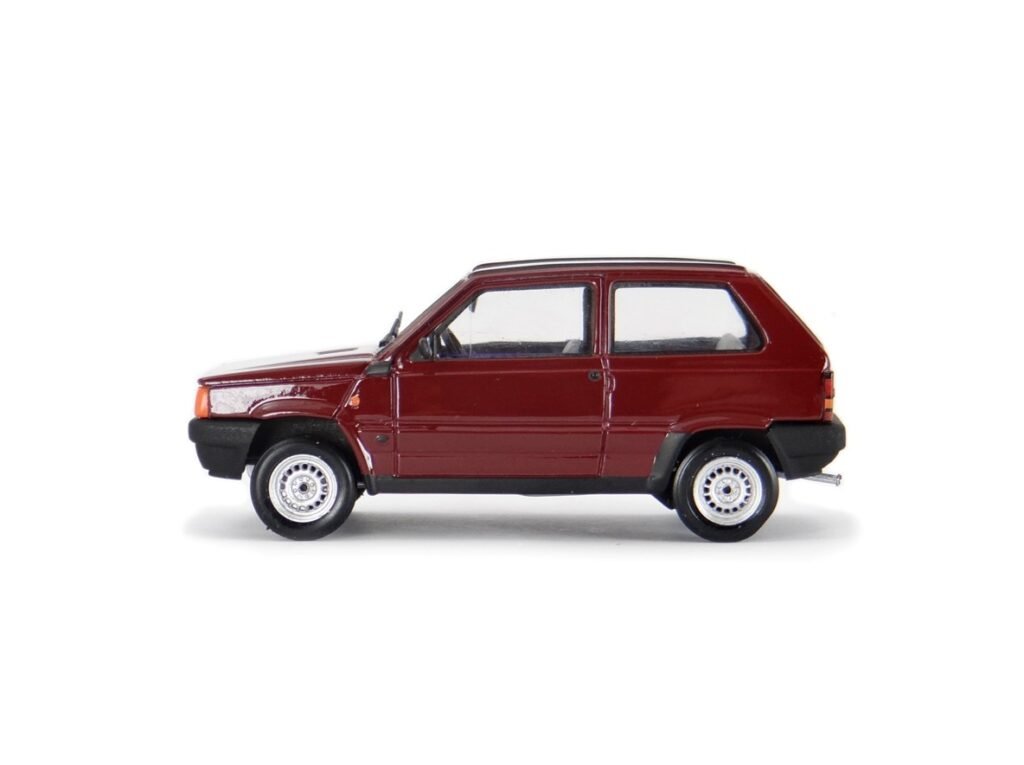
The Panda is the first Brumm model in my collection. Brumm released the model in 2023 and I bought it soon after. As far as I know, it’s the only Panda Supernova casting available on the market, so there’s really no alternative. Thankfully, the model looks very good! The proportions are correct, the details are quite nicely reproduced and the paintwork is clean and even. A big and very pleasant surprise is certainly the level of detail on the underbody, which is uncommon at this scale.
Another rather rare feature is the ability to choose from as many as eight body colors! I went with Rosso Garanza. The paintwork itself is clean and evenly applied.
The only major downside are the rear lights. They stick out a bit too much and look as if they were painted, even though they aren’t. It is also a pity that the manufacturer didn’t opt for photo-etched wipers.
Lastly, I want to mention the packaging. Brumm put a lot of effort here too and offered a very pretty box. Once again, a rarity in this scale.
As always, feel free to look, comment and of course visit MiniAutomobile on social media — both Facebook and Instagram!