

Kiedy mowa o małych Peugeotach, większość wspomina bestsellerowe 205 i 206. Mało kto pamięta, że przed nimi Peugeot oferował 104. Udane małe auto, całkowicie przyćmione przez swoich następców.
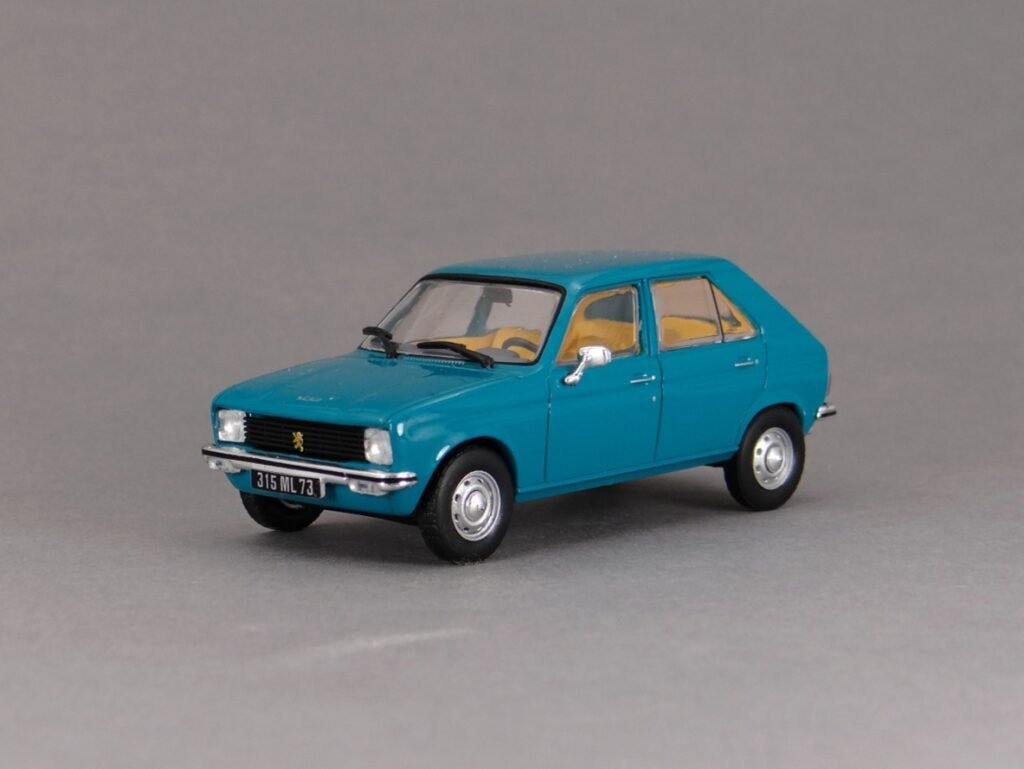
Peugeot przez lata miał renomę najbardziej konserwatywnej francuskiej marki. Producent z Sochaux słynął z eleganckich limuzyn, stylowych coupe oraz praktycznych kombi. Małe i tanie auta zdecydowanie nie były w kręgu jego zainteresowań. Debiut małego 104 w 1972 roku, był więc dla Peugeota przełomowy. Nowe auto nie tylko pełniło rolę podstawowego modelu w gamie, ale też przy okazji, obok Fiata 127 i Renault 5, okazało się jednym z pierwszych przedstawicieli segmentu B w Europie.
Dobre wzorce
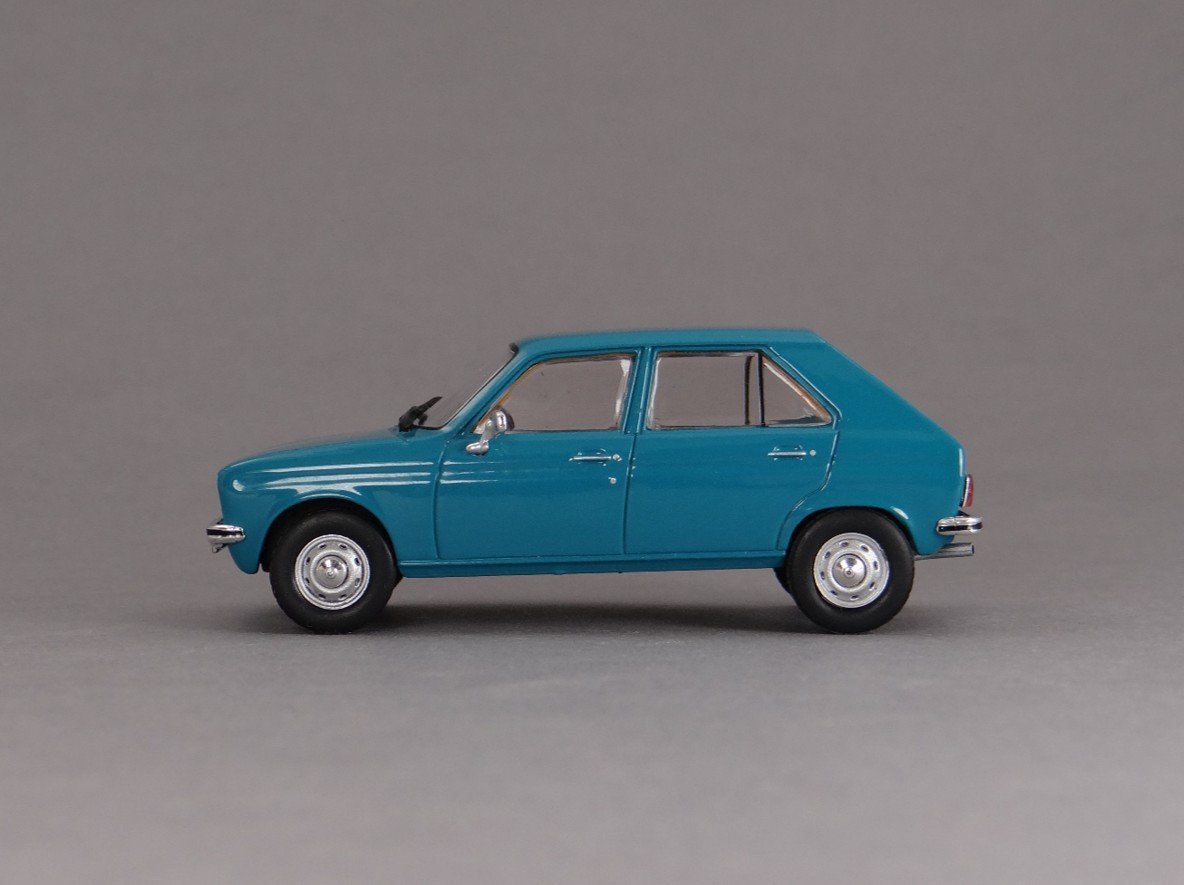
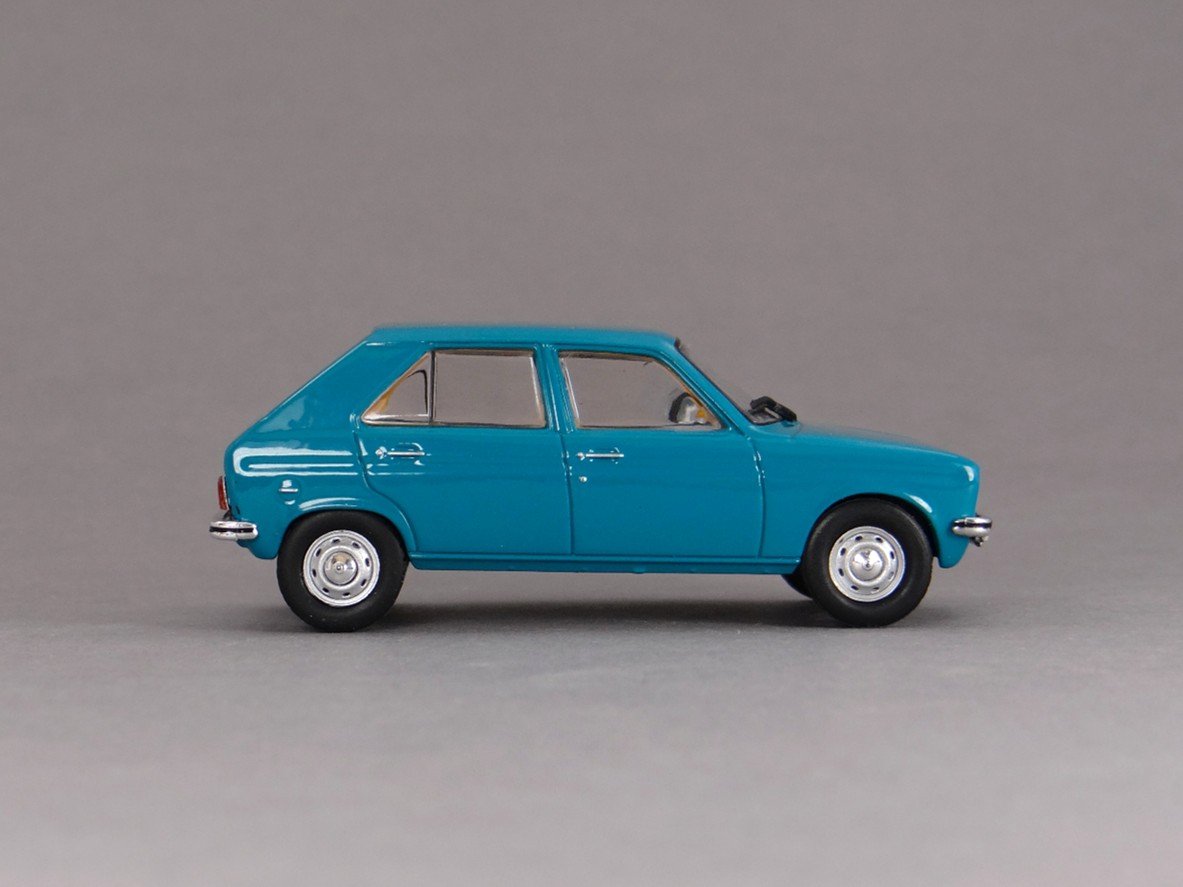
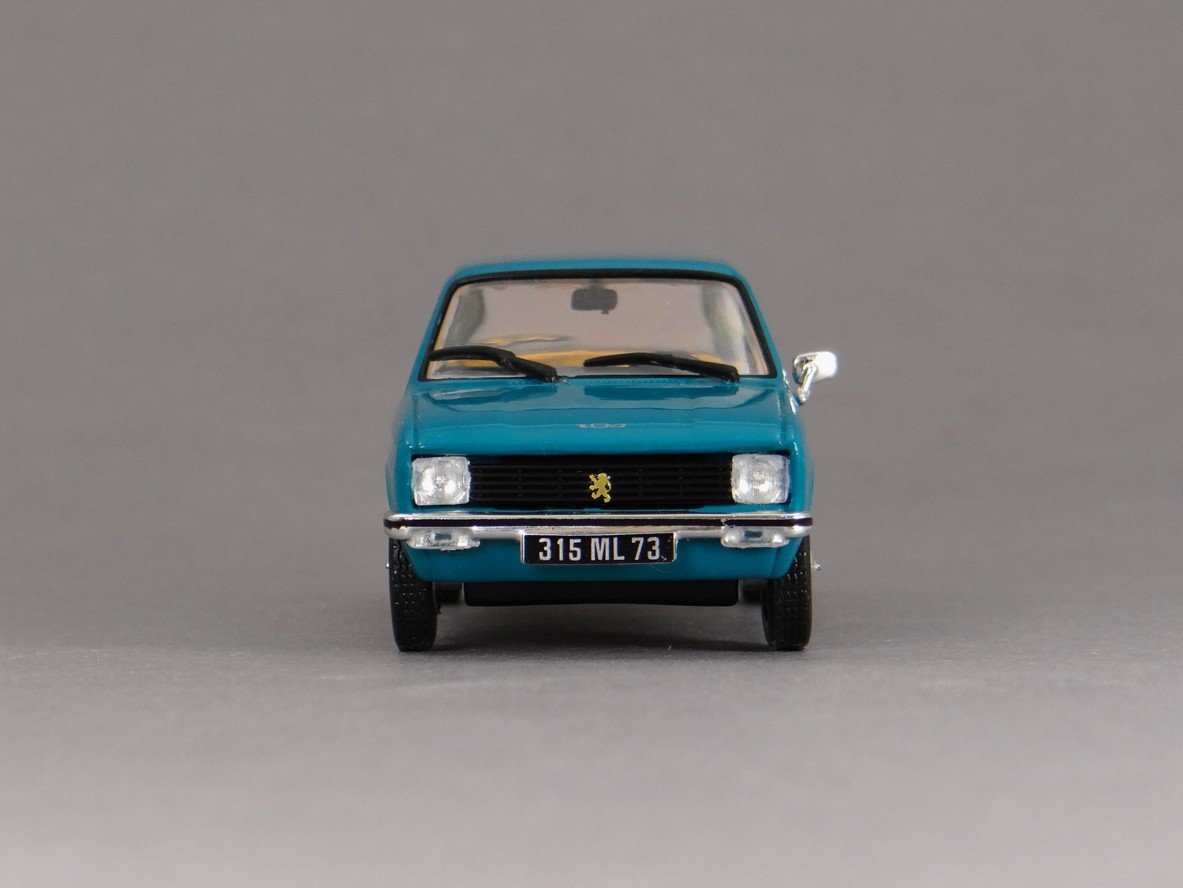
Zgodnie ze swoją ówczesną tradycją, Peugeot zlecił projekt modelu 104 słynnej Carrozzeria Pininfarina. Odpowiedzialny za niego był w dużej mierze Paolo Martin, który narysował zwarte i eleganckie nadwozie z przodem wyraźnie inspirowanym większymi modelami 304 i 504. Designerskiego sznytu dodawało też przetłoczenie na boku auta, biegnące wzdłuż całej jego długości. Małe 104 bez wątpienia należało do rodziny Peugeota.
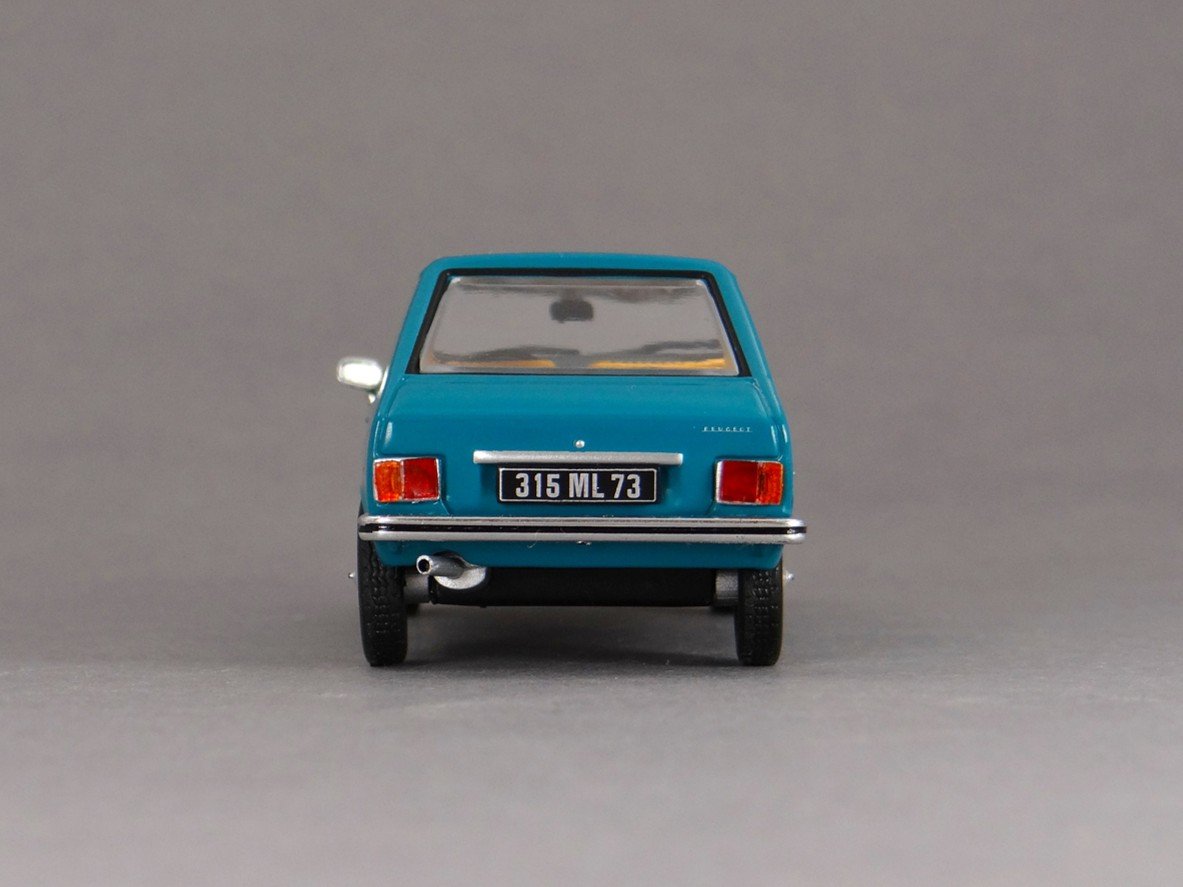
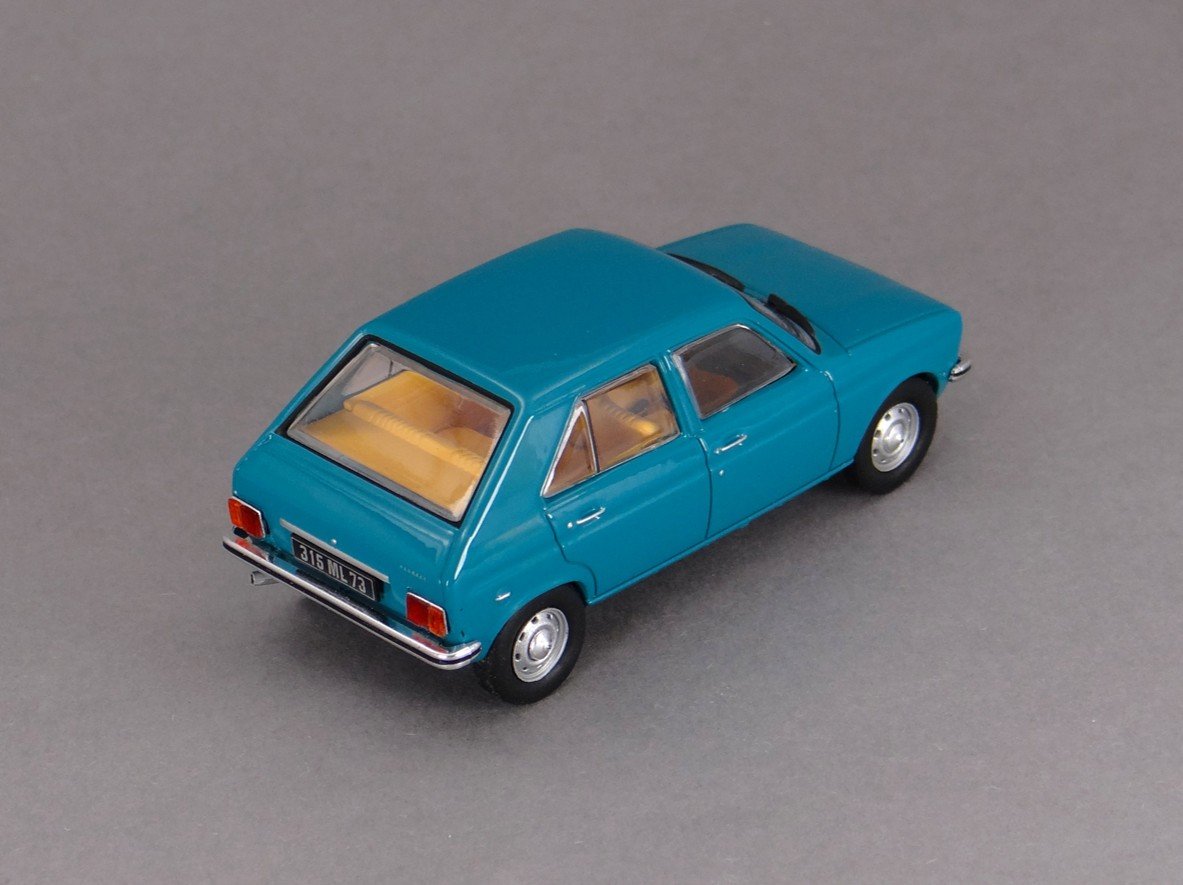
W błędzie będzie jednak ten, kto pomyśli, że Peugeot 104 jest hatchbackiem. Choć ścięty tył dokładnie to sugeruje, okazuje się, że mamy czynienia z… czterodrzwiowym fastbackiem! W tylnej części jest tylko mała klapa, poniżej szyby. Peugeot podobno zdecydował się na to rozwiązanie, w obawie przed spadkiem sprzedaży większego 204 kombi. Z tego samego względu, do sprzedaży nigdy nie weszły też zgrabne prototypy 104 sedana i 104 kombi.
Dopiero gdy produkcja 204 skończyła się w 1976 roku, Peugeot wprowadził do sprzedaży pięciodrzwiowe 104 z dużą tylną klapą. Z jednej strony to późno, z drugiej – i tak był pierwszym pięciodrzwiowym hatchbackiem w swojej klasie. Wszystkie inne oferowane wtedy modele miały tylko nadwozia trzydrzwiowe, więc Peugeot 104 miał na tym polu ogromną przewagę.
Nowy pod każdym względem
To był pierwszy tak mały Peugeot, więc firma nie miała zbytniej możliwości wykorzystania części ze swoich innych modeli. Peugeot do 104 opracował wszystko od podstaw. Od zupełnie nowej platformy, przez zawieszenie aż po skrzynię biegów i silniki. Auto posiadało nawet strefy kontrolowanego zgniotu! Z technicznego punktu widzenia najciekawsze było jednak to, jak Peugeot skonstruował silniki i skrzynię biegów. Typowo dla siebie, Francuzi poszli tutaj własną drogą.
Nietypowy silnik
W 1969 roku Peugeot razem z Renault połączyło siły aby skonstruować nowe, wspólne silniki w celu obniżenia kosztów. Obie firmy rozłożyły koszty równo po połowie i tak powstało przedsiębiorstwo Française de mécanique z fabryką w Douvrin – skąd pochodzi potoczna nazwa produkowanych tam motorów. Francuzi zaplanowali stworzenie trzech linii silników: topowego V6, średniej wielkości 2.0 oraz podstawowego motoru X, który posłużył do napędzania m.in. właśnie Peugeota 104.
Motor X był pierwszym produktem Française de mécanique. Nowoczesna, czterocylindrowa rzędowa jednostka z aluminiowym blokiem miała wałek rozrządu w głowicy. Peugeot 104 był pierwszym autem w którym ją zamontowano i występowała w nim w kilku pojemnościach. Początkowo tylko 954 cm³ (46 KM), a później również 1124 cm³ (53- 66 KM), 1219 cm³ (58 – 64 KM) oraz 1360 cm³ (72 – 92 KM).
Najbardziej charakterystyczną cechą tych silników był jednak nietypowy sposób zabudowy. Wzorem. np. Mini, skrzynia biegów znajdowała się bezpośrednio pod silnikiem i razem z mechanizmem różnicowym tworzyła z nim jedną całość. Korzystała też z tego samego układu smarowania. Taki układ sprawiał, że silnik był bardzo wysoki i nie zmieściłby się pod maską. Dlatego, Peugeot zamontował go poprzecznie i pochyło pod kątem 72 stopni.
Na papierze wszystko wyglądało dobrze. Aluminiowy silnik był lekki, co dobrze wpływało na osiągi i zużycie paliwa. Zabierał też niewiele miejsca, co pozwalało wygospodarować więcej przestrzeni w kabinie. Niestety, skomplikowana konstrukcja utrudniała serwisowanie i powodowała szybsze zużycie oleju. Przez zaniedbania serwisowe, silniki były podatne na wydmuchiwanie uszczelki pod głowicą, co często niszczyło samą głowicę a niekiedy też cały silnik. Na dodatek, ze względu na niekonwencjonalny rodzaj budowy, silnik charakterystycznie “wył”.
Dojrzały malec
Pomimo swoich małych rozmiarów (długość 358 cm, szerokość 152 cm), Peugeot 104 został bardzo dojrzale zaprojektowany. Niewielkie nadwozie kryło zaskakująco duże wnętrze z wielkim bagażnikiem. Niezależne zawieszenie dzięki dobremu zestrojeniu, oferowało zarówno wysoki komfort jazdy jak i dobre prowadzenie. To szło w parze ze żwawymi silnikami, które zapewniały dobre osiągi. Choć 104 było małe, sprawiało wrażenie samochodu z wyższej klasy, co zresztą Peugeot sam podkreślał w hasłach reklamowych.
W 1974 roku Peugeot dodał do oferty 104 Coupé, zwane później 104 Z. Choć znacznie krótsze i z mniejszym rozstawem osi od standardowego 104, miało nad nim jedną znaczną przewagę – praktyczne trzecie drzwi. Takowe zawitały do reszty gamy w 1976 roku, razem z pierwszym liftingiem. Drugi lifting z 1978 roku przyniósł zmiany w wyglądzie grilla oraz przednich i tylnych świateł. Trzeci lifting z 1982 roku przyniósł natomiast kolejną zmianę świateł i grilla oraz znaczne zmniejszenie ilości chromowanych elementów.
Później, Peugeot stopniowo ograniczał gamę 104, w oczekiwaniu na pojawienie się następcy, czyli 205, w 1984 roku. Wtedy, na większości rynków zakończyła się też sprzedaż 104. Peugeot oferował go jeszcze tylko we Francji, jako najtańsze auto w gamie, do 1988 roku. Po 16 latach produkcji Peugeot 104 w końcu przeszedł na zasłużoną emeryturę. W tym czasie z fabryk w Miluzie i Poissy wyjechało w sumie 1 624 992 Peugetów 104.
Auto, choć dobre, nigdy nie dorównało popularnością Renault 5 czy Fiatowi 127. Później natomiast, zostało całkowicie przyćmione przez swoich bestsellerowych następców – Peugeoty 205 i 206. W rezultacie, mało kto pamięta dzisiaj o skromnym Peugeocie 104. A szkoda, bo zawdzięczamy mu więcej niż mogłoby się wydawać.
Siostrzane modele
Na bazie Peugeota 104, a konkretnie jego trzydrzwiowej odmiany, powstały dwa pochodne modele – Citroën LN/LNA oraz Talbot Samba. Citroën debiutował w 1976 roku i poza innymi światłami, wlotem powietrza oraz silnikiem z 2CV był klonem 104. Debiutujący w 1981 roku Talbot różnił się bardziej, był też znacznie dłuższy oraz jako jedyny występował w wersji kabrio. Jednak ani Talbot Samba ani Citroën LN/LNA nawet nie zbliżyły się popularnością do Peugeota 104.
O miniaturze – Peugeot 104
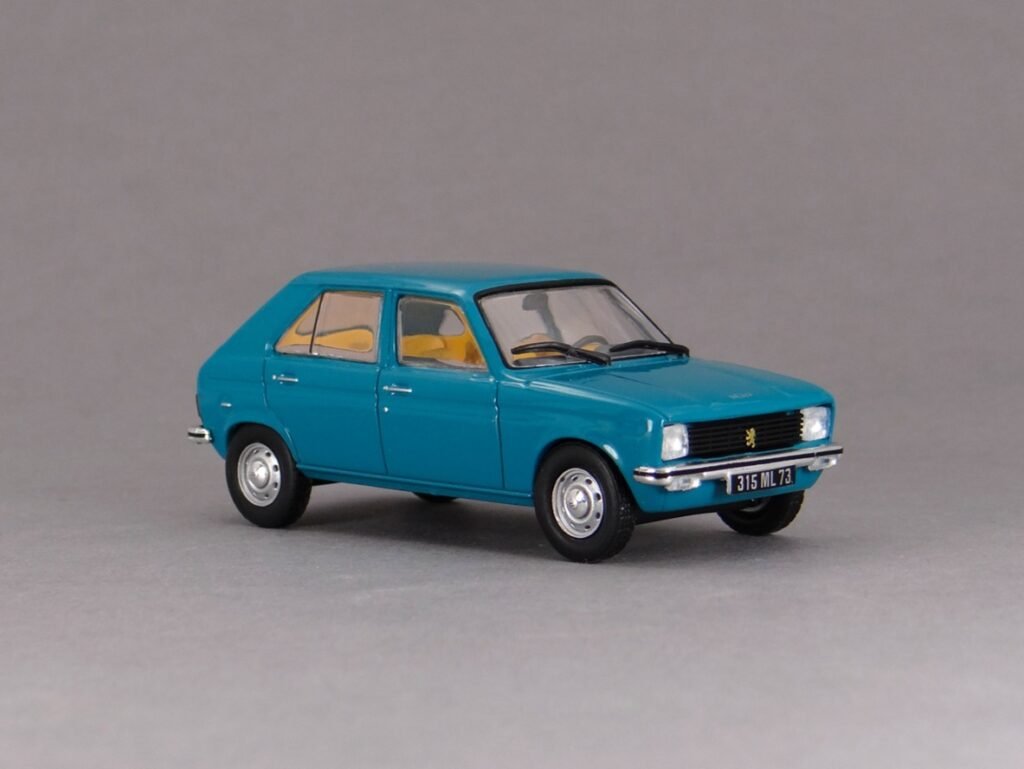
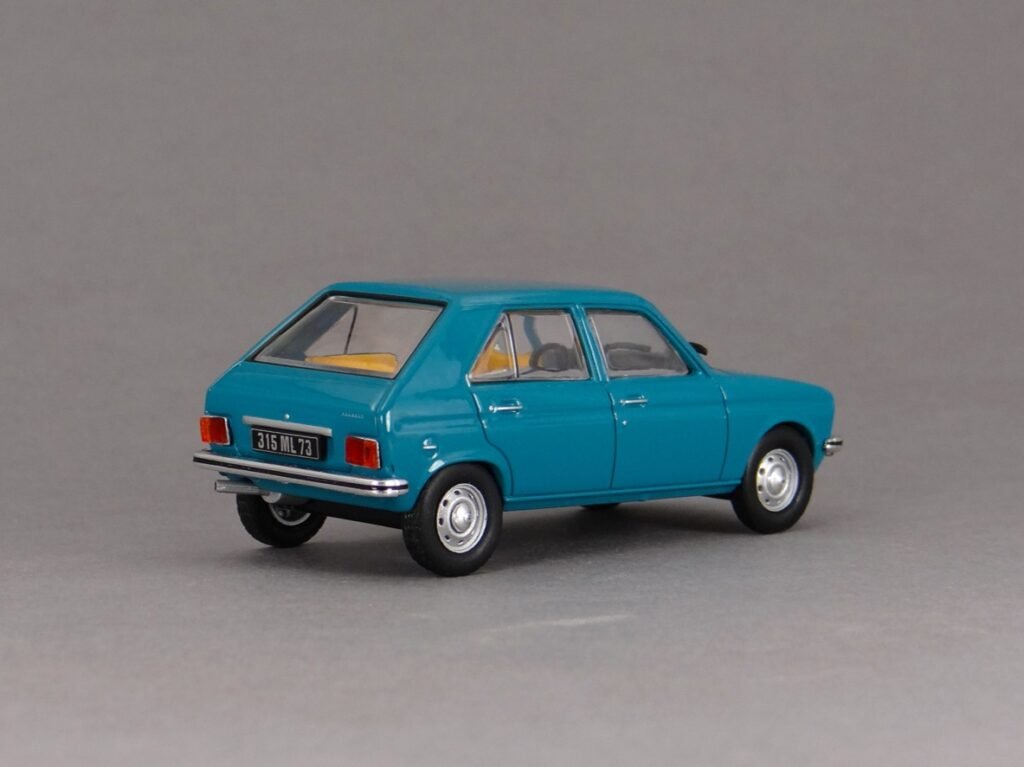
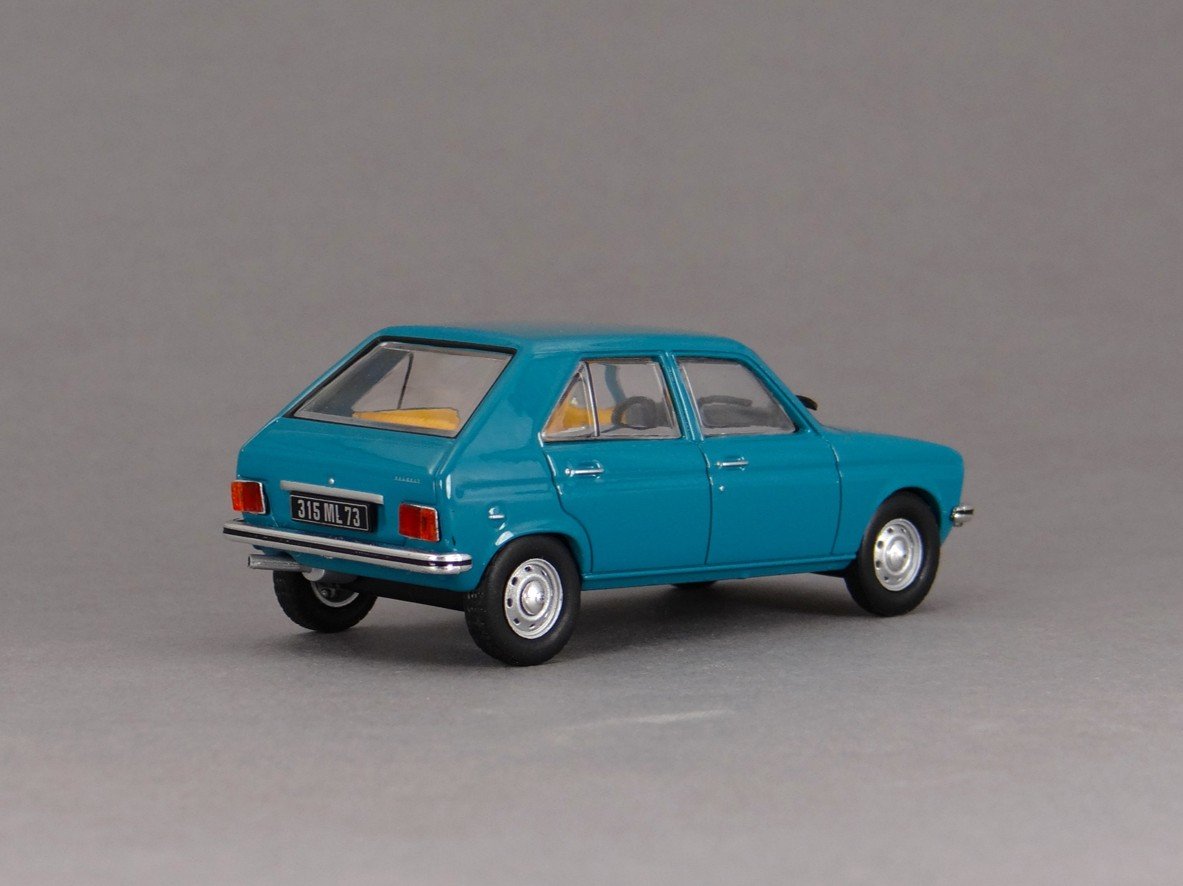
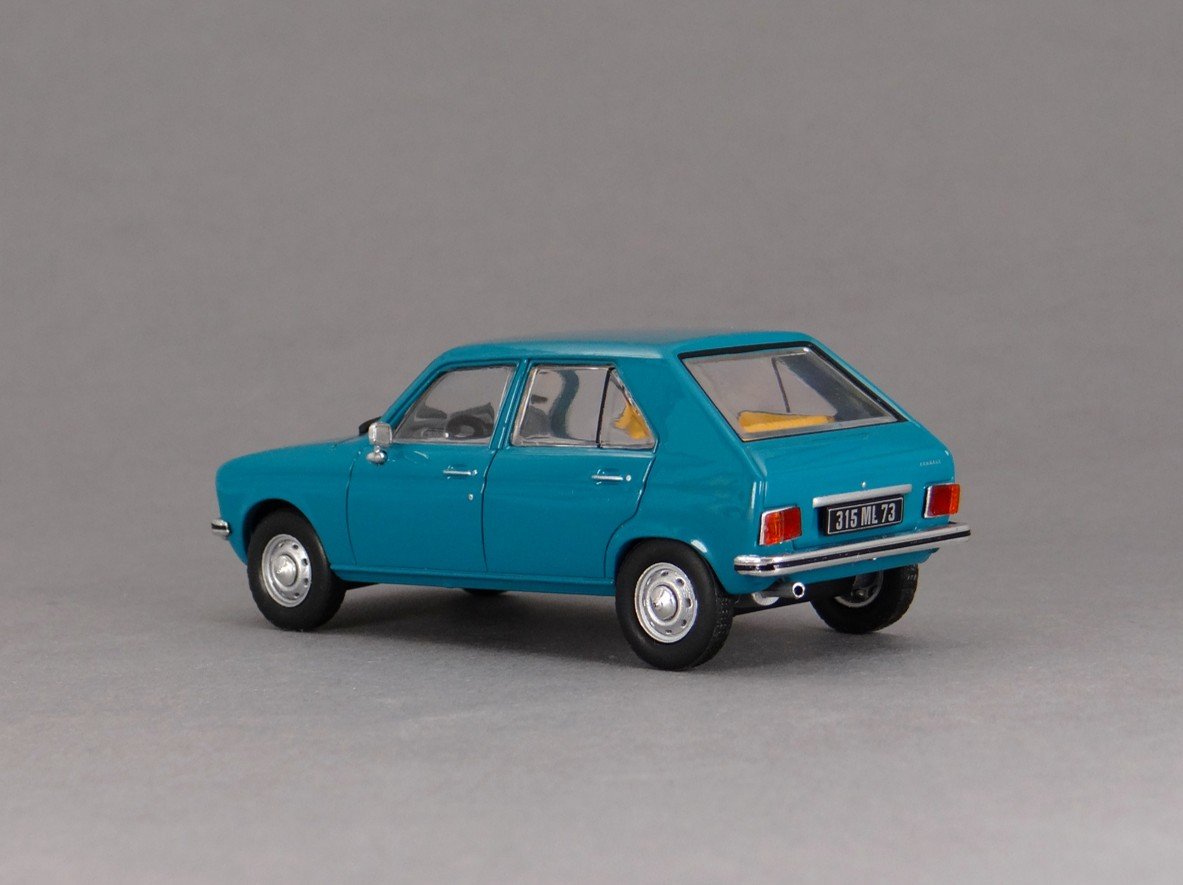
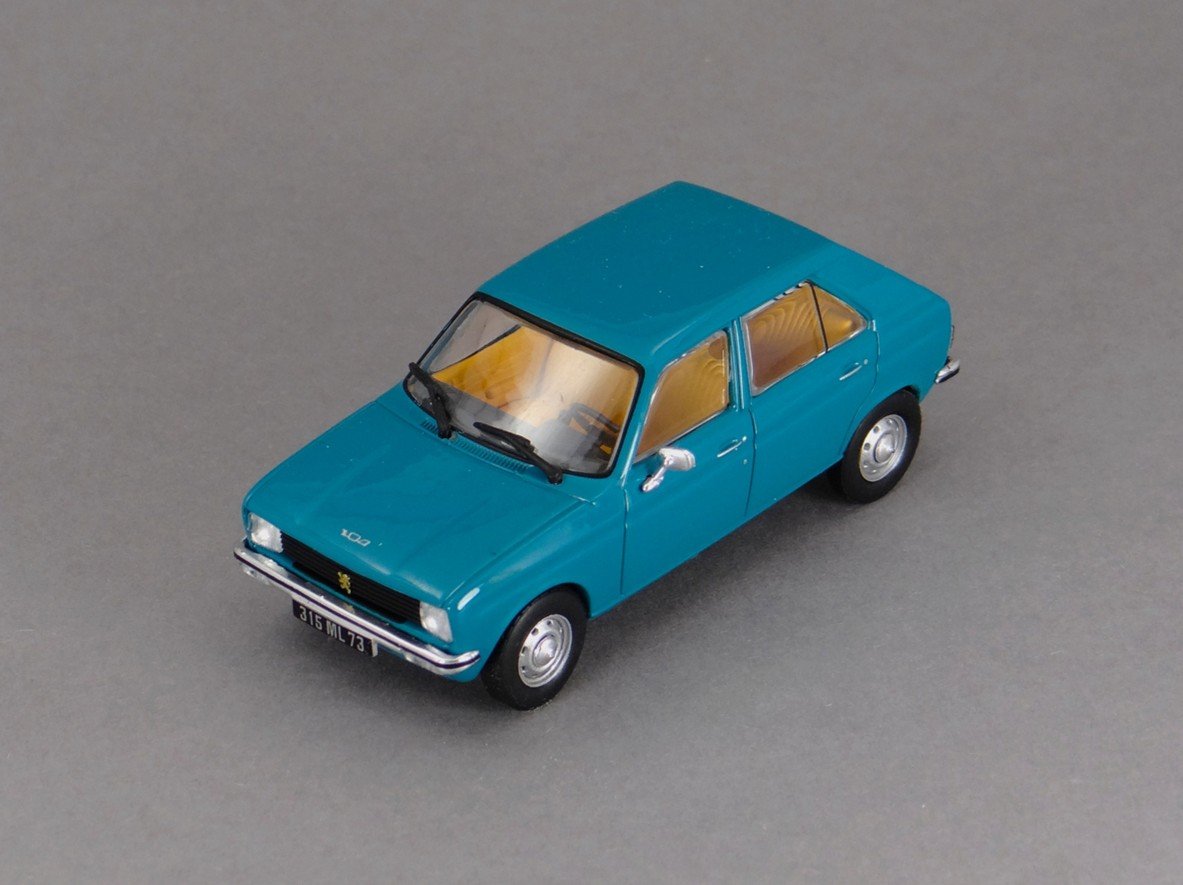
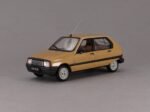
Sklep internetowy Jumajo postanowił niedawno wydać własną serię modeli w skali 1/43. W większości są to po prostu stare gazetówki w nowych opakowaniach, ale w przypadku Peugeota 104 wydaje się, że mamy też do czynienia z nowym kolorem.
Miniaturka Jumajo bazuje na odlewie wykorzystanym już wcześniej przez firmę Odeon. Mamy więc do czynienia z bardzo ładnym, dobrze odwzorowanym modelem. Szczególnie, jeśli weźmiemy pod uwagę lekko budżetowy charakter wydawnictwa. Zdradzają to bardzo grube wycieraczki przedniej szyby. Gdyby nie one, model wyglądałby o wiele lepiej. Chciałem wymienić je na fototrawione, ale sposób w jaki są zamontowane mi to uniemożliwił.
Jak zwykle, zapraszam do galerii zdjęć oraz odwiedzania MiniAutomobili na Facebooku i Instagramie!
*** ENGLISH ***
When it comes to small Peugeots, most people mention the best-selling 205 and 206. Few people remember that before them, Peugeot offered the 104. A great small car, completely overshadowed by its successors.
For years, Peugeot had the reputation of being the most conservative French brand. The Sochaux-based company built was renowned for elegant saloons, stylish coupes and practical estates. Small, inexpensive cars were certainly not its area of interest. The introduction of the small 104 in 1972 was therefore a landmark moment for Peugeot. The new car not only became the entry-level model in the range, but also — alongside the Fiat 127 and Renault 5 — proved to be one of the first representatives of the European B-segment.
Good influences
In keeping with its tradition at the time, Peugeot commissioned the famous Carrozzeria Pininfarina to design the 104. The project was largely the work of Paolo Martin, who created a compact and elegant body with a front end clearly inspired by the larger 304 and 504. A distinctive crease stretching along the car’s flanks, added an extra touch of style. The little 104 undoubtedly belonged to the Peugeot family.
However, anyone who thinks the Peugeot 104 is a hatchback would be mistaken. Although the sloping rear end strongly suggests it, it turns out that we are actually dealing with a… four-door fastback! At the back, there is only a small boot lid below the rear window. Peugeot reportedly opted for this out of fear, that a hatchback 104 would hurt the sales of the larger 204 estate. For the same reason, the attractive 104 saloon and 104 estate prototypes never made it into production either.
It was only after production of the 204 ended in 1976, that Peugeot introduced the five-door version of the 104. On one hand, that was rather late. On the other, it was still the first five-door hatchback in its class. All the other models available at the time were offered only with three-door bodies, giving the Peugeot 104 a major advantage here.
New in every way
This was the first Peugeot this small, so the company couldn’t rely on components from its existing models. Instead, Peugeot developed everything for the 104 from scratch; from a completely new platform, through the suspension, all the way to the gearbox and engines. The car even had crumple zones! The most intriguing technical feature, however, was Peugeot’s approach to the design of the engines and gearbox. True to form, the French chose to follow their own path.
Unusual engine
In 1969, Peugeot and Renault joined forces to develop new, shared engines in order to reduce costs. The two companies shared the expenses equally in half, leading to the creation of Française de Mécanique, a company with a manufacturing plant in Douvrin — the origin of the nickname commonly used for the engines built there. The French manufacturers planned three engine families: a flagship V6, a mid-size 2.0-liter unit, and the entry-level X engine, which was used to power cars such as the Peugeot 104.
The X engine was the first product developed by Française de Mécanique. This modern inline four-cylinder unit, featuring an aluminium block and an overhead camshaft, was first fitted to the Peugeot 104, where it was offered in several different displacements. Initially, it was available only as a 954 cm³ engine (46 hp), but later versions included 1124 cm³ (53–66 hp), 1219 cm³ (58–64 hp), and 1360 cm³ (72–92 hp).
The most distinctive feature of these engines, however, was their unusual layout. Following the example of the Mini, the transmission was mounted in sump. With the gearbox mounted right underneath the engine, it made the unit very tall, meaning it would not fit under the bonnet in a conventional installation. Therefore, Peugeot mounted it transversely and tilted it at a 72-degree angle.
On paper, everything looked good. The aluminium engine was lightweight, improving both performance and fuel economy, while its compact dimensions freed up valuable space in the cabin. Unfortunately, its complex design made servicing more difficult and led to increased oil consumption. Due to poor servicing, these engines were prone to head gasket failures, frequently leading to cylinder head damage and, in severe cases, complete engine failure. Adding to its unique character was the distinctive whine produced by the engine’s unconventional layout.
A mature little car
Despite its small dimensions (358 cm long and 152 cm wide), the Peugeot 104 was a maturely designed car. Its compact exterior concealed an unexpectedly spacious cabin and a generous luggage compartment. The well-tuned independent suspension delivered an excellent balance between ride comfort and handling, while the energetic engines provided performance that matched the car’s character. Although small in size, the 104 felt like a vehicle from a higher class — a quality Peugeot proudly promoted in its advertising campaigns.
In 1974, Peugeot added the 104 Coupé to the lineup, later called the 104 Z. Although shorter and built on a reduced wheelbase compared with the standard model, the Coupé had one major advantage — a practical third door. This feature was introduced across the rest of the range in 1976, along with the first facelift. The second facelift, carried out in 1978, brought changes to the grille design and the front and rear lights. The third facelift, in 1982, introduced further changes to the lighting and grille, while also significantly reducing the amount of chrome trim.
Later, Peugeot gradually pared back the 104 range ahead of the launch of its successor, the 205, in 1984. Production for most export markets ended at this point, although the 104 remained available in France as the entry-level model until 1988. After 16 years on the market, the Peugeot 104 finally retired. During that time, a total of 1,624,992 examples of the Peugeot 104 left the factories in Mulhouse and Poissy.
Although it was a good car, it never matched the popularity of the Renault 5 or the Fiat 127. Later on, it was completely overshadowed by its hugely successful successors – the Peugeot 205 and 206. As a result, very few people remember the humble Peugeot 104 today. Which is a shame, because its influence is far greater than you could expect.
Sister models
The Peugeot 104’s three-door platform also gave rise to two closely related models: the Citroën LN/LNA and the Talbot Samba. Introduced in 1976, the Citroën was little more than a rebadged 104, featuring different lighting, a revised air intake, and an engine derived from the 2CV. The Talbot arrived in 1981 and brought more substantial changes, including a longer body, while also becoming the only model of the trio available as a convertible. Despite their shared foundations, neither the Talbot Samba nor the Citroën LN/LNA achieved anything close to the popularity of the Peugeot 104.
About the miniature – Peugeot 104
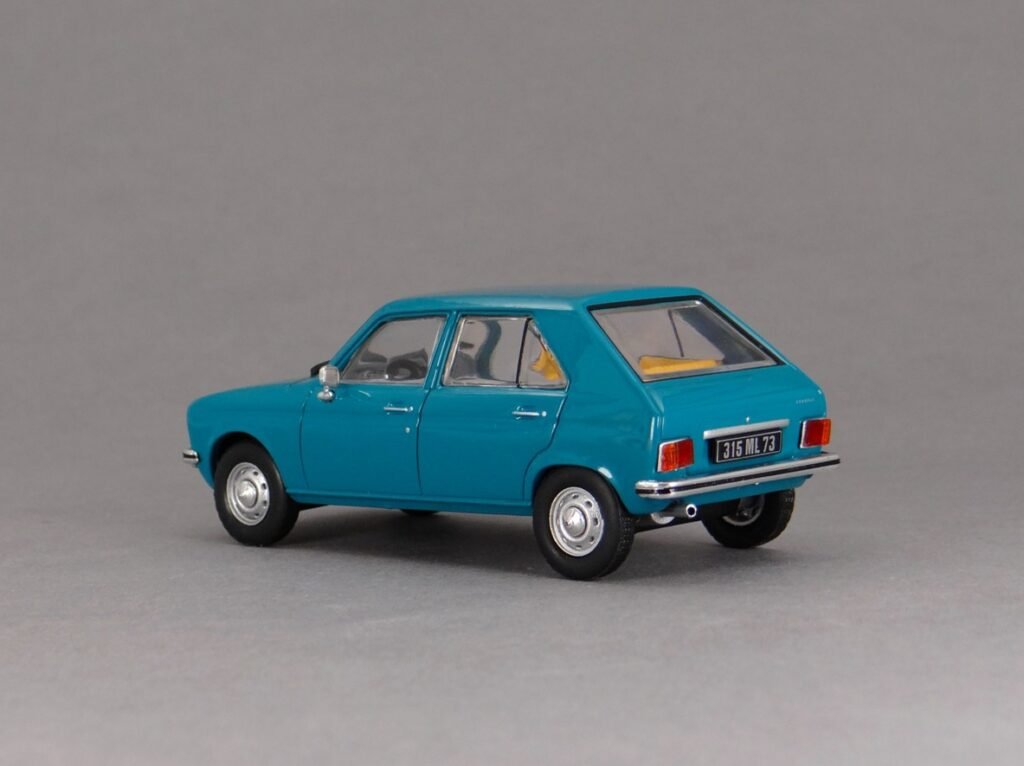
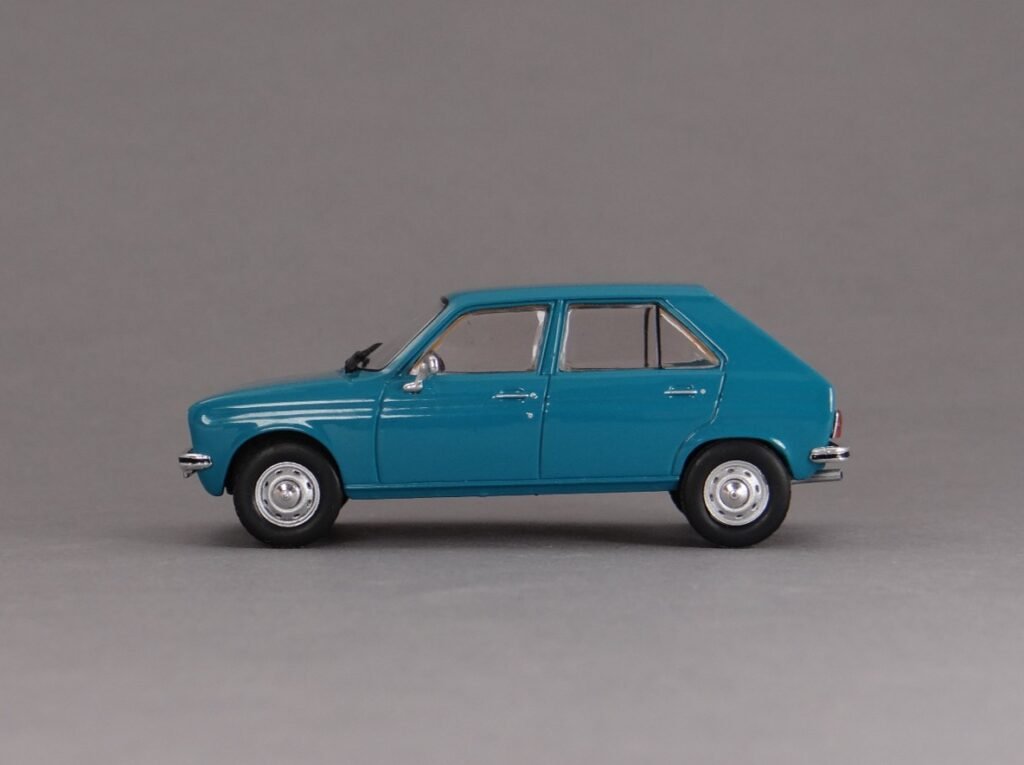
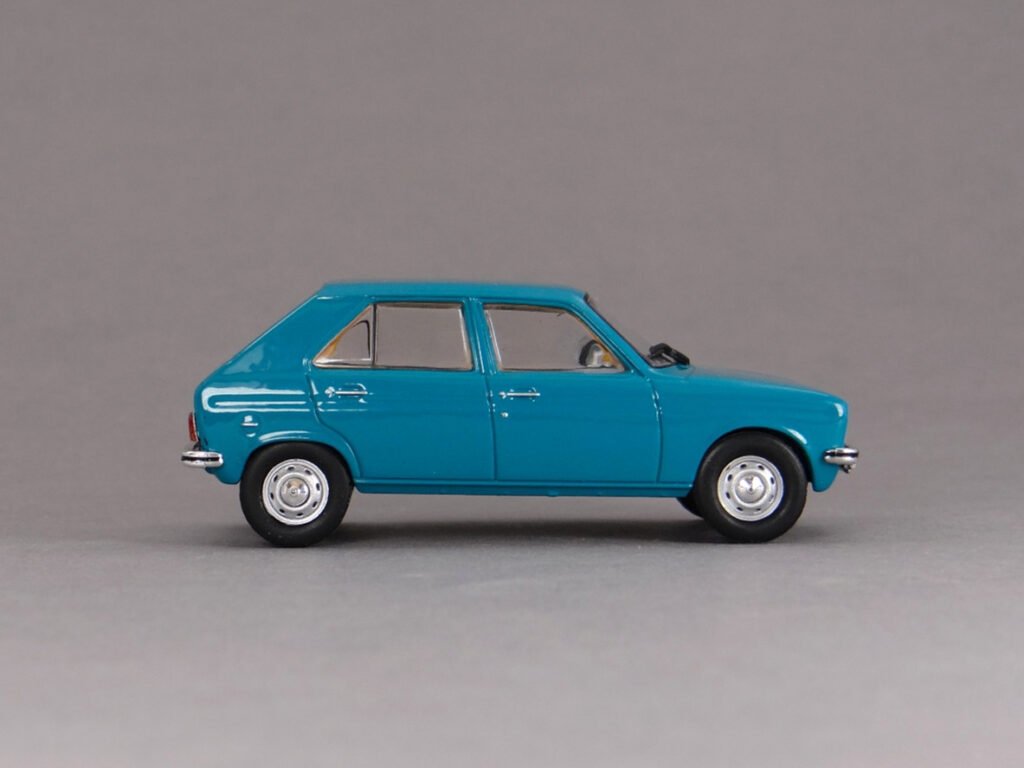
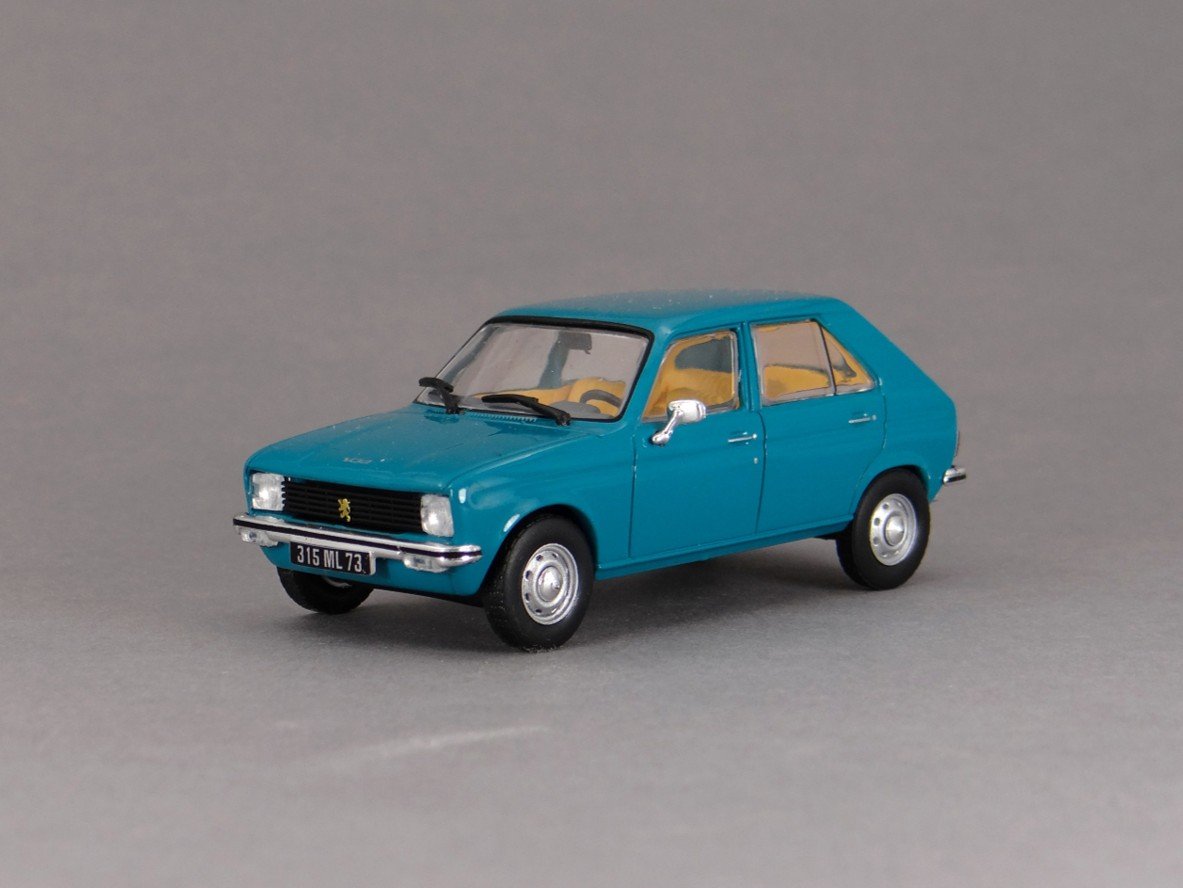
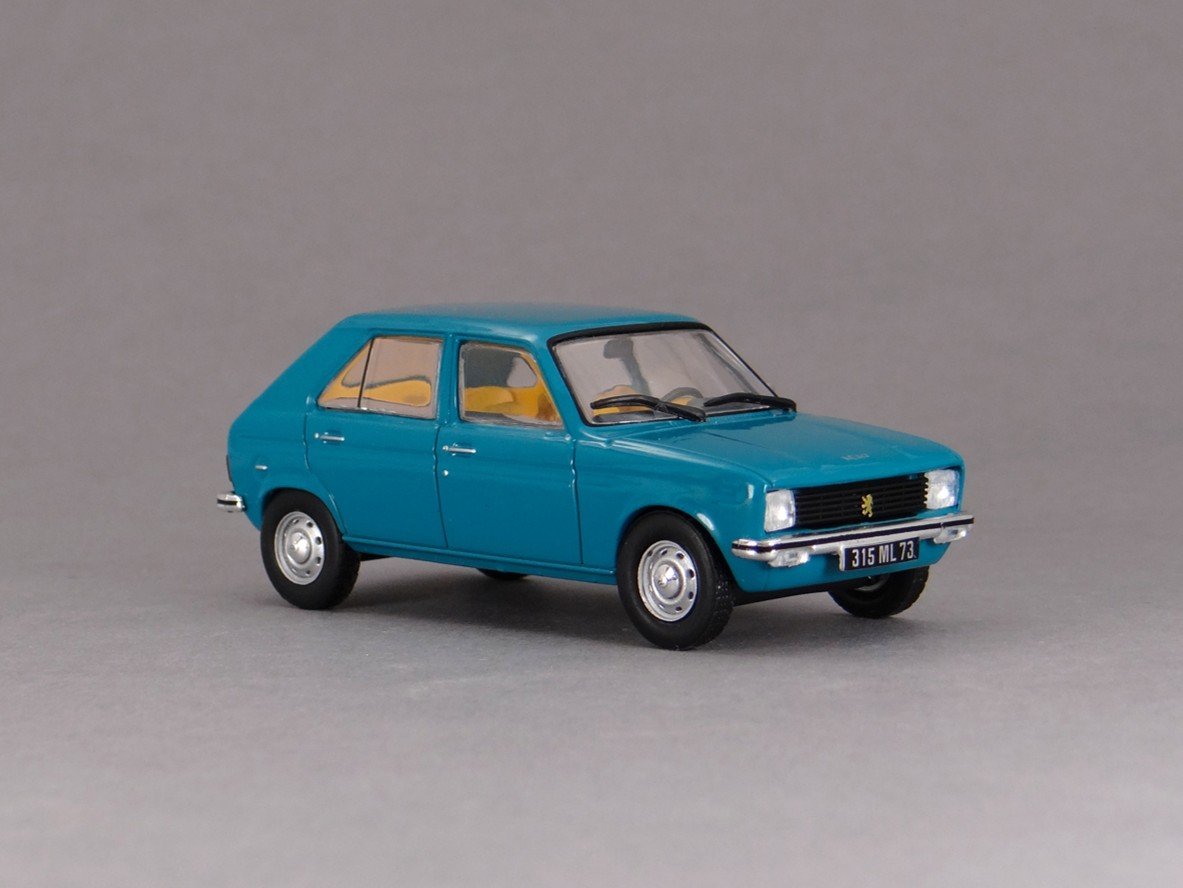
The online store Jumajo recently decided to release its own series of 1/43 scale models. Most of them are simply old magazine models in new packaging, but in the case of the Peugeot 104, it seems that we are also dealing with a new color variant.
The Jumajo miniature is based on a casting previously used by Odeon. As a result, we get a very attractive and accurately reproduced model — especially considering the slightly budget-oriented nature of this release. The main giveaway are the extremely thick windscreen wipers. Without them, the model would look considerably better. I wanted to replace them with photo-etched parts, but the way they are attached made that impossible.
As always, go and check out the gallery and of course be sure to visit MiniAutomobile on Facebook and Instagram!




Fajnie, że przypomniałeś ten jednak niezbyt popularny (w Polsce) a dziś już zupełnie zapomniany samochód. Pamiętam jak w prototypowni OBR FSO (gdzie się jakoś trochę przypadkiem w pierwszej połowie lat 80-tych zaplątałem) leżało czerwone nadwozie 104 (obok Kadetta D), w czasie kiedy koledzy z OBR projektowali Warsa. Moją uwagę zwróciło to, że samochód chociaż miał klapę tylną z szybą (5 drzwi) połka podokienna (nad bagażnikiem) była stalowa zespawana z wnętrzem (ot taka techniczna ciekawostka, albo pozostałość z czasów kiedy auto klapy z szybą nie miało)