
Choć Ford Orion był swego czasu bardzo popularny – sprzedano ponad 3,2 mln sztuk – to dzisiaj jest już zapomnianym autem. Niewiele z nich przetrwało próbę czasu.
W latach 80. wielu Europejczyków nadal chętnie wybierało sedany, więc posiadanie takiego auta w ofercie było dla producentów wręcz obowiązkowe. Szczególnie zacięta walka o klienta rozgrywała się w popularnej klasie kompaktowej, gdzie Forda od lat reprezentował Escort. Jednak gdy ze względu na panującą modę, w 1980 roku trzecia generacja Escorta stała się hatchbackiem, w gamie Forda powstała dotkliwa luka. Przez pewien czas w europejskiej gamie Forda nie było bowiem średniej wielkości sedana, gdyż początkowo większa Sierra też nie była oferowana w tej wersji nadwoziowej.
Aby wypełnić tą lukę, Ford poszedł śladem Volkswagena Jetty. Do nadwozia Escorta doczepił większy bagażnik, zaoferował trochę lepsze wyposażenie i okrasił to nową nazwą, podkreślając rzekomą odrębność nowego modelu. To wszystko oczywiście za wyższą cenę, bo Ford pozycjonował Oriona wyżej od Escorta.
Z pomocą greckiej mitologii
Ford opracowywał nowy model pod wewnętrzną nazwą “Apollo”, wziętą od imienia jednego z greckich bogów. Ostatecznie jednak, samochód trafił do sprzedaży w 1983 roku pod nazwą Orion, również zaczerpniętą z greckiej mitologii oraz słynnej konstelacji gwiazd. Dumna nazwa podkreślała oczywiście ambicje producenta względem modelu. Choć Orion w całości bazował na Escorcie, otrzymał inny wlot powietrza upodabniający go z przodu do większej Granady oraz lepsze wyposażenie. Ford zdecydowanie mierzył wysoko z Orionem.
Początkowo, Orion występował tylko w najwyższych wersjach wyposażeniowych GL i Ghia oraz z mocniejszymi silnikami CVH 1.3 i 1.6. Ford uznał jednak że to za mało i niedługo rozszerzył gamę modelu.
Ford Orion II, czyli właściwie Orion I po liftingu
Świetną okazją do rozszerzenia oferty stała się modyfikacja z 1986 roku, której Ford poddał zarówno Escorta jak i Oriona. Choć potocznie przyjęło się, że Orion z 1986 to już kolejna generacja, to akurat w wewnętrznej nomenklaturze Forda figuruje on jako “Apollo ’86”, czyli jedynie model po liftingu. Bez względu na to jak go sklasyfikujemy, nowy Orion stał się o wiele bliższy Escortowi. Między innymi dlatego, że oba auta dzieliły ze sobą nowy projekt przodu.
Gama Oriona stała się też o wiele pełniejsza niż dotychczas. Do oferty dołączyły wersje tańsze i skromniej wyposażone oraz słabsze silniki. Gama jednostek napędowych składała się z benzynowych silników 1.3 (60 KM), 1.4 (73 KM), 1.6 (90 KM) i 1.6i (105 KM) oraz diesla 1.6 D (54 KM), zastąpionego później przez 1.8 D (60 KM).
Zdecydowanie najciekawszy w gamie był jednak Orion 1.6i, który korzystał z tego samego silnika co Escort XR3i. Orion w tej wersji łączył osiągi godne GTI z większą praktycznością, co zapewniło mu całkiem spory sukces. Ogólnie, ta generacja Oriona radziła sobie na rynku najlepiej, zdobywając największą popularność. Szczególnie w Wielkiej Brytanii, gdzie Orion regularnie znajdował się w dziesiątce najchętniej kupowanych nowych samochodów.
Rychły koniec
Trzecia i ostatnia generacja Oriona, bazująca na Escorcie piątej generacji, debiutowała w 1990 roku. Auto przetrwało jako Orion jednak tylko przez trzy lata. Potem, stało się po prostu Escortem sedan i dokończyło żywota razem z nim w 2000 roku.
O miniaturze – Ford Orion II
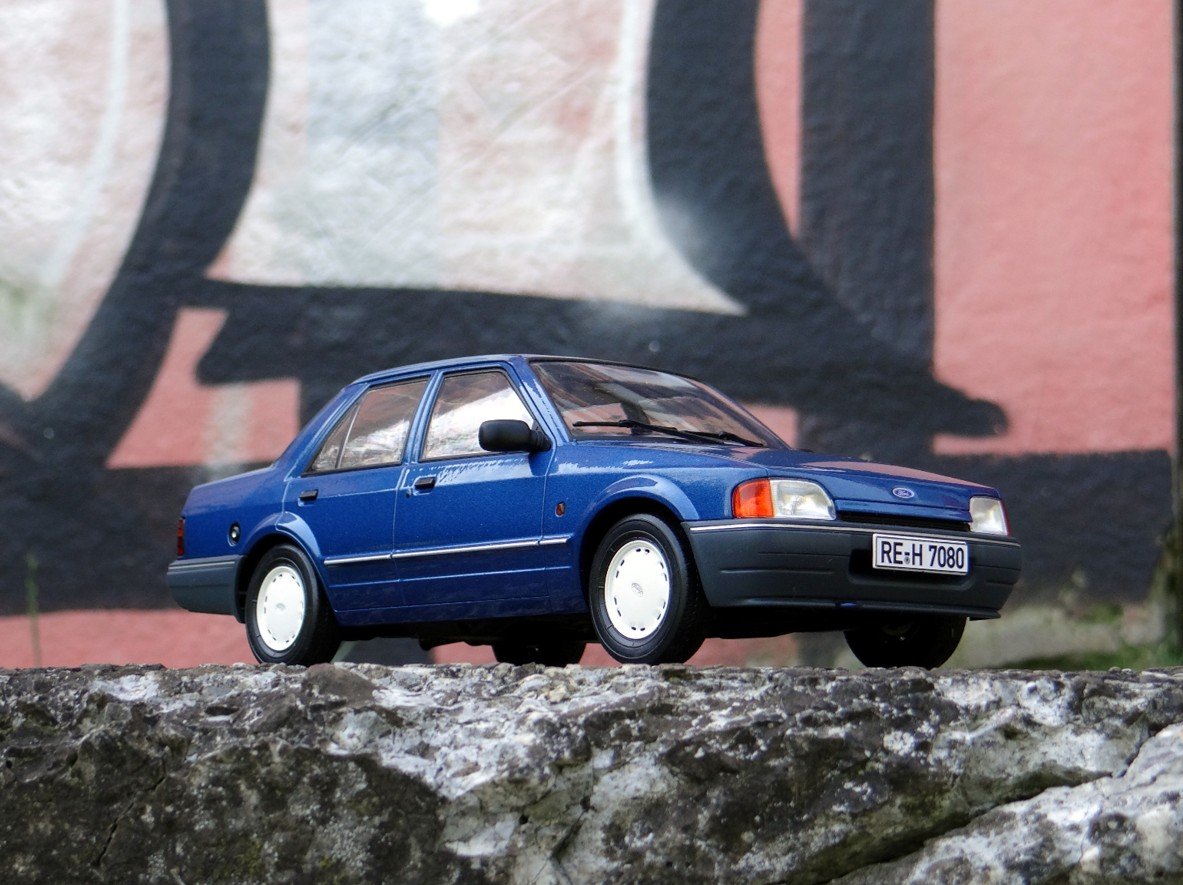
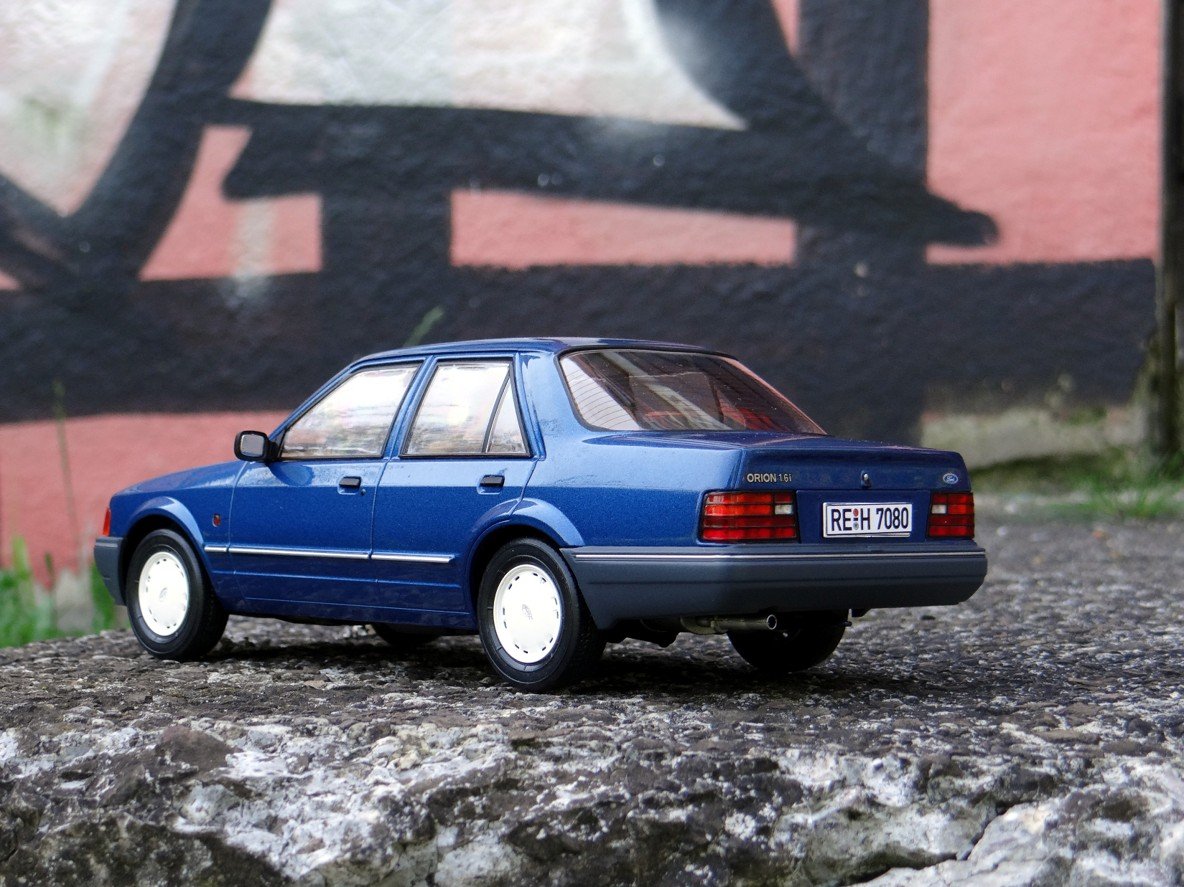
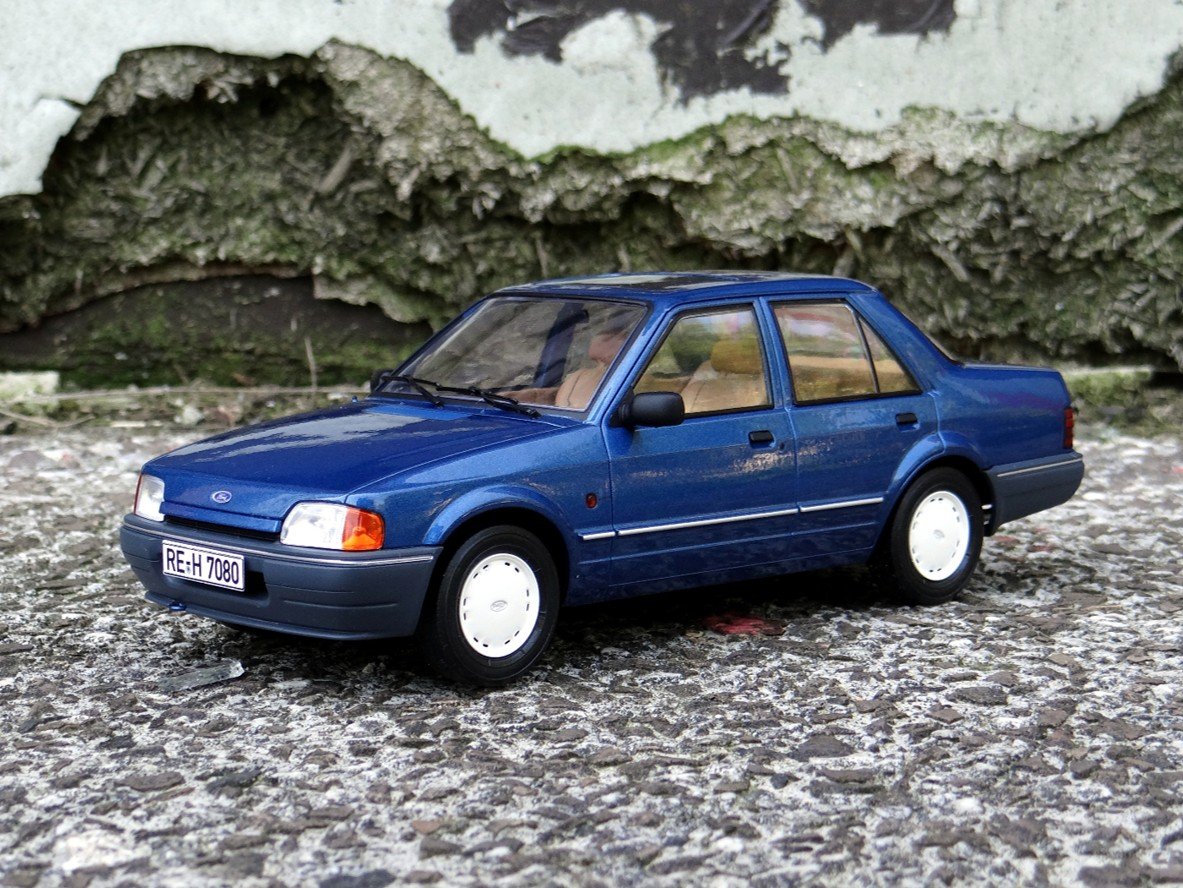
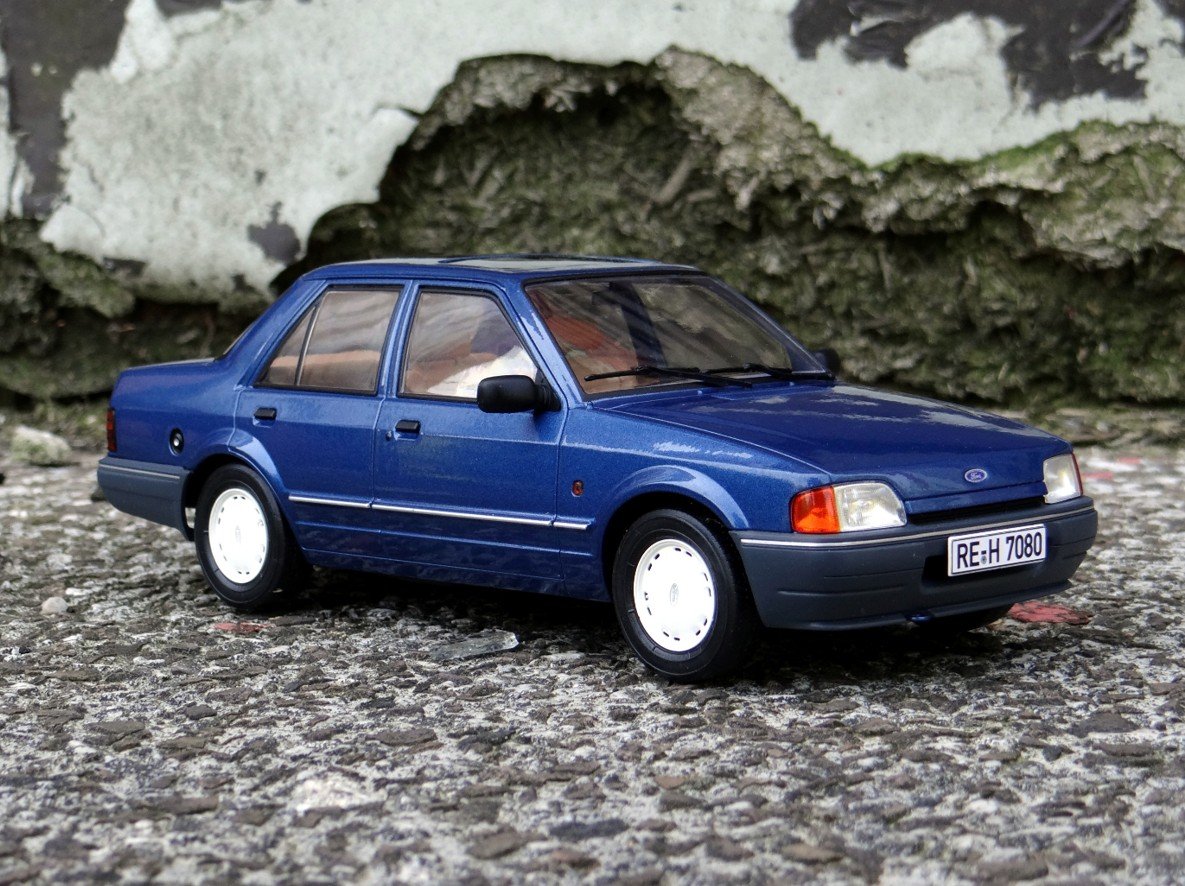
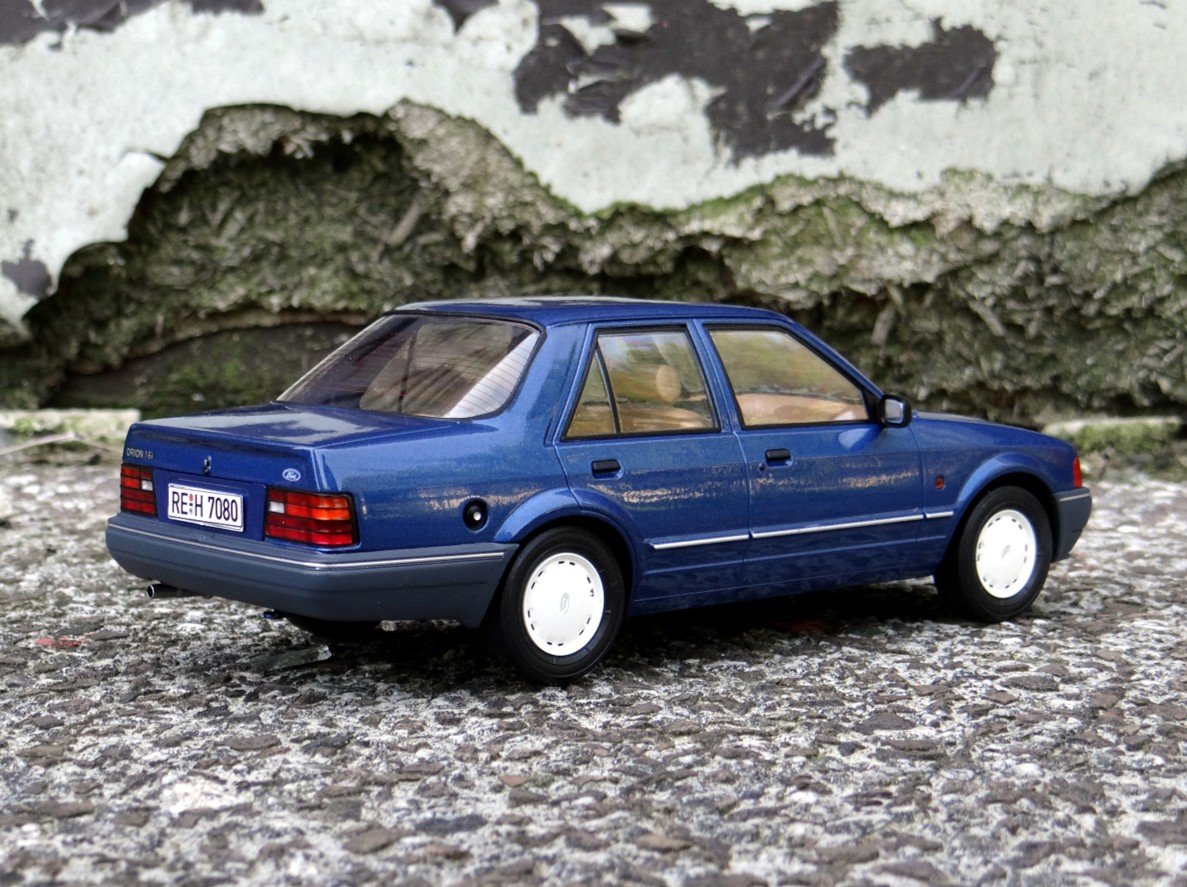
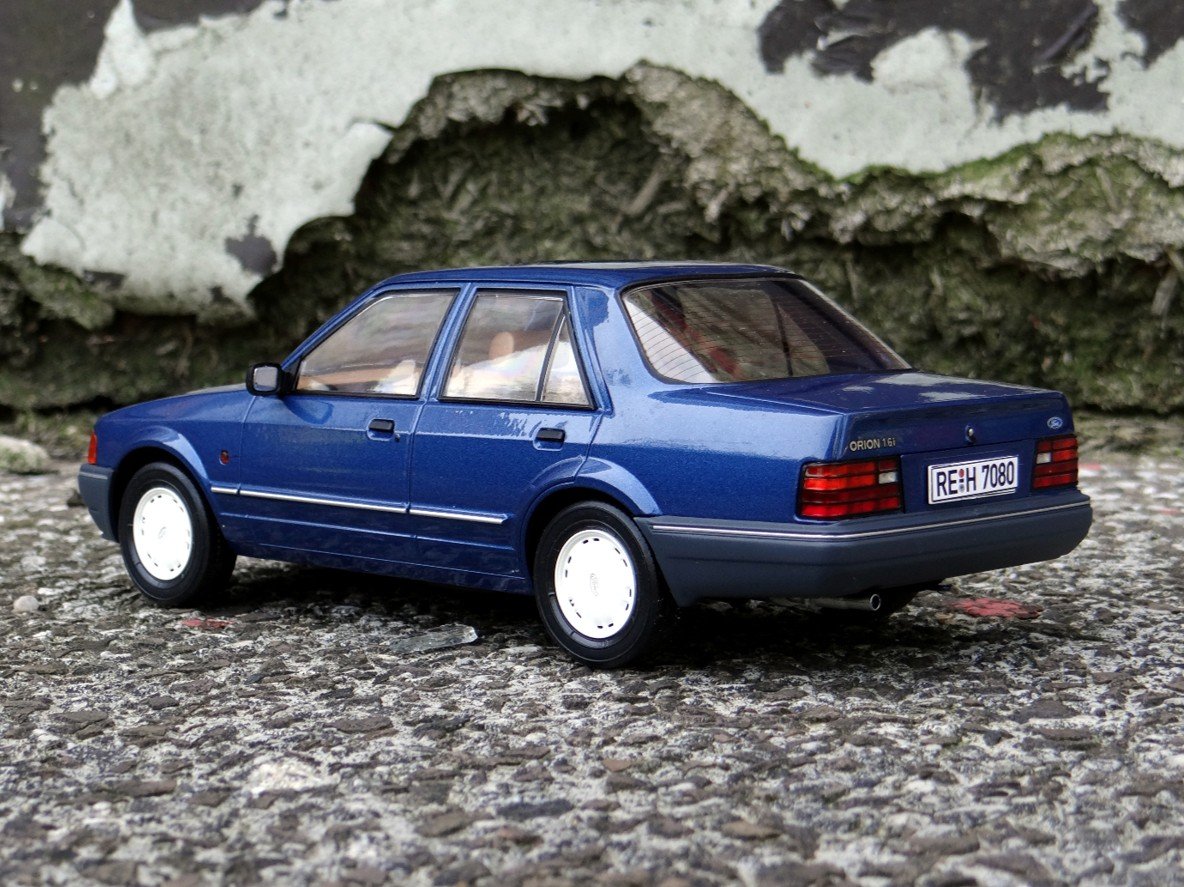
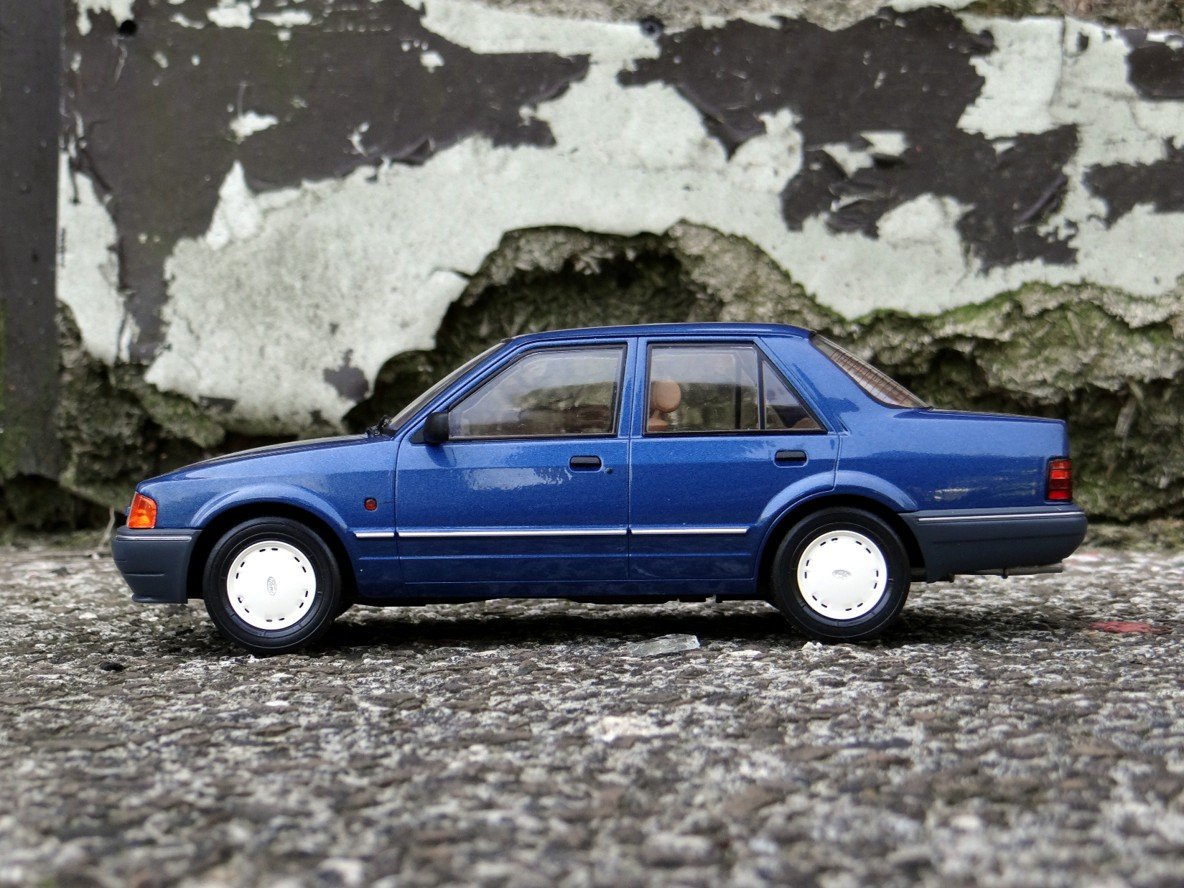
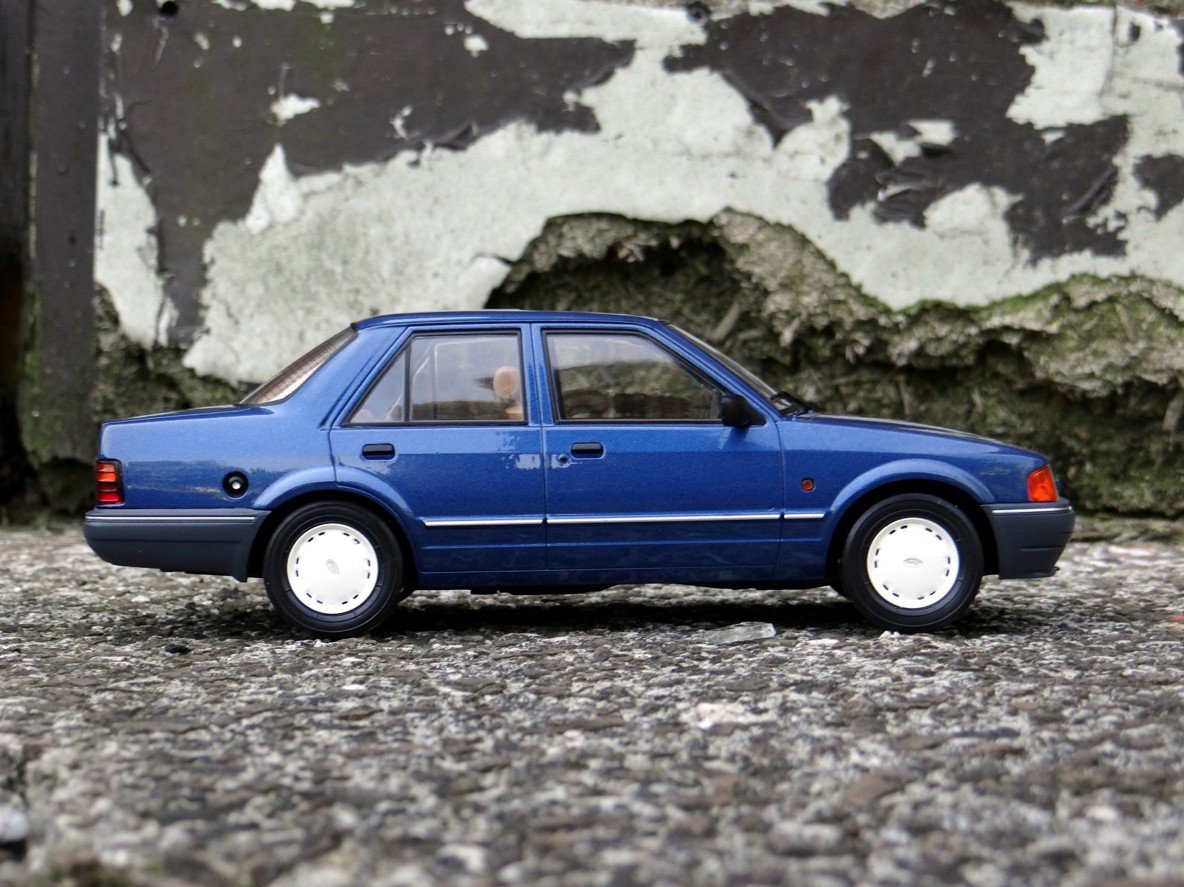
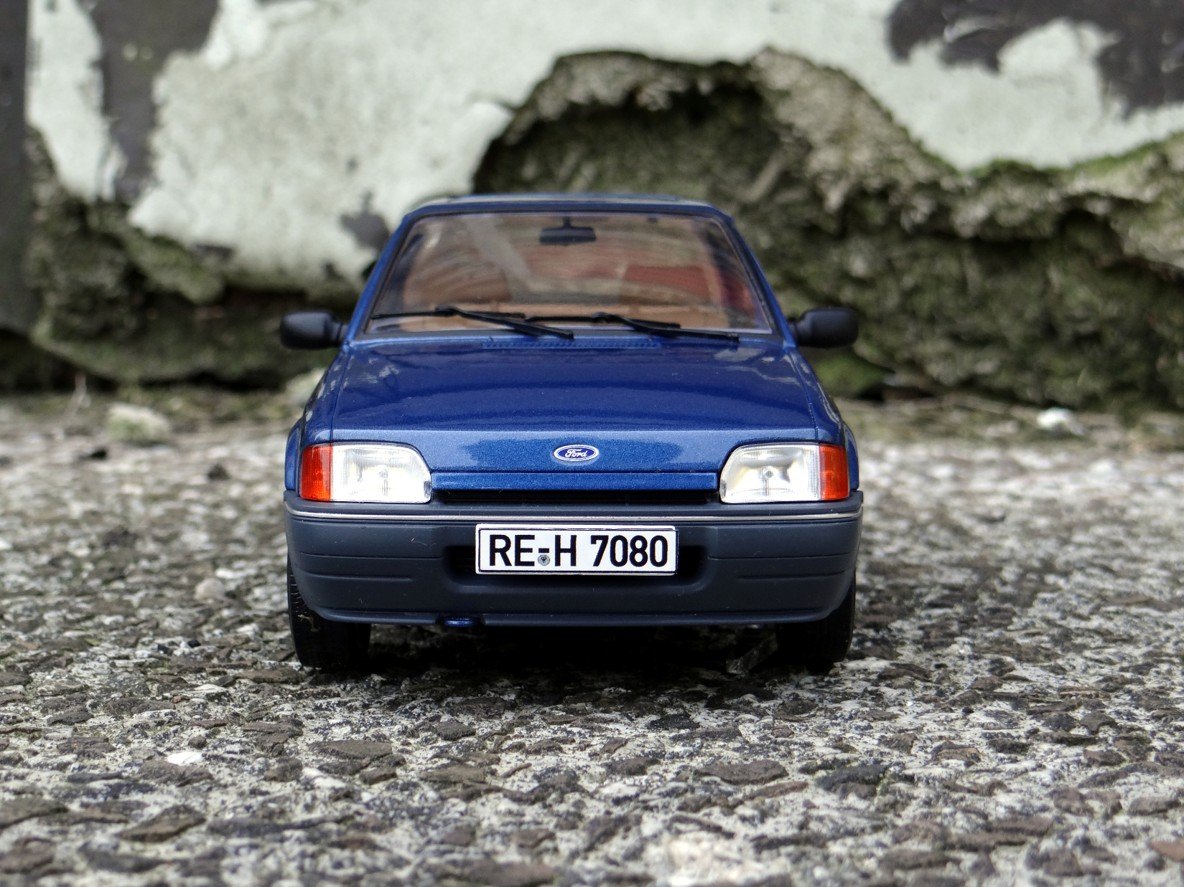
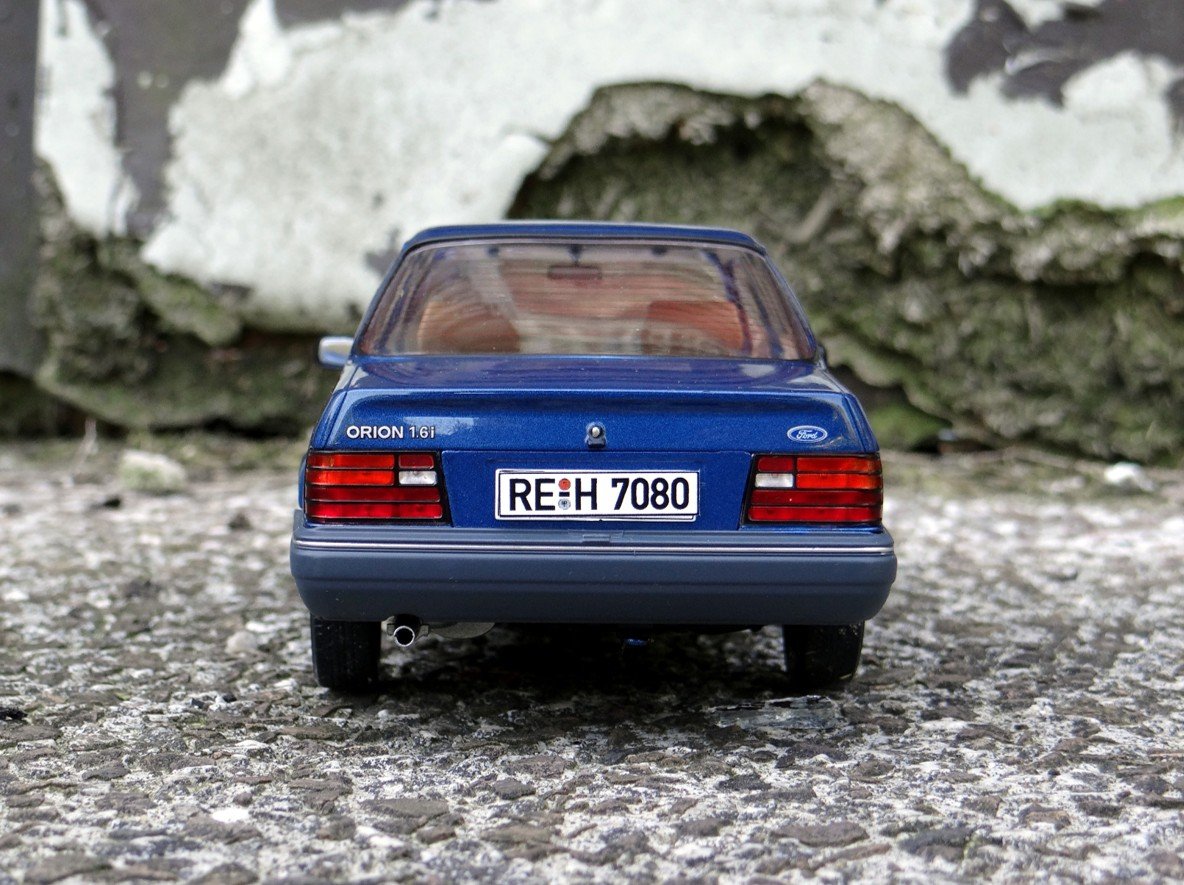
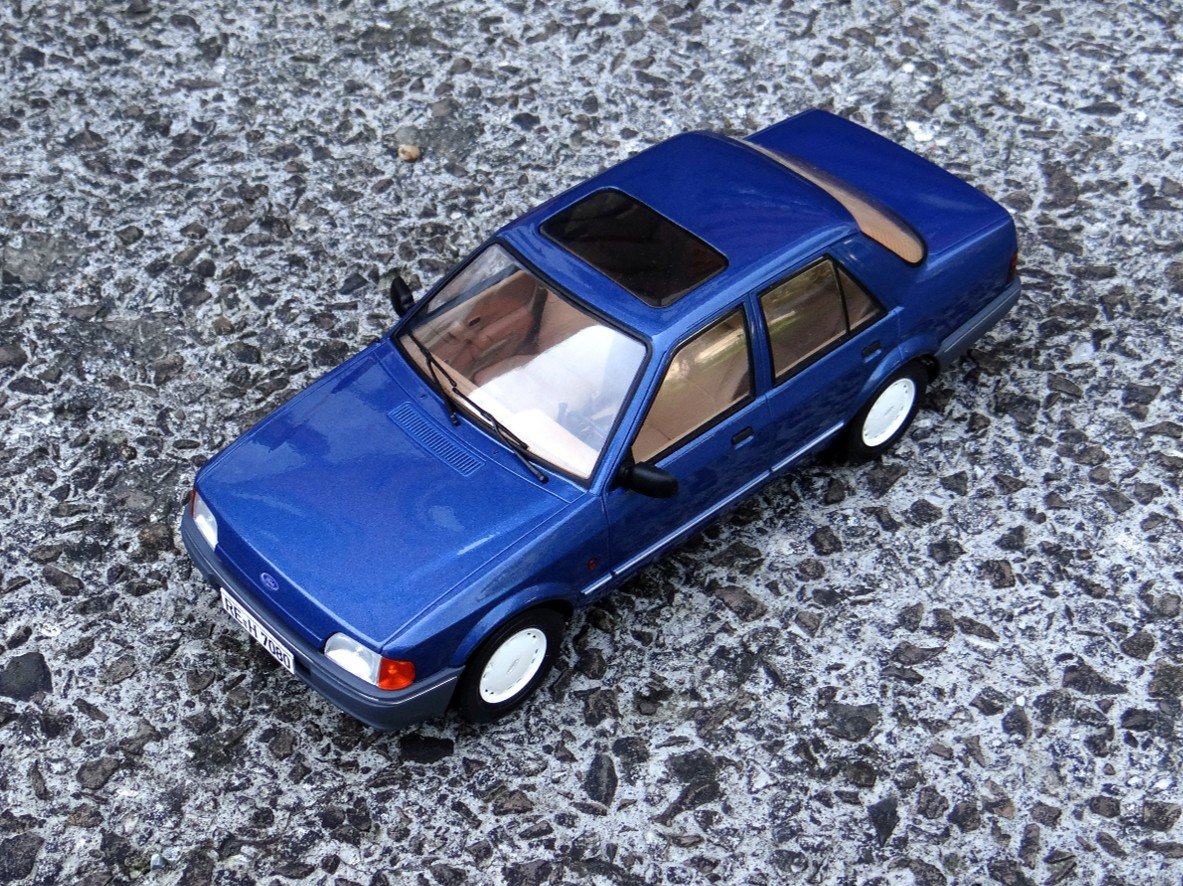
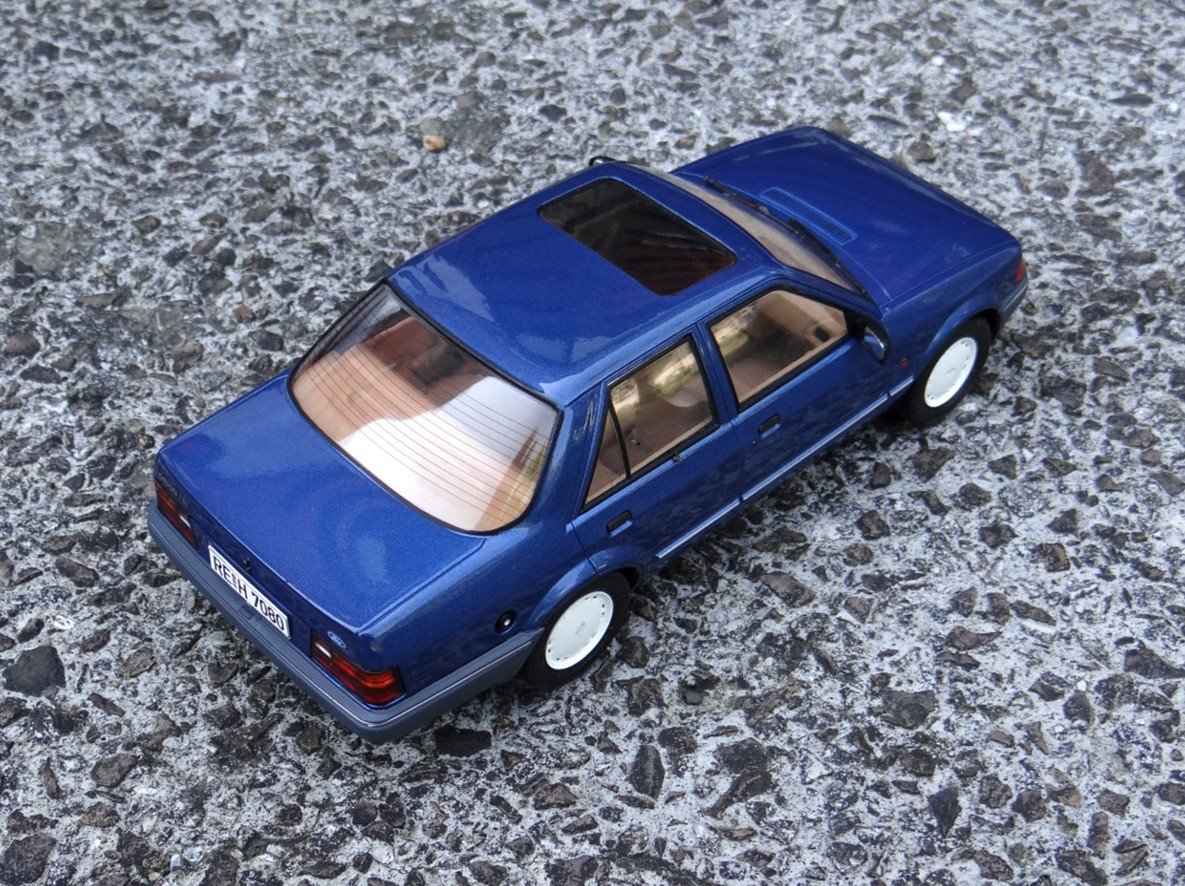
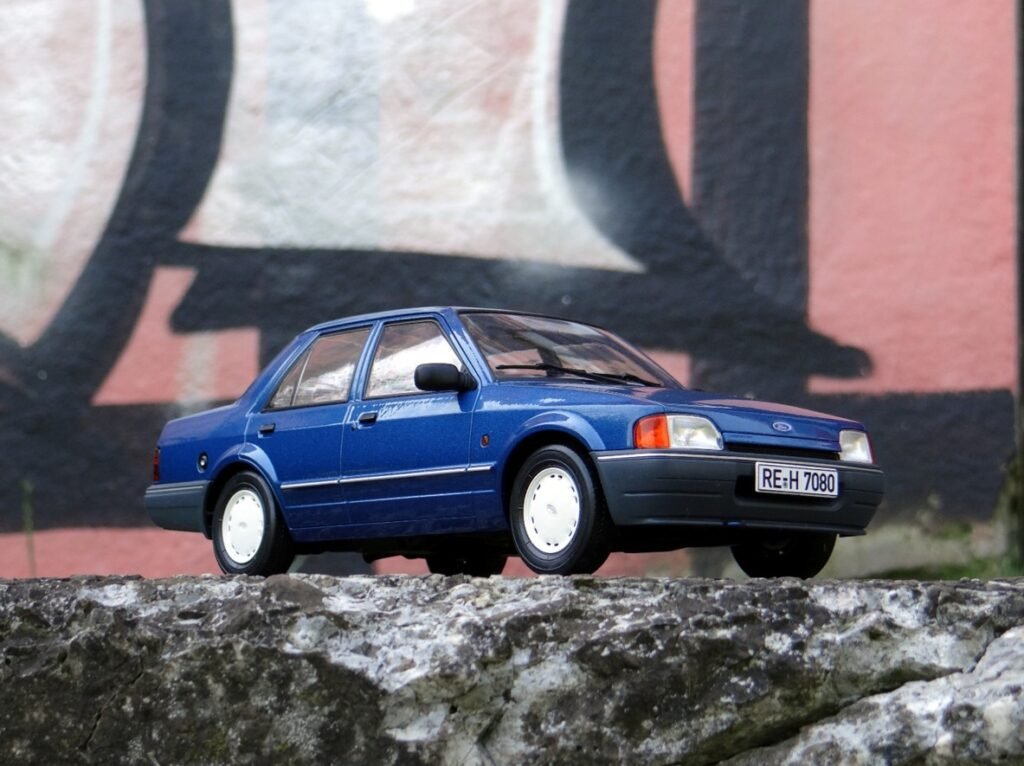
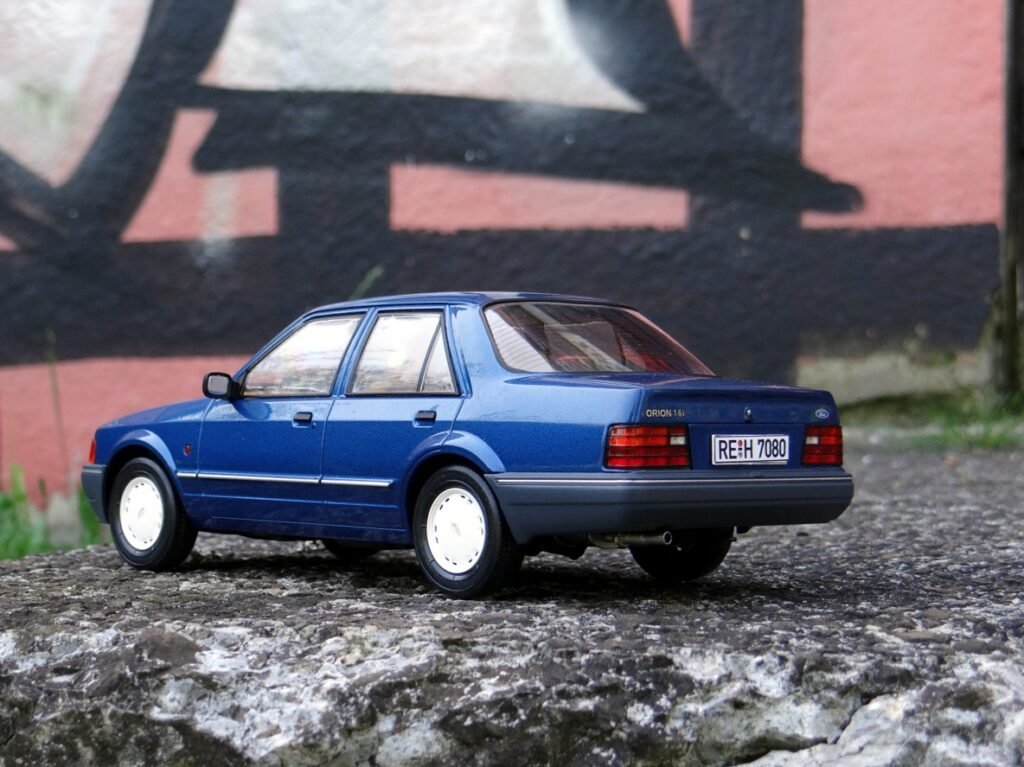
Ford Orion II w skali 1/18 to najnowszy wypust od MCG. Jak zwykle, producent od razu wypuszcza na rynek kilka różniących się od siebie wersji. Ja postawiłem na niebieskiego Oriona w podstawowej wersji 1.6i L (kod MCG18490), ale do wyboru jest też jeszcze Orion 1600i Ghia w czerwonym (MCG18488) i szarym (MCG18489).
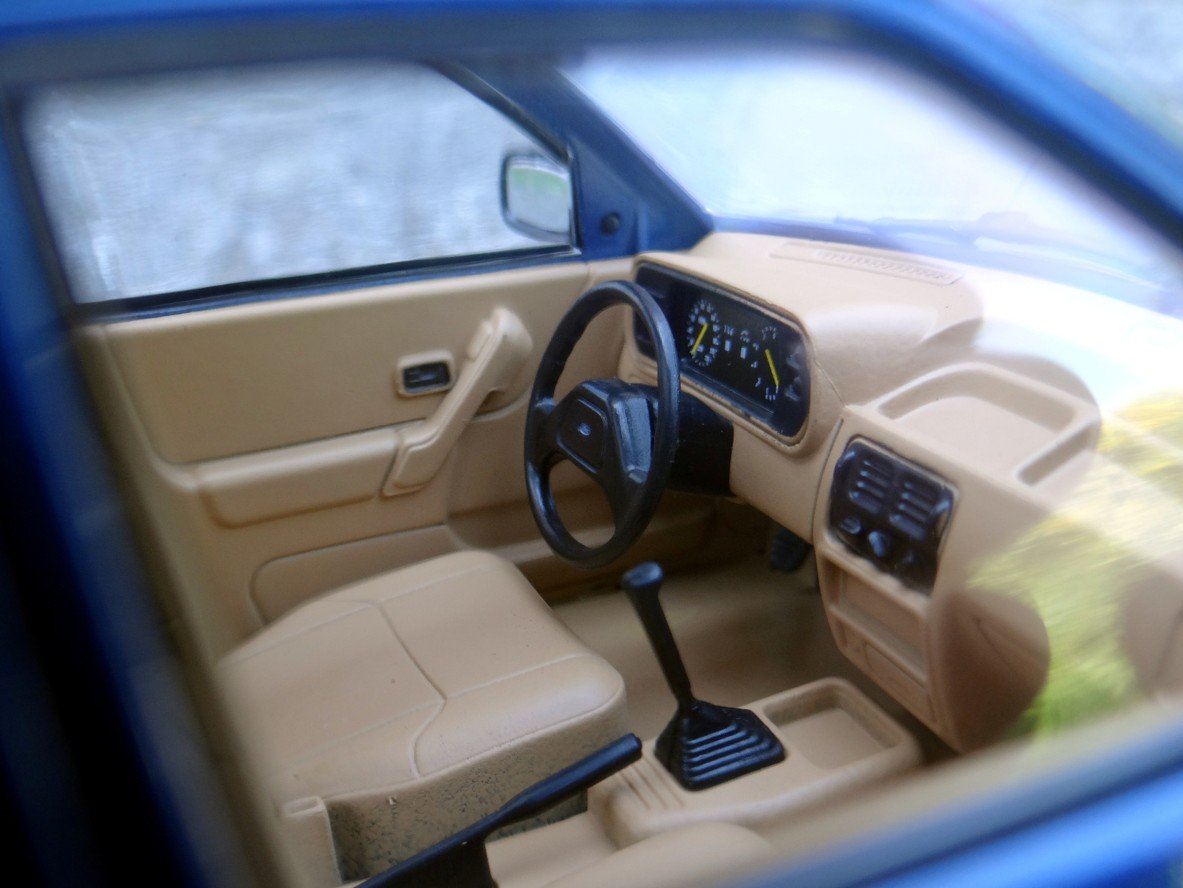
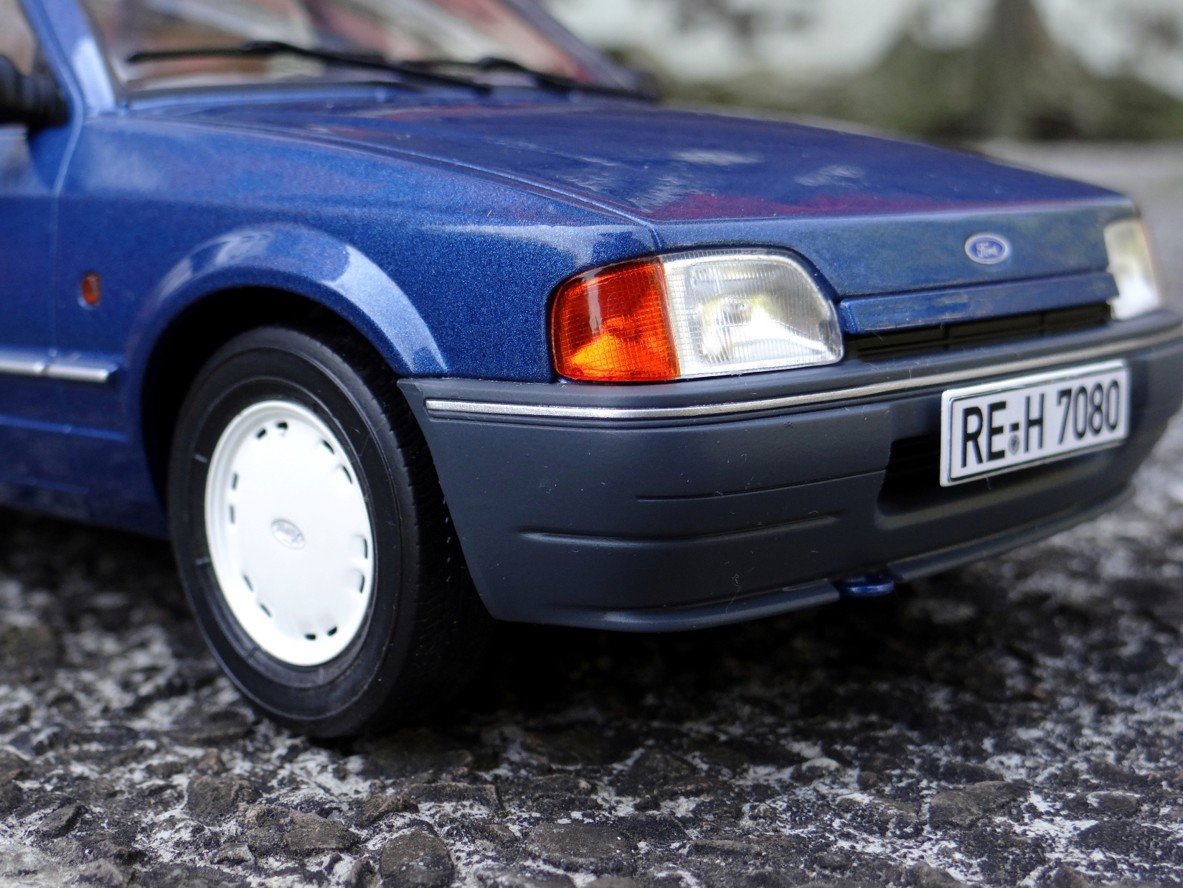
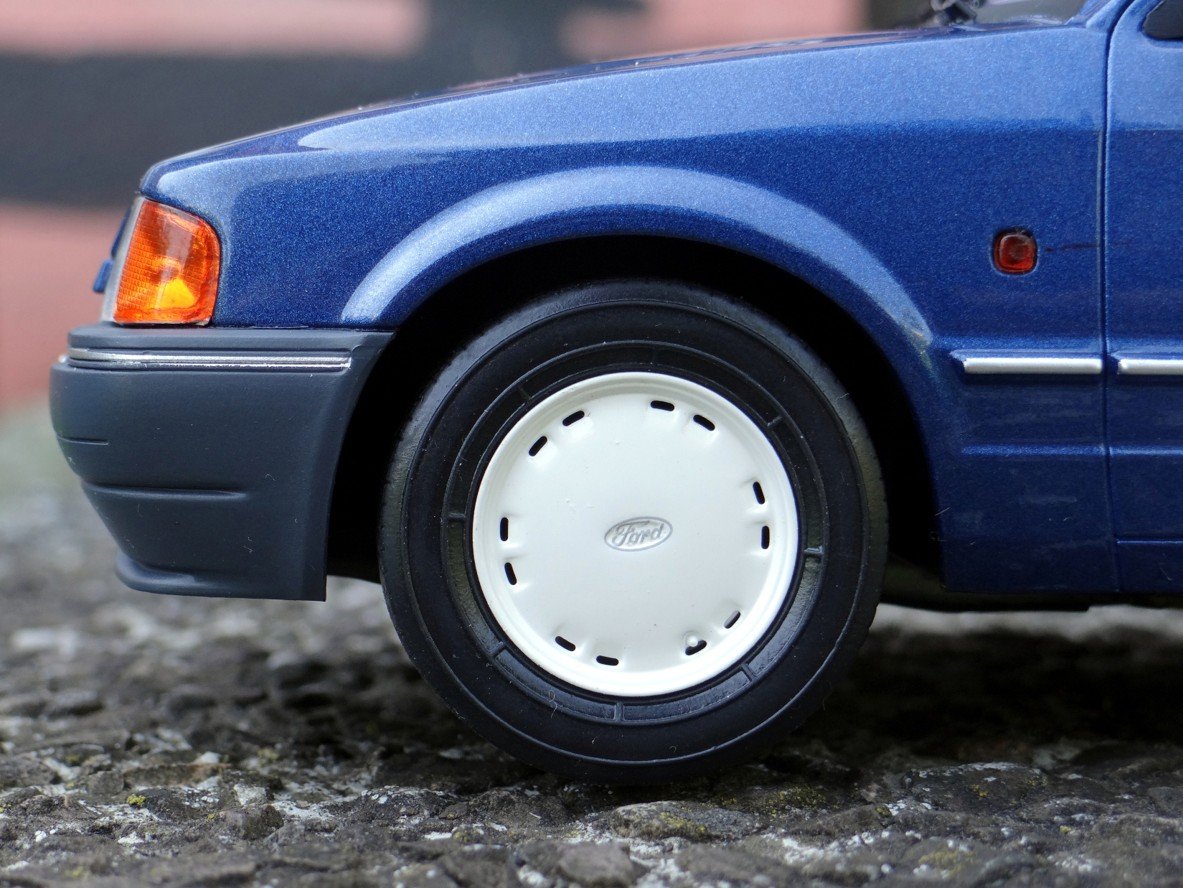
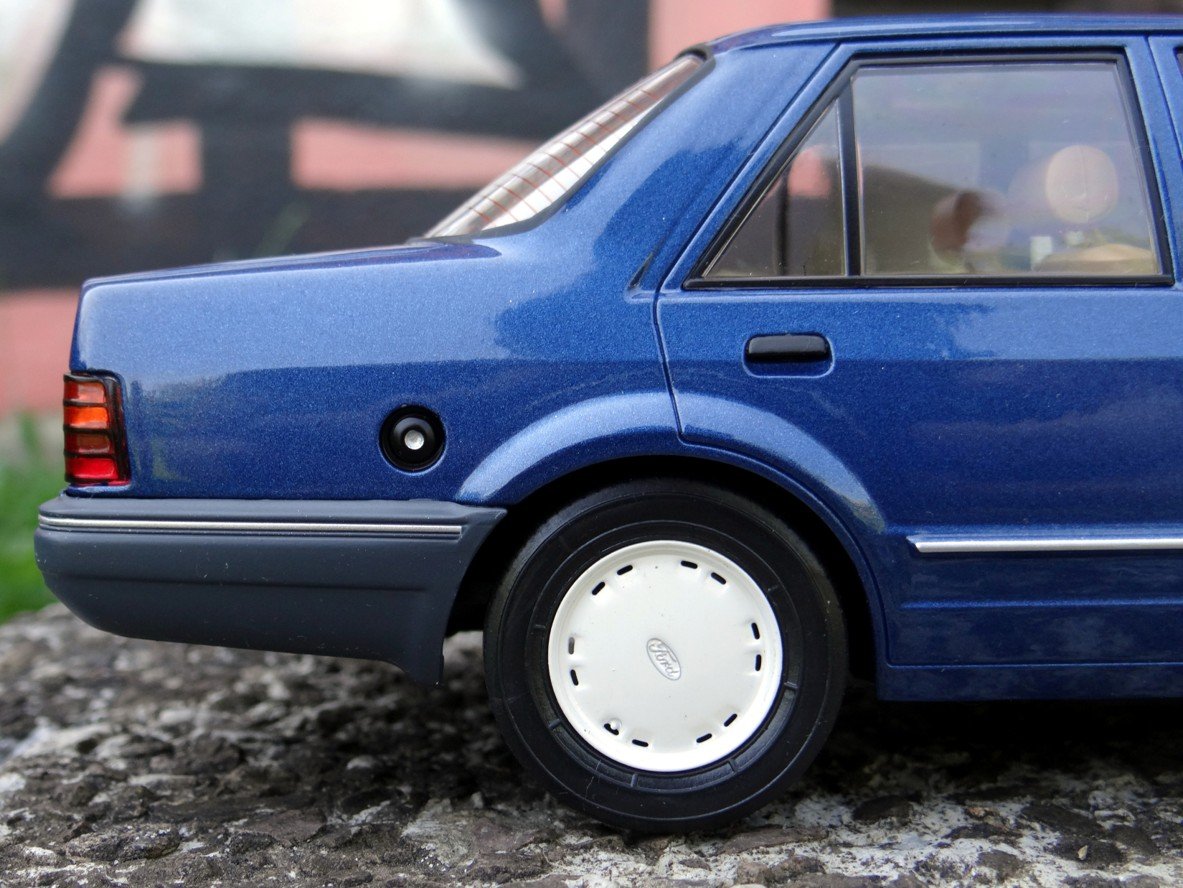
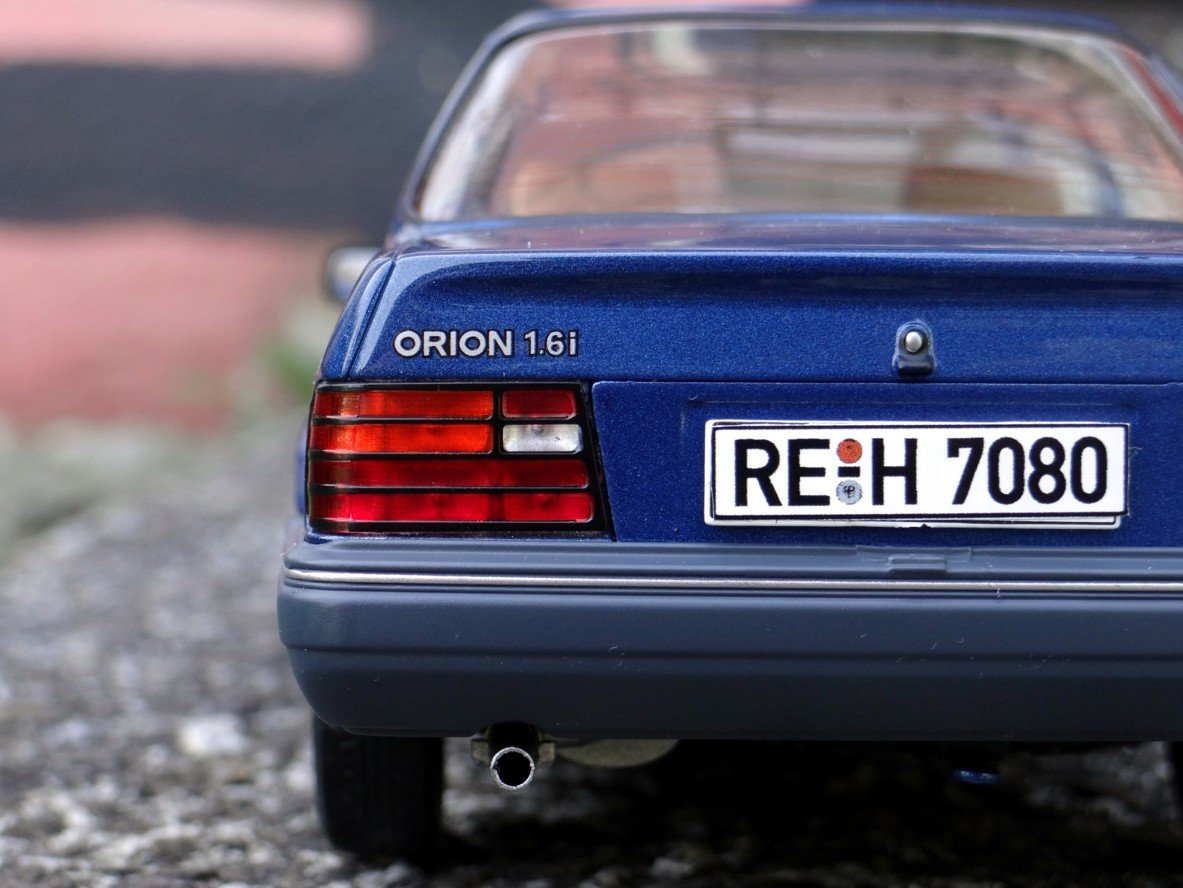
Typowo dla modeli MCG, brak tu jakichkolwiek otwieranych czy ruchomych elementów, zupełnie jak w modelach żywicznych, choć to diecast. Poziom odwzorowania jest jednak świetny. Kołpaki, światła, oznaczenia modelu – wszystko wygląda tutaj niezwykle realistycznie. Na model patrzy się z przyjemnością.
Wasz też zapraszam do obejrzenia modelu w galerii a także do odwiedzenia MiniAutomobili na Facebooku i Instagramie!
*** ENGLISH ***
Although the Ford Orion was once hugely popular —with over 3.2 million units sold – today it’s a largely forgotten car. Few have survived the test of time.
By the1980s, hatchbacks were becoming increasingly fashionable, but European buyers hadn’t abandoned the traditional saloon just yet. They still remained a popular choice for many, so offering one remained almost mandatory. Especially in the fiercely contested compact segment where the Escort had been a mainstay for years. When the Mk3 Escort arrived exclusively as a hatchback in 1980 reflecting the fashion of the day, Ford found itself with a glaring gap. For a time, Ford’s European line-up lacked a mid-sized sedan altogether, since the larger Sierra wasn’t offered as a saloon either.
To fill this gap, Ford took a page from the Volkswagen Jetta’s playbook. It attached a larger trunk to the Escort’s body, offered slightly better equipment and topped it off with a new name to distinguish it as a separate model. Naturally, all of this came with a higher price tag, as Ford positioned the Orion above the Escort in its lineup.
With the help of Greek mythology
Ford developed the new model under the internal codename Apollo, named after the Greek god. However, when the car went on sale in 1983, it was launched under the name Orion, again inspired by Greek mythology and the famous constellation. The evocative name reflected Ford’s high expectations for the model. Although the Orion was based entirely on the Escort, it featured a unique front grille that gave it a family resemblance to the larger Granada, along with a more generous level of standard equipment. Ford certainly aimed high with the Orion.
Initially, the Orion was offered only in the range-topping GL and Ghia trim levels, paired with the more powerful 1.3- and 1.6-litre CVH engines. However, soon enough Ford realised this wasn’t enough and expanded the model range.
Ford Orion II, the facelifted Orion I
The perfect opportunity to broaden the range came with the 1986 update, which Ford applied to both the Escort and the Orion. Although the 1986 Orion is commonly regarded as the second generation, Ford itself classified it internally as “Apollo ’86”, treating it as a facelift of the original model, rather than an entirely new car. Regardless of how we classify it, the updated Orion became much more closely aligned with the Escort, not least because the two cars shared an all-new front-end design.
The Orion’s range also expanded considerably. Cheaper, less-equipped trim levels were introduced, alongside less powerful engines. The engine line-up consisted of 1.3 (60 hp), 1.4 (73 hp), 1.6 (90 hp) and 1.6i (105 hp) petrol engines, as well as a 1.6 diesel (54 hp), later replaced by a 1.8 diesel (60 hp).
The standout model in the range, however, was the Orion 1.6i, which shared the same engine as the Escort XR3i. In this guise, the Orion combined GTI-rivalling performance with greater practicality, a formula that proved highly successful. Overall, this generation of the Orion enjoyed the model’s greatest commercial success and became the most popular. Particularly in the UK, where it regularly ranked among the country’s ten best-selling new cars.
A swift end
The third and final generation of the Orion, based on the fifth-generation Escort, arrived in 1990. However, it survived as the Orion for only three years. After that, it simply became the Escort saloon and ended its life with it in 2000.
About the miniature – Ford Orion II
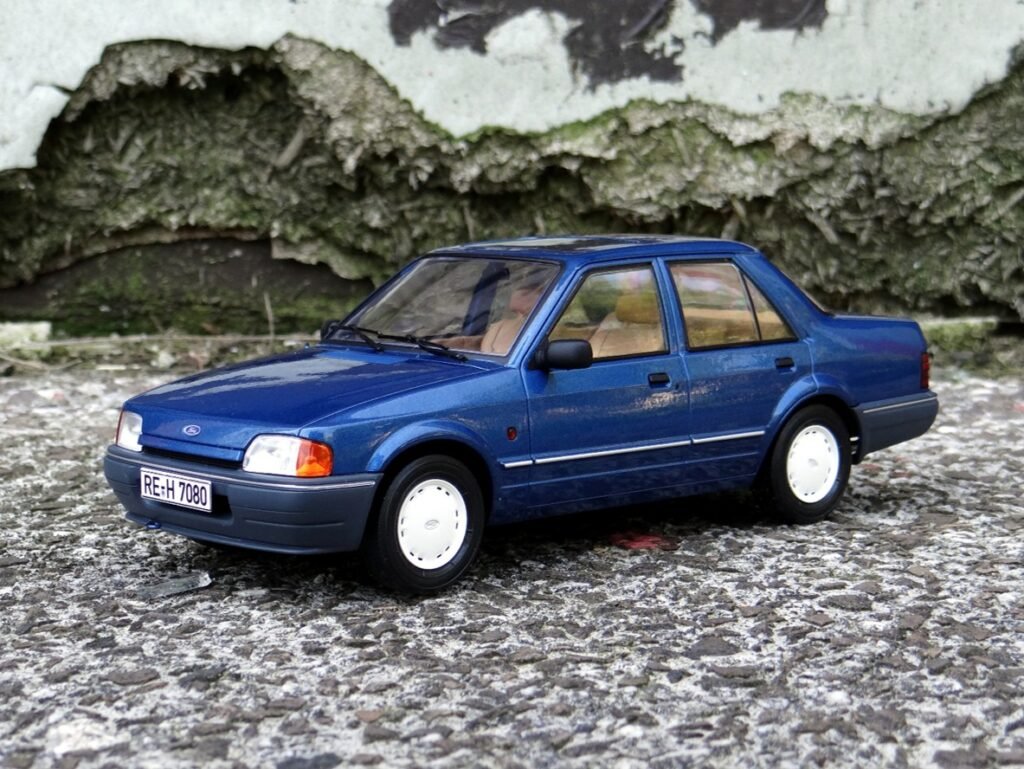
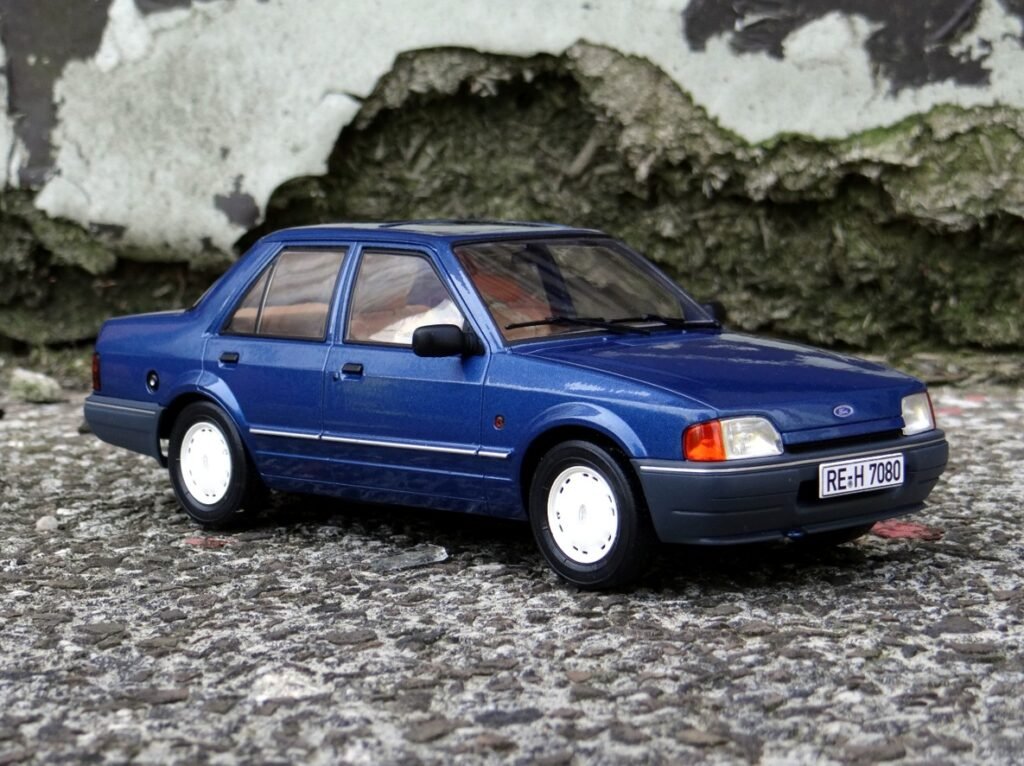
The 1:18 scale Ford Orion II is the latest release from MCG. As usual, the manufacturer has launched several different versions at the same time. I chose the blue Orion in the base 1.6i L trim (MCG18490), but the Orion 1600i Ghia is also available in red (MCG18488) and grey (MCG18489).
As is typical of MCG models, there are no opening or movable parts —much like a resin model, even though this one is die-cast. However, the level of detail is excellent. The hubcaps, lights and model badging all look remarkably realistic. It certainly is a delightful model to look at!
Go and check out the model in the gallery and of course, be sure to visit MiniAutomobile on Facebook and Instagram!