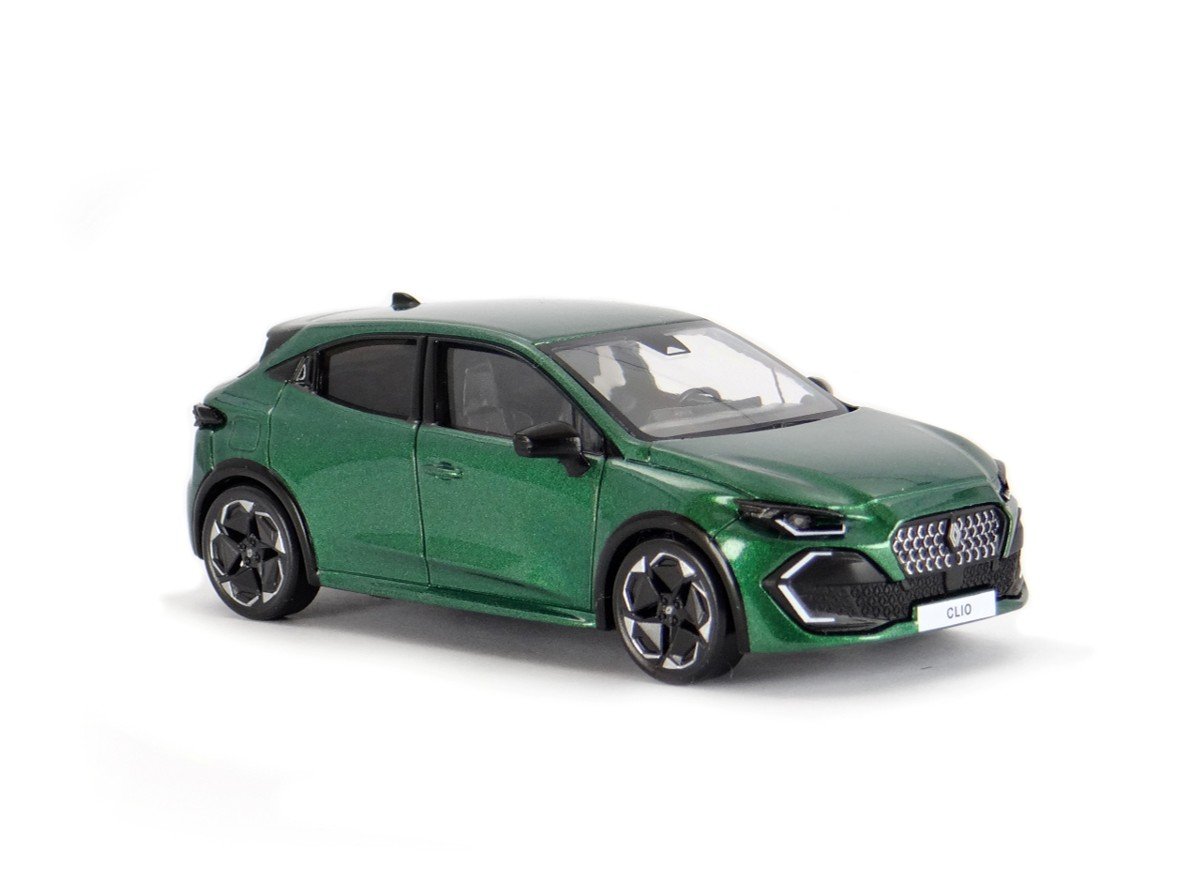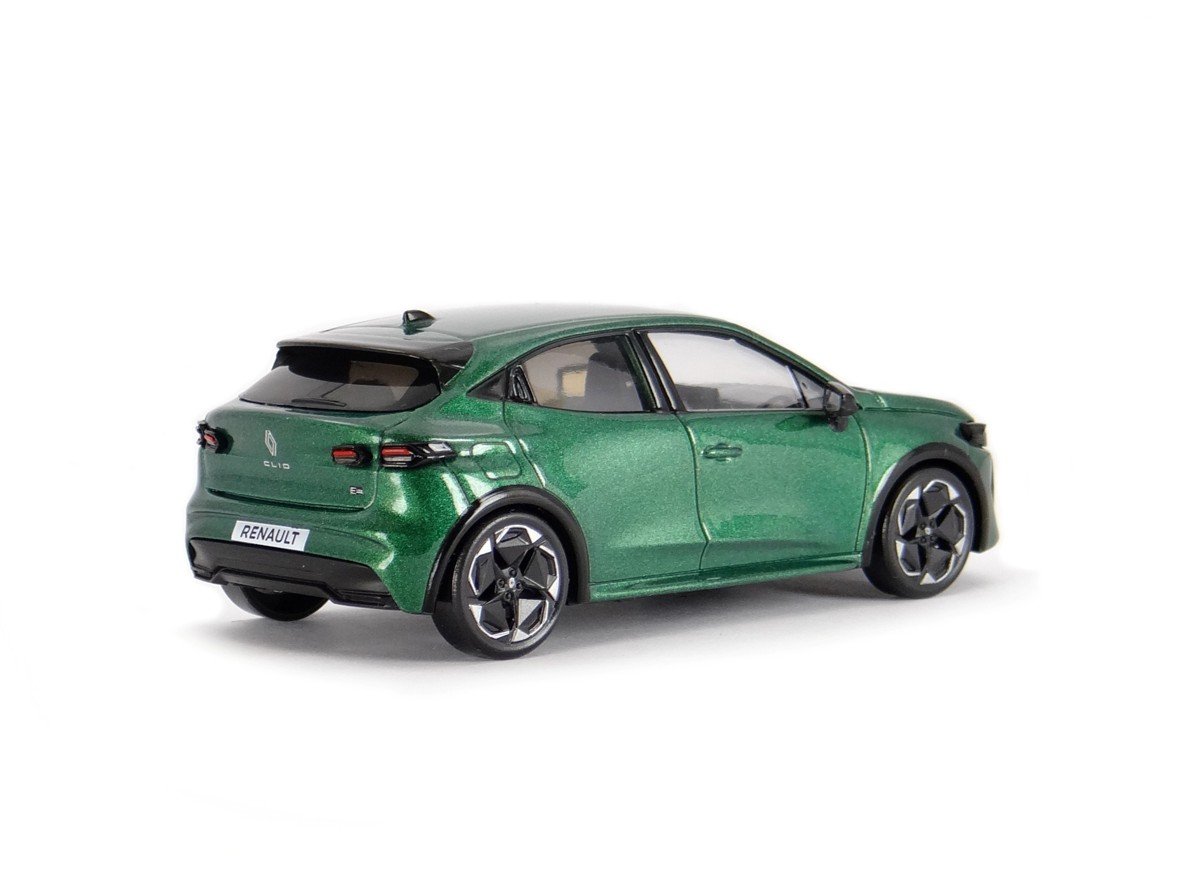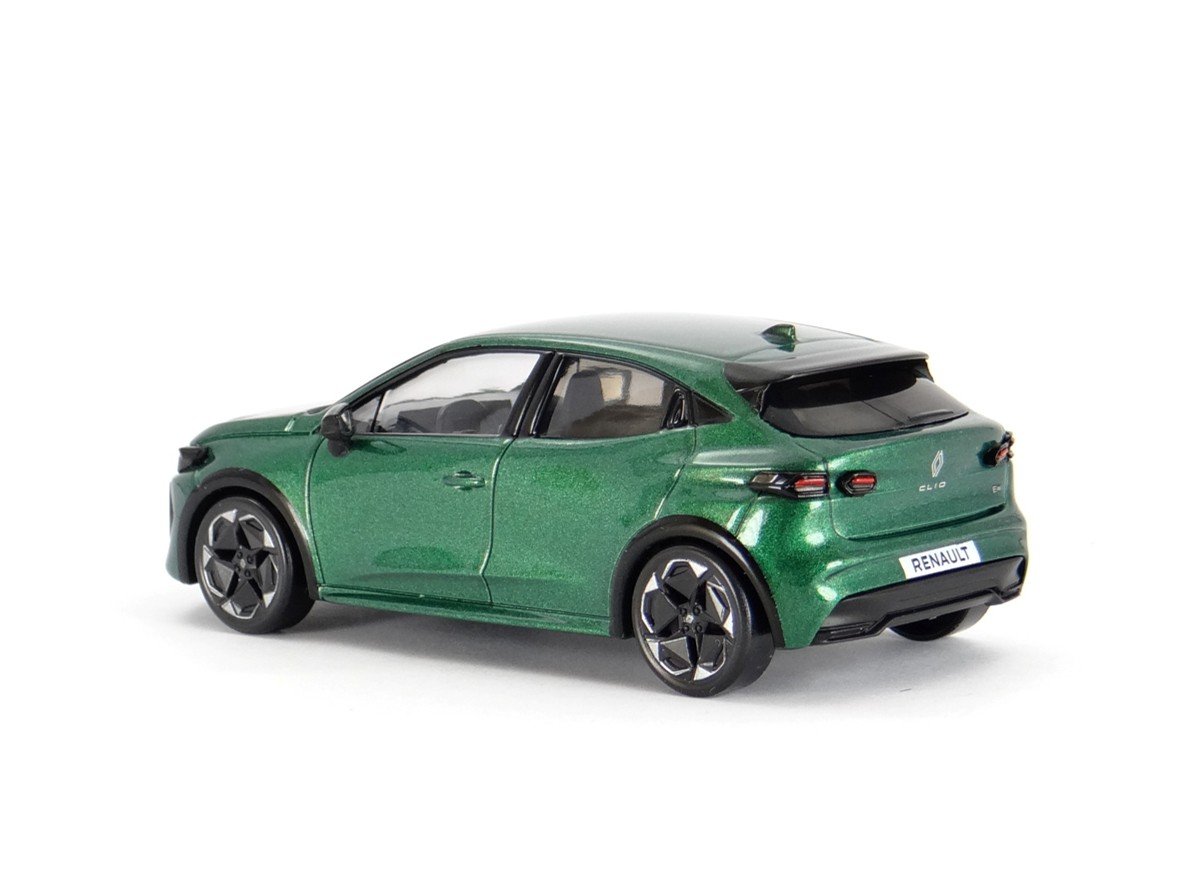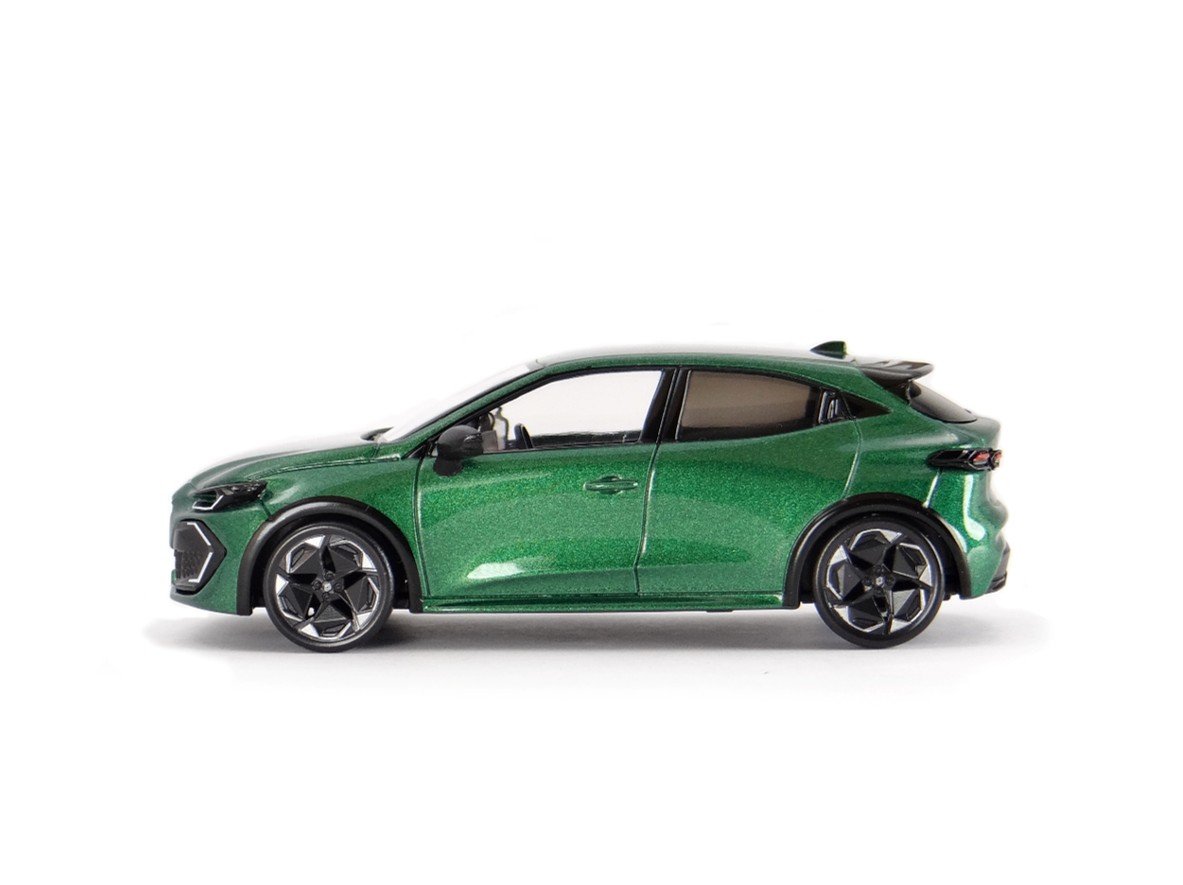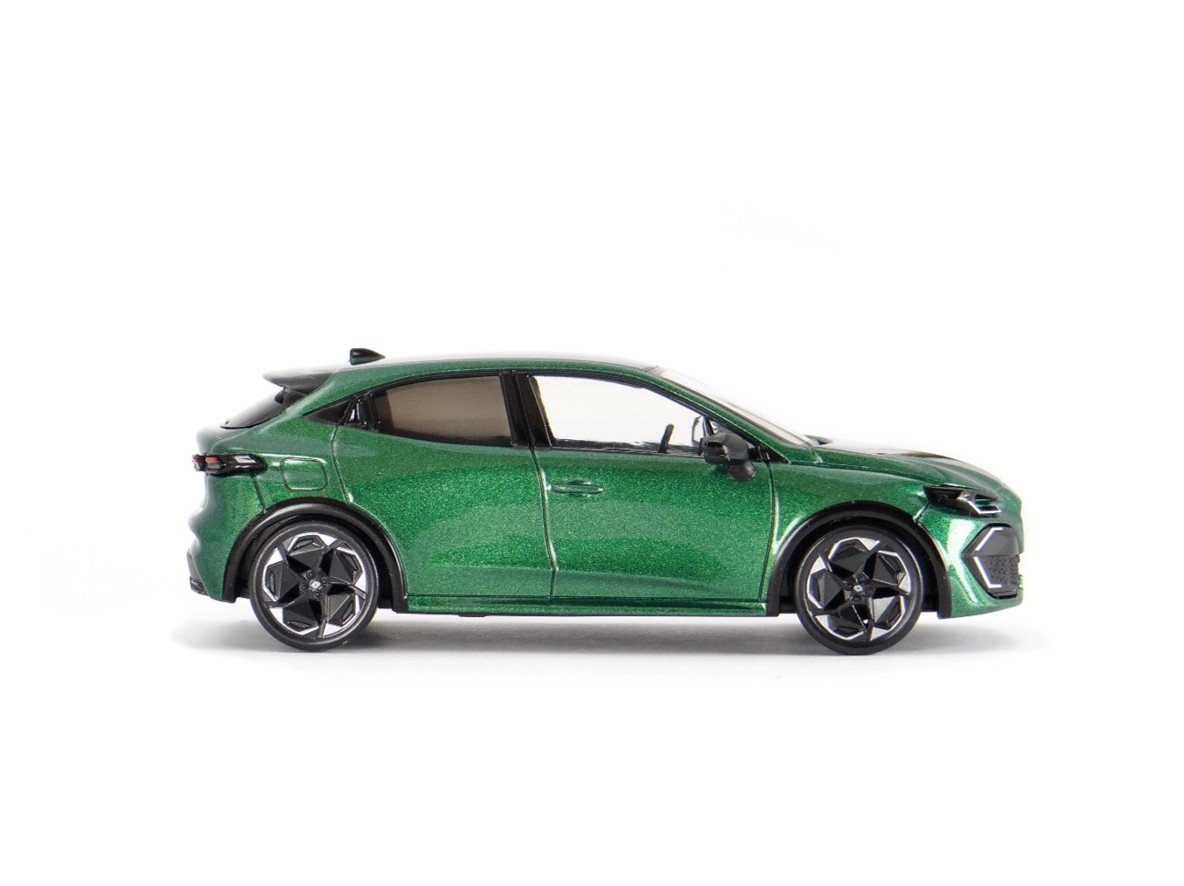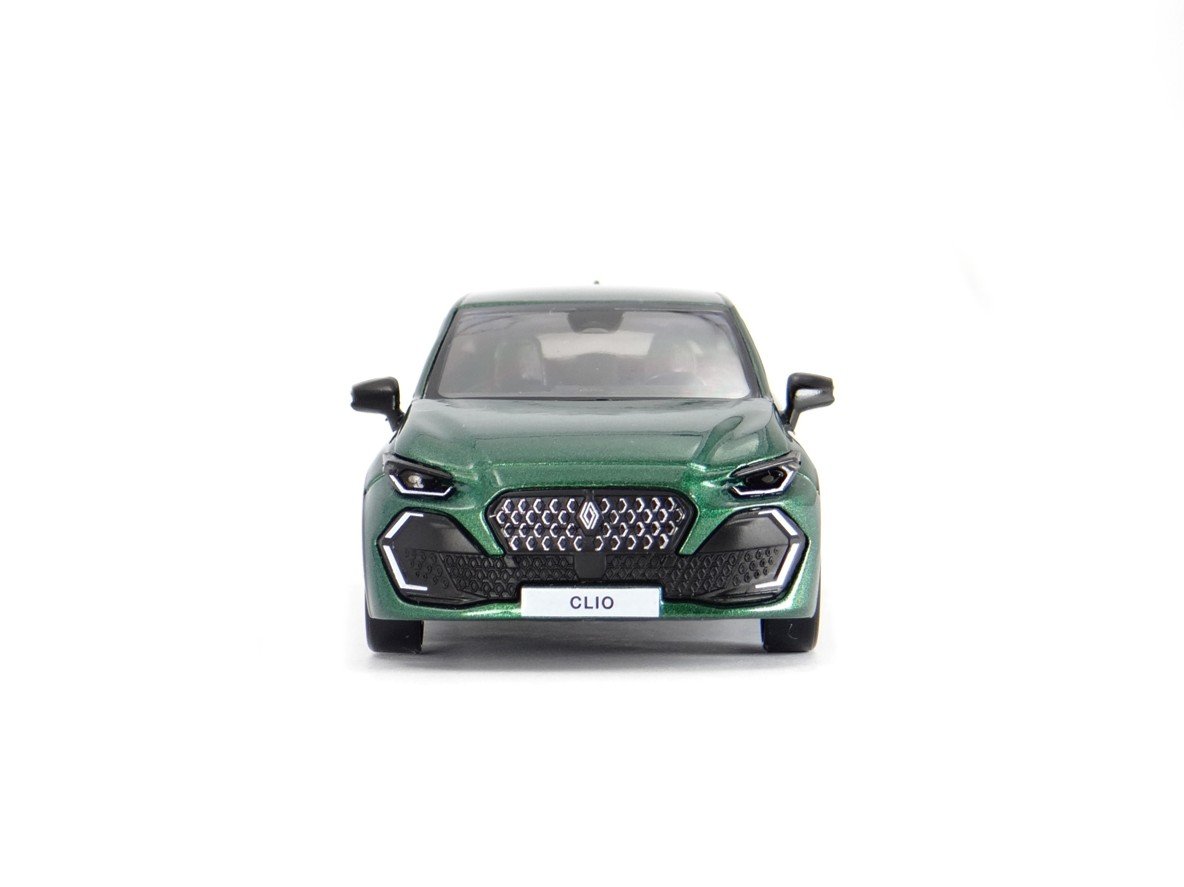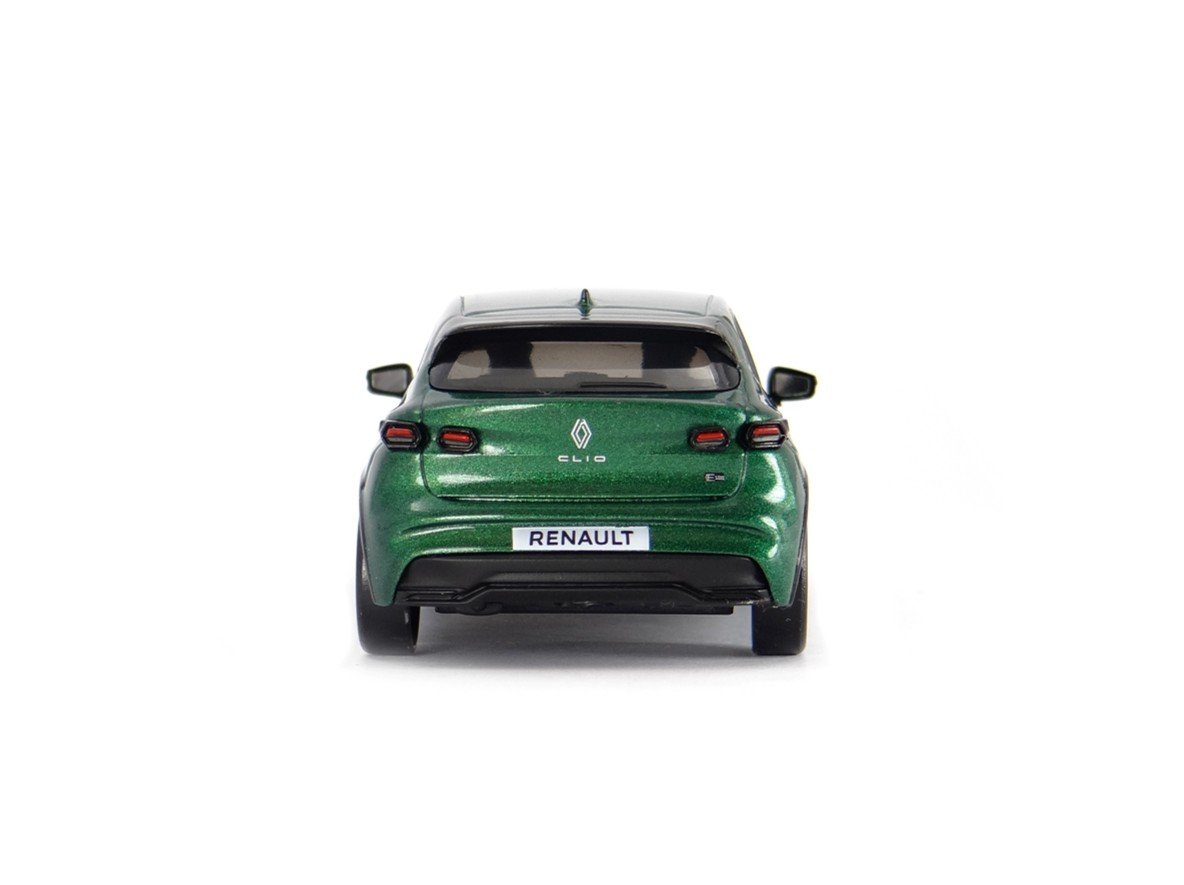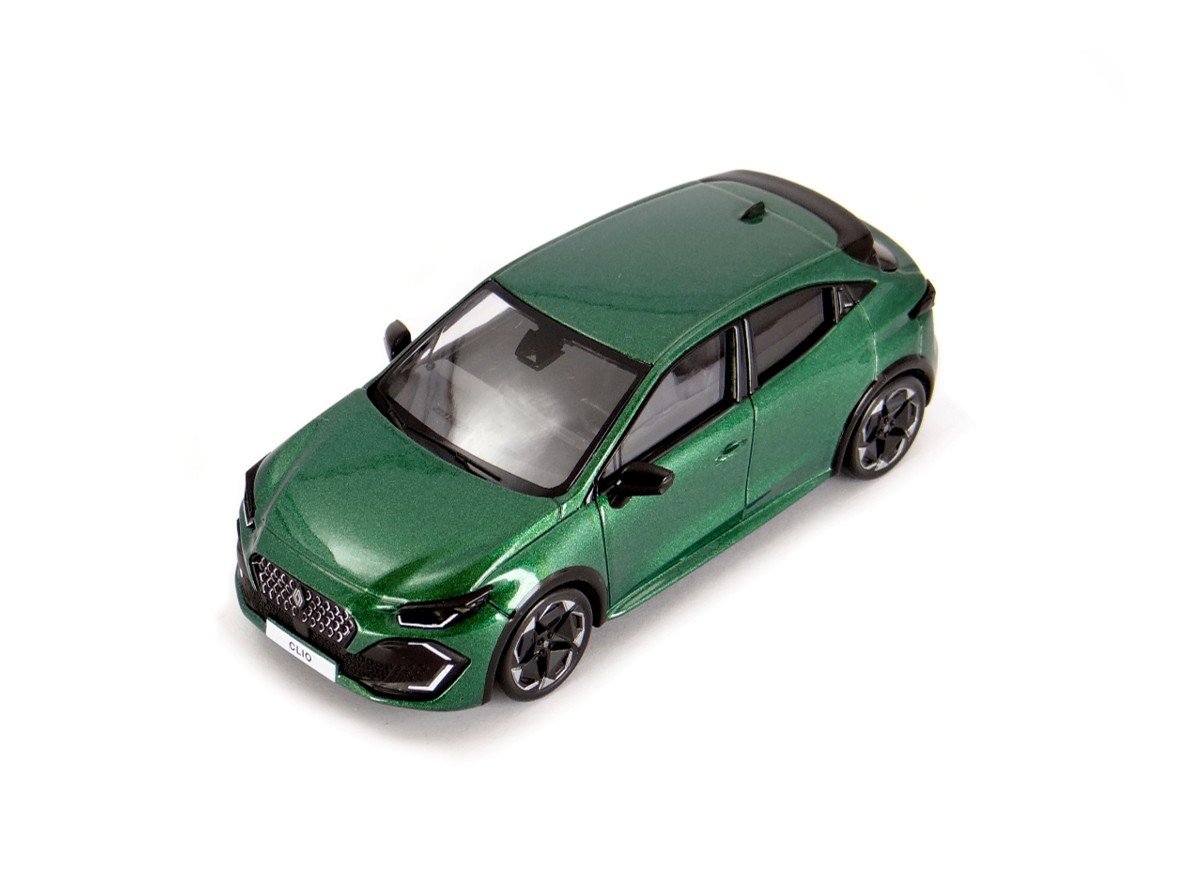

To bez wątpienia najbardziej kontrowersyjne wcielenie tego francuskiego hatchbacka. Renault Clio AD 2026 ma być najlepsze w historii, ale już na samym początku podzieliło publikę.
Clio to pupil Europy i absolutny filar gamy modelowej Renault. Zwinny i zgrabny miejski hatchback z łatwością znajduje szerokie grono odbiorców. Liczby mówią tu same za siebie – od 1990 roku firma sprzedała ponad 17 mln sztuk w 120 krajach! Wydawać by się więc mogło, że Renault znalazło przepis na sukces i wystarczy się go tylko trzymać. Tymczasem firma zaproponowała rewolucję.
Renault pokazało szóstą generację Clio podczas wrześniowych targów IAA w Monachium. Francuzi otwarcie przyznają, że chcieli aby nowy model budził jeszcze większe porządanie i wnosił do klasy B zupełnie nową jakość. Ma być wybitnie odważny i nowoczesny.
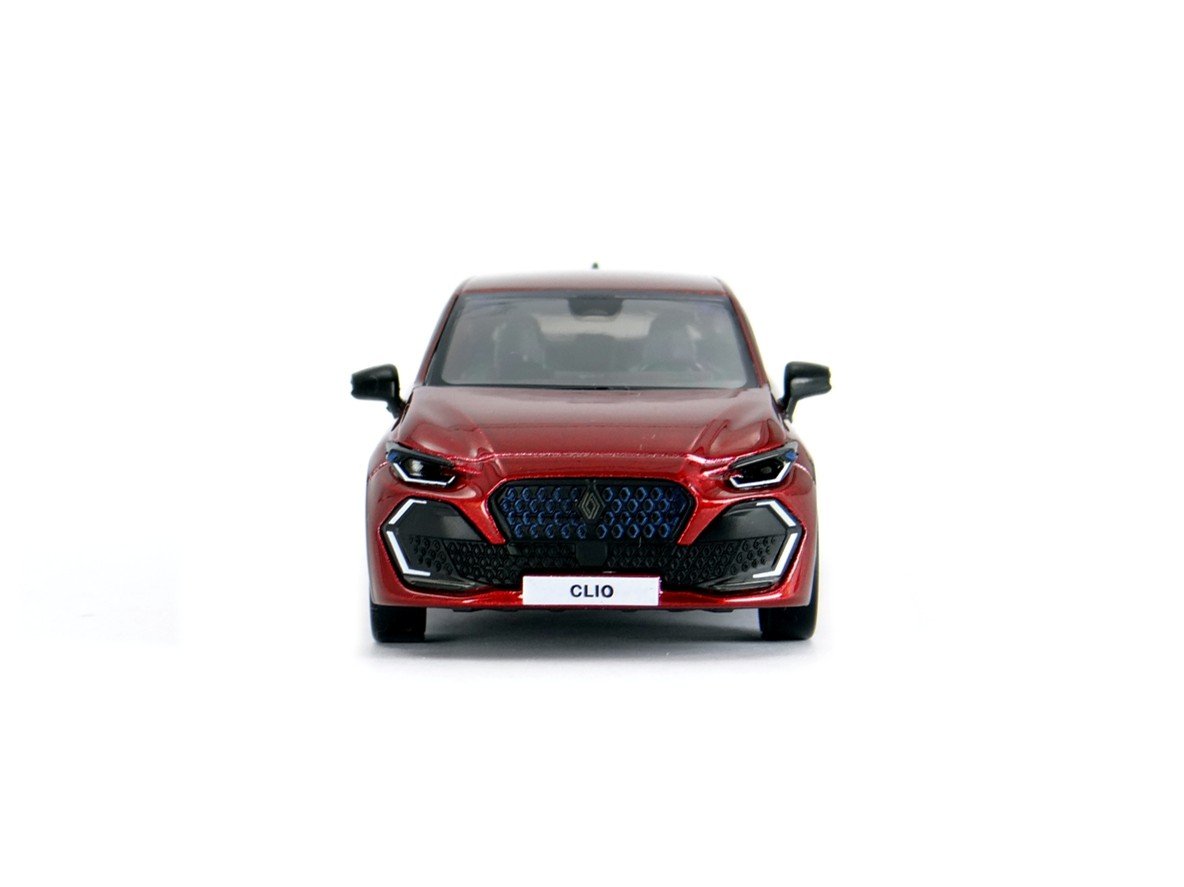
Clio 2026 jest pierwszym samochodem Renault zaprojektowanym według nowego stylu, inspirowanego prototypem Emblème. Samochód wygląda bardzo muskularnie i agresywnie. Sportowa sylwetka z opadającym dachem jest pełna przetłoczeń, zakrzywień oraz ostrych kątów. Przed powrotem do Peugeota, na pożegnanie, Gilles Vidal stworzył odważny projekt, który na pewno przyciąga uwagę. Czy jest ładny? To kwestia gustu, ale na pewno polaryzuje. Dziennikarze chwalą nowoczesny design, a internauci krytykują za zbytnią krzykliwość i paradoksalnie – brak oryginalności. Wytykają podobieństwo do Mazdy, Peugeota 208, nowej Lancii Ypsilon, Kii X-ceed, Jaguara E-Pace a nawet…Citroena Dyane. Trudno znaleźć coś, co przypominałby aż tyle różnych samochodów na raz.
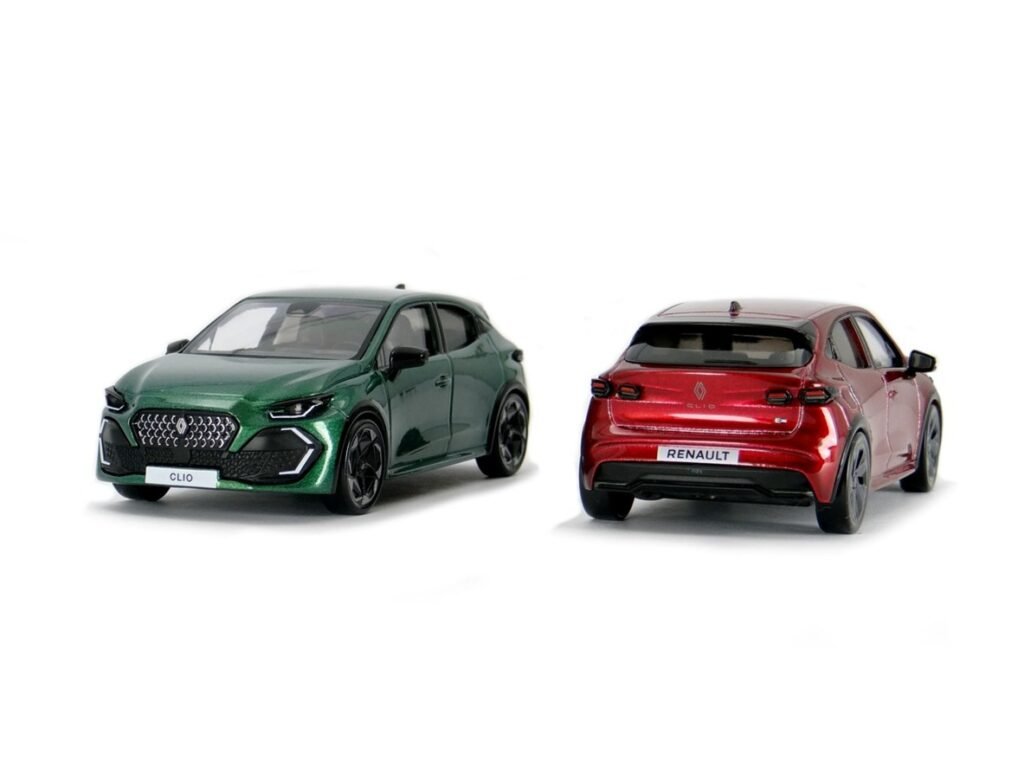
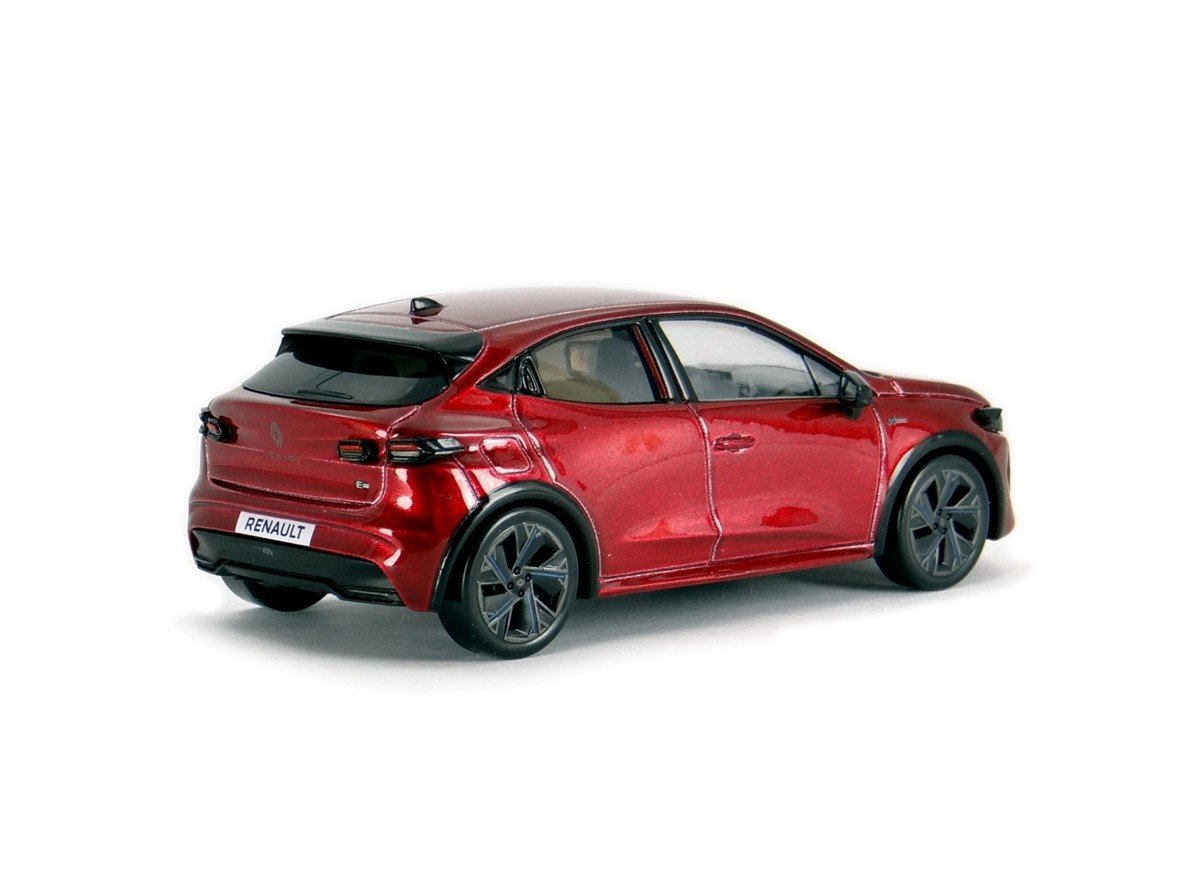
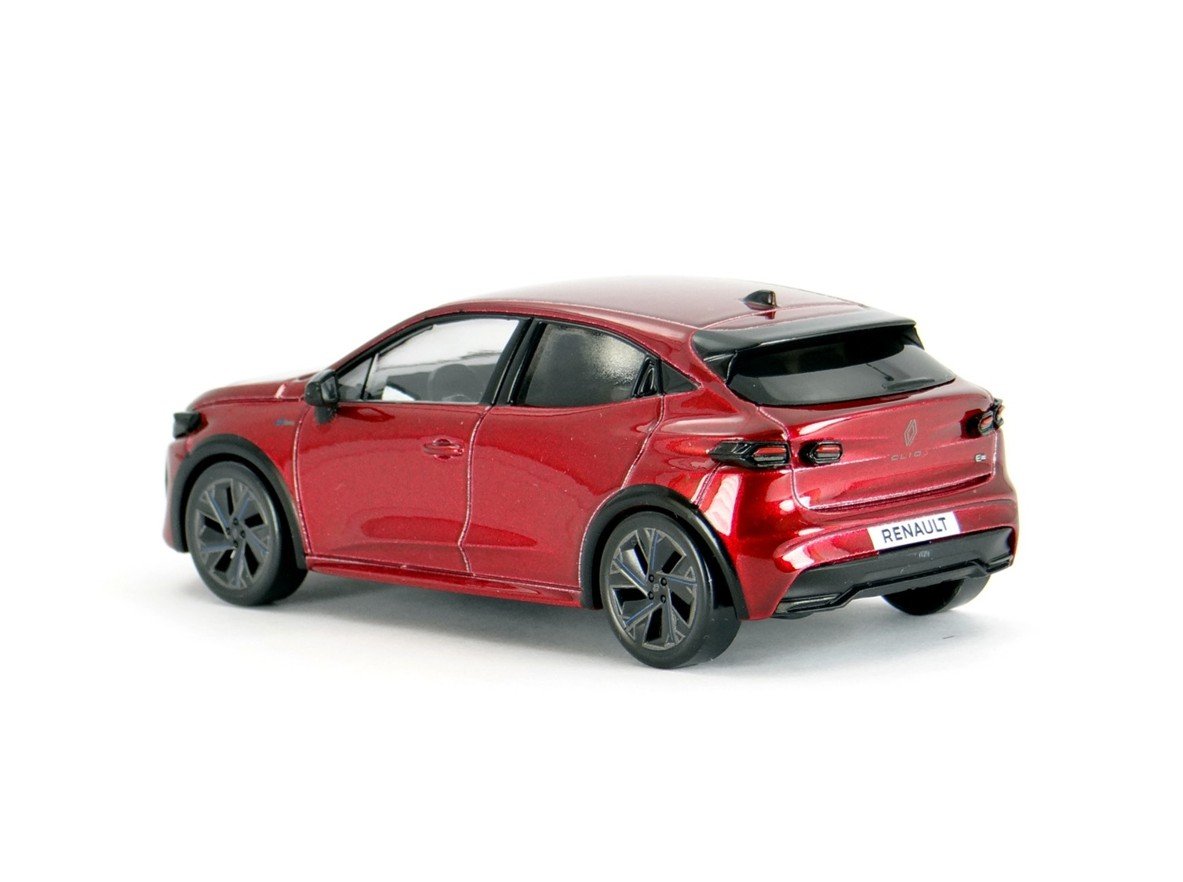
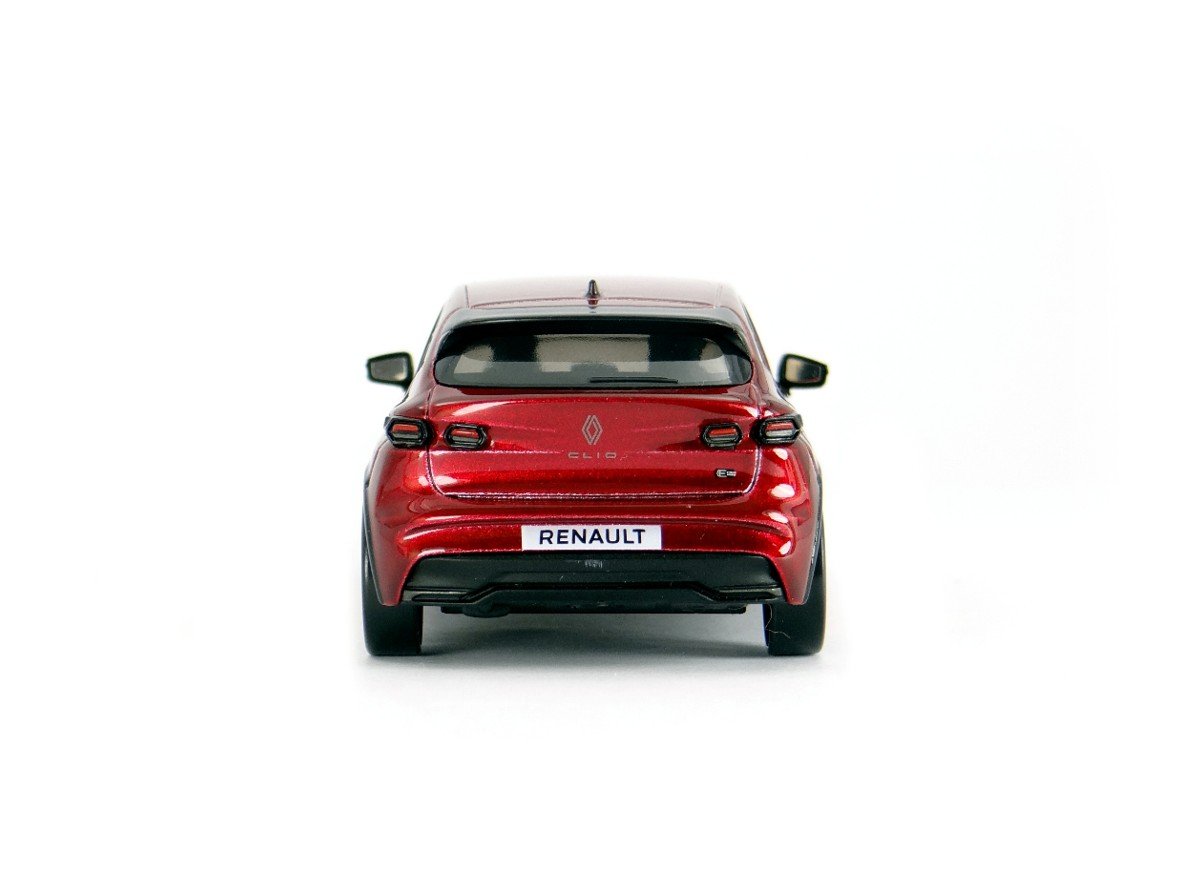
Najoryginalniejsza (i najmniej kontrwersyjna) wydaje się tylna część pojazdu z czterema osobnymi światłami. Renault twierdzi że ich wygląd był inspirowany supersamochodami. Ze świata drogich samochodów zaczerpnięto też trik ze schowaniem dolnej uszczelki szyb pod krawędzią drzwi. Nikt inny w segmencie tego rozwiązania nie stosuje, a dzięki niemu auto wygląda lepiej i sprawia wrażenie droższego niż jest w rzeczywistości.
Środek też oczywiście zaprojektowano w stylu high-tech. Kokpit z dwoma wielkimi ekranami, wykładany miejscami tkanią, jest podobny do tych z nowych Renault 4 i 5. Nowością są natomiast podświetlane boczki drzwi. Renault zastosowało też nowe fotele o lepszym trzymaniu bocznym oraz lepsze materiały wykończeniowe.
Nowe Clio zaliczyło duży skok technologiczny pod względem aktywnych systemów wspomagającyh kierowcę. Do dyspozycji będzie ich aż 29, podczas gdy poprzednik oferował maksymalnie 18. Rozczarowujące są natomiast wyniki niedawnych testów zderzeniowych przeprowadzonych przez Euro-NCAP. Renault od lat przyzwyczaiało nas do wysokich standardów w tej kwestii, tymczasem szósta generacja Clio zdobyła jedynie 4 gwiazdki na 5 możliwych.
Gama silników jest typowo dla naszych czasów wąska, ale zapowiada się bardzo ciekawie. Podstawowy silnik to trzycylindrowy 1.2 TCe o mocy 115 KM. Będzie też wersja 1.2 ECO-G 120 KM wyposażona w fabryczną instalację LPG. Dzięki dwóm zbiornikom o łącznej pojemności 100 litrów (50 l benzyny i 50 l LPG) Clio Eco-G ma zapewniać rekordowy zasięg 1450 km!
Na szczycie gamy stanie hybrydowe Clio E-Tech Full Hybrid. Układ wykorzystuje czterocylindrowy silnik wolnossący 1.8 oraz dwa małe motory elektryczne zasilane przez duży akumulator trakcyjny o pojemności 1,4 kWh. Łączna moc układu to 160 KM a producent szacuje, że nawet 80% jazdy miejskiej może odbywać się w trybie całkowicie elektrycznym. Napęd używany jest już w Renault Symbioz i Dacii Bigster gdzie zbiera pozytywne opinie, więc z mniejszym Clio nie powinien mieć żadnego problemu.
Od strony technologicznej najmniej imponująco wygląda chyba “szkielet” modelu. Renault Clio 2026 bazuje bowiem na platformie CMF-B znanej z poprzednika, choć odpowiednio unowocześnionej. Nowy model jest o 67 mm dłuższy, o 39 mm szerszy oraz 11 mm wyższy od poprzednika. Teraz, z długością 411,6 cm, to największe Clio w historii! Niestety, większy rozmiar nie przekłada się na ilość miejsca w kabinie. Ta jest podobna do poprzednika. Oznacza to duży bagażnik (391 l), ale niewiele miejsca na tylnej kanapie. Na szczęście, Renault posłuchało uwag klientów, i obniżyło próg załadunku bagażnika o 4 cm. Nadal nie jest idealnie, ale na pewno lepiej niż było.
Mimo wszystko, to nie przestrzenią Clio chce zdobywać klientów, a nowoczesnością i zaawansowaniem. Renault liczy, że te zabiegi pozwolą powalczyć o klientów wybierających do tej pory marki premium. To odważne oczekiwania, ale akurat odwagi Renault nigdy nie brakowało.
O miniaturze – Renault Clio 2026
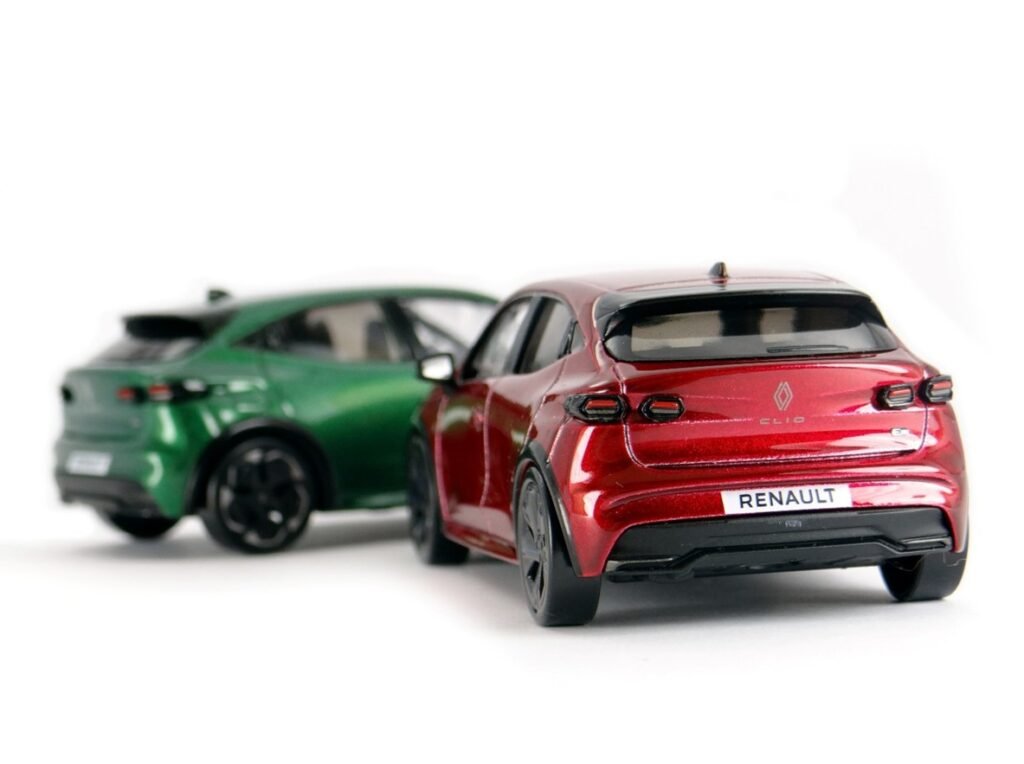
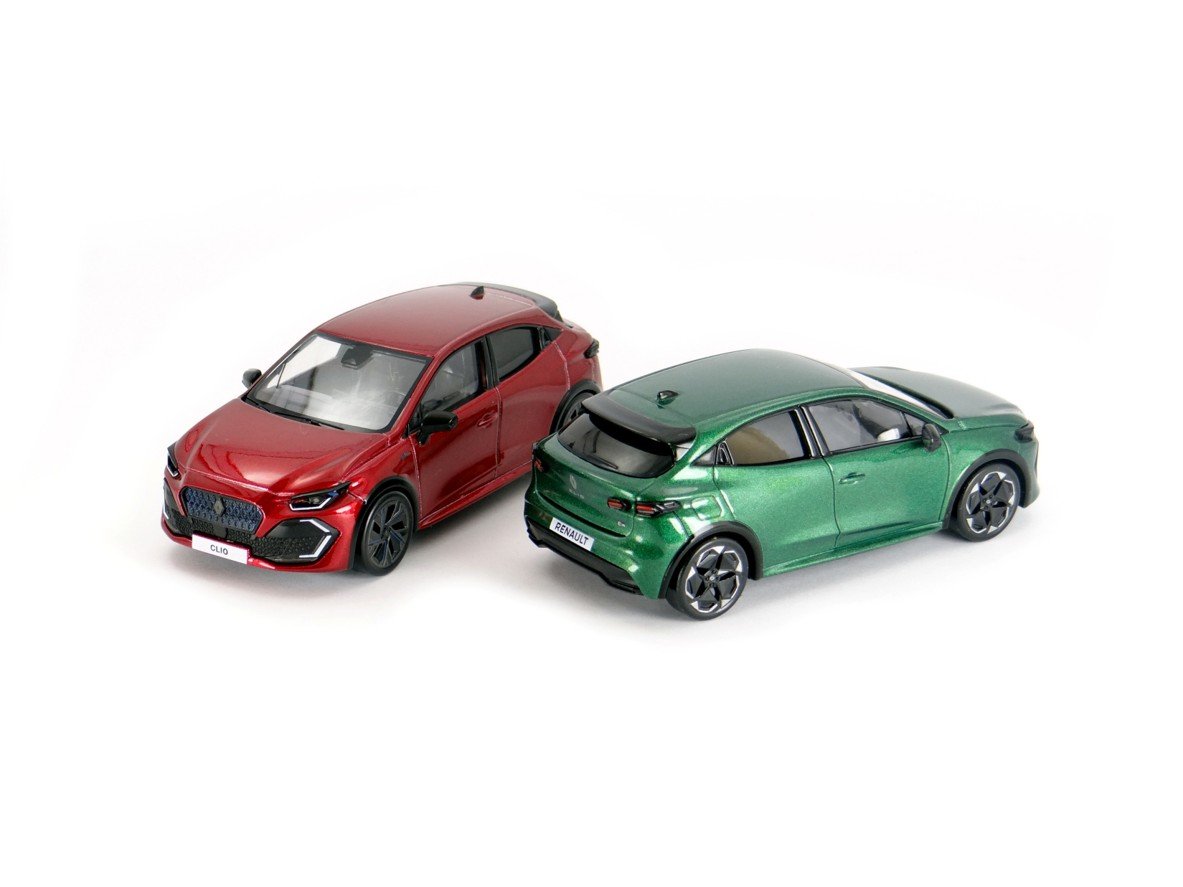
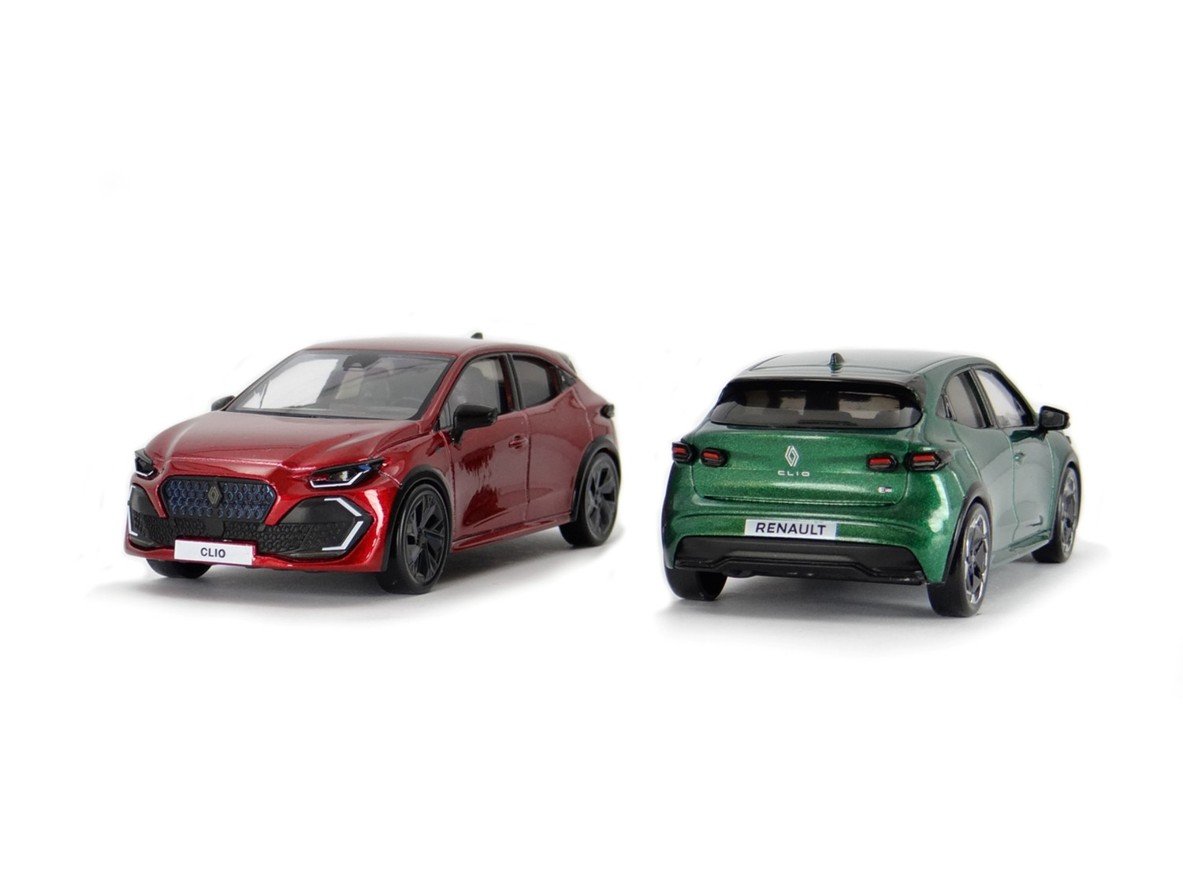
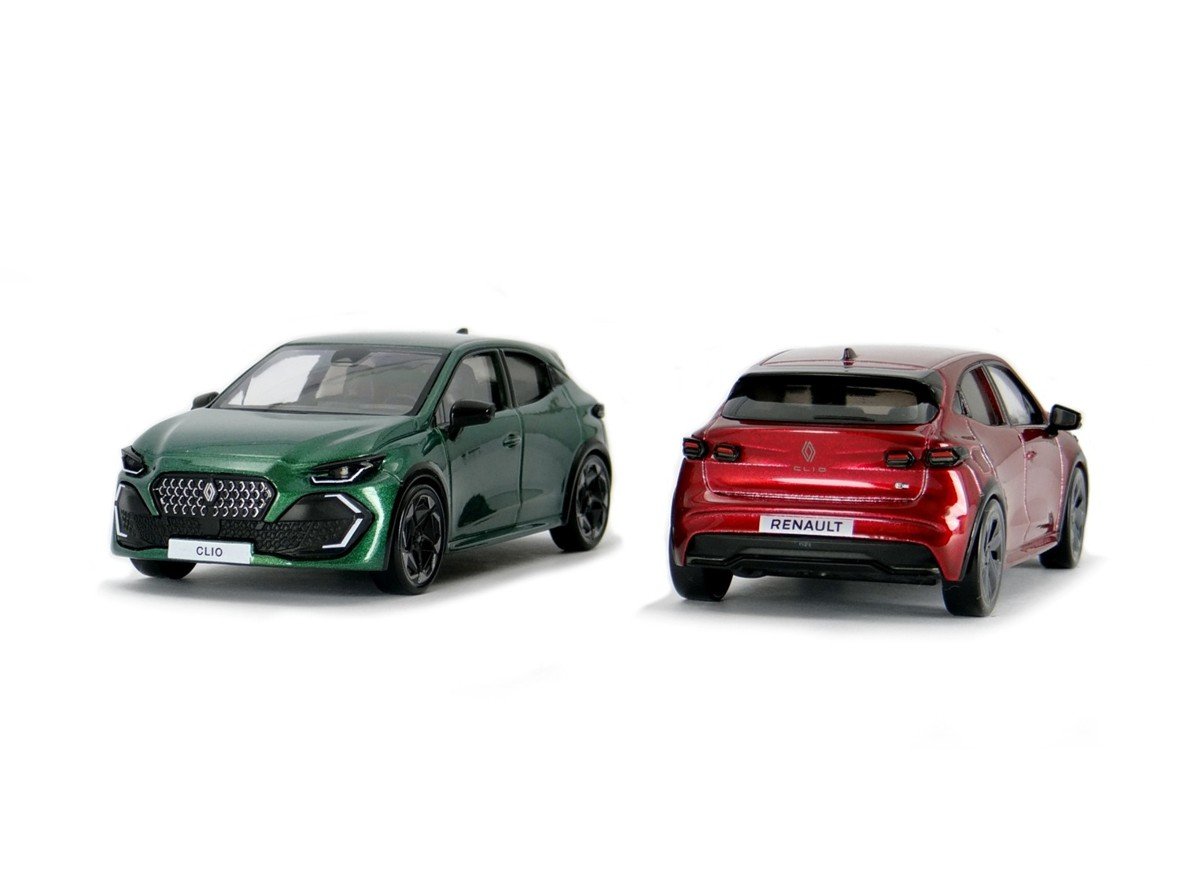
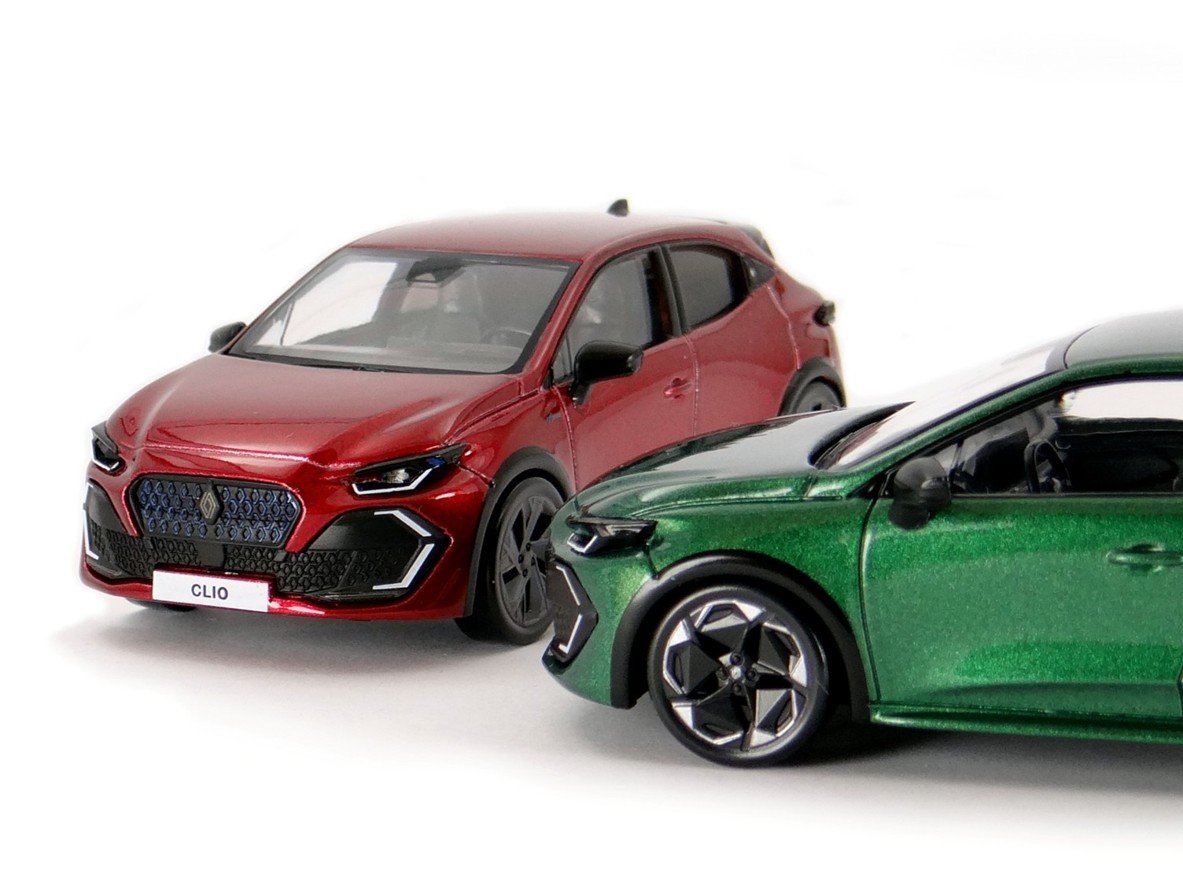
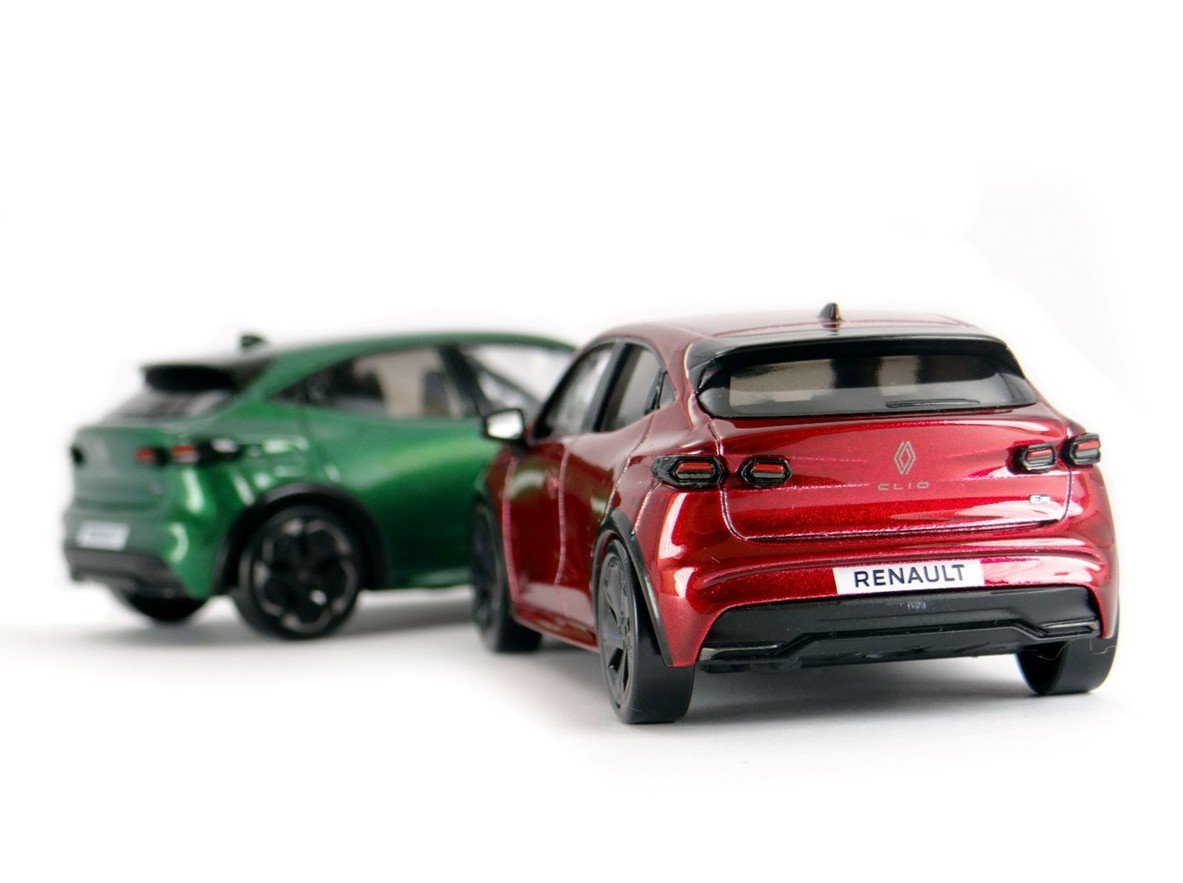
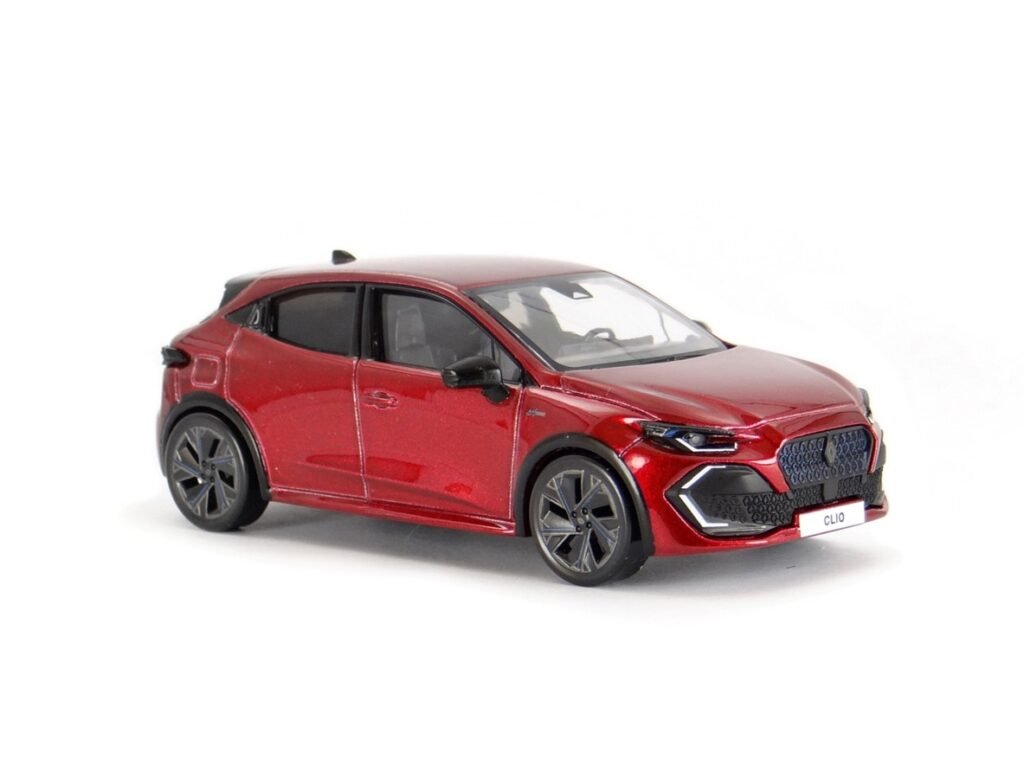
Modele Renault Clio 2026 wprowadzono do sprzedaży na stronie Renault Originals już w dniu oficjalnej prezentacji prawdziwego samochodu, ale ja postanowiłem zaczekać. Kupiłem je w listopadzie, razem z prezentowanymi kilka tygodni temu na blogu modelami nowego Renault Twingo.
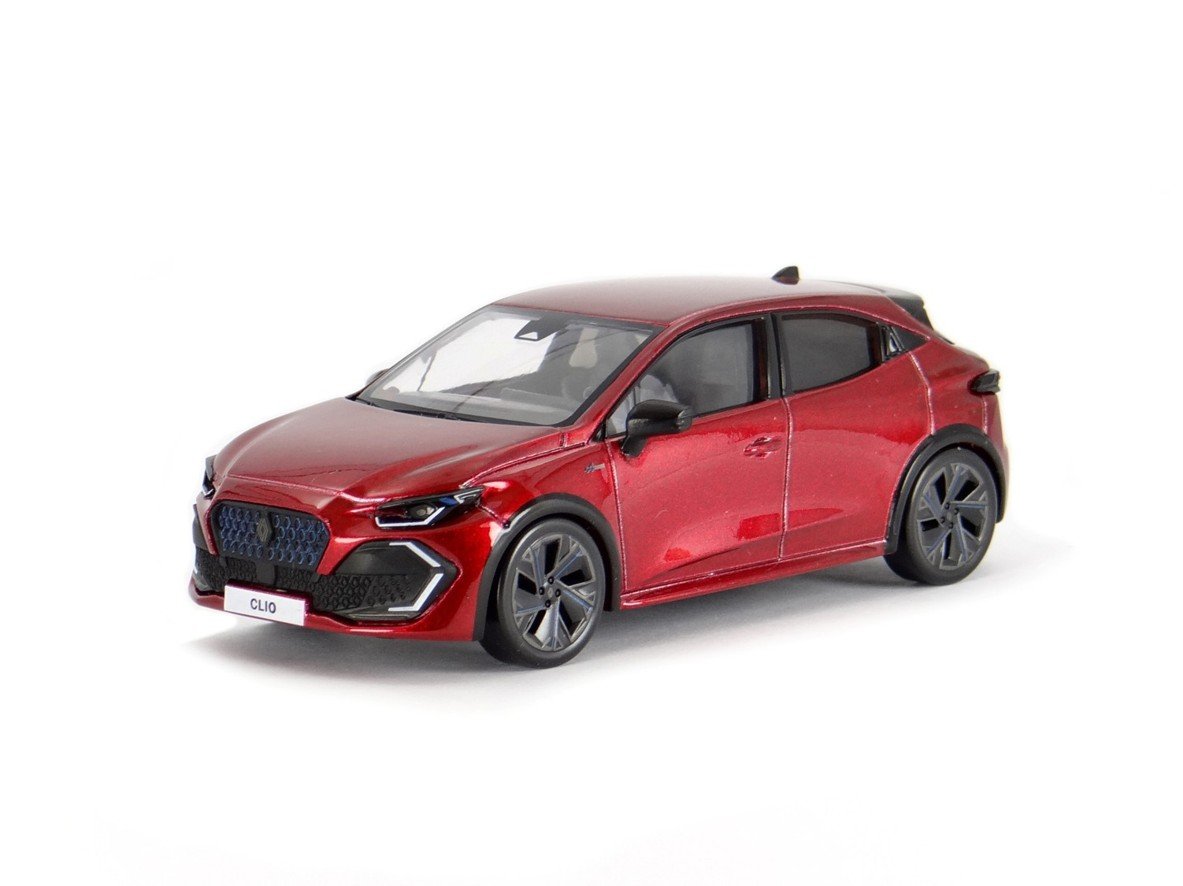
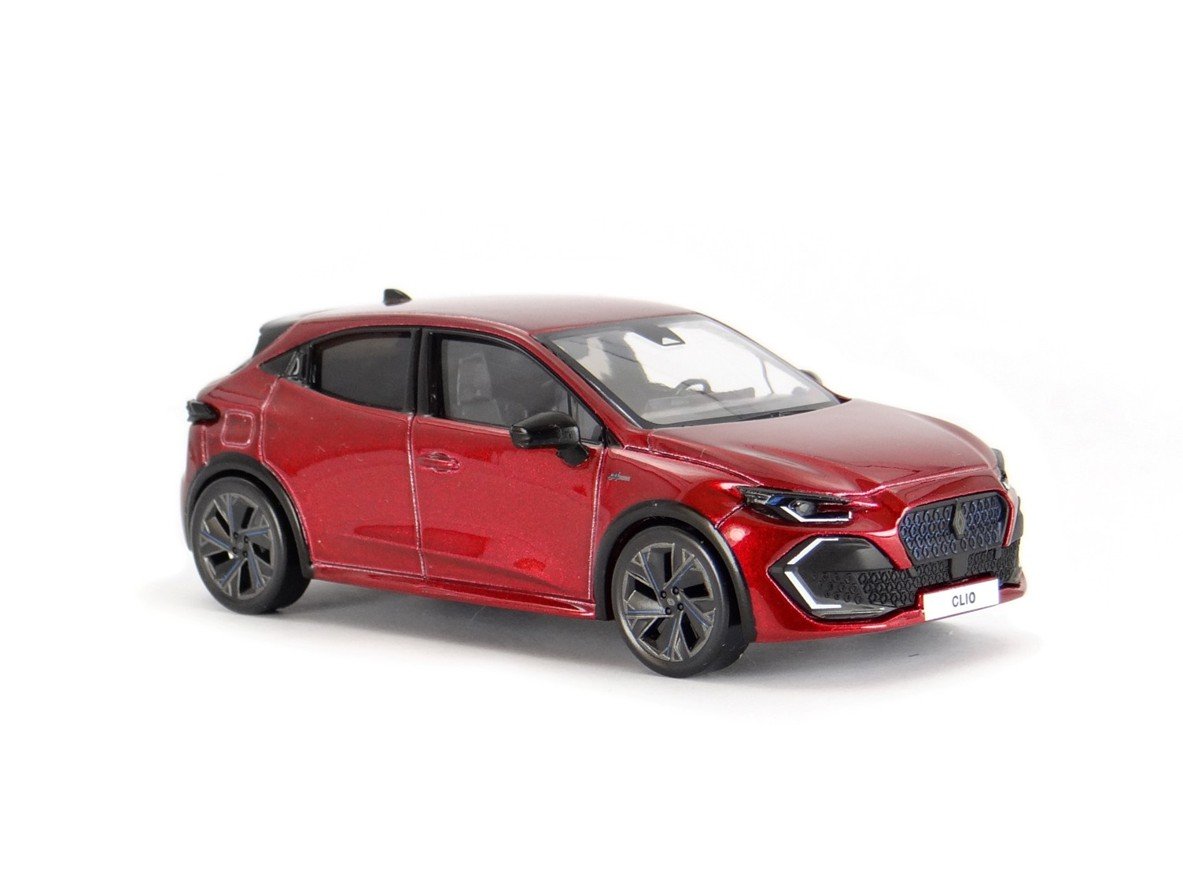
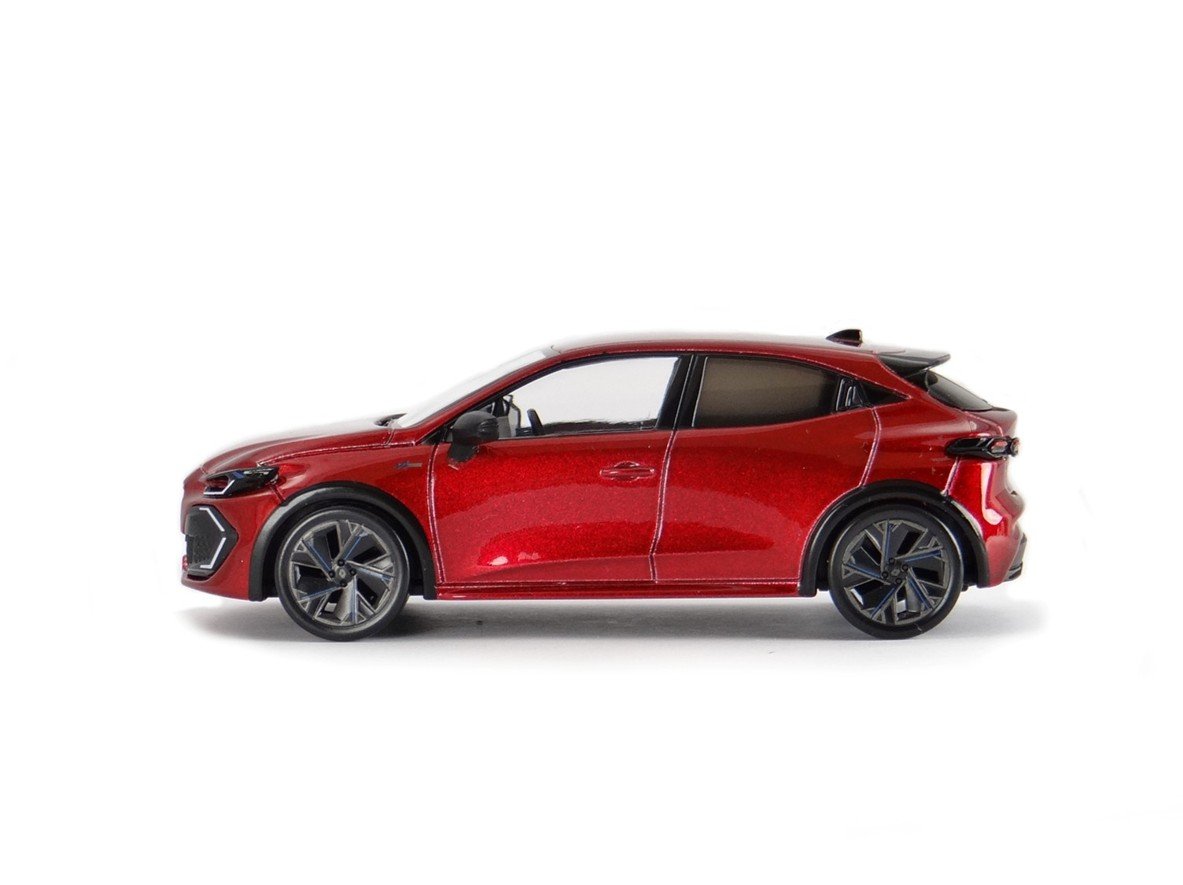
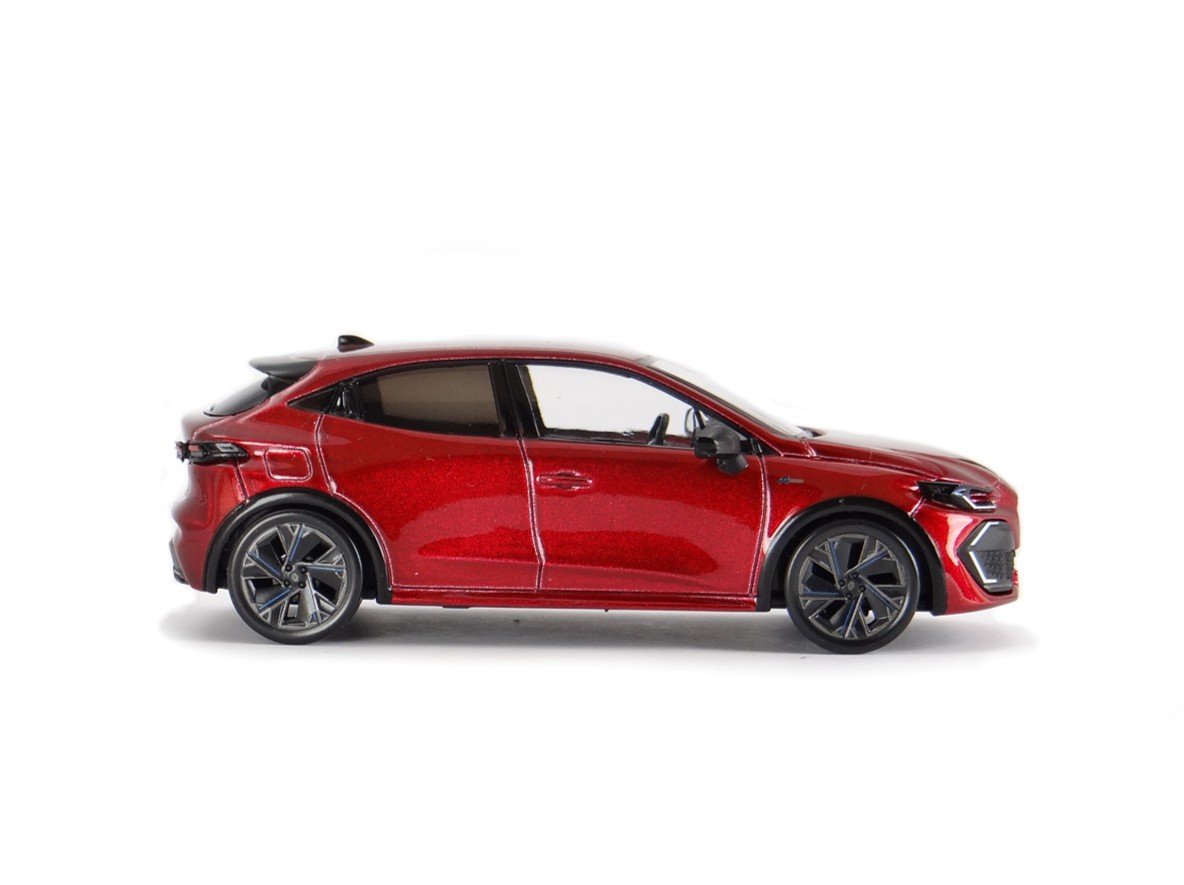
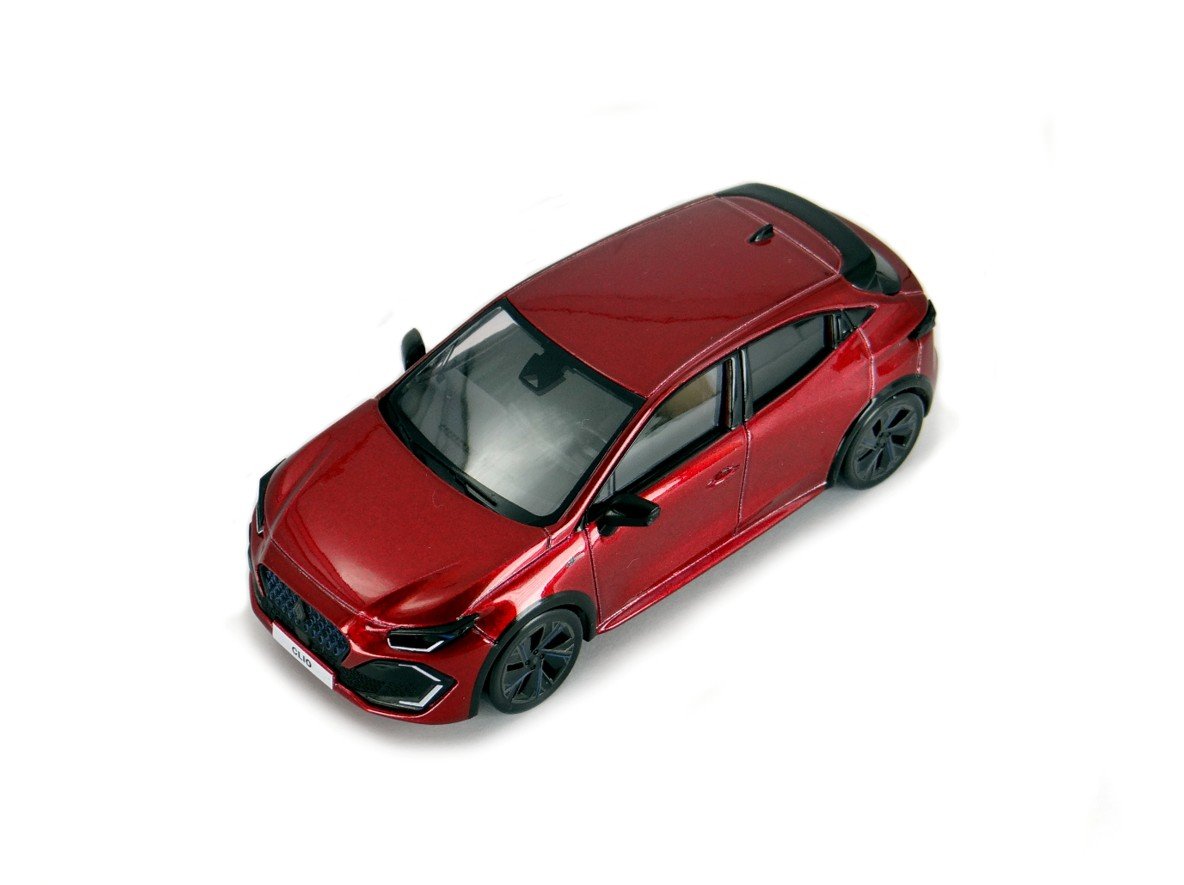
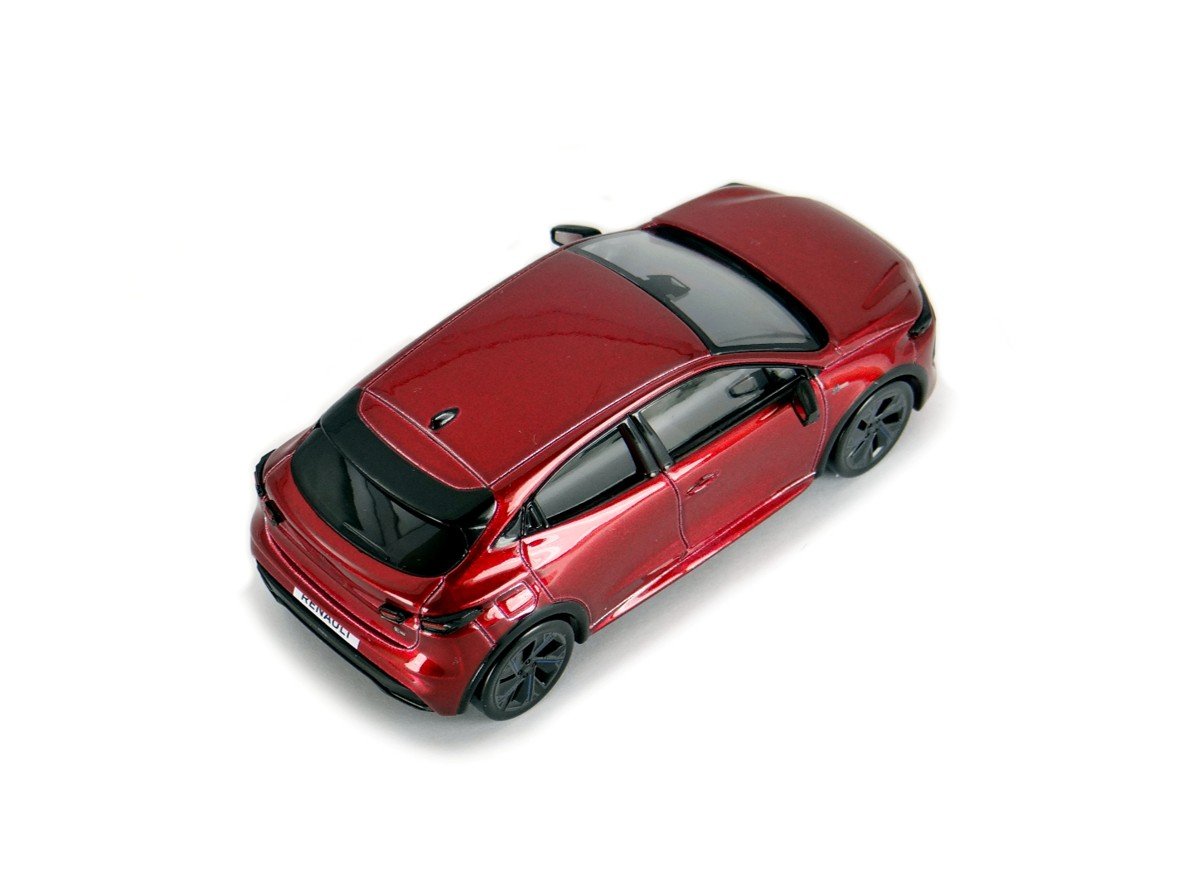
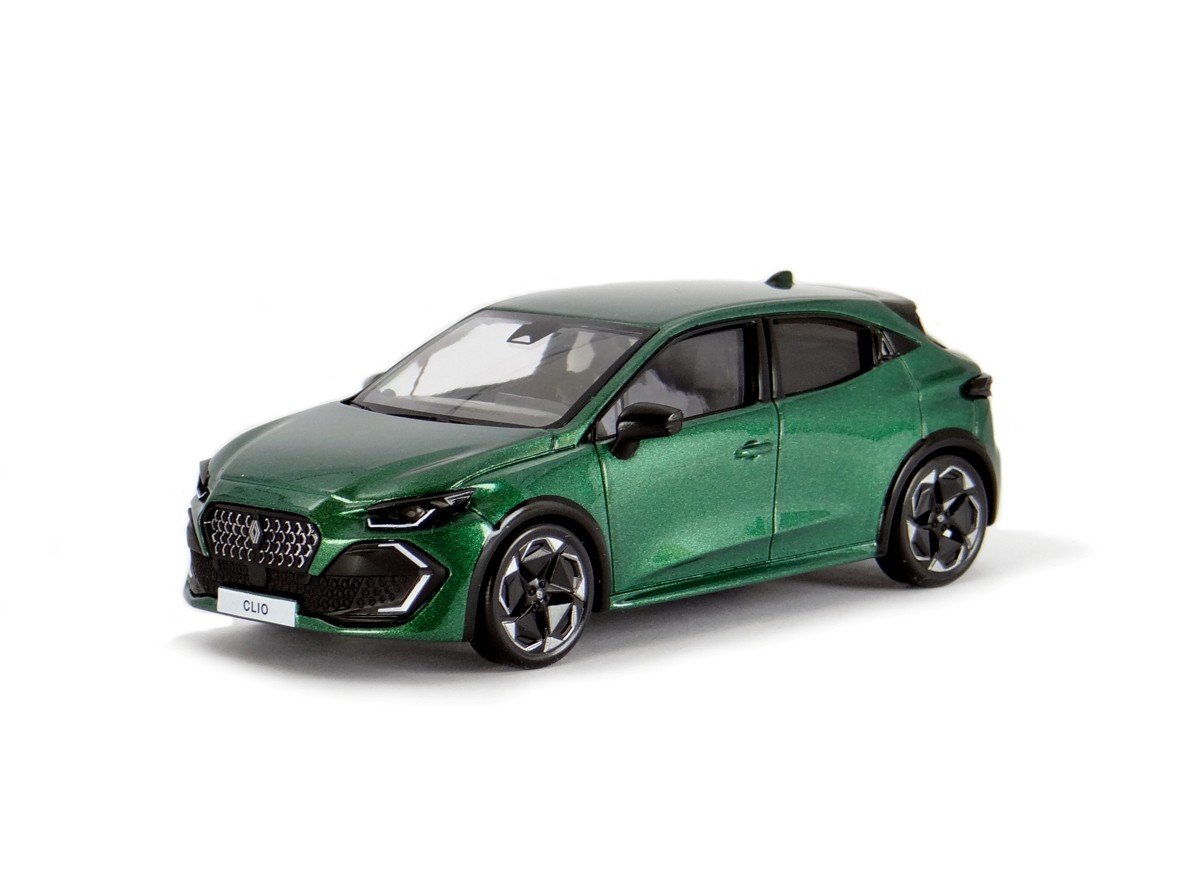
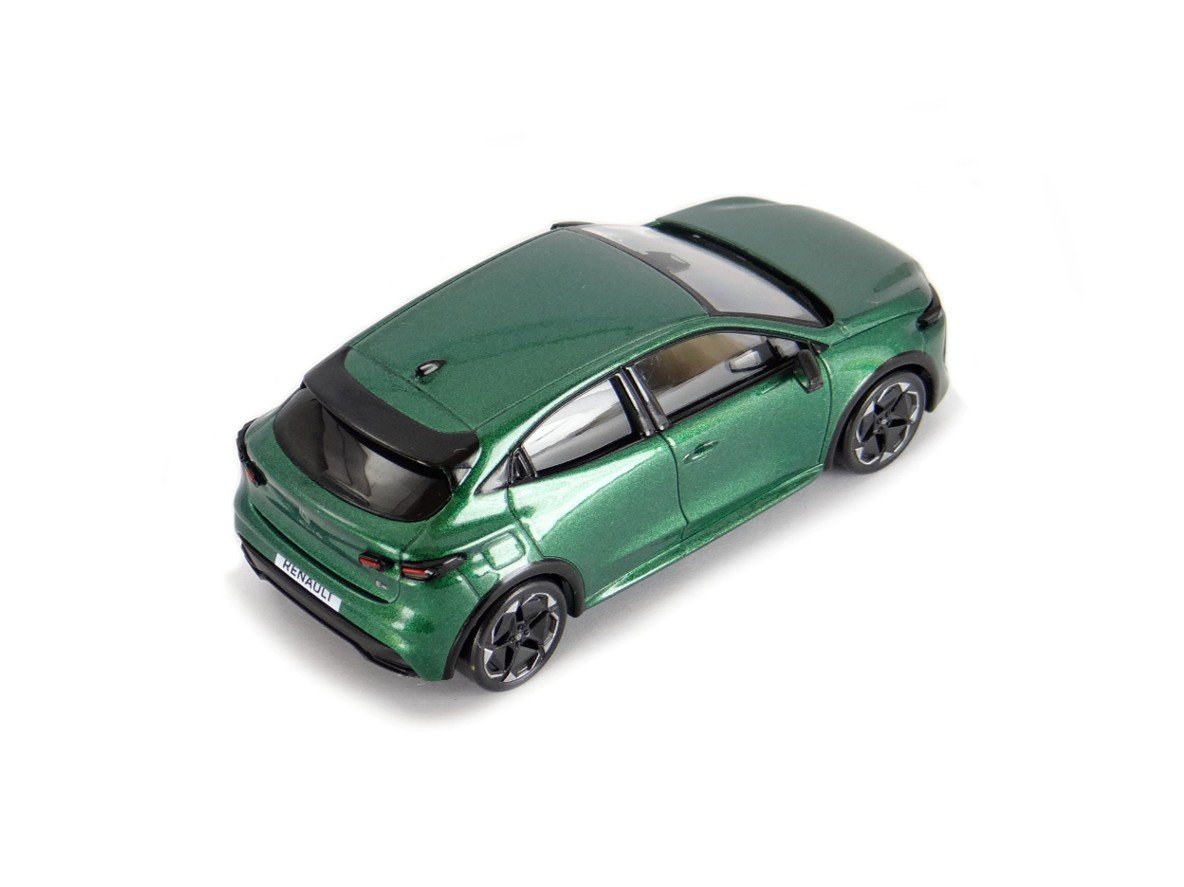
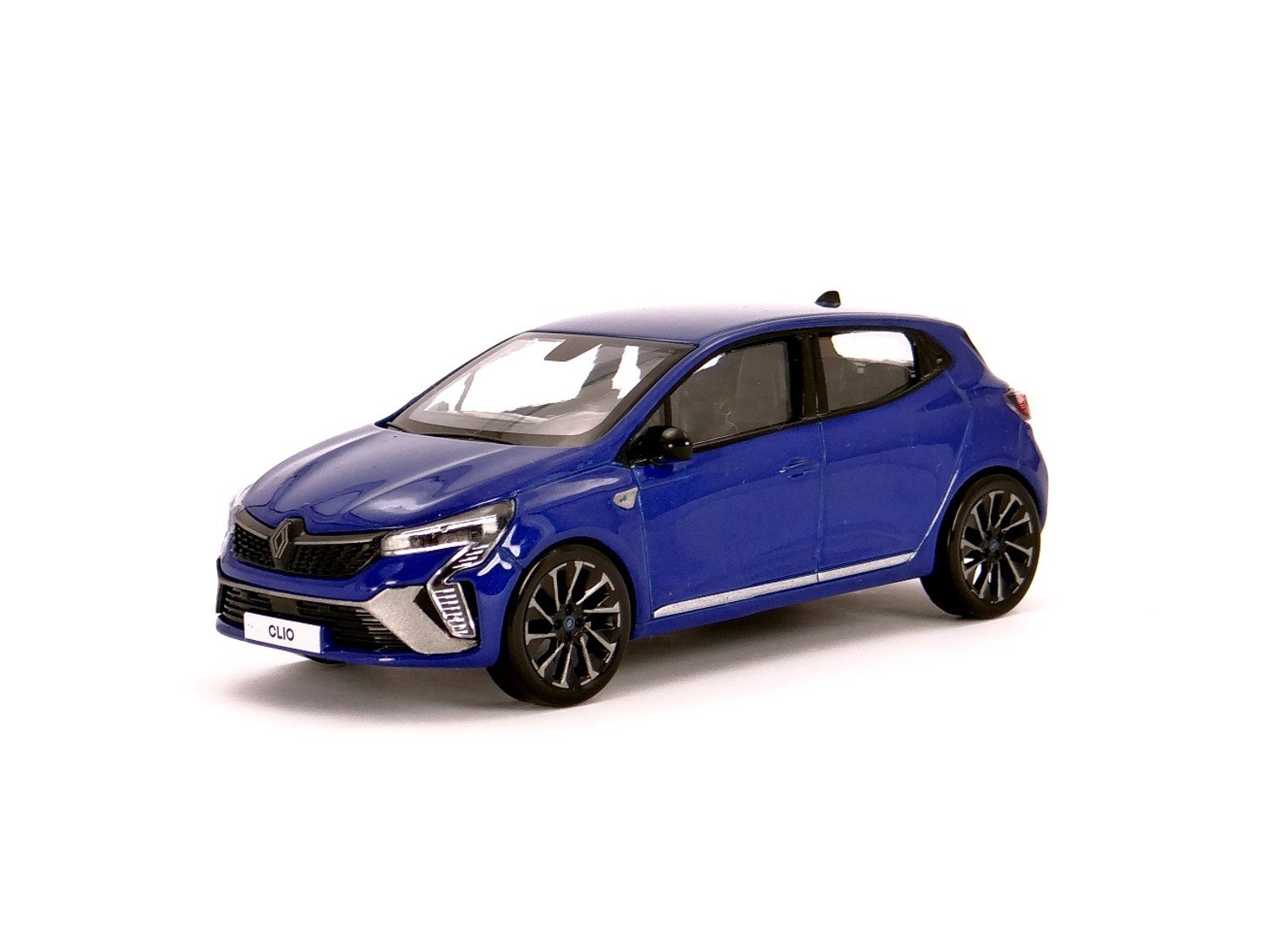
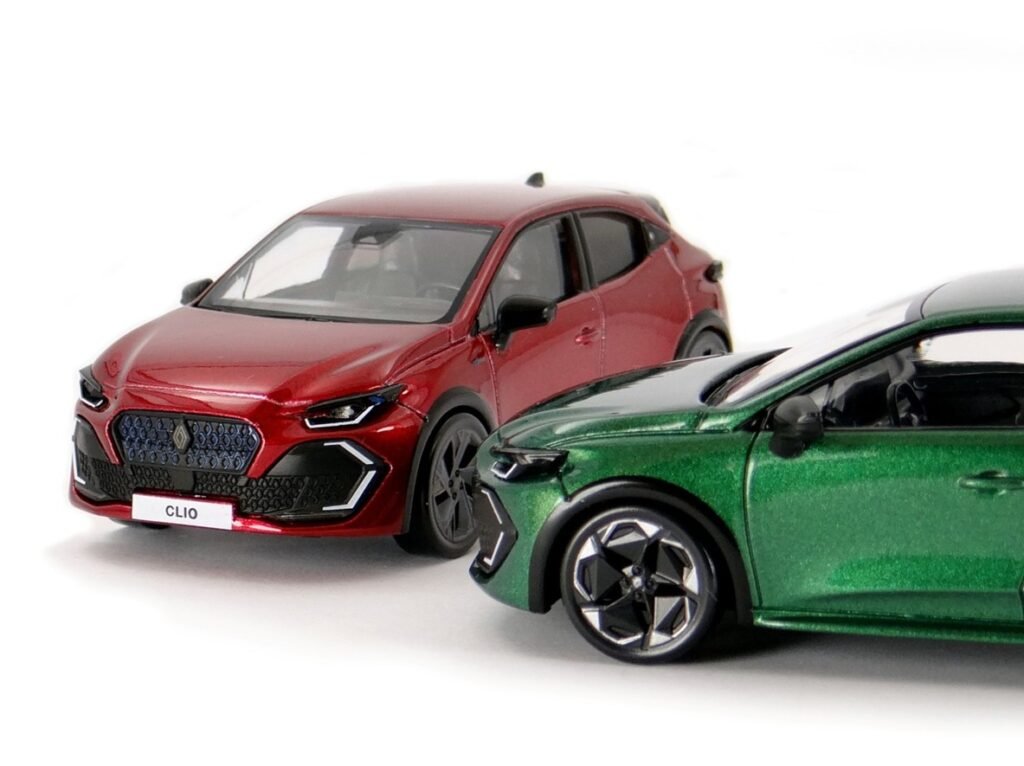
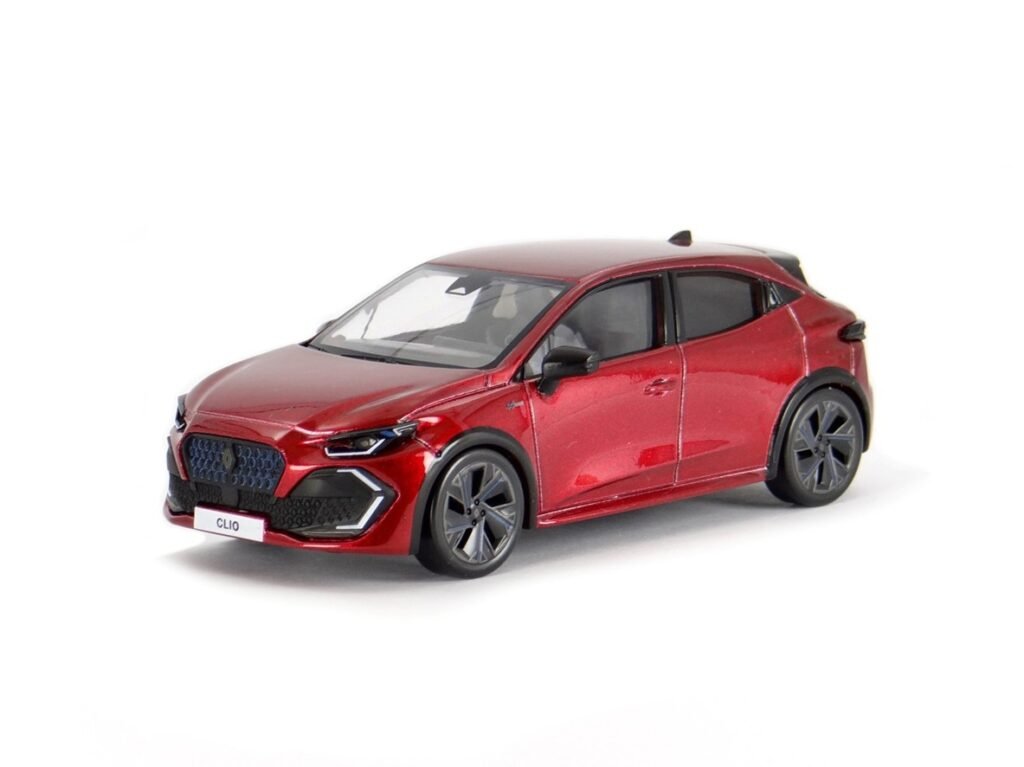
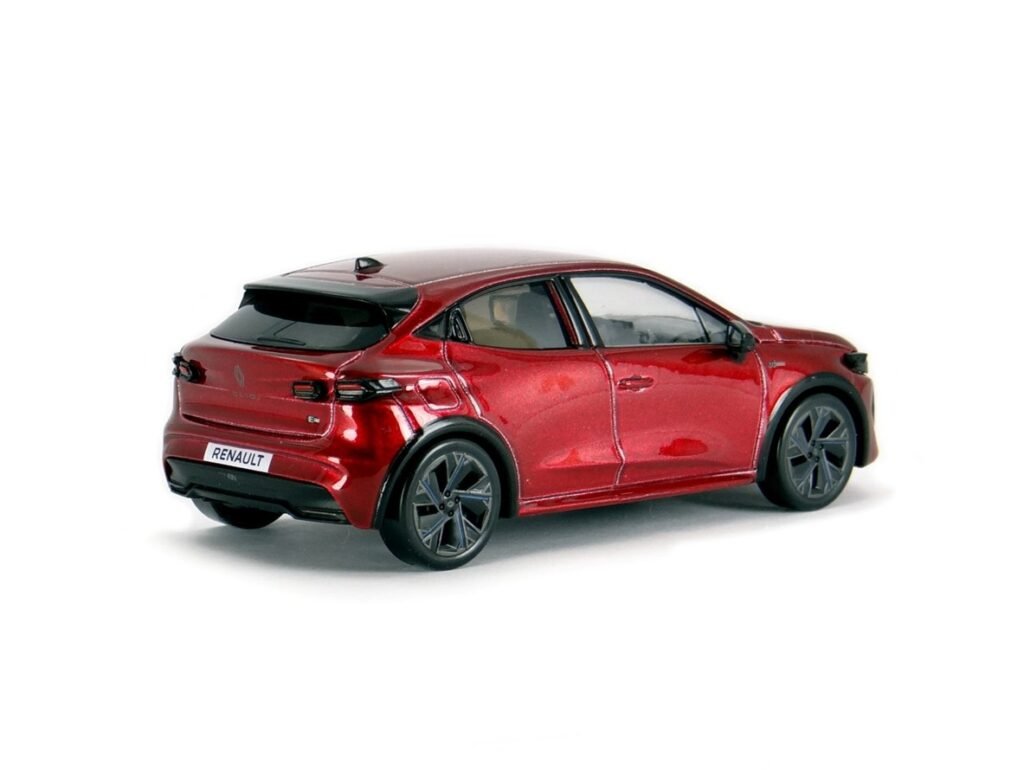
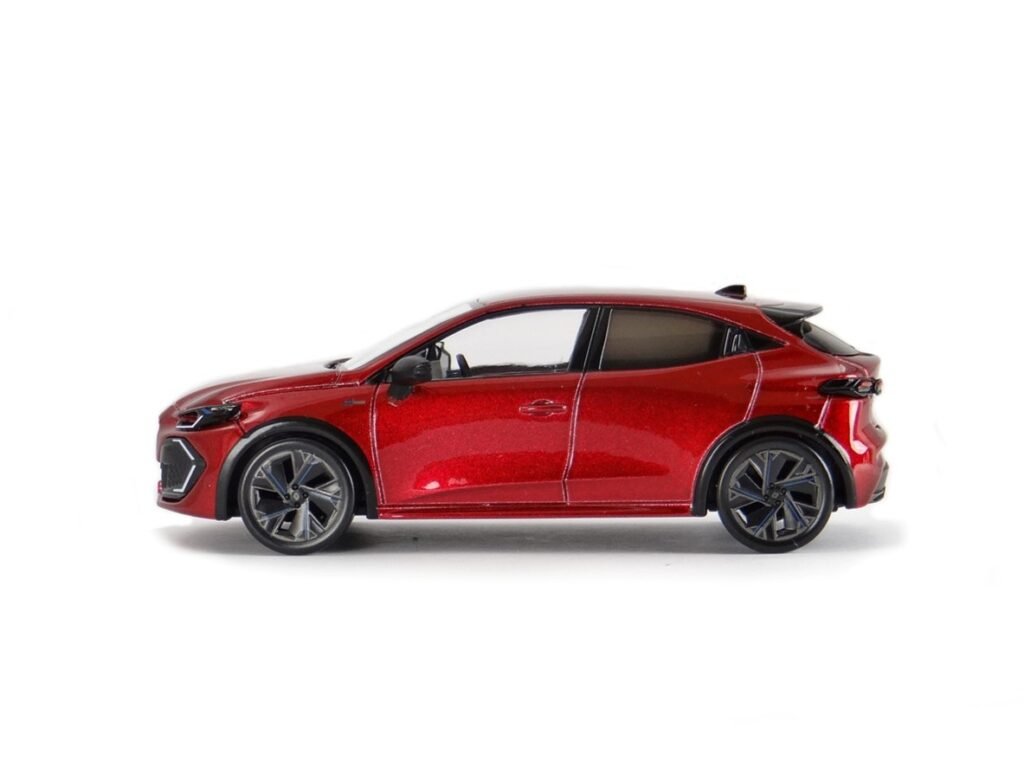
Jak można się spodziewać, modele Renault Clio 2026 pochodzą od Noreva. Autka są z serii nowych, “ulepszonych” odlewów, mamy więc w końcu ładne boczne lusterka. Niestety, firma nadal uparcie stosuje plastikowe oponki i felgi. O ile np. w Twingo to nie wygląda jeszcze źle, w Clio razi. Dość wyraźnie widać, że to element odlany z plastiku.
Podobnie przeciętnie wyglądają światła. Znowu, Norev przyzwyczaił nas, że w nowych modelach to jedynie malowany kawałek plastiku. Ten zabieg daje różne skutki, niestety tutaj nie udało się tego zbytnio zamaskować.
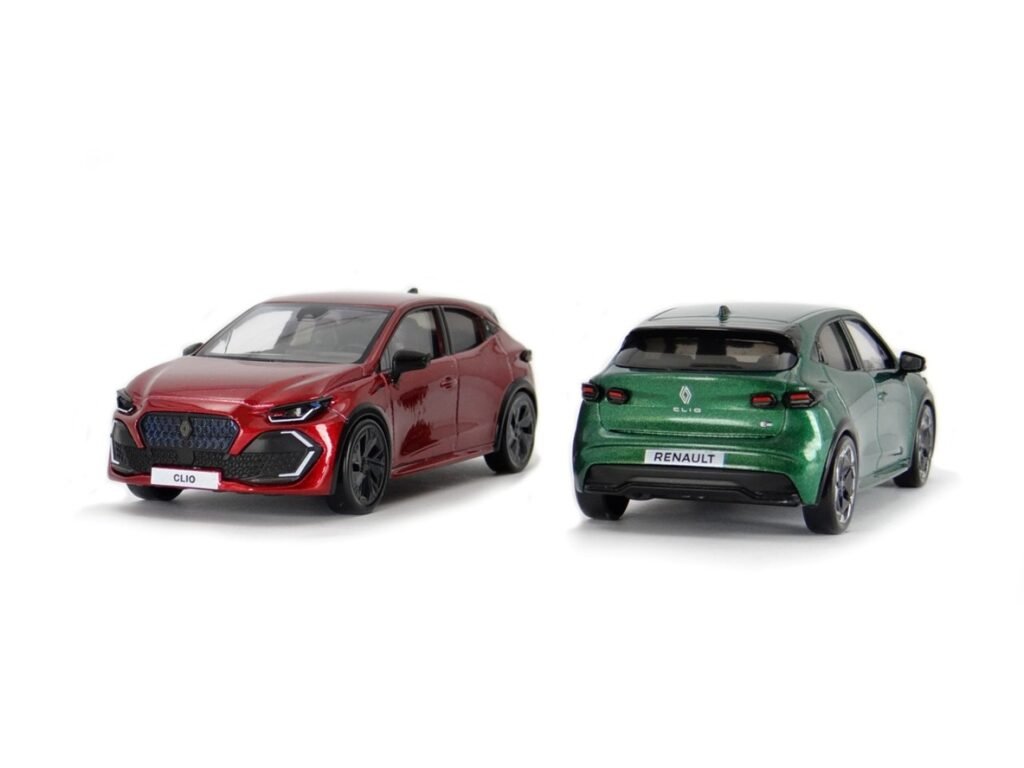
Na pocieszenie, Norev perfekcyjnie opanował sztukę malowania modeli. Lakier w obu modelach jest czysto i równomiernie położony. Zarówno czerwień absolutna jak i zieleń absolutna wyglądają świetnie i bardzo pasują do Renault Clio 2026. Według mnie, to właśnie lakier jakoś “ciągnie” prezencję tych miniaturek. Bez niego, wyglądałyby niestety dosyć zabawkowo.
Jak zwykle, zapraszam do obejrzenia galerii i wyrobienia własnej opinii na temat modelu, oraz odwiedzenia stron na Facebooku i Instagramie!
*** ENGLISH ***
This is undoubtedly the most controversial iteration of this French hatchback. The Renault Clio AD 2026 is set to be the best ever, but it has divided the public right from the start.
The Clio is Europe’s darling and an absolute staple of Renault’s line-up. This nimble and stylish city hatchback certainly has a widespread appeal. The numbers speak for themselves—since 1990, the company sold over 17 million units in 120 countries! So, you’d think that Renault has found the recipe for success and only needs to stick to it. Instead, the company opted for a revolution.
Renault unveiled the sixth generation Clio at the September IAA Motor Show in Munich. The French openly admit that they wanted the new model to be the most desireable and bring a completely new level of quality to the B-segment. The car is designed to be exceptionally bold and modern.
The 2026 Clio is the first Renault model designed in a new styling language, inspired by the Emblème concept car. The car looks very muscular and aggressive. Its sporty silhouette with a tapered roofline is full of cuts, creases and sharp angles. Before returning to Peugeot, as a last goodbye, Gilles Vidal created a bold design that certainly draws attention. Is it attractive? That’s a matter of taste, but it’s definitely polarising. Journalists praise the modern design, while on the internet the public criticise it for being too loud and, paradoxically, lacking originality. They point out similarities to Mazda models, the Peugeot 208, new Lancia Ypsilon, Kia XCeed, Jaguar E-Pace, and even… the Citroën Dyane. It’s truly hard to find something else that resembles so many different cars at once.
The most original (and least controversial) part appears to be the rear of the car, with its four separate lights. Renault claims their design was inspired by supercars. Another trick borrowed from the world of expensive cars is hiding the lower window seal beneath the edge of the door. No other model in the segment uses this and thanks to it, the car looks better and also more expensive than it actually is.
The interior, of course, has also been designed in a high-tech style. The partially upholstered cockpit with two large screens is similar to those in the new Renault 4 and 5. A new feature, however, are the illuminated door panels. Renault has also introduced new seats with better lateral support and higher-quality finishing materials.
The new Clio made a significant step-up in terms of Advanced Driver Assistance Systems. As many as 29 will be available, compared with a maximum of 18 on the previous model. Disappointing, however, are the results of the recent crash tests done by Euro NCAP. For years Renault has accustomed us to high standards in this area, yet the sixth generation of the Clio earned only 4 out of a possible 5 stars.
Typical for current times, the engine line-up is limited, but looks very interesting. The entry-level engine is a three-cylinder 1.2 TCe producing 115 hp. There will also be a 1.2 ECO-G version with 120 hp, equipped with a factory-installed LPG system. Thanks to two tanks with a combined capacity of 100 liters (50 liters of petrol and 50 liters of LPG), the Clio Eco-G is expected to offer a record range of 1,450 km!
Atop of the lineup will be the Clio E-Tech Full Hybrid. The system uses a naturally aspirated 1.8-litre four-cylinder engine and two small electric motors powered by a large 1.4 kWh battery. The total power output is 160 hp and the manufacturer estimates that up to 80% of city driving can be done in a fully electric mode. This powertrain is already used in the Renault Symbioz and Dacia Bigster where it has received positive reviews, so it should have no trouble powering the smaller Clio.
From the tech side, perhaps the least impressive aspect is the model’s “skeleton.” The 2026 Renault Clio is still based on the CMF-B platform known from its predecessor, although it has been appropriately updated. The new model is 67 mm longer, 39 mm wider and 11 mm taller than its predecessor. At 411.6 cm in length, it is now the largest Clio in history! Unfortunately, the larger size doesn’t translate into more interior space. The cabin is similar to the previous model, meaning a large boot (391 liters), but limited space on the rear seats. Fortunately, Renault listened to customer feedback and lowered the boot’s loading lip by 4 cm. It’s still not perfect, but certainly an improvement.
Anyway, it’s not with space that the Clio wants to win buyers over, bur rather with tech and advancement. Renault hopes that all its tricks will help to entice clients normally opting for premium brands. That’s a bold expectation, but then again – Renault never lacked boldness.
About the miniature – Renault Clio 2026
The Renault Clio 2026 models went on sale on the Renault Originals website on the very day of the official presentation of the real car, but I decided to wait. I bought them in November, together with the new Renault Twingo models that I presented on the blog a few weeks ago.
As you’d expect, the Renault Clio 2026 models come from Norev. The cars are from the new, “improved” line of castings, so we finally get nice wing mirrors. Unfortunately, the company still stubbornly uses plastic tires and wheels. While in the Twingo this doesn’t look too bad, in the Clio it really stands out. It’s pretty obvious that this is a plastic part.
The lights look similarly mediocre. Once again, Norev has accustomed us to the fact that in new models they are just a painted piece of plastic. This approach yields mixed results and unfortunately, here it wasn’t very well disguised.
As a consolation, Norev has perfectly mastered the art of painting models. The paintwork on both models is applied cleanly and evenly. Both Absolute Red and Absolute Green look great and suit the Renault Clio 2026 very well. In my opinion, it is the paintwork that really “carries” the appearance of these miniatures. Without it, they would unfortunately look rather toy-like.
As always, go and check out the gallery and decide what you think of the models. Also, feel free to visit pages on Facebook and Instagram!