
BMW serii 3 od lat uchodzi za wzór sportowej limuzyny klasy średniej premium. Trudno wyobrazić sobie bez niego autostrady czy firmowe parkingi. Trzecia generacja o kodzie E36 bardzo pomogła ugruntować rynkową pozycję modelu.
Historia BMW serii 3 zaczęła się w 1975 roku, kiedy na rynku pojawiła się pierwsza generacja modelu, zastępując starą serię 02. Trzecia generacja pojawiła się pod koniec 1990 roku, choć BMW zaczęło nad nią pracę już w roku 1981! 9 lat wytẹżonych prac poskutkowało niebywale dopracowanym samochodem. Postęp względem poprzednich archaicznych generacji był gigantyczny. Auto szybko stało się punktem odniesienia w swojej klasie. Prasa motoryzacyjna całkiem zasłużenie rozpływała się nad nowym modelem, który wprowadzał BMW w nową erę.
Wygląd BMW serii 3 E36 autorstwa Pinky Lai oraz Boyke Boer’a przyniósł małe trzęsienie ziemi. Okrągłe światła poprzedników ustąpiły miejsca prostokątnym zespolonym reflektorom a zwarty kształt nadwozia nadał ton wszystkim kolejnym generacjom modelu. Pomimo pozornie kanciastego kształtu, cały projekt był mocno podyktowany aerodynamiką. Duża w tym zasługa komputerów, które pomogły również w znacznym usztywnieniu konstrukcji.
Istotnym punktem BWM serii 3 E36 było też tylne zawieszenie. Wielowachaczowa konstrukcja “Z-axle” przejęta z BMW Z1 znacznie poprawiała własności jezdne. Zamiast nadsterowności typowej dla poprzednich generacji, zachowanie auta było nareszcie przewidywalne. Seria 3 E36 była przez długi czas najlepiej prowadzącym się autem w klasie. Zresztą, do dzisiaj wielu uważa, że pod tym względem to najlepiej wyważona generacja w historii modelu.
Poprawione zawieszenie pozwalało jeszcze bardziej docenić to, z czego seria 3 słynęła już wcześniej: tylny napęd i rzędowe sześciocylindrowe silniki. Takie połączenie było najbardziej pożądane i BMW oferowało całą gamę takich modeli. Słynne sześć cylindrów posiadały benzynowe wersje 320i, 323i, 325i, 328i i sportowa M3 oraz diesle 325td i 325tds. Na dole gamy znajdowały się natomiast modele 4-cylindrowe. Benzynowe 316i, 318i/318ti i 318is oraz diesel 318tds.
Poza szeroką ofertą silników, BMW serii 3 E36 dysponowało również szeroką gamą wersji nadwoziowych. Od samego początku dostępny był 4-drzwiowy sedan i 2-drzwiowe coupe. W 1993 roku zadebiutował kabriolet a w 1994 roku kombi nazwane tradycyjnie dla BMW “Touring”. W tym samym roku wprowadzono też 3-drzwiowego hatchbacka “Compact”, stanowiącego jednocześnie najmniejszy model w gamie bawarskiego producenta.
Samochód oferował unikalną mieszankę cech, której rywale nie byli w stanie dorównać. Gama skrojona do potrzeb szerokiego grona nabywców, techniczne dopracowanie i renoma marki działały jak magnez. Bez żadnych zaskoczeń, seria 3 E36 szybko stała się najpopularniejszym modelem BMW. Pozostała nim aż do rozpoczęcia sprzedaży nowej generacji w 1998 roku.
Poźniej, samochód stał się ofiarą własnego sukcesu. Używane egzemplarze zaczęły zwabiać fanów tuningu, driftingu i często nielegalnych wyścigów. Latami ciągnęła za nim fama auta z półświatka. Jego los w końcu zaczyna się jednak odmieniać. BMW serii 3 E36 zaczyna zdobywać już status cenionego klasyka.
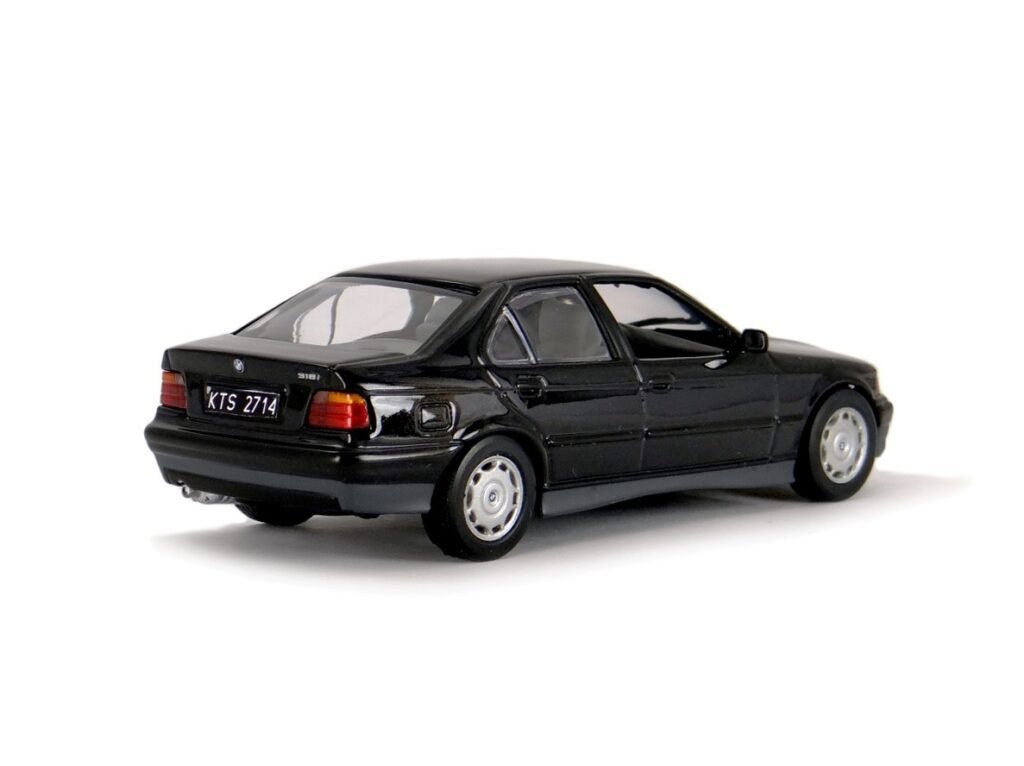
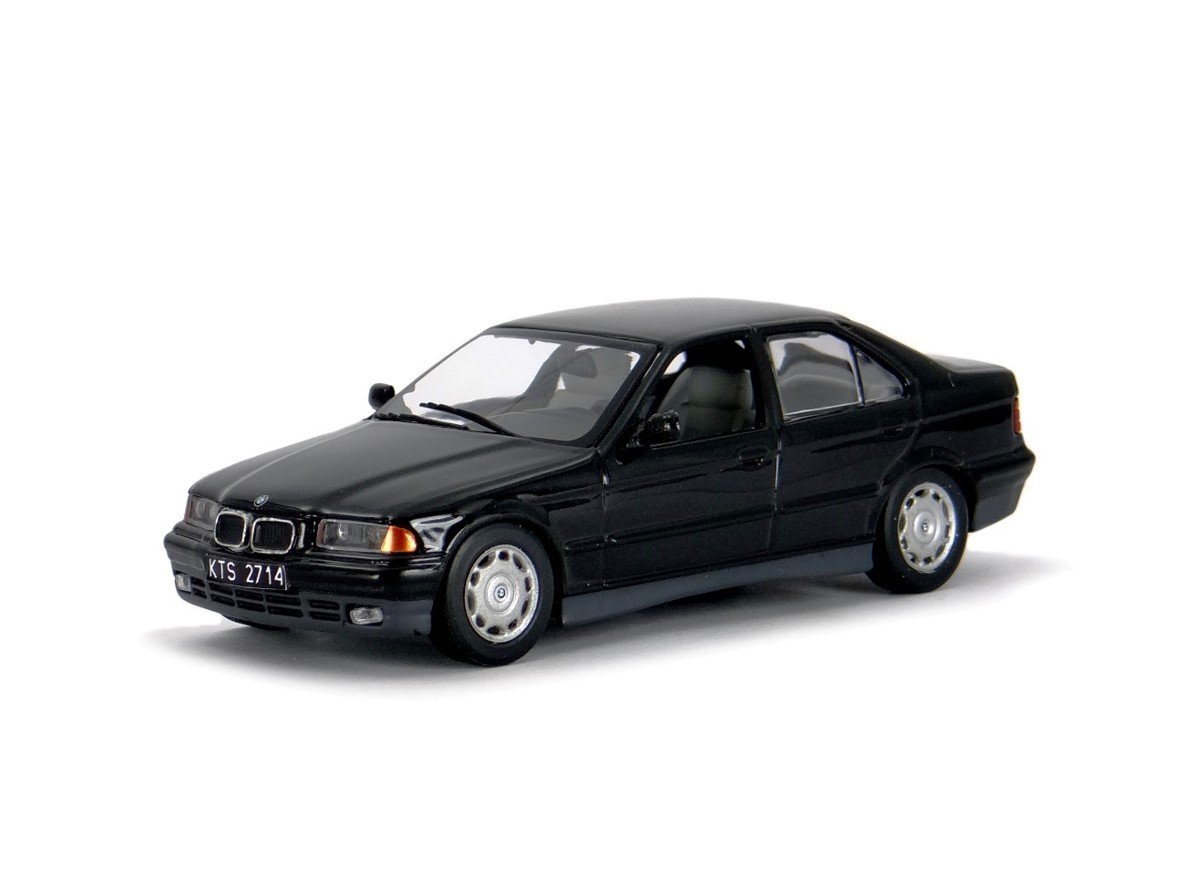
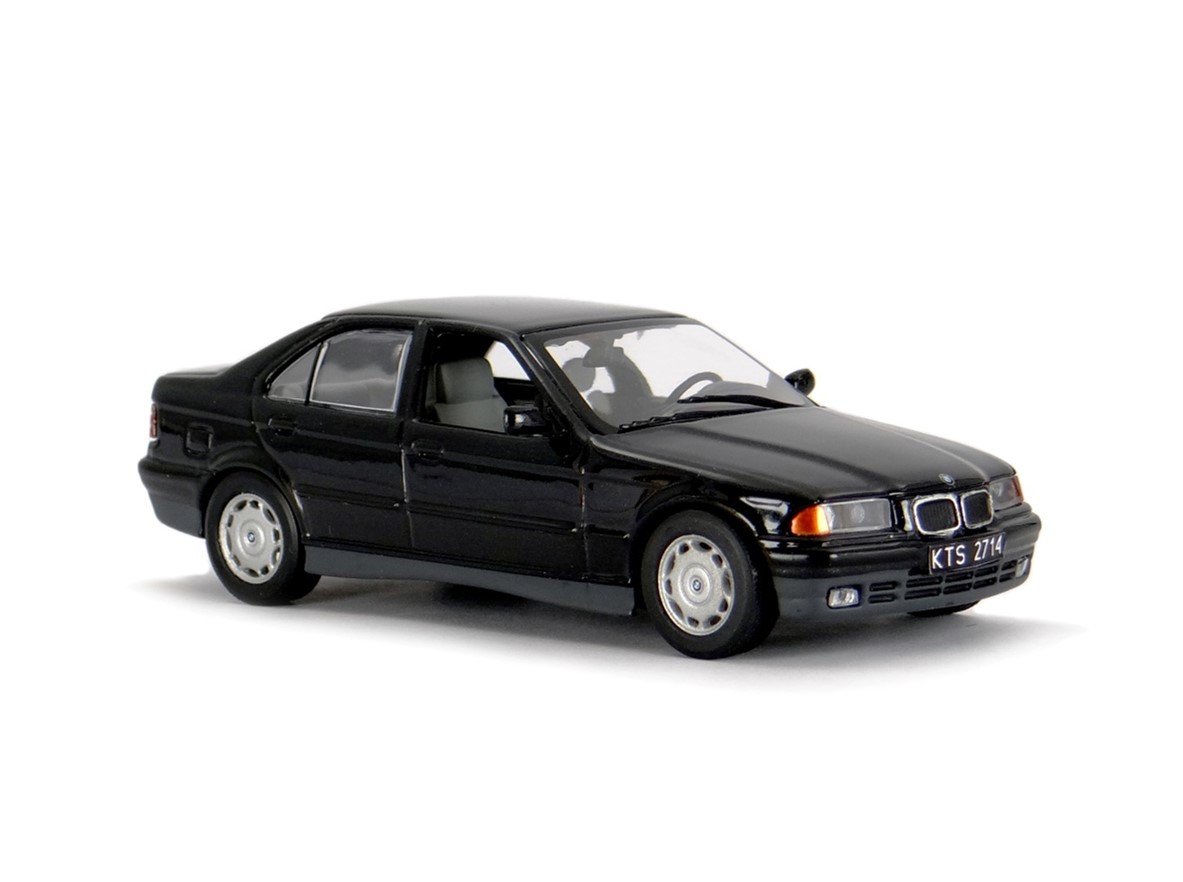
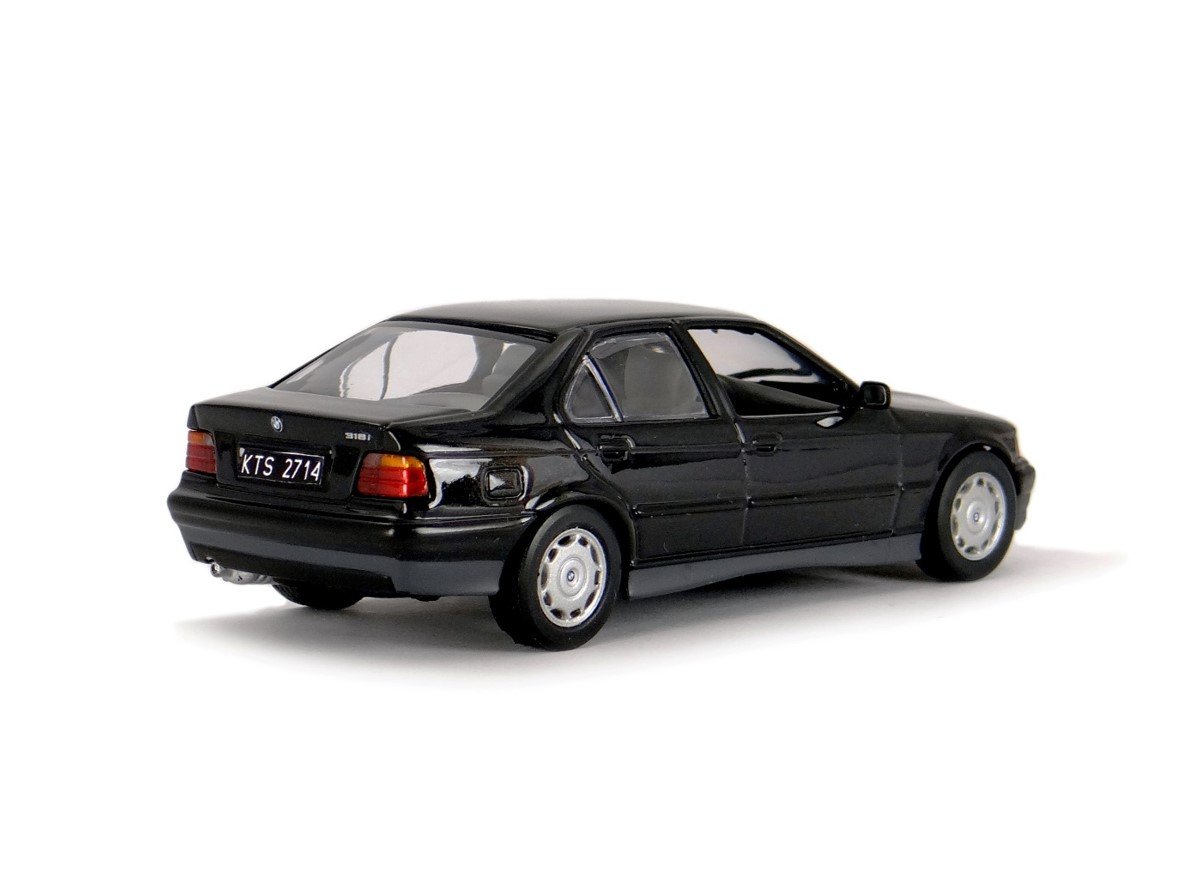
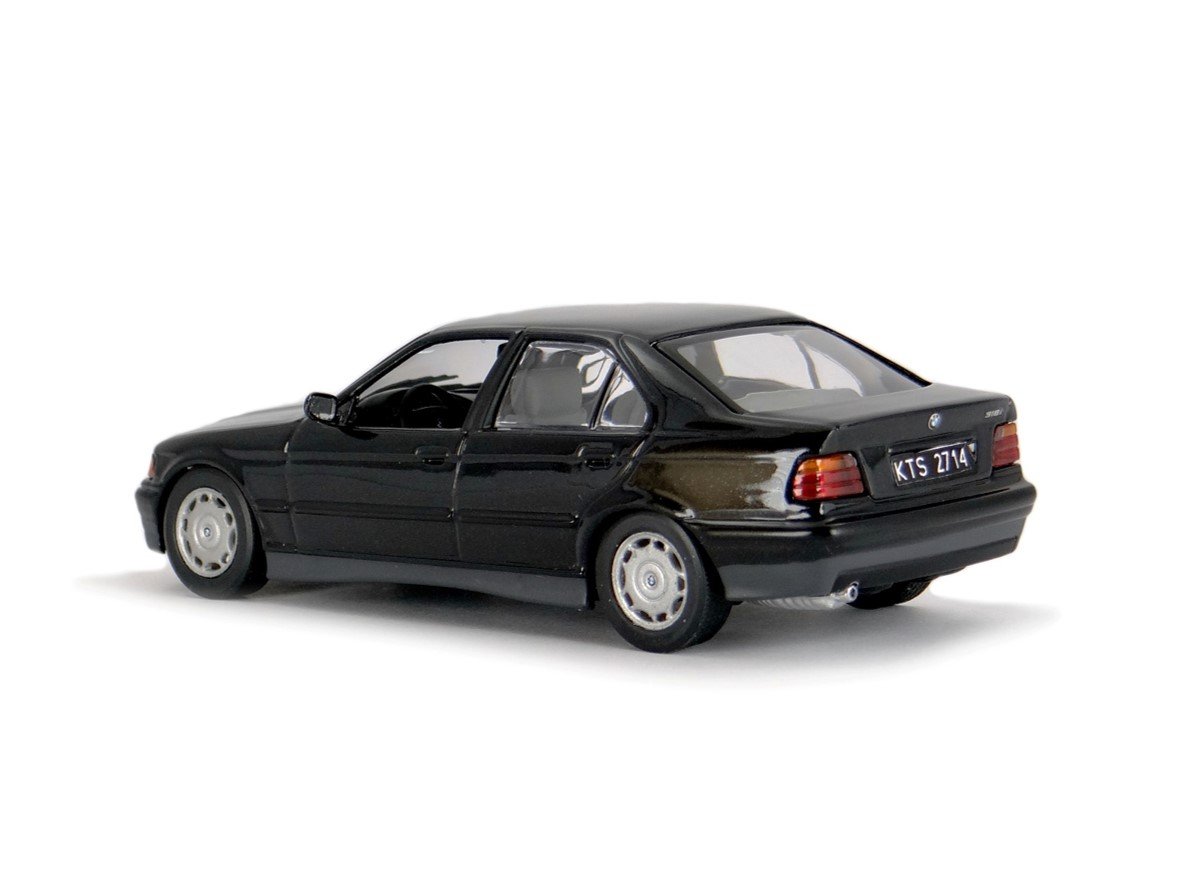
O miniaturze – BMW 318i E36
Modelik kupiłem podczas grudniowej giełdy modelarskiej w Warszawie od Huberta z Miniaturowej Strony Motoryzacji. Zakup, tak jak samo spotkanie, był zupełnie nieplanowany. Po obejrzeniu miniaturki, utwierdziłem się w przekonaniu że zmiany Huberta są w punkt i modelik warto mieć. Tak więc pierwsze BMW w mojej kolekcji stało się faktem!
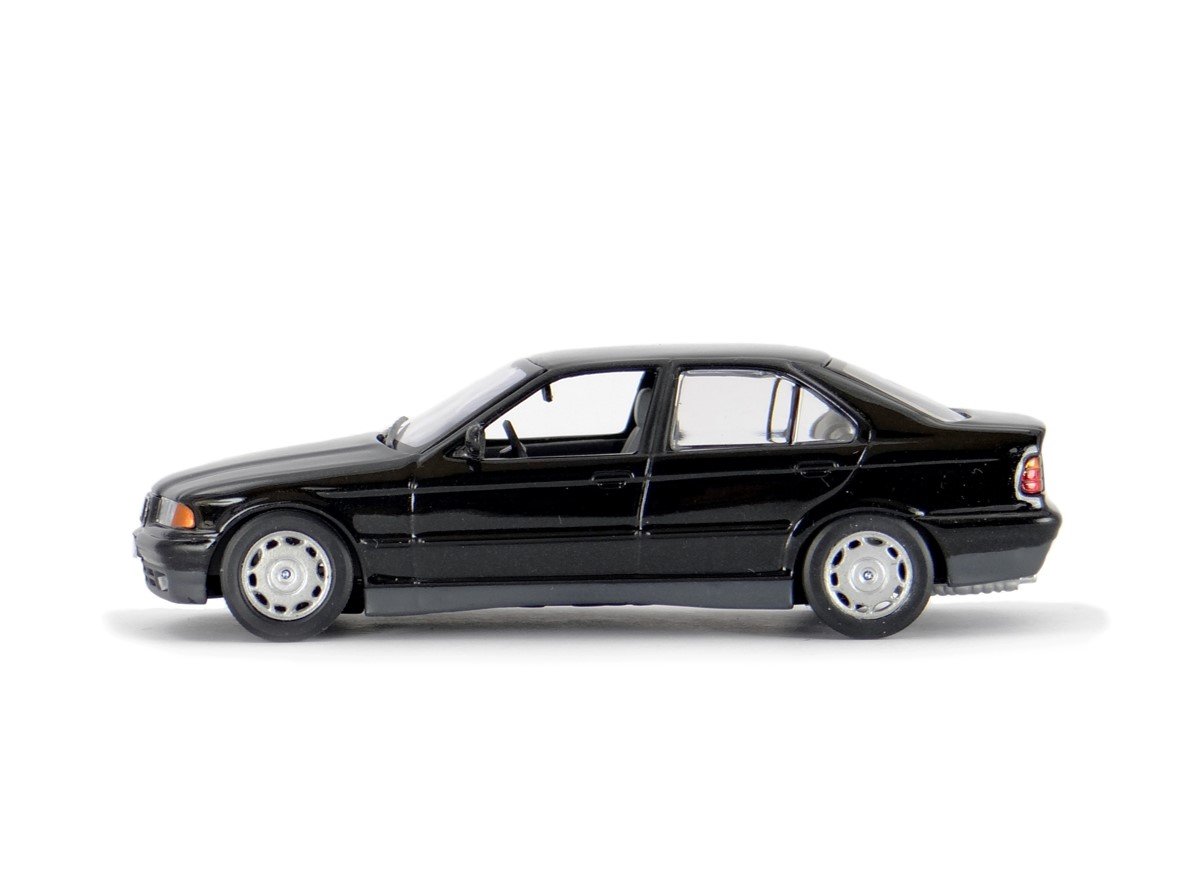
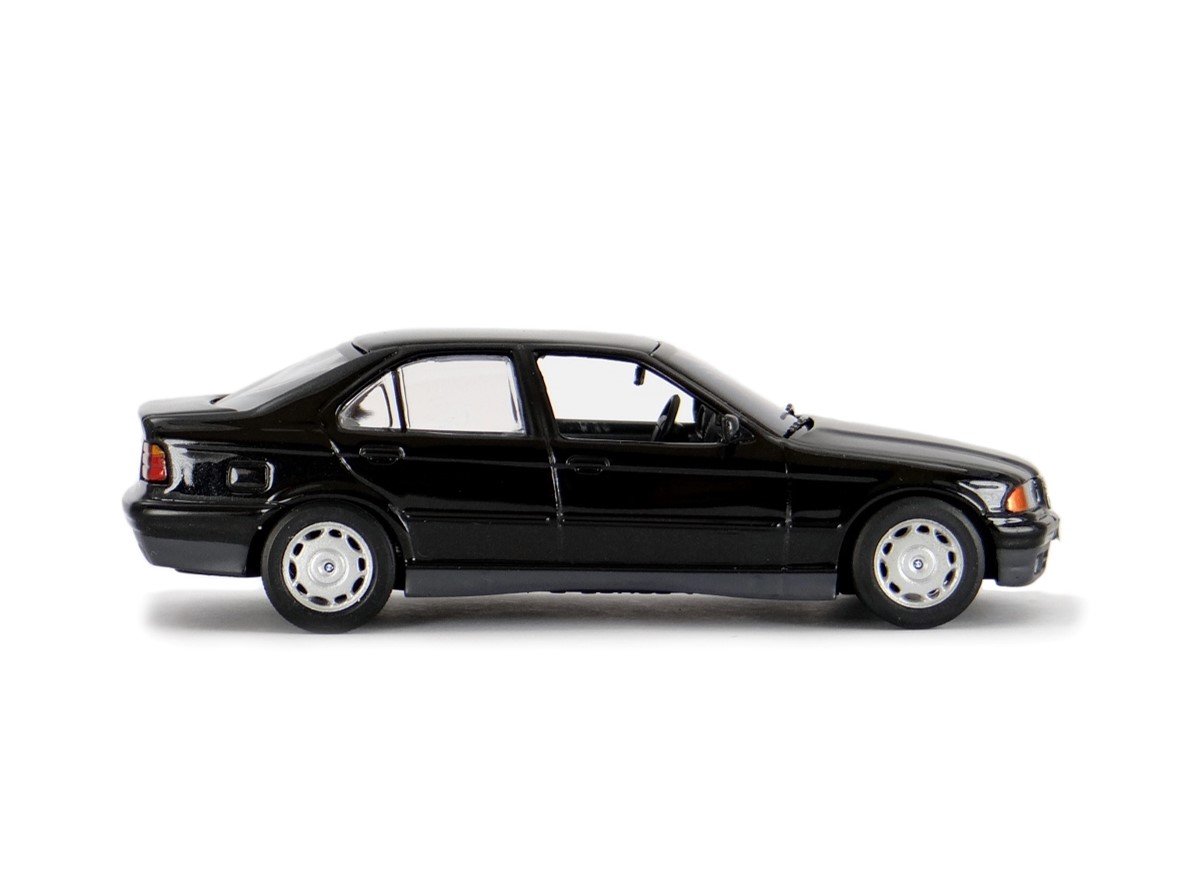
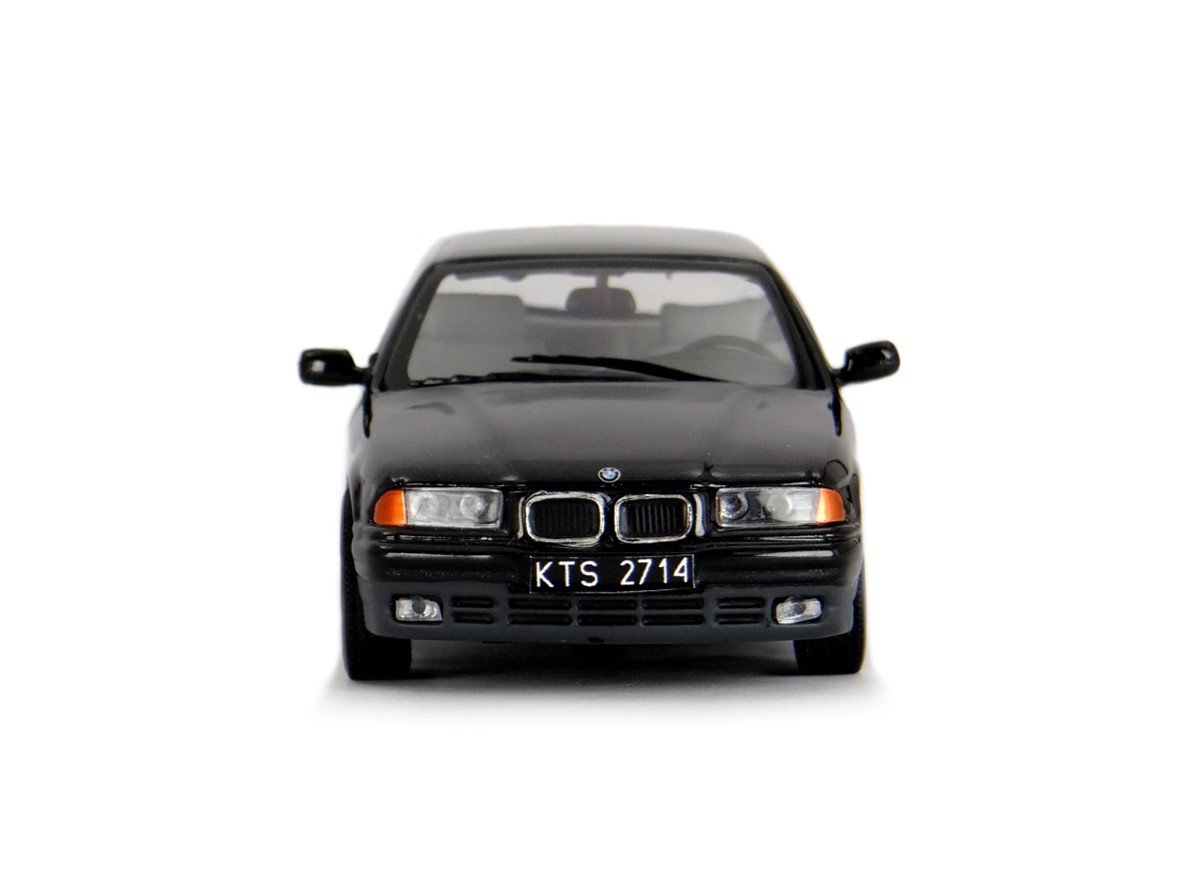
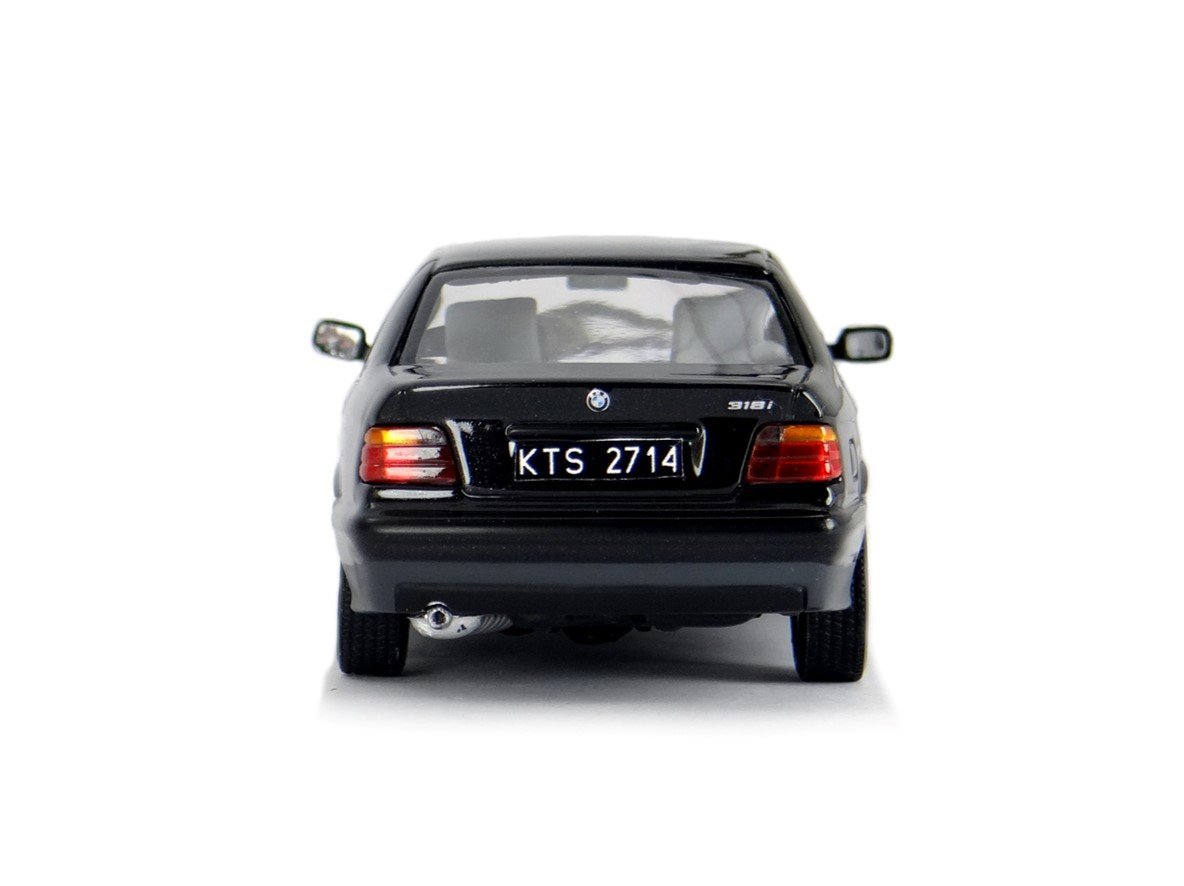
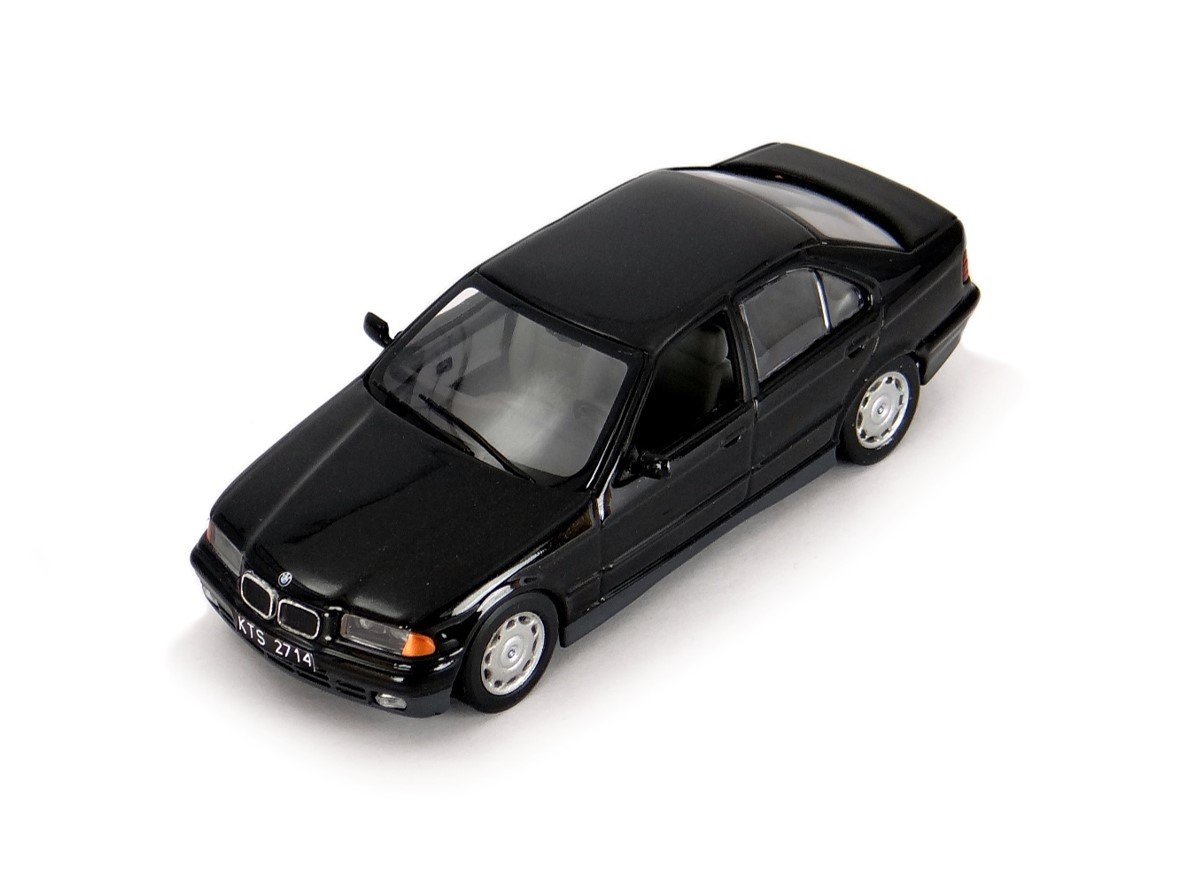
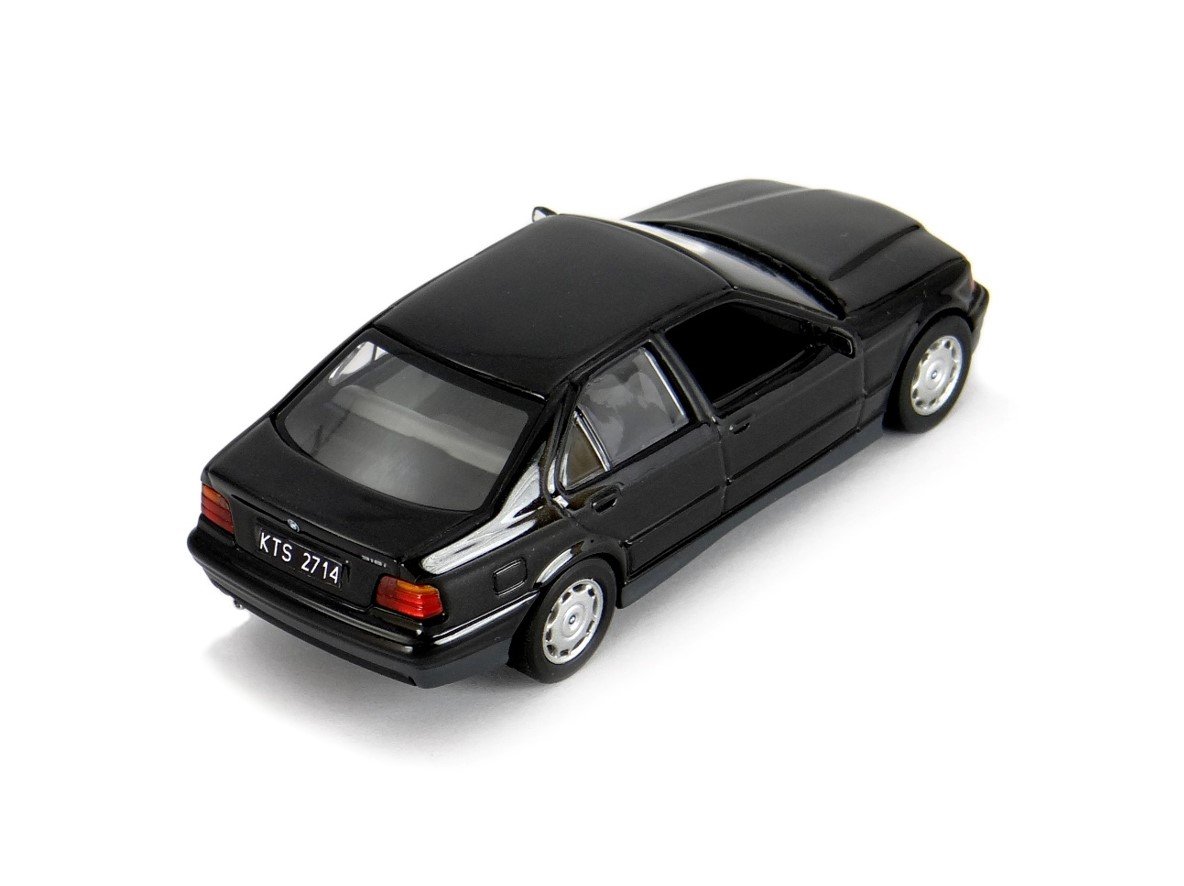
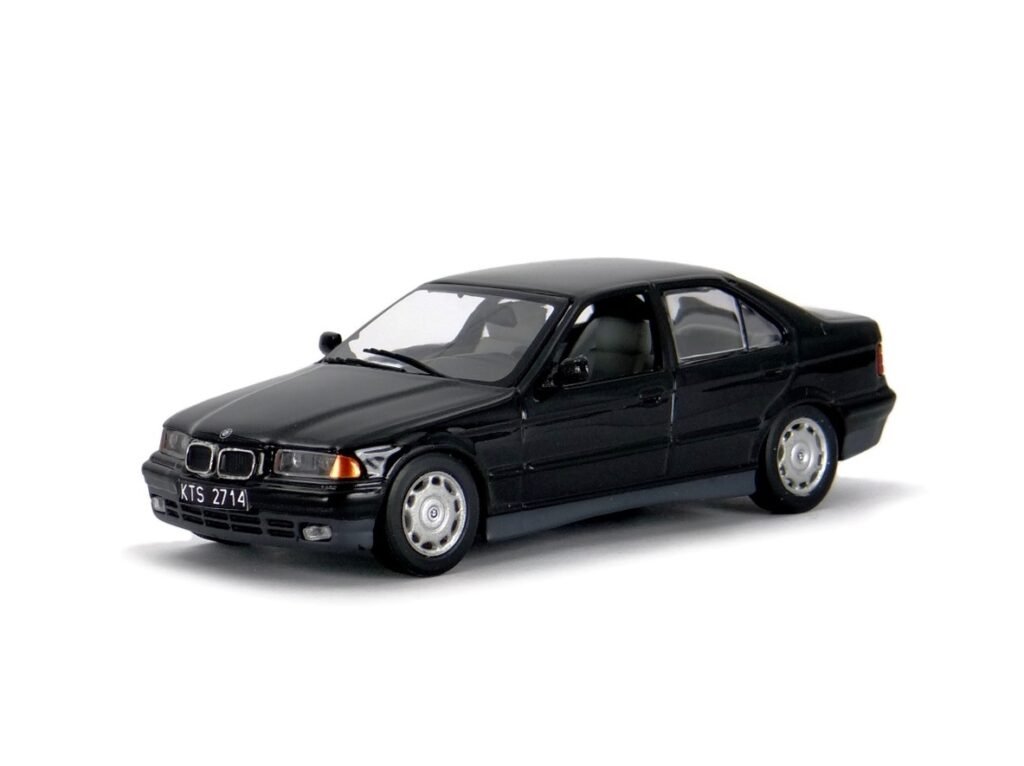
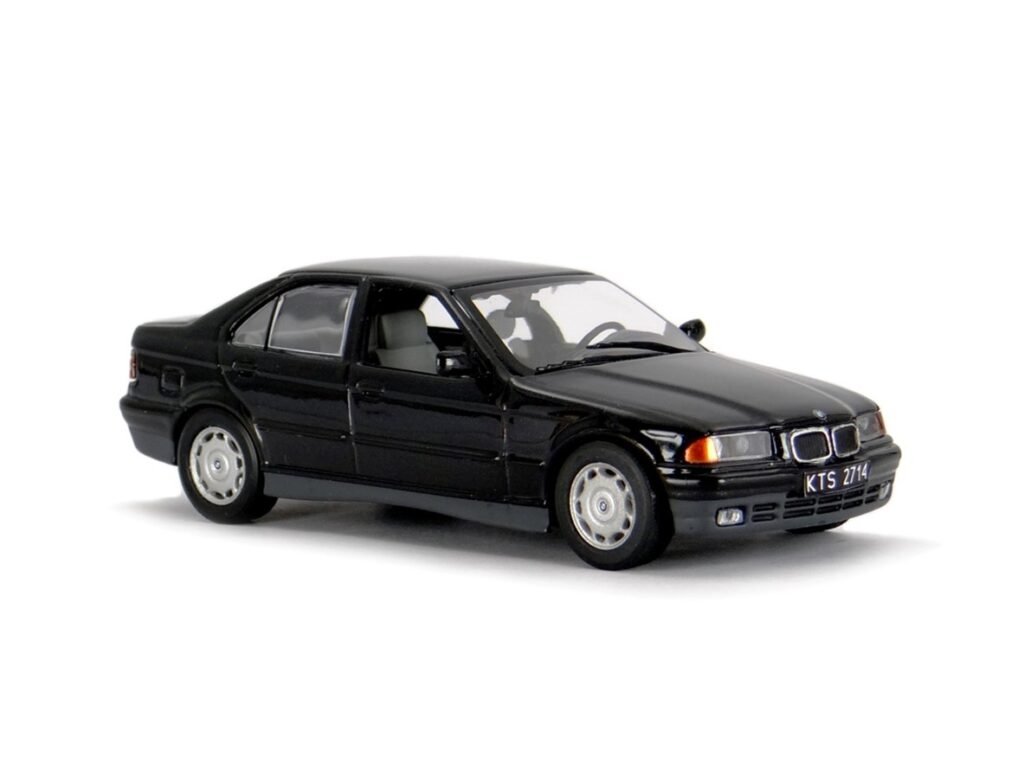
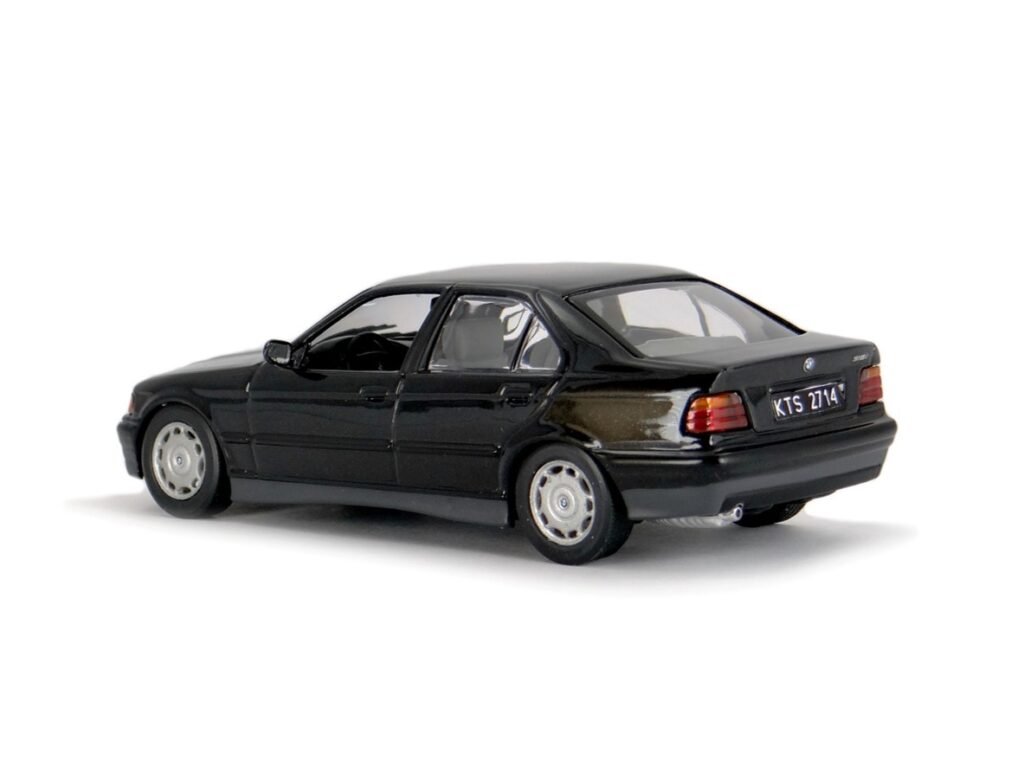
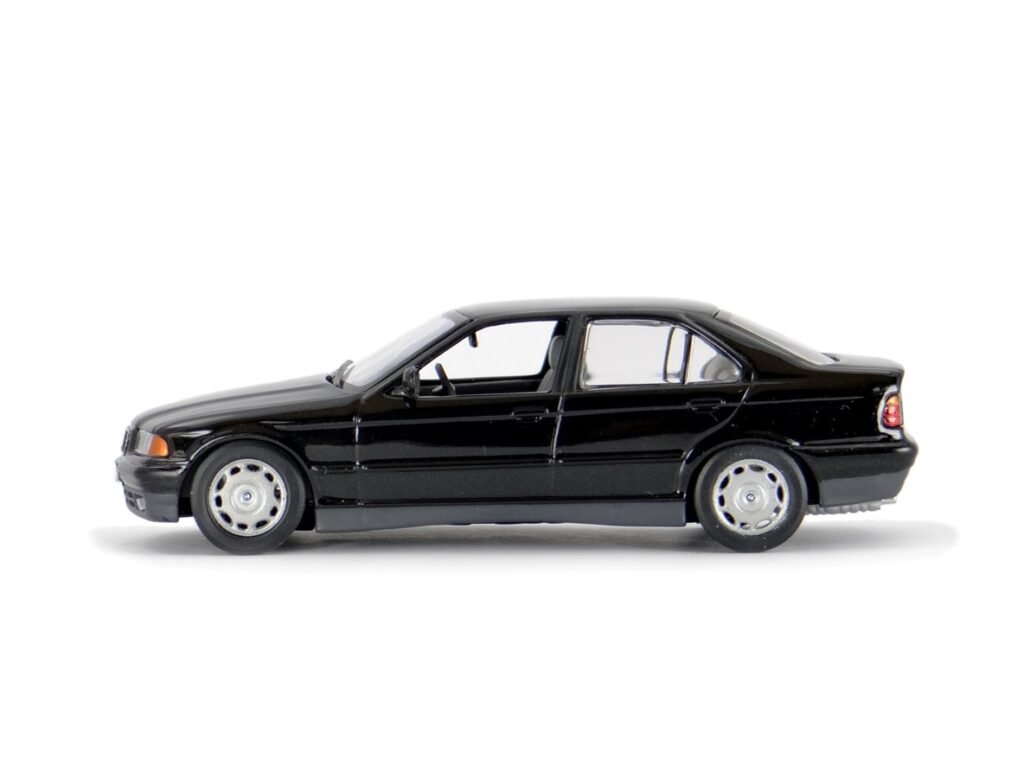
Czarne BMW 318i E36 które widzicie to tak naprawdę “składak”. Nadwozie pochodzi od nowszego modelu Maxichamps, a wnętrze od starszego modelu Minichamps. Wszystkie modele Maxichamps to reedycje starych Minichampsów, niestety pozbawione barwionego wnętrza. Dlatego zamiana wnętrz daje świetny efekt wizualny. Jeśli chodzi o jakość wykonania, to jest typowa dla tego producenta, czyli wysoka. Na dodatek mamy jeszcze czarne polskie blachy, które dodają unikalnego charakteru.
Jak zwykle, zapraszam Was do oglądania zdjęć oraz odwiedzenia MiniAutomobili na Facebooku i Instagramie!
*** ENGLISH ***
The BMW 3 Series has long been regarded as the benchmark compact executive car. It’s hard to imagine motorways or company car parks without it. The third generation, codenamed E36, helped to solidify the model’s position in the market.
The story of the BMW 3 Series began in 1975, when the first generation of the model entered the market, replacing the old 02 Series. The third generation appeared at the end of 1990, although BMW had already started working on it back in 1981! Nine years of intensive development resulted in an incredibly refined car. The progress compared to the previous, archaic generations was enormous. The car quickly became a benchmark in its class. The automotive press quite deservedly raved about the new model, which ushered BMW into a new era.
The design of the BMW 3 Series E36, created by Pinky Lai and Boyke Boyer, caused quite a stir. The round headlights of its predecessors gave way to rectangular light clusters, while the compact body shape set the tone for all subsequent generations of the model. Despite a seemingly angular shape, the whole design was heavily influenced by aerodynamics. The computer assisted design was certainly of huge help in that, as well as in increasing the rigidity of the chassis.
Another important feature of the BMW 3 Series E36 was its rear suspension. The multi-link “Z-axle” design, adopted from the BMW Z1, significantly improved handling. Instead of the oversteer typical for previous generations, the car’s behaviour finally became predictable. For a long time, the E36 3 Series was the best-handling car in its class. In fact, to this day, many consider it the best-balanced generation in the model’s history in this regard.
The improved suspension really brought out what the 3 Series was already famous for; rear-wheel drive and inline-six engines. This was the most desirable set up and BMW offered a whole range of such models. The famous six cylinders were found in the 320i, 323i, 325i, 328i and the sporty M3 petrol models, as well as in the 325td and 325tds diesels. At the lower end of the range were, of course, the four-cylinder models: petrol 316i, 318i/318ti and 318is and the 318tds diesel.
In addition to a wide range of engines, the BMW 3 Series E36 also offered a broad selection of body styles. From the very beginning, a 4-door sedan and a 2-door coupe were available. In 1993, a convertible was introduced, followed in 1994 by an estate version traditionally called the “Touring” by BMW. In the same year, a 3-door hatchback called the “Compact” was also launched, which served as the smallest model in the Bavarian manufacturer’s lineup.
The car offered a unique blend of qualities that were unmatches by its rivals. A lineup tailored to a widespread appeal, technical refinement and the brand’s image acted like a magnet. Unsurprisingly, the 3 Series E36 quickly became BMW’s most popular model. It remained so until the launch of the new generation in 1998.
Later, the car became a victim of its own success. Used examples began to attract fans of tuning, drifting and often illegal street races. For years, it carried a reputation of a car associated with the underworld. However, its fortunes are finally changing. The BMW 3 Series E36 is now beginning to gain the status of a respected classic.
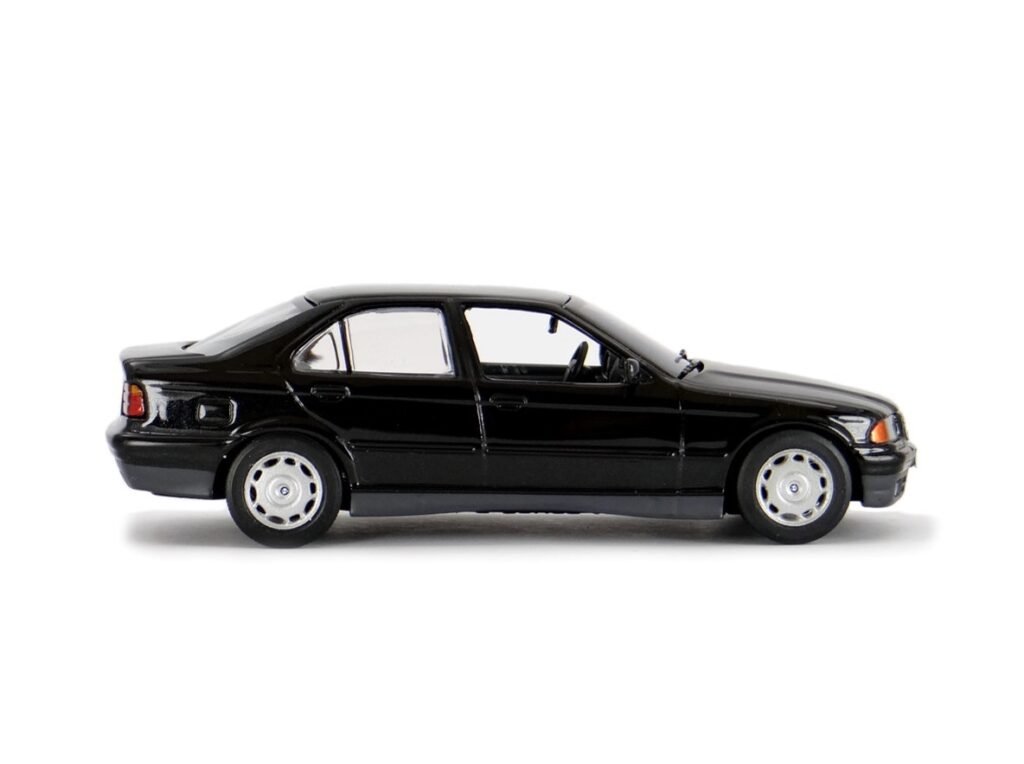
About the miniature – BMW 318i E36
I bought the model at the December model fair in Warsaw from Hubert of Miniaturowa Strona Motoryzacji. The purchase—just like the meeting itself—was completely unplanned. After taking a closer look at the miniature, I became convinced that Hubert’s modifications were spot on and that the model was worth having. So, the first BMW in my collection became a reality!
The black BMW 318i E36 you see is actually a “hybrid” model. The body comes from a newer Maxichamps model, while the interior is from an older Minichamps version. All Maxichamps models are reissues of older Minichamps ones, but unfortunately they lack colored interiors. That’s why swapping the interiors creates a great visual effect.
As for build quality, it’s typically high for this manufacture. On top of that, the model features black Polish license plates, which certainly add a unique character.
As always, feel free to check out the images and also visit MiniAutomobile on Facebook and Instagram!