

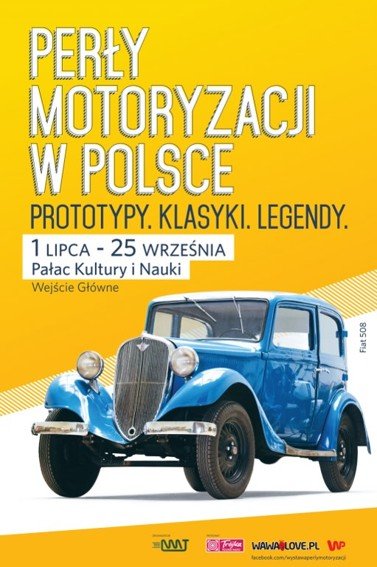
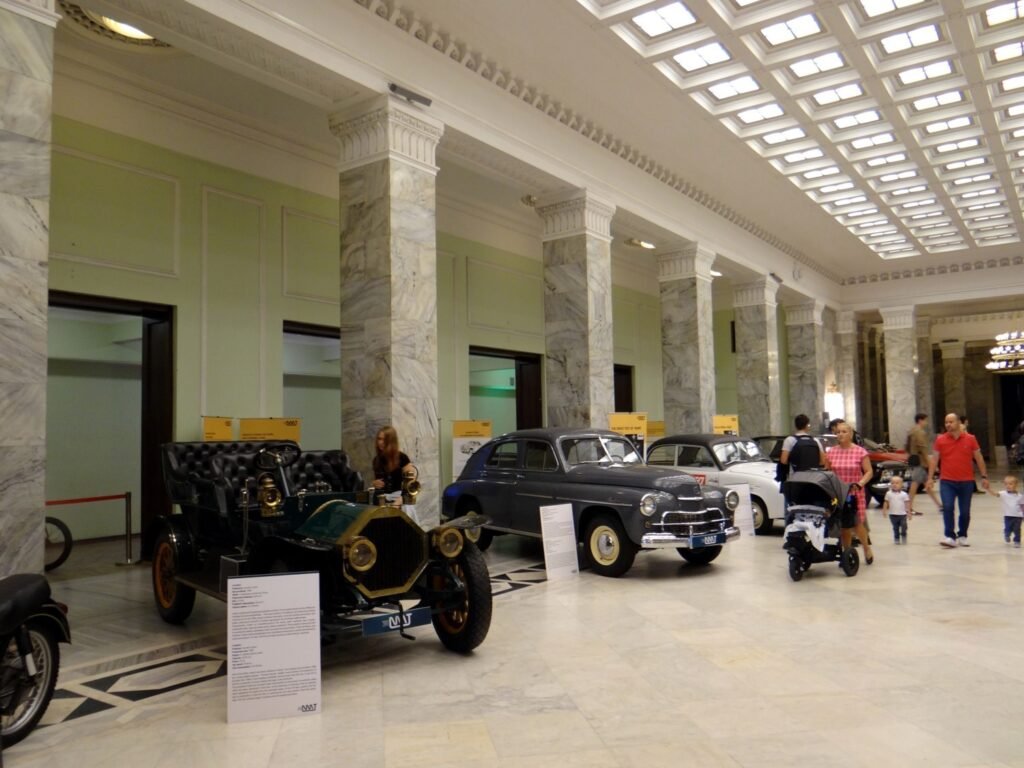
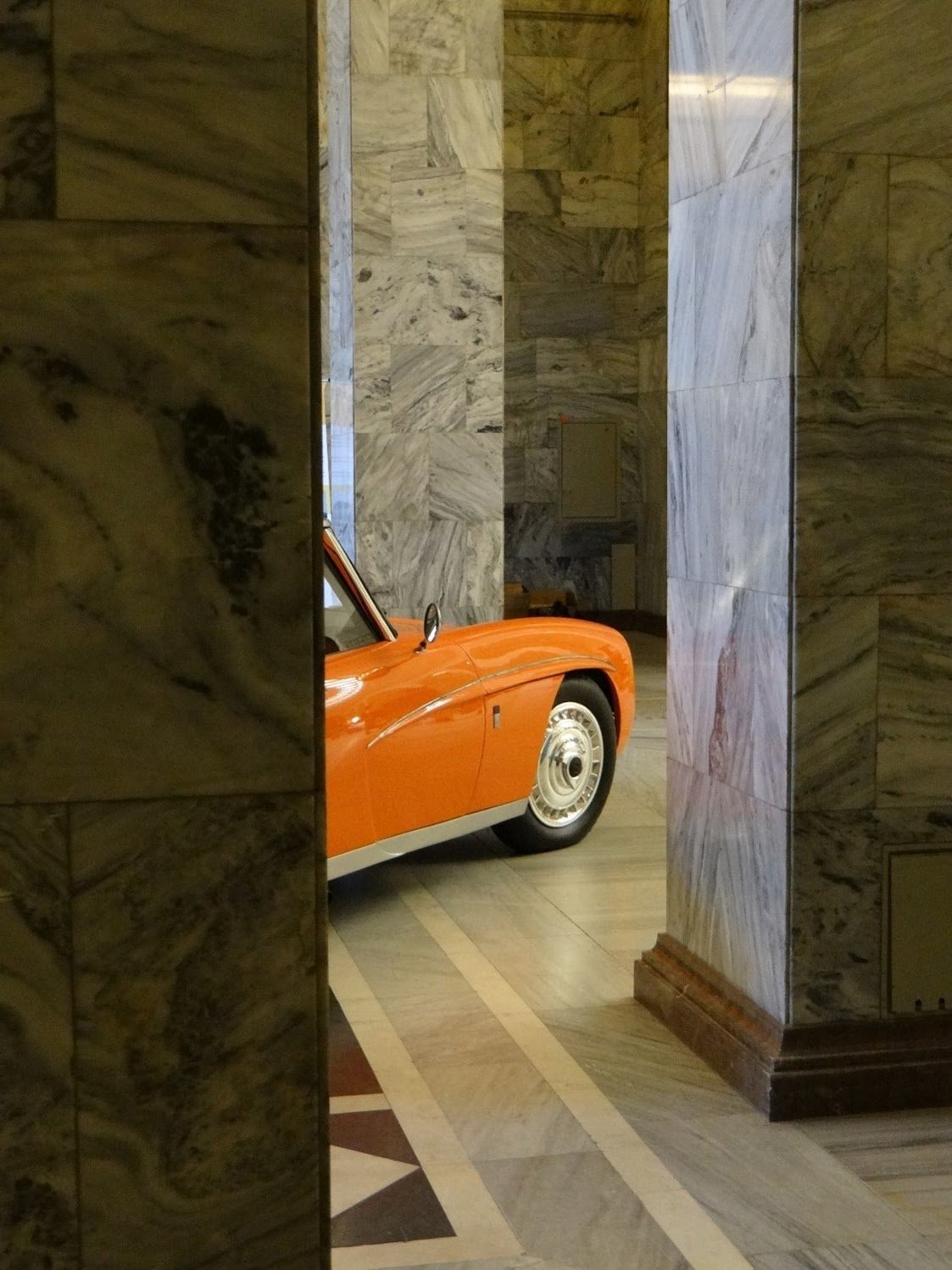
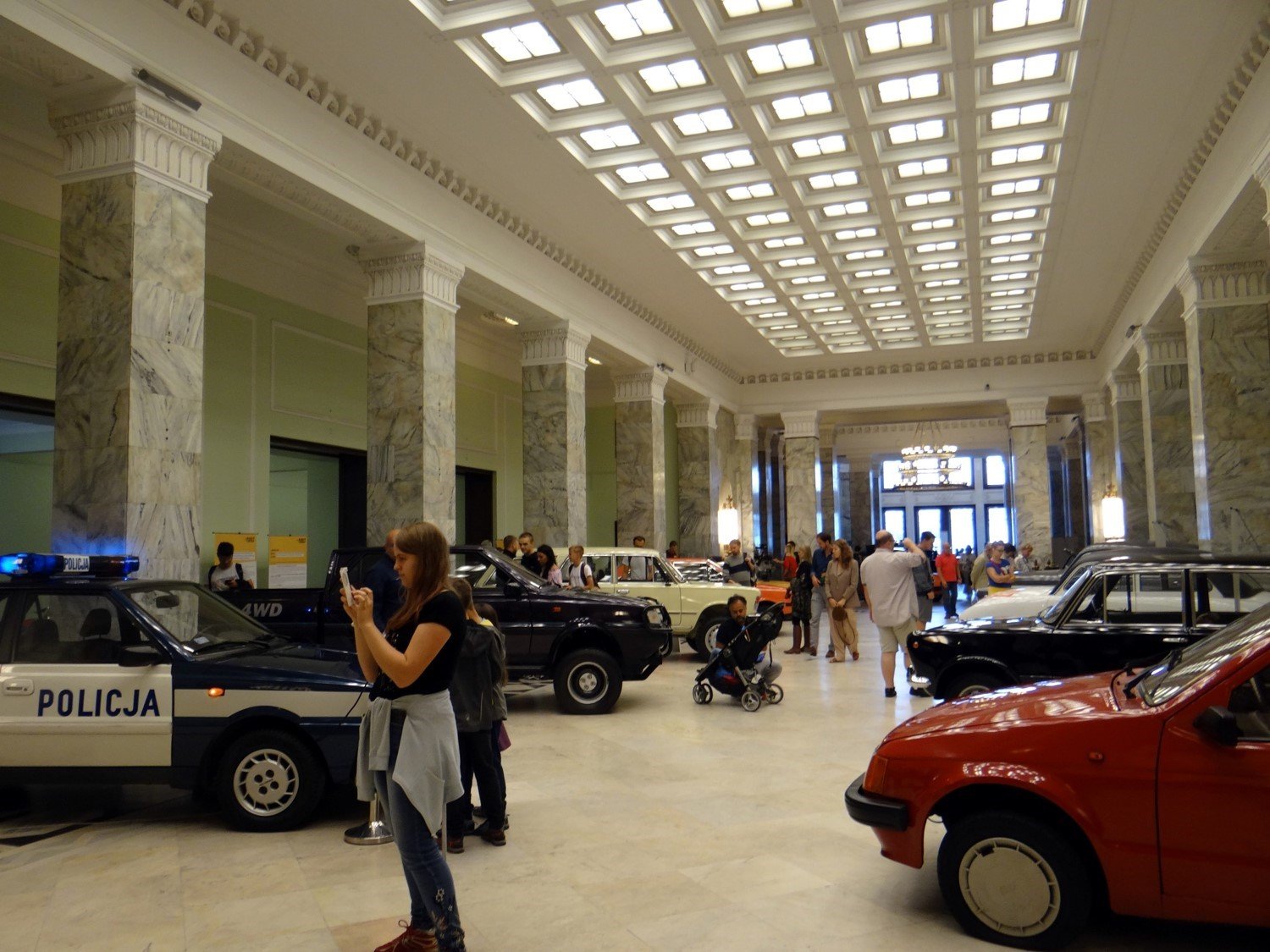
Po wojażach do Brukseli nadeszła pora na znacznie bliższy kierunek. Tym razem na celowniku pojawiła się Warszawa i wystawa „Perły polskiej motoryzacji”, zorganizowana w Pałacu Kultury i Nauki. Wybór lokalizacji to absolutny strzał w dziesiątkę. Marmury i kryształowe żyrandole Sali Ratuszowej tworzą niepowtarzalny klimat i wyśmienite tło dla blisko 40 eksponatów. Z jednej strony oczy zwiedzających ucieszą pięknie odrestaurowane Polskie Fiaty i Syreny niegdyś królujące na polskich drogach. Z drugiej Wars, Beskid czy legendarna Syrena Sport– wspaniałe prototypy, pomniki polskiej myśli inżynierskiej, które nigdy nie doczekały się seryjnej produkcji. Dla fanów jednośladów z kolei, przygotowano kultowy skuter Osa oraz motocykle Junak czy Sokół. Sporą zaletą wystawy jest jej interaktywność. Do kilku pojazdów można było wsiąść a w policyjnym Polonezie włączyć całe oświetlenie. Dzięki tej wystawie naprawdę można przenieść się w czasie i powspominać, niestety już zamknięty, rozdział polskiej motoryzacji. Wystawę polecam każdemu, jednak czasu do zwiedzania zostało niewiele. Koniec już 25 września.
*** ENGLISH ***
After travels to Brussels, the time has come for a much closer destination. This time Warsaw was the target and “The Automotive Jewels of Poland” exhibition, organised in the Palace of Science and Culture. The choice of the venue is absolutely spot on. Marble and crystal chandeliers of the City Hall create a unique atmosphere and a fabulous background for ca. 40 exhibits. From one side, eyes of the visitors are pleased by beautifully renovated Polski Fiats and Syrenas, which once reigned on Polish roads. From the other by Wars, Beskid or the legendary Syrena Sport – amazing prototypes, statues of Polish engineering ideas, that never made it into production. For the fans of two-wheeled vehicles, a cult Osa scooter and Junak and Sokół motorcycles were prepared. A real asset of this exhibition is its interactivity. You could go inside a few vehicles and play around with the lighting of the police Polonez. Thanks to this exhibition you can really travel back in time and reminisce the sadly closed chapter of Polish automotive industry. I recommend the exhibition to everyone, however not much time is left to visit. It finishes on 25th September.
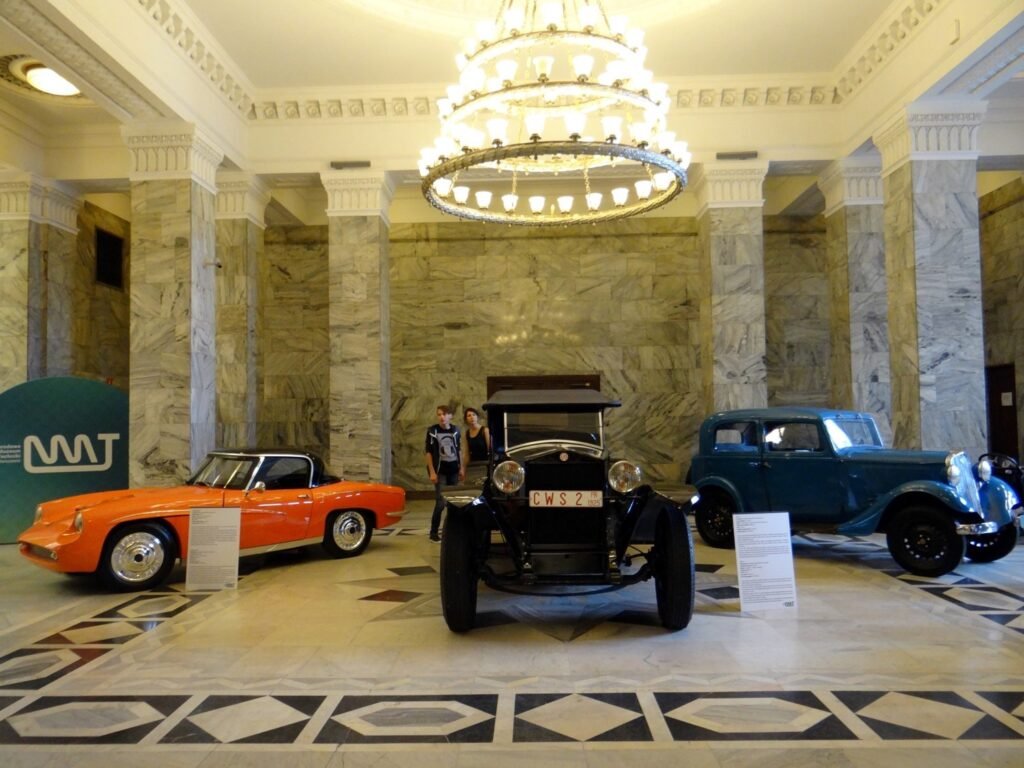
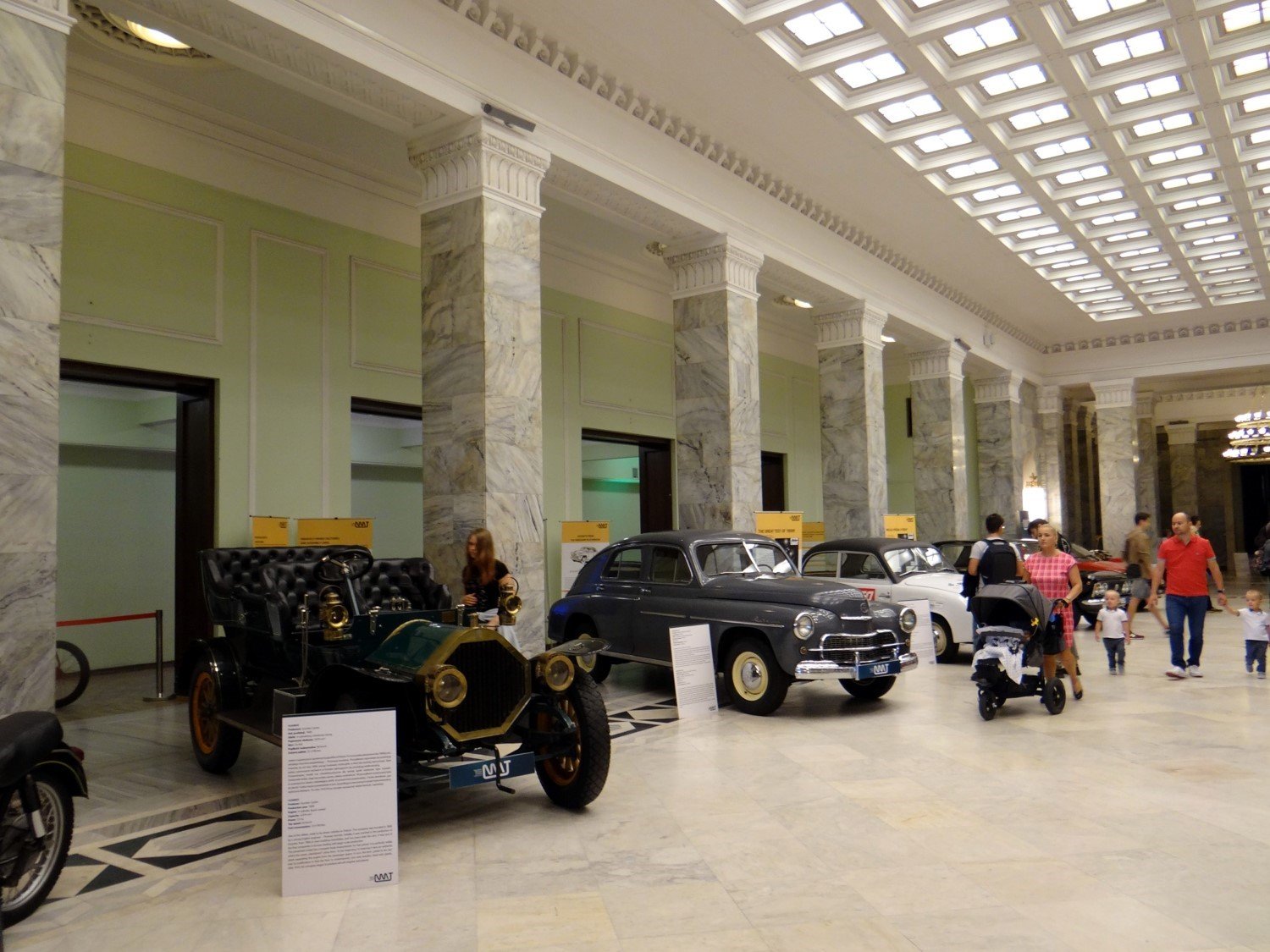
Guests are welcomed by (from the left): Syrena Sport, CWS 1 and Polski Fiat 508
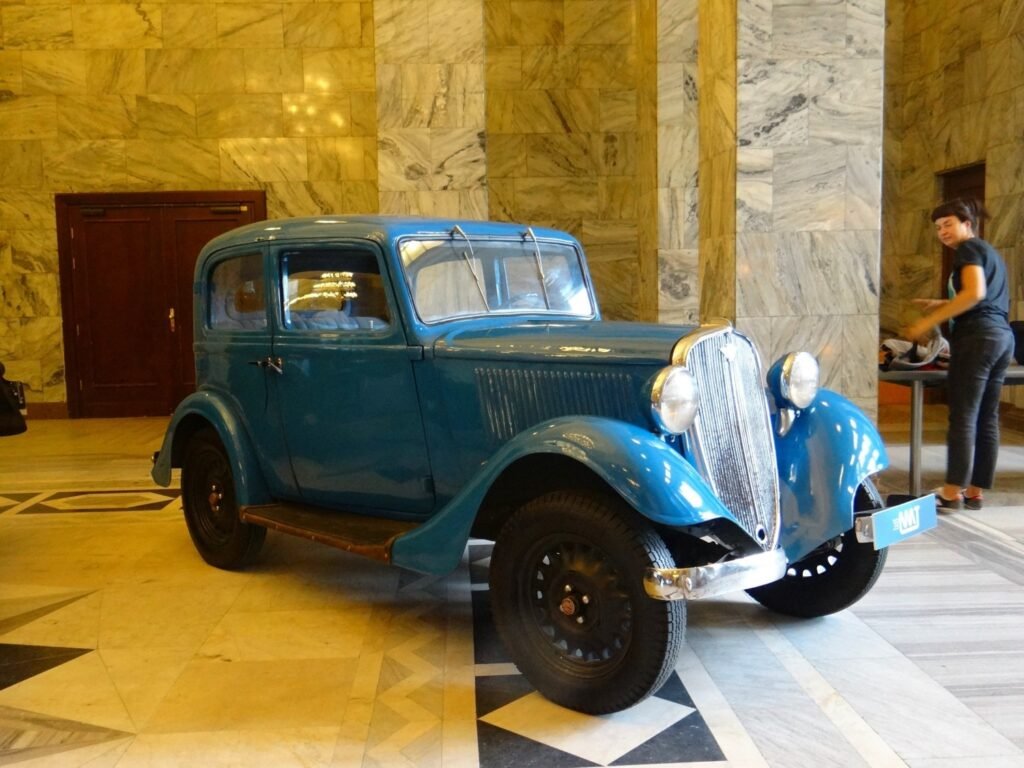
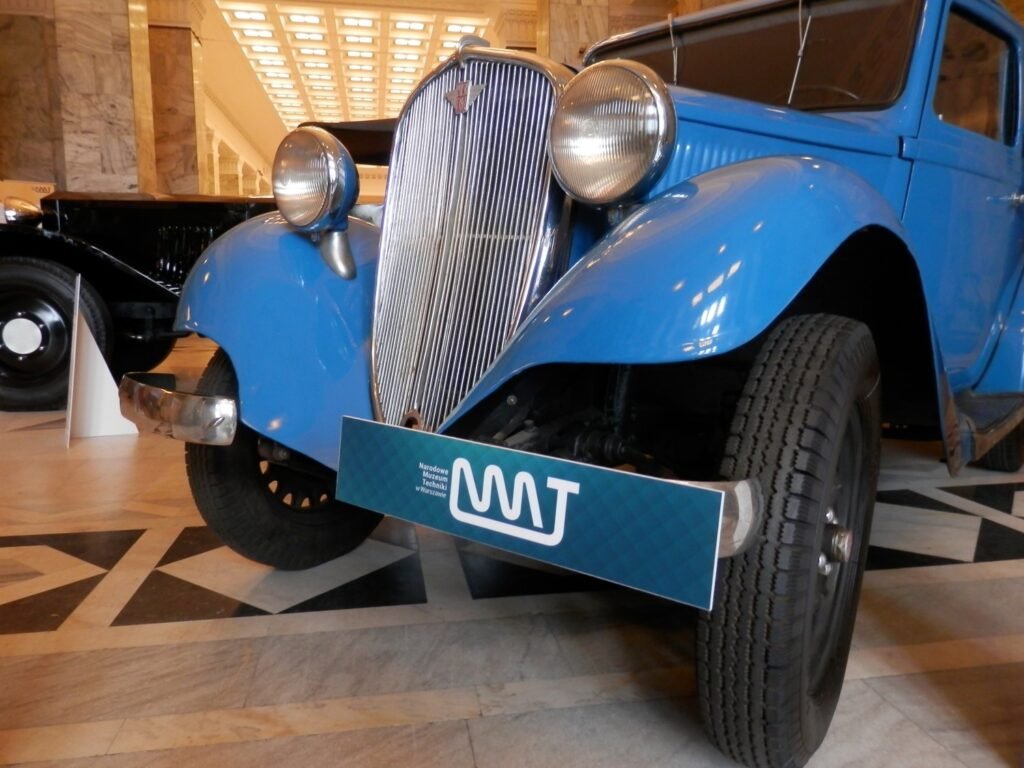
Polski Fiat 508 – production of the car on Fiat’s license began already in 1932.
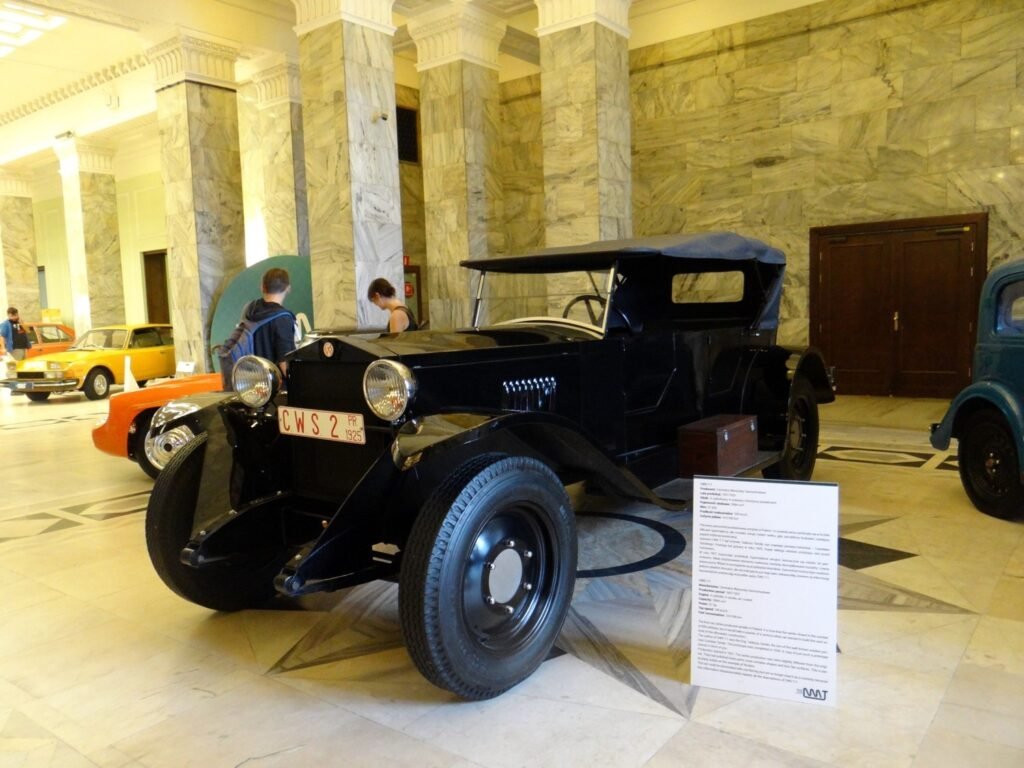
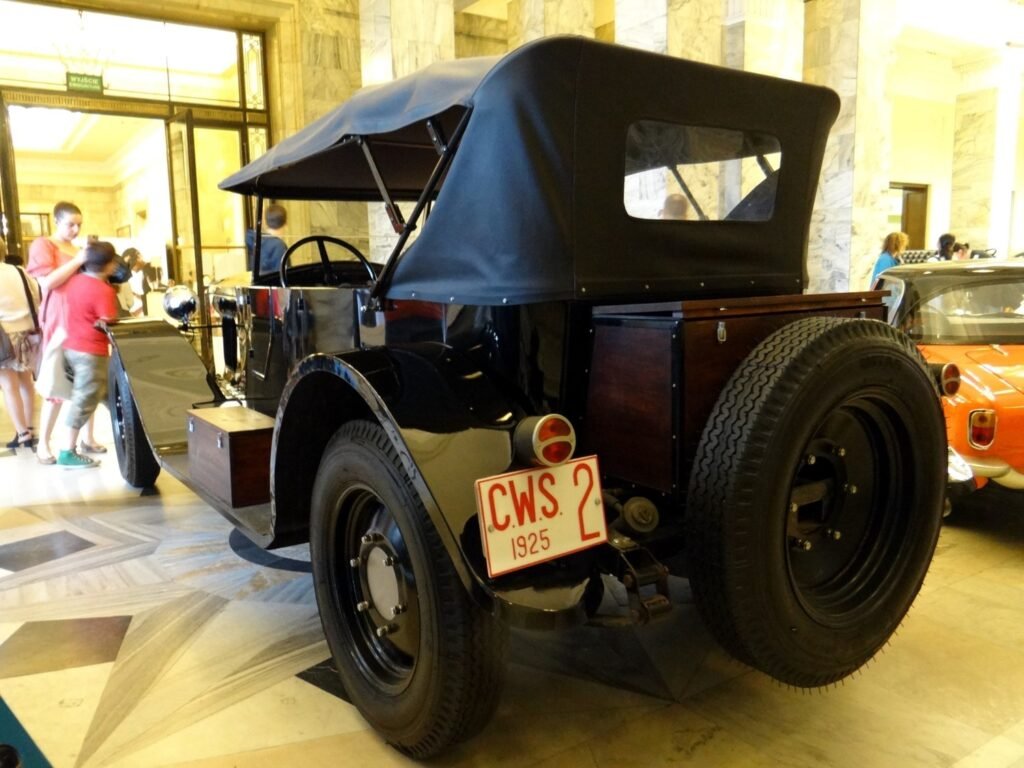
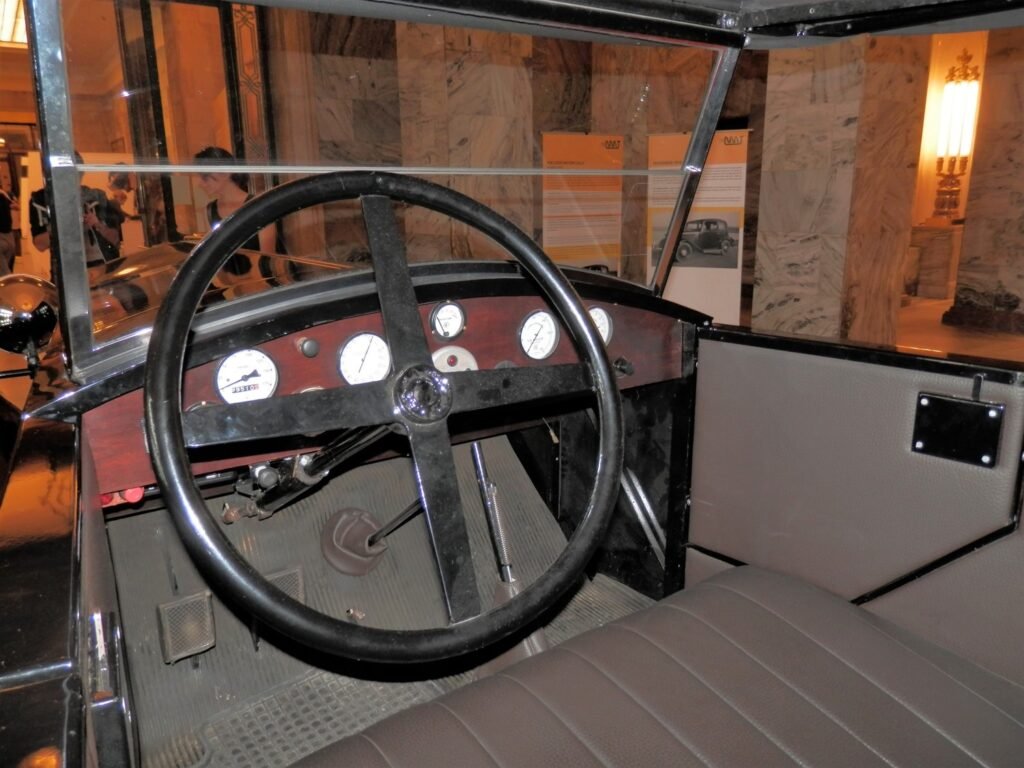
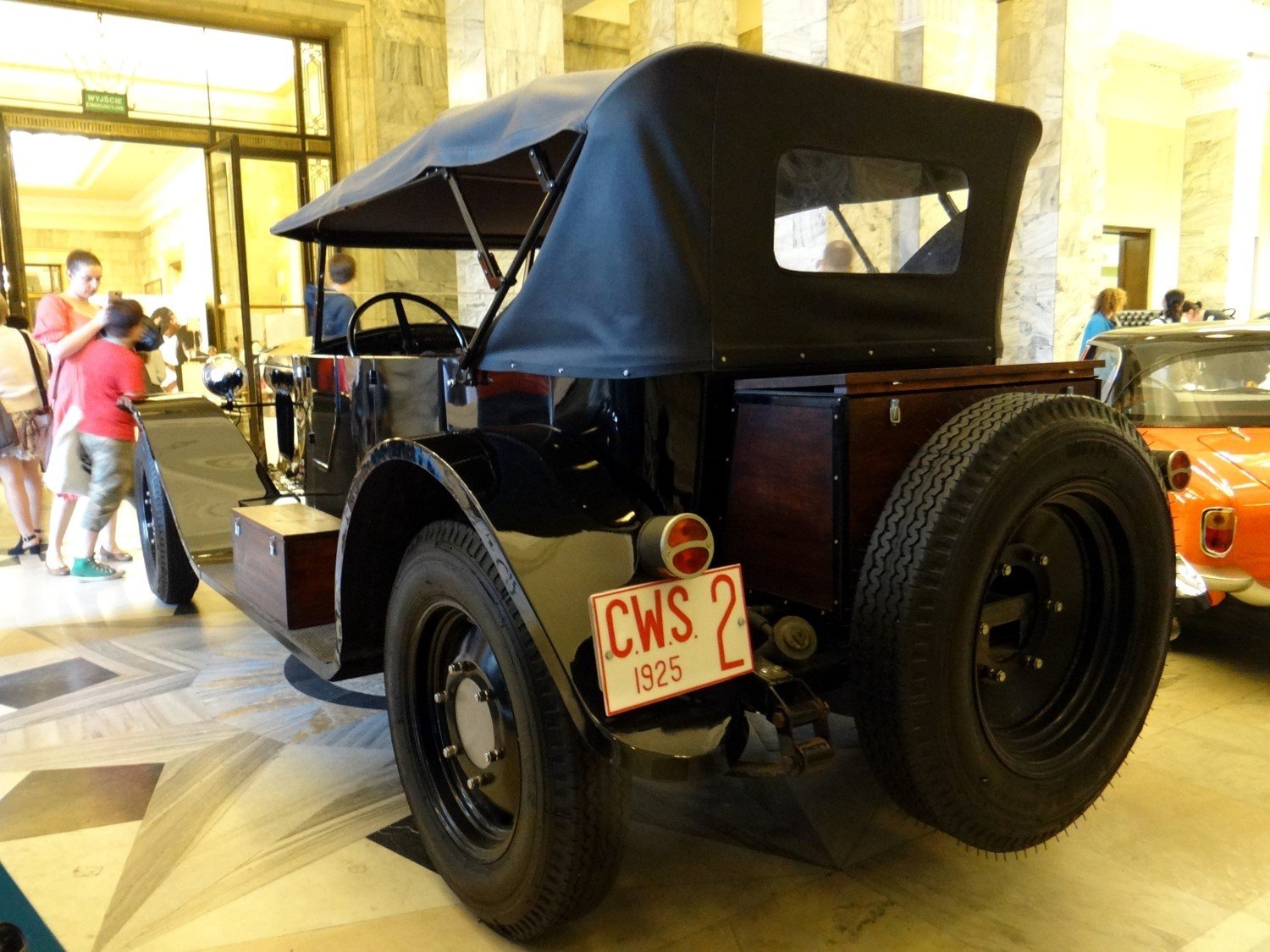
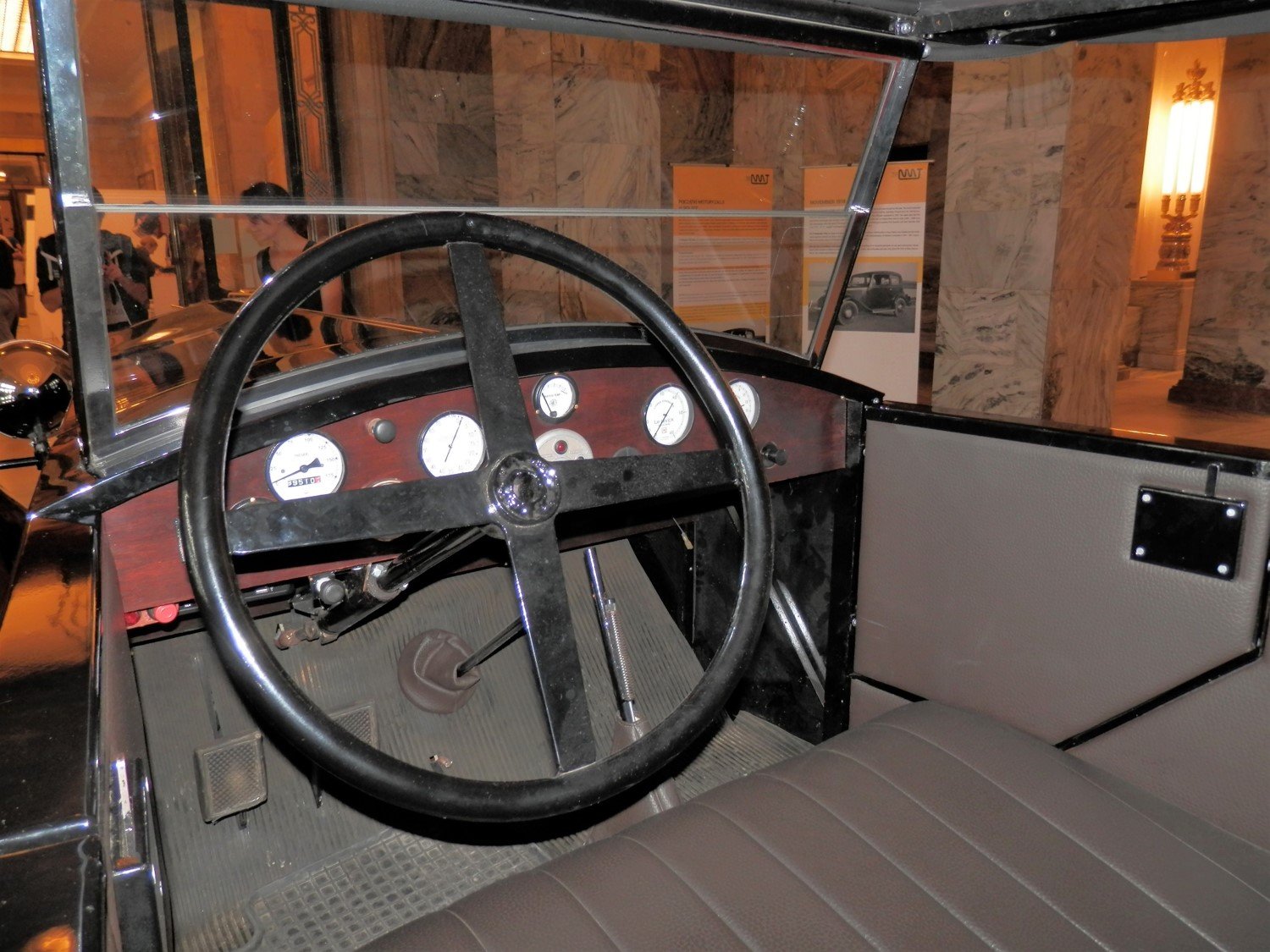
CWS T-1: The first serially produced Polish car. In the years 1927-1931 ca.800 units were made. The pictured model is a replica.
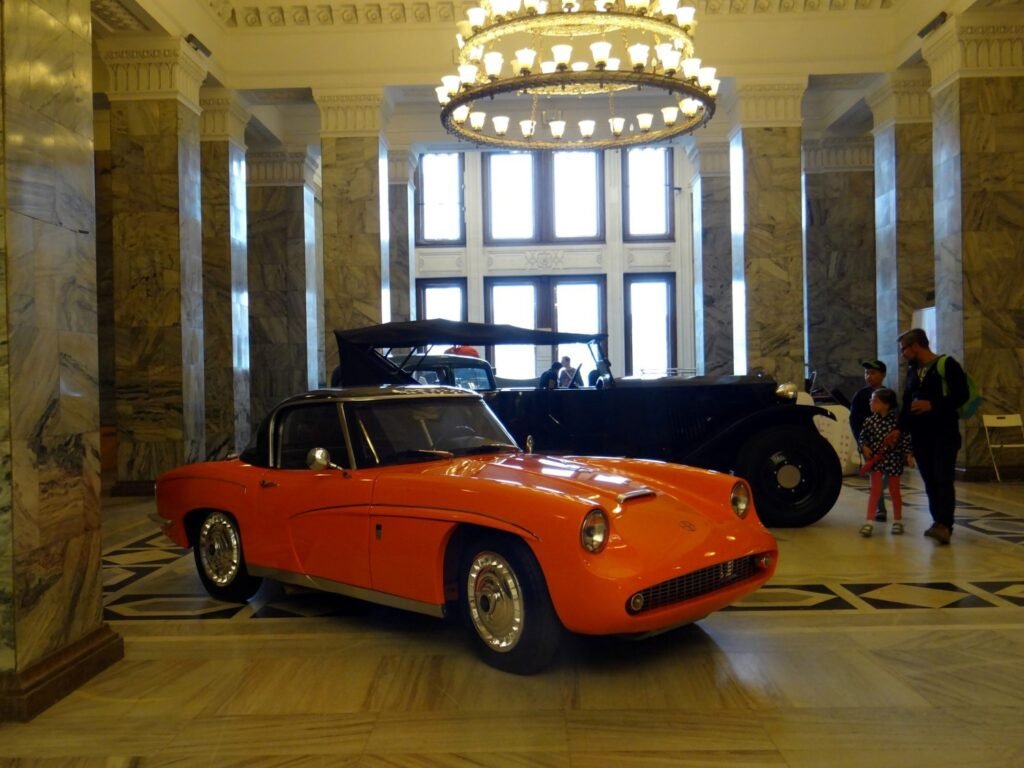
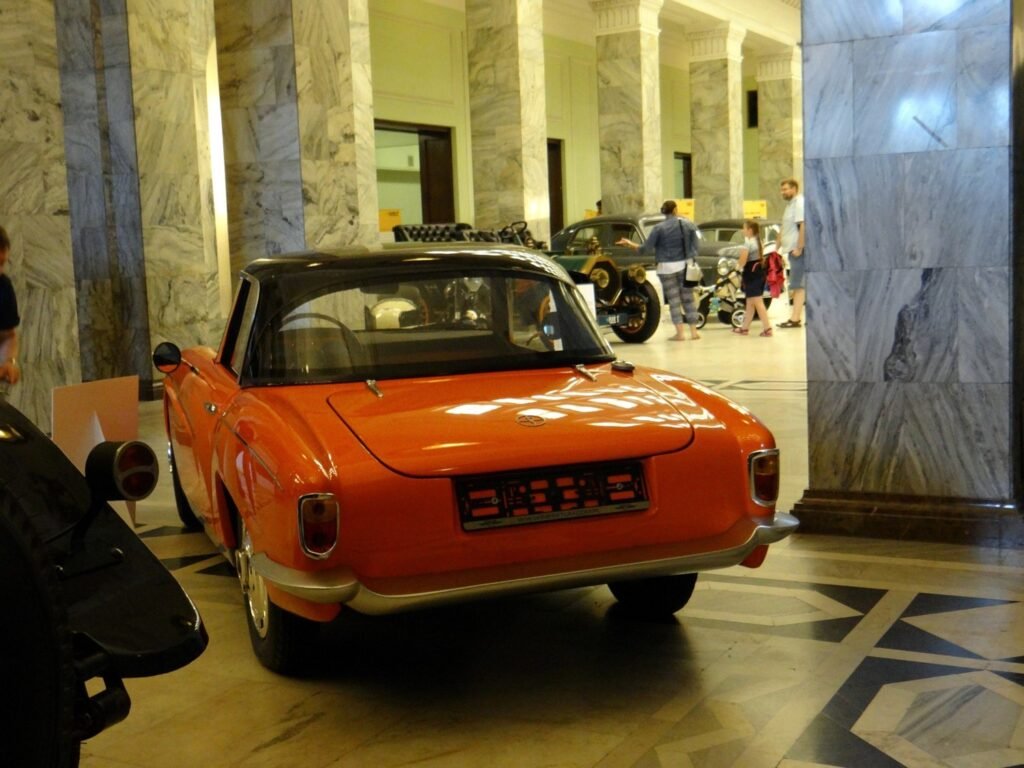
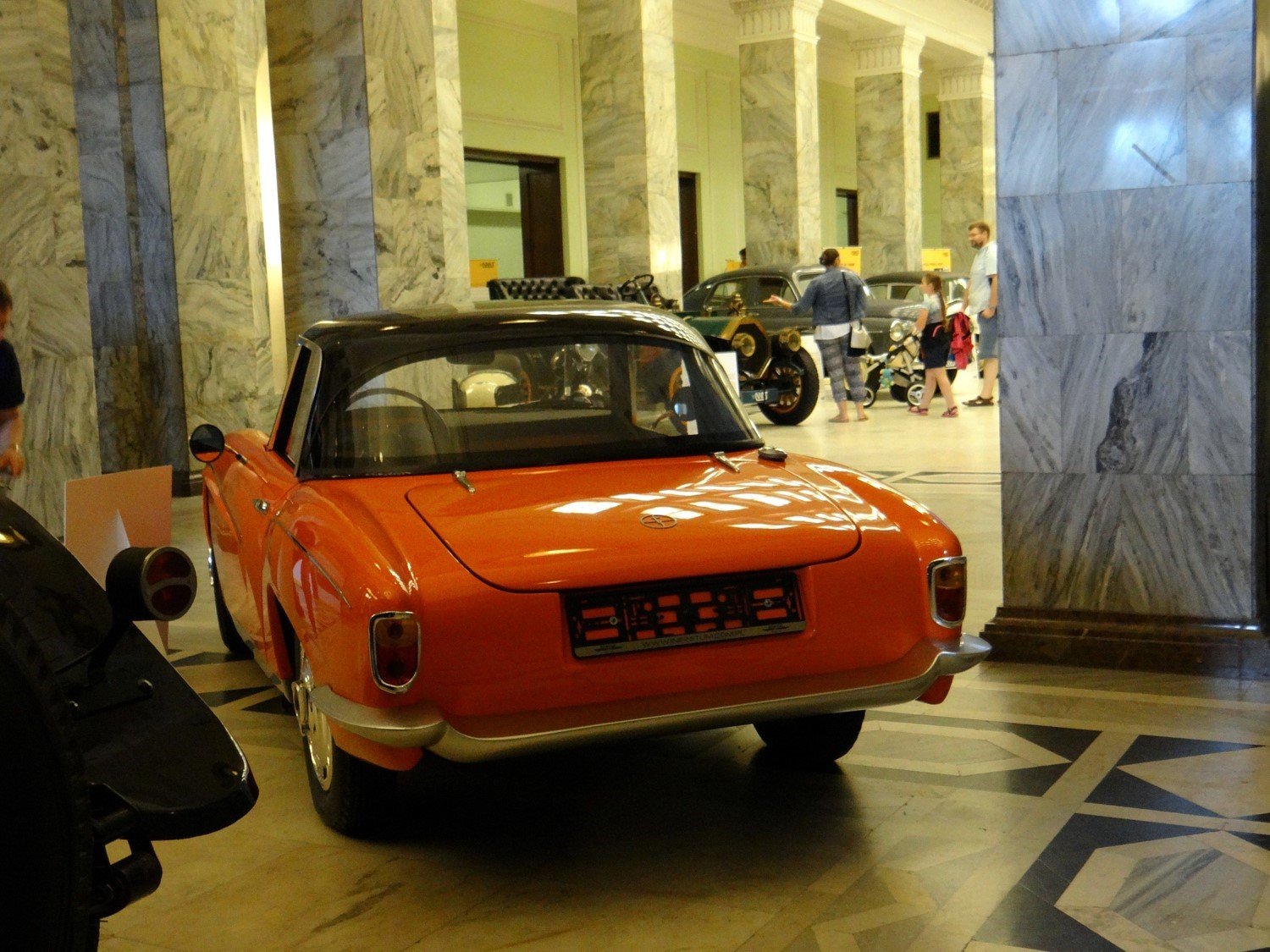
Syren Sport. Announced by Western media as the “prettiest car from behind the Iron curtain”. Never left the prototype stage and the only model made was destroyed.
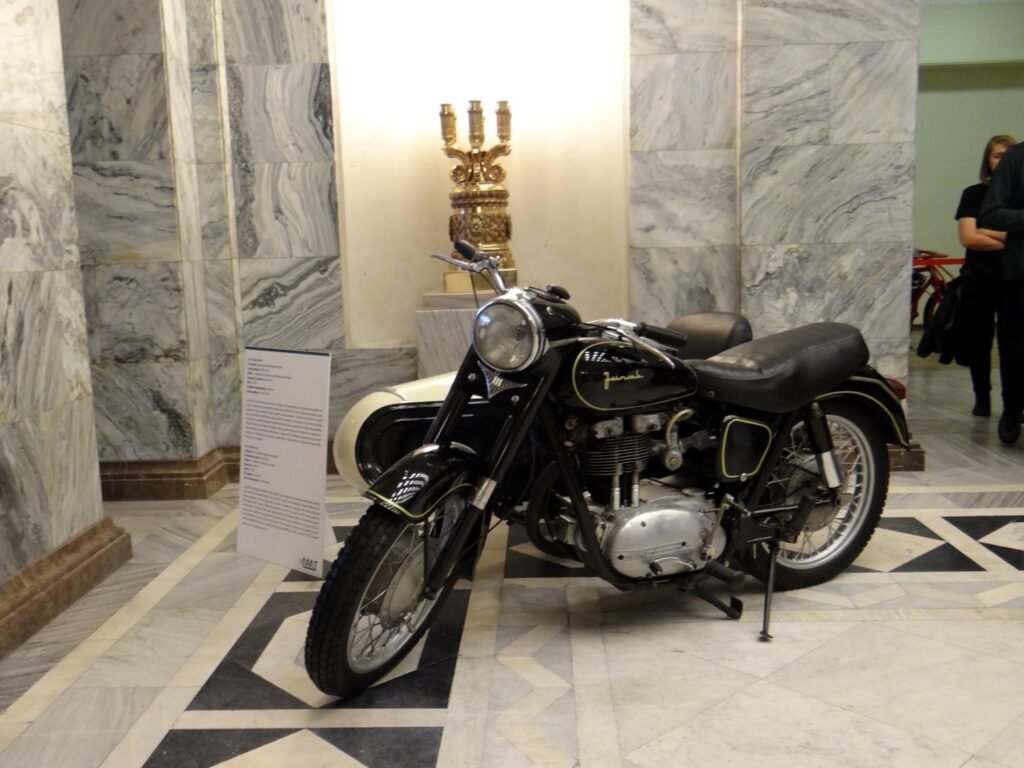
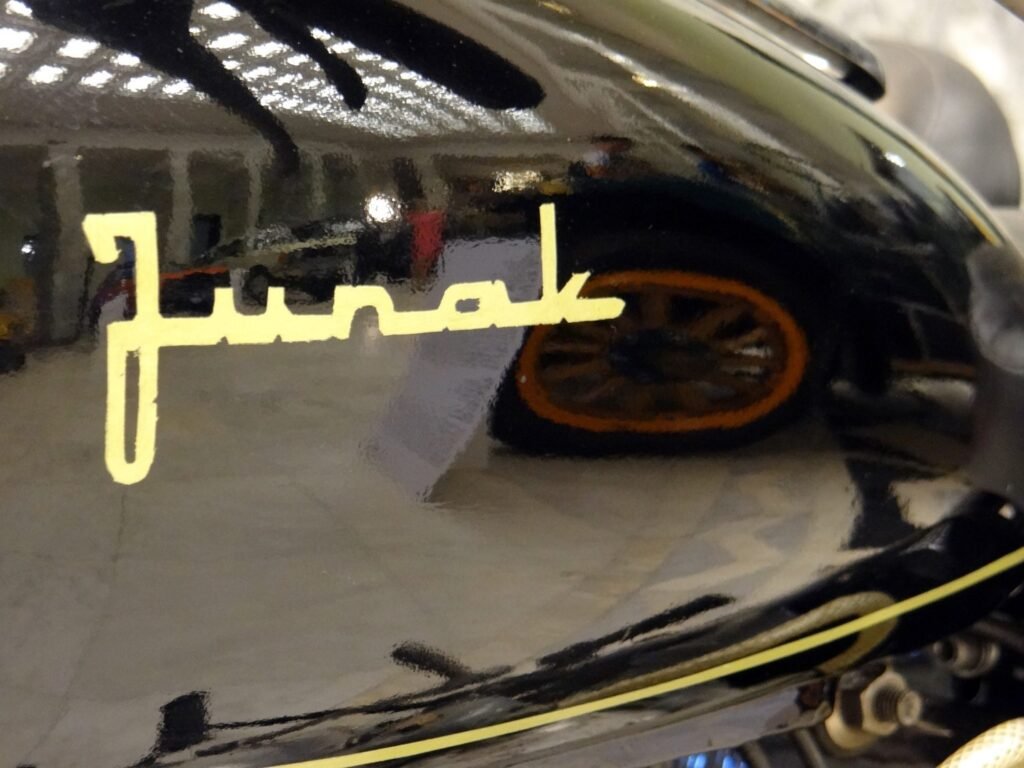
SFM Junak – the only Polish motorcycle with a four-stroke engine.
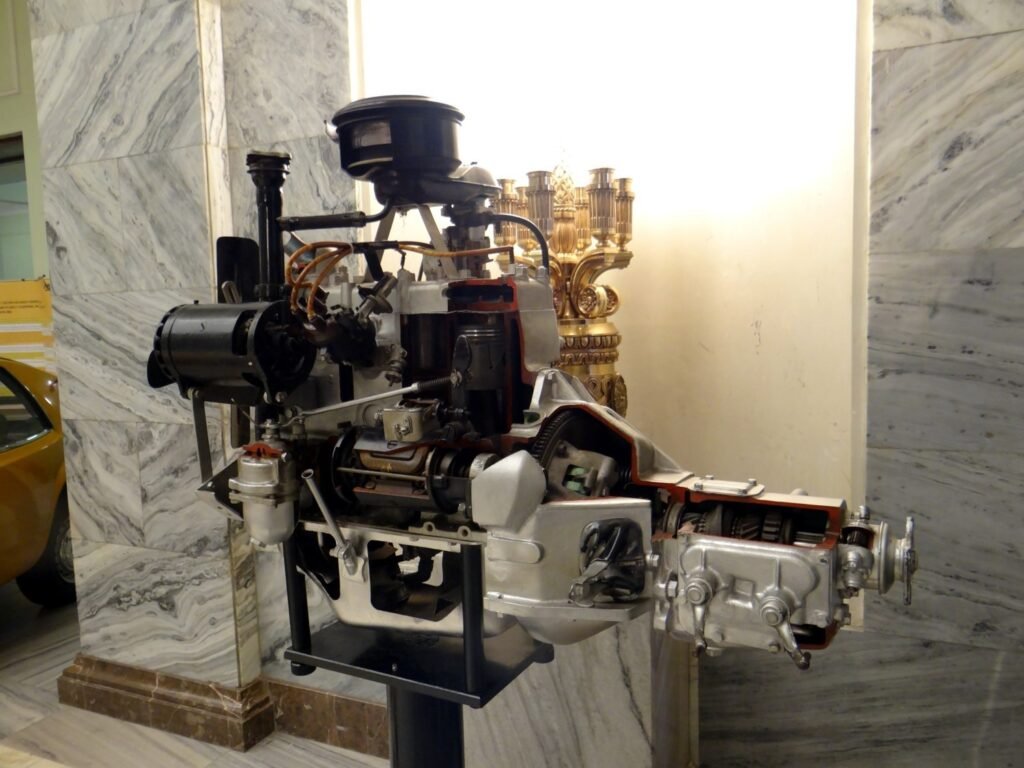
The iconic M-20 engine. Used in many Polish cars.
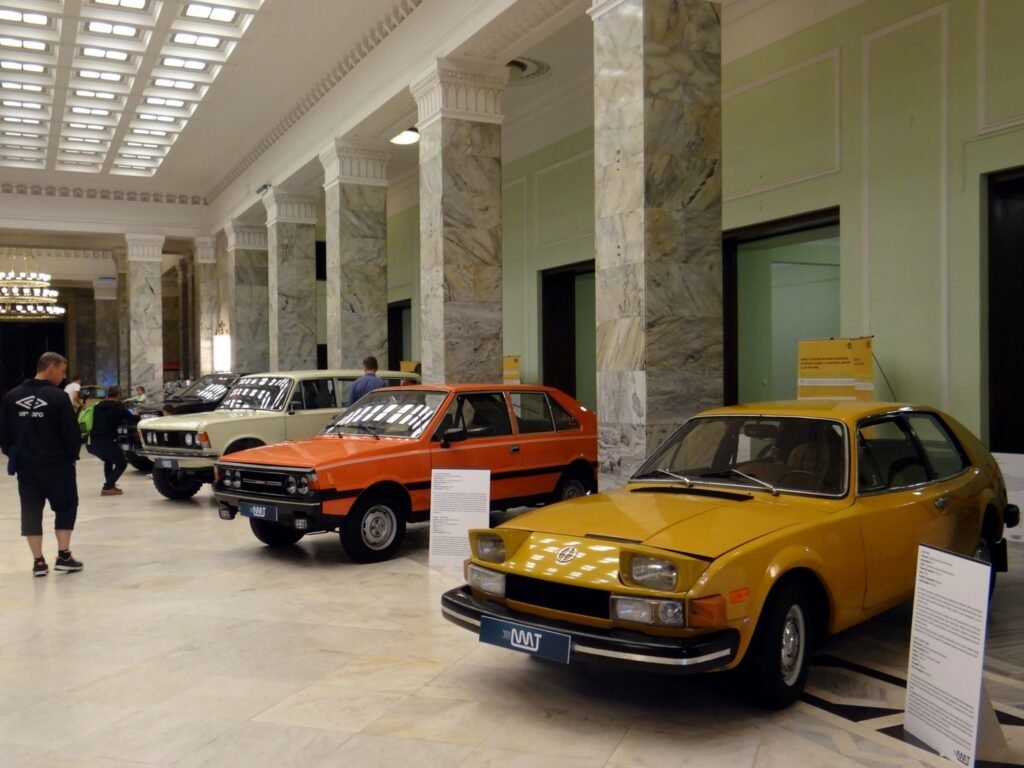
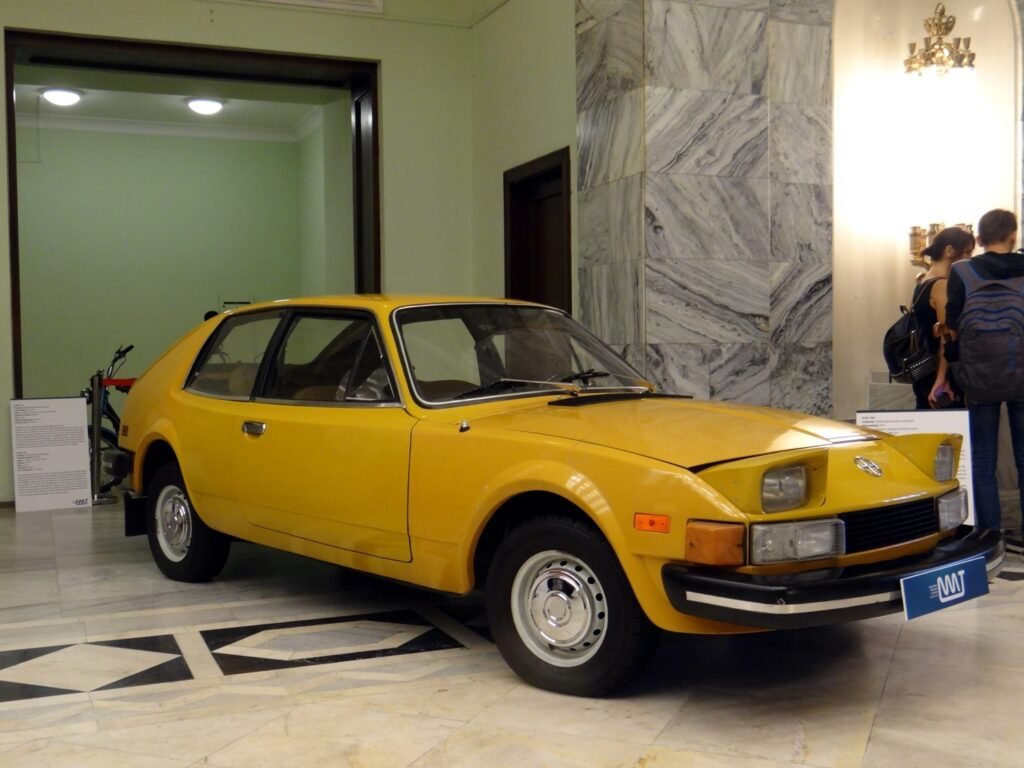
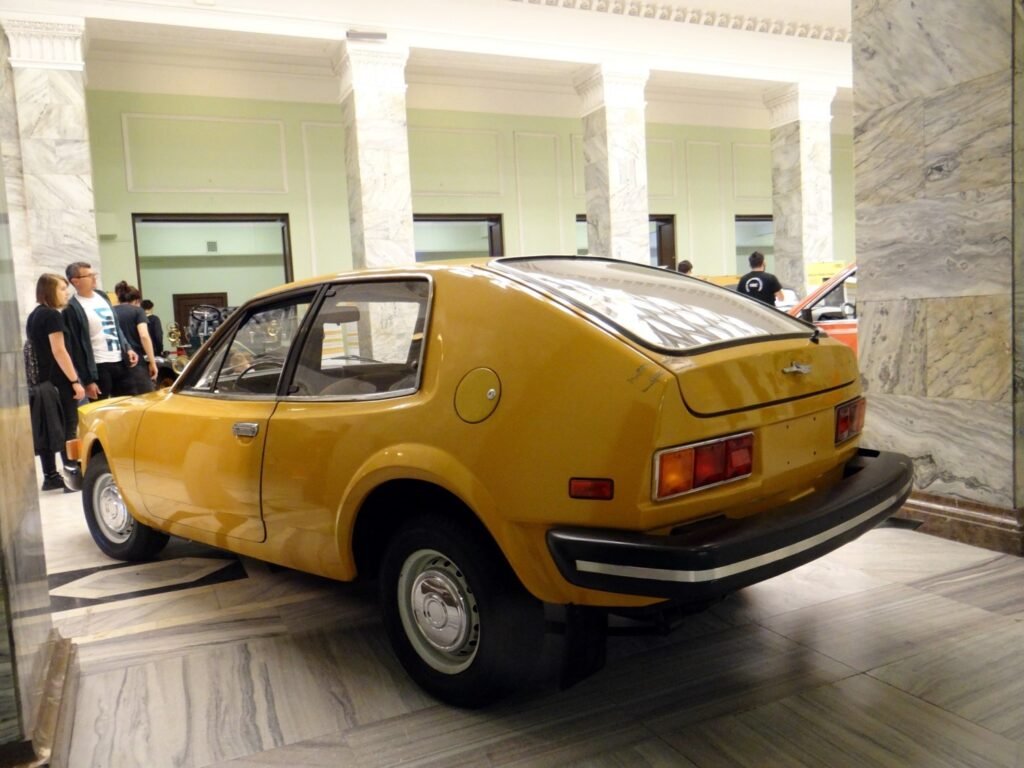
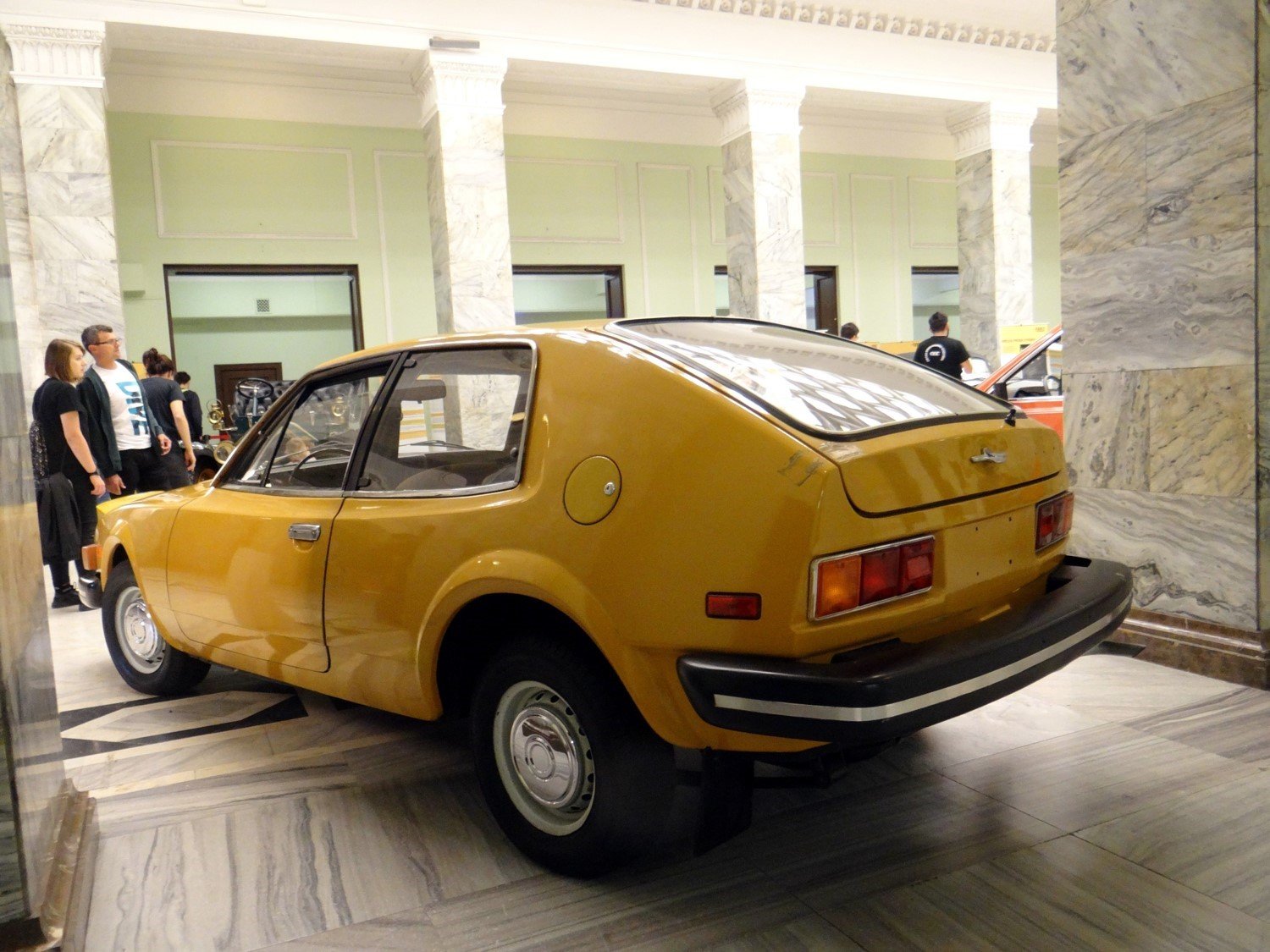
FSO Ogar – this prototype had no chances to be produced. Huge bumpers were installed with the intention of meeting safety norms in the USA.
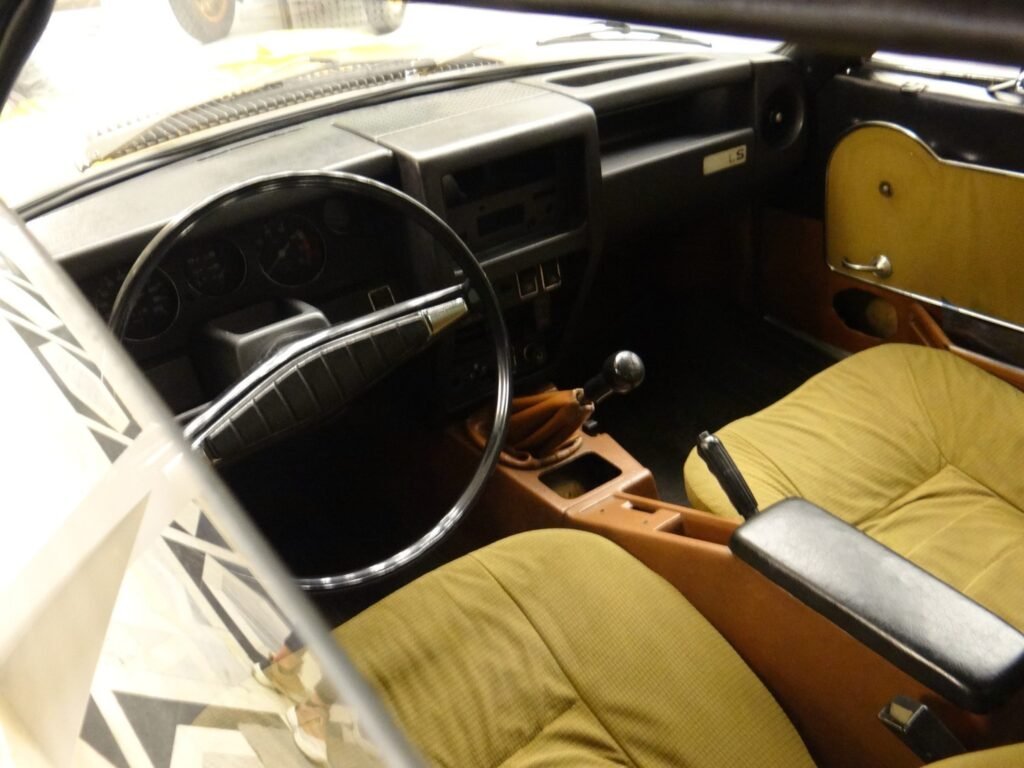
FSO Ogar – dashboard
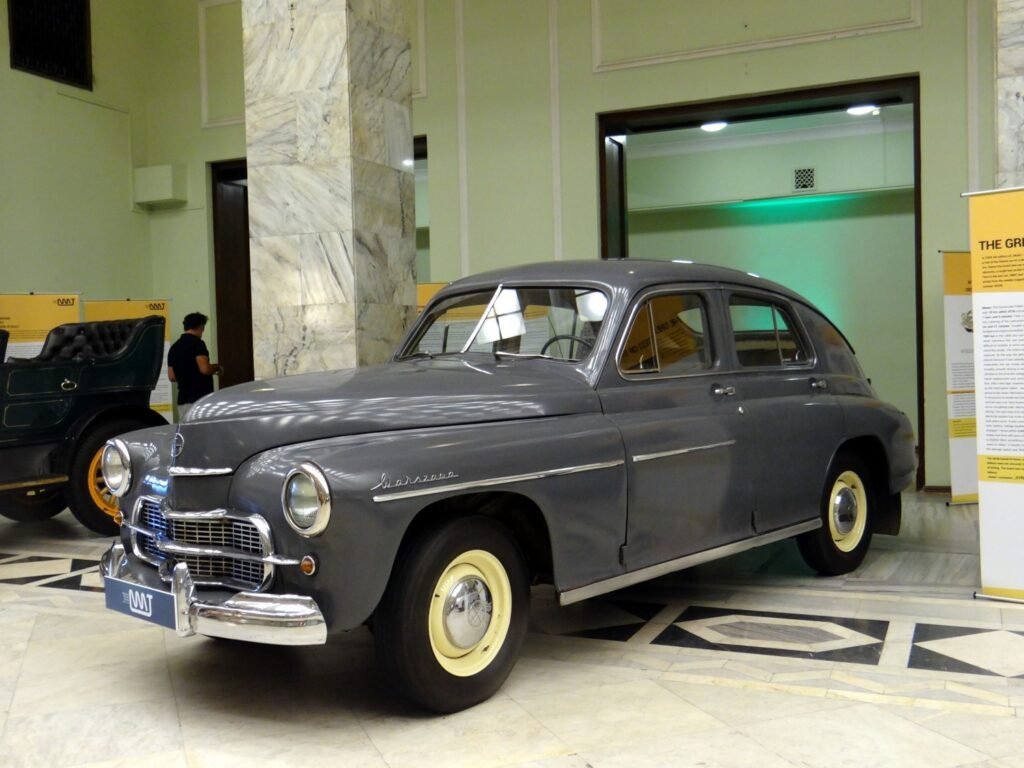
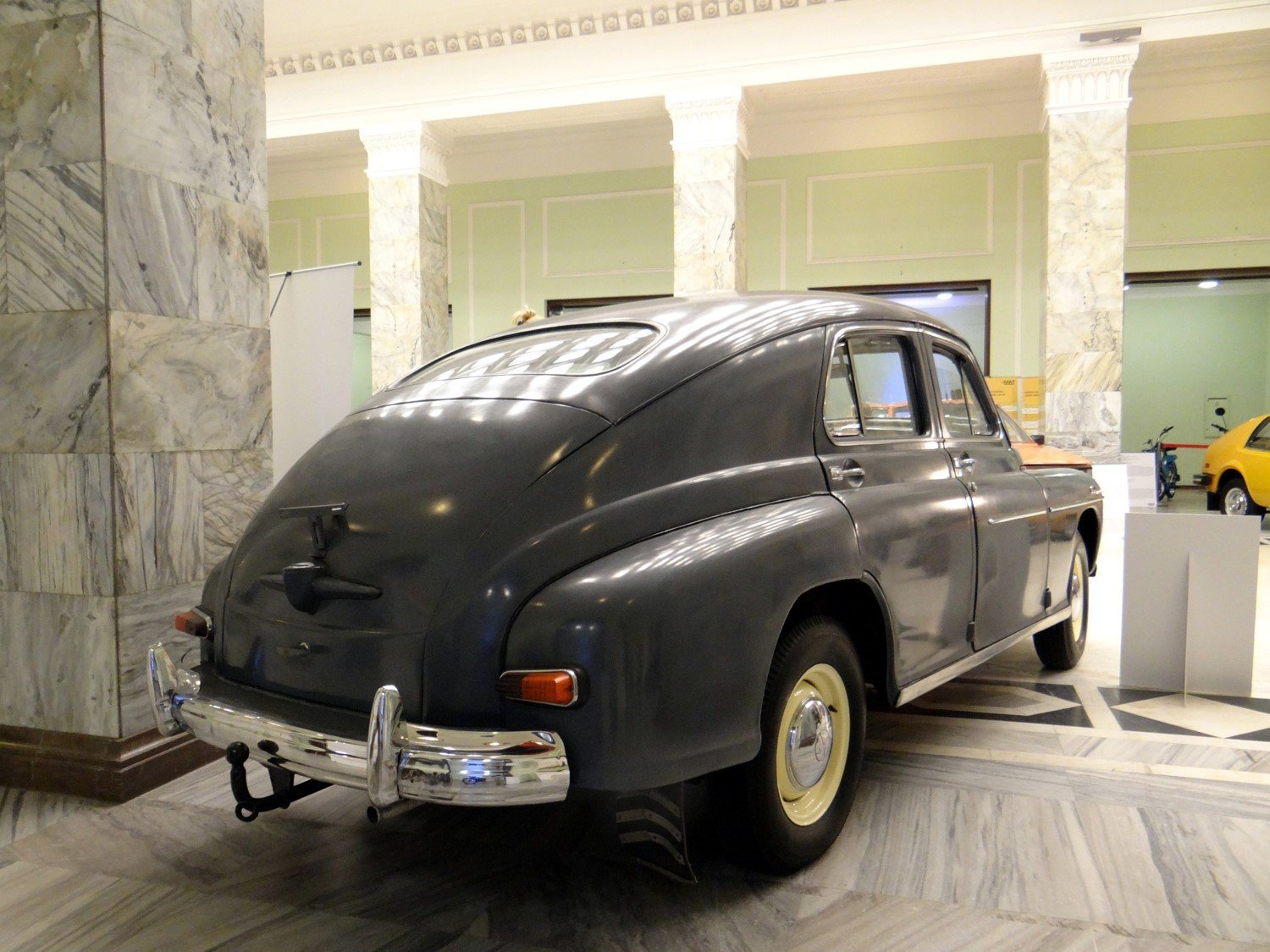
No need to introduce this to Polish car fans. Warszawa – the first car produced in post-war Poland.
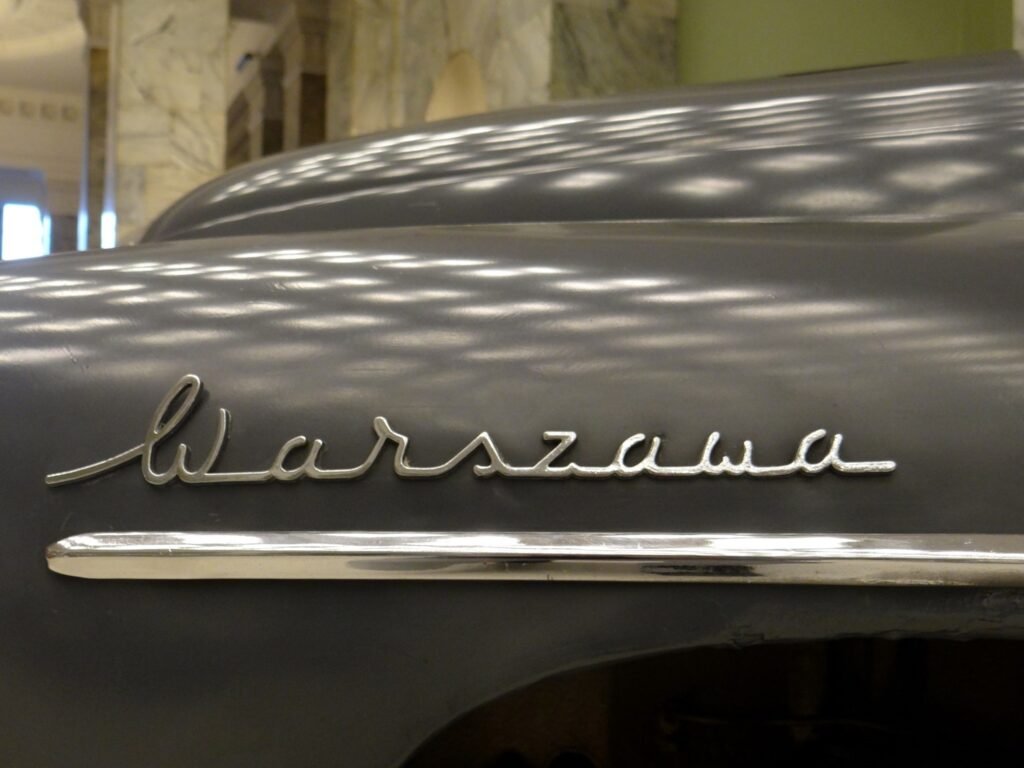
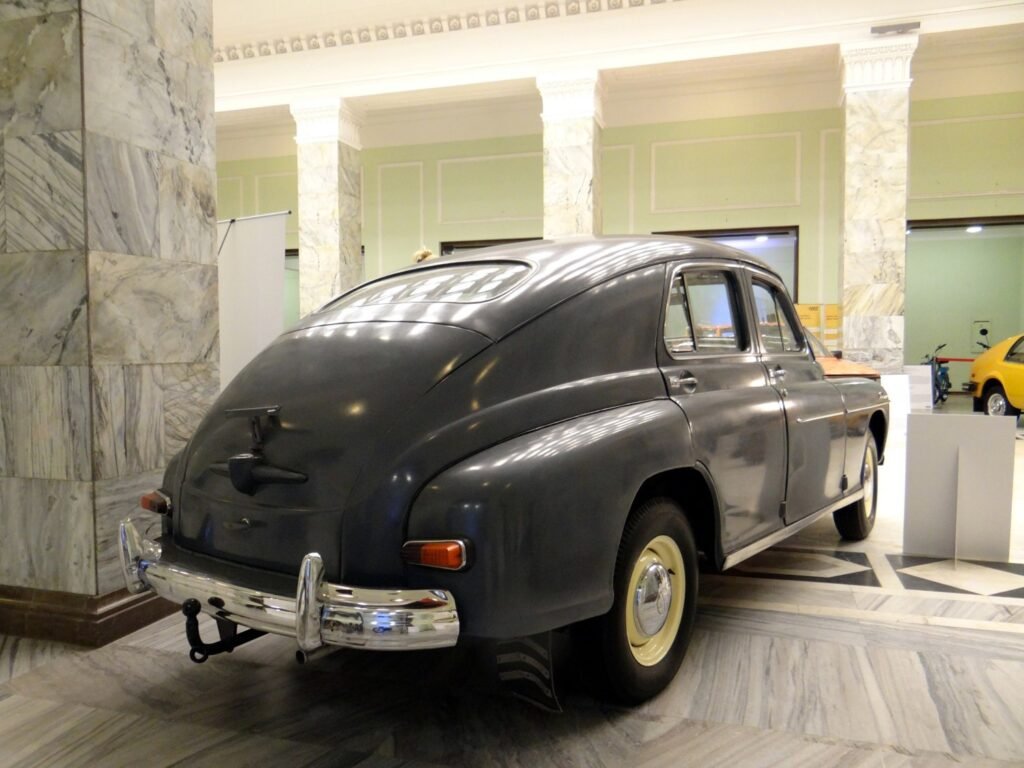
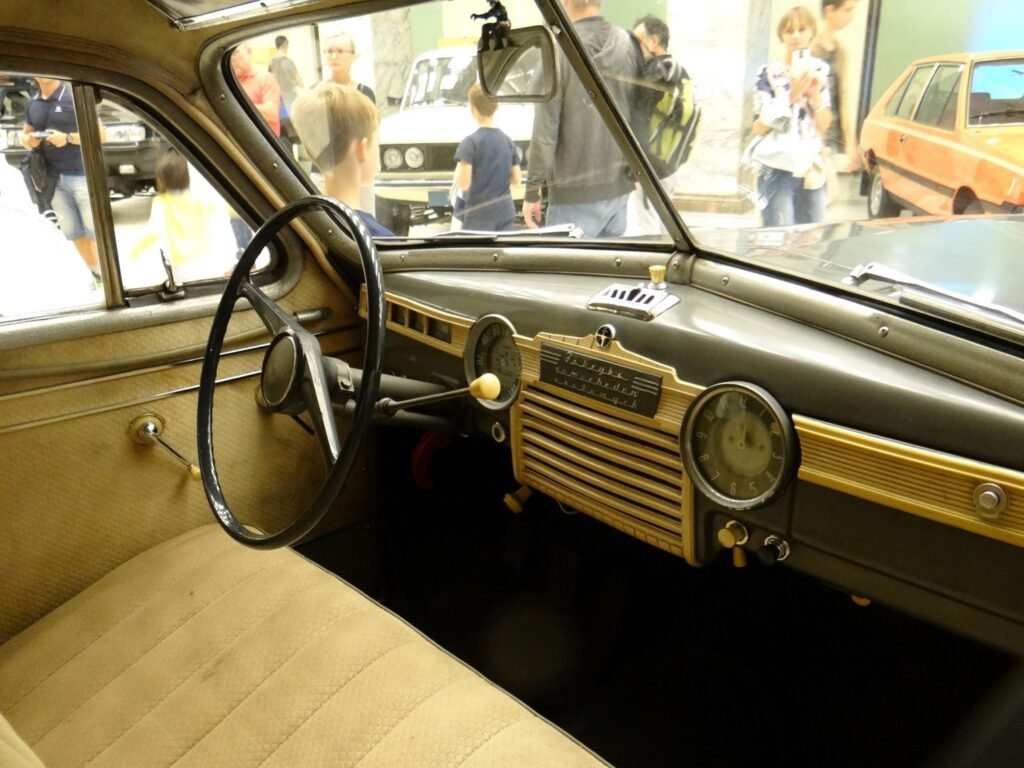
Once simple, now stylish – Warszawa’s dashboard.
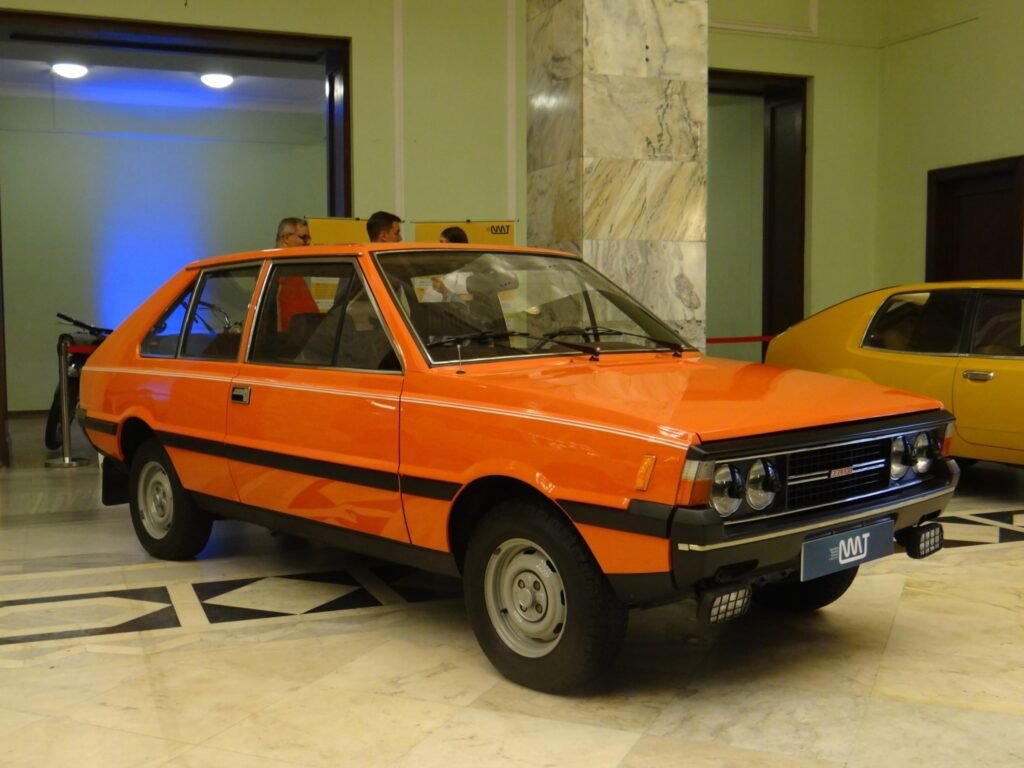
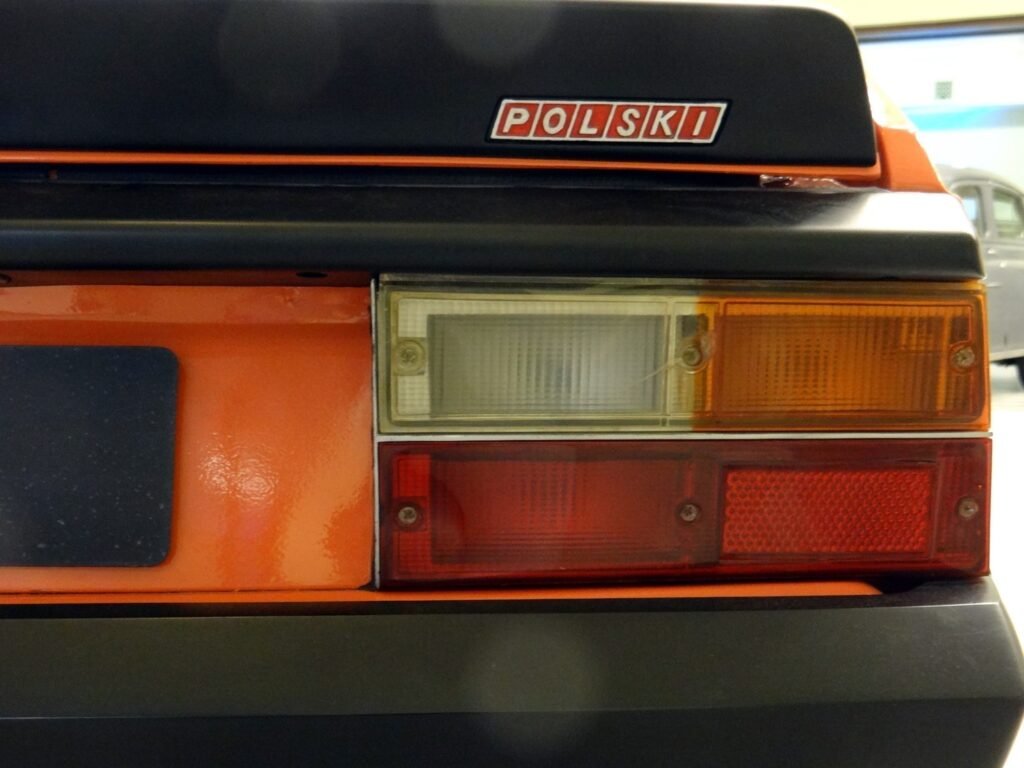
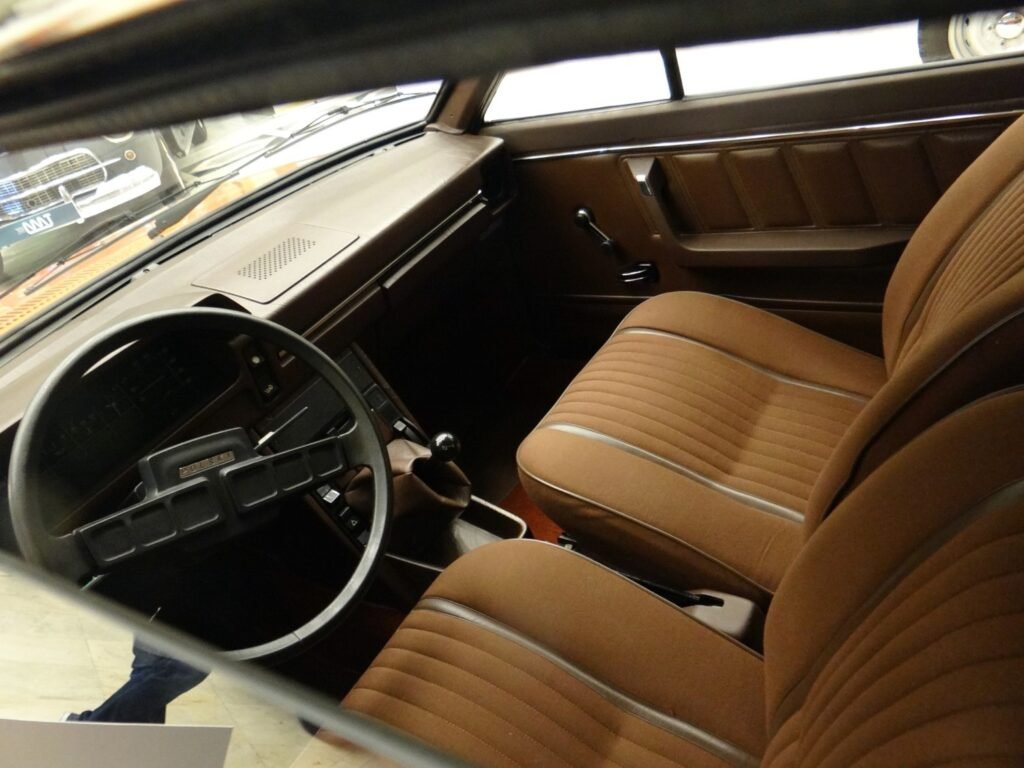
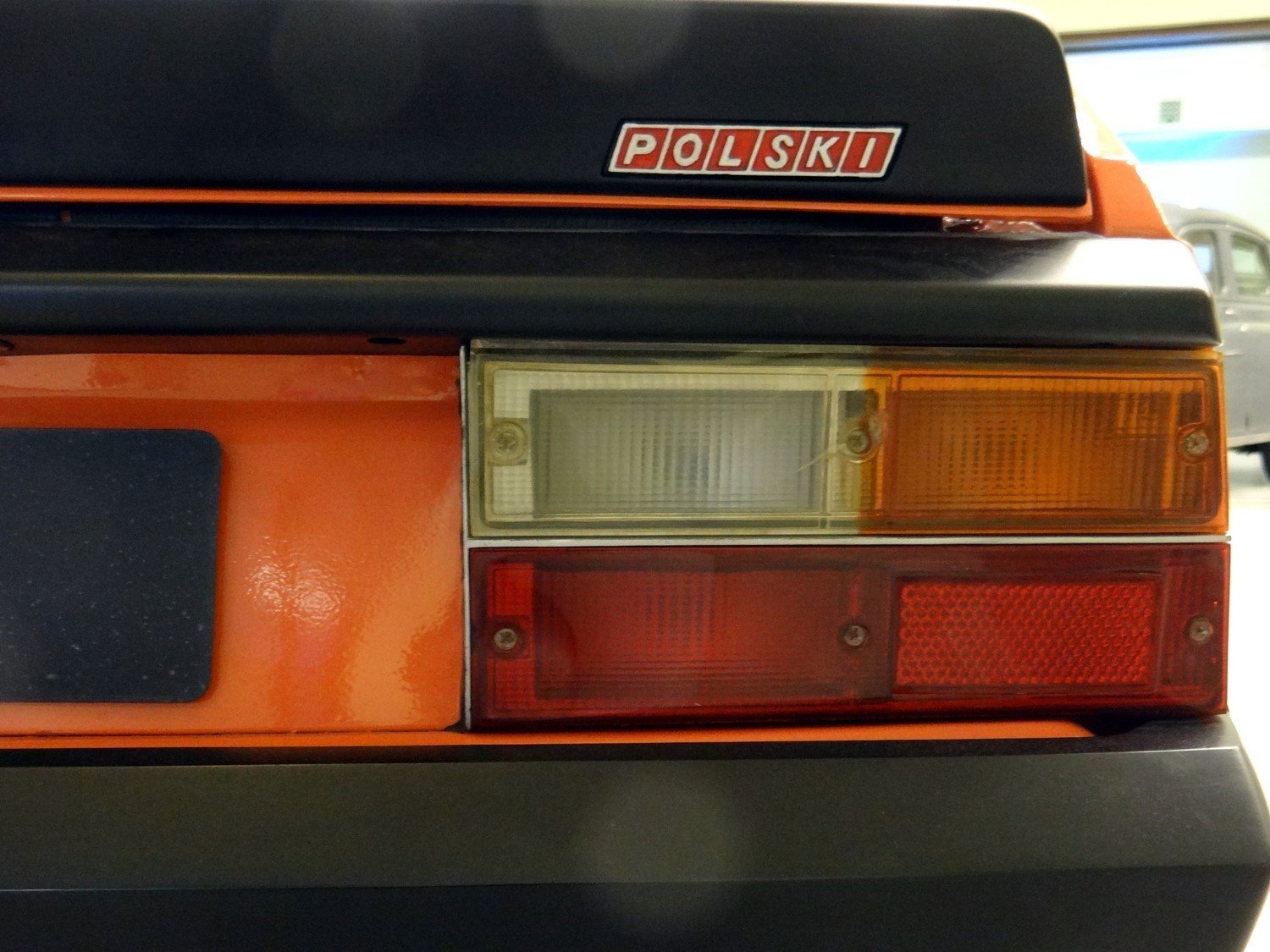
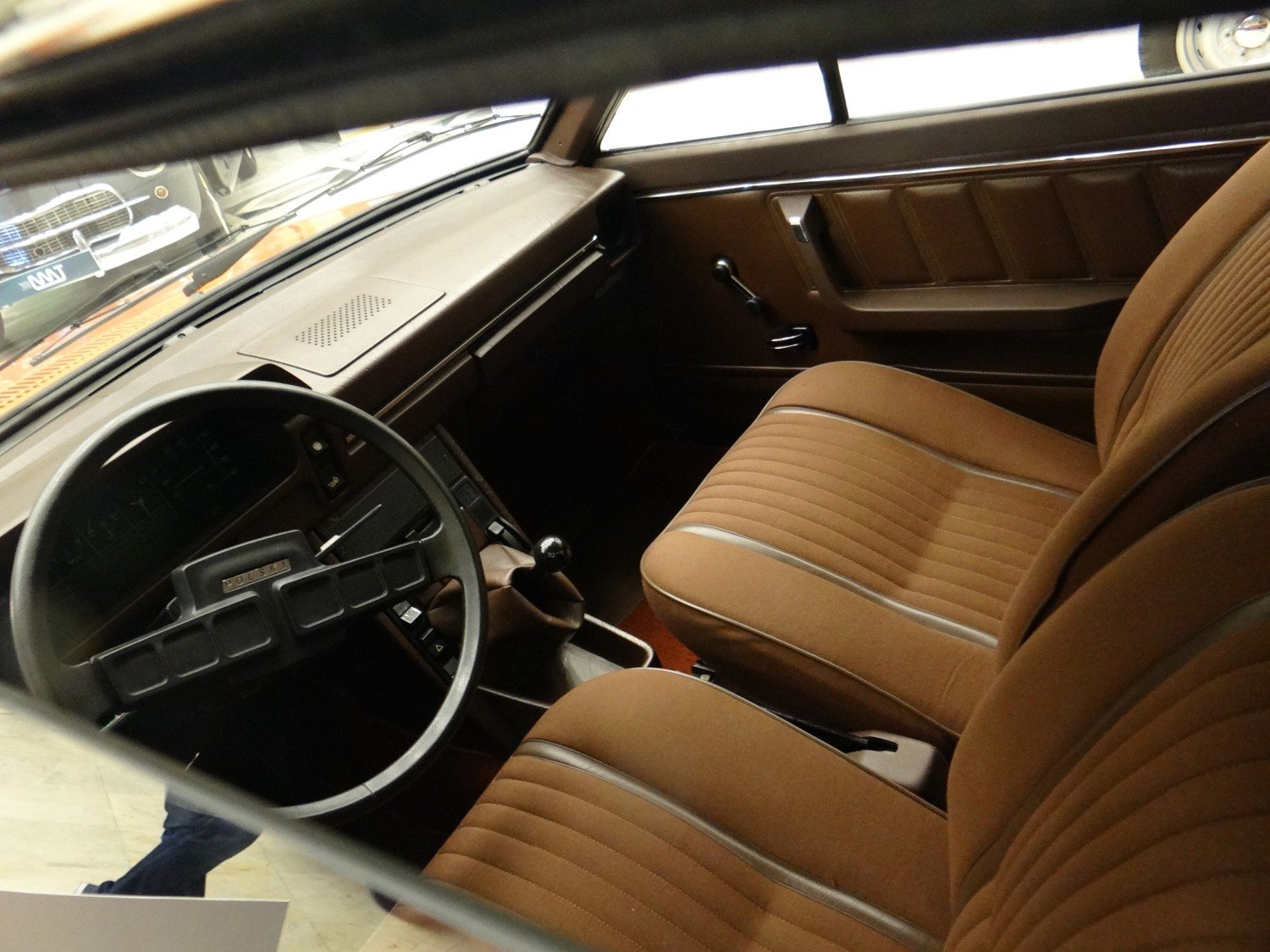
One of the first models of the Polonez. Without the FSO badge and still under the Polski name.
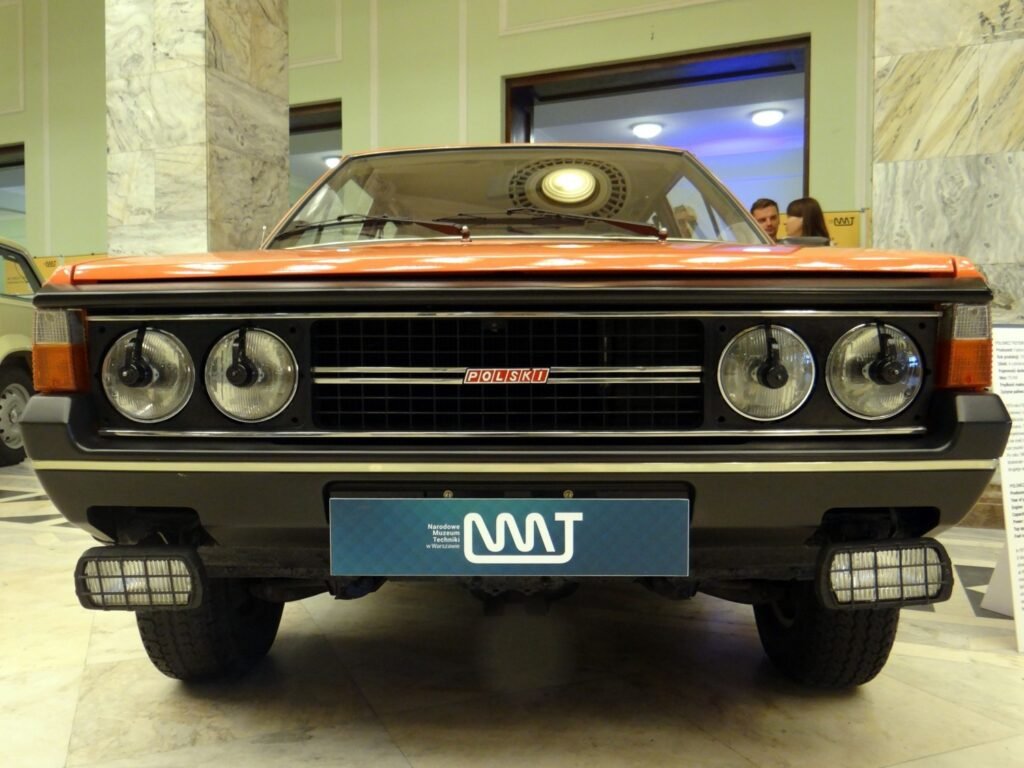
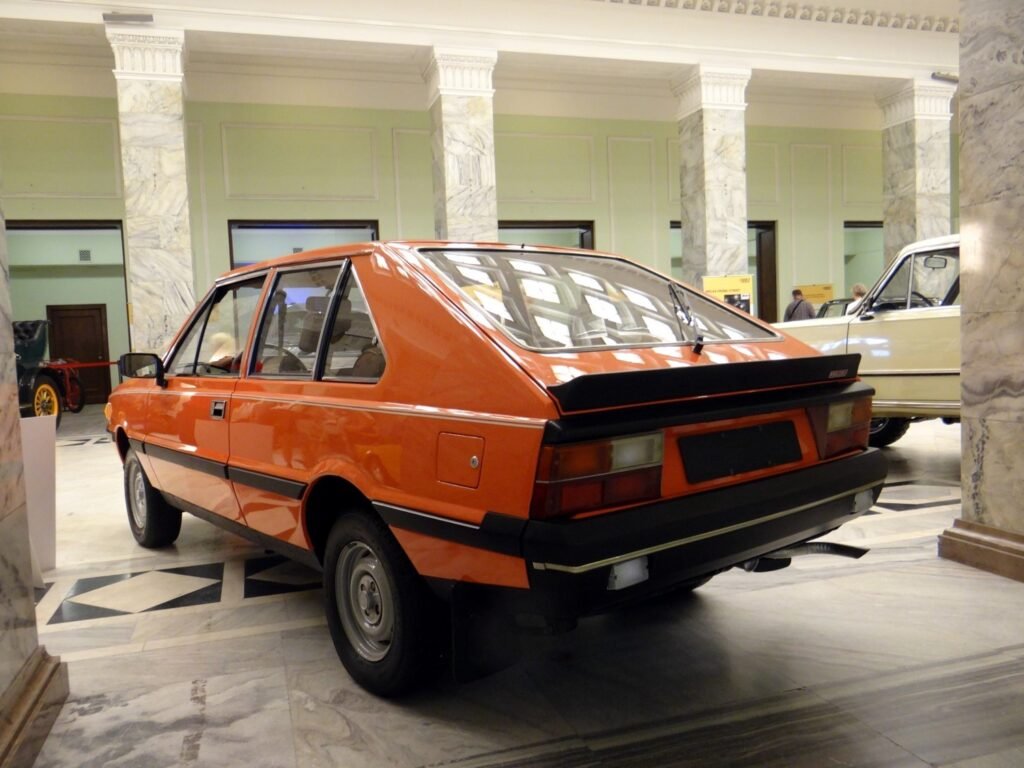
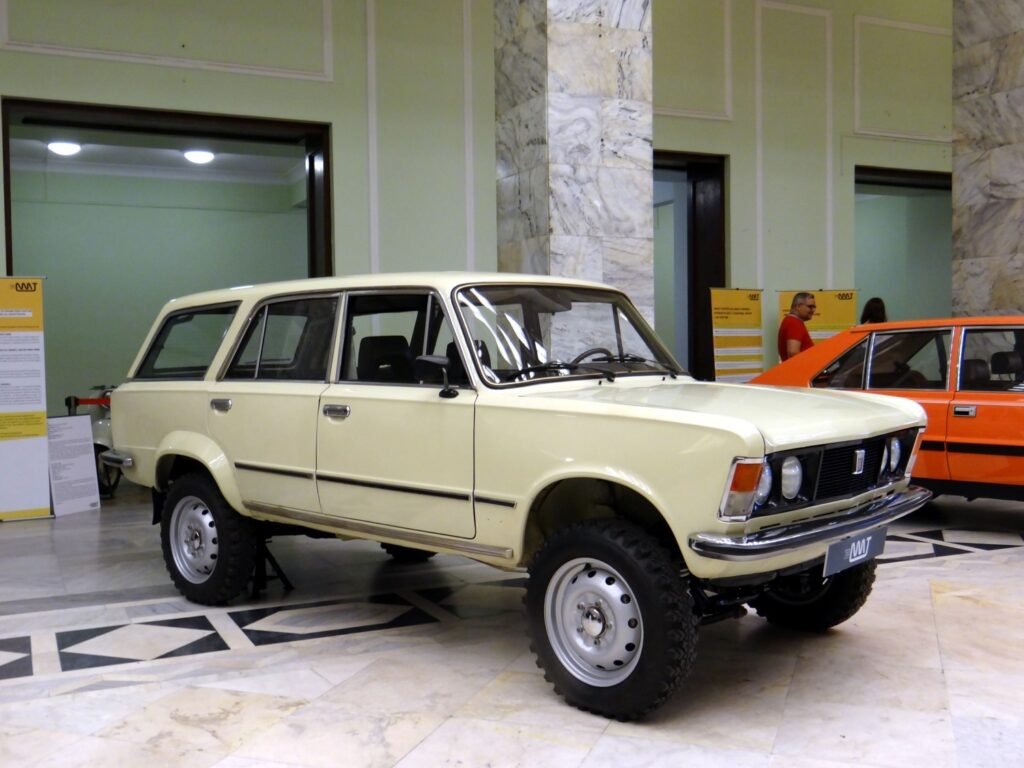
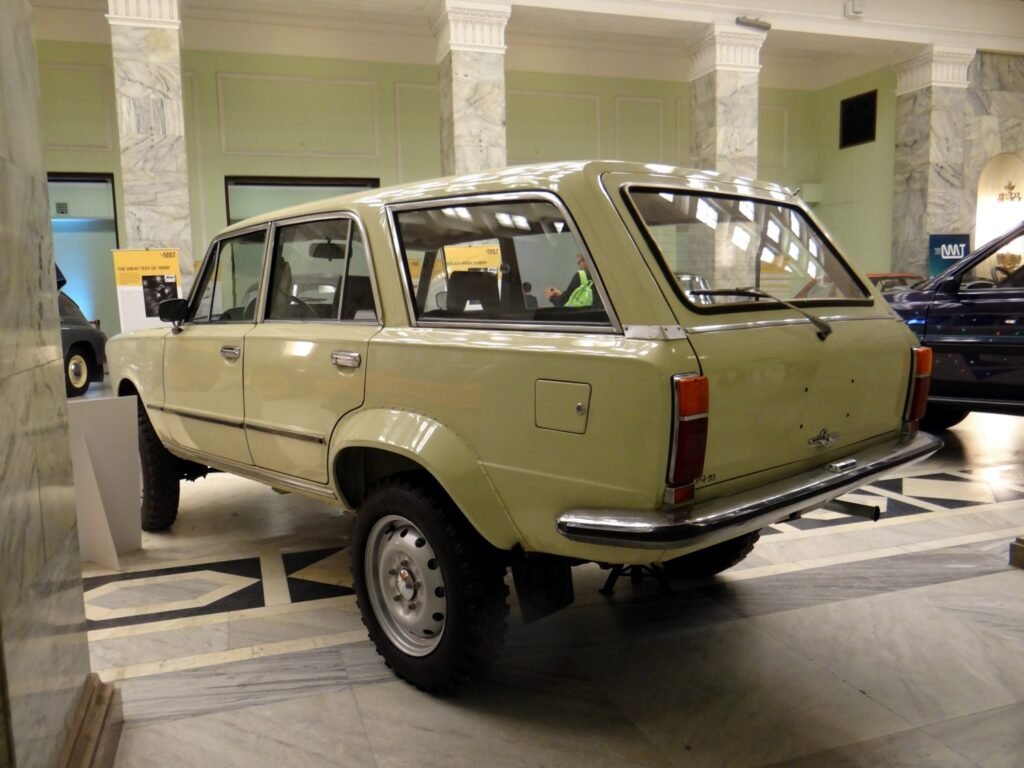
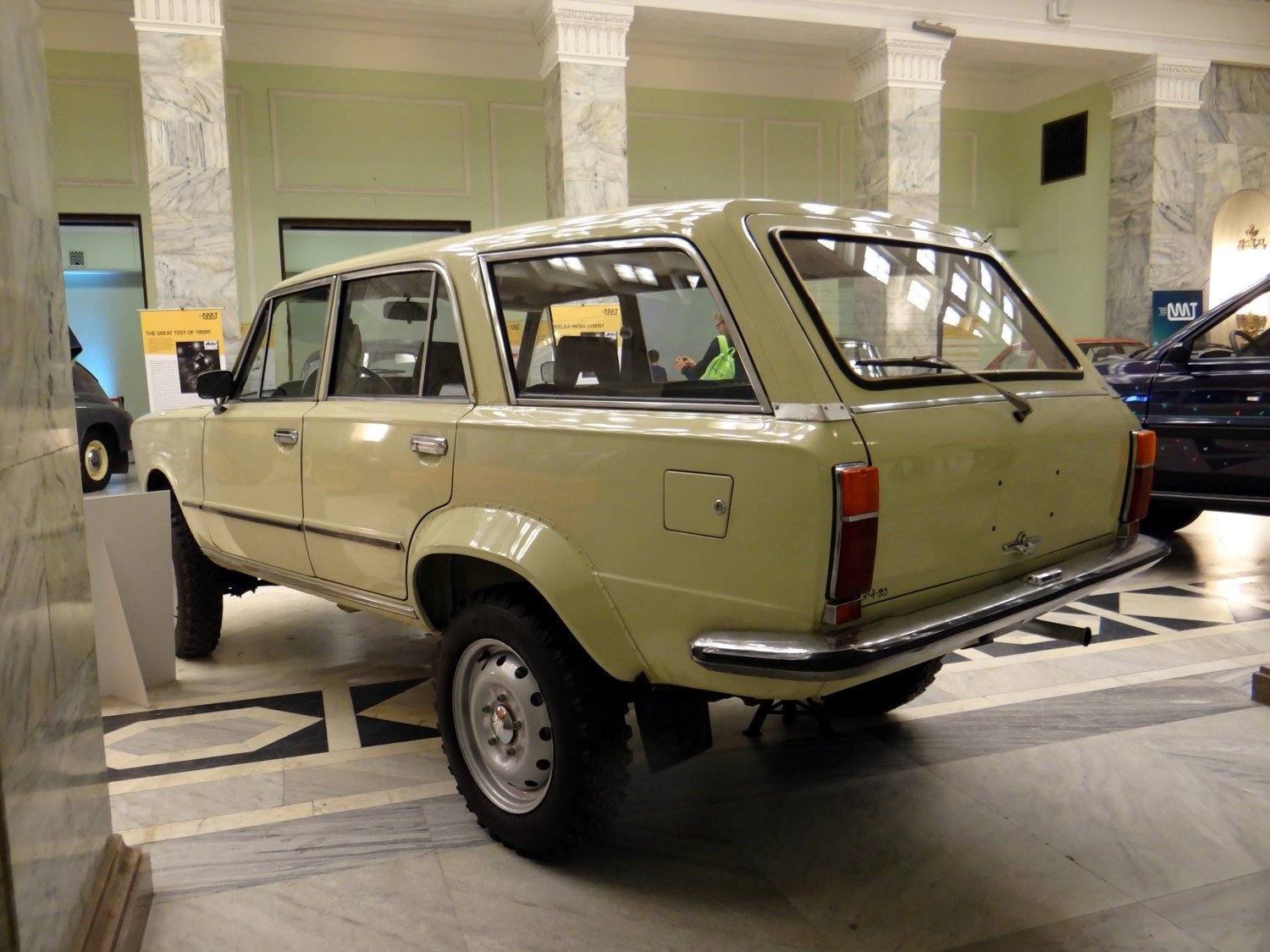
Polski Fiat 125p 4×4. With a chassis from Lada Niva.
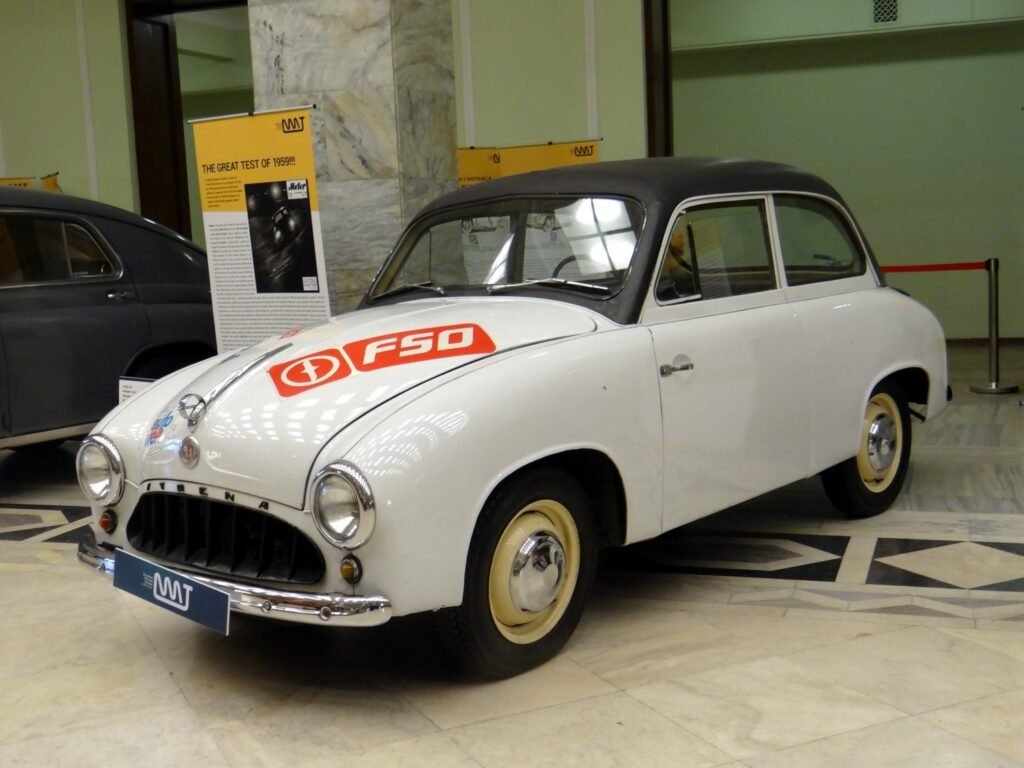
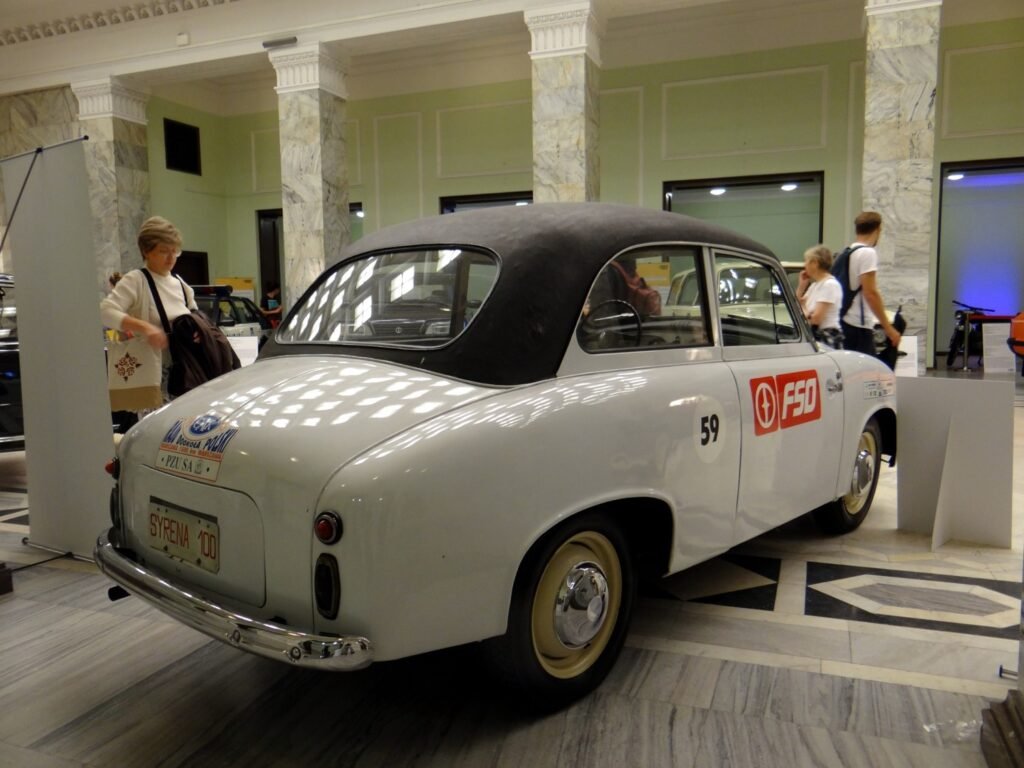
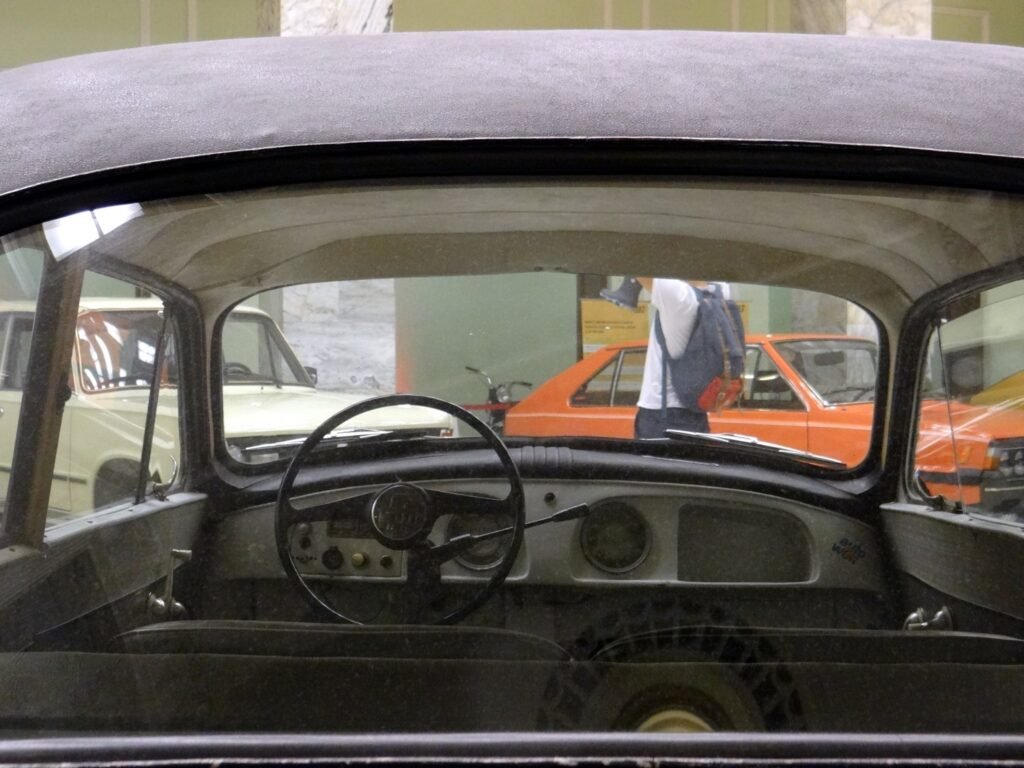
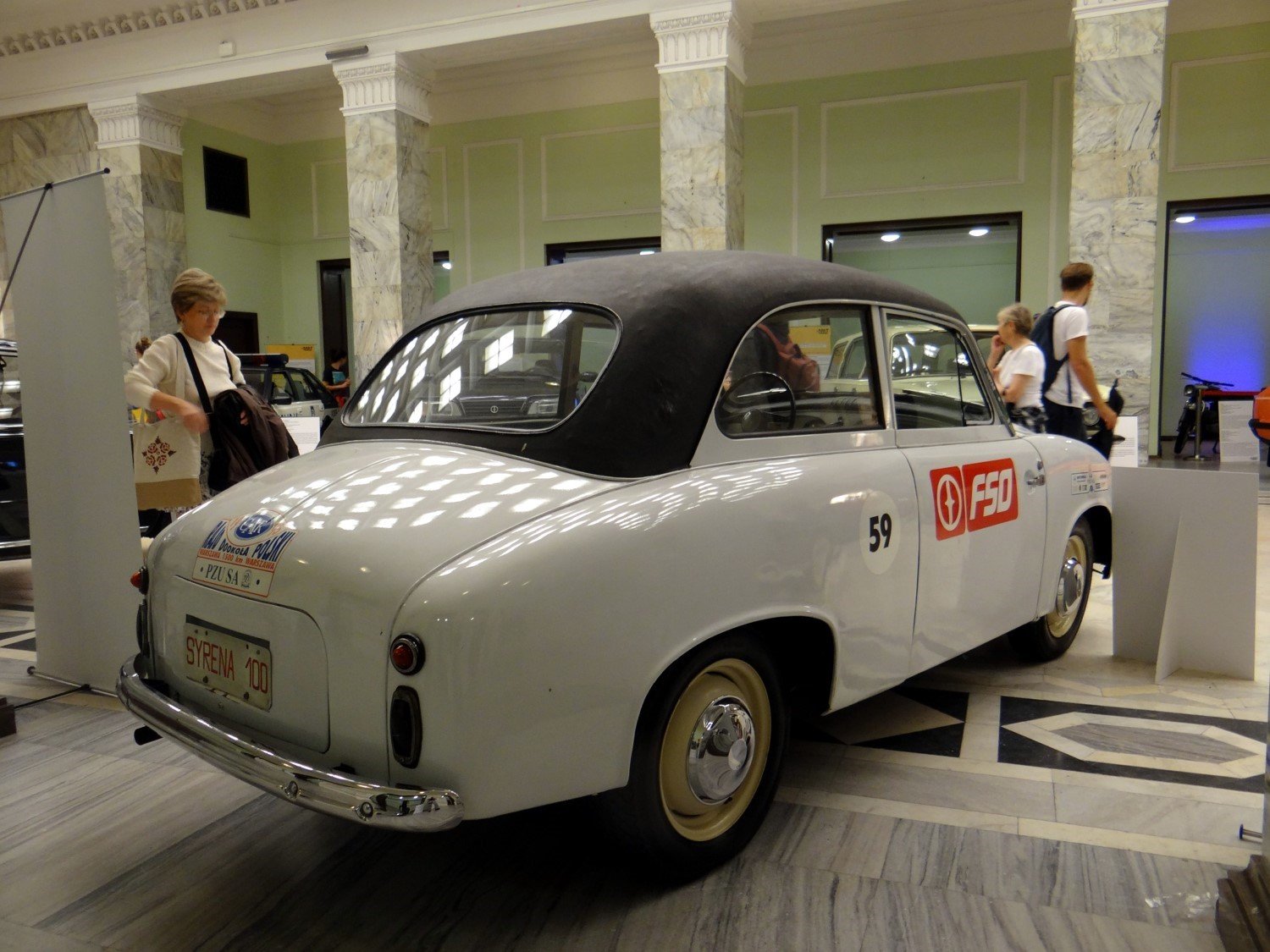
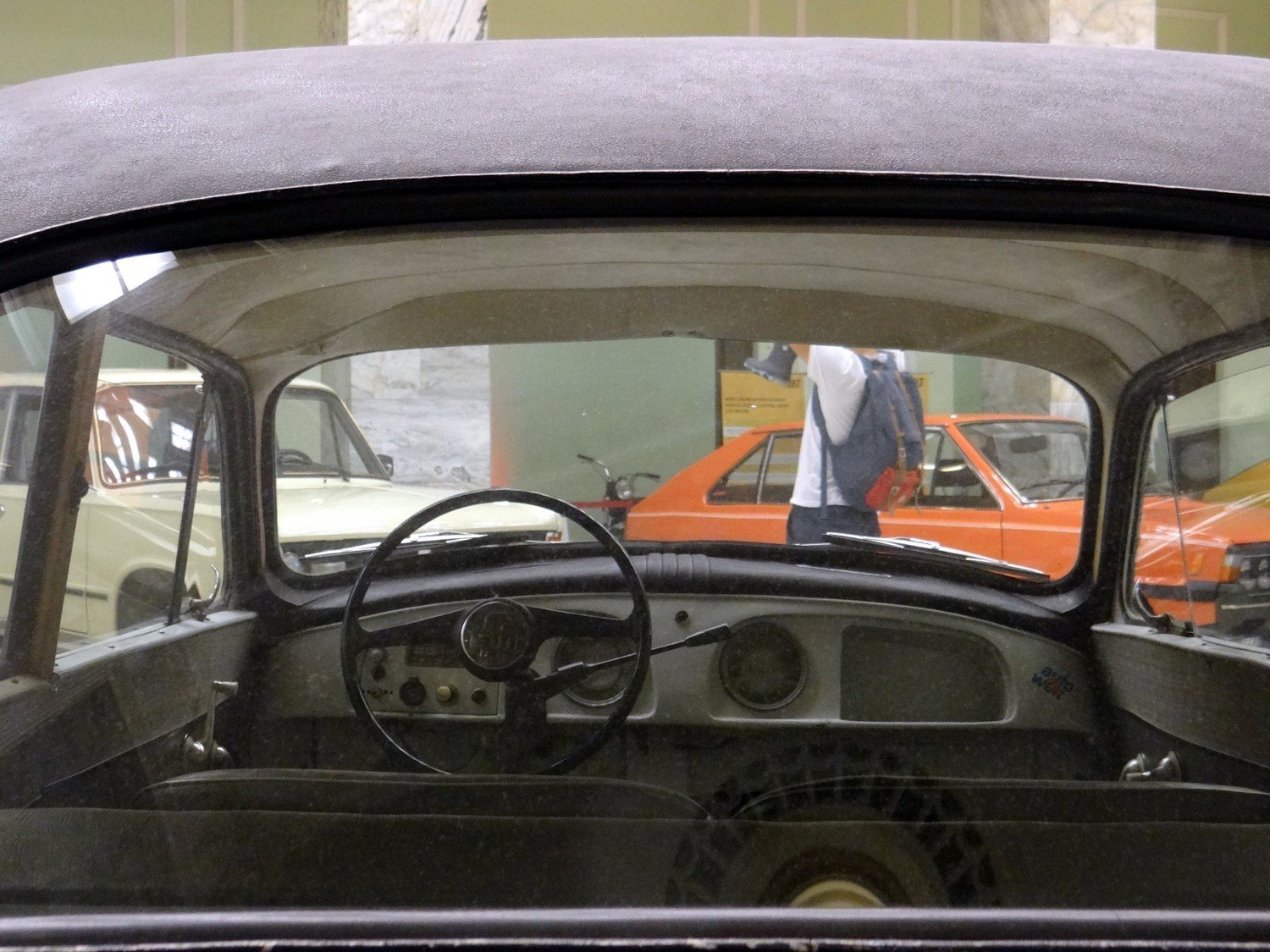
FSO Syrena 100. A car for the masses.
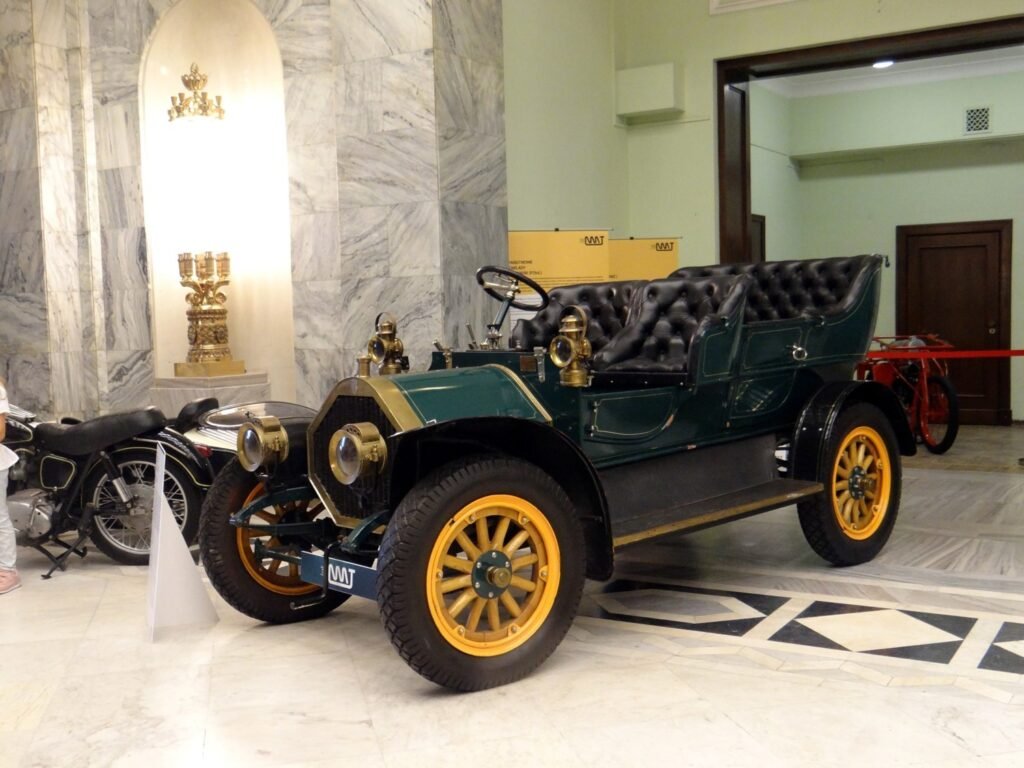
Humber – one of the oldest, ready to be driven vehicles in Poland.
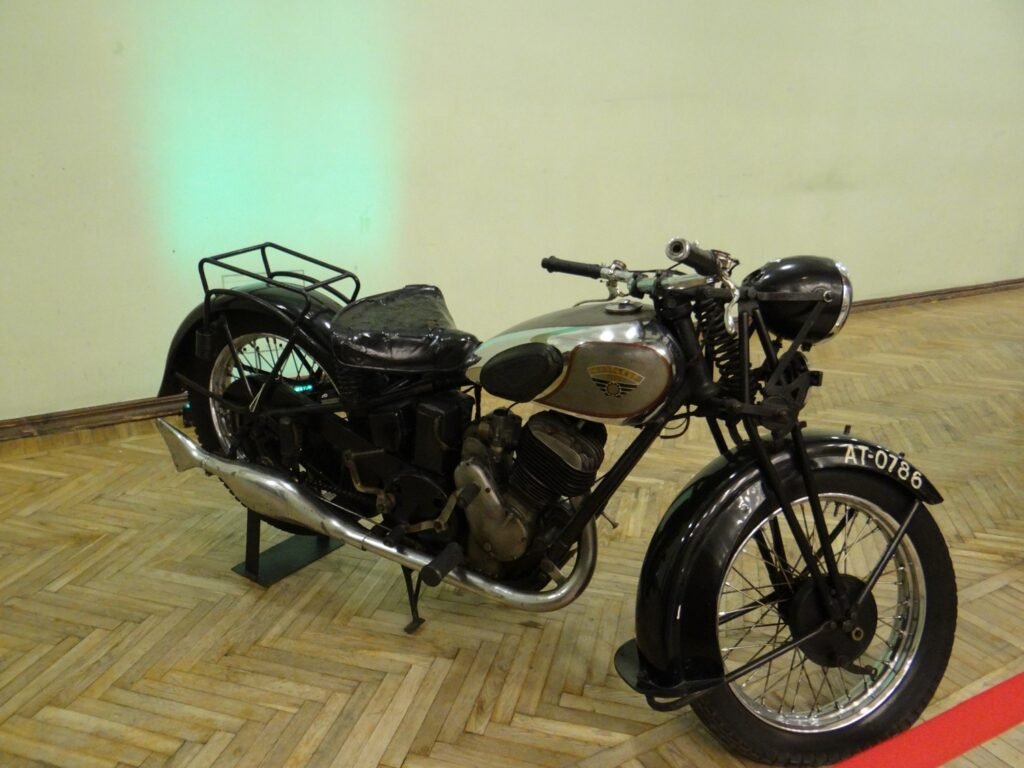
Sokół 600 from the years 1935-1939.
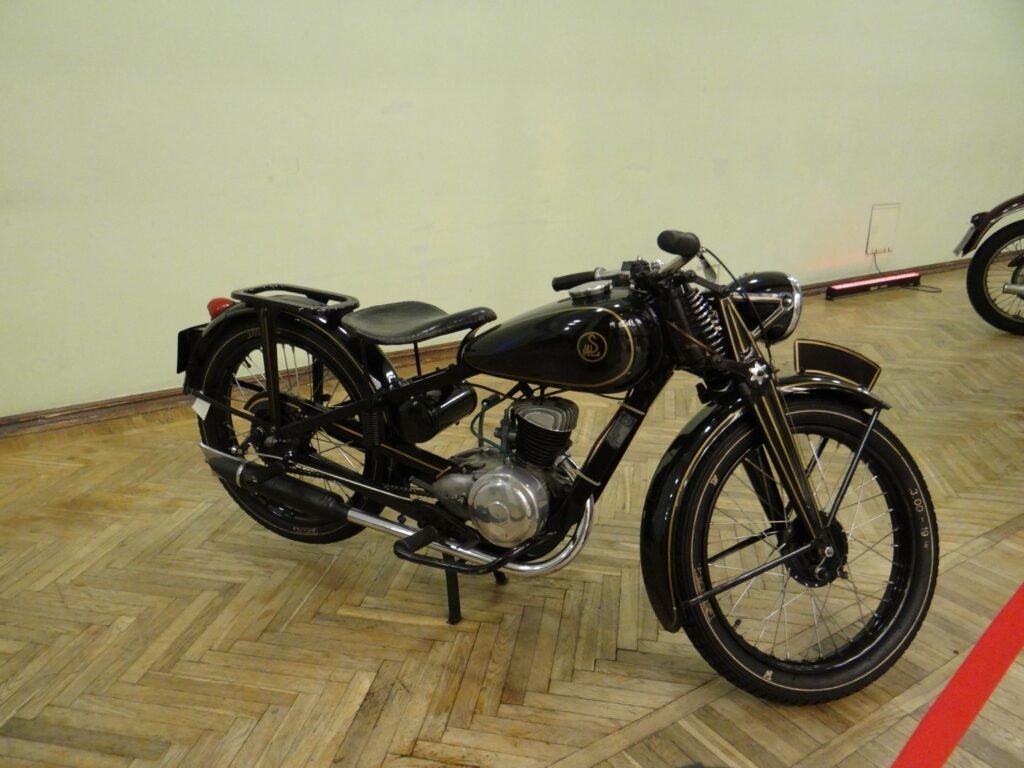
SHL 125 M04, produced from 1949 to 1952.
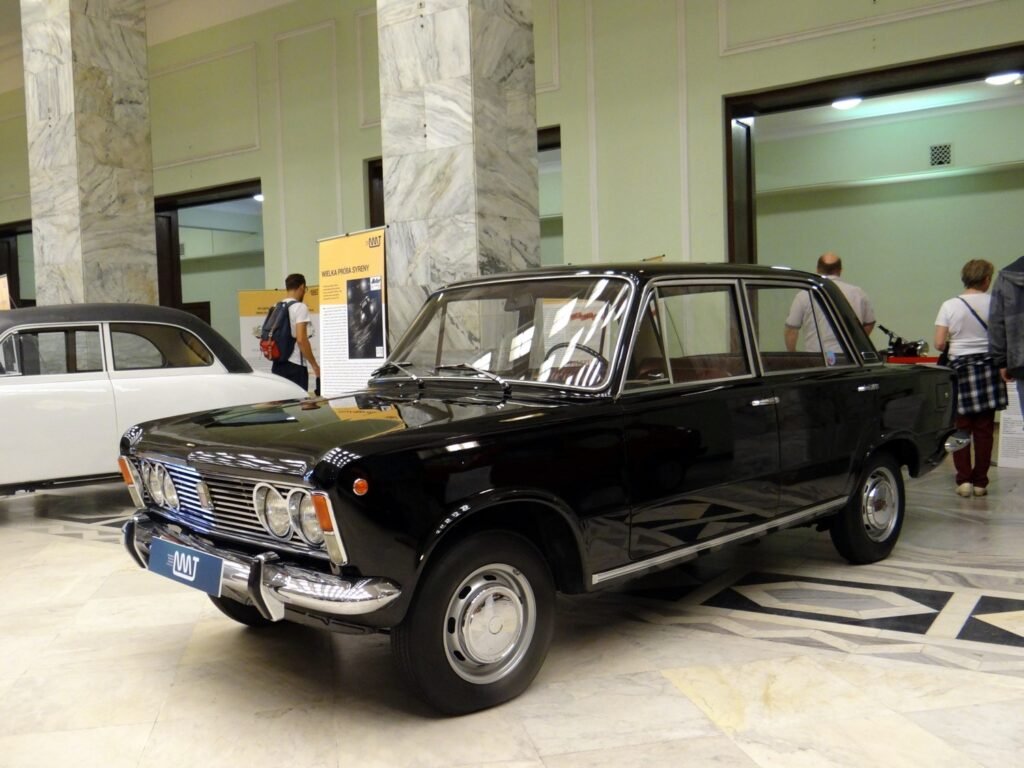
Elegant in black – Polski Fiat 125p.
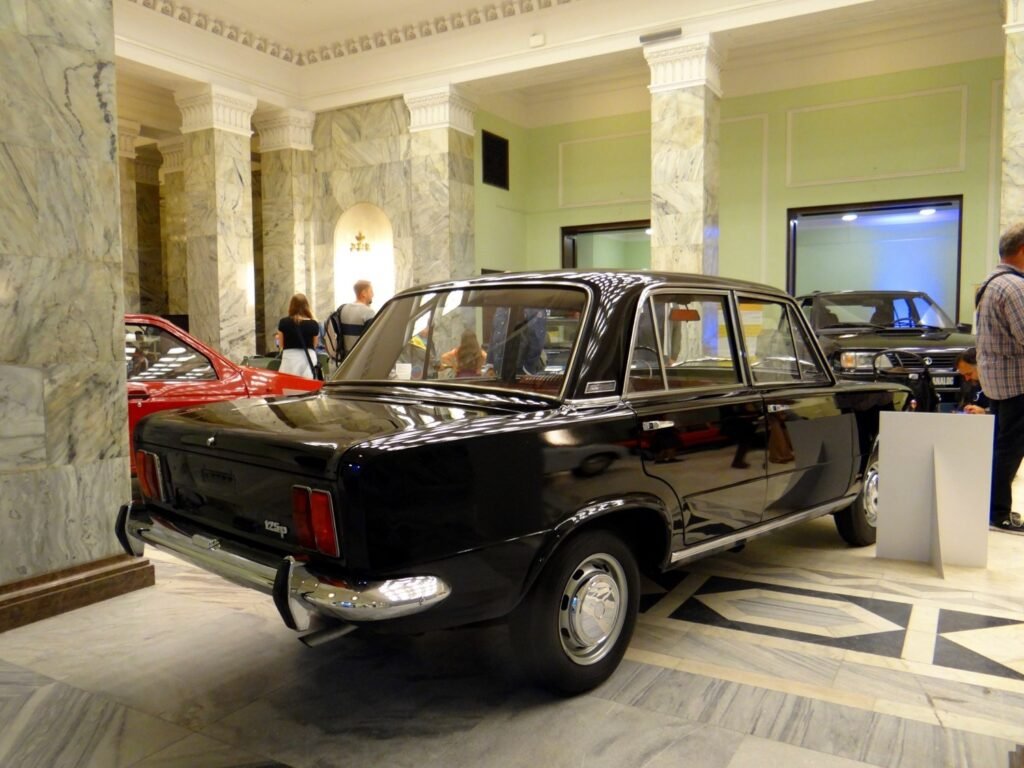
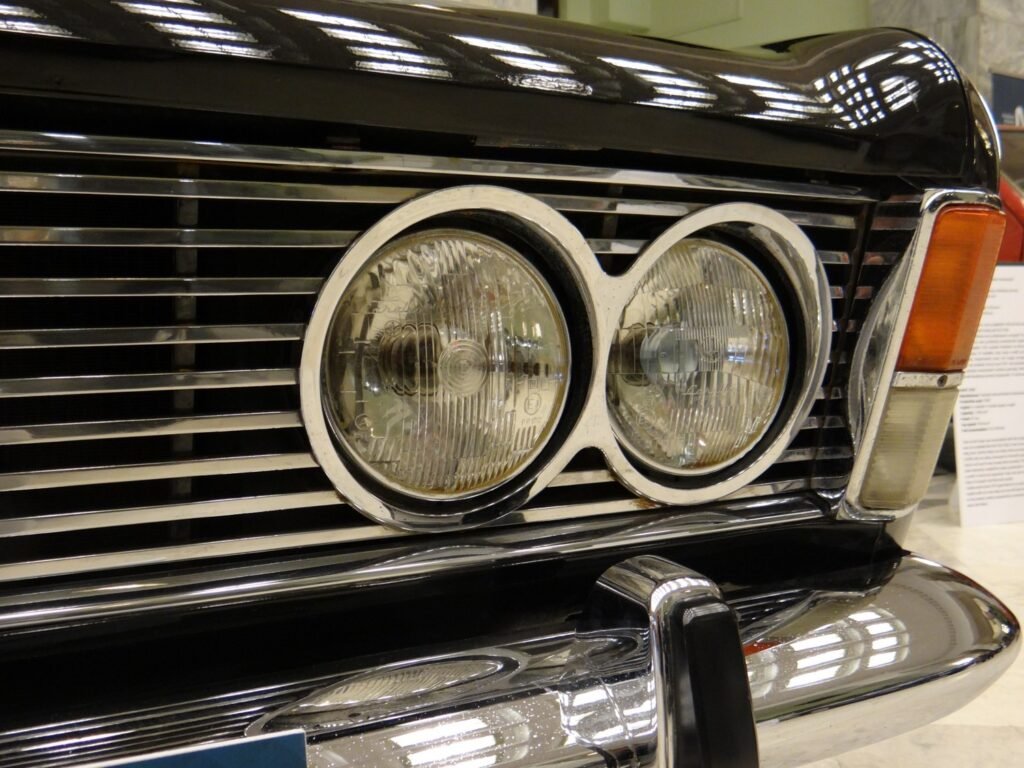
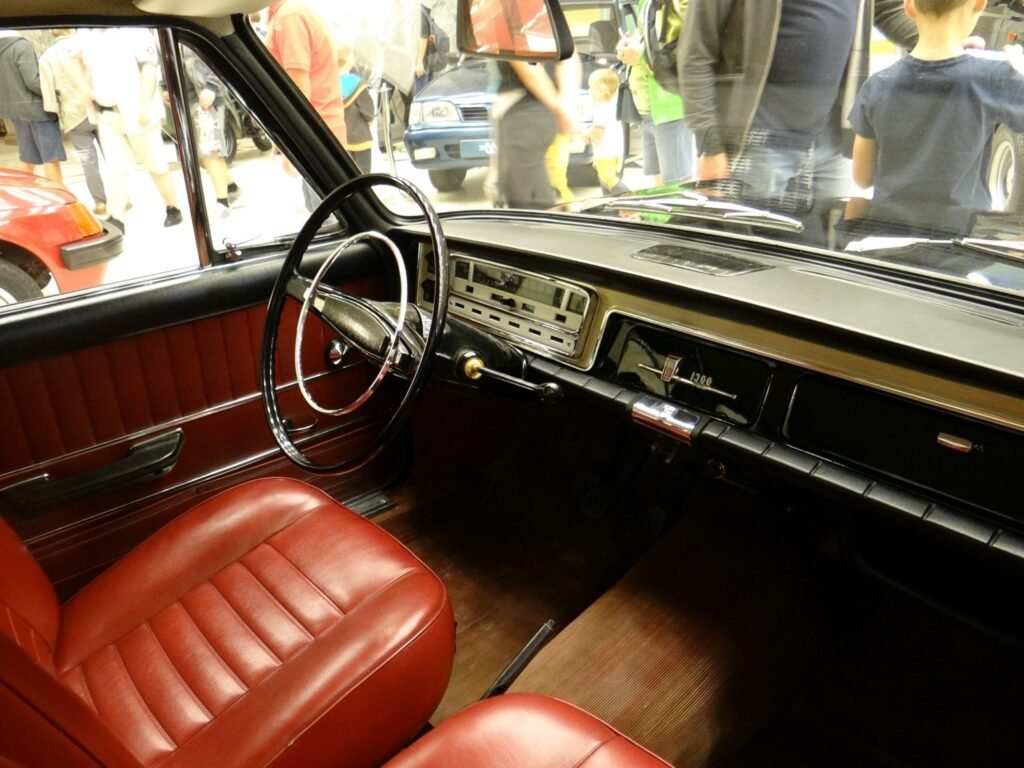
Once upon a time an average Pole could only dream about such a view. 125p was practically a Polish S-Class.
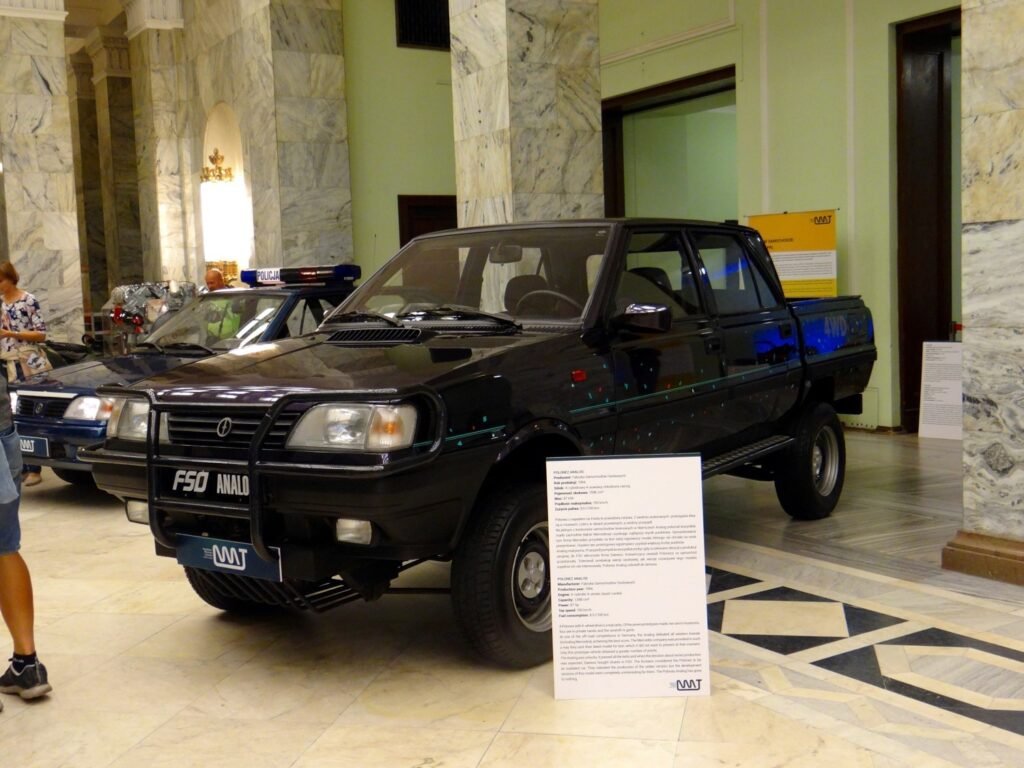
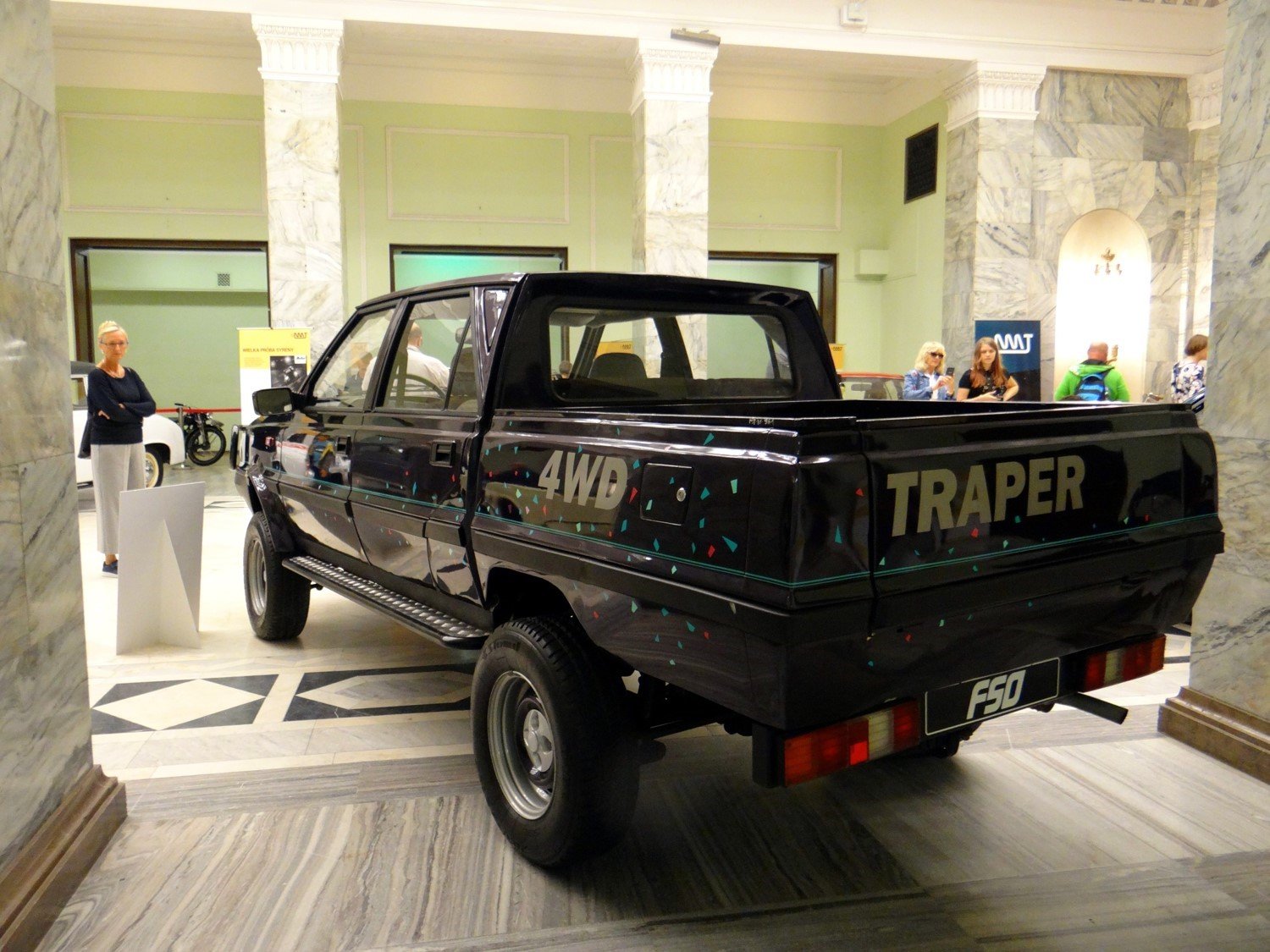
FSO Polonez Analog with a four-wheel drive.
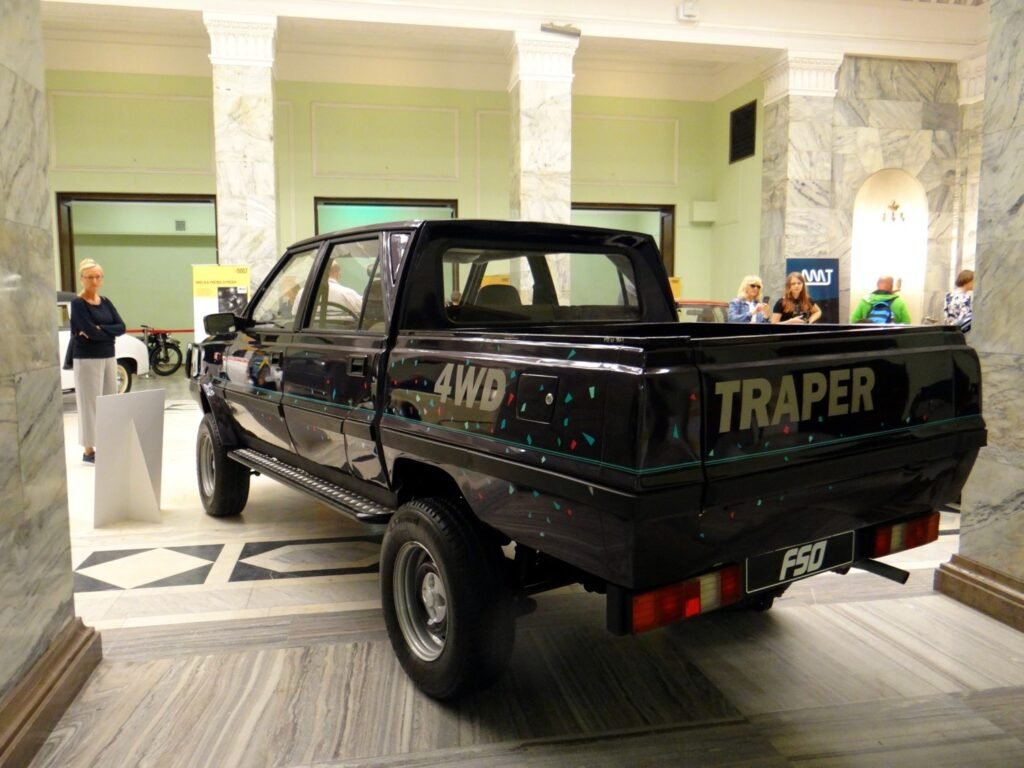
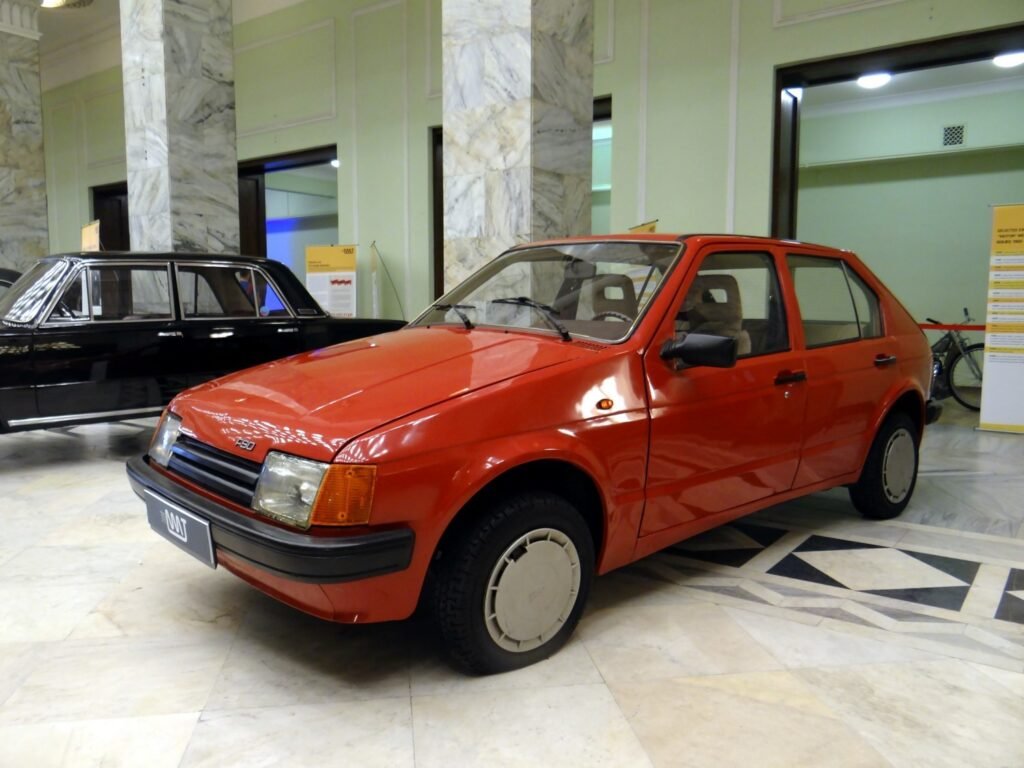
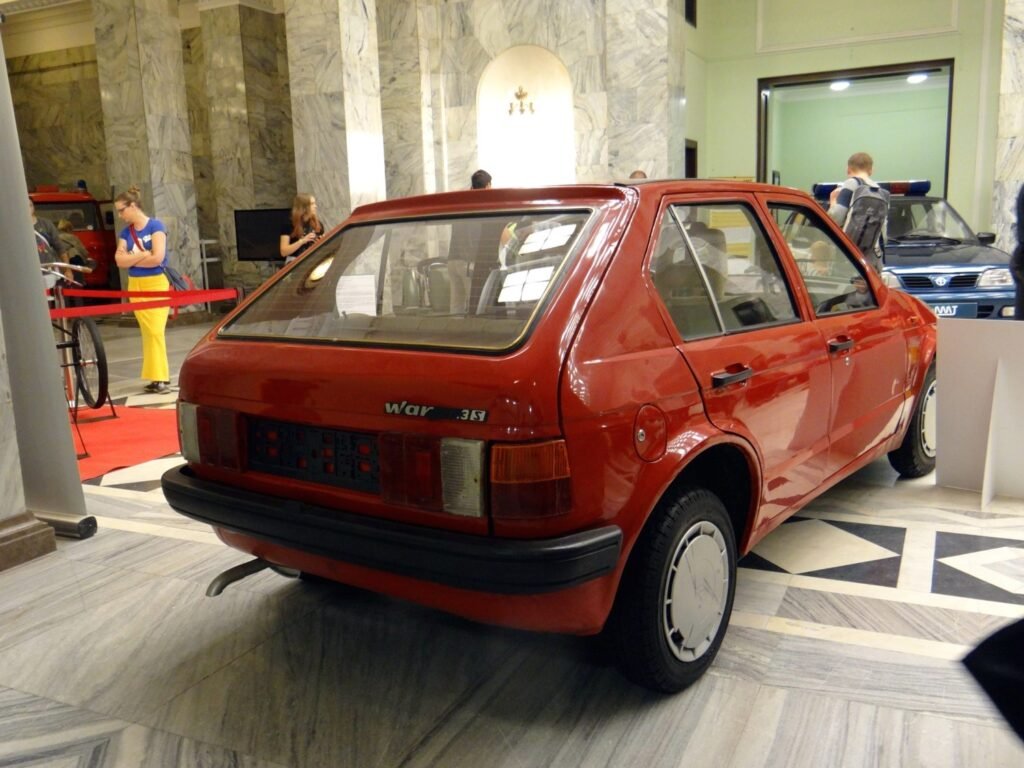
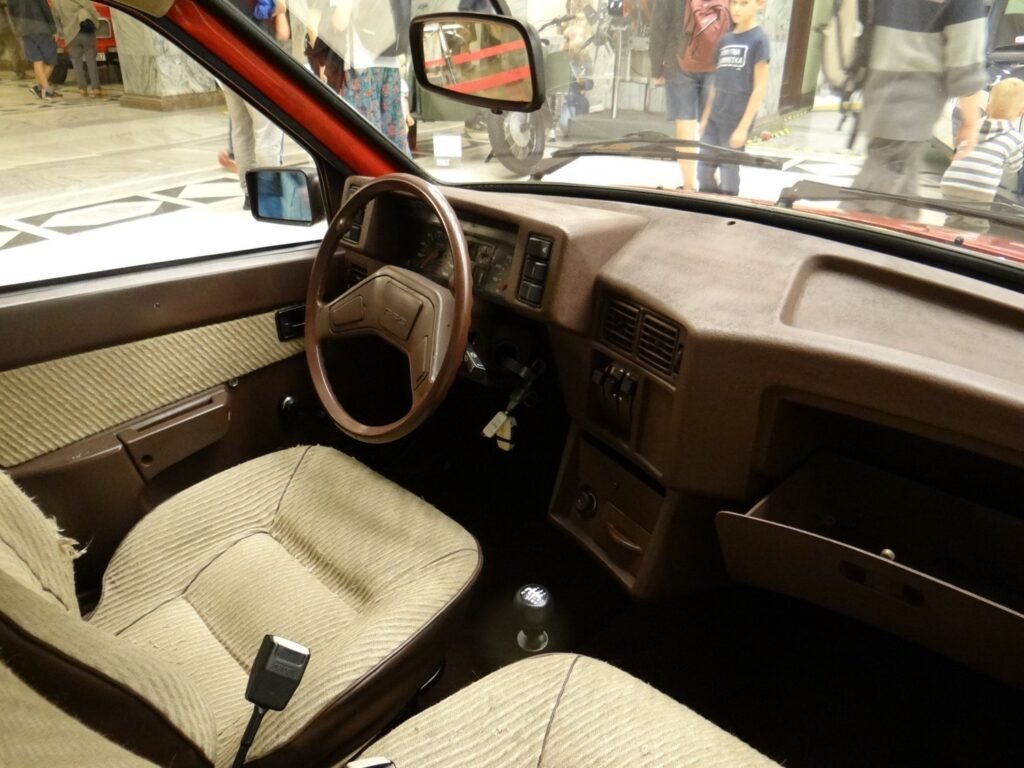
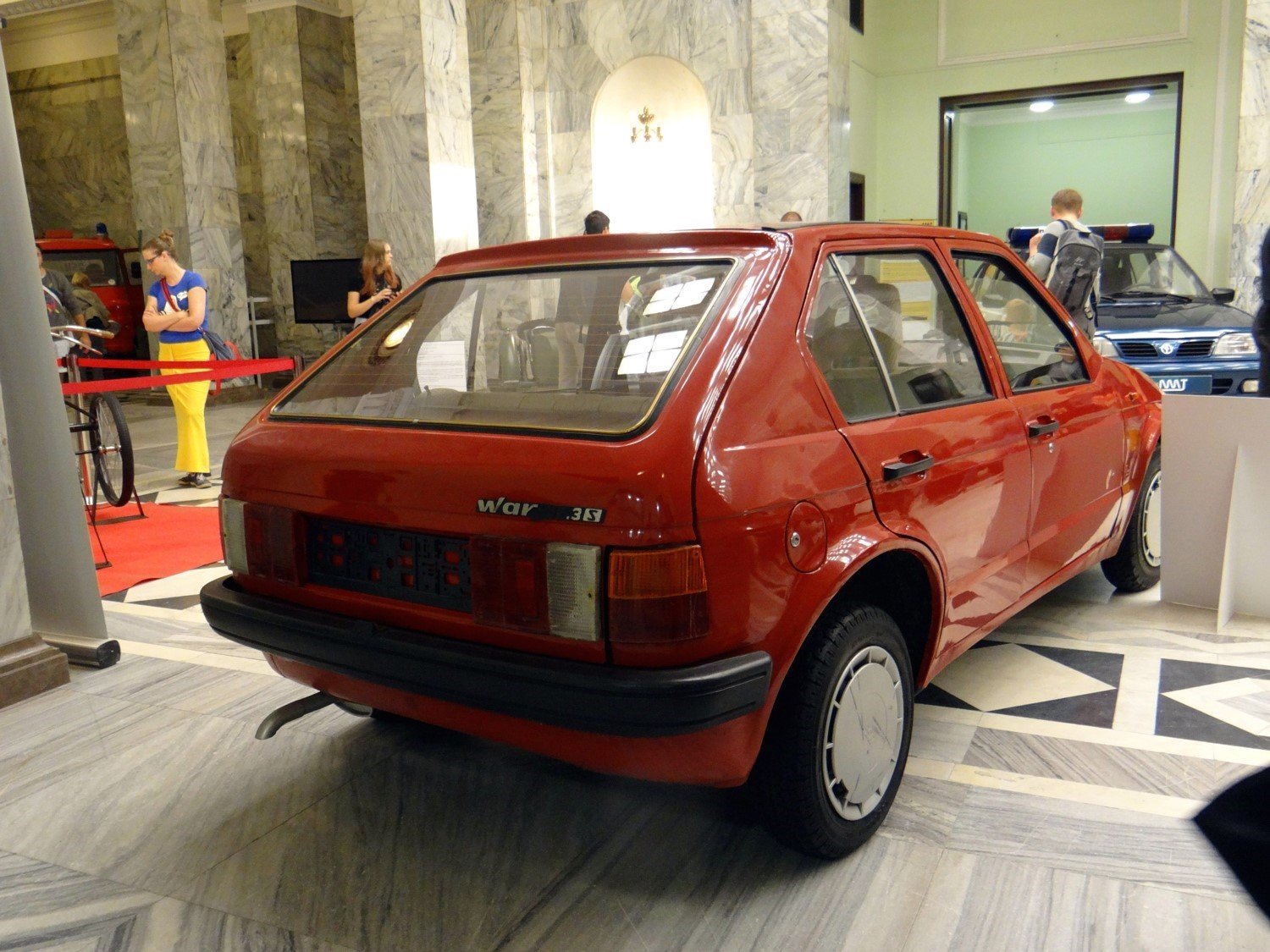
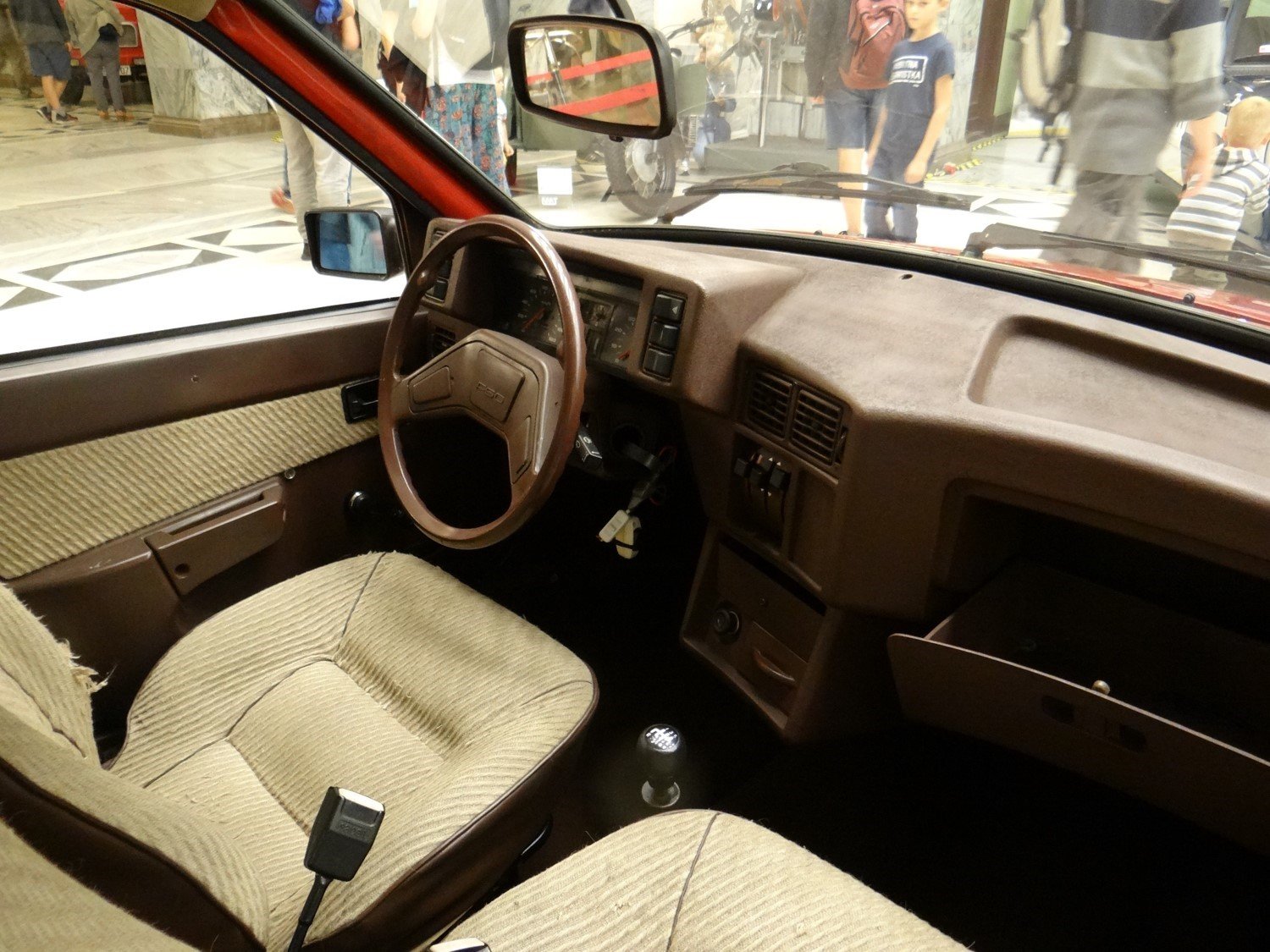
The Polish Golf – FSO Wars. Another good prototype, another unfulfilled hope.
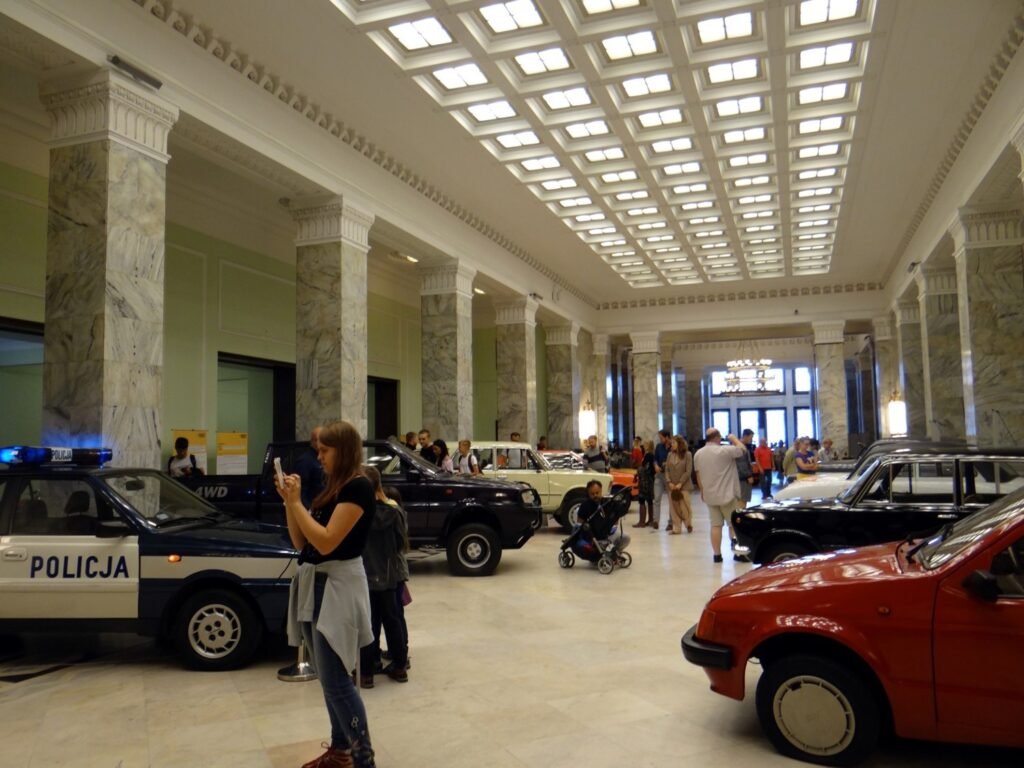
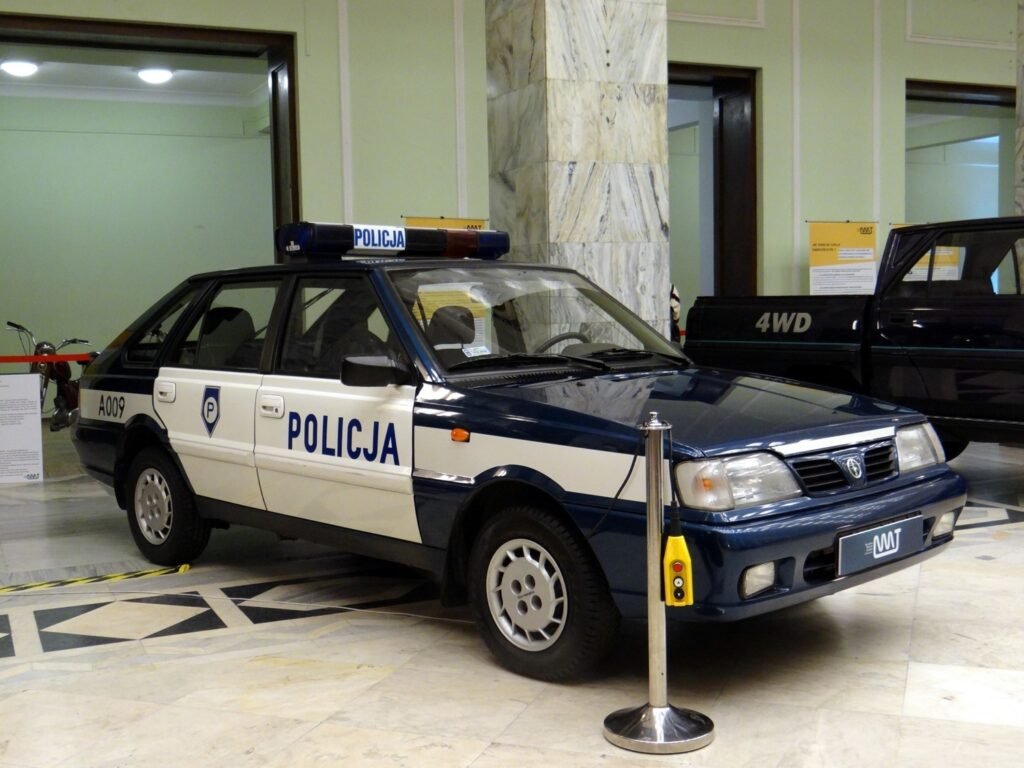
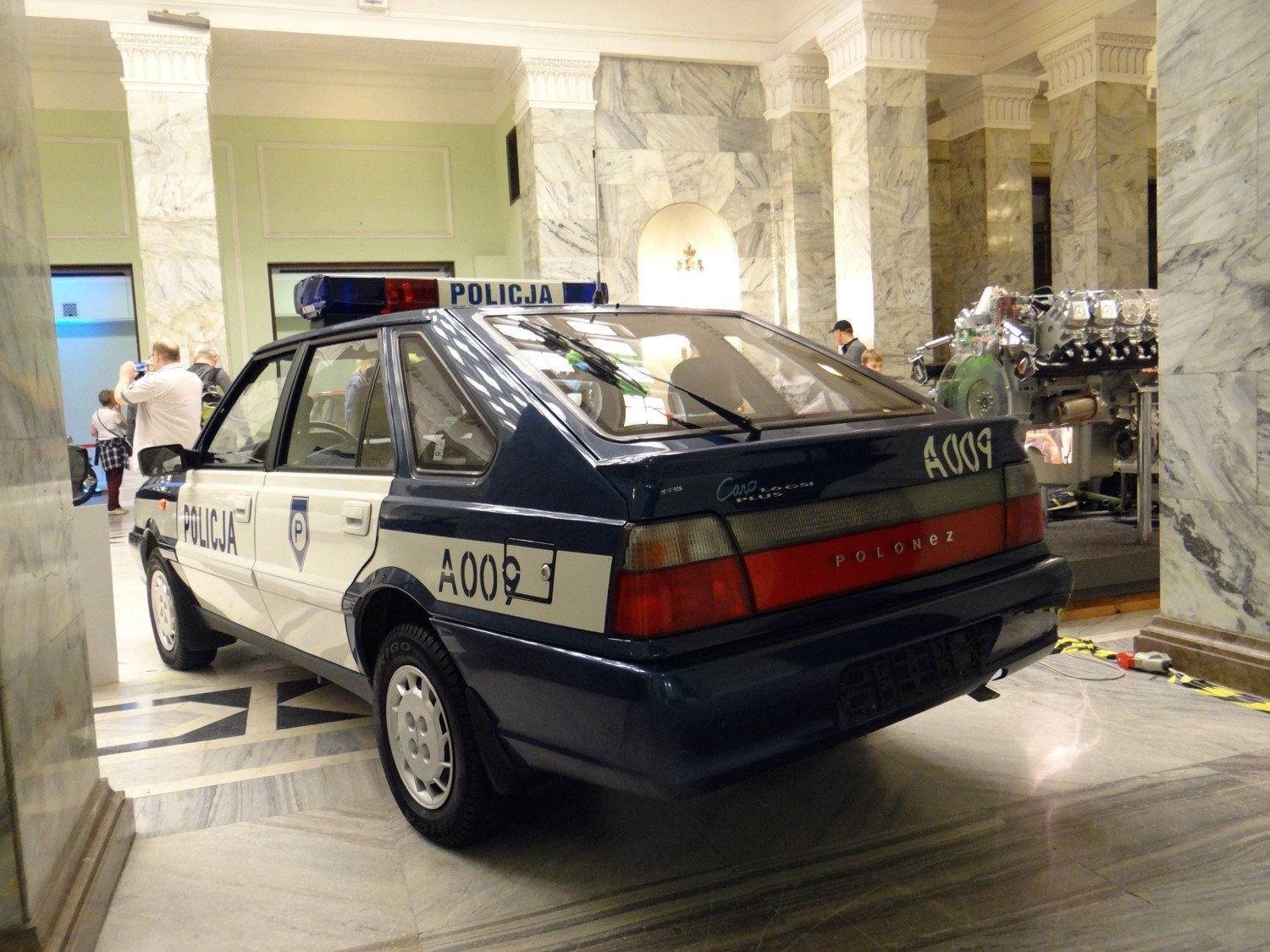
The youngest car in the exhibition – the Polonez Caro Plus police car.
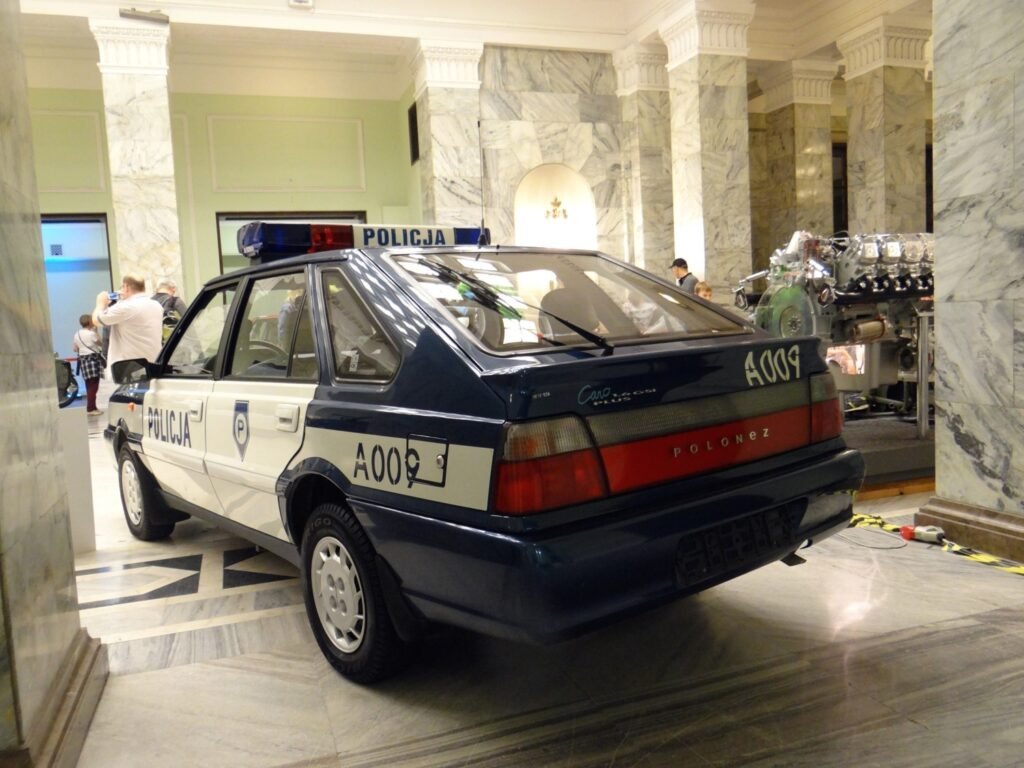
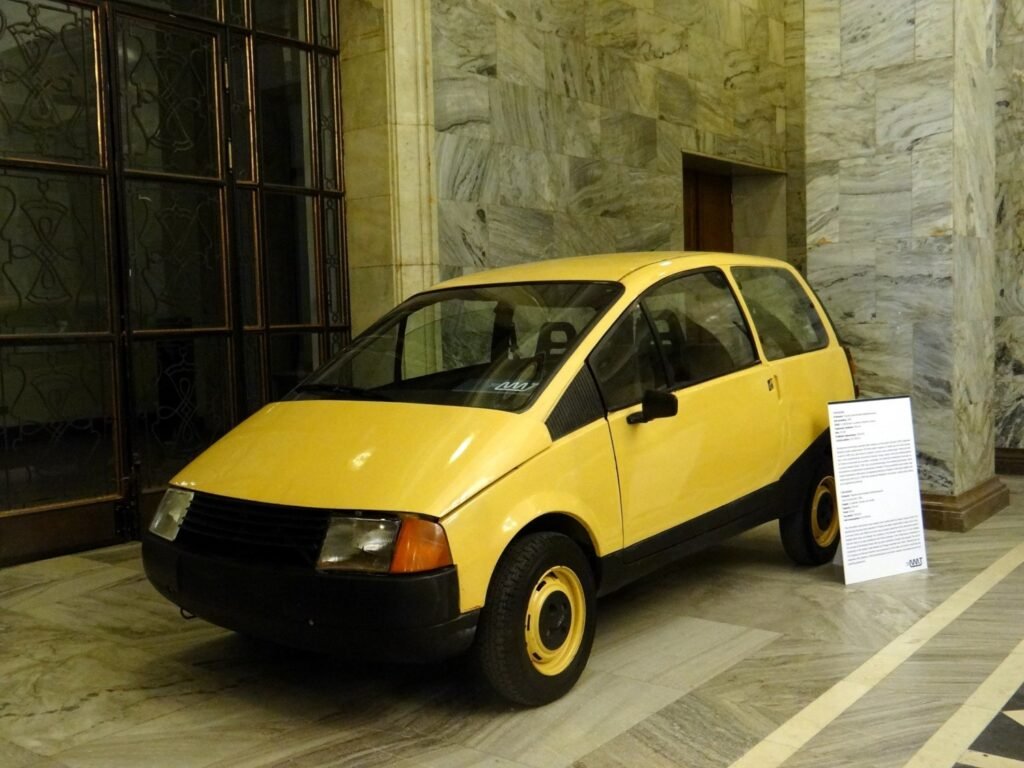
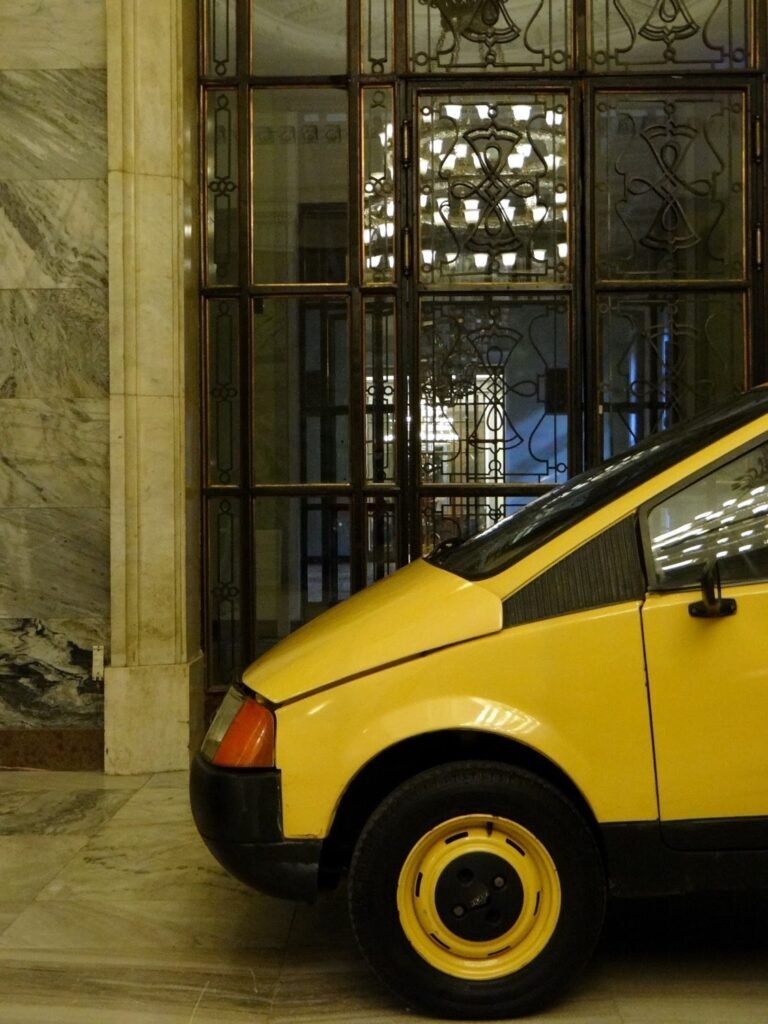
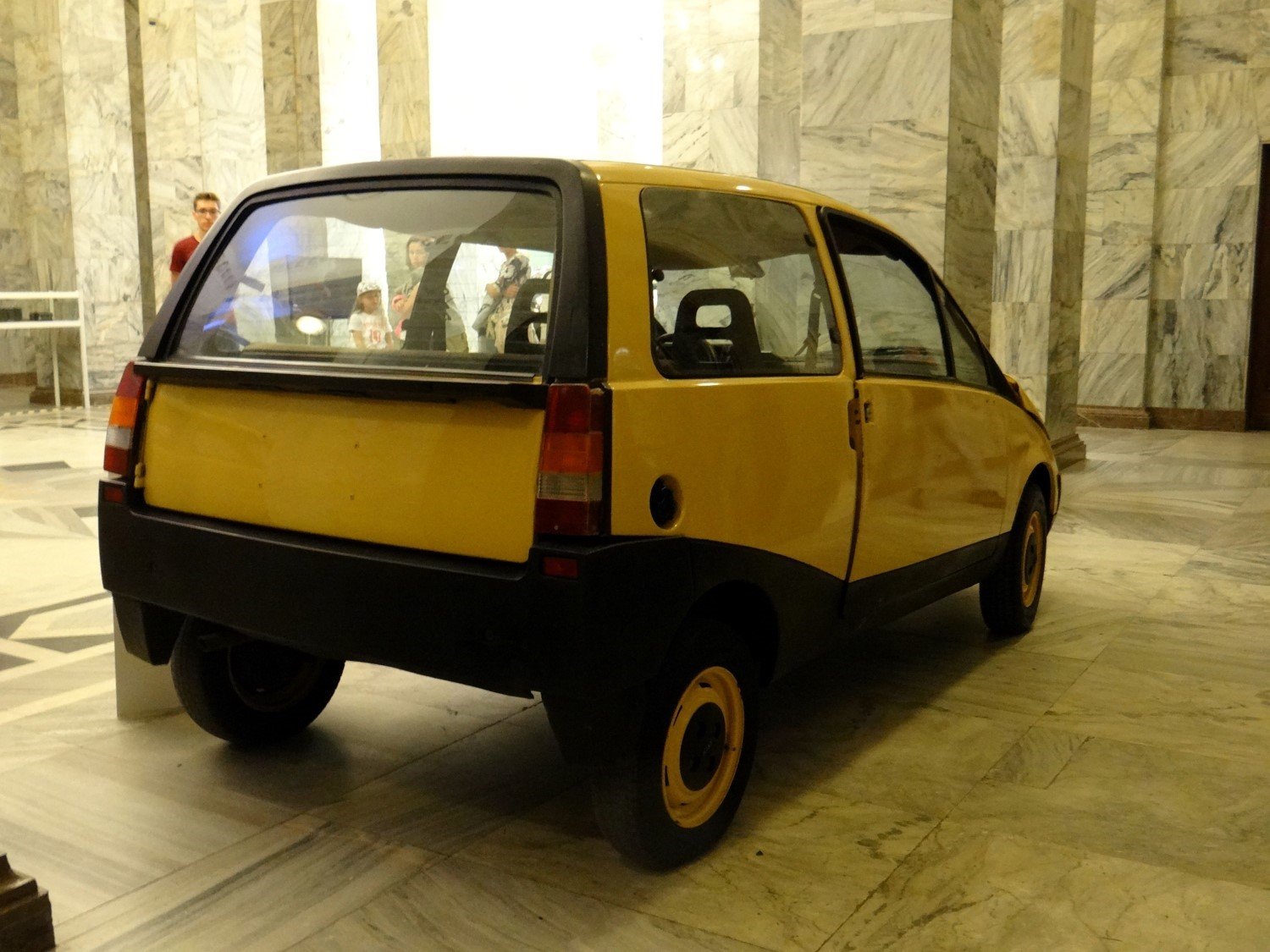
FSM Beskid – a prototype of a successor to the hugely popular Maluch.
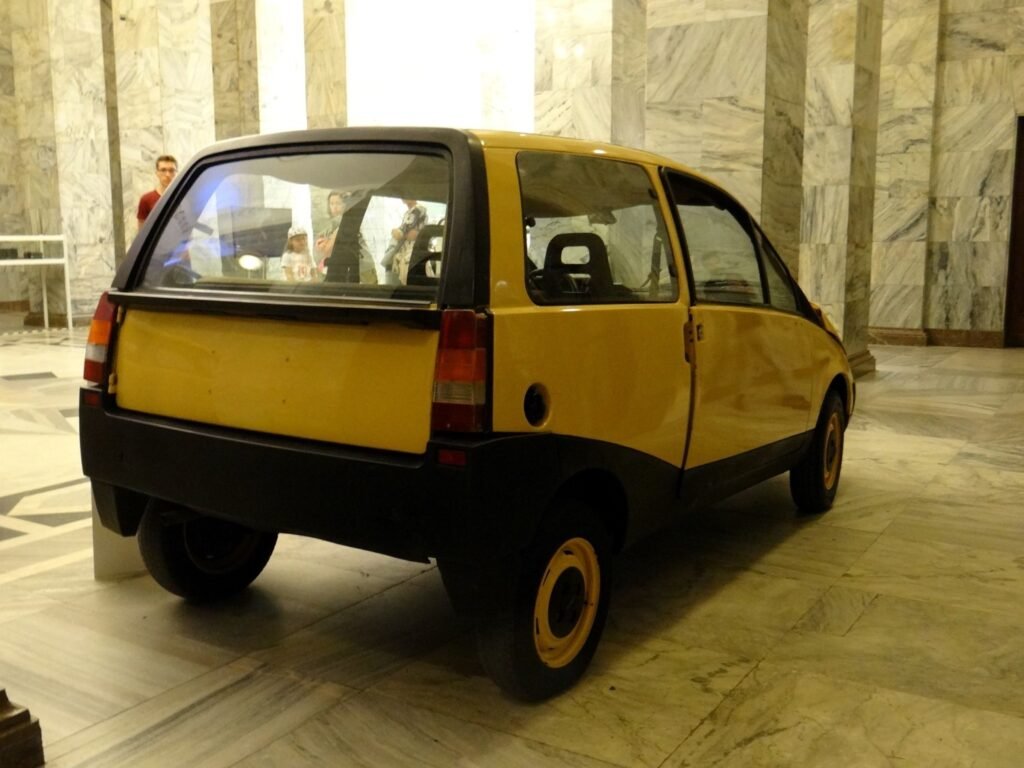
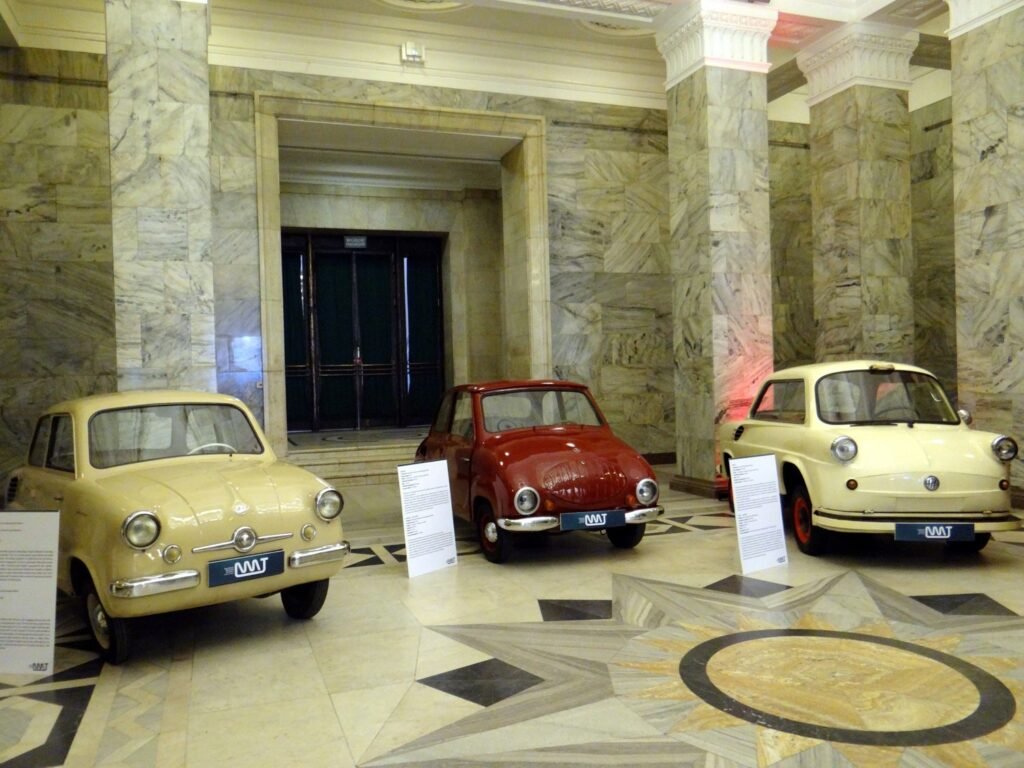
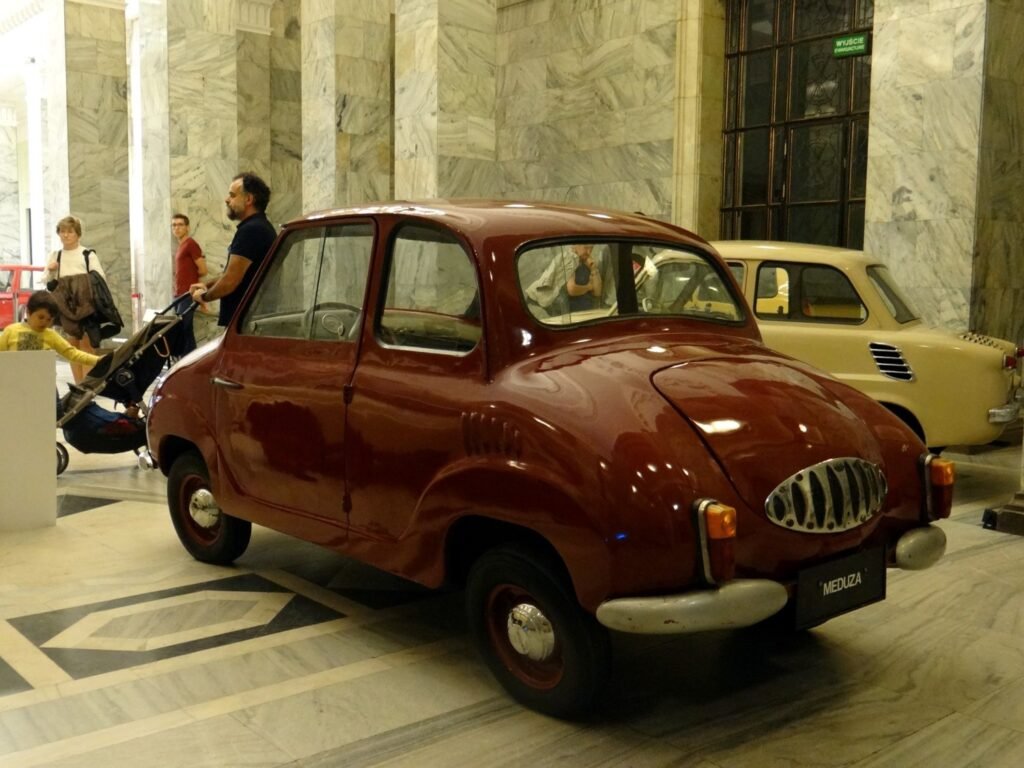
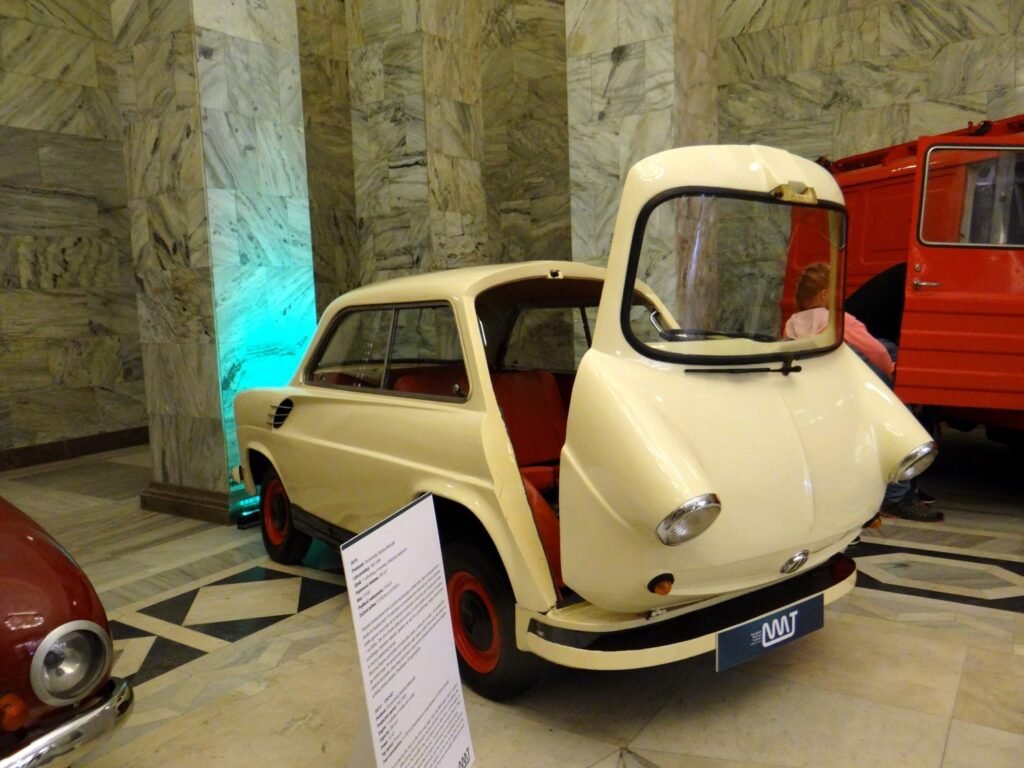
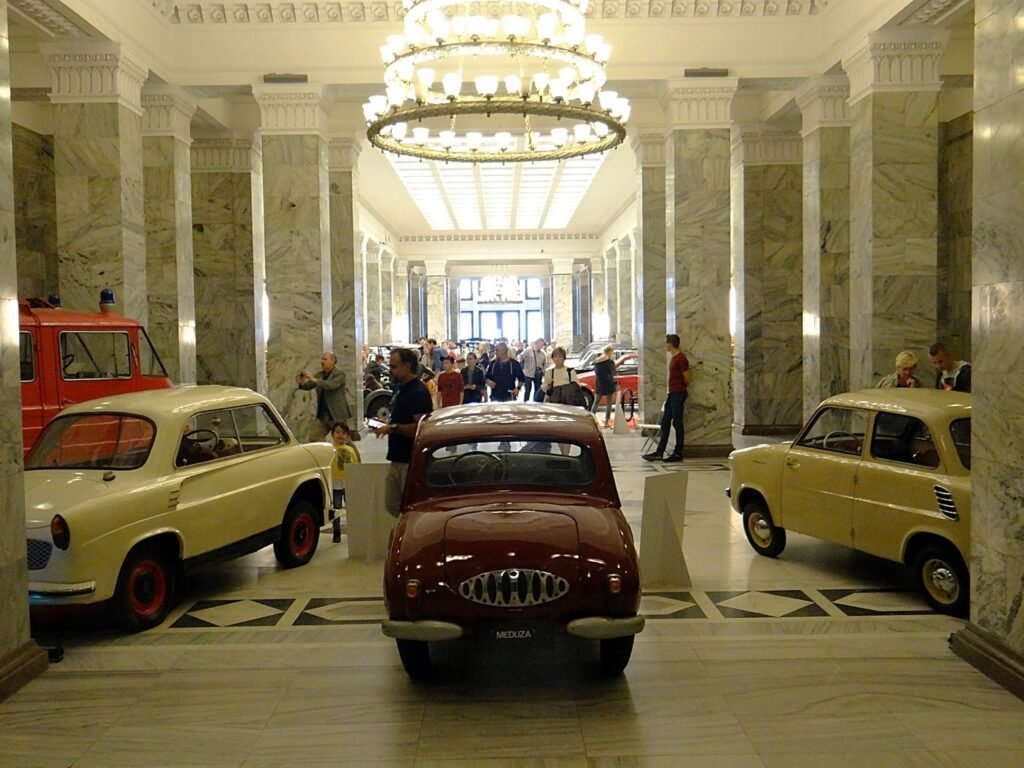
The microcars – Mikrus, Meduza i Smyk.
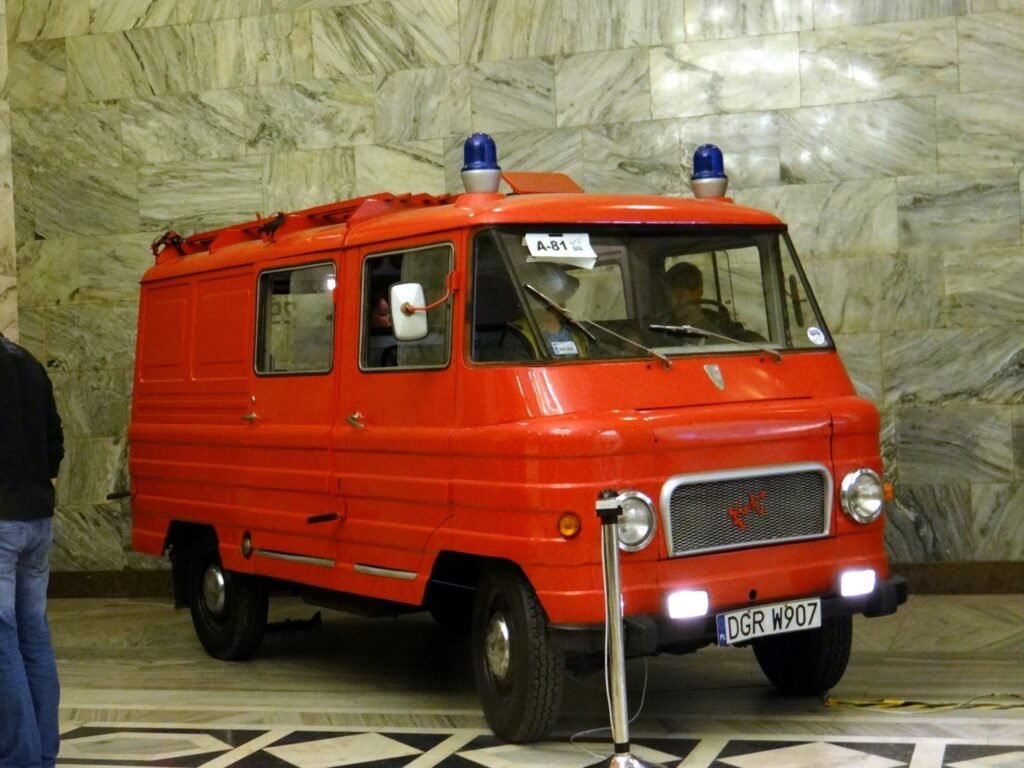
The fire service Żuk – one of the models you can go into. Mobbed by the kids, so taking a good picture required enormous amounts of patience.
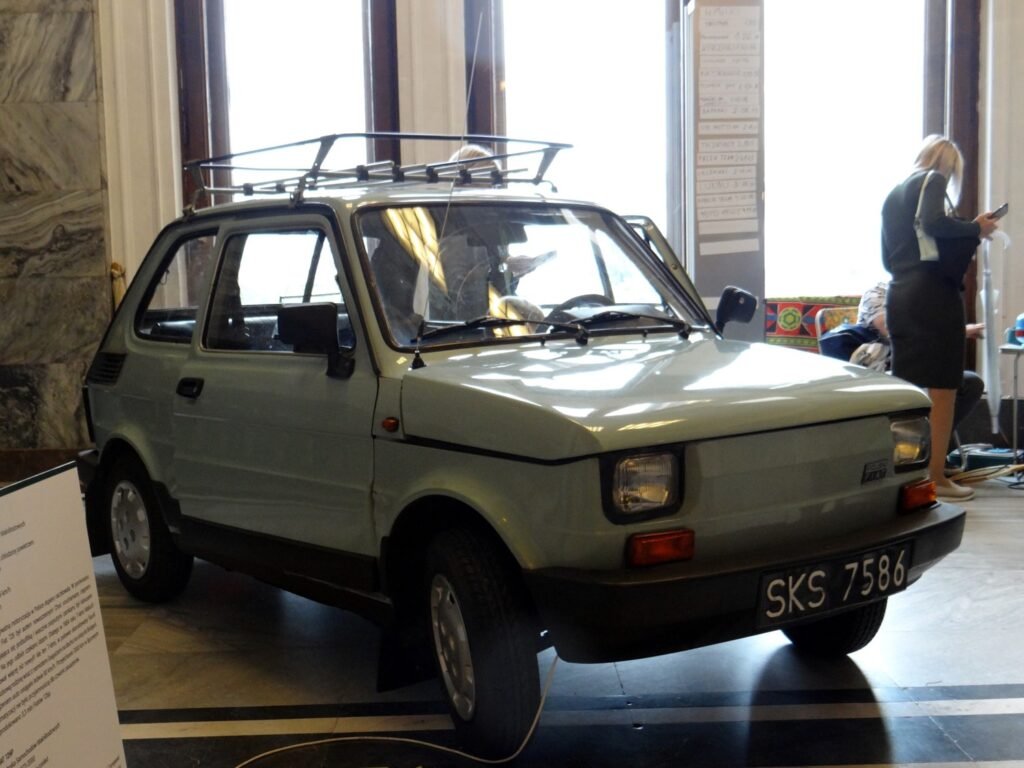
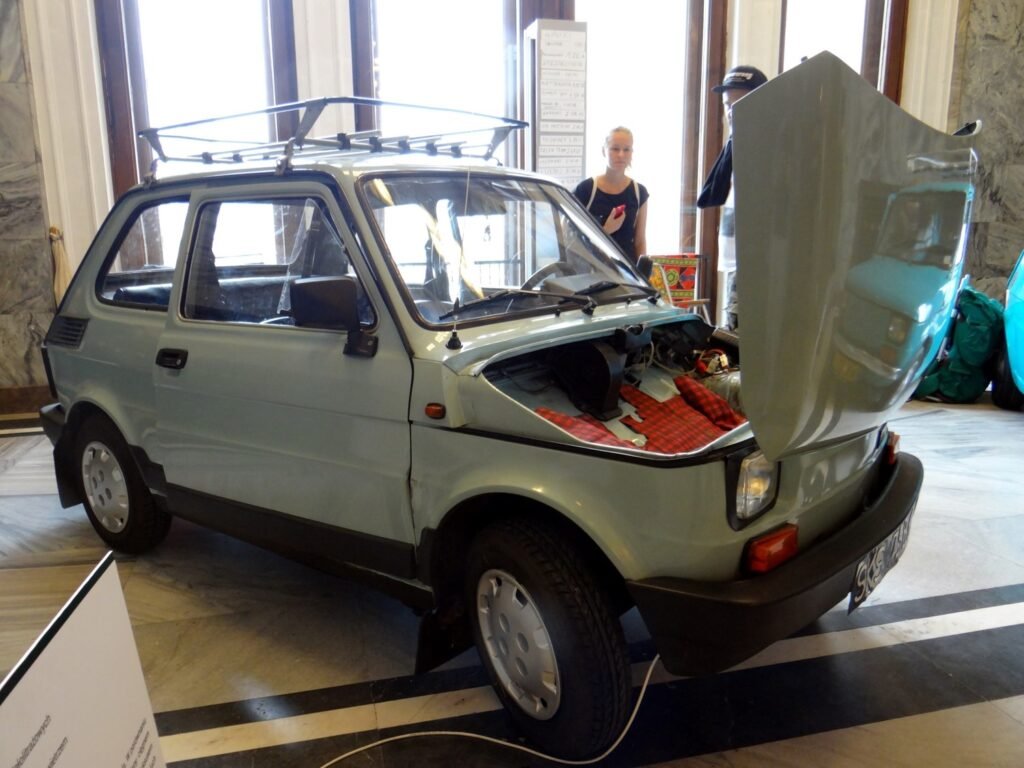
The Maluch after a facelfit.
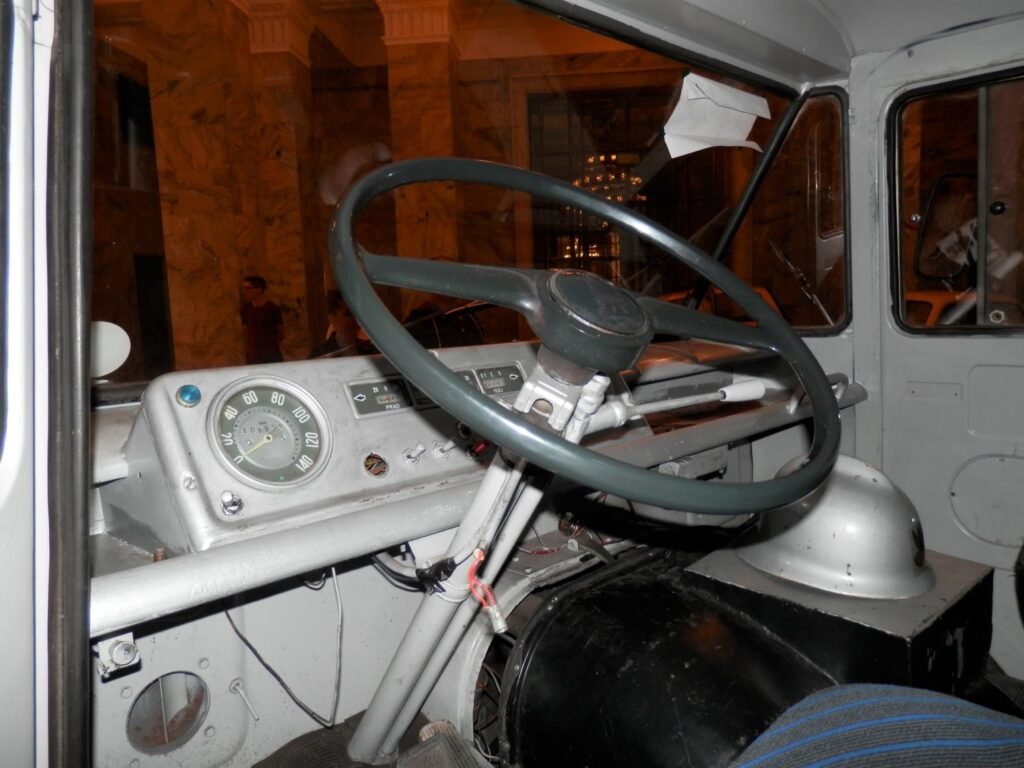
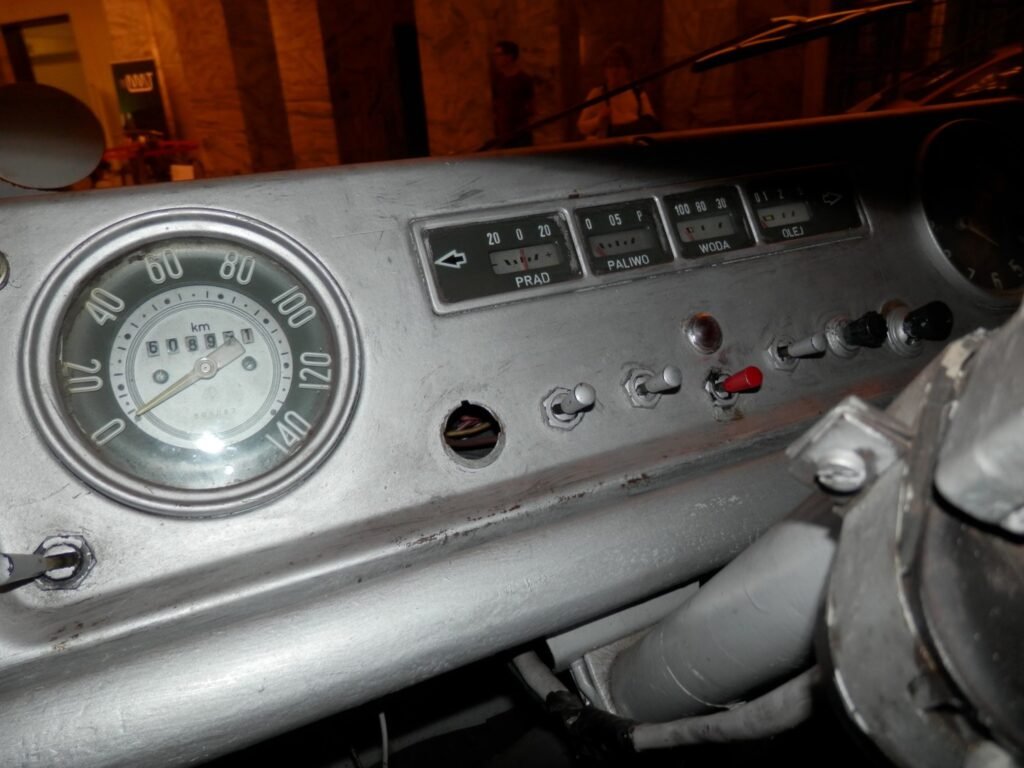
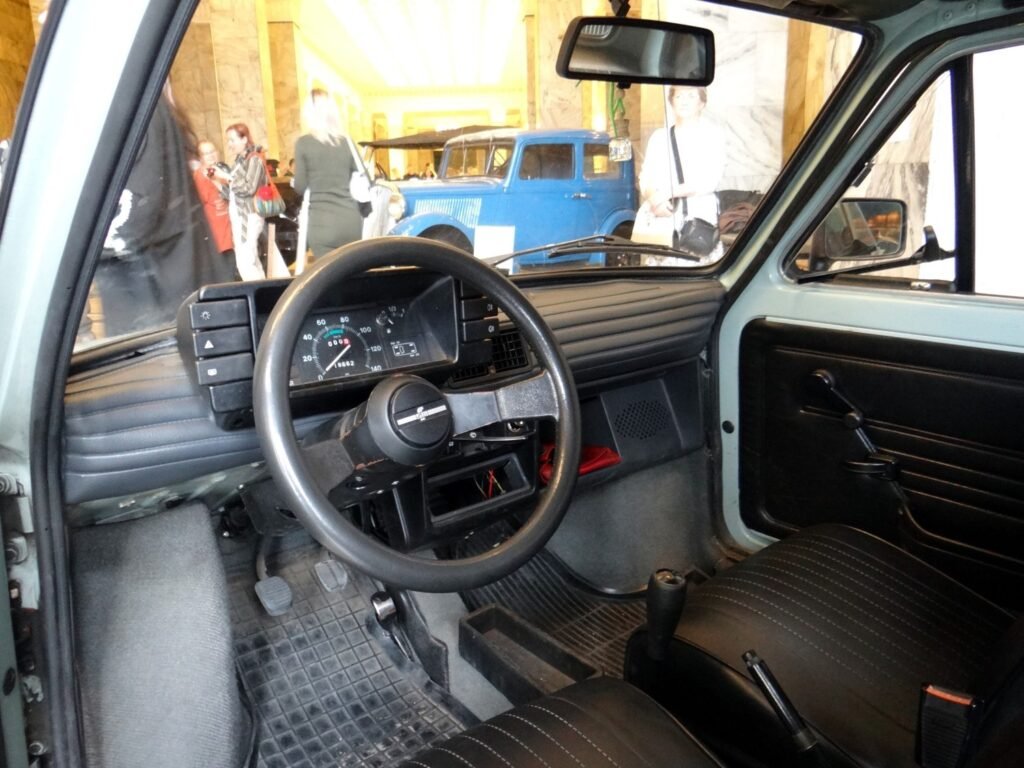
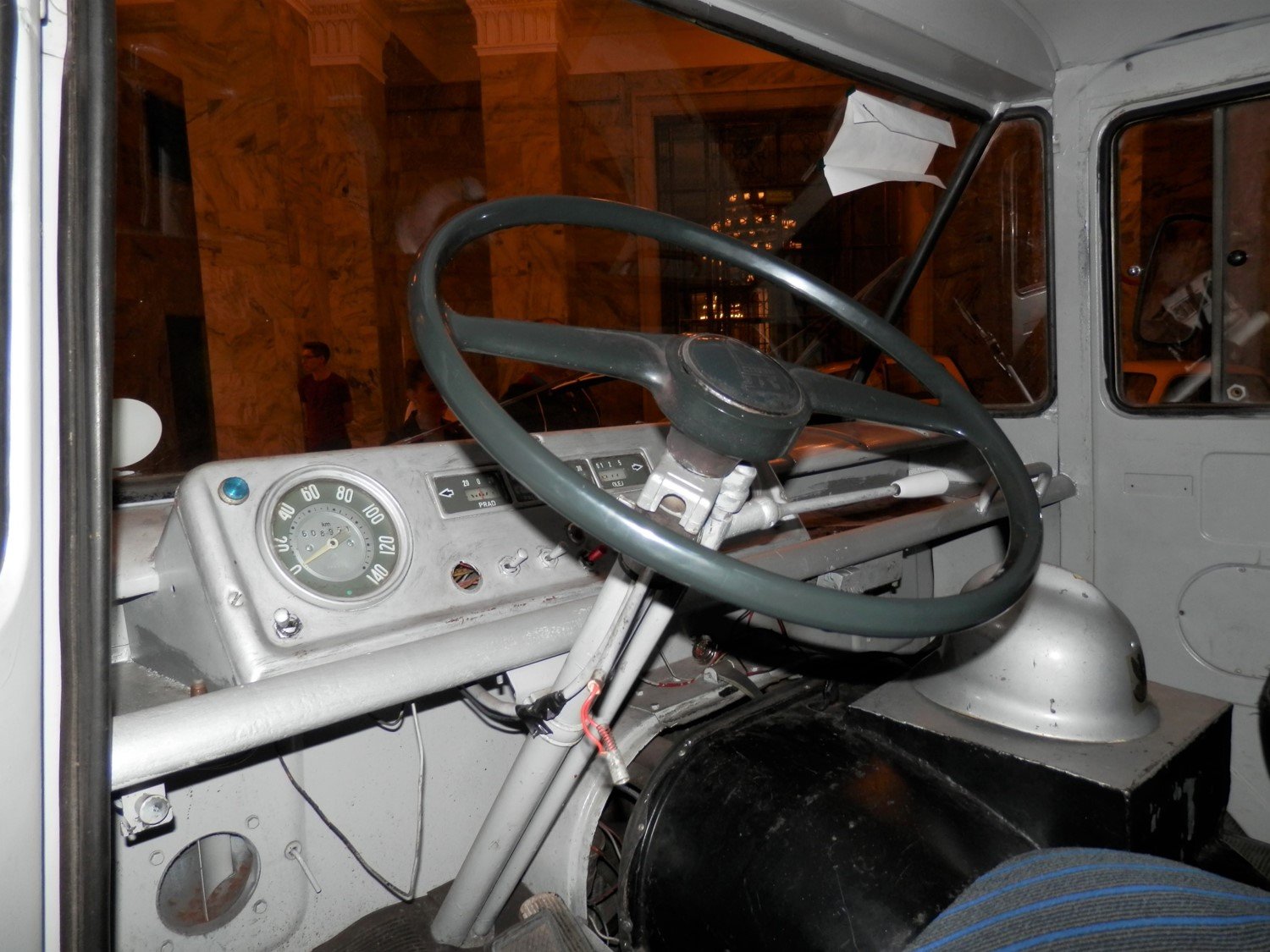
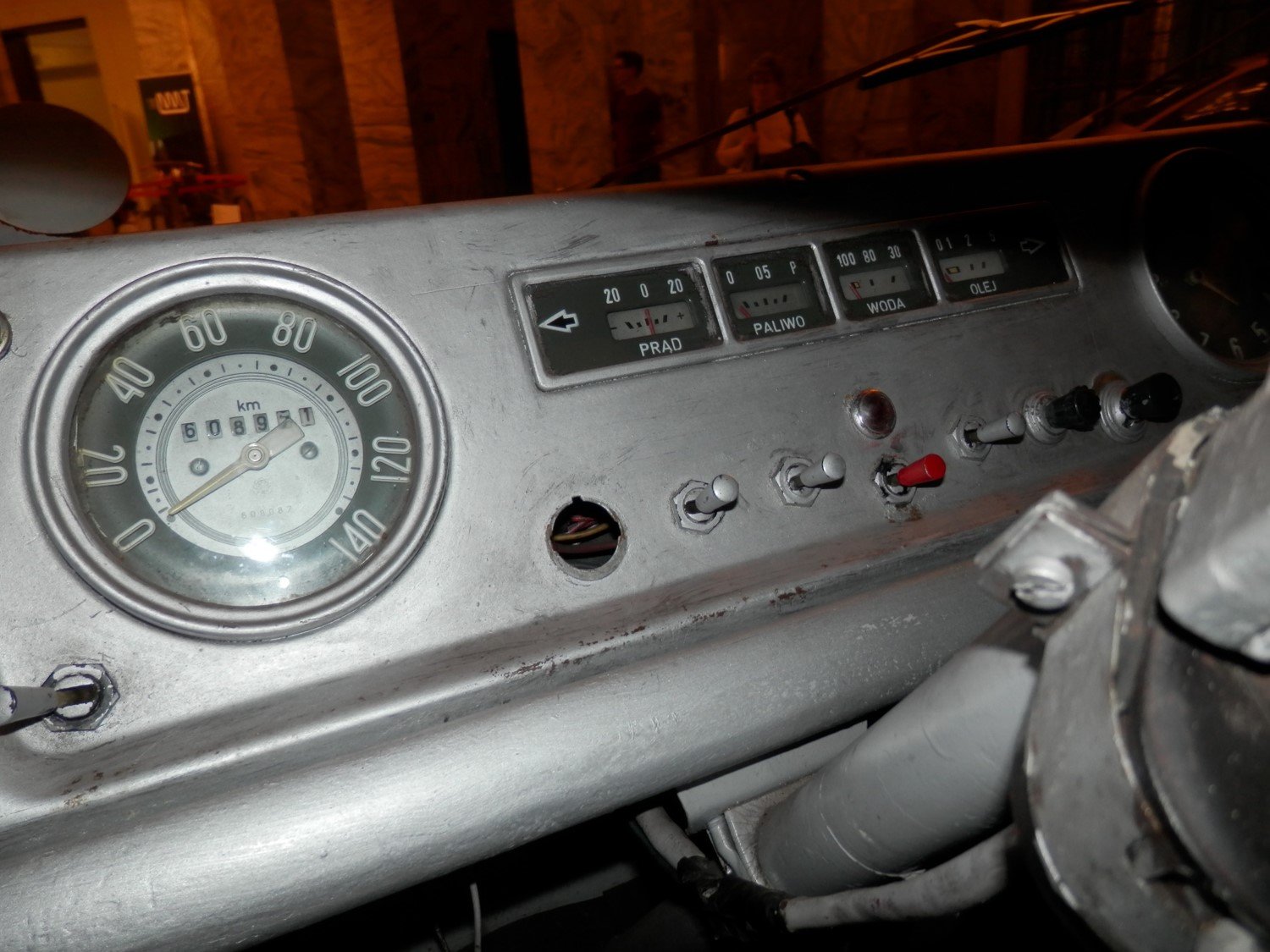
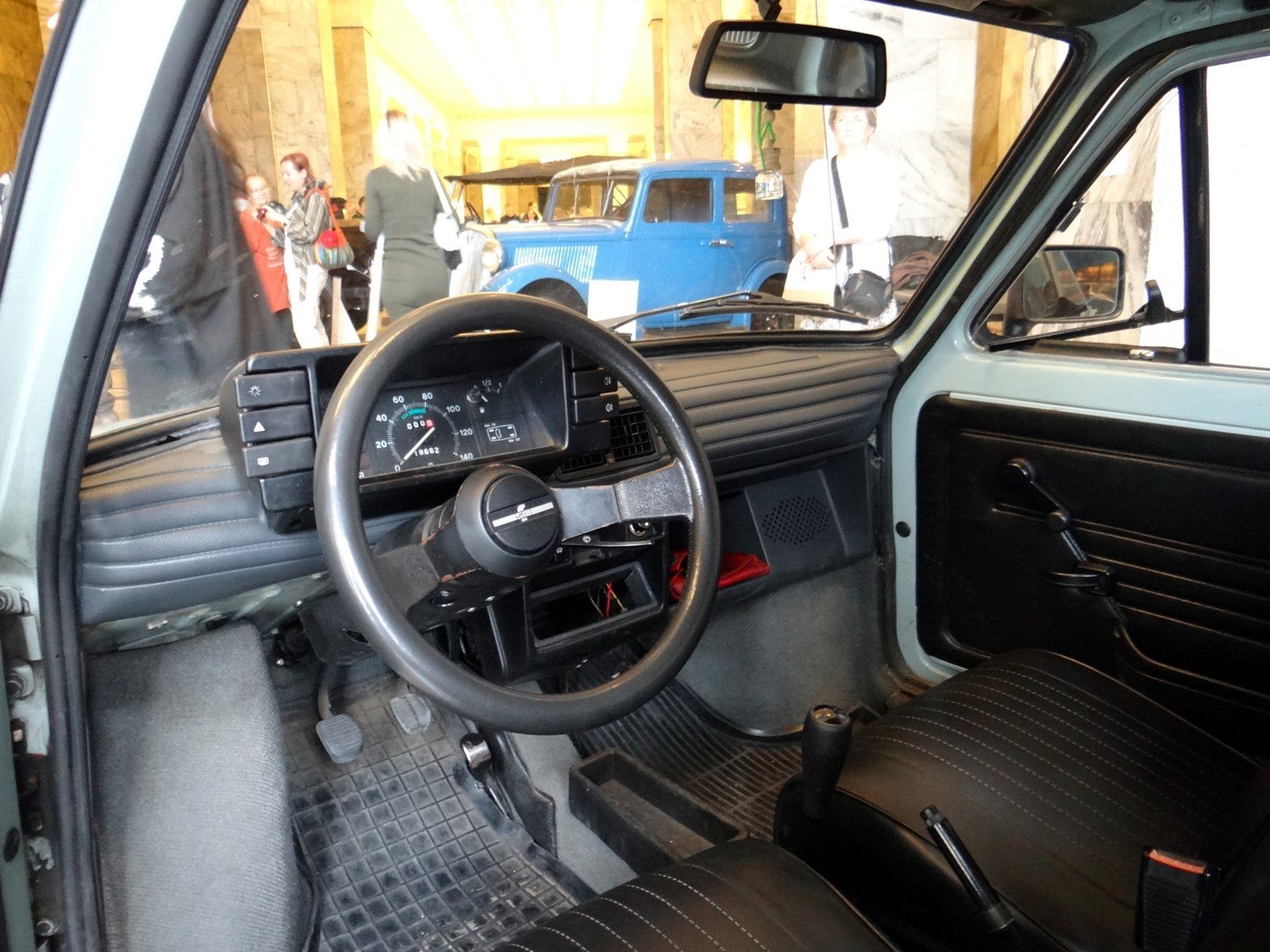
Just like in the Żuk: you can sit inside and play around with the switches.
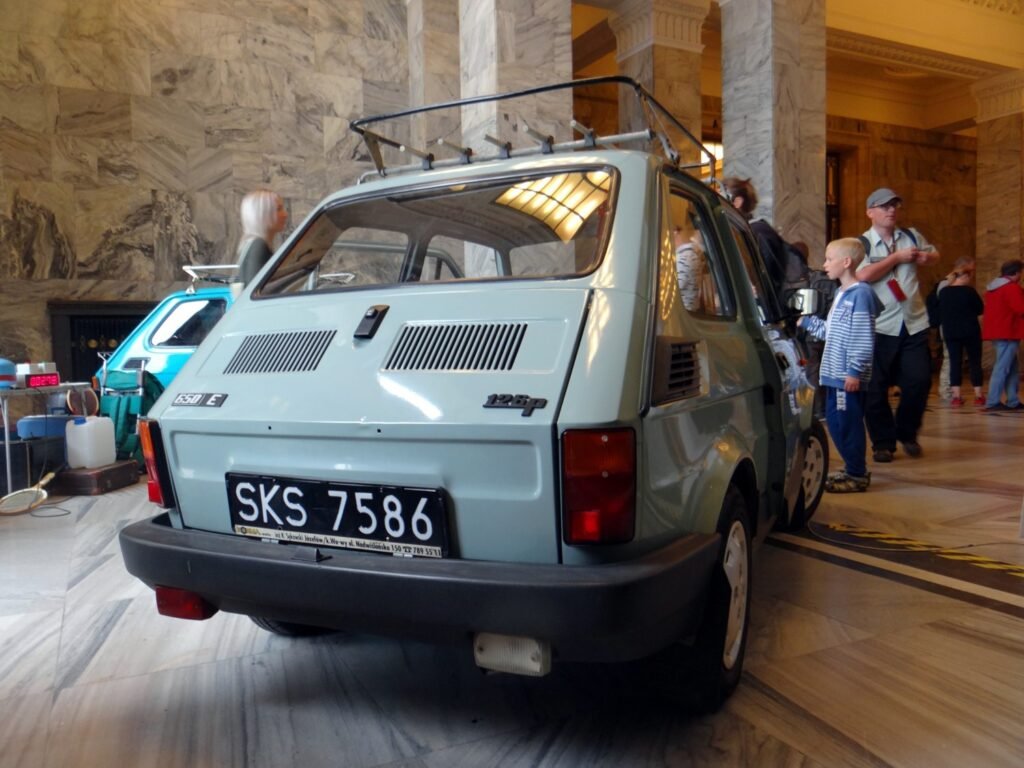
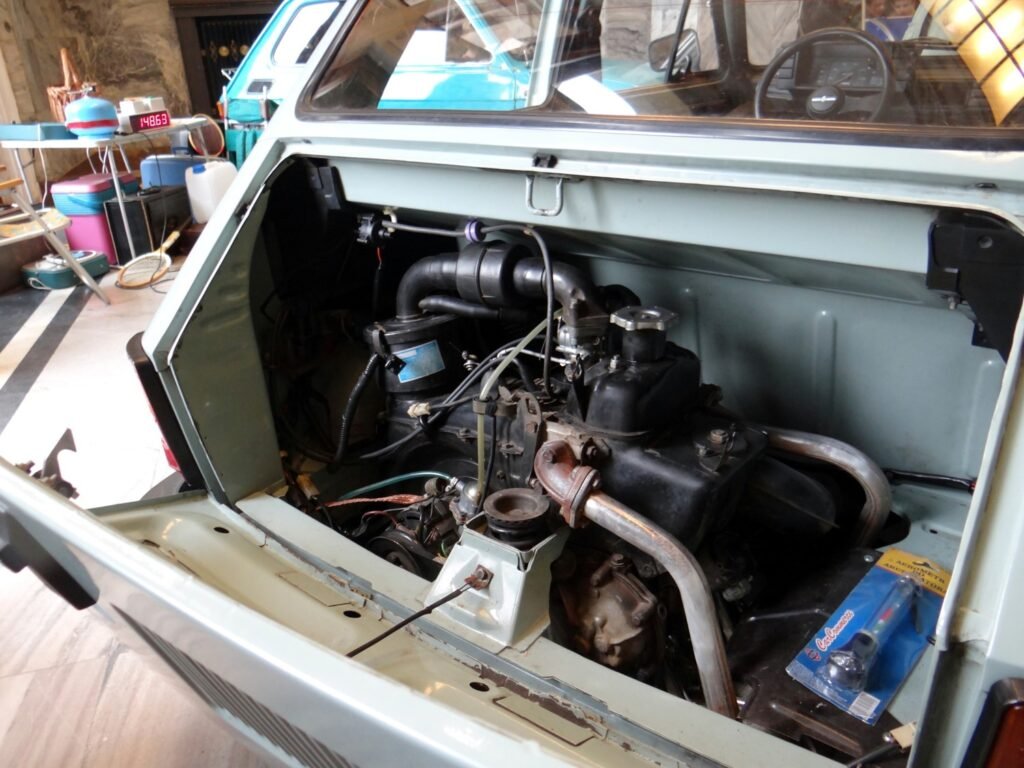
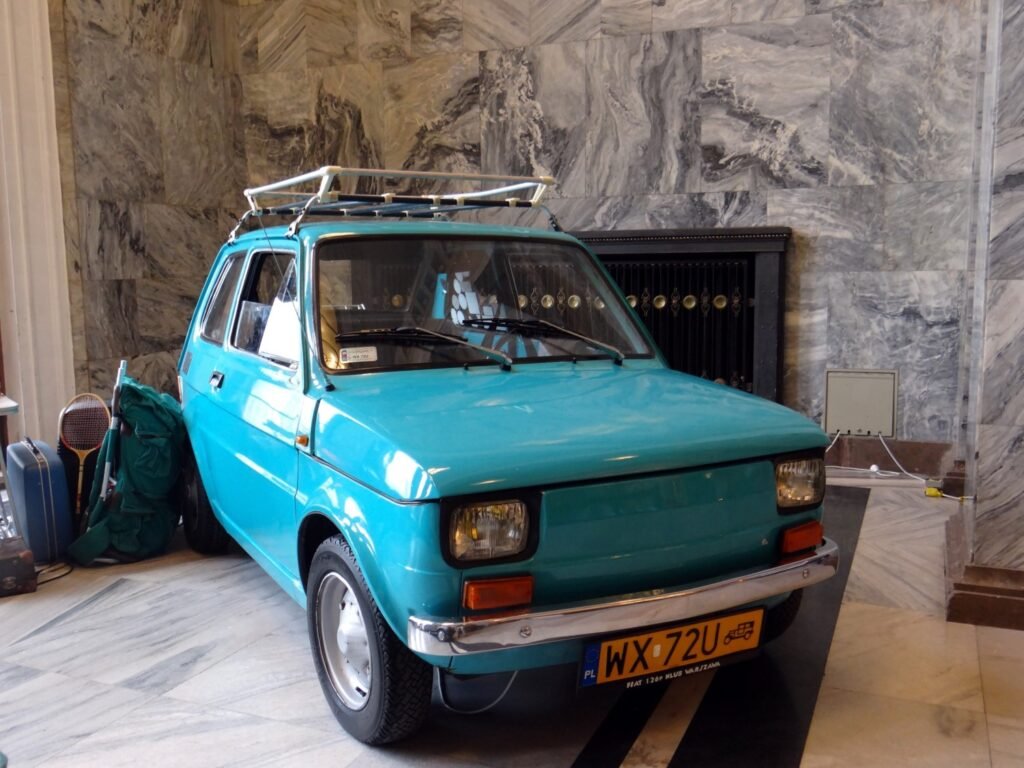
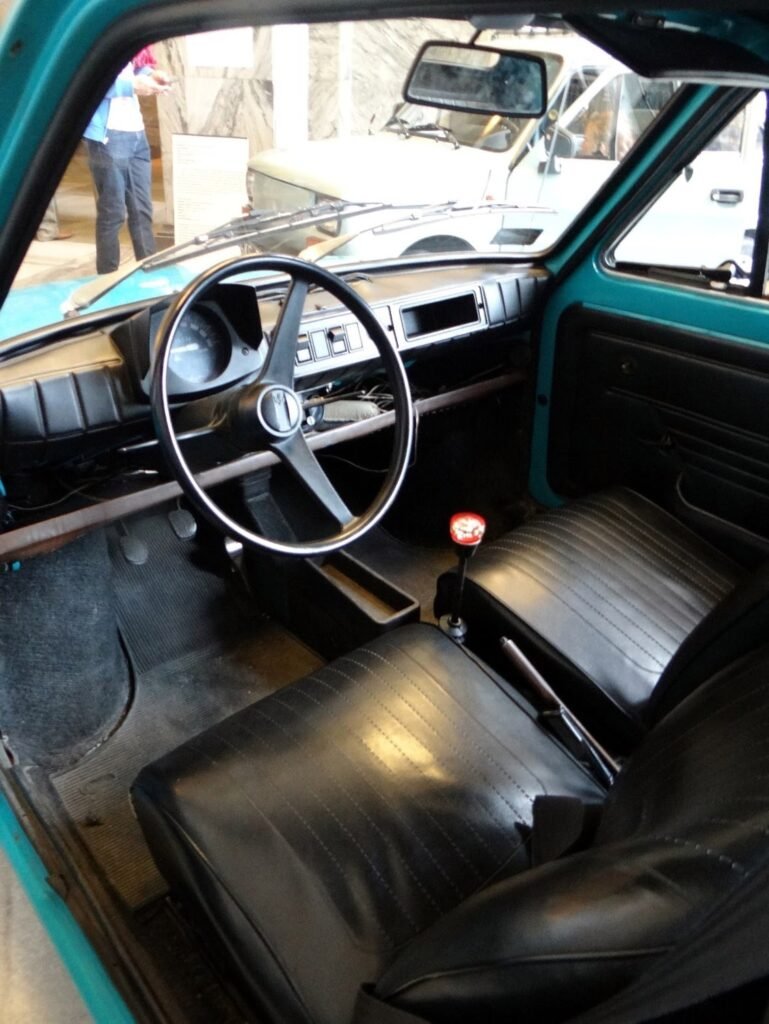
An early Fiat 126p.
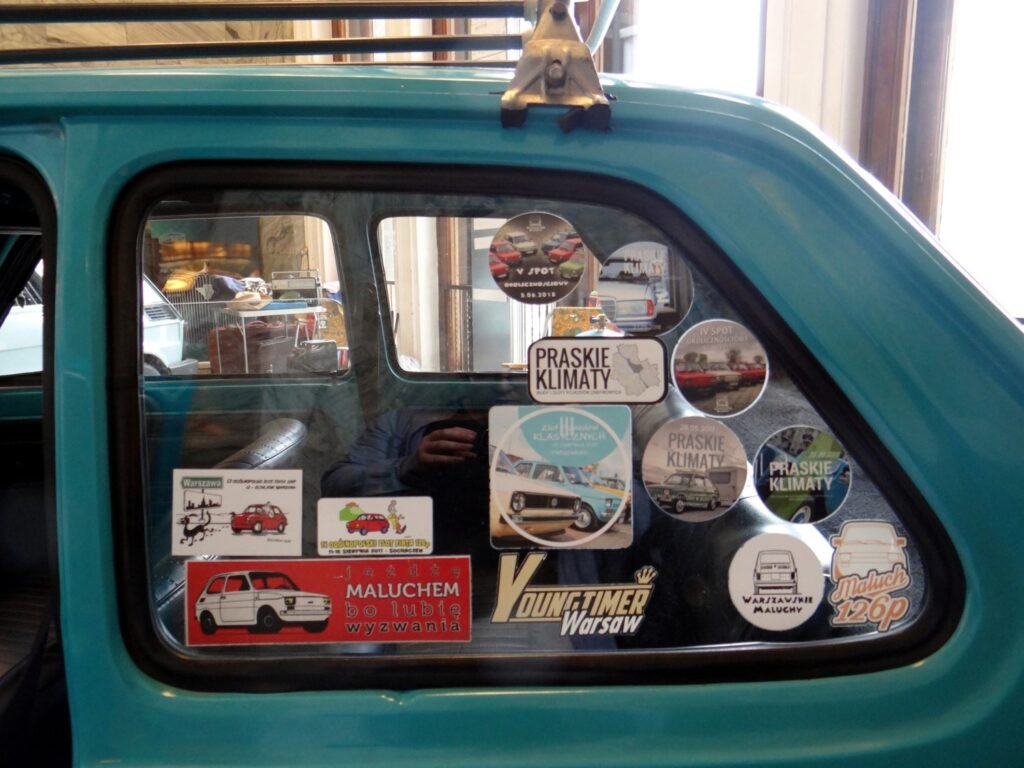
Maluch the globetrotter.
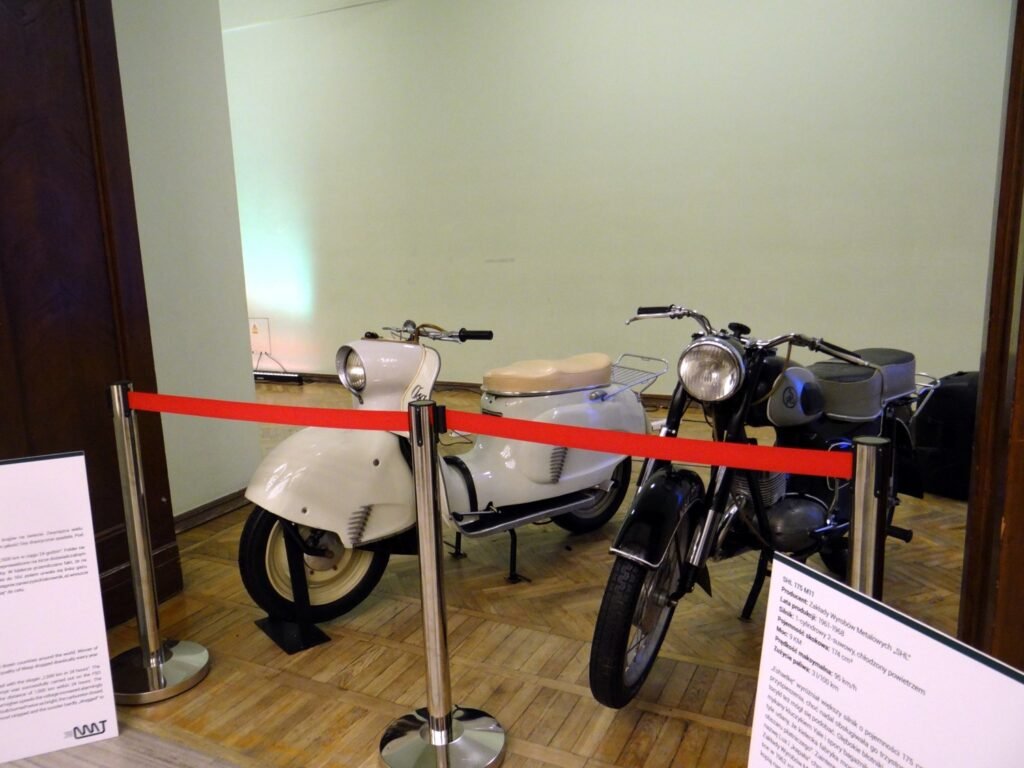
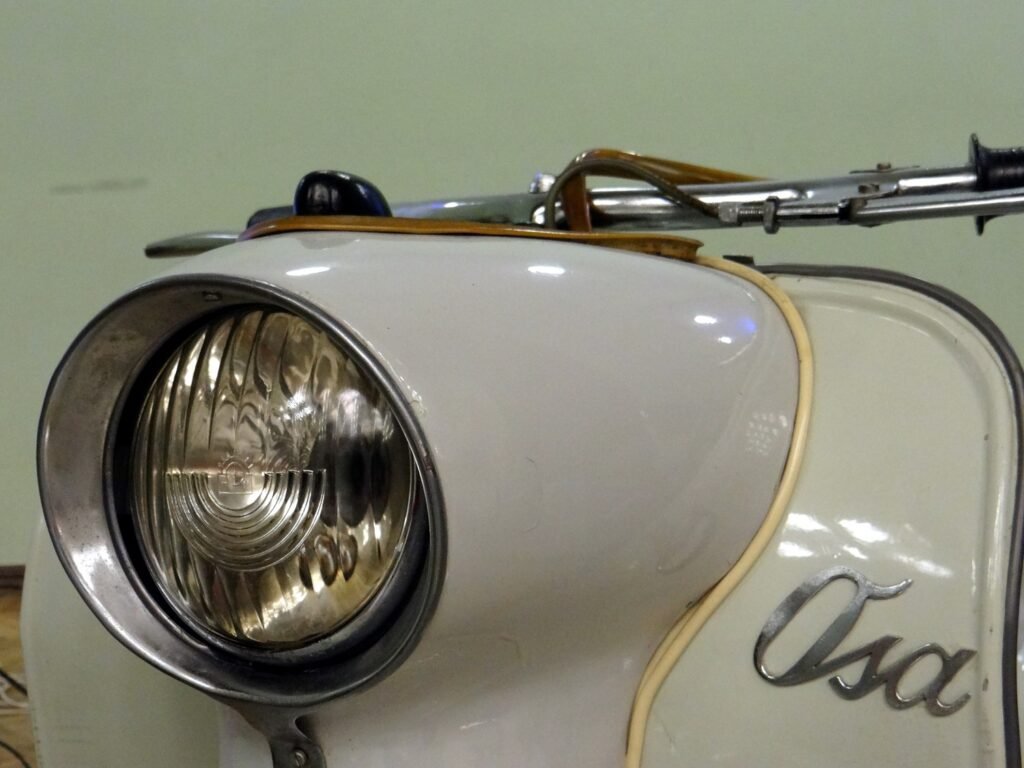
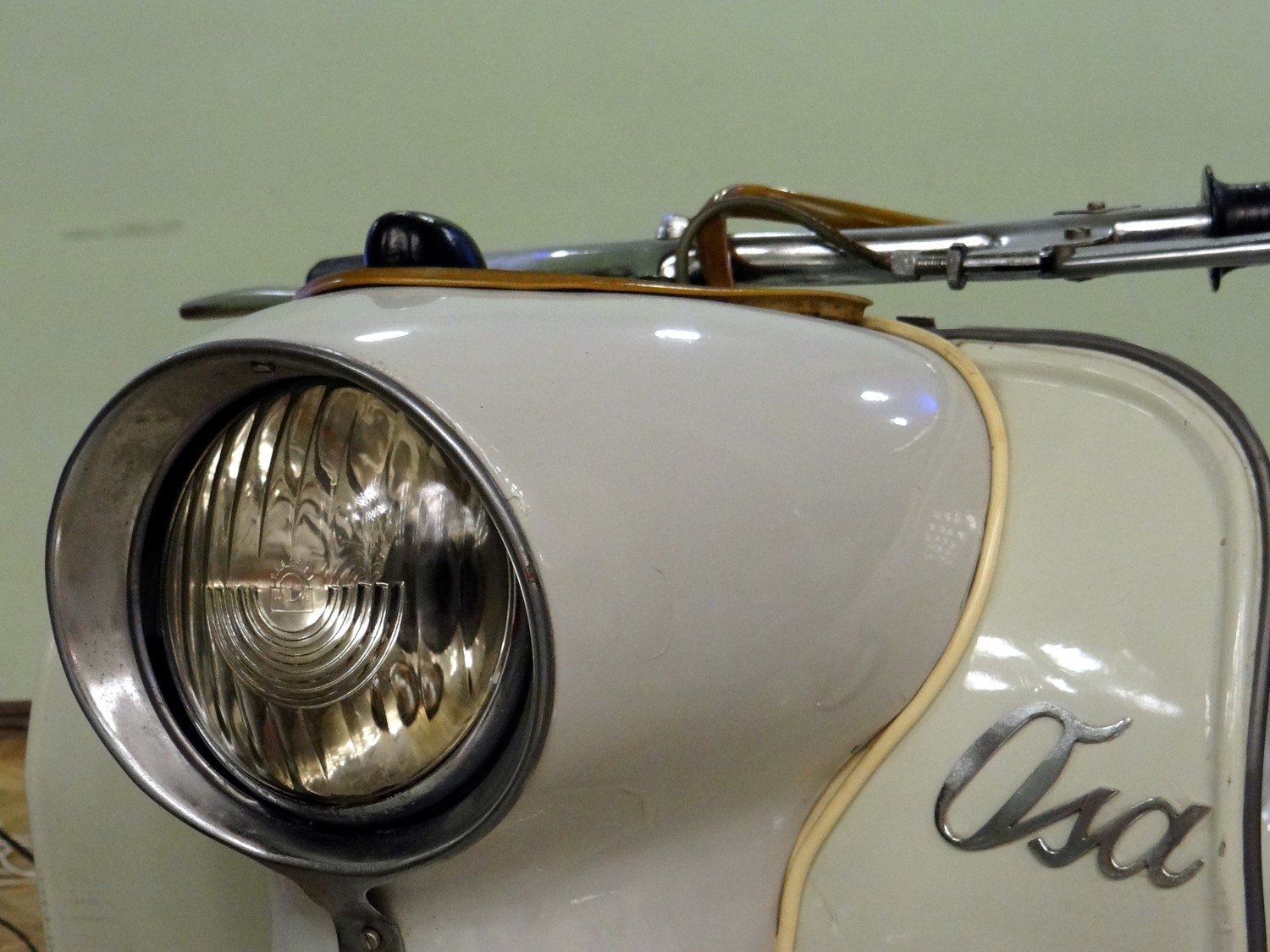
The Osa scooter and next to it the SHL 175 M11 motorcycle.
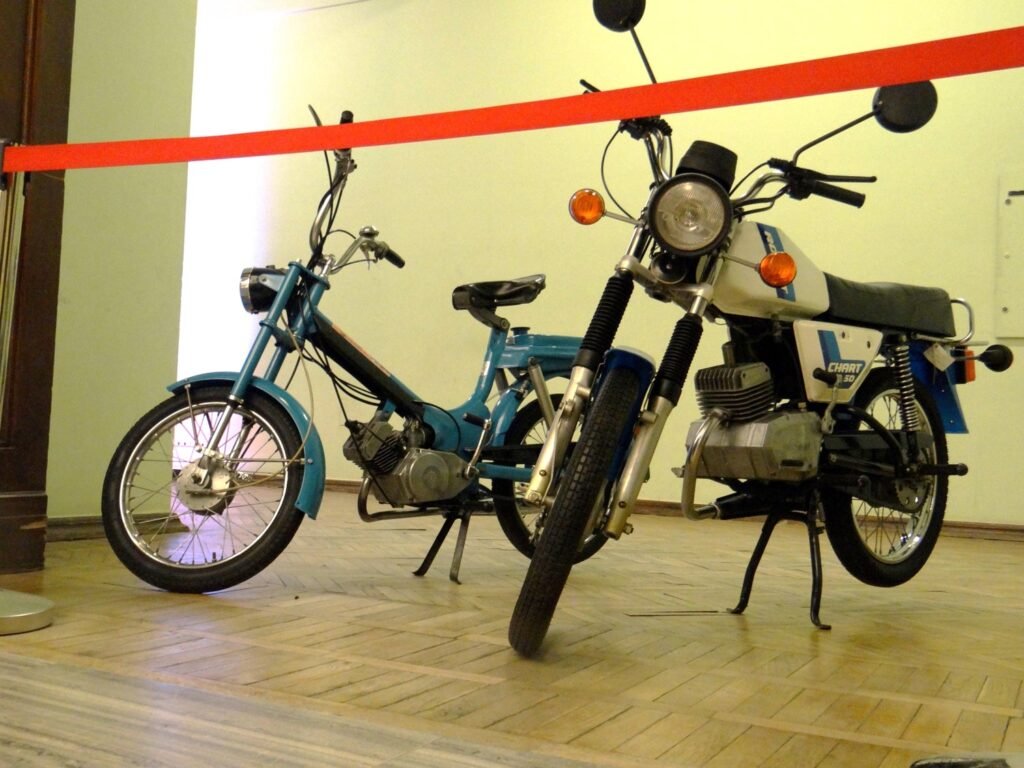
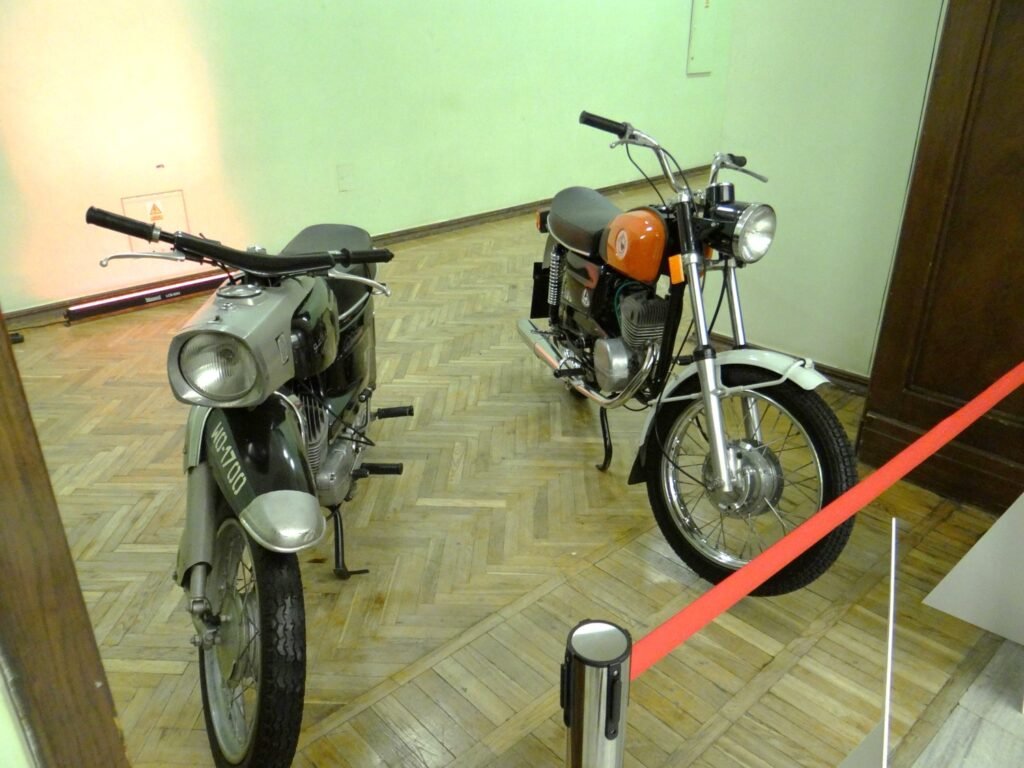
Gazela on the left. WSK 125 on the right.
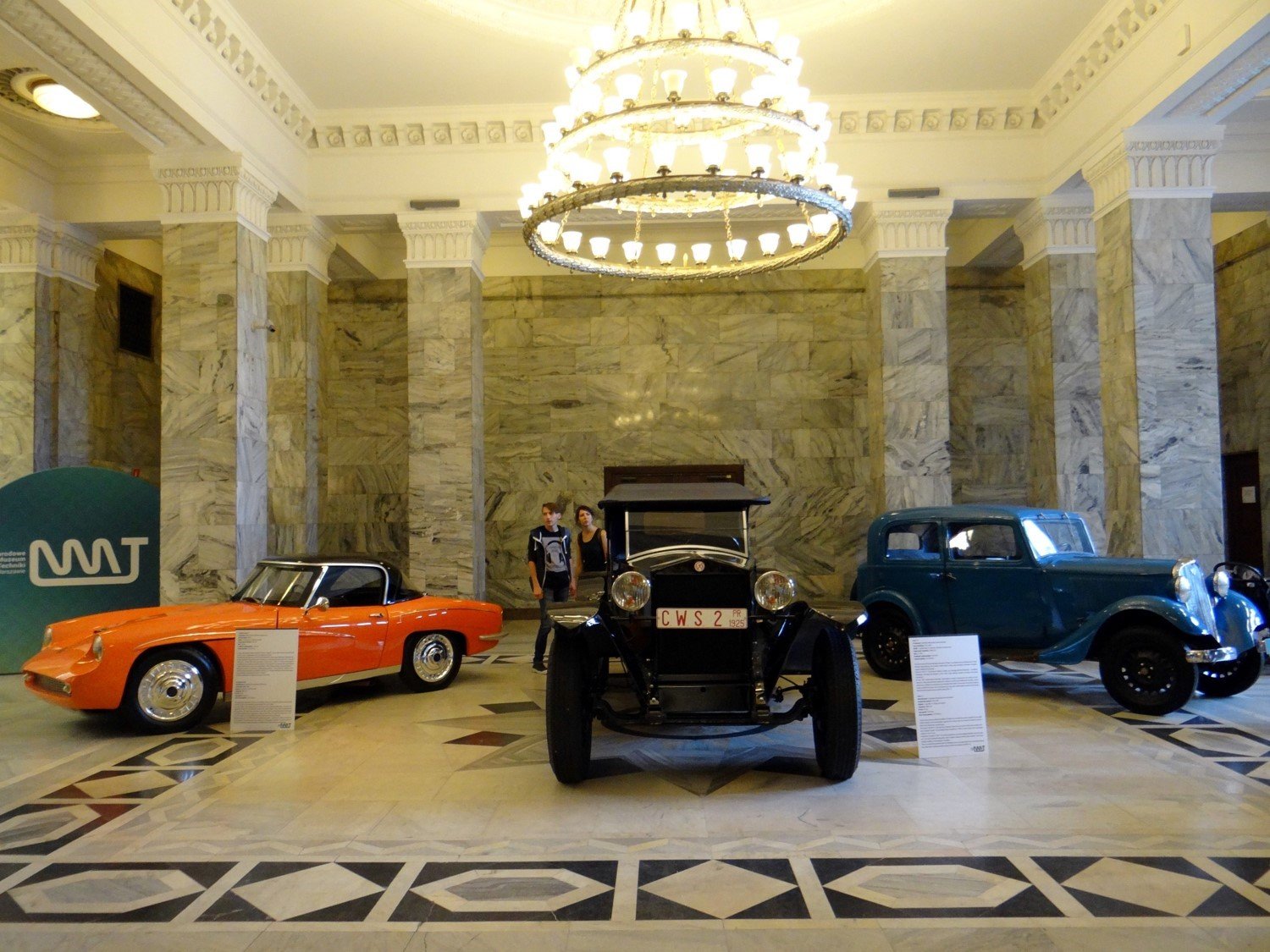
Guests are welcomed by (from the left): Syrena Sport, CWS 1 and Polski Fiat 508
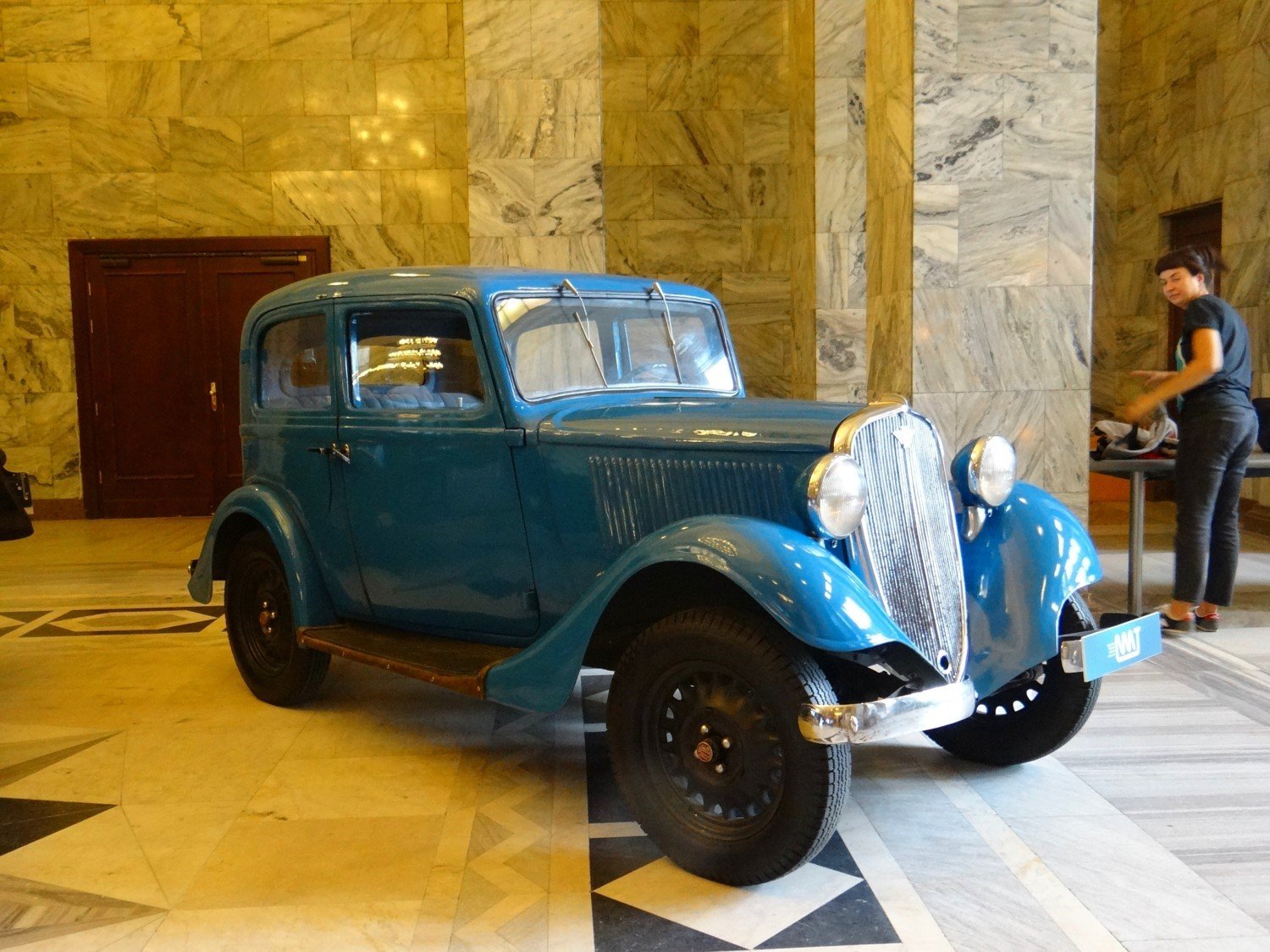
Polski Fiat 508 – production of the car on Fiat’s license began already in 1932.
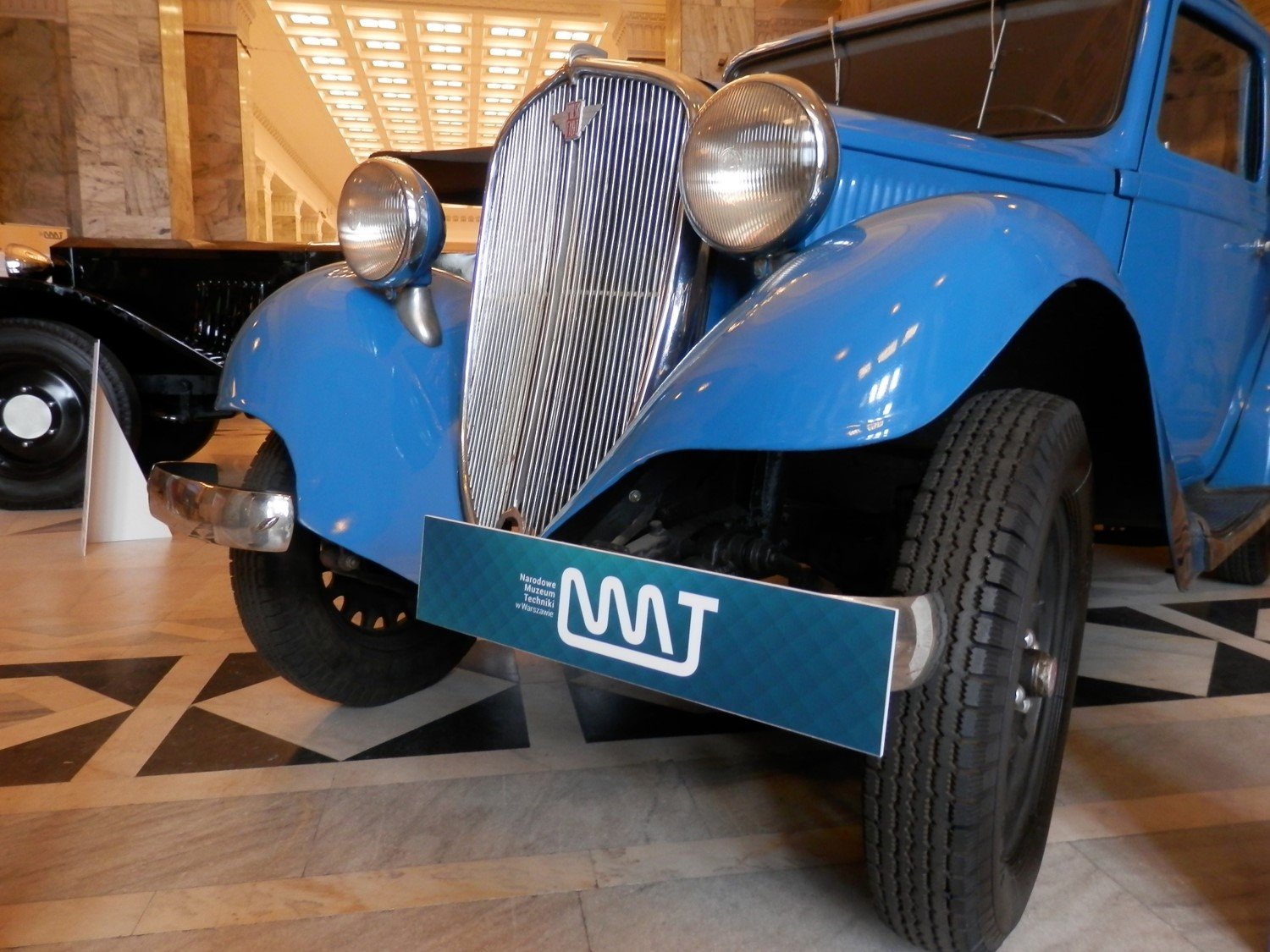
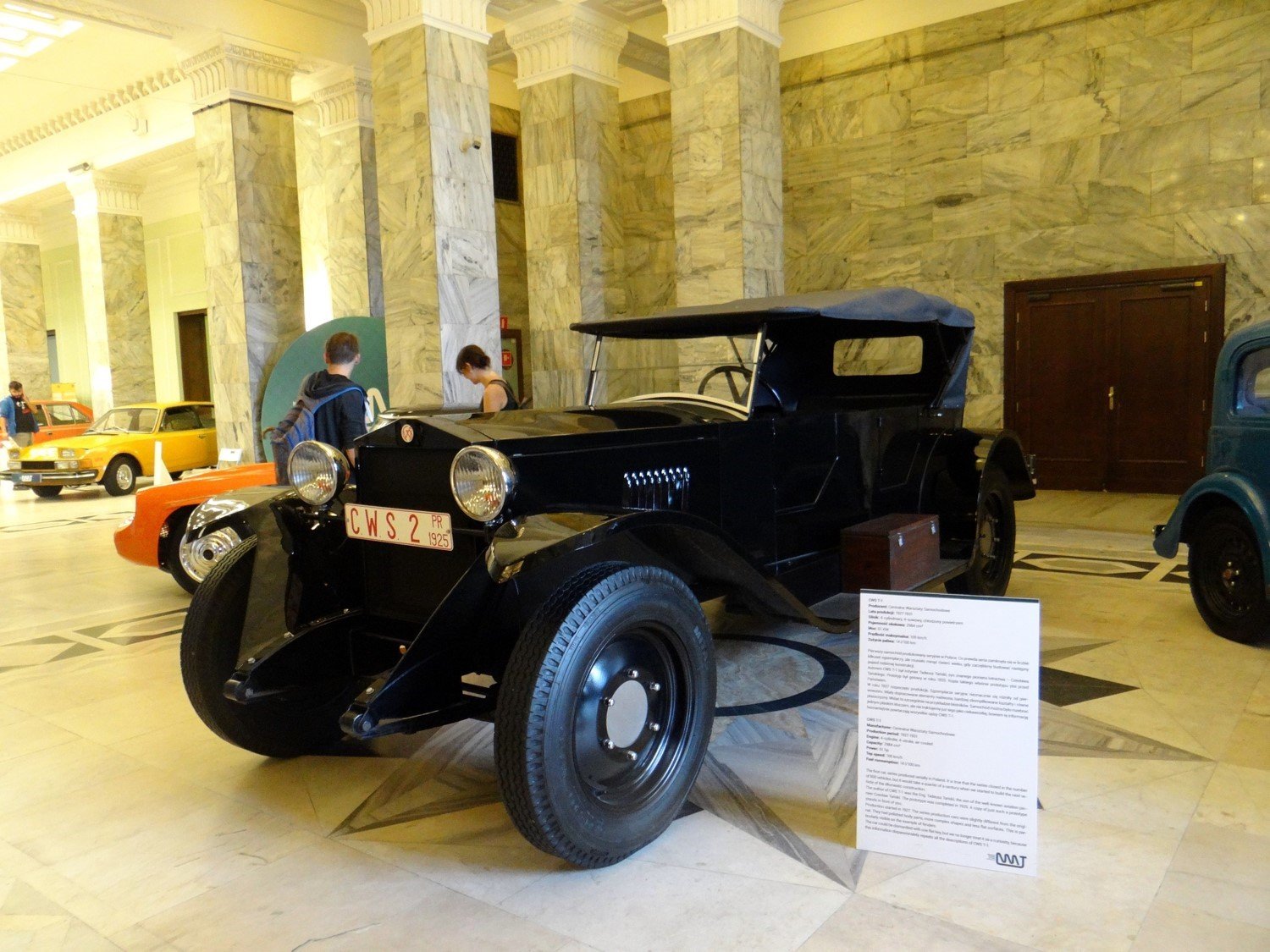
CWS T-1: The first serially produced Polish car. In the years 1927-1931 ca.800 units were made. The pictured model is a replica.
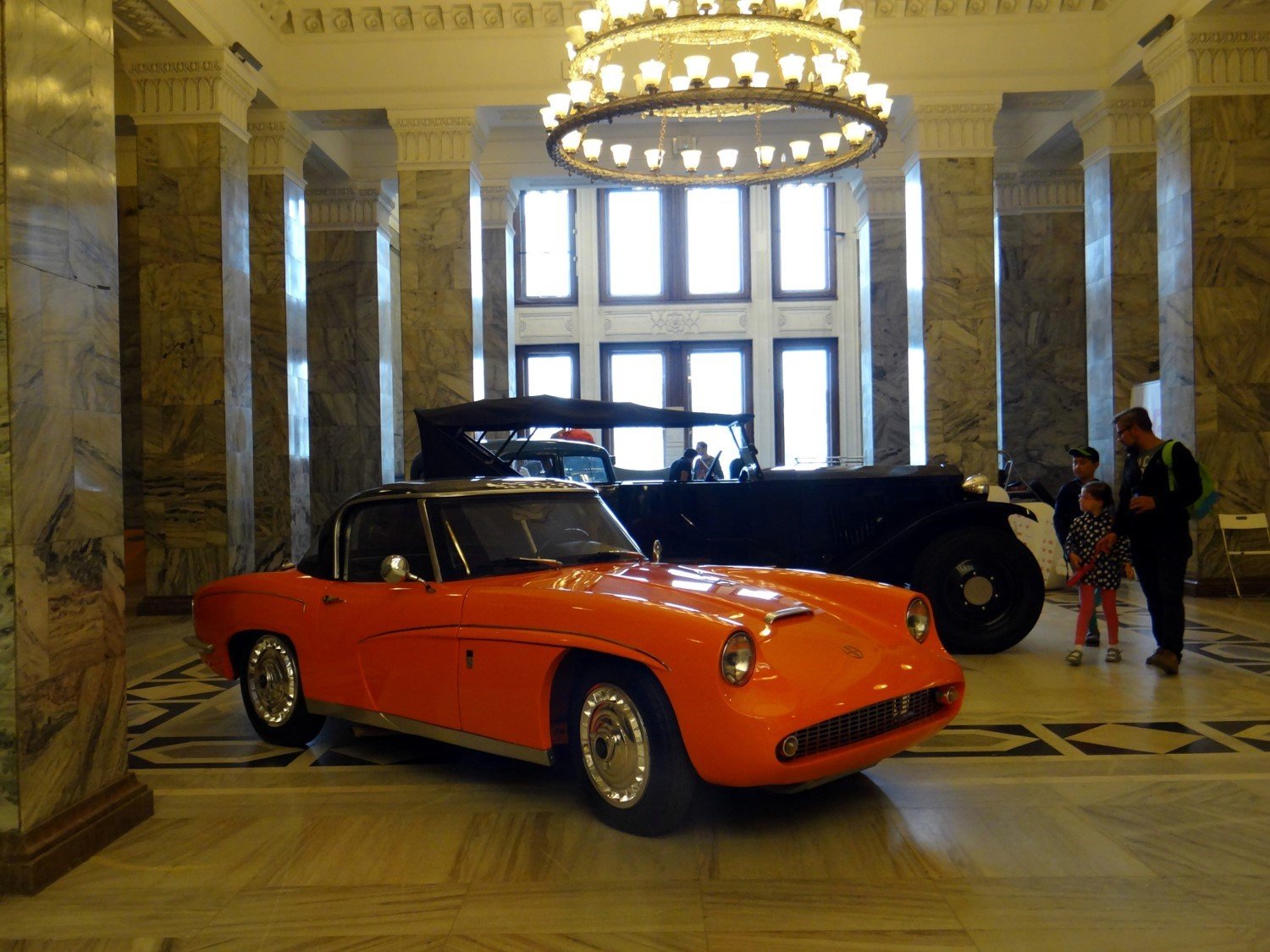
Syren Sport. Announced by Western media as the “prettiest car from behind the Iron curtain”. Never left the prototype stage and the only model made was destroyed.
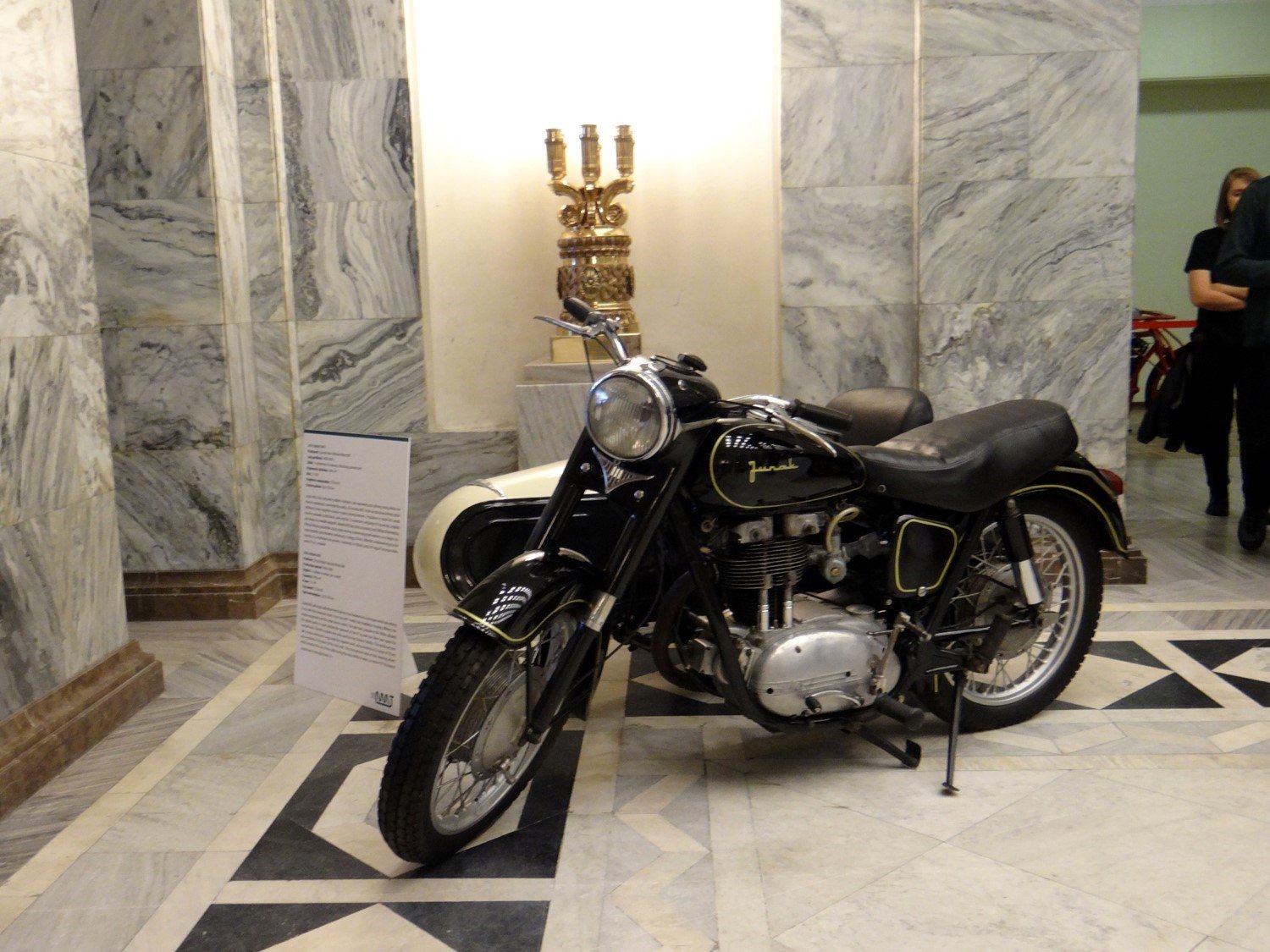
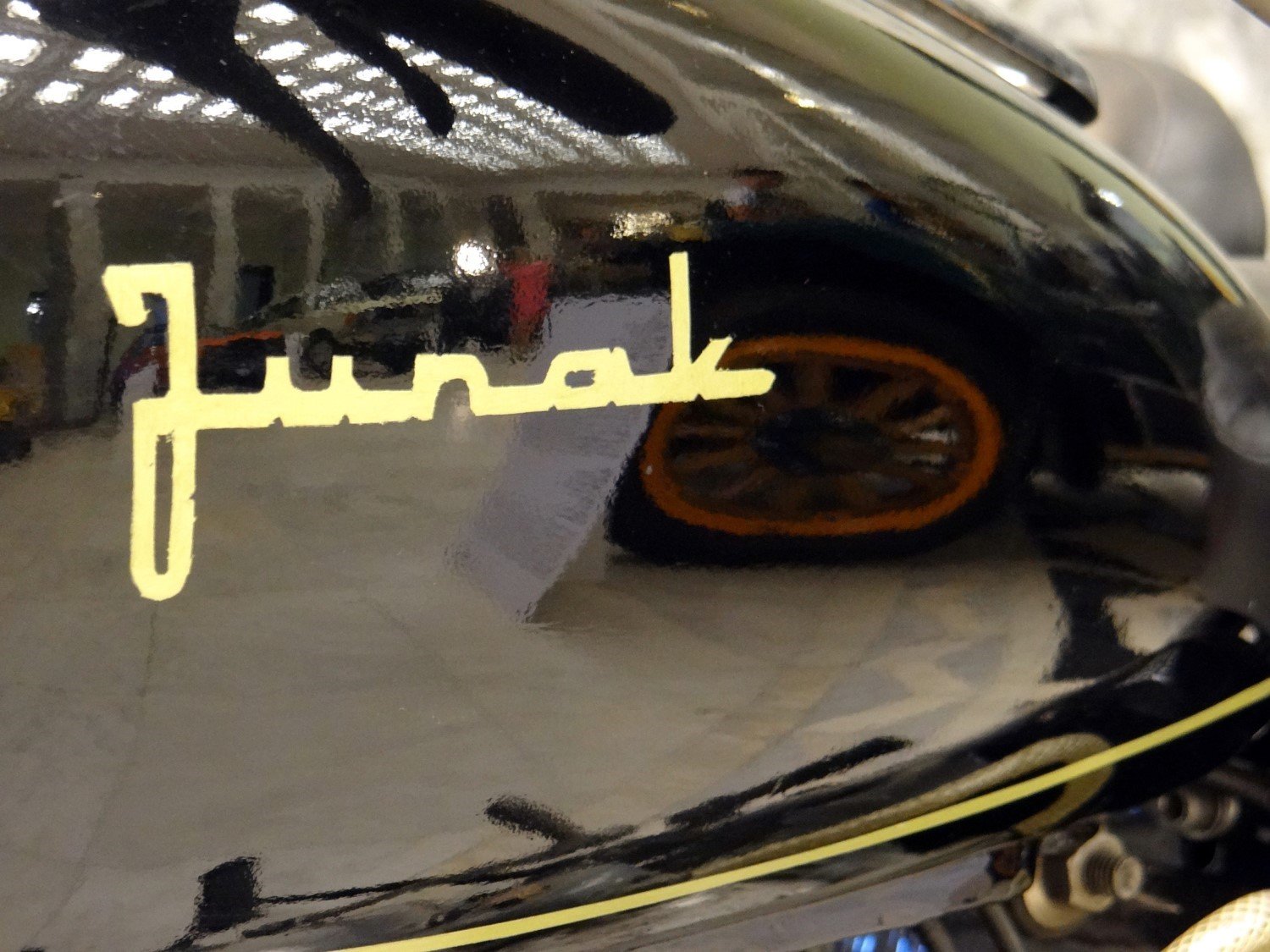
SFM Junak – the only Polish motorcycle with a four-stroke engine.
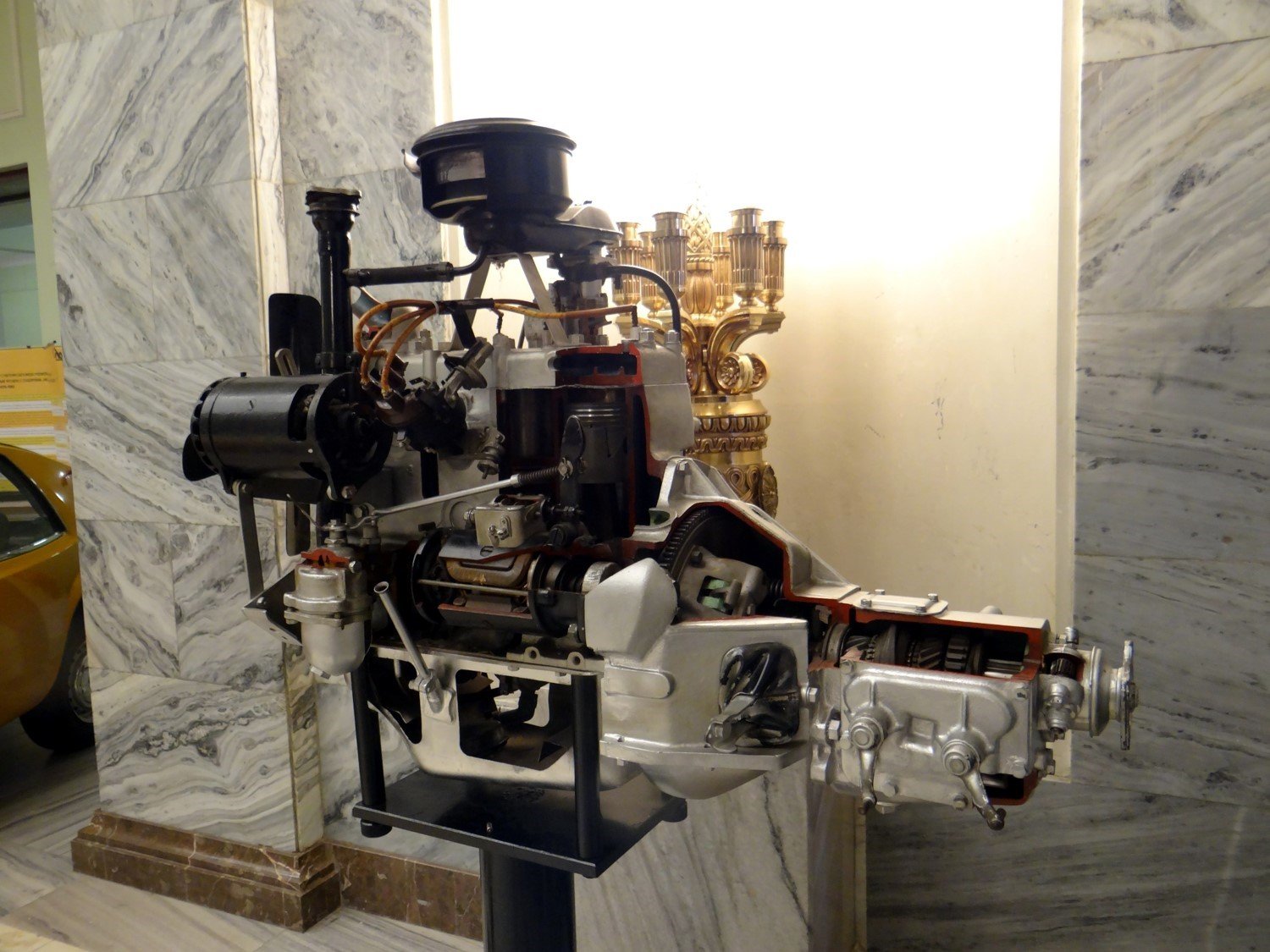
The iconic M-20 engine. Used in many Polish cars.
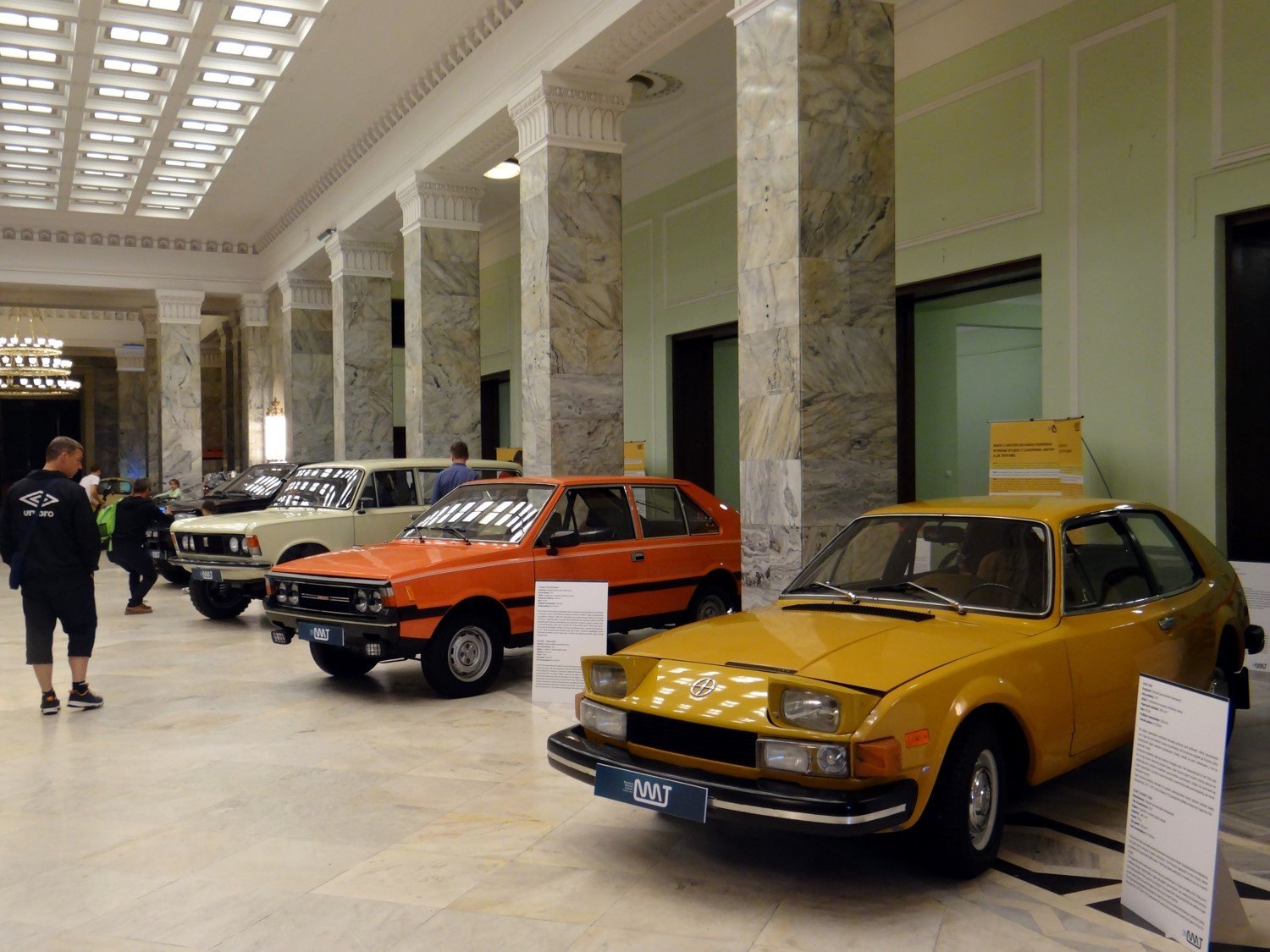
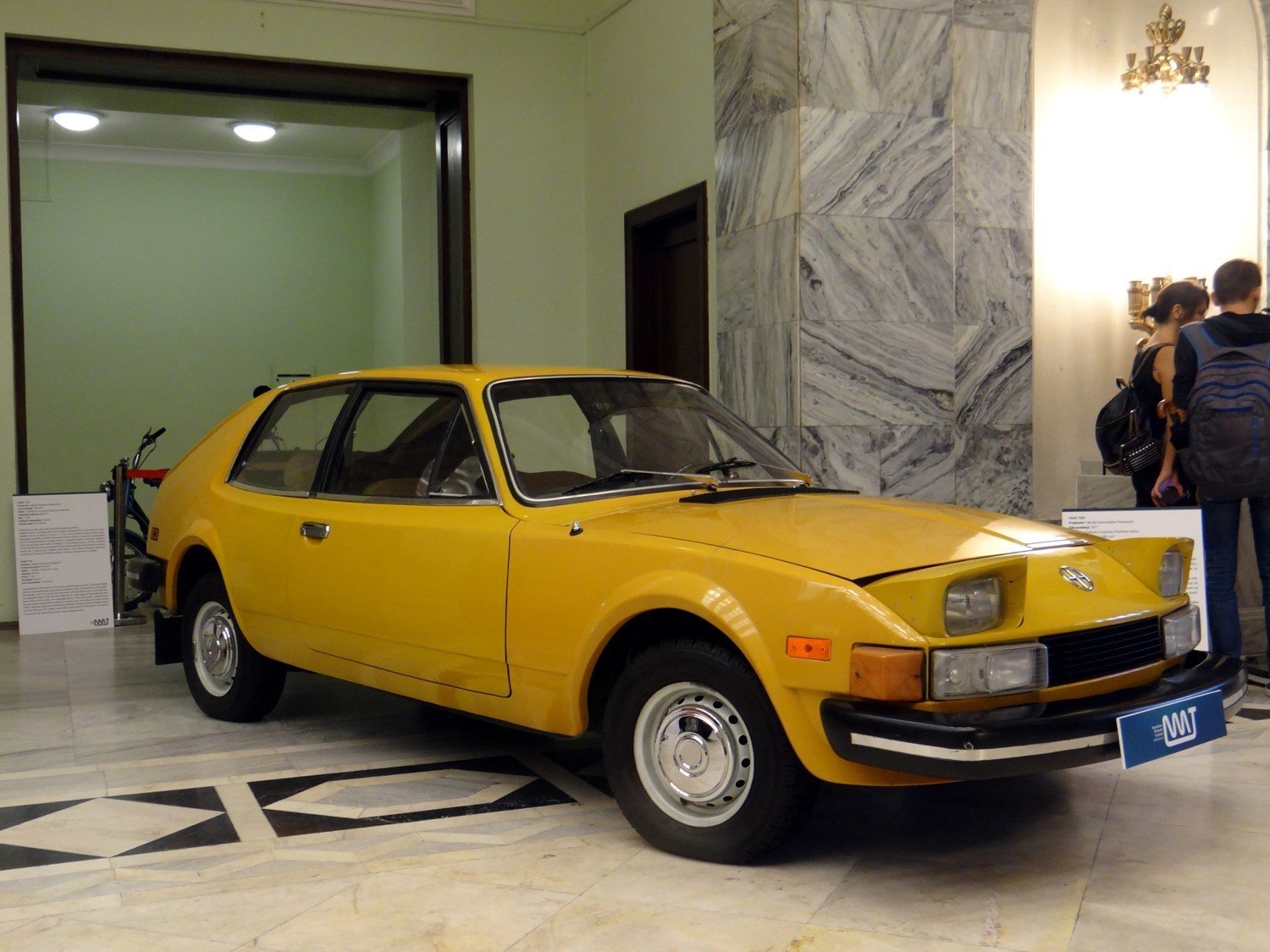
FSO Ogar – this prototype had no chances to be produced. Huge bumpers were installed with the intention of meeting safety norms in the USA.
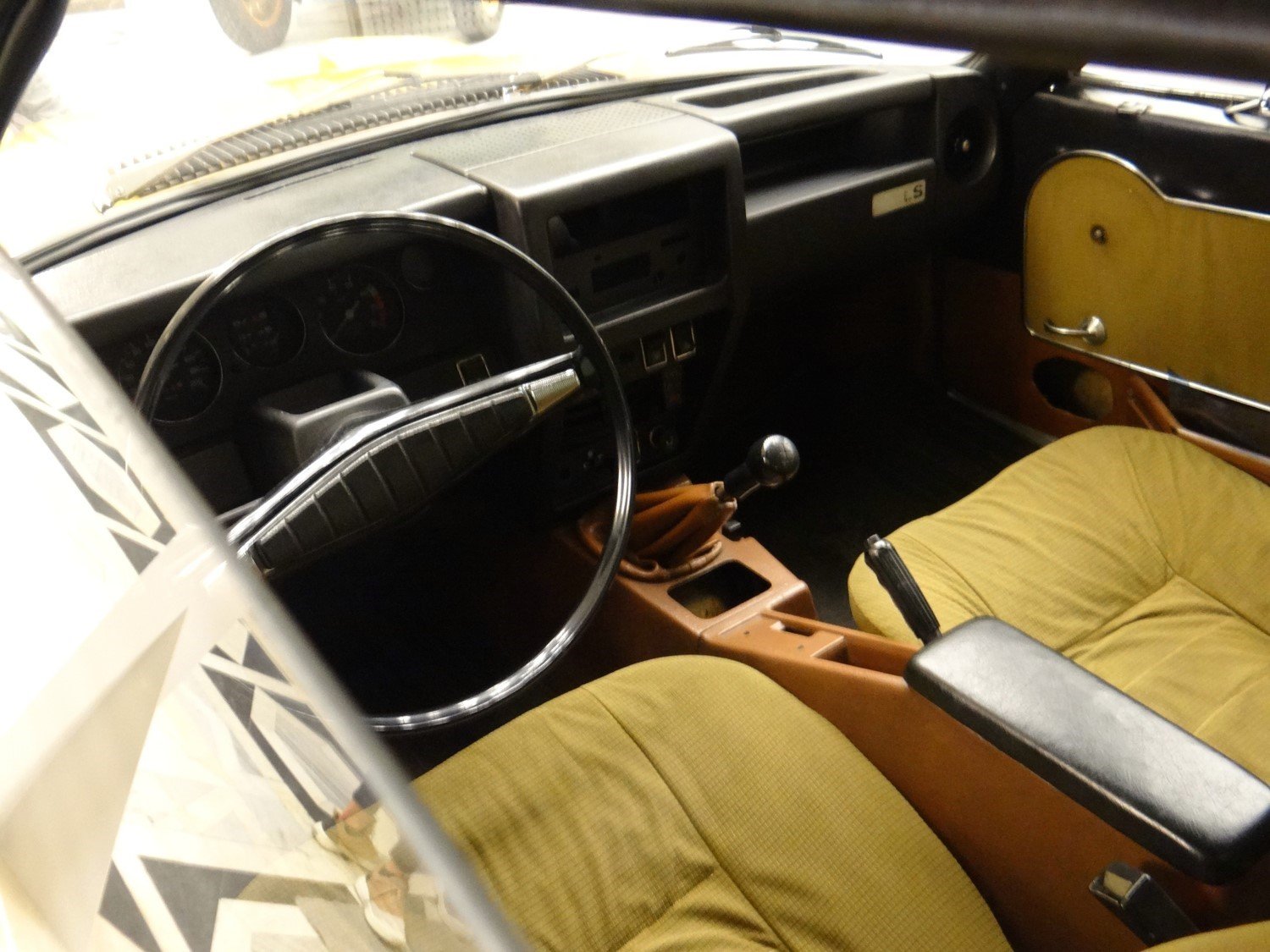
FSO Ogar – dashboard
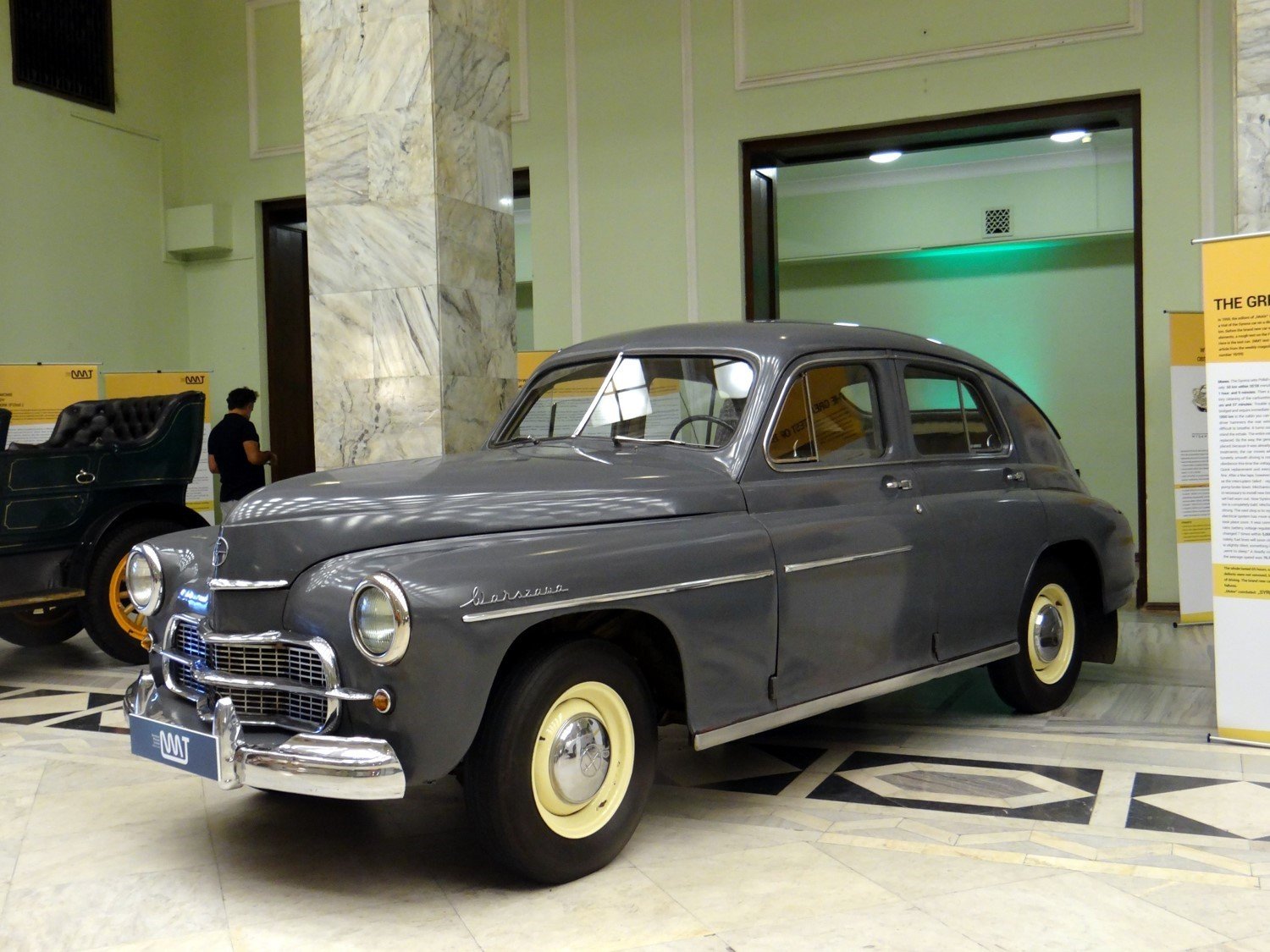
No need to introduce this to Polish car fans. Warszawa – the first car produced in post-war Poland.
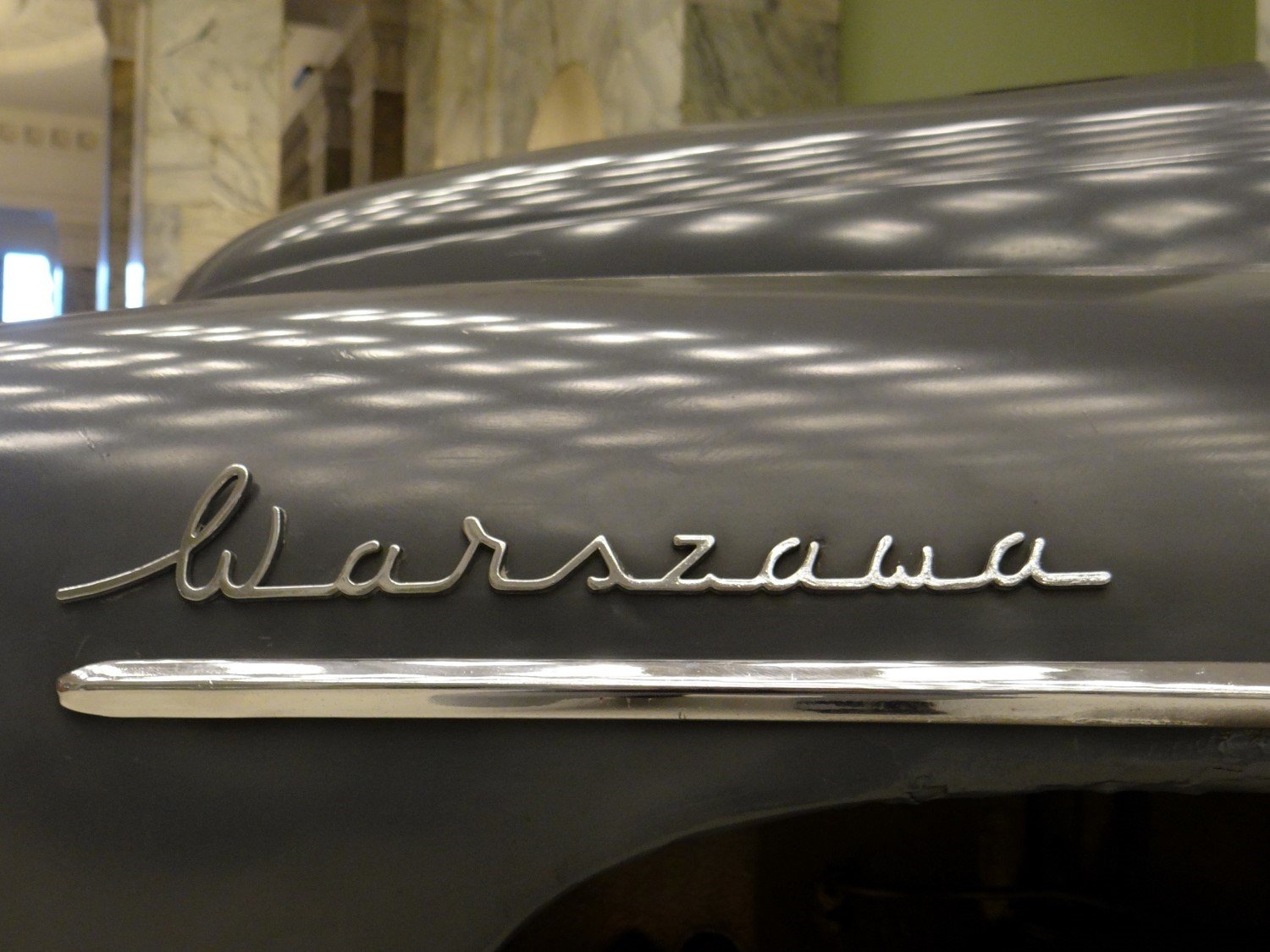
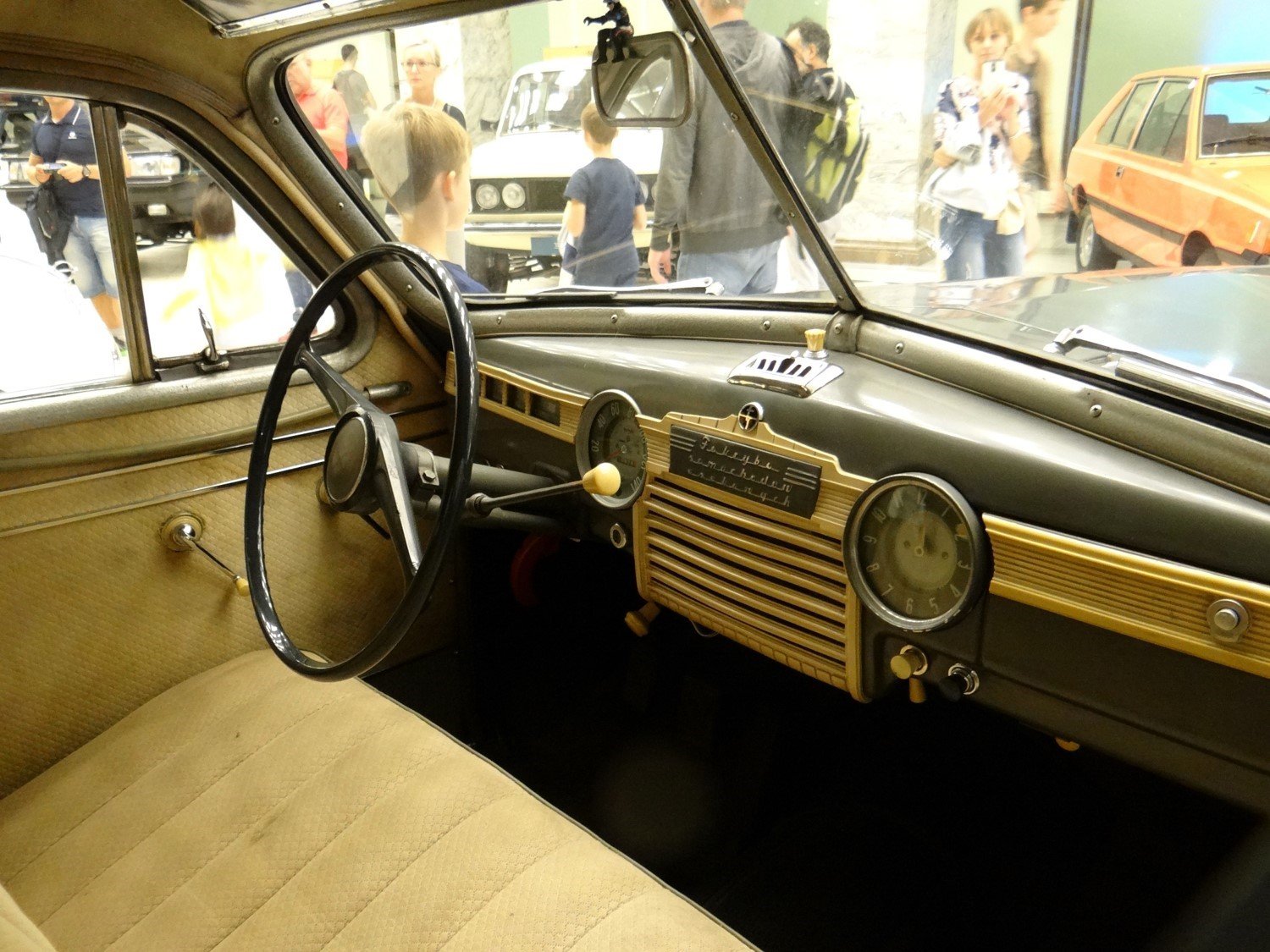
Once simple, now stylish – Warszawa’s dashboard.
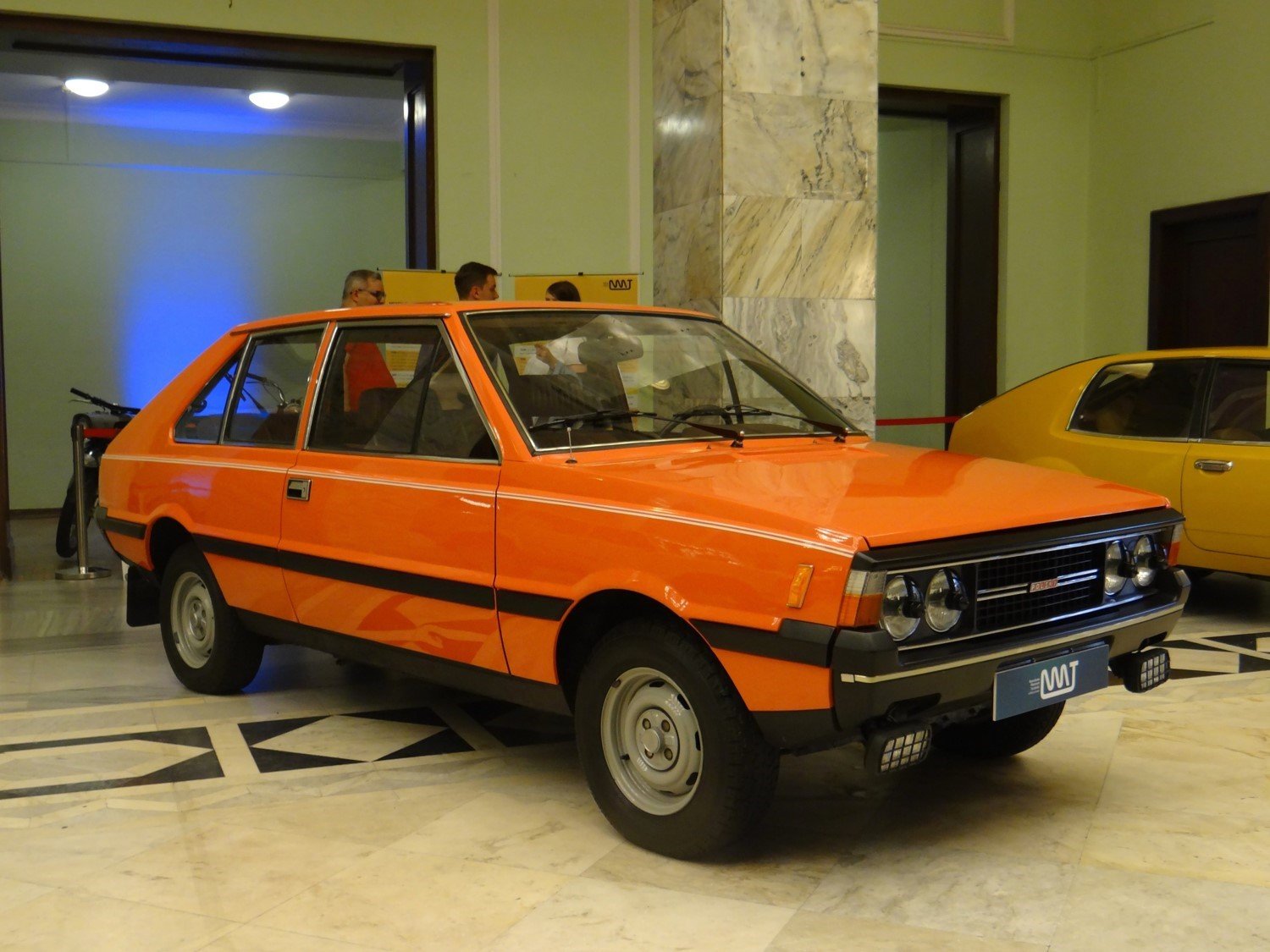
One of the first models of the Polonez. Without the FSO badge and still under the Polski name.
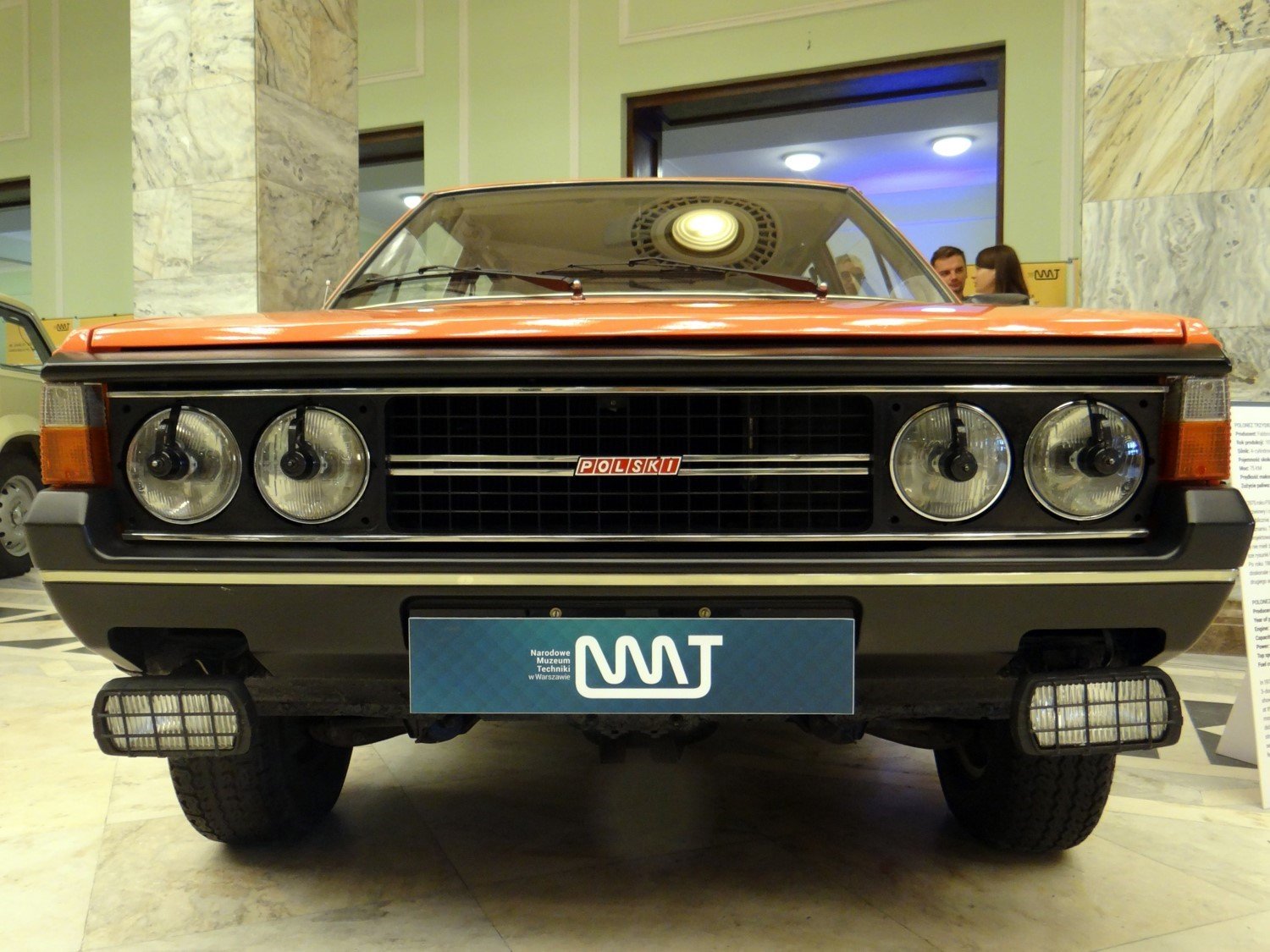
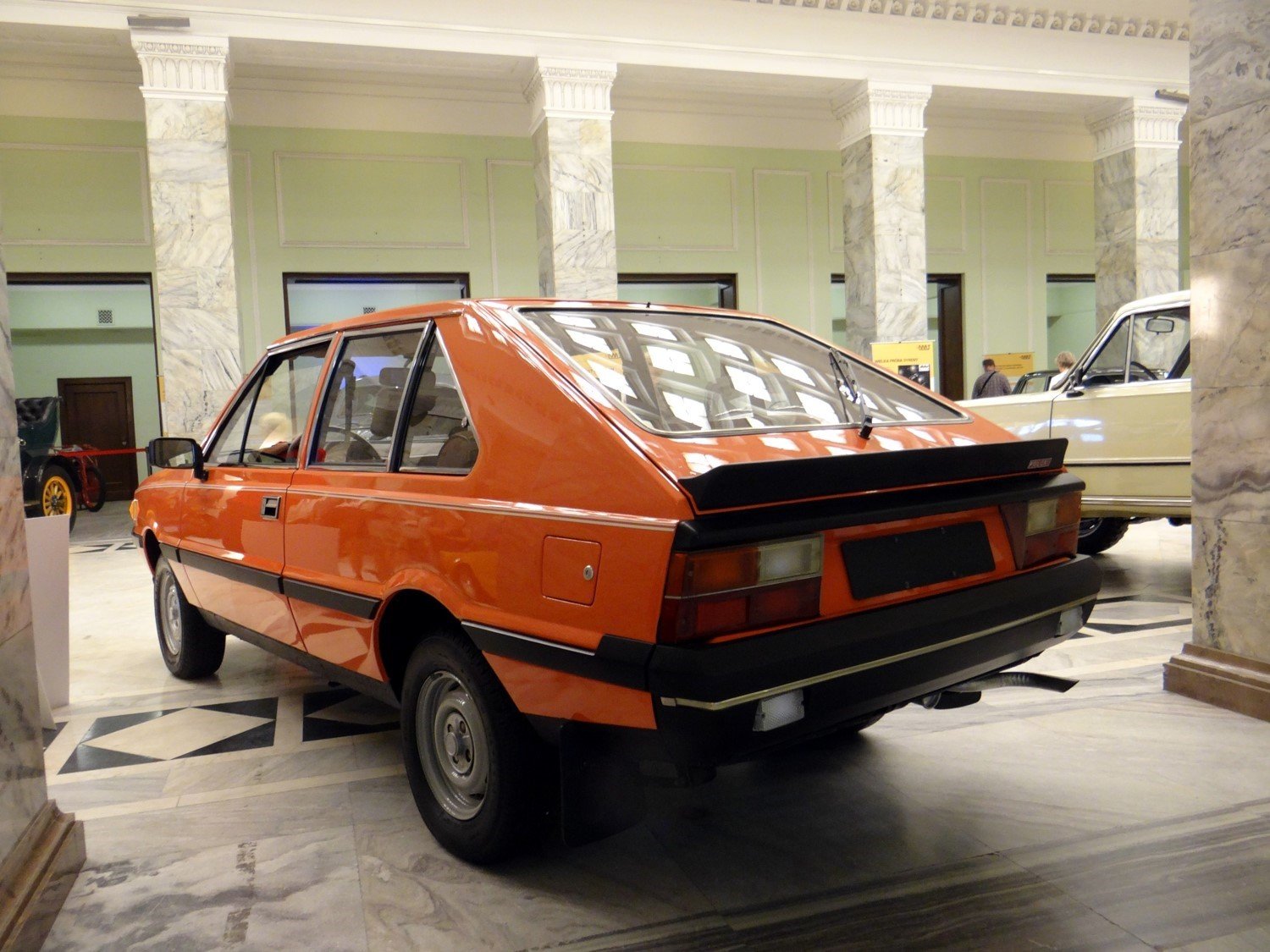
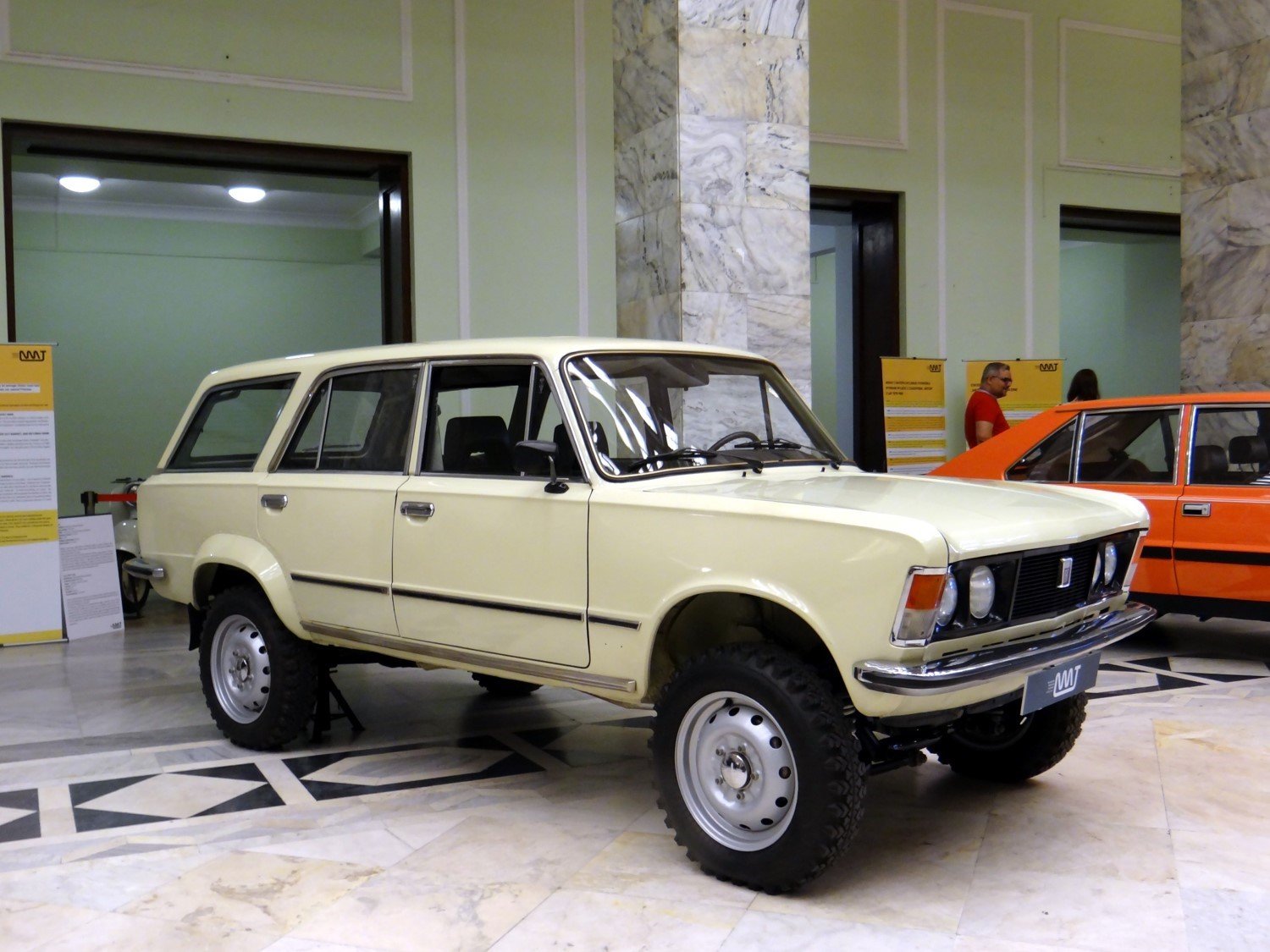
Polski Fiat 125p 4×4. With a chassis from Lada Niva.
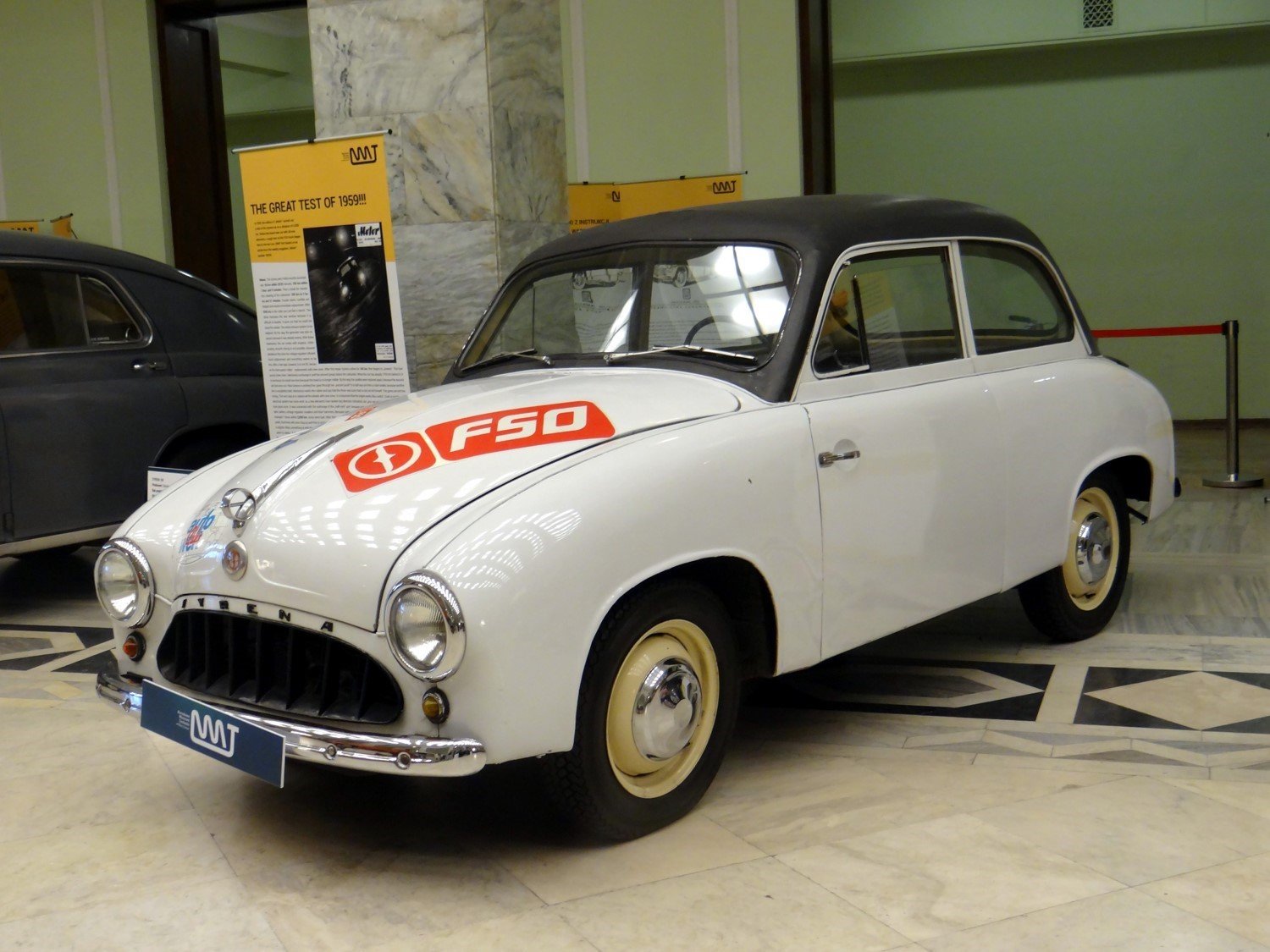
FSO Syrena 100. A car for the masses.
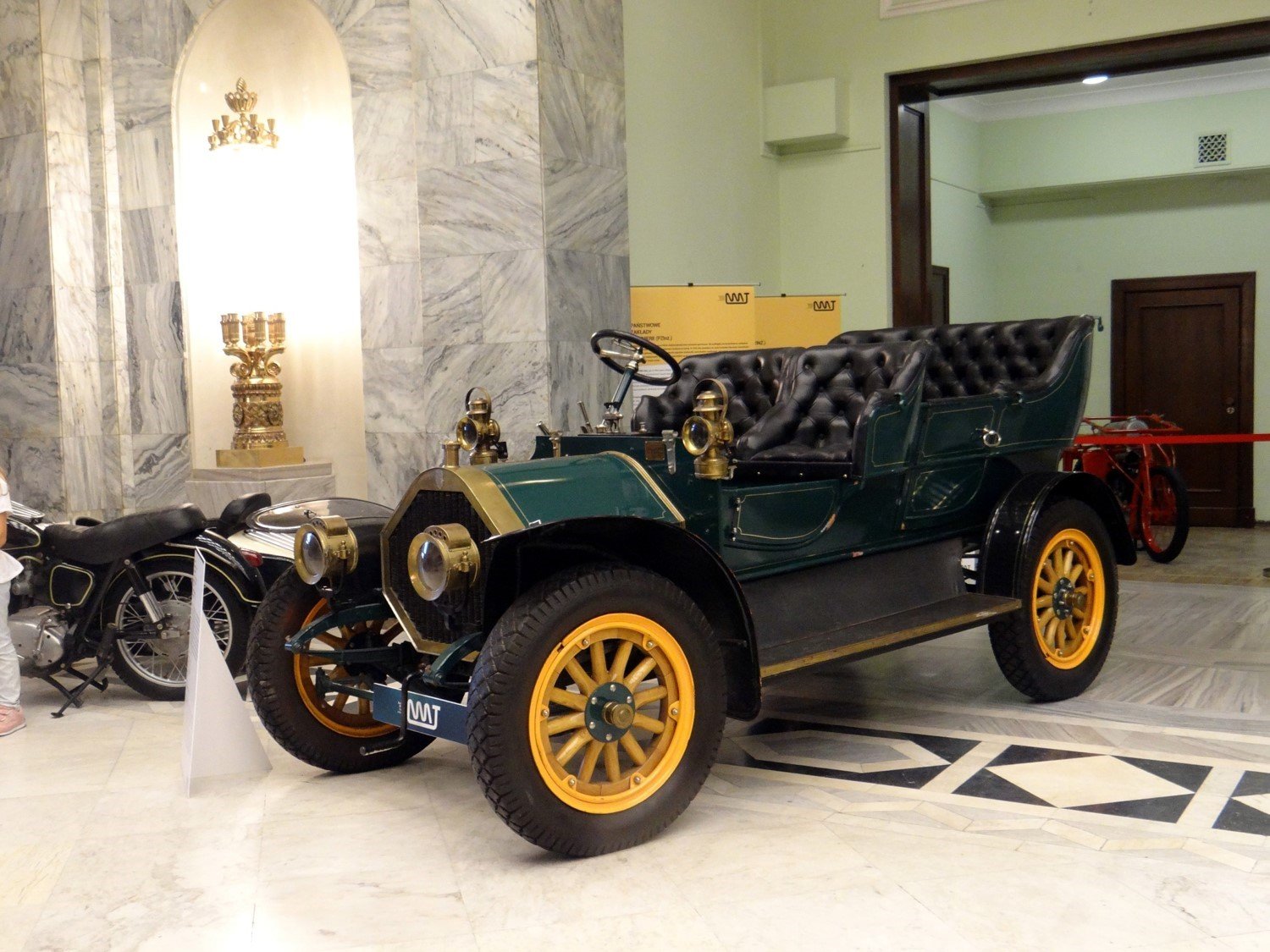
Humber – one of the oldest, ready to be driven vehicles in Poland.
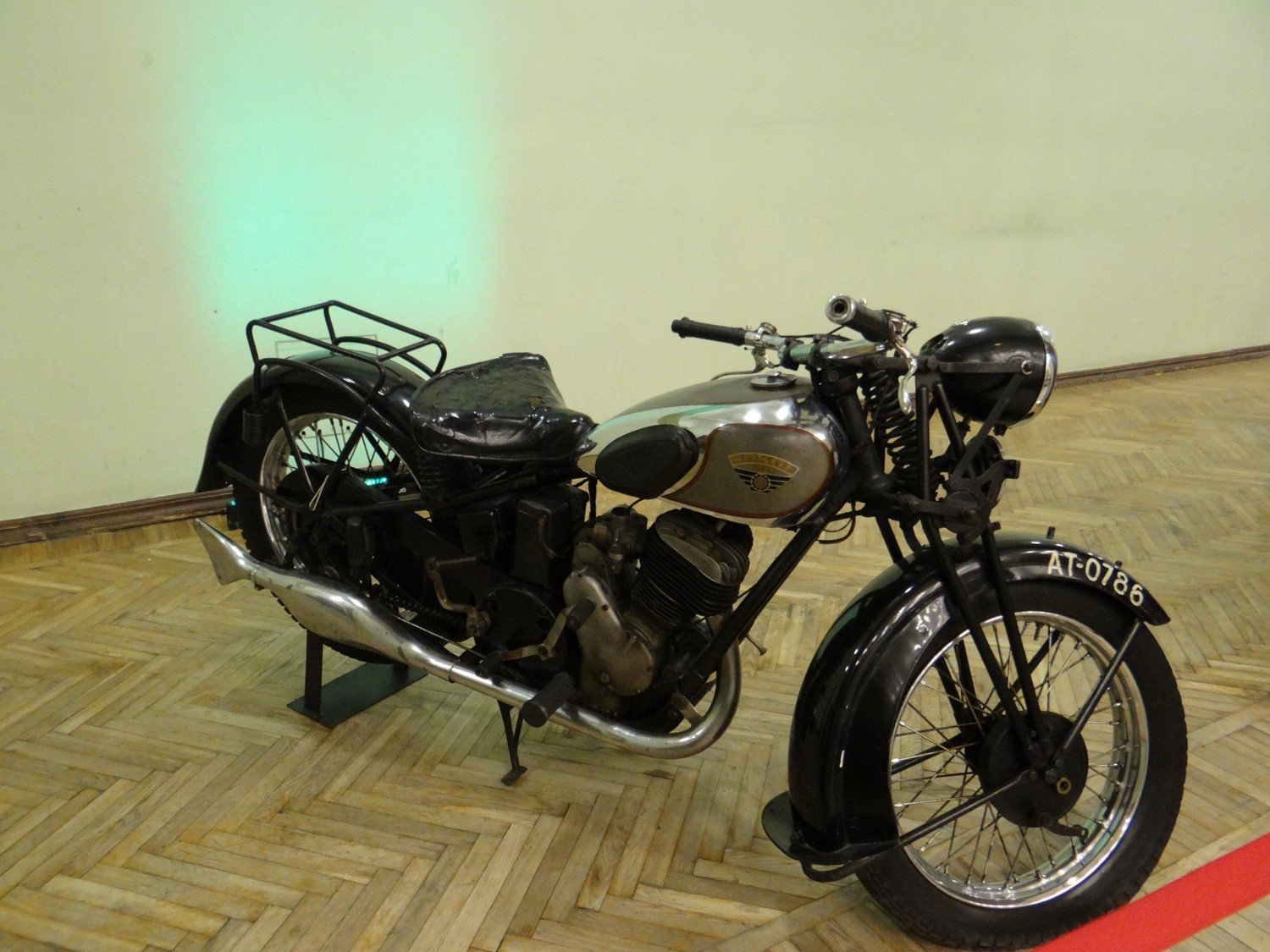
Sokół 600 from the years 1935-1939.
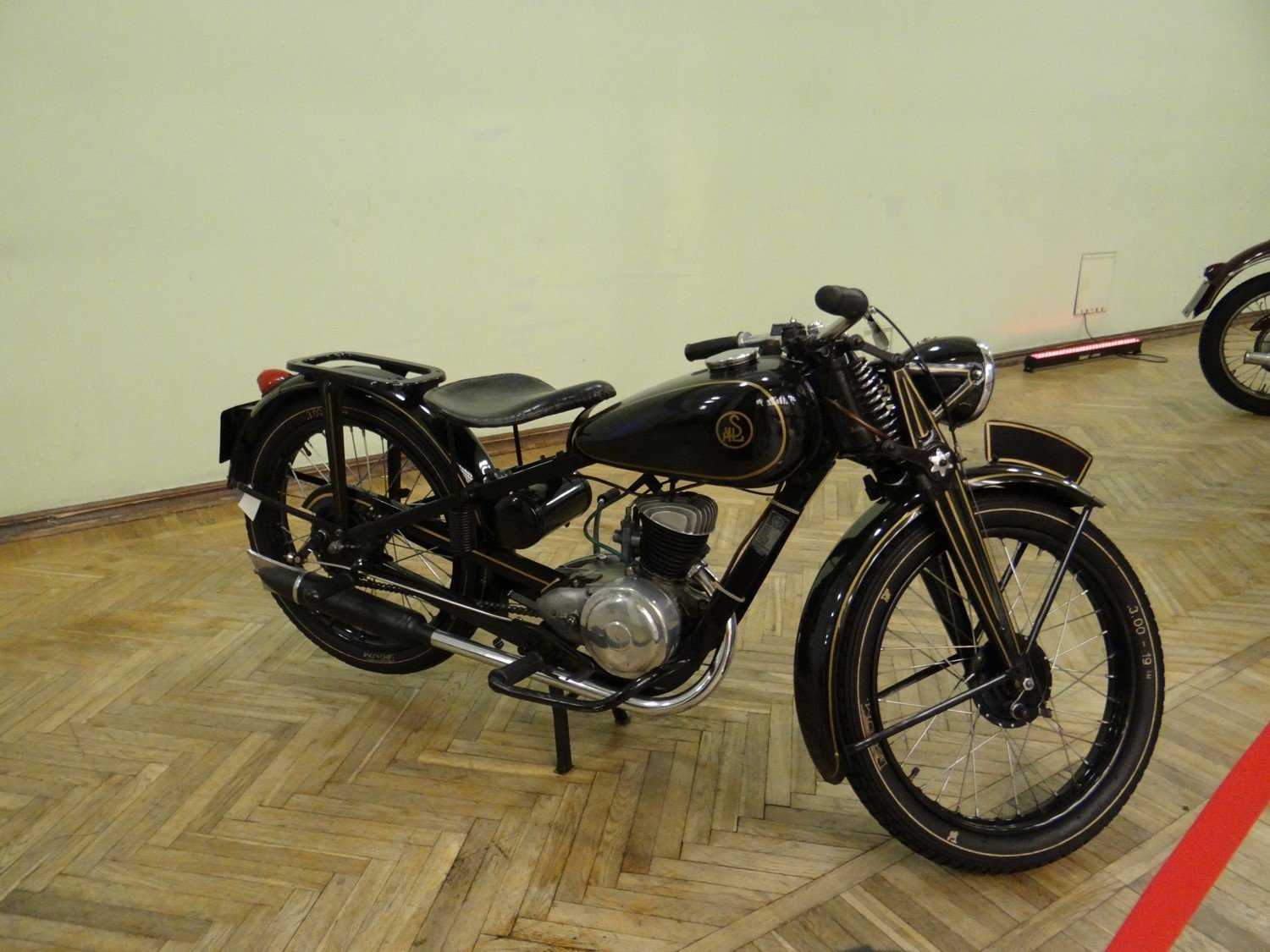
SHL 125 M04, produced from 1949 to 1952.
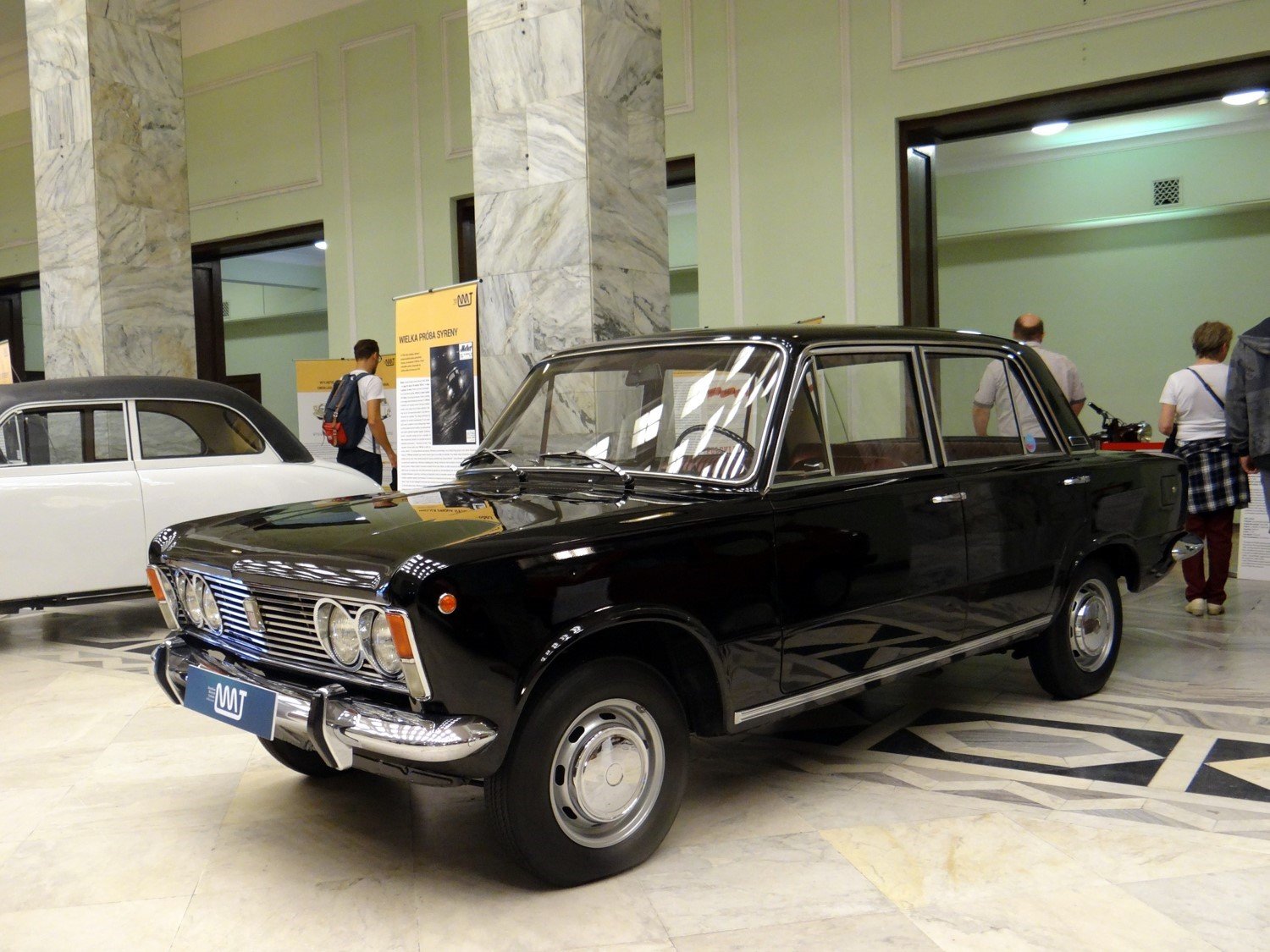
Elegant in black – Polski Fiat 125p.
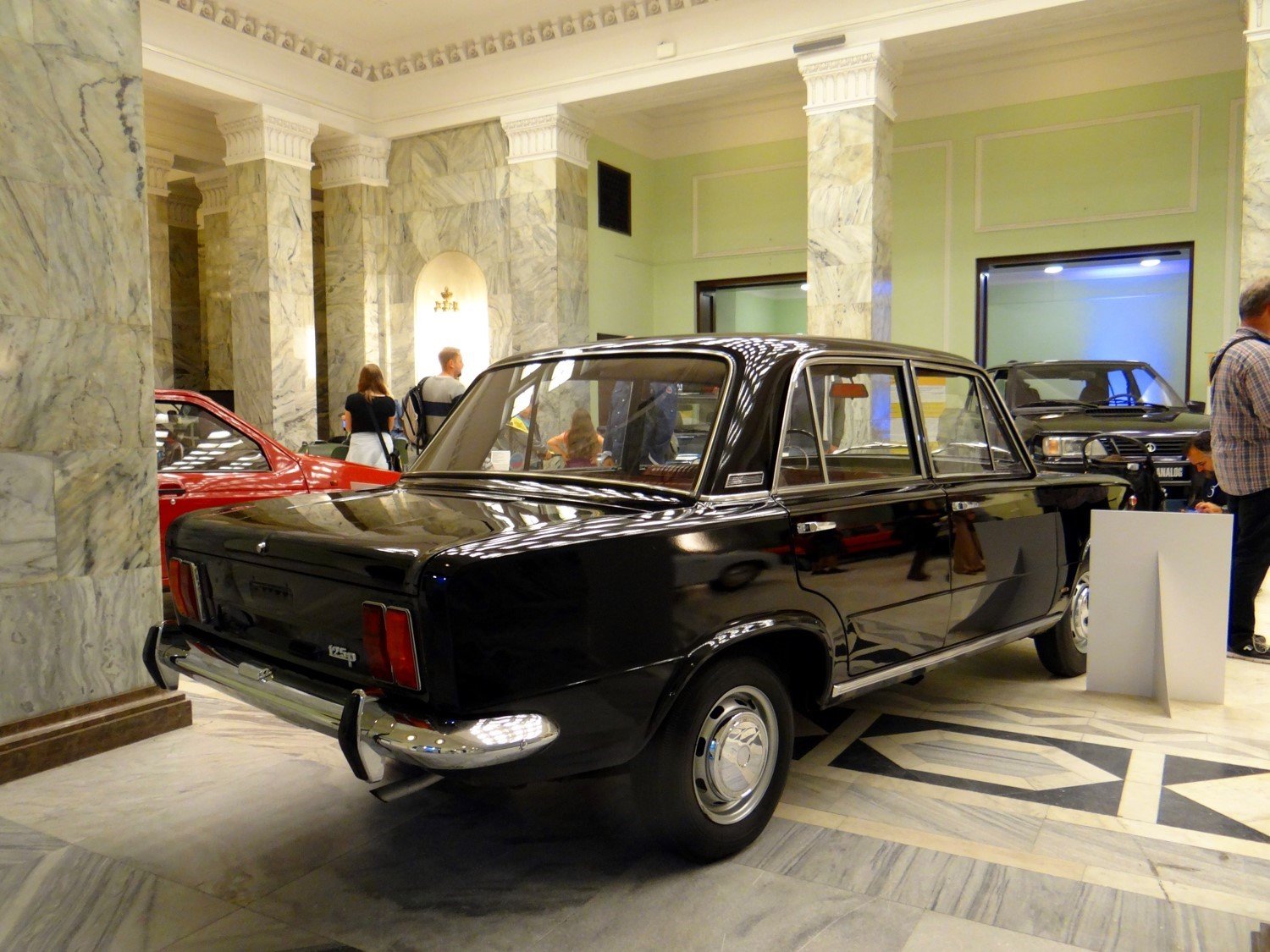
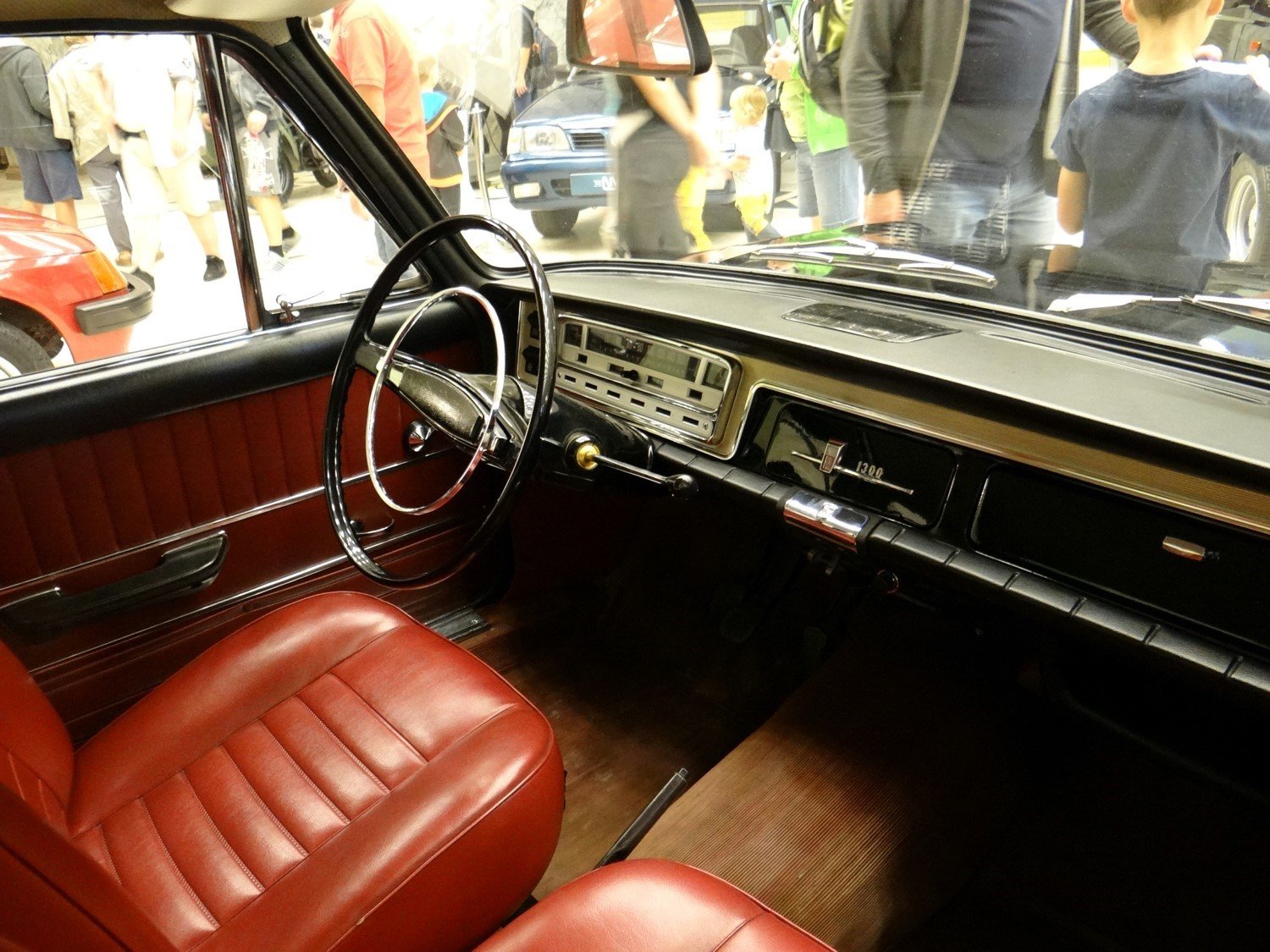
Once upon a time an average Pole could only dream about such a view. 125p was practically a Polish S-Class.
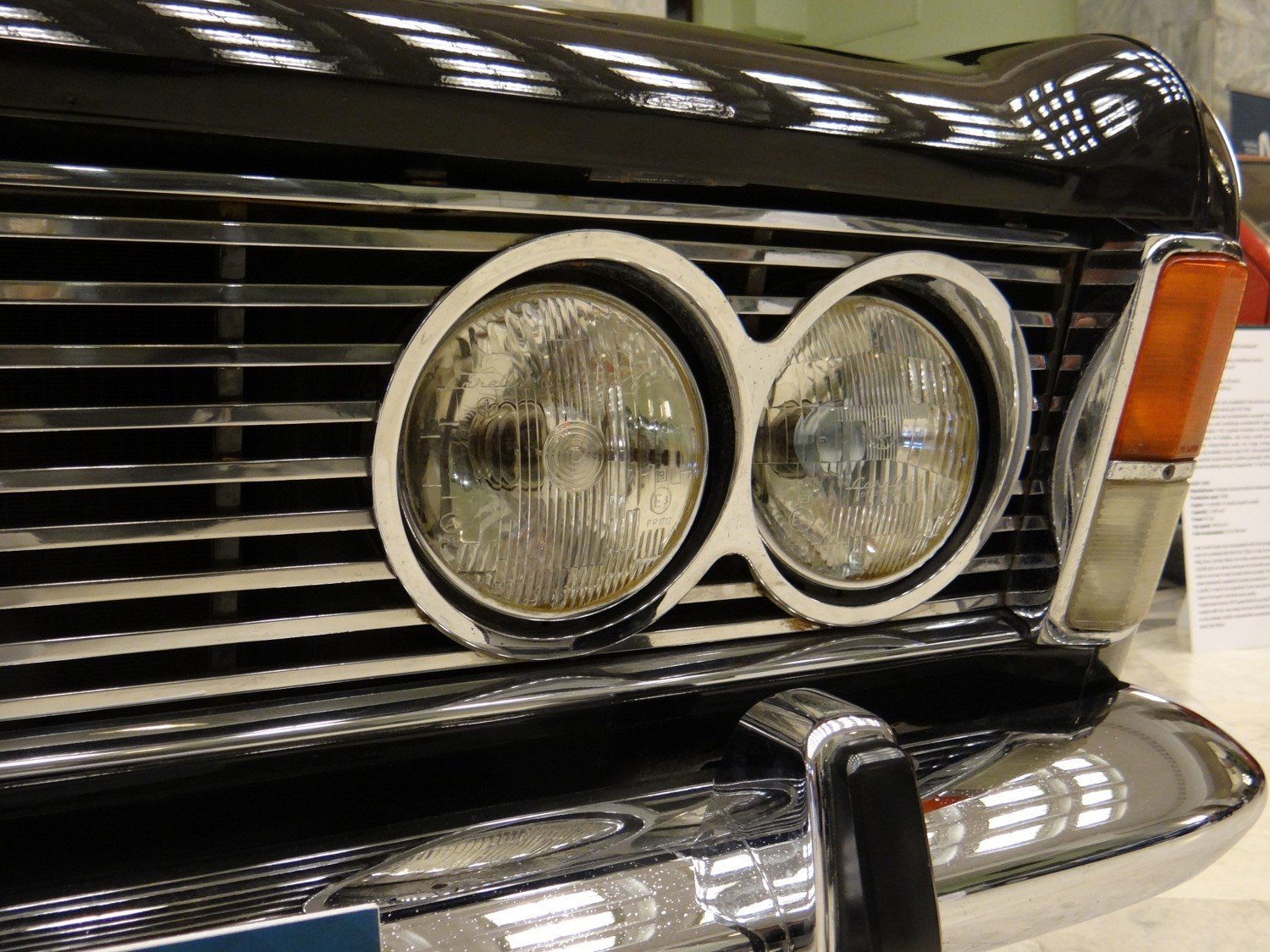
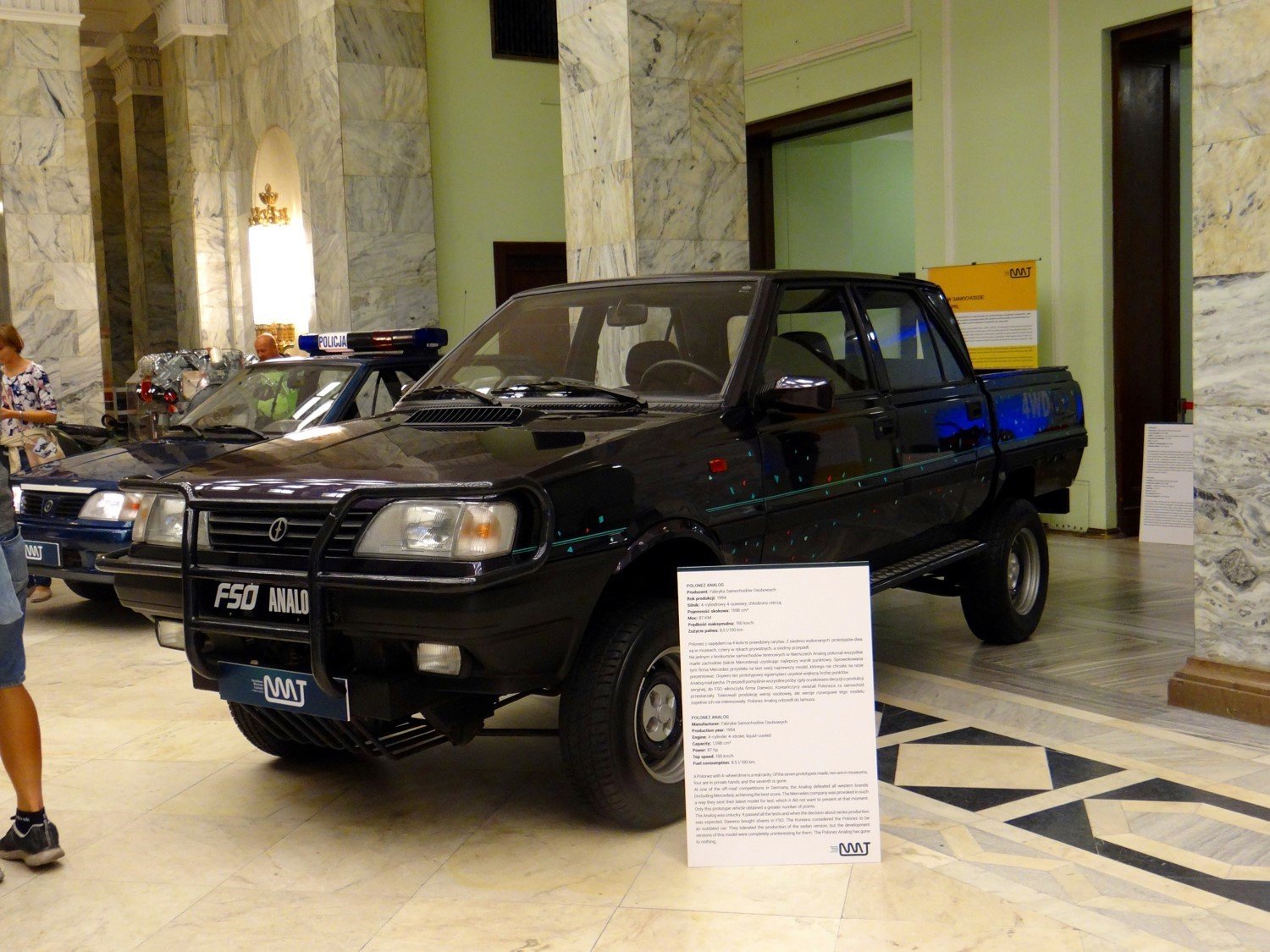
FSO Polonez Analog with a four-wheel drive.
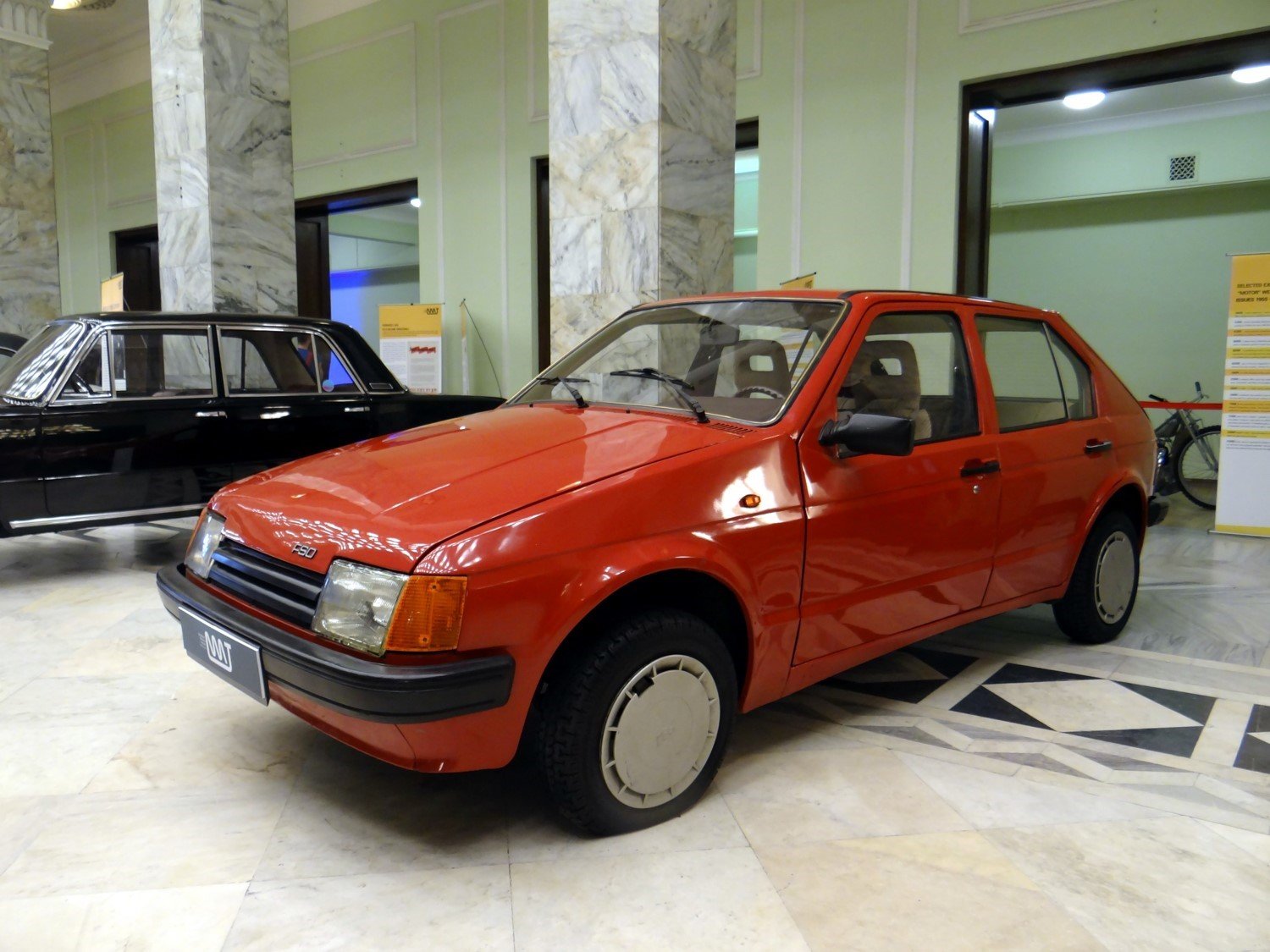
The Polish Golf – FSO Wars. Another good prototype, another unfulfilled hope.
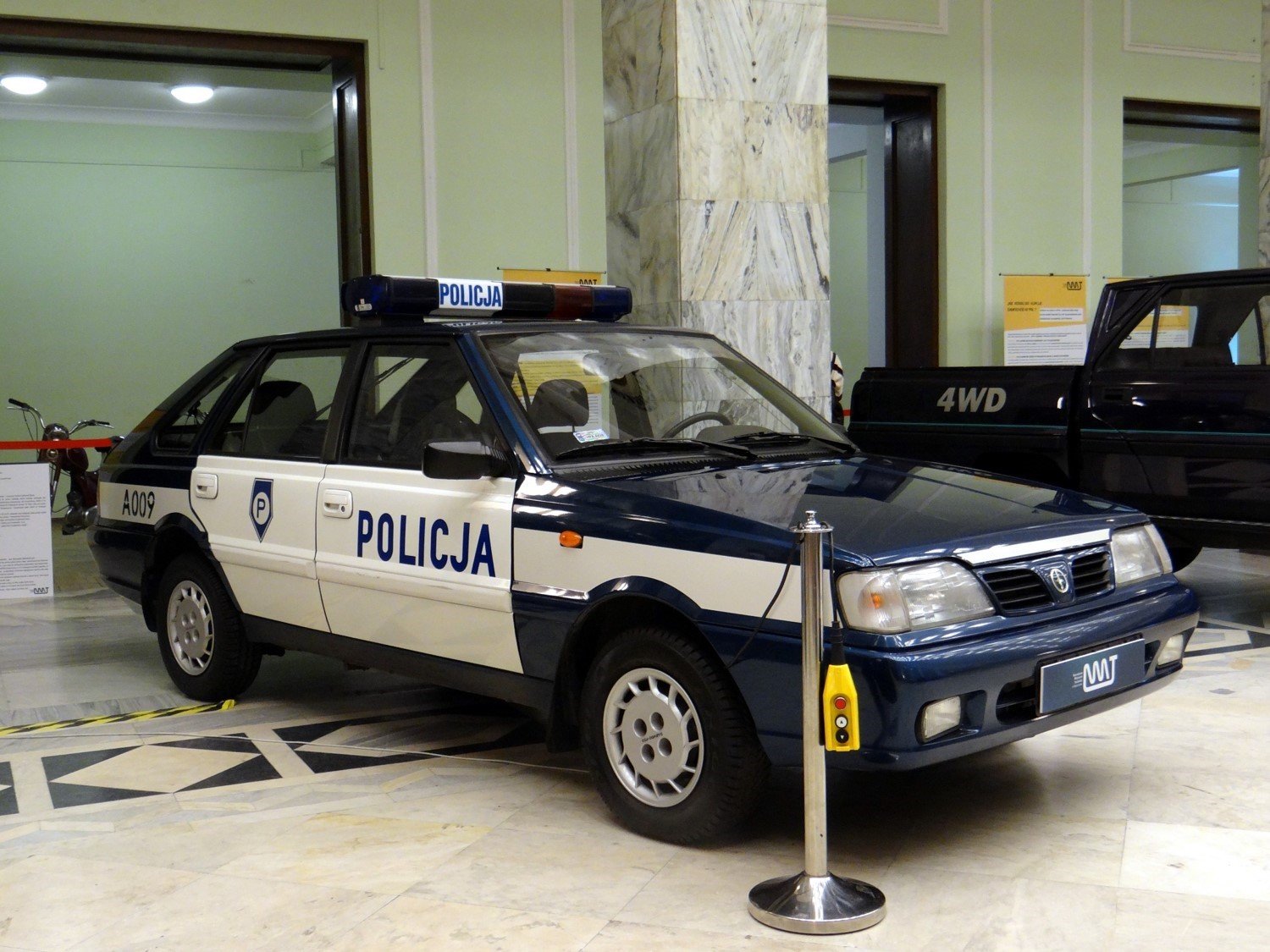
The youngest car in the exhibition – the Polonez Caro Plus police car.
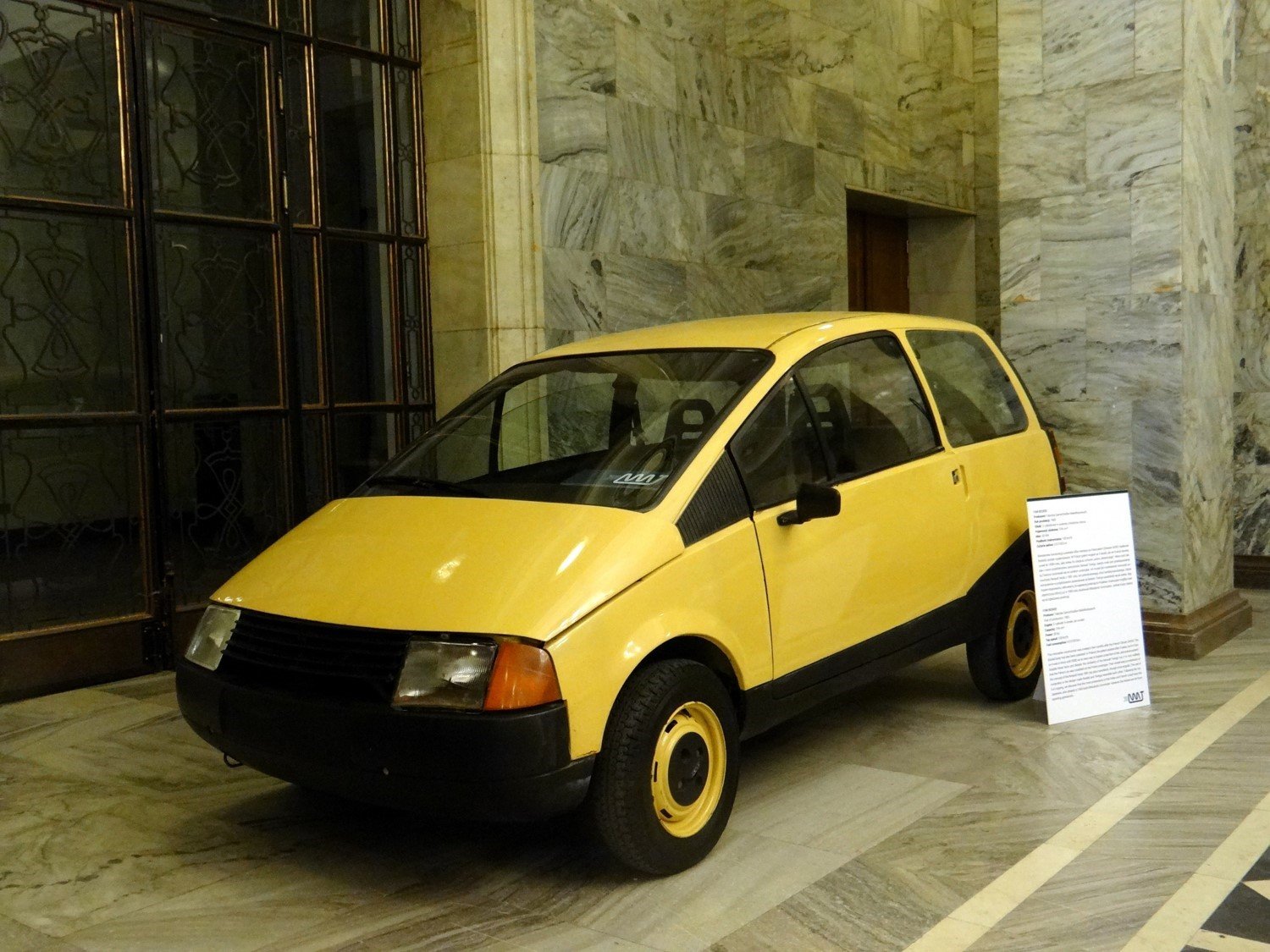
FSM Beskid – a prototype of a successor to the hugely popular Maluch.
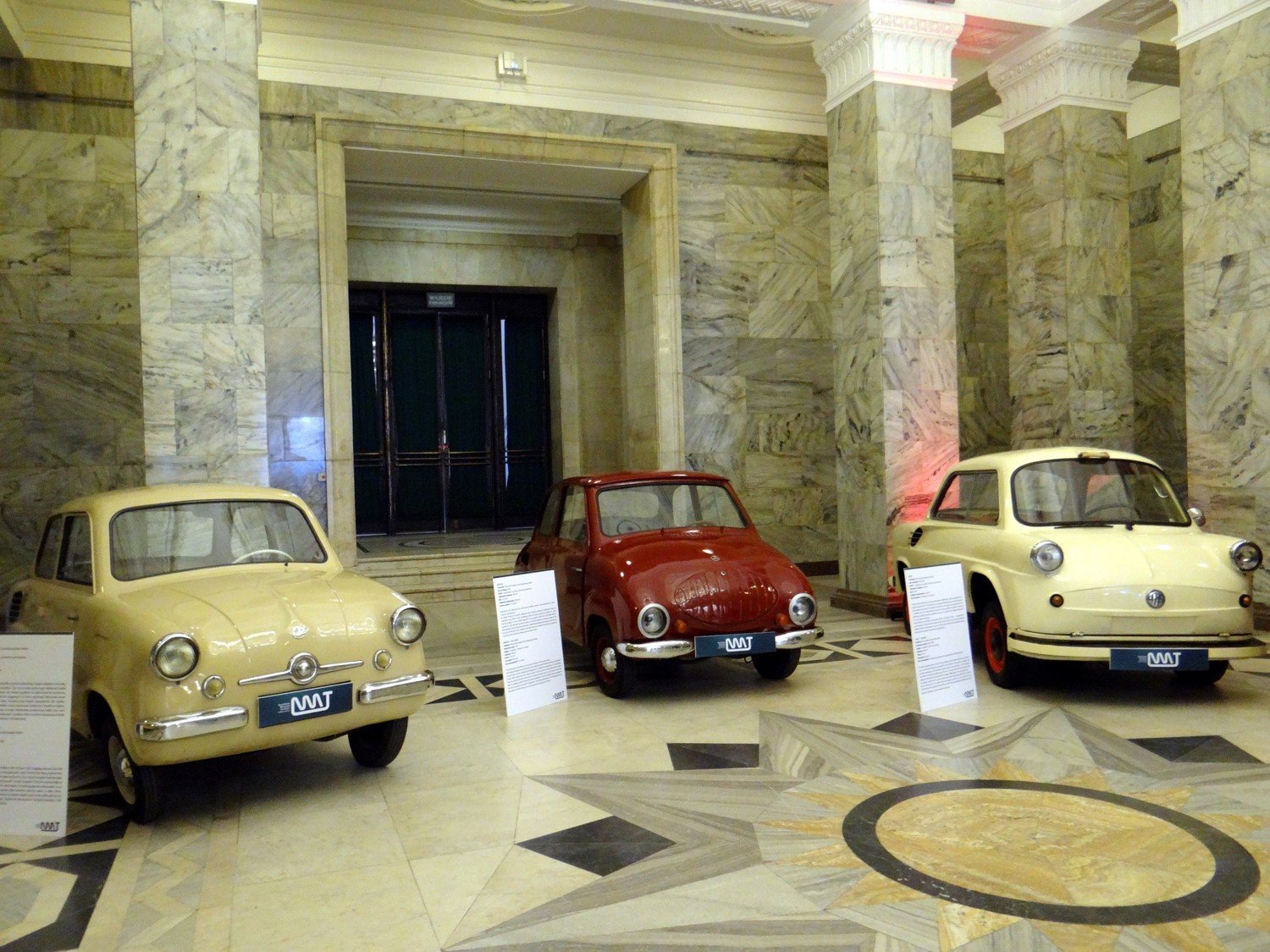
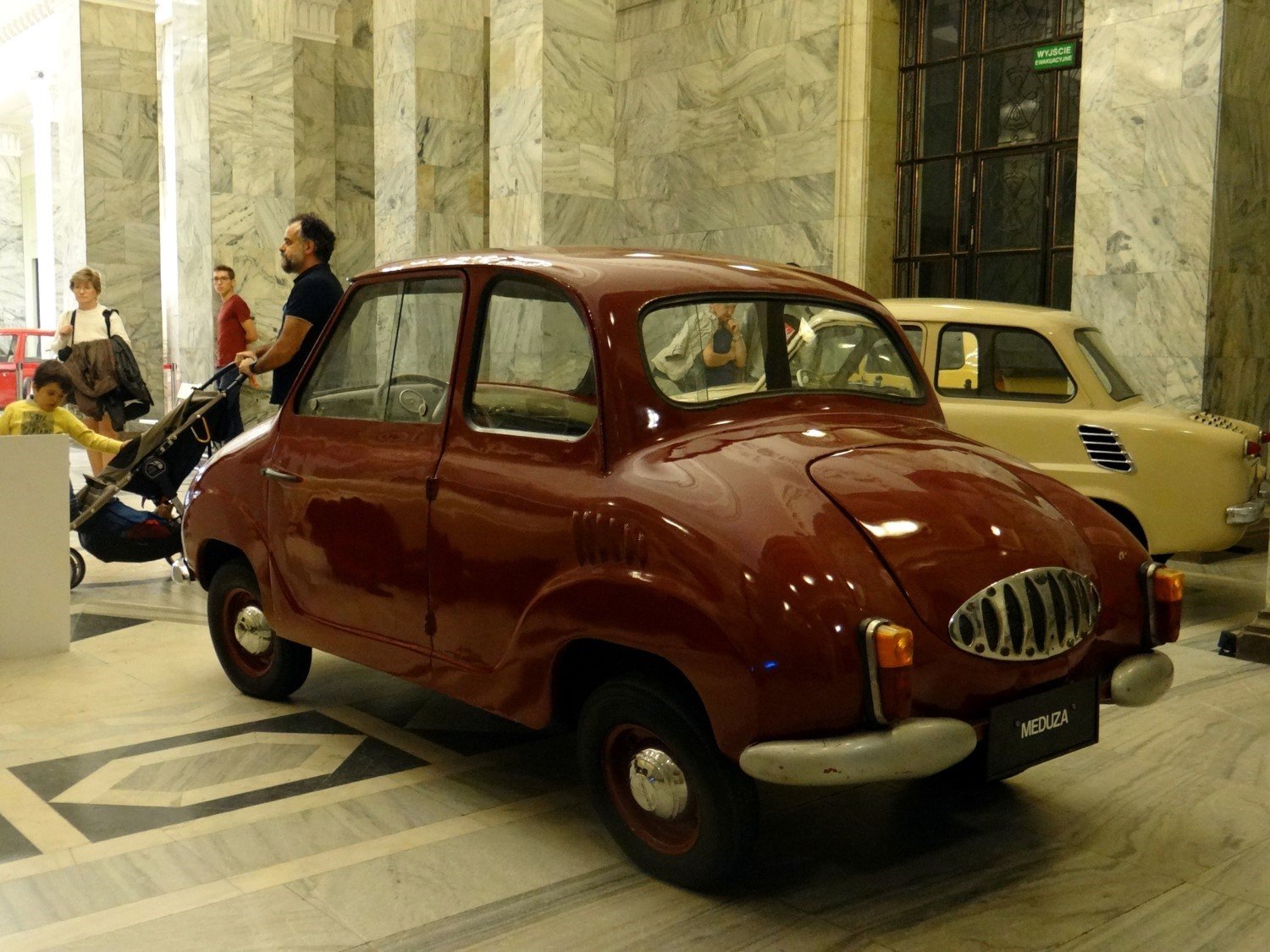
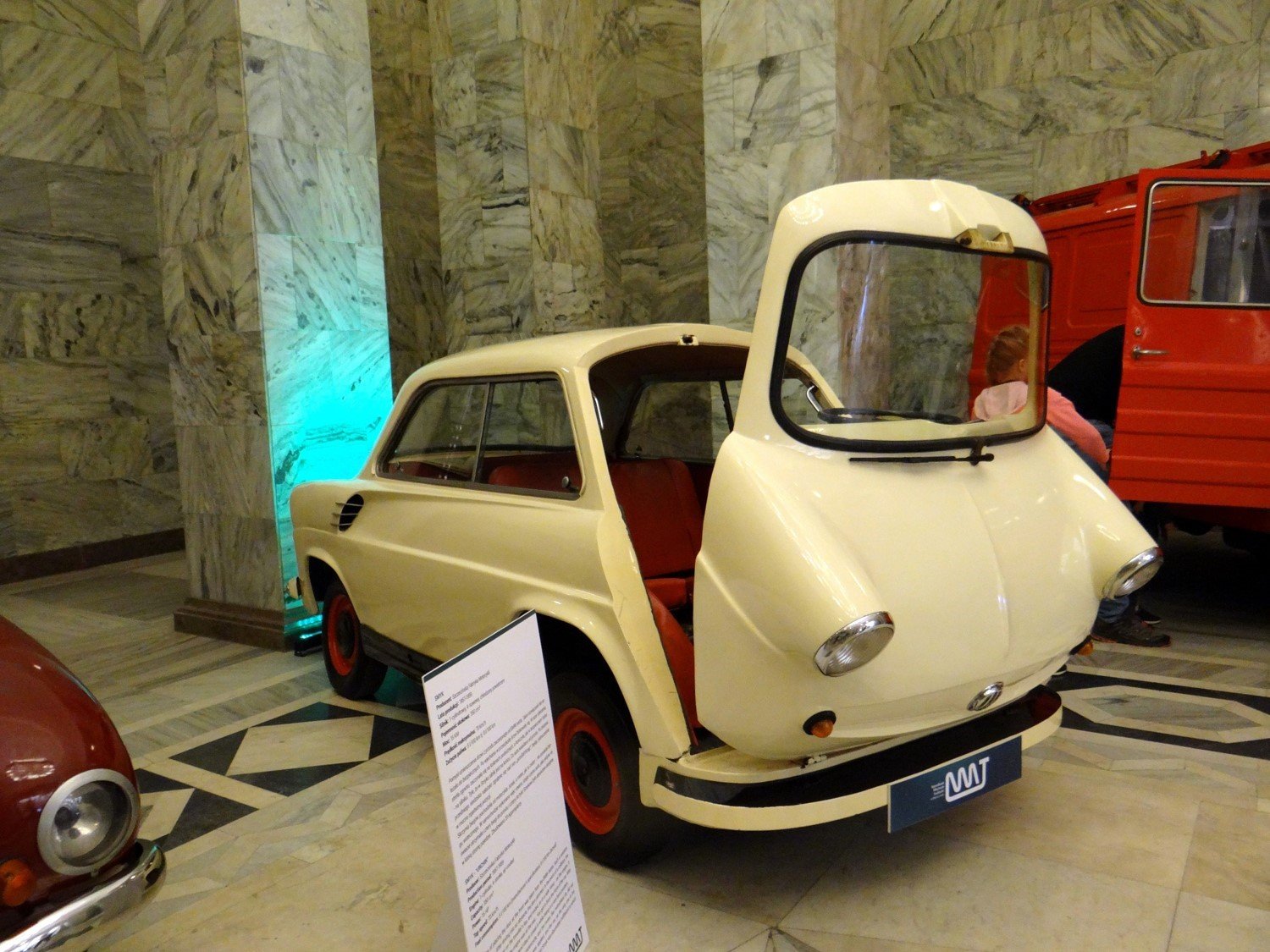
The microcars – Mikrus, Meduza i Smyk.
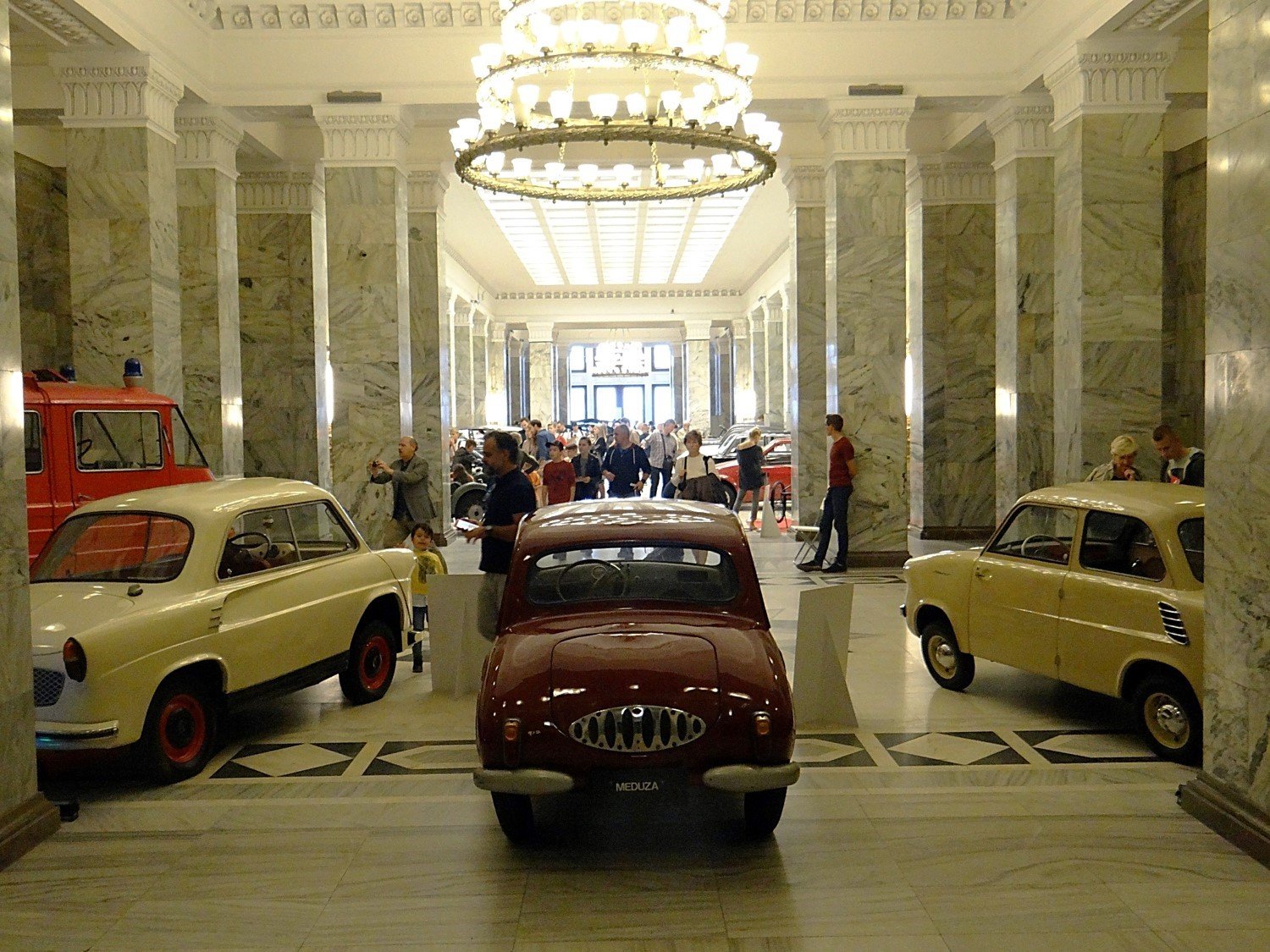
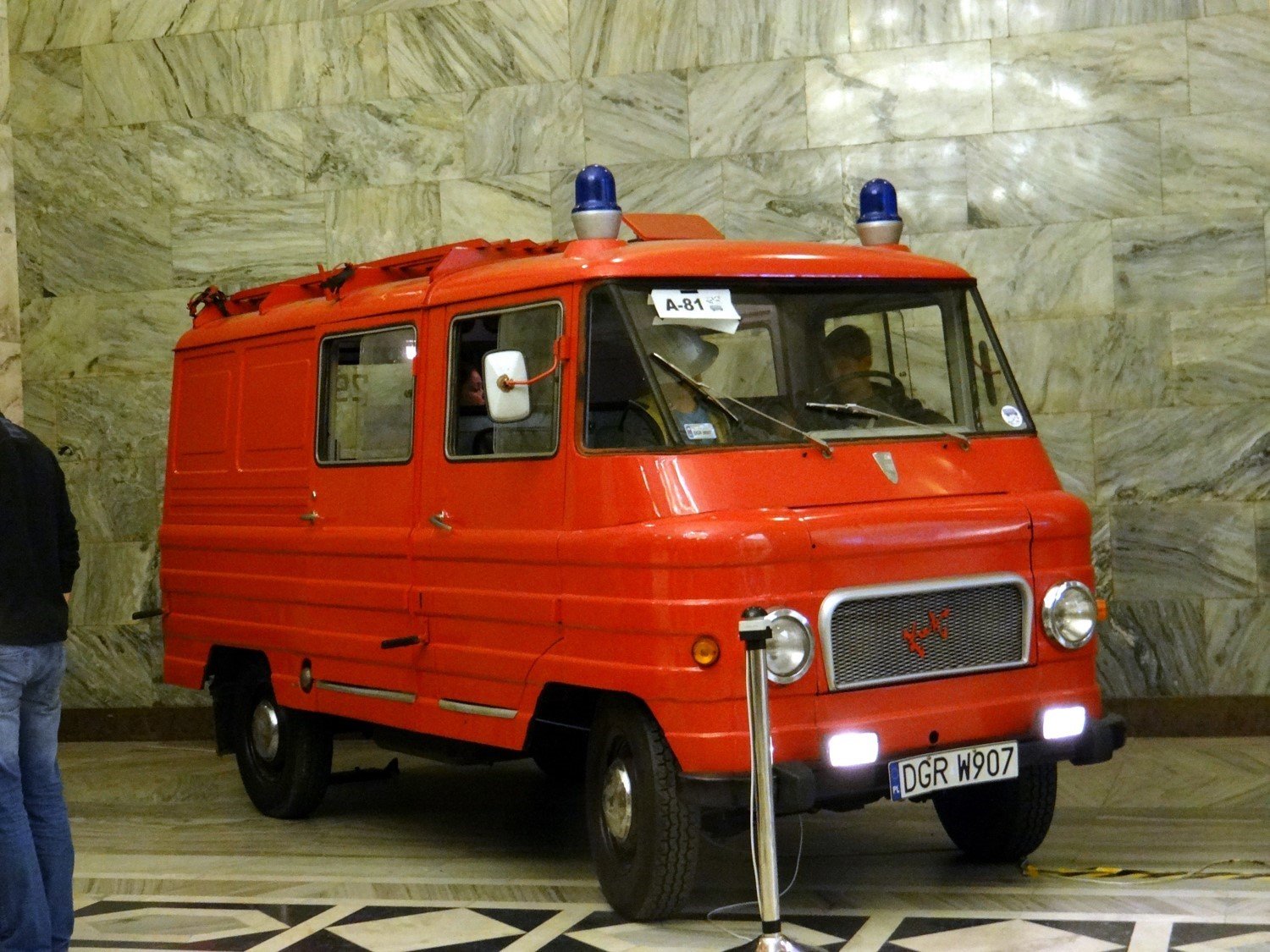
The fire service Żuk – one of the models you can go into. Mobbed by the kids, so taking a good picture required enormous amounts of patience.
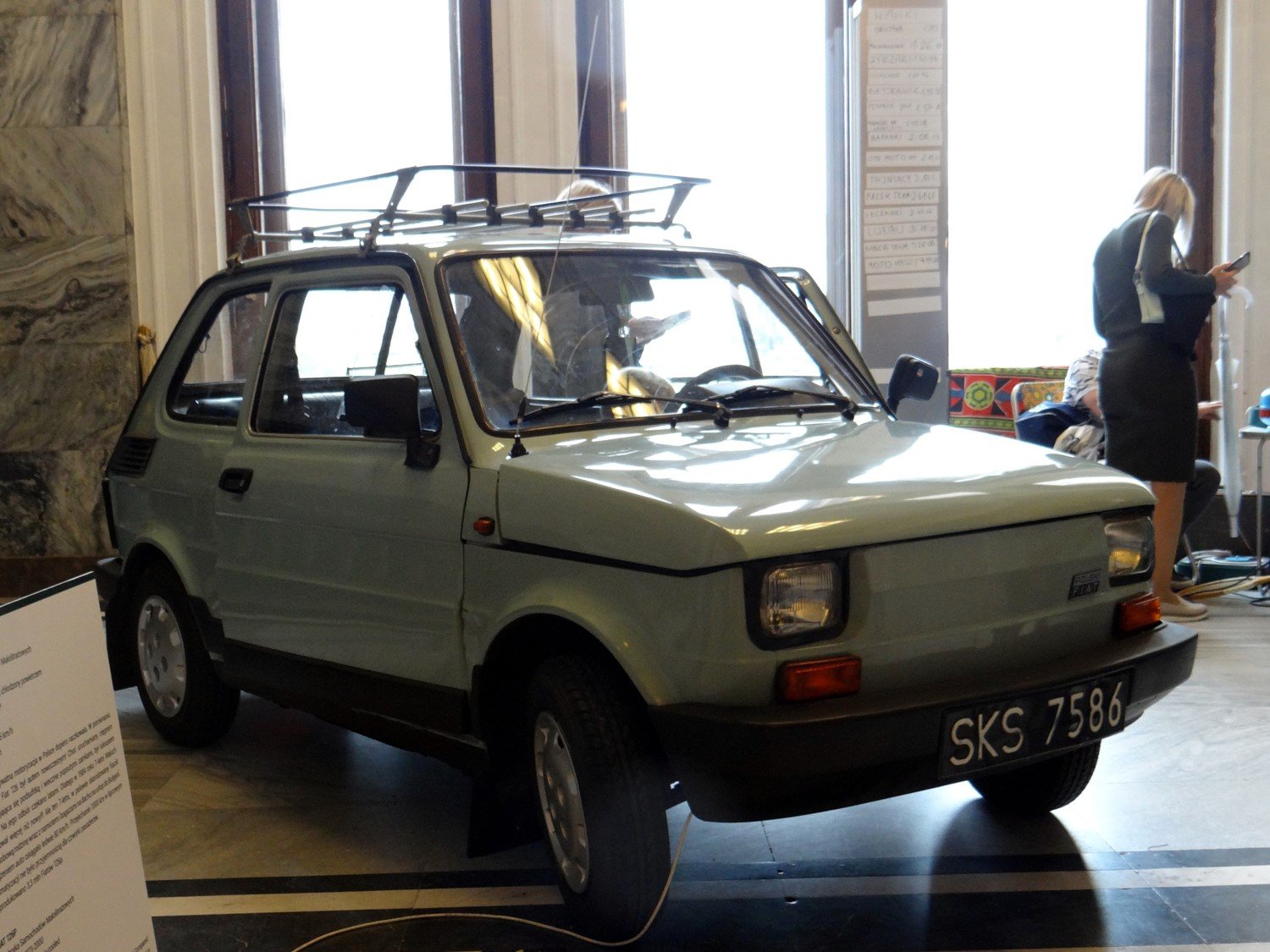
The Maluch after a facelfit.
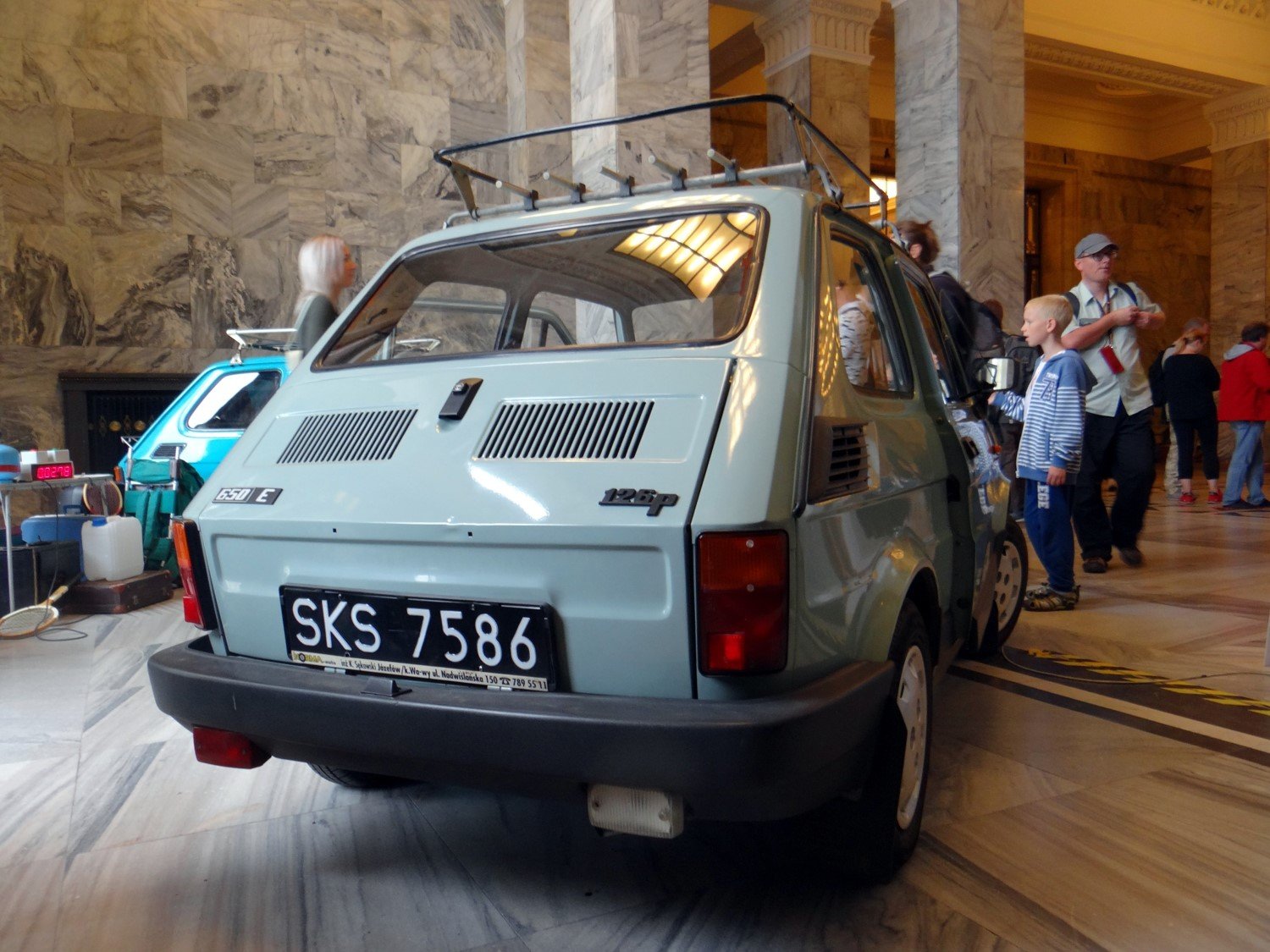
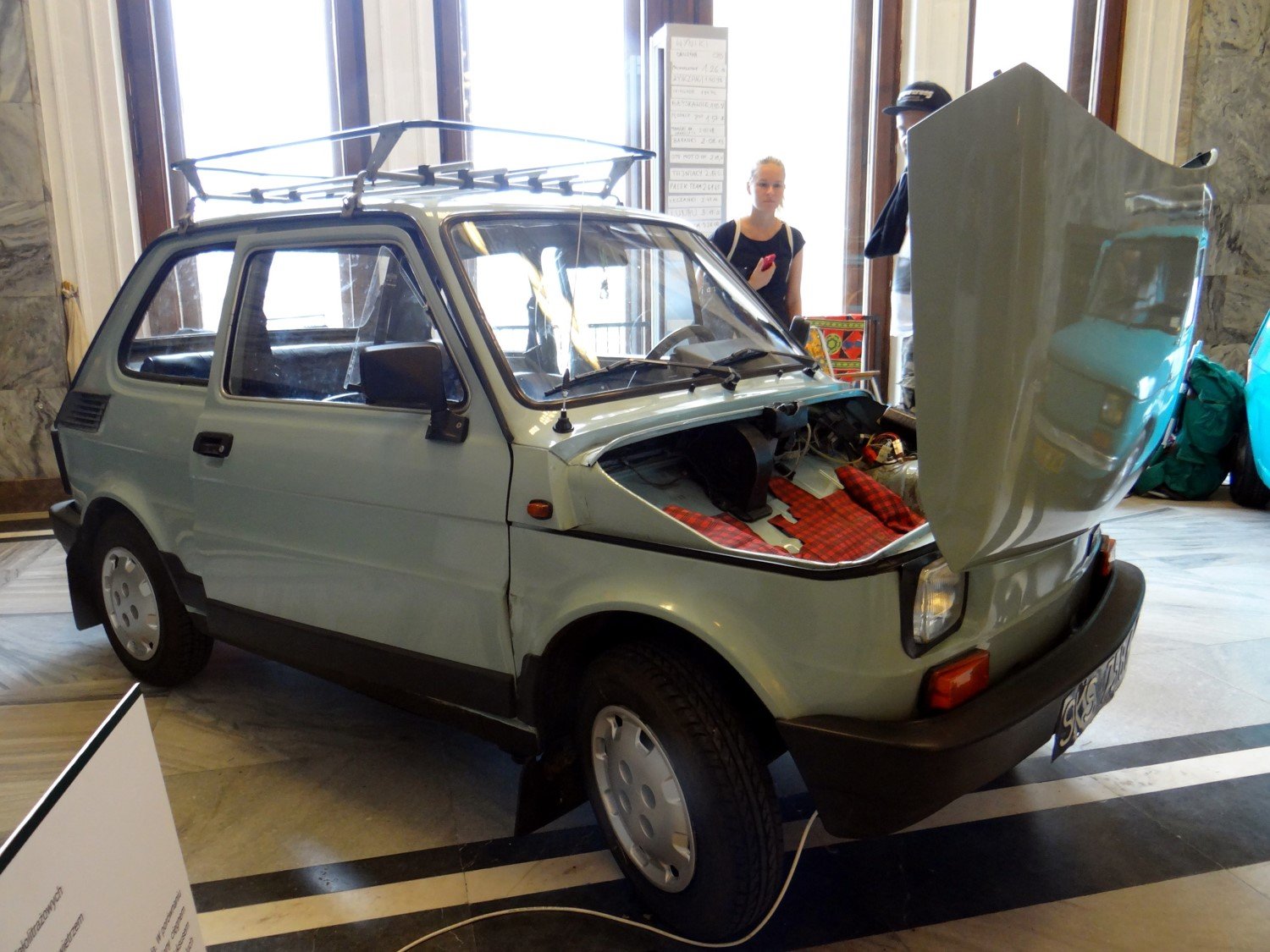
Just like in the Żuk: you can sit inside and play around with the switches.
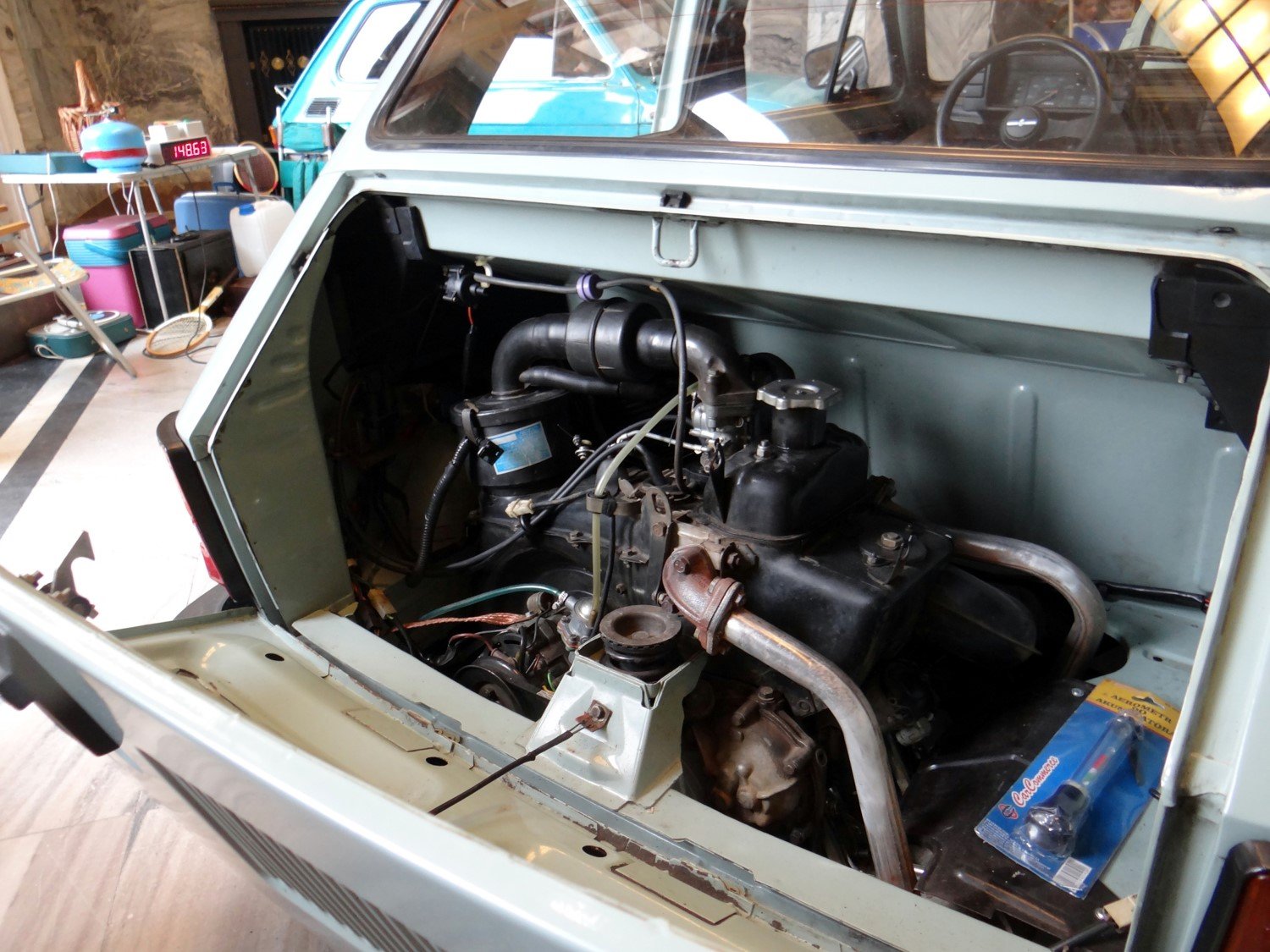
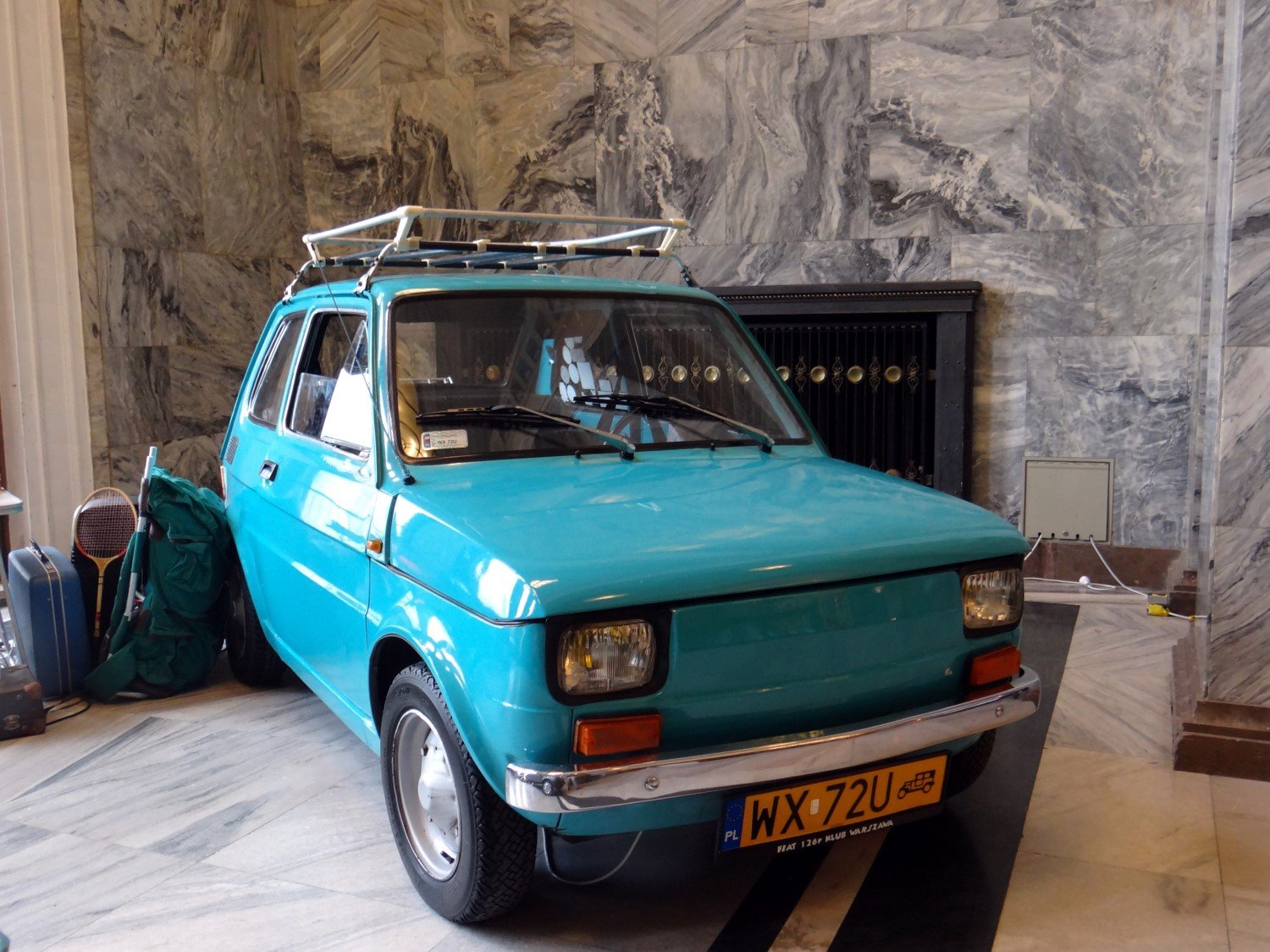
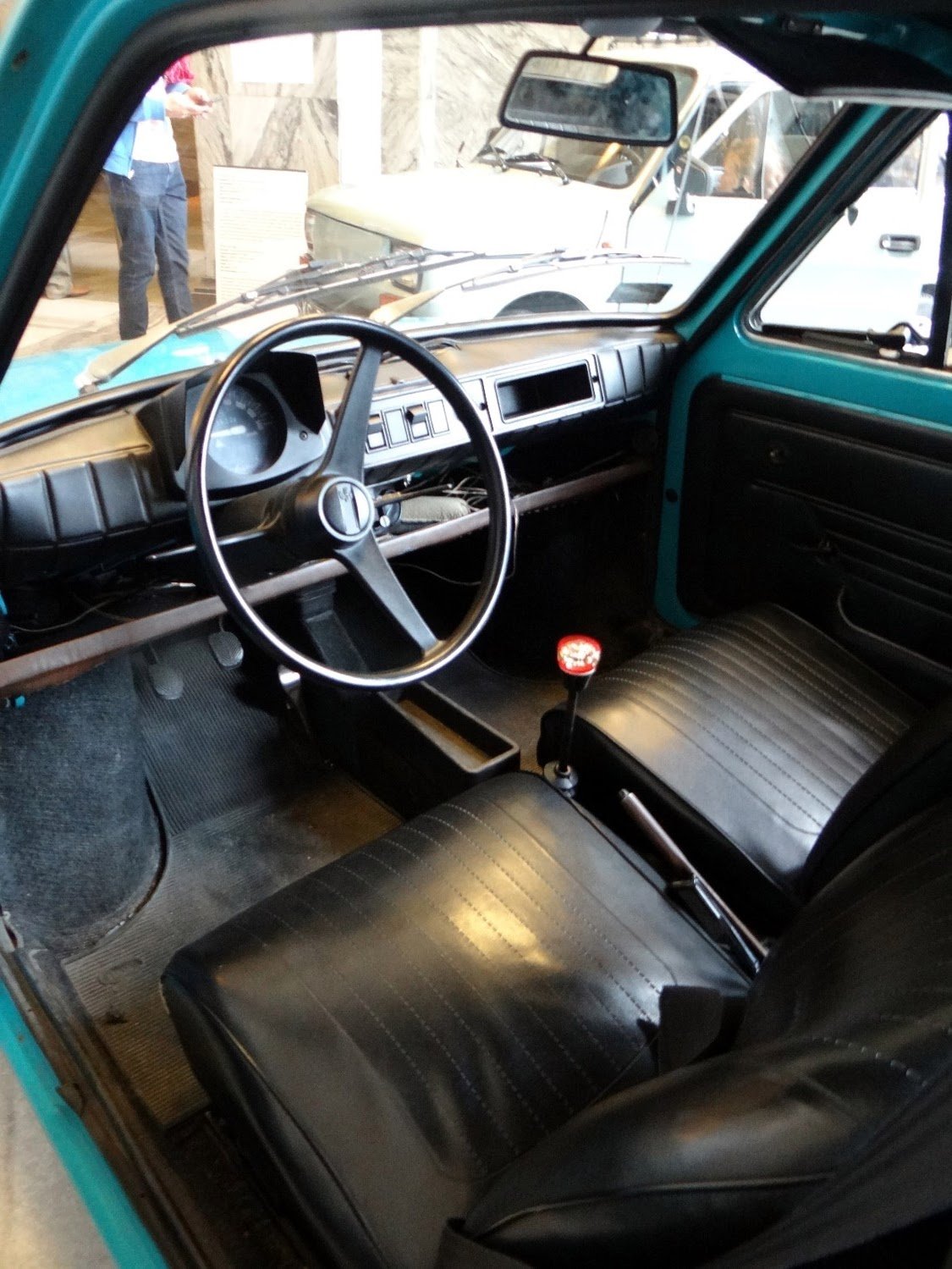
An early Fiat 126p.
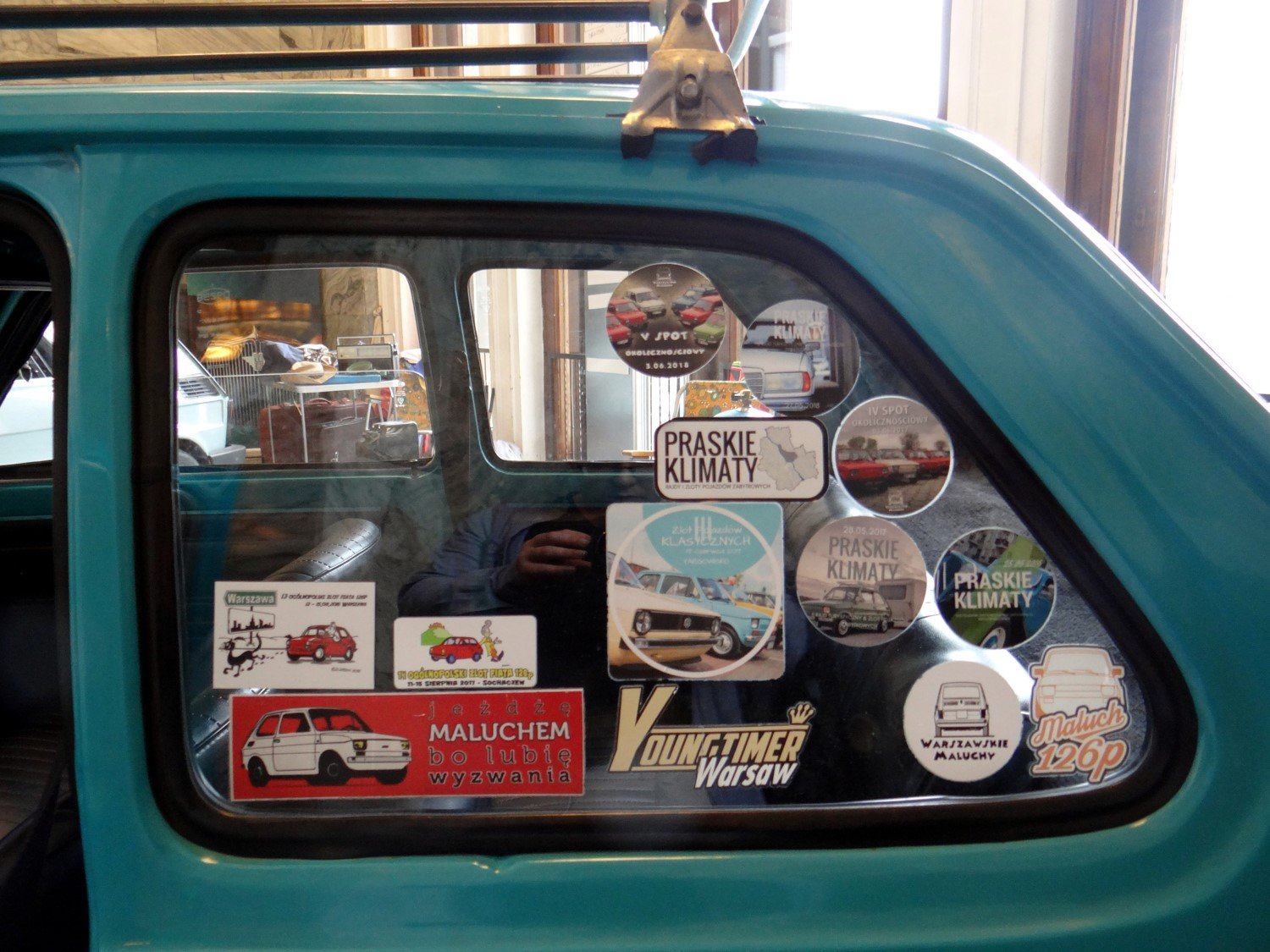
Maluch the globetrotter.
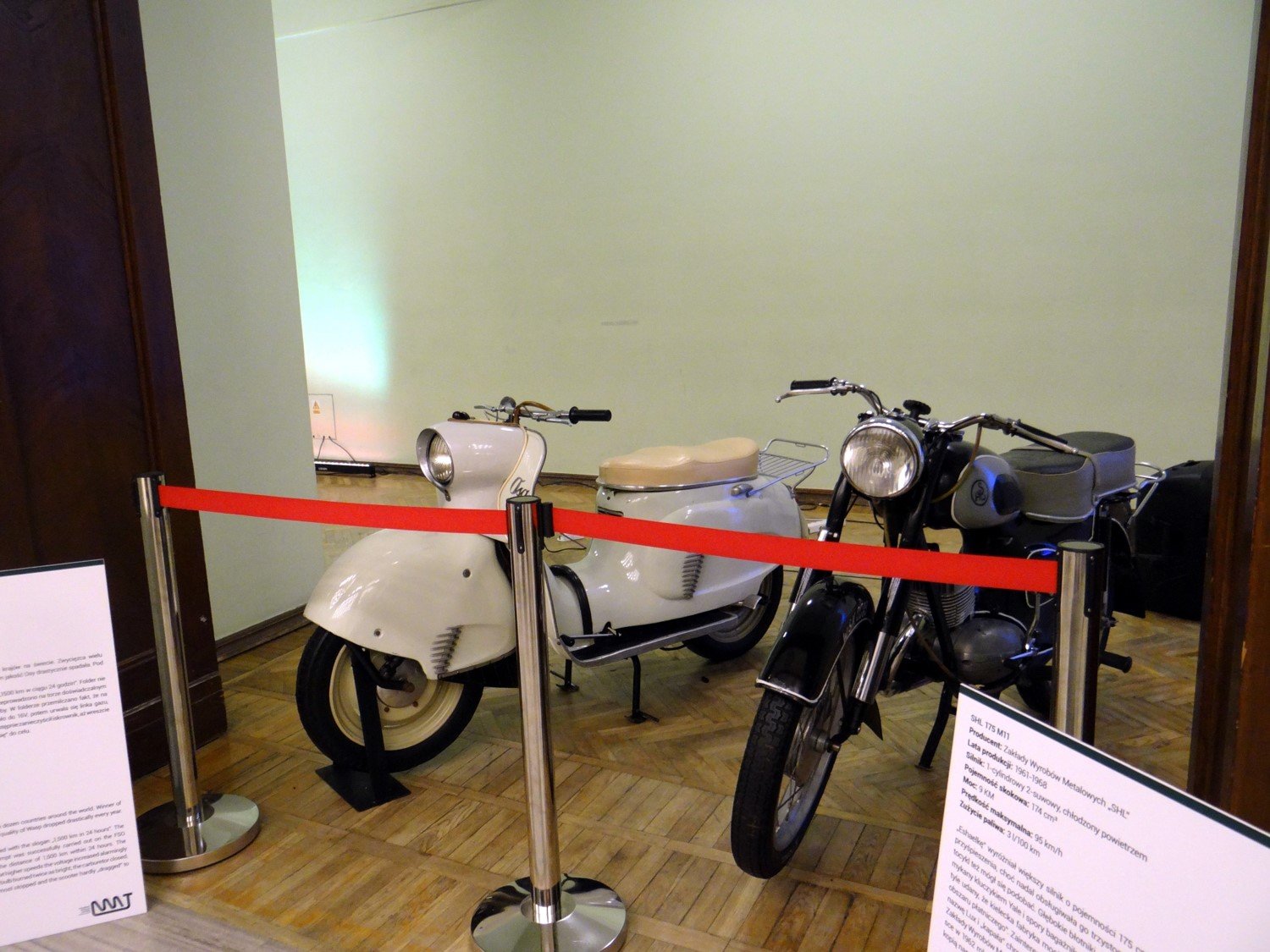
The Osa scooter and next to it the SHL 175 M11 motorcycle.
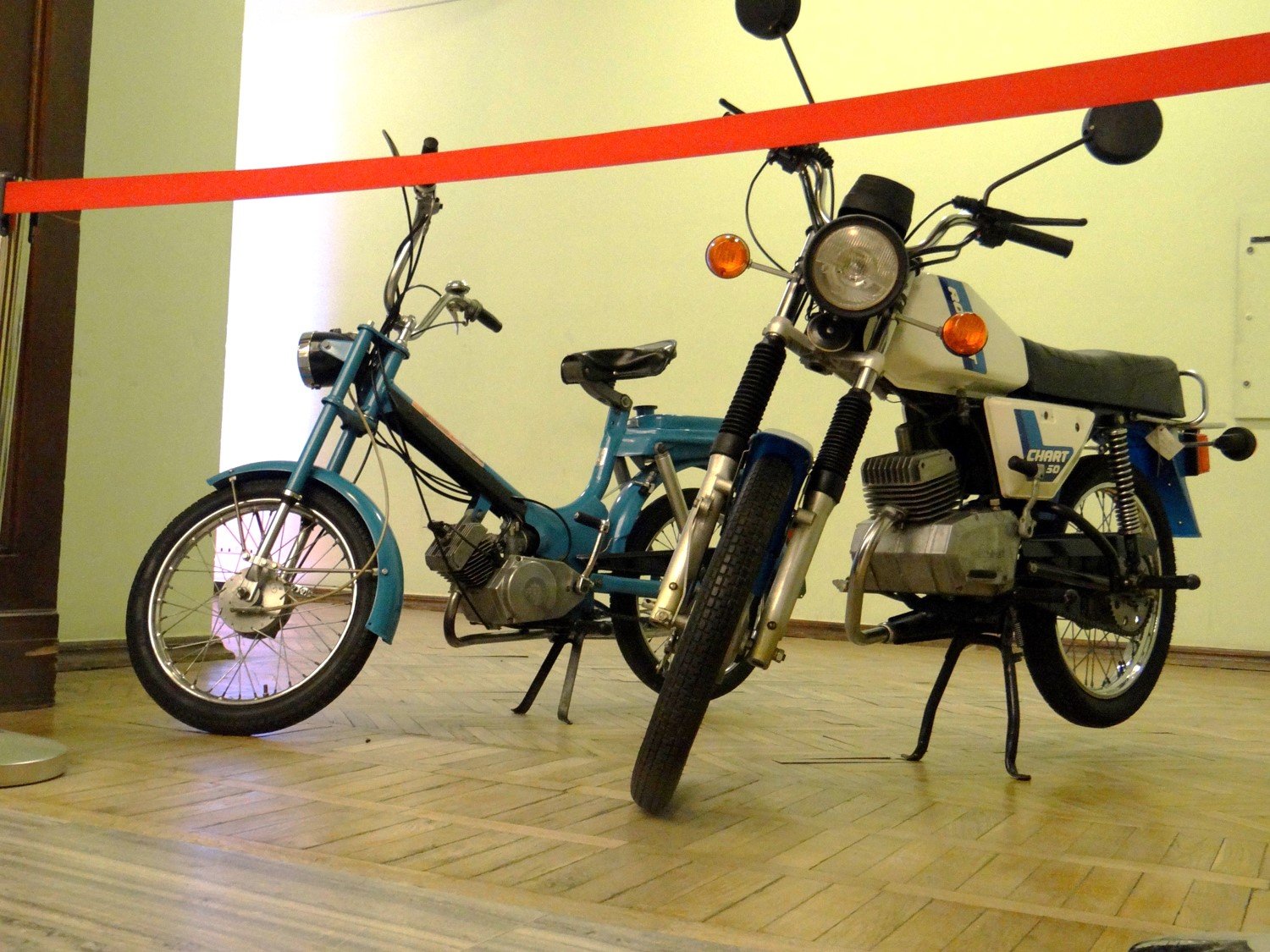
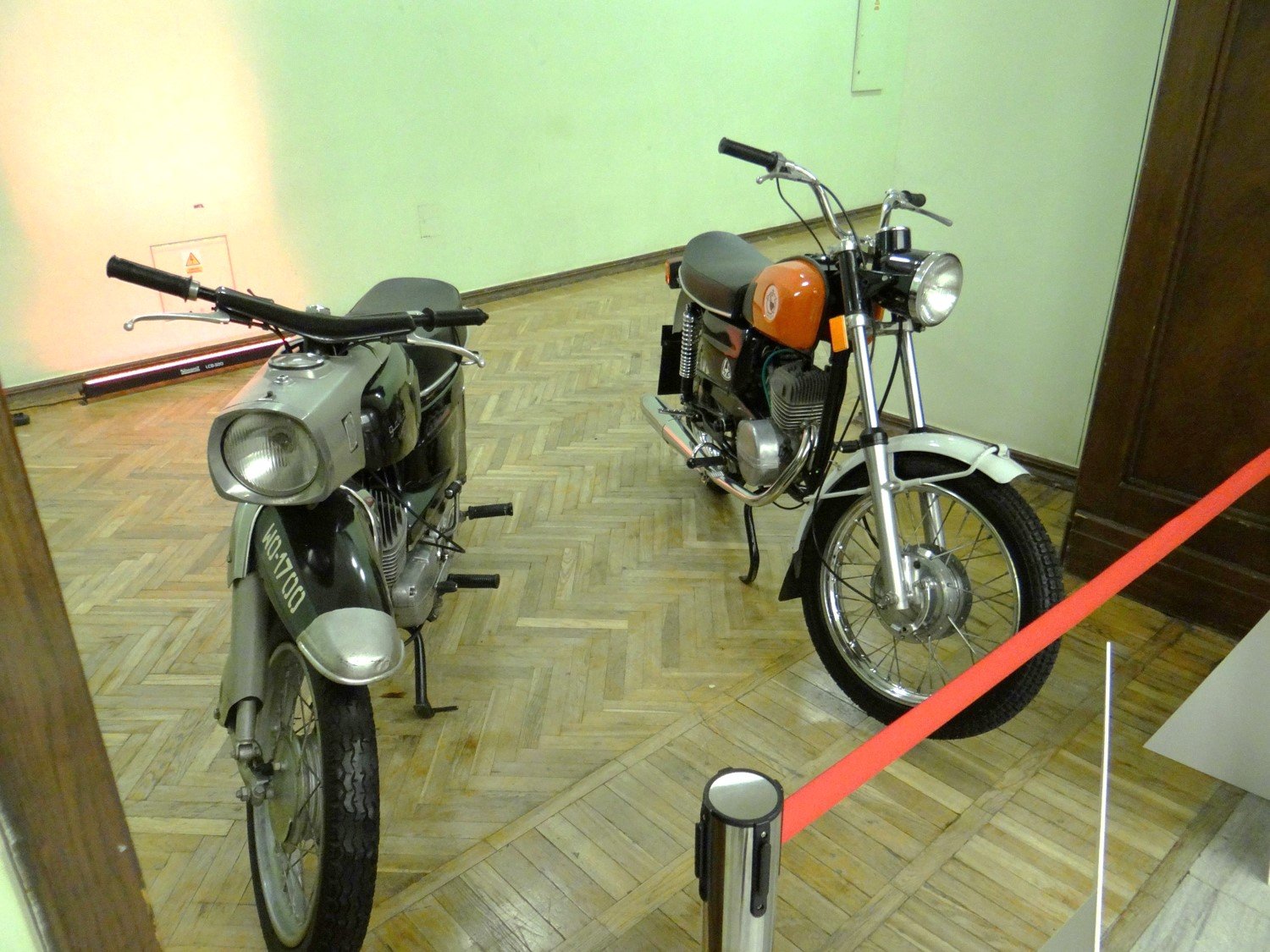
Gazela on the left. WSK 125 on the right.


Witaj!
Świetna fotorelacja!
Tego policyjnego Poloneza widziałem już na filtrowej w lipcu 2009 roku. Zapewne został przekazany wraz z wycofaniem radiowozów tego typu 🙂
Pozdrawiam!
Piotr
Jeśli dobrze pamiętam, większość z nich stacjonuje, lub stacjonowała na ul. Filtrowej w Warszawie. Tam widziałem je po raz pierwszy. Świetnie, że organizuje się takie wystawy. Mieszkam rzut kamieniem od niej i ciągle jeszcze tam nie dotarłem, może jeszcze mi się uda;)
Pozdrawiam;)
Cieszę się że relacja się podoba. Co do Poloneza – jak widać w naturze nic nie ginie 😉
Pozdrawiam
Gorąco polecam odwiedzenie wystawy!
Pozdrawiam
nice pictures thank you for sharing
miniature cars
Thank you for your comment! 🙂