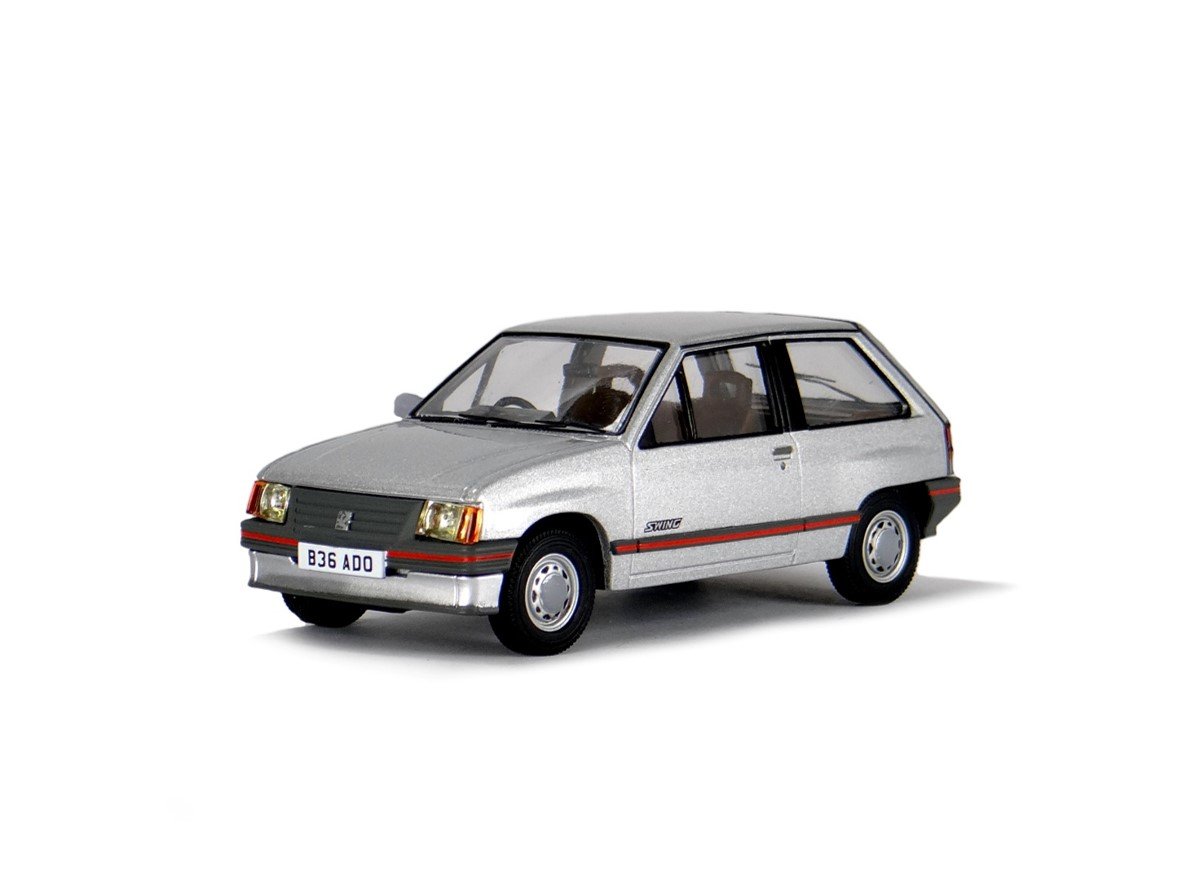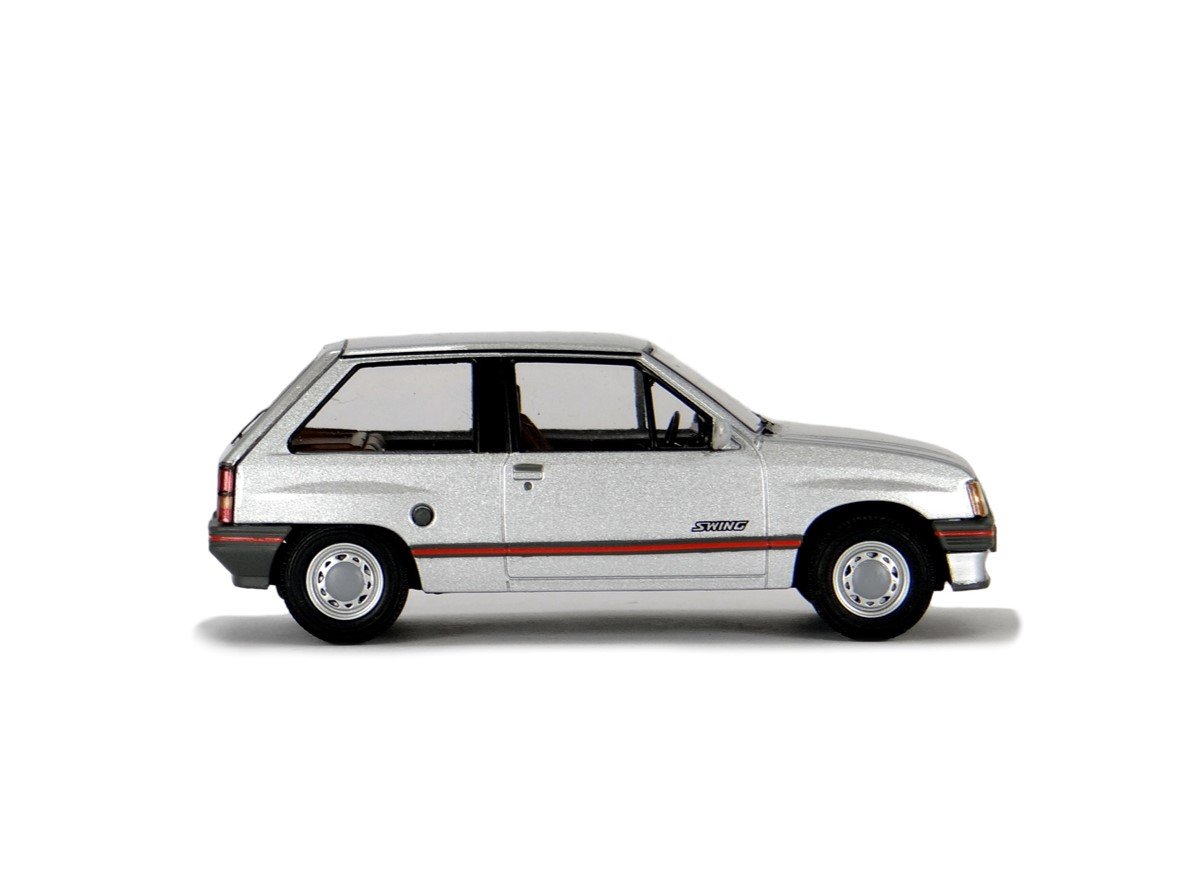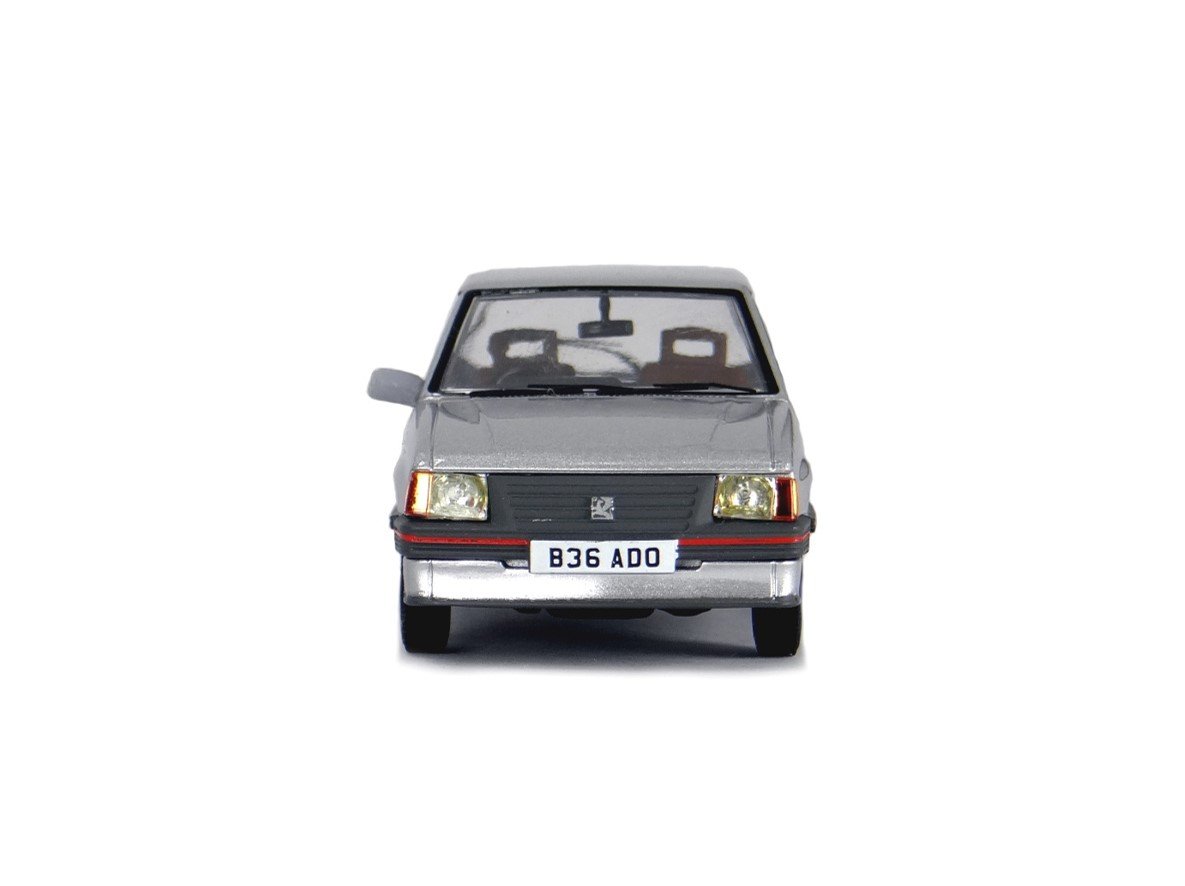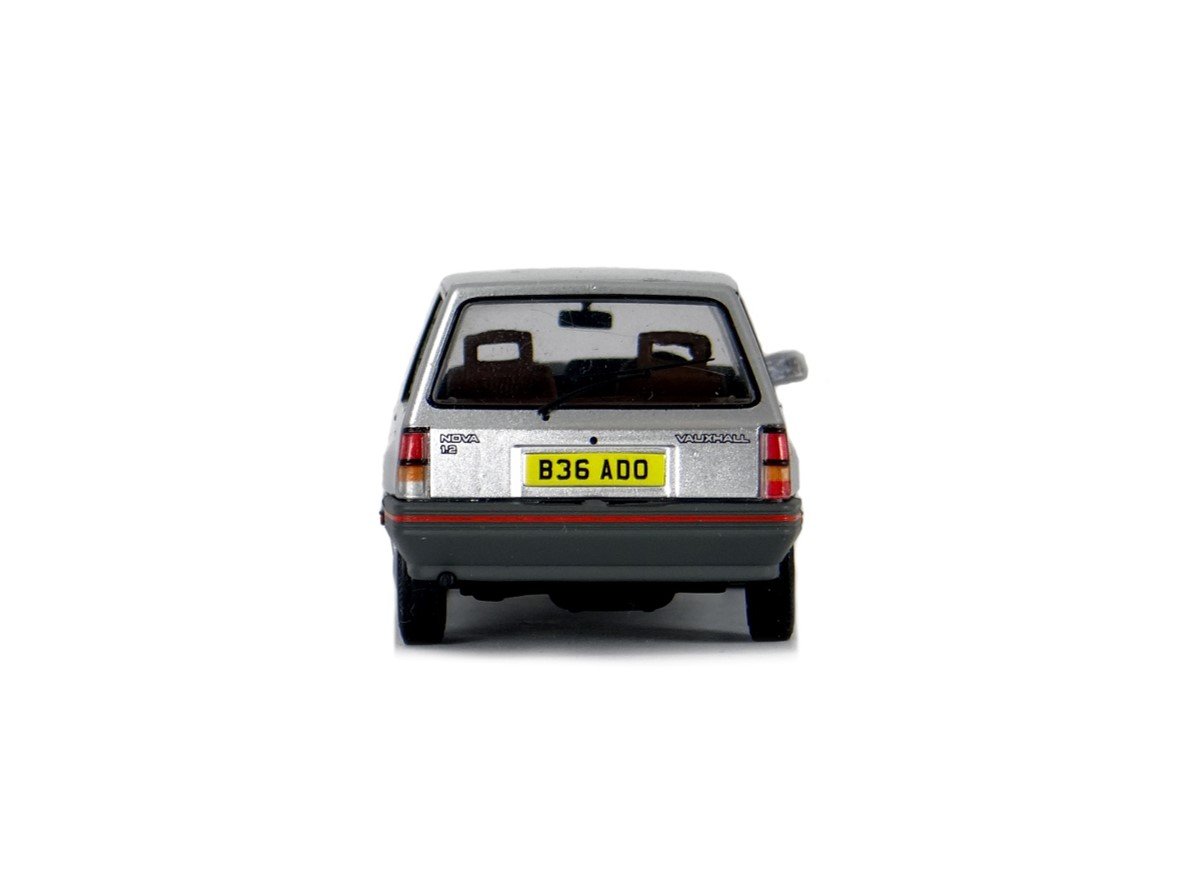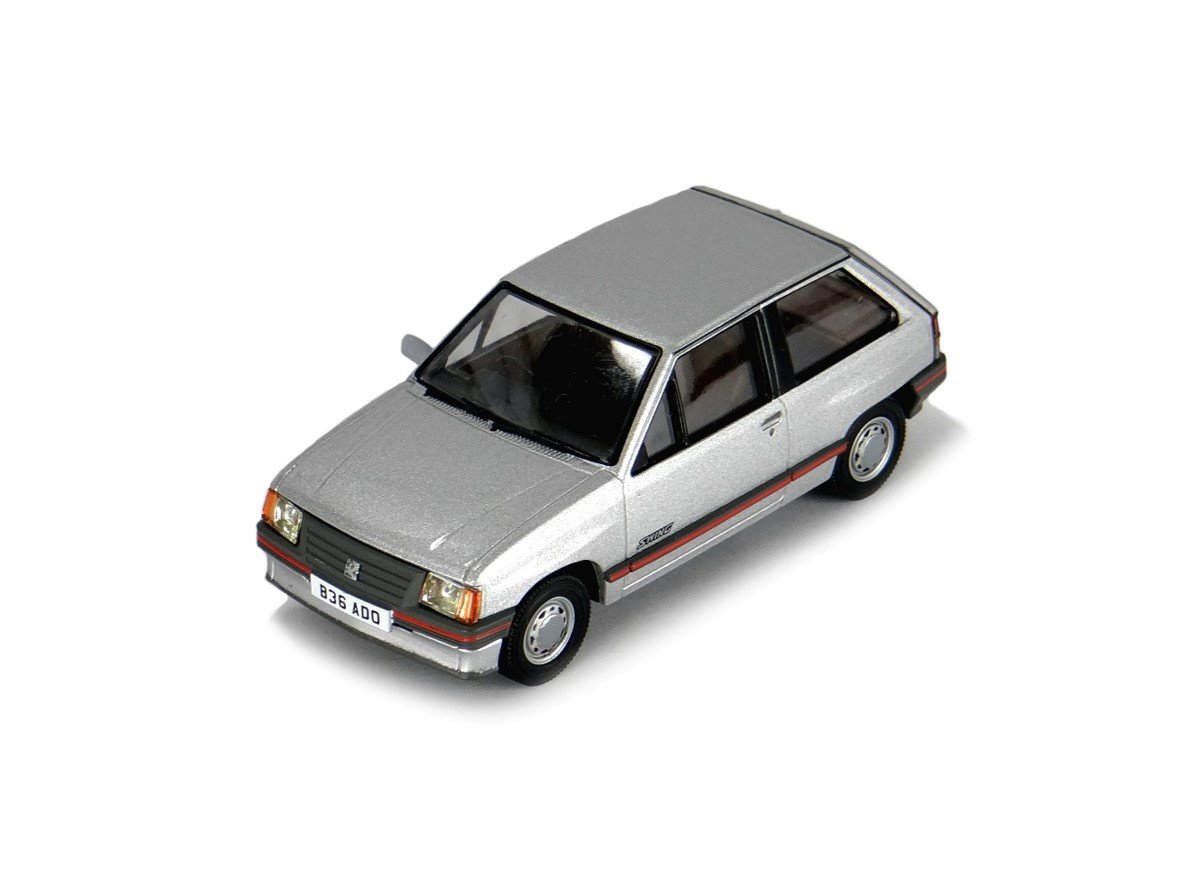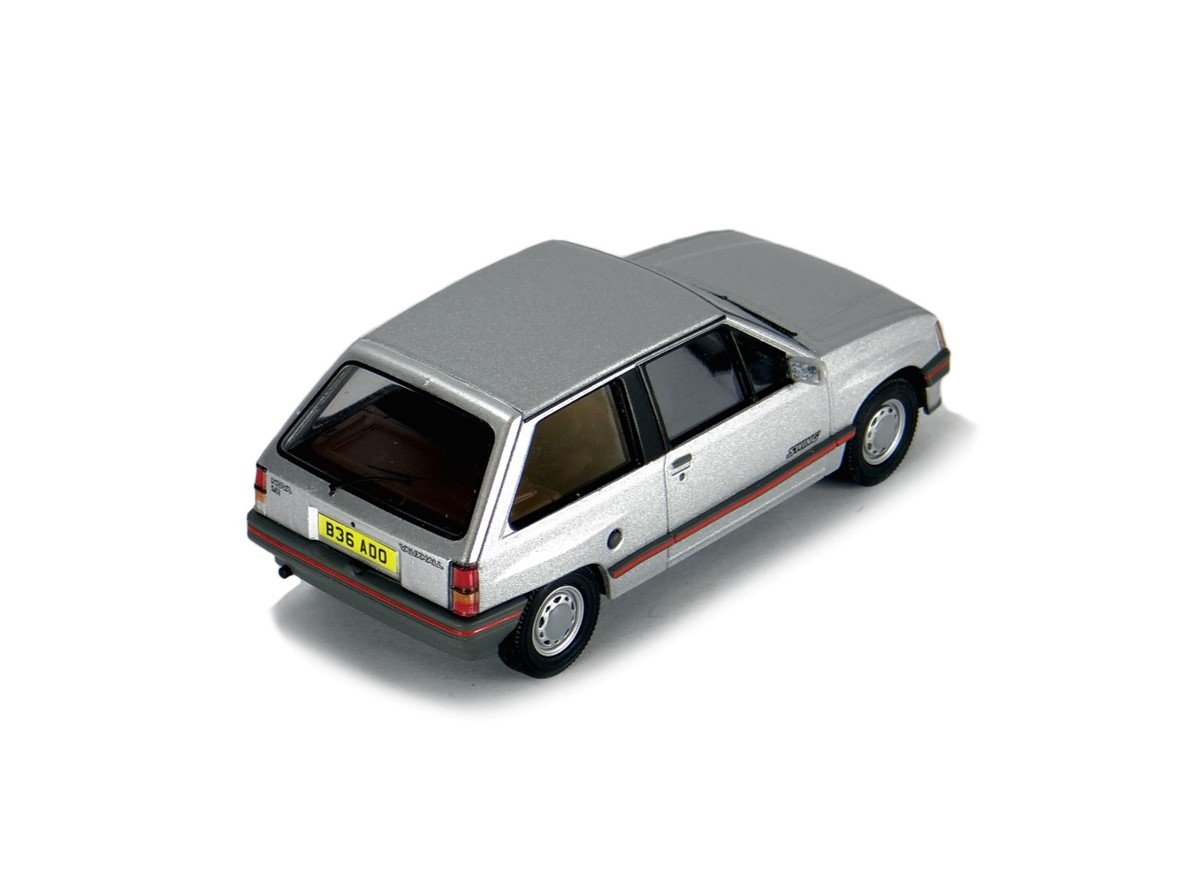

Dla przeciętnego Europejczyka, Vauxhall Nova zabrzmi egzotycznie. Rzut oka na auto wystarczy jednak, aby przekonać się, że nie ma tu nic egzotycznego. Ot, Opel Corsa pierwszej generacji w wersji na rynek brytyjski.
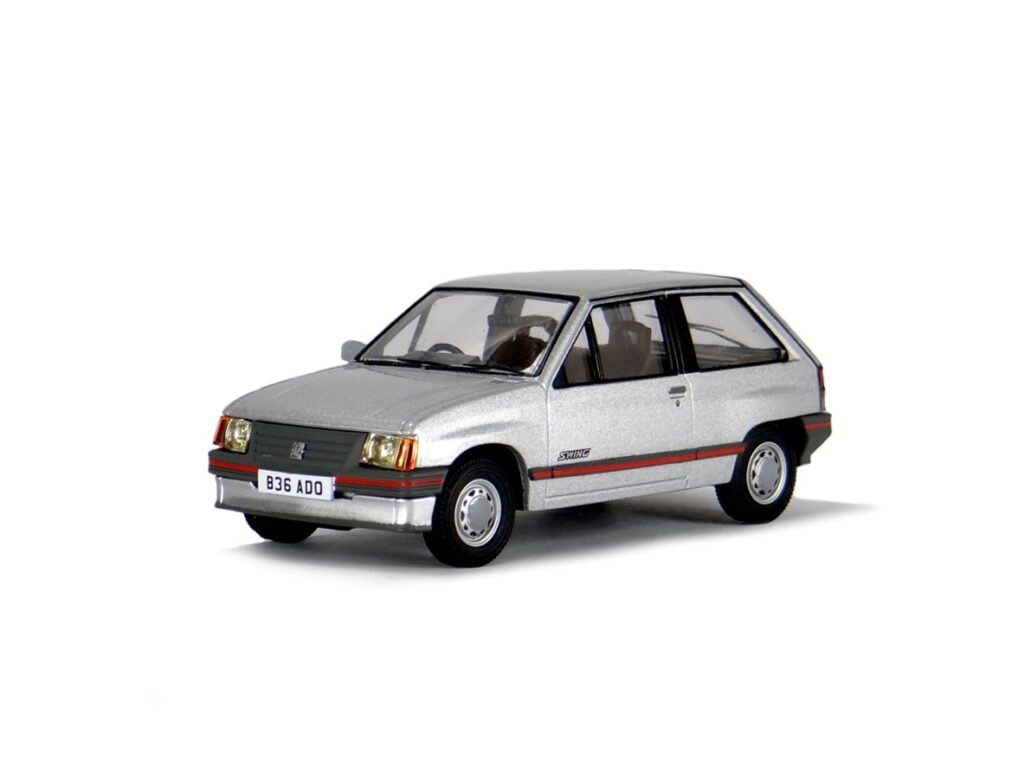
Brytyjska marka Vauxhall ma imponująco długą historię, ale związaną przede wszystkim z rodzimym rynkiem. Przejęta w 1925 roku przez amerykański koncern General Motors, początkowo miała całkiem sporą autonomię, którą Amerykanie stopniowo jednak ograniczali. Vauxhalle stawały się coraz bardziej podobne do europejskich Opli, na których bazowały.
W końcu, GM stwierdziło że jakakolwiek różnorodność się im tutaj nie opłaca. Stąd, od końca lat 70. Vauxhall to po prostu Opel z innym znaczkiem. Czasami też z inną nazwą, tak jak w tym przypadku.
Opóźniona odpowiedź
Od wczesnych lat 70., w Europie zapanowała moda na małe, przednionapędowe hatchbacki pokroju Fiata 127 i Renault 5. Naturalnie więc, najwięksi producenci starali się szybko odpowiedzieć na zapotrzebowanie, wprowadzając do oferty podobne auta.
Przedziwnym wyjątkiem były tutaj europejskie marki GM, czyli Opel i Vauxhall, które obserwowały prężnie rozwijający się segment z boku. Choć w panice przed utratą udziałów w rynku wprowadziły do sprzedaży na prędce model Kadett City/Chevette, była to bardziej zapchajdziura. Tylnonapędowe auto, bazujące na kompaktowym Kadecie, nie do końca mogło rywalizować z typowymi miejskimi hatchbackami konkurencji. To zmieniło się w 1982 roku, wraz z prezentacją nowego, mniejszego modelu.
Niemiec z Hiszpanii
Konstruowaniem nowego, miejskiego samochodu zajął się w całości niemiecki zespół Opla. Choć model projektowano pod europejskie gusta, to szczególną nadzieję wiązano z rynkiem hiszpańskim, który rozwijał się wtedy najszybciej w Europie. Hiszpania stawiała jednak jasny warunek: kto chciał sprzedawać na jej rynku samochody, musiał też tam je produkować.
Aby sprostać tym wymaganiom, producent zbudował nowoczesną fabrykę w Saragossie, w południowej Hiszpanii. Otwarcie nowej fabryki dużego, europejskiego producenta aut było dla kraju wielkim wydarzeniem. Kiedy 5 listopada 1982 roku produkcja samochodu oficjalnie ruszyła, w uroczystościach brał udział król Hiszpanii Juan Carlos I.
Zgoła odmienne nastroje panowały natomiast po drugiej stronie kanału La Manche. Brytyjczykom bardzo nie podobała się decyzja o umieszczeniu produkcji w Hiszpanii. Twierdzili, że samochody produkowane za granicą, nie powinny być sprzedawane na ich rynku ze znaczkiem brytyjskiej marki. Ostro krytykowali także niesprawiedliwe stawki celne. Samochodom importowanym na rynek brytyjski z Hiszpanii naliczano bowiem zaledwie 4,4-procentowe cło, podczas gdy w drugą stronę cło wynosiło aż 36,7 procenta.
Wściekłość była tak duża, że związki zawodowe rozpoczęły protesty. Odgórnej decyzji to oczywiście nie zmieniło, ale skutecznie opóźniło debiut auta na Wyspach. Dokładnie o 7 miesięcy.
Mów mi Nova, Vauxhall Nova
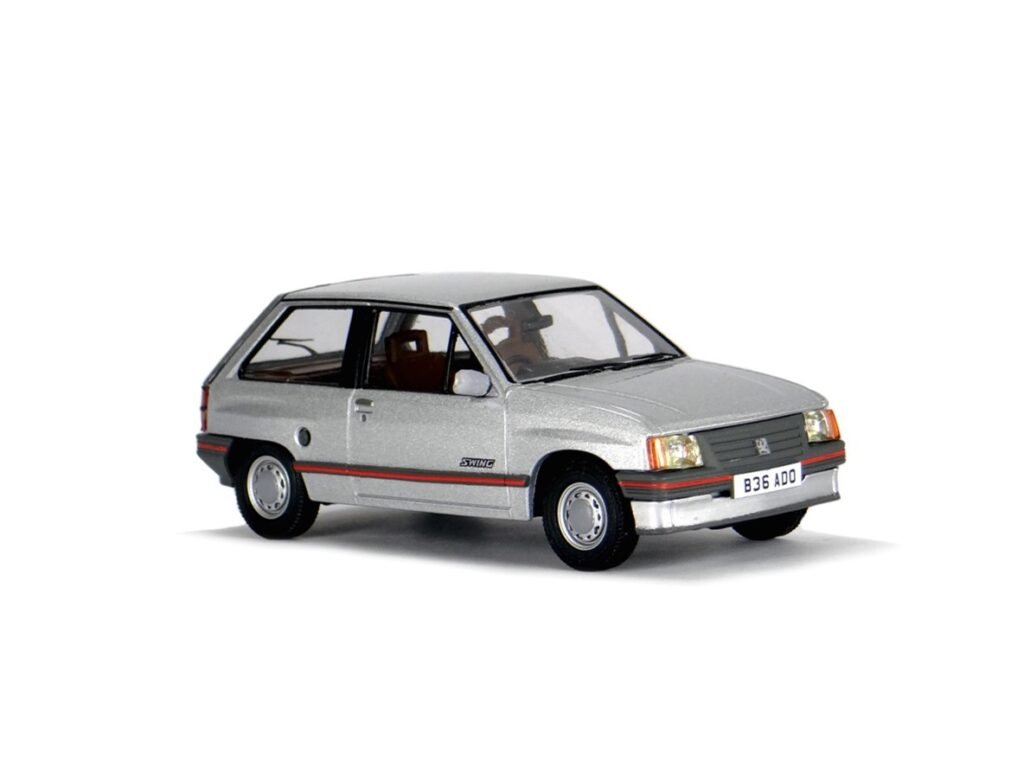
Cała Europa znała to auto oczywiście jako Opla Corsę. Brytyjczycy poznali je w kwietniu 1983 roku jako Vauxhalla Novę. Poza inną nazwą i znaczkiem, auta w niczym się od siebie nie róźniły. Pełniły też identyczną funkcję: podstawowego modelu w gamie, zastępującego Kadetta City/Chevette.
Proste, pudełkowate nadwozie auta idealnie wpisywało się w kanony designu lat 80. Nietypowa była za to mnogość wersji nadwozia. Producent zaoferował trzy- i pięciodrzwiowego hatchbacka jak również dwu- i czterodrzwiowego sedana. Żaden ówczesny rywal nie mógł pochwalić się taką różnorodnością.
Klienci mieli też spory wybór w kwestii silników. Początkowo, dostępne były jednostki 1.0 (45 KM), 1.2 (55 KM) oraz 1.3 (70 KM) – w odmianie SR. Później, do oferty dołączyły diesle 1.5 D (50 KM) i 1.5 TD (67 KM) produkcji Isuzu oraz benzynowy 1.6, zarezerwowany dla sportowej wersji GTE.
Naturalnie, Vauxhall Nova ewoluował razem z Oplem Corsą, przechodząc liftingi w tym samym czasie. Pierwszy, nieduży lifting przeprowadzono w 1987 roku. Druga, znacznie większa modyfikacja miała miejsce w 1990 roku, wprowadzając trochę obłości do pudełkowatego auta.
Domyślnie popularny
Praktycznie każdy Vauxhall cieszy się w Wielkiej Brytanii dużą popularnością i tak też było z Novą. Pomimo początkowej afery z produkcją w Hiszpanii, Brytyjczycy polubili nowy model. Pomogła w tym na pewno prasa, która pozytywnie opisywała auto oraz intensywna kampania reklamowa.
Choć Vauxhall Nova nie sprzedawał się w Wielkiej Brytanii tak dobrze jak Ford Fiesta czy Austin Metro, to i tak regularnie zajmował miejsce na liście dziesięciu najchętniej kupowanych nowych samochodów. Co ciekawe, aż 40 procent wszystkich egzemplarzy stanowiły sedany – więcej niż zakładał producent. Bliższe prawdy okazały się za to szacunki dotyczące ogólnego wolumenu sprzedaży. Vauxhall zakładał sprzedaż na poziomie ok. 50 000 sztuk rocznie i to się udało. Przez 10 lat, brytyjscy klienci kupili ponad pół miliona sztuk Vauxhalla Novy.
Kariera Novy zakończyła się w 1993 roku, kiedy to nowy model przejął europejską nazwę, stając się Vauxhallem Corsą.
O miniaturze – Vauxhall Nova
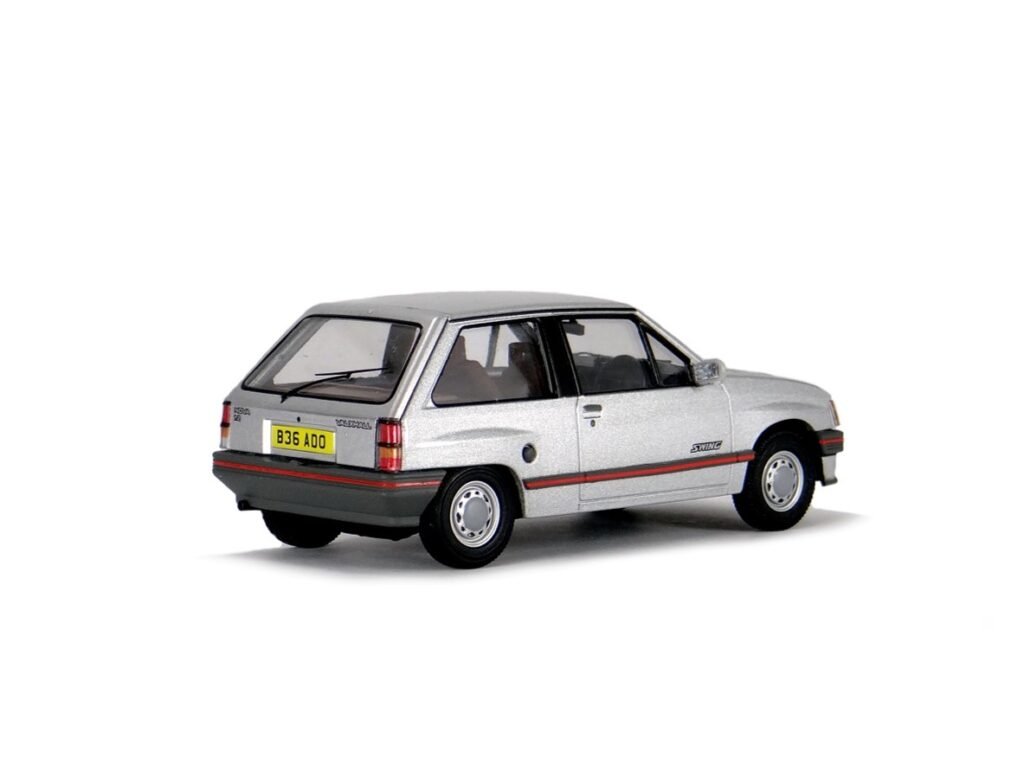
O istnieniu tego modelu dowiedziałem się niedawno, trochę przypadkiem. Szukając więcej informacji na temat jednego z nowych wypustów Vanguards (Vauxhall Nova SR), natknąłem się na zdjęcia srebrnej Novy Swing. Model wydał mi się ciekawy i akurat ktoś sprzedawał go na ebay’u we względnie atrakcyjnej cenie. Postanowiłem więc zmienić pierwotny plan i zamiast nowej Novy SR, kupiłem starą Novę Swing.
Vanguards wydało ten model w 2012 roku, w limitowanej serii 1000 egzemplarzy. Każdy z nich posiada w pudełku kartonik z numerem seryjnym – moja Nova ma numer 210. Co ciekawe, autko nie jest zapakowane w typowe pudełko z podstawką, a w blister. Ciekawostką jest też to, że producent dodaje boczne lusterko jako osobną część. Jest na nie specjalne wyżłobienie w opakowaniu i musimy je sobie dokleić sami, jeśli chcemy aby nasz Vauxhall miał lusterko.
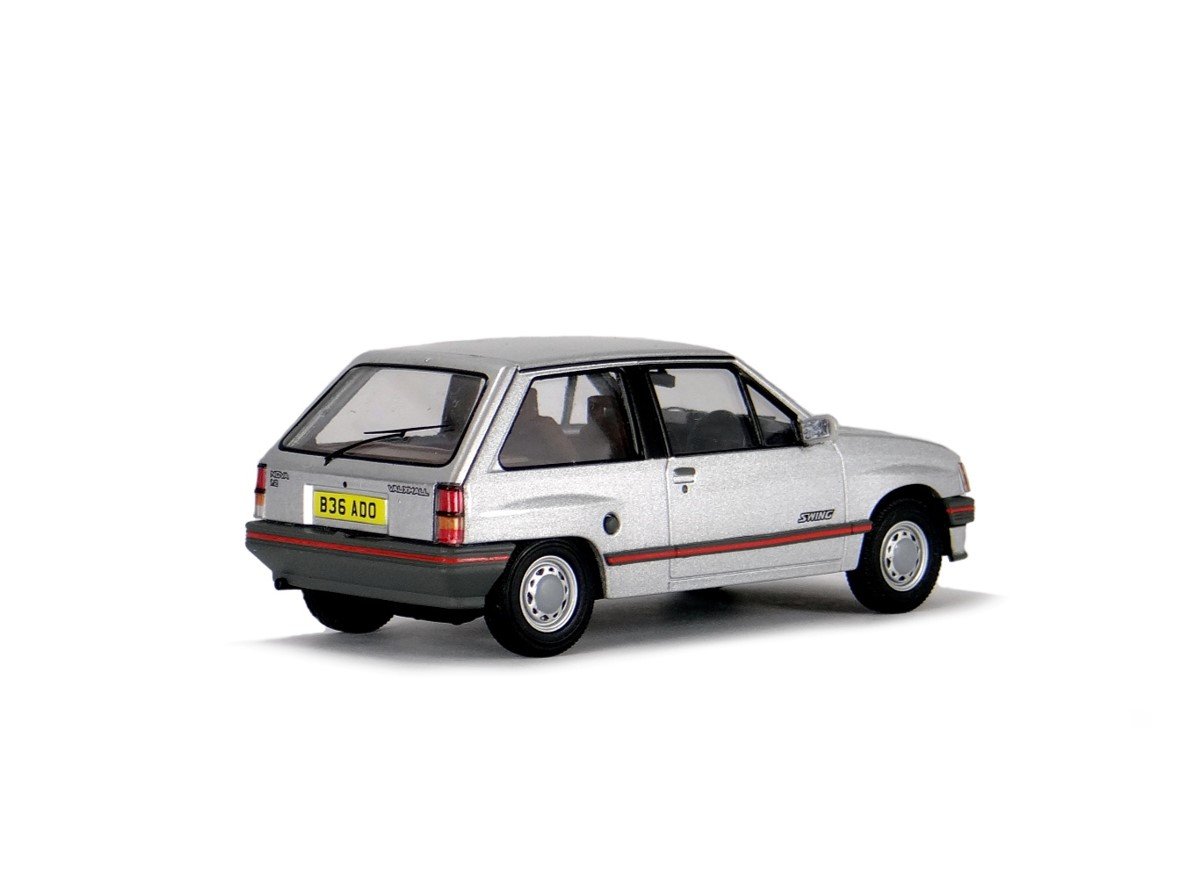
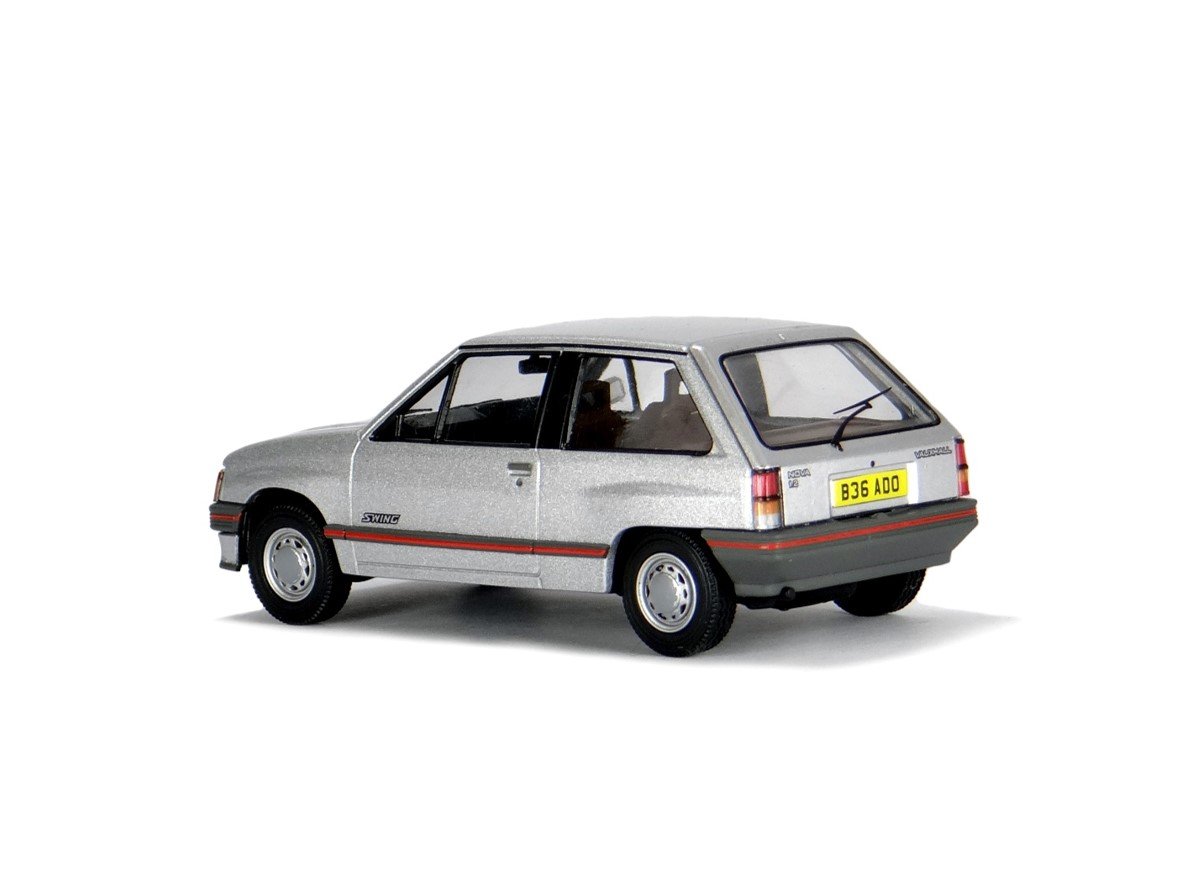
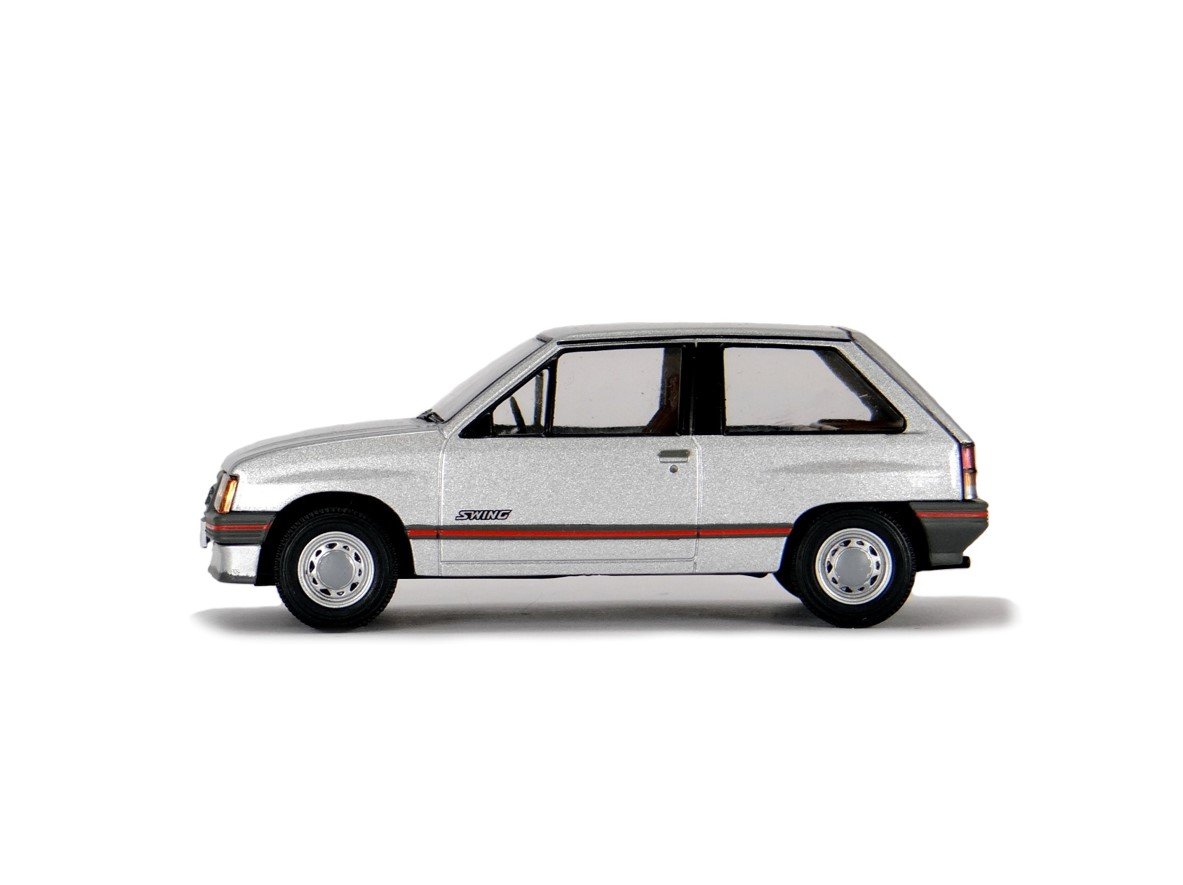
Sam modelik jest dobrze wykonany. Nie jest to może poziom najnowszych wypustów Vanguards albo Corsy A z Minichamps, ale ogólne wrażenie jest dobre. Model jest na pewno bardzo klimatyczny i to jest jego duży plus. Nie obył się jednak bez paru modyfikacji. Dodałem w nim szkiełko bocznego lusterka oraz domalowałem czarne elementy na felgach.
Z karty informacyjnej dołączonej do modelu dowiemy się, że miniaturka odwzorowuje egzmplarz Novy zakupiony w 1985 roku przez Ronalda Cottella w salonie Melton Mowbray Vauxhall. Auto służyło mu głównie do wyjazdów na zakupy. Pan Cottell był właścicielem do 2001 roku, kiedy to podarował Novę z malutkim przebiegiem raptem 18 tys. mil, swojemu wnukowi, Alistairowi.
Jak zwykle, zapraszam Was do oglądania modelu w galerii oraz do śledzenia MiniAutomobili na Facebooku i Instagramie!
*** ENGLISH ***
To the average European, the Vauxhall Nova will sound exotic. However, a quick glance at the car is enough to see that there’s nothing exotic about it. It’s simply the first-generation Opel Corsa in its British-market guise.
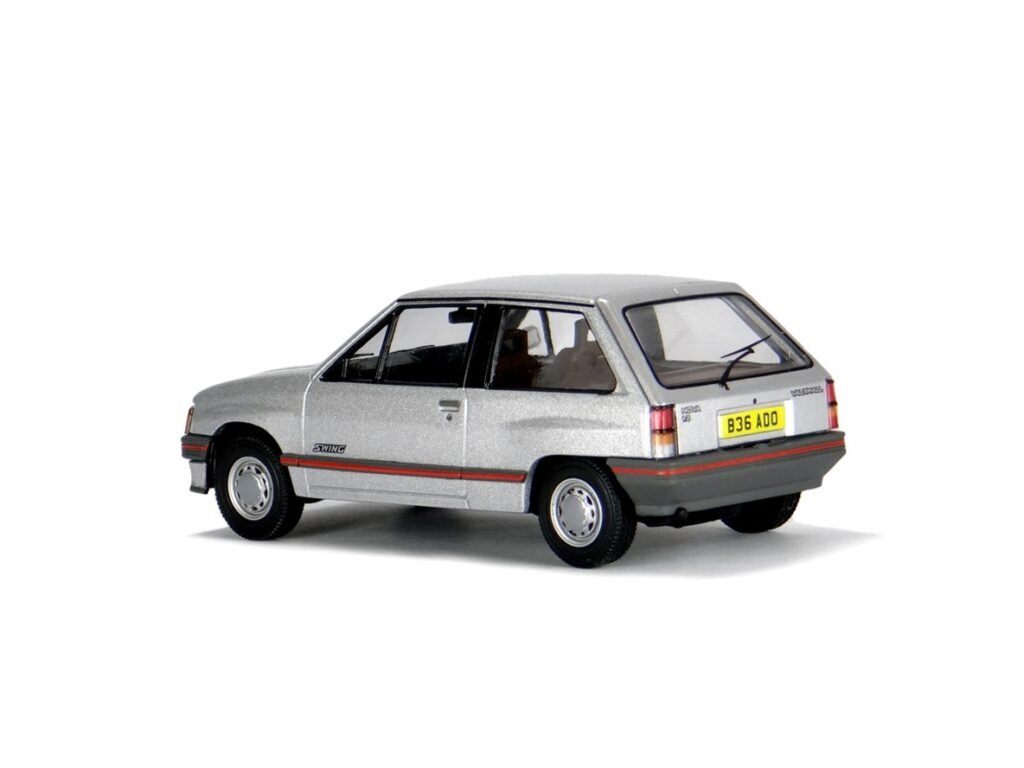
The British company Vauxhall boasts a remarkably long history, but one that has largely been confined to the local market. Acquired by the American giant General Motors in 1925, the company initially retained a considerable degree of independence, which the Americans gradually reduced. Consequently, Vauxhall vehicles became increasingly similar to the European Opel models on which they were based.
Eventually, GM concluded that there was little point in maintaining two distinct identities. As a result, from the late 1970s, Vauxhalls essentially became rebadged Opels. Sometimes featuring a different name, as was the case here.
A delayed response
Since the early 1970s, small front-wheel-drive hatchbacks such as the Fiat 127 and Renault 5 became a fashion across Europe. Naturally, the major carmakers were quick to recognise the trend and began introducing similar vehicles to cash in on the growing demand.
Strangely, GM’s European brands, Opel and Vauxhall, were the notable exceptions, watching from the sidelines as the segment grew rapidly. Fearing a loss of market share, they hurriedly launched the Kadett City/Chevette, but it was little more than a stopgap measure. Based on the compact Kadett, the rear-wheel-drive car struggled to compete with the typical superminis offered by the competition. This changed in 1982 with the introduction of a new, smaller model.
A German from Spain
Opel’s German team did the entire development work of the new supermini. Although the model was designed to appeal to European tastes, particular hopes were pinned on the Spanish market, which was growing faster than any other in Europe at the time. Spain, however, imposed a clear condition: any carmaker wanting to sell its vehicles in Spain also had to build them there.
To meet these requirements, the manufacturer built a modern factory in Zaragoza, in southern Spain. The opening of a new production plant of a major European carmaker certainly was a significant event for Spain. When production officially began on 5th November 1982, King Juan Carlos I was among those attending the opening ceremony.
Across the Channel, however, the mood was very different. The British were deeply unhappy with the decision to locate production in Spain. They argued that cars manufactured abroad should not be sold in the British market wearing the badge of a British brand. They also strongly criticised the unfair import tariffs. Cars imported into Britain from Spain were subject to a duty of just 4.4 per cent, whereas tariffs in the opposite direction were as high as 36.7 per cent.
The backlash was so intense that trade unions organised protests. They failed to reverse the decision, of course, but they did succeed in delaying the car’s UK debut. By a full seven months.
Call me Nova, Vauxhall Nova
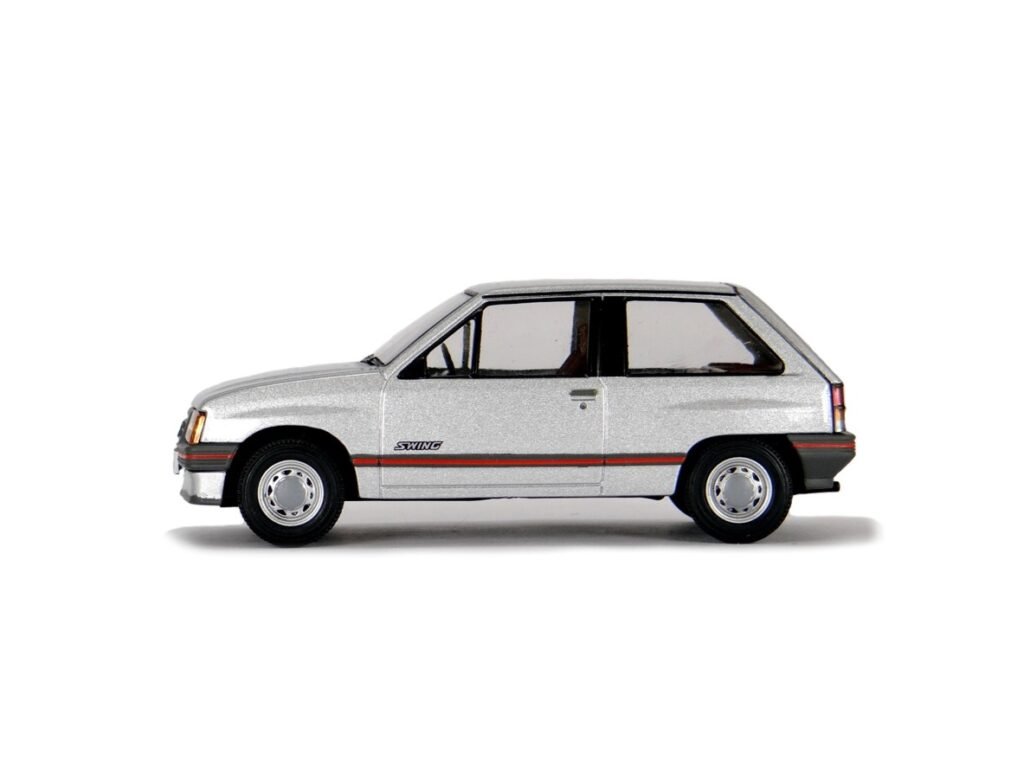
The whole of Europe knew the car as an Opel Corsa, of course. British buyers however, came to know it as the Vauxhall Nova in April 1983. Aside from their different names and badges, the two models were identical. They also served exactly the same purpose: serving as an entry-level model, replacing the Kadett City/Chevette.
The simple, boxy bodywork perfectly embodied the 1980s design trends. More unusual was the wide range of body styles available. Buyers could choose from three- and five-door hatchbacks, along with two- and four-door saloons. No rival at the time could boast such a variety.
Customers also had a wide choice of engines. Initially, the range included a 1.0-litre producing 45 hp, a 1.2-litre with 55 hp, and a 1.3-litre delivering 70 hp in the SR version. Later, Isuzu-built 1.5 D (50 hp) and 1.5 TD (67 hp) diesel engines, as well as a 1.6-litre petrol engine reserved for the sporty GTE version, joined the range.
Naturally, the Vauxhall Nova evolved alongside the Opel Corsa, receiving the same updates at the same time. The first, relatively minor facelift arrived in 1987. The second, much more substantial update, followed in 1990, introducing some curves to the car’s previously boxy design.
Popular by default
Almost every Vauxhall model has been hugely popular in the UK, and the Nova was no exception. Despite the initial controversy over its production in Spain, British motorists took a liking to the new model. Positive press coverage and an extensive advertising campaign undoubtedly helped.
Although the Vauxhall Nova never sold as well in Britain as the Ford Fiesta or Austin Metro, it still regularly featured among the country’s ten best-selling new cars. Interestingly, saloons accounted for as much as 40 per cent of total sales, exceeding the manufacturer’s expectations. Vauxhall’s estimates of overall sales volume, however, proved to be more accurate. The company had set its sights on annual sales of around 50,000 cars and duly achieved that figure. Over ten years, British customers bought more than half a million Novas.
The Nova’s run finally came to an end in 1993, when its replacement adopted the European name, becoming the Vauxhall Corsa.
About the miniature – Vauxhall Nova
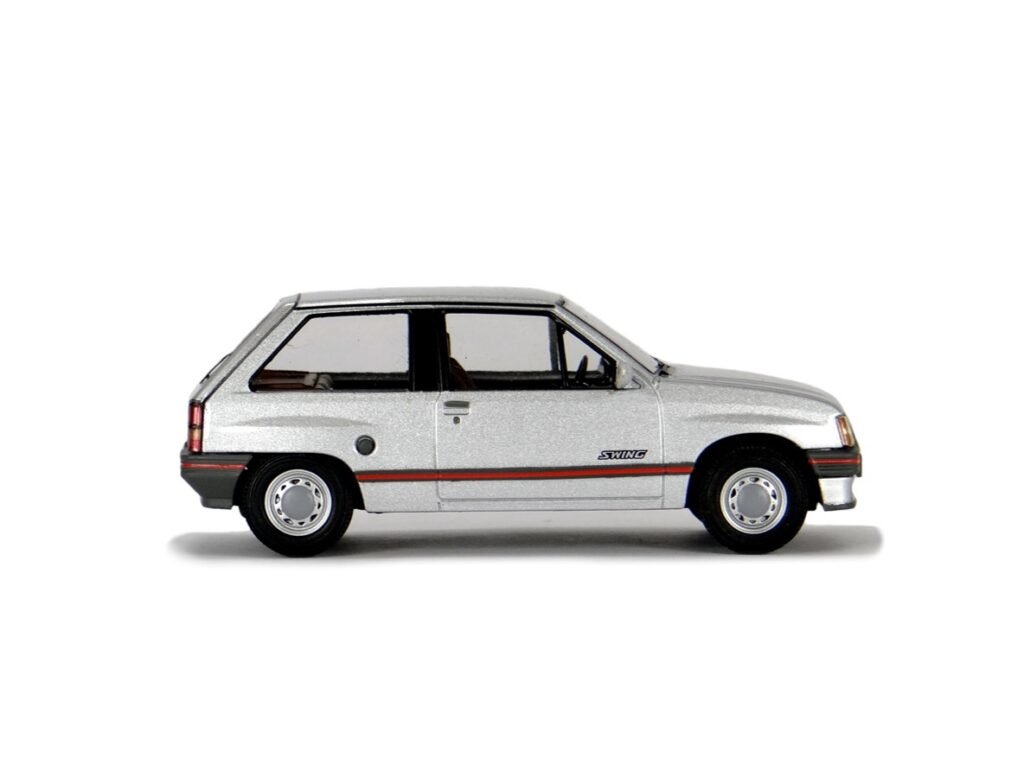
I only came across this model recently, somewhat by accident. While looking up one of Vanguard’s latest releases, the Vauxhall Nova SR, I stumbled upon photos of a silver Nova Swing. It immediately caught my interest, and as one happened to be listed on eBay for a fairly reasonable price, I decided to rethink my original plan. Instead of going for the new Nova SR, I ended up buying the older Nova Swing.
Vanguards released this model in 2012 as part of a limited run of 1,000 pieces. Each model comes with a small card bearing its serial number inside the box—my Nova is number 210. Interestingly, the car is not packaged in the usual box with a display plinth, but in a blister pack. There’s another little quirk, too: the wing mirror is supplied separately. The packaging has a specially moulded recess for it, and if you want your Vauxhall to sport a mirror, you’ll have to glue it on yourself.
The model itself is well made. It may not quite match the quality of Vanguards’ latest releases or Minichamps’ Opel Corsa A, but the overall impression is good. It certainly has plenty of character, which is one of its biggest strengths. That said, I did make a couple of small modifications: I added the reflective insert to the wing mirror and painted the black details on the wheels.
The information card supplied with the model tells us that the miniature depicts a Nova purchased by Ronald Cottell in 1985 from Melton Mowbray Vauxhall. He used it mainly for trips to the shops and kept it until 2001, when he gave it to his grandson, Alistair. By then, the Nova had covered a remarkably low 18,000 miles.
As always, feel free to view the model in the photo gallery, as well as follow MiniAutomobile on Facebook and Instagram!