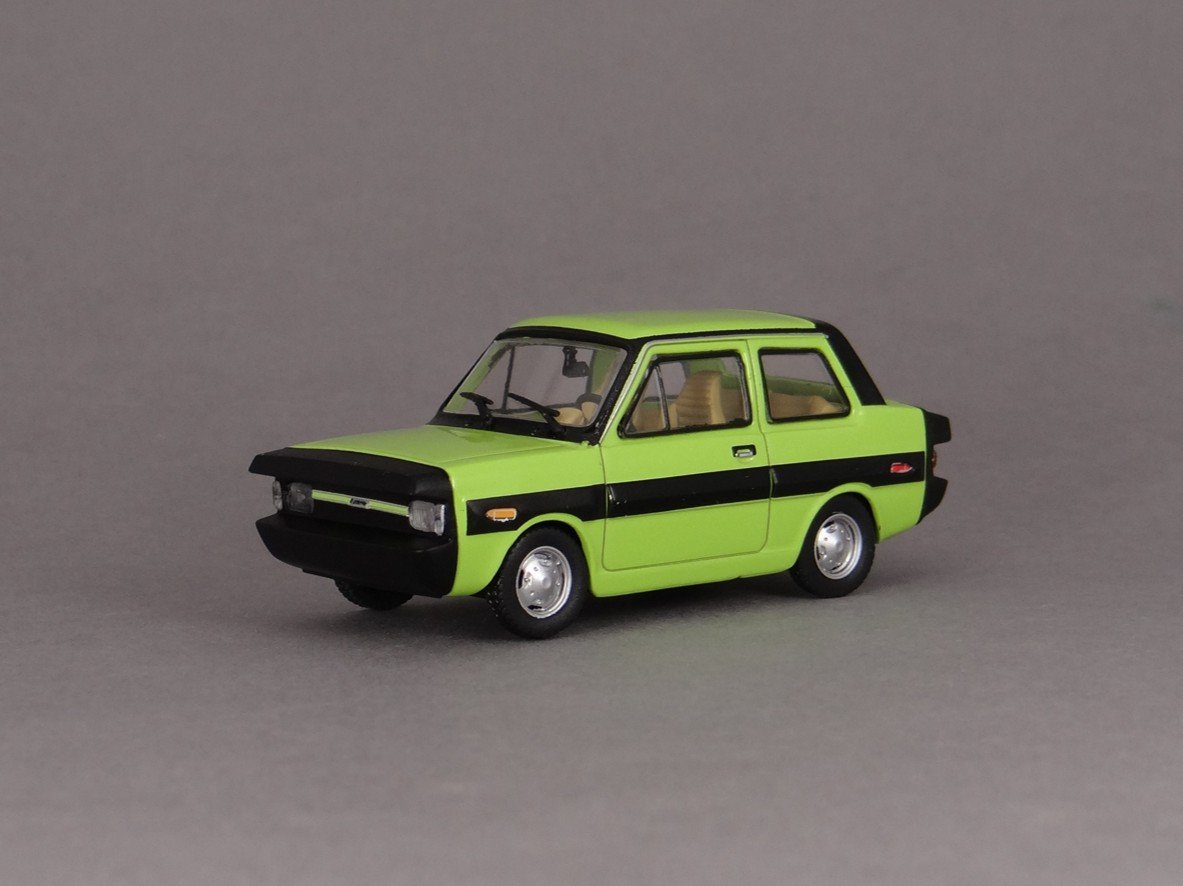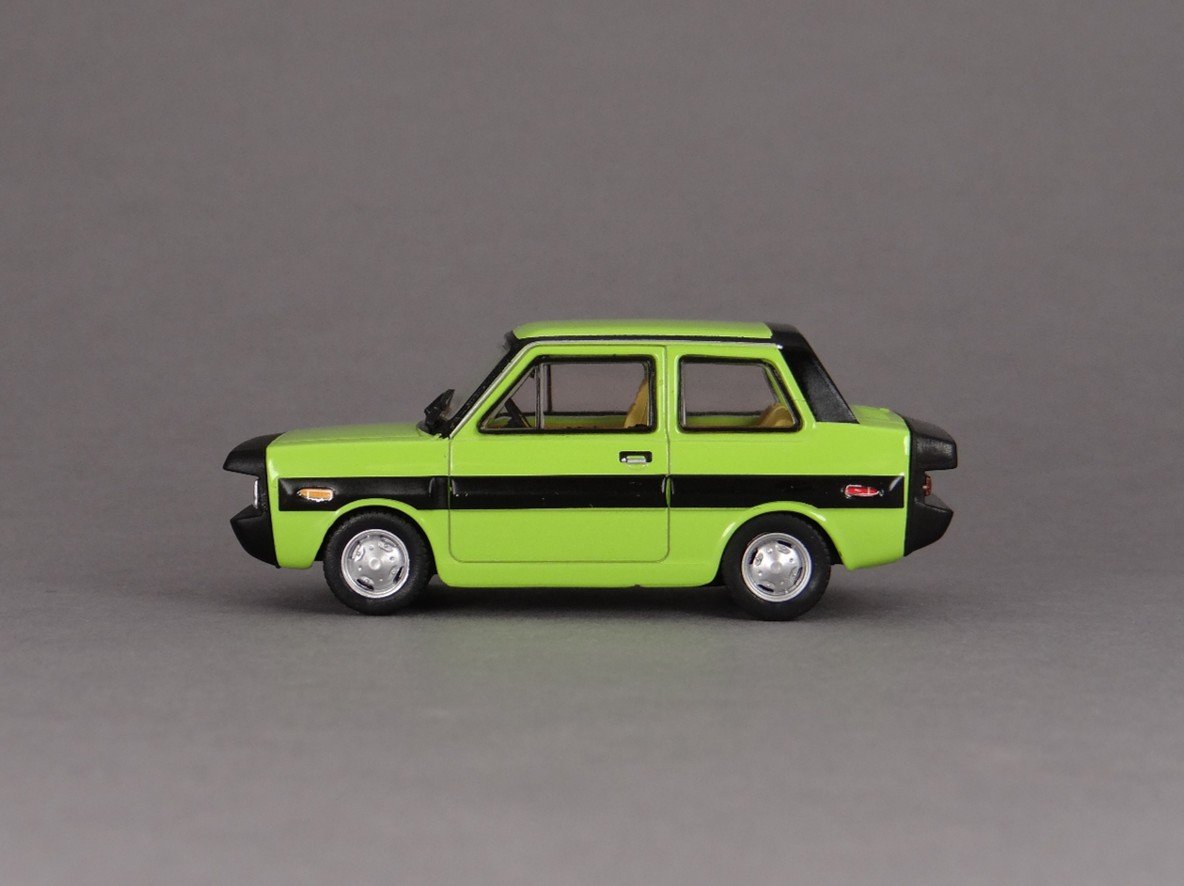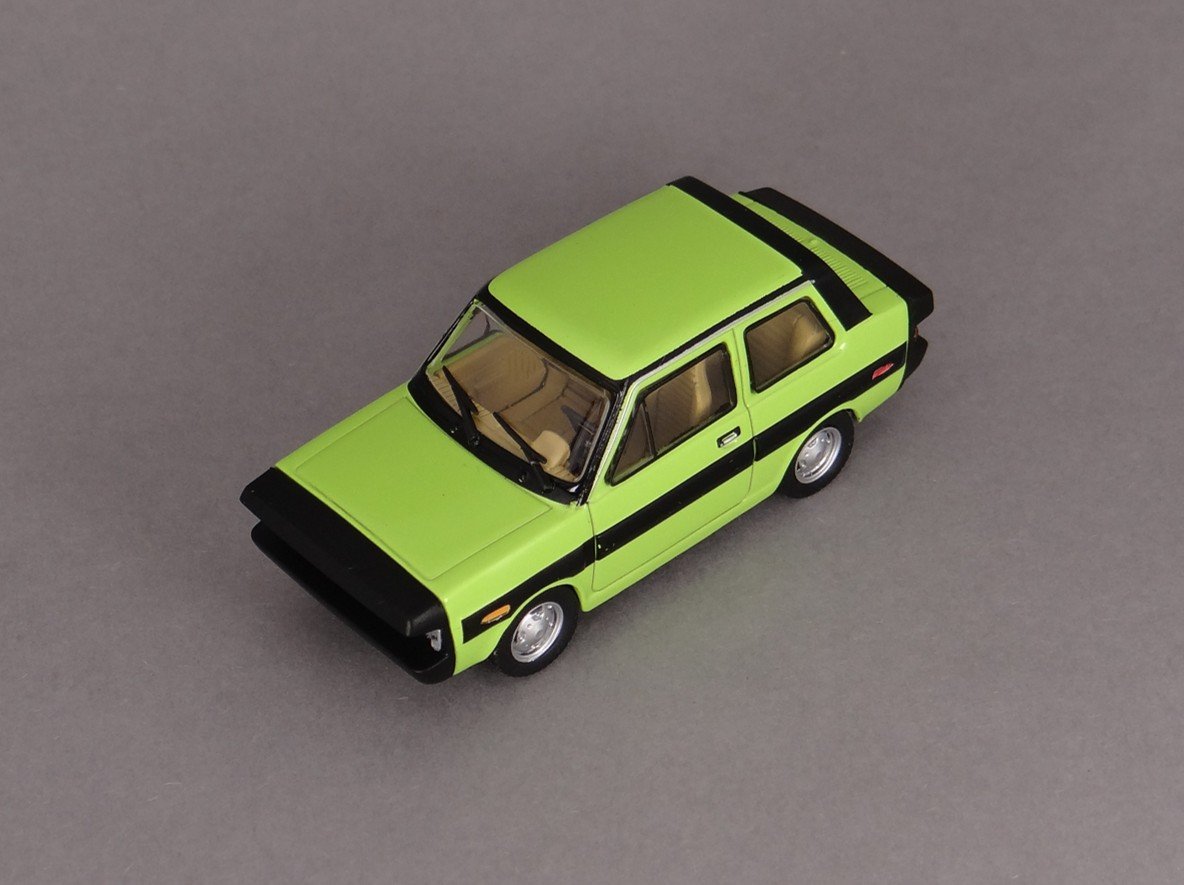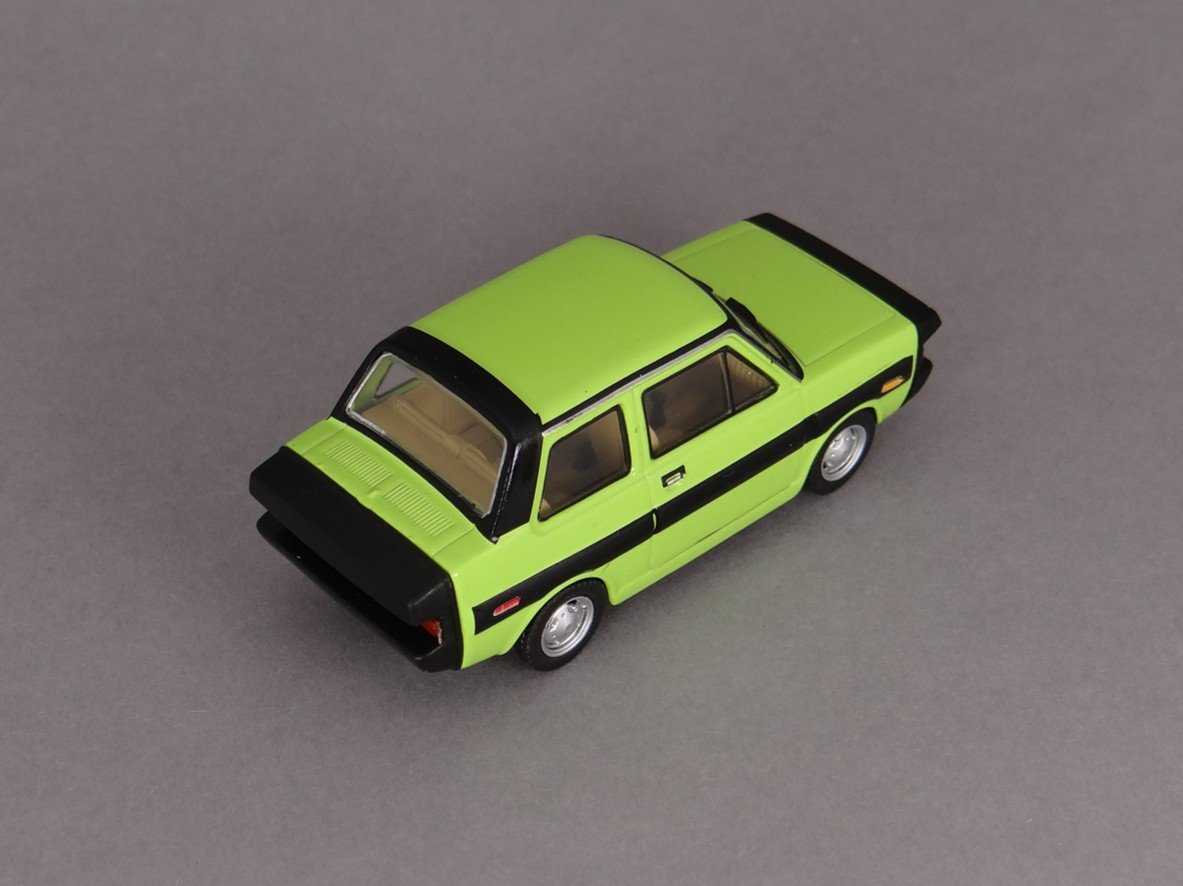

W latach 70. Fiat mocno zaangażował się w program rozwoju bezpieczeństwa pojazdów. Rezultatem była rodzina trzech prototypowych samochodów. Fiat ESV 1500 jest najmniejszym z nich.
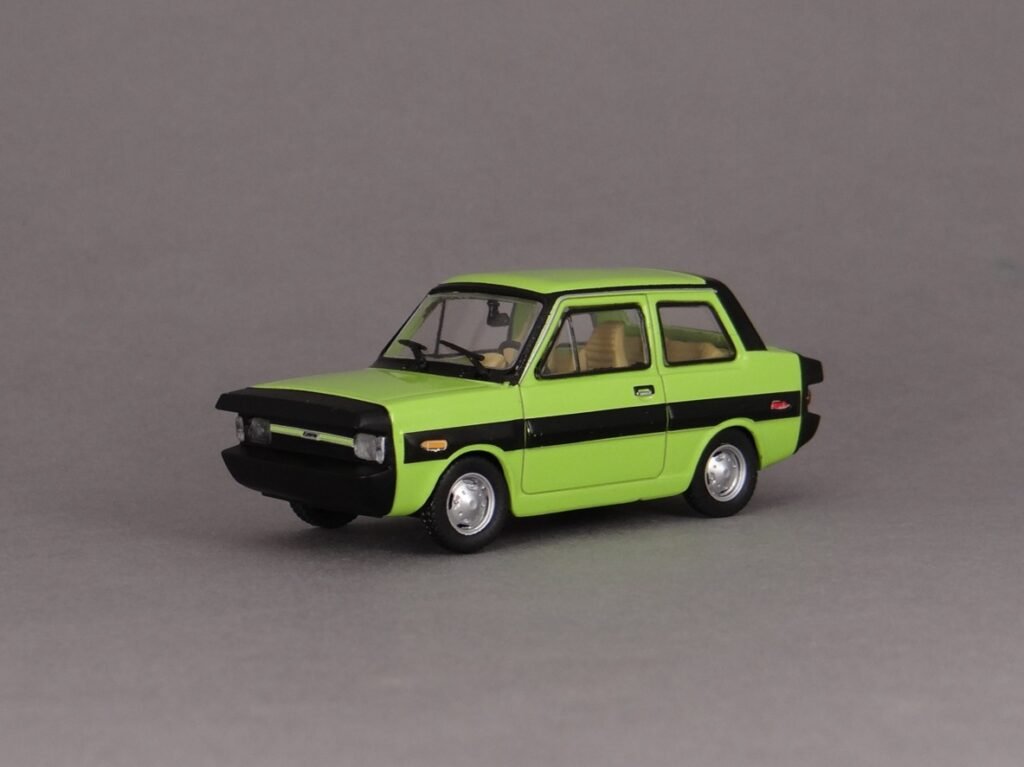
Program ESV, czyli Experimental Safety Vehicle (eksperymentalny pojazd bezipieczeństwa), powstał z inicjatywy amerykańskiego departamentu transportu – NHSB (National Highway Safety Bureau), który postanowił przedsięwziąć kroki w celu znacznej poprawy bezpieczeństwa samochodów. W 1971 roku agencja ogłosiła konkurs dla amerykańskich firm na zaprojektowanie nowych samochodów które gwarantowałoby możliwie najwyższe bezpieczeństwo bierne. Odzew był jednak znikomy. Do konkursu zgłosiły się bowiem tylko dwie firmy – American Machine & Foundry oraz Fairchild Hiller, obie związane z…lotnictwem.
Po początkowym fiasku, NHSB postanowiło otworzyć program również dla zagranicznych firm. Wtedy, przystąpili do niego najwięksi amerykańscy gracza – Chrysler, Ford i General Motors, japońscy producenci – Honda, Nissan i Toyota oraz kilka marek europejskich – Mercedes, Volkswagen, no i oczywiście Fiat.
Włoska firma podeszła do zagadnienia najambitniej i jako jedyna zaprezentowała trzy różne prototypy, w trzech różnych kategoriach. Były to Fiaty ESV 1500, ESV 2000 i ESV 2500. Wbrew pozorom, ich nazwy nie odnosiły się do pojemności silnika, lecz do masy pojazdu wyrażanej w funtach. Wszystkie bazowały na gruntownie zmodyfikowanych seryjnych modelach. Najmniejszy Fiat ESV 1500 (masa ok.680 kg) bazował na Fiacie 500.
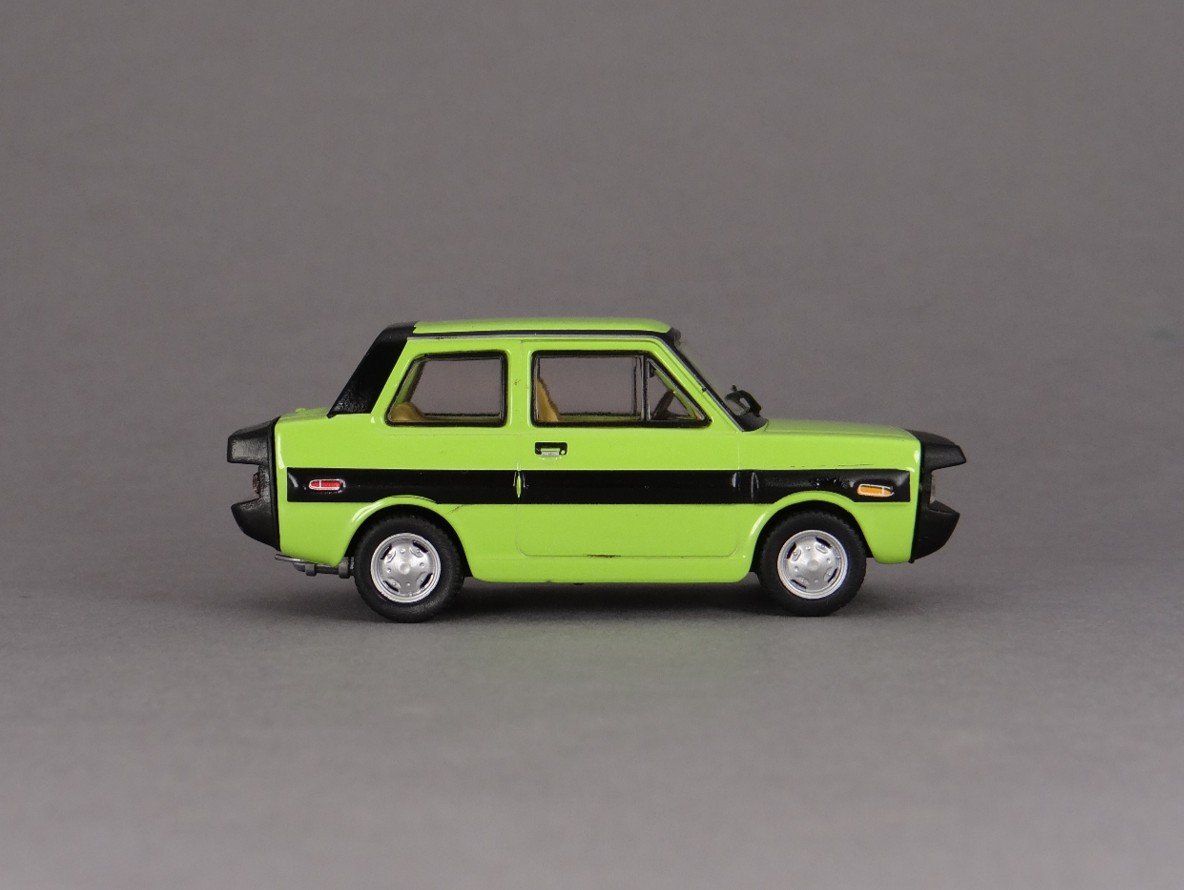
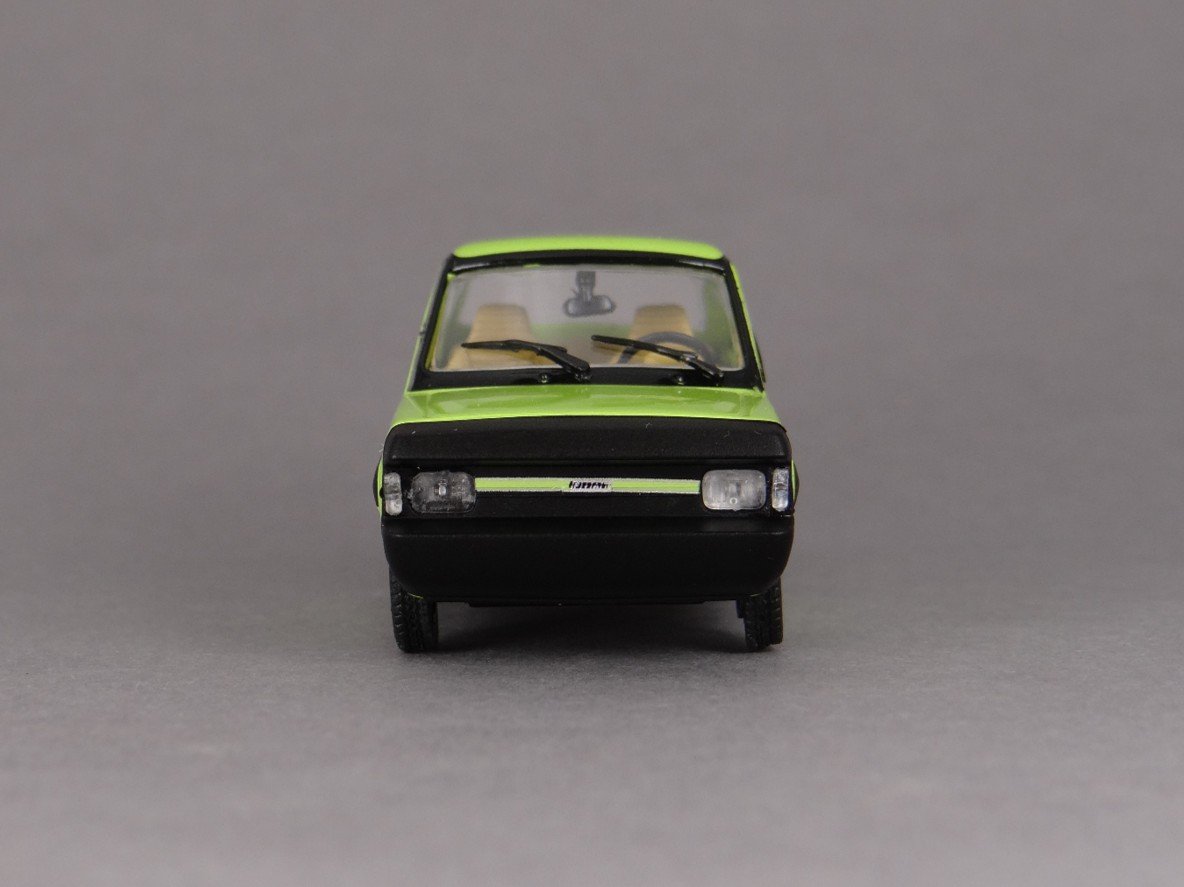
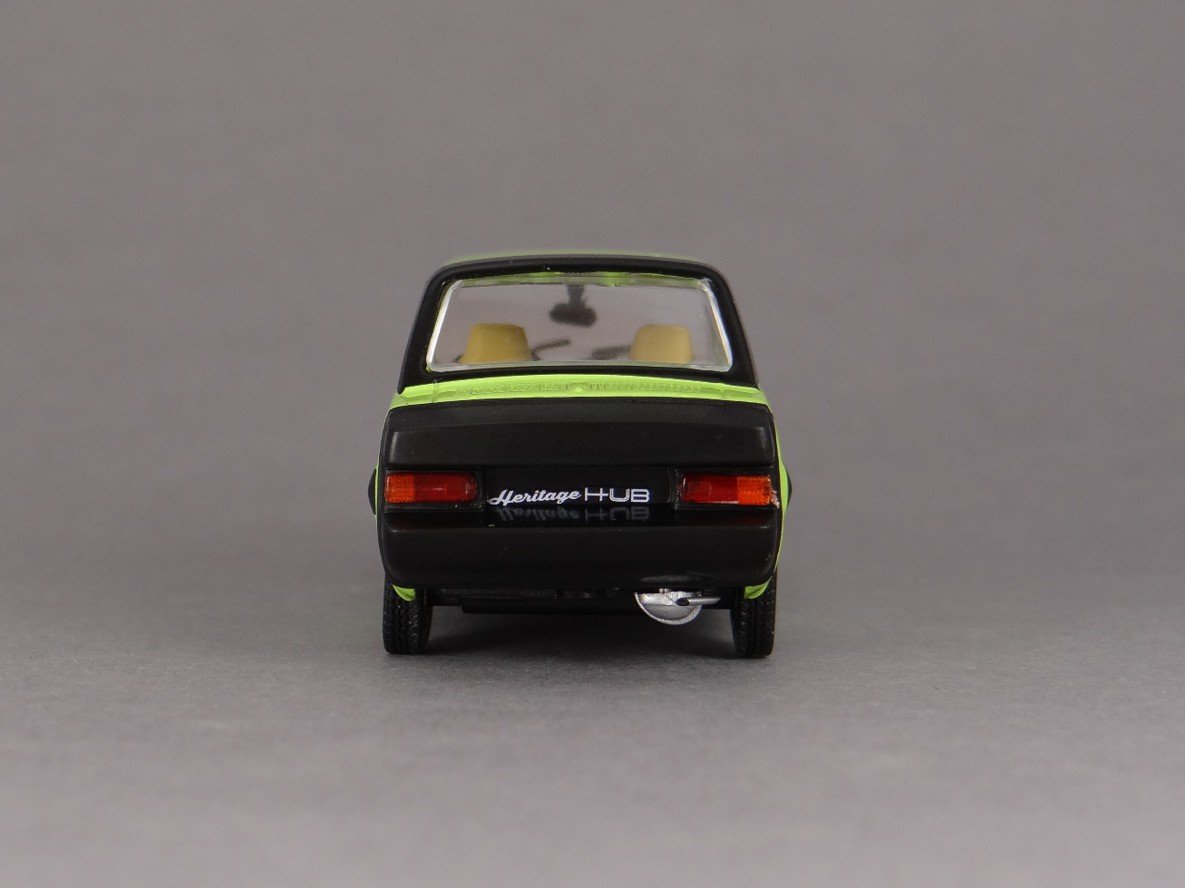
W oczy od razu rzucały się panele nadwozia z Fiata 126 z dodatkowymi masywnymi zderzakami, mającymi zamortyzować kolizje do prędkości 5 mph (mil na godzinę). To czego nie było widać gołym okiem, to wzmocnienia konstrukcyjne w podłodze, dachu i drzwiach, tworzące swoistą klatkę bezpieczeństwa dla pasażerów. W pojeździe wykorzystano też strefy kontrolowanego zgniotu.
Fiat po raz pierwszy pokazał ESV 1500 w 1972 roku w Waszyngtonie. Auto nie spełniało wszystkich założeń, więc stopniowo je modyfikowano. Fiat zbudował w sumie 13 prototypów ESV 1500, które zgodnie z planem poddawano testom zderzeniowym. Do dzisiaj pozostał tylko jeden egzemplarz, wystawiany w muzeum Fiata w Turynie. Choć żaden z prototypów nie stał się seryjnym modelem (z małym wyjątkiem ESV 2000, który posłużył jako inspiracja dla wyglądu FSO Poloneza), to wszystkie przyłożyły się do stworzenia wielu powszechnych dzisiaj elementów bezpieczeństwa biernego.
O miniaturze – Fiat ESV 1500
Zapowiedź tego modelu w serii “Kultowe Maluchy” na pewno była dużym zaskoczeniem. Tym bardziej, że samo auto jest raczej dość luźno związane z tytułowym Maluchem czyli Fiatem 126. Można dyskutować nad sensownością tego auta w serii, ale trzeba przyznać, że jest to mimo wszystko ciekawy dodatek. Według mnie przynajmniej, o niebo lepszy od totalnie randomowych modeli domorosłych przeróbek, którymi Hachette już zdążyło nas uraczyć w tej serii.
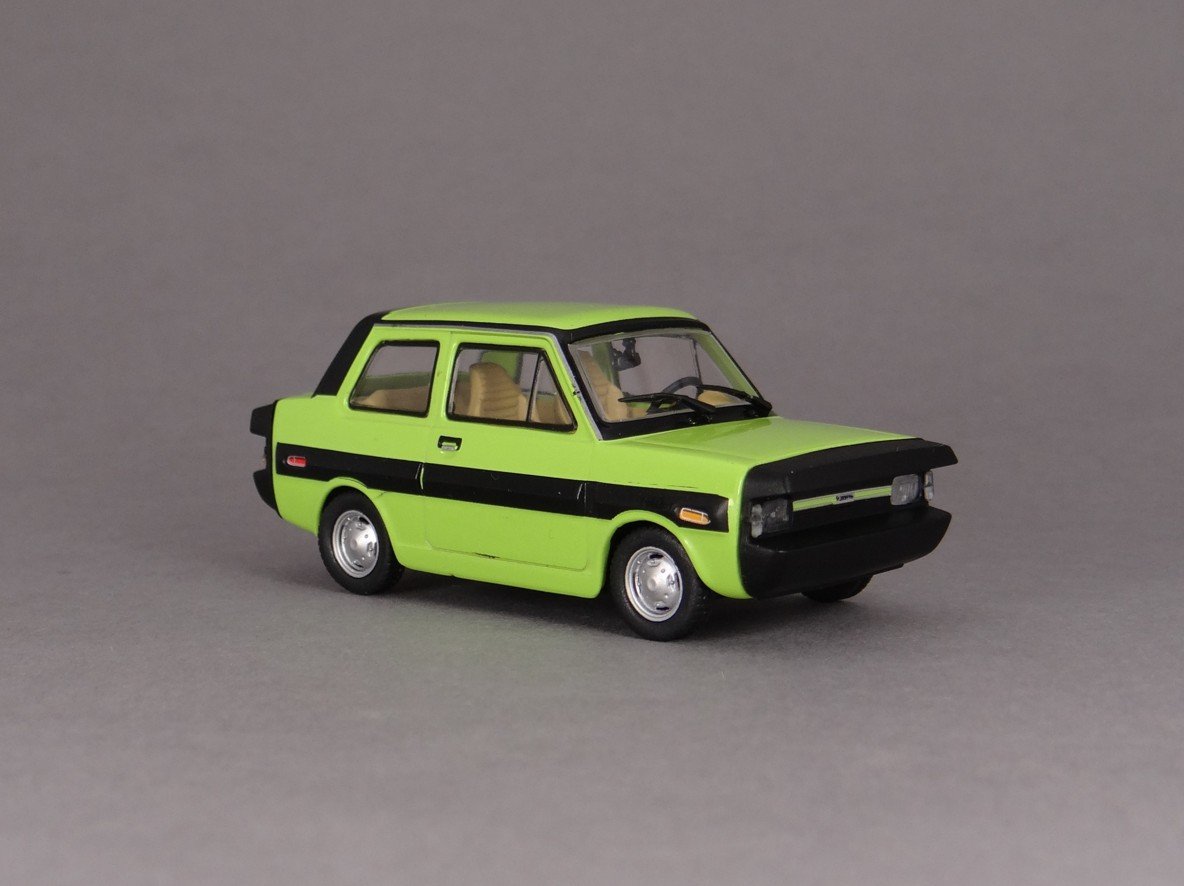
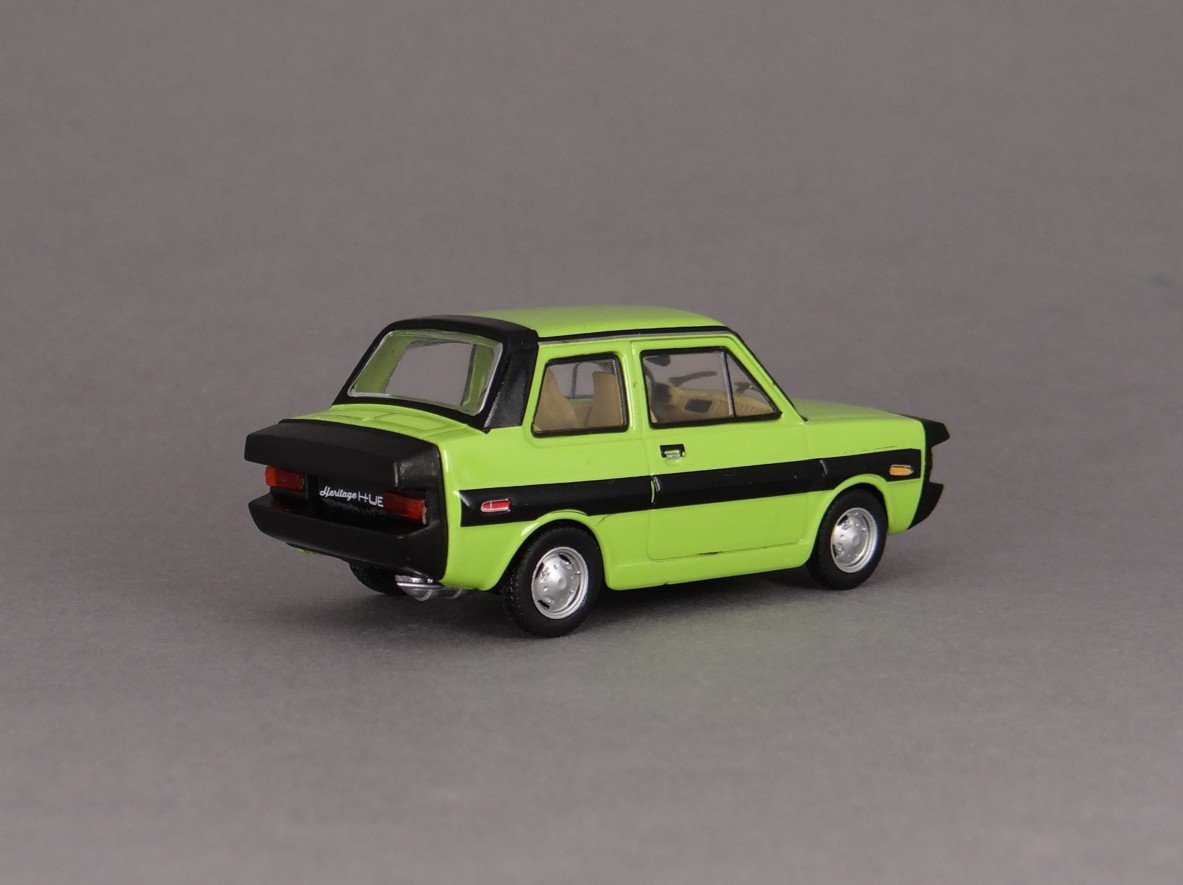
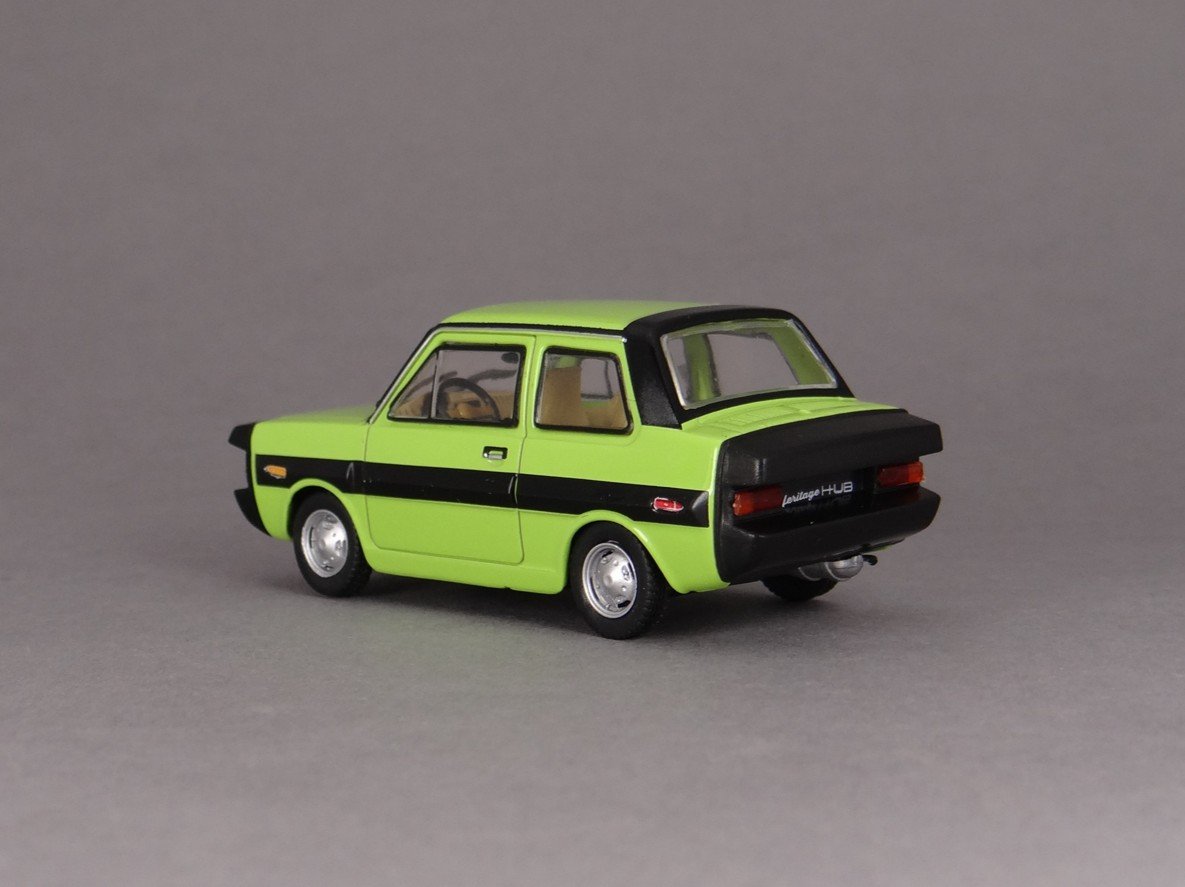
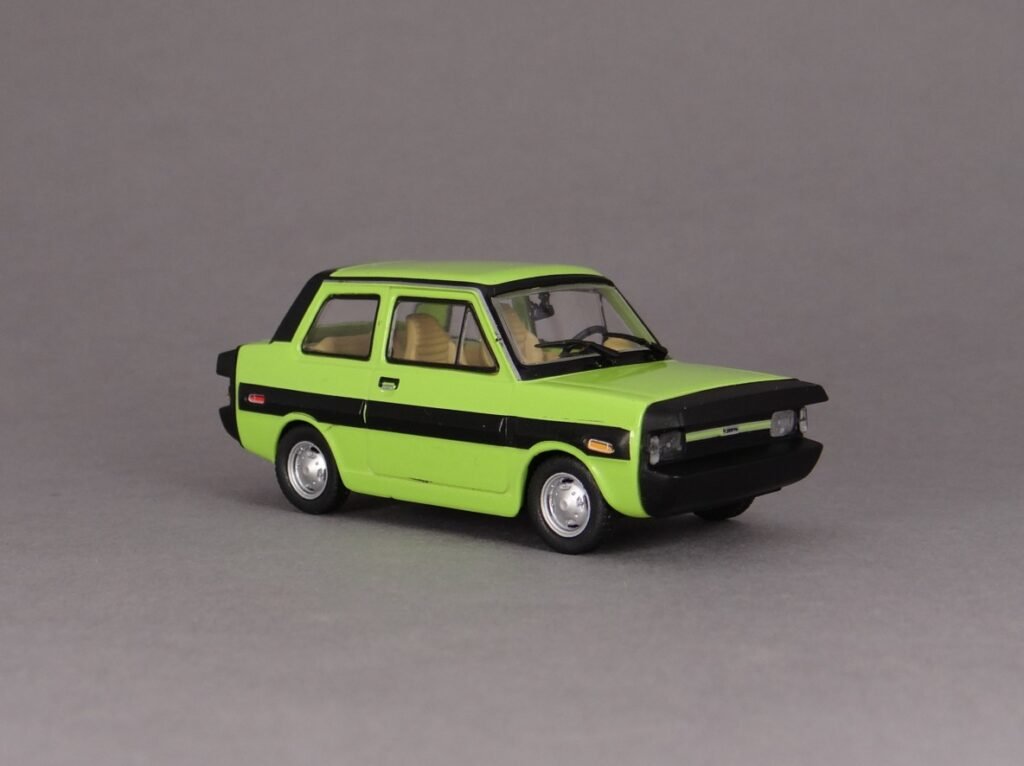
Fiat ESV 1500 ukazał się dzisiaj, w 29. części serii “Kultowe Maluchy” wydawnictwa Hachette. Korzystając ze sposobności wybrałem się rano do kiosku i kupiłem modelik. Pierwsze wrażenie – całkiem przyzwoite! Musimy pochwalić producenta, że ewidentnie włożył w model wysiłek. Z tym bywało w tej serii różnie, a tutaj mamy zupełnie nową formę i pierwszy (o ile wiem) model Fiata ESV 1500 w skali.
Modelik wygląda naprawdę dobrze. Bardzo ładnie wygląda barwione wnętrze. W modelu trudno znaleźć jakieś większe błędy. W moim kiosku sporo egzemplarzy miało jednak skrzywioną tylną oś. Starałem się więc wybrać ten najmniej skrzywiony egzemplarz.
Jak zwykle, zapraszam do obejrzenia galerii oraz odwiedzenia MiniAutomobili na Instagramie i Facebooku!
*** ENGLISH ***
In the 1970s, Fiat became heavily involved in a vehicle safety development program. The result was a family of three prototype cars. The Fiat ESV 1500 is the smallest of them.
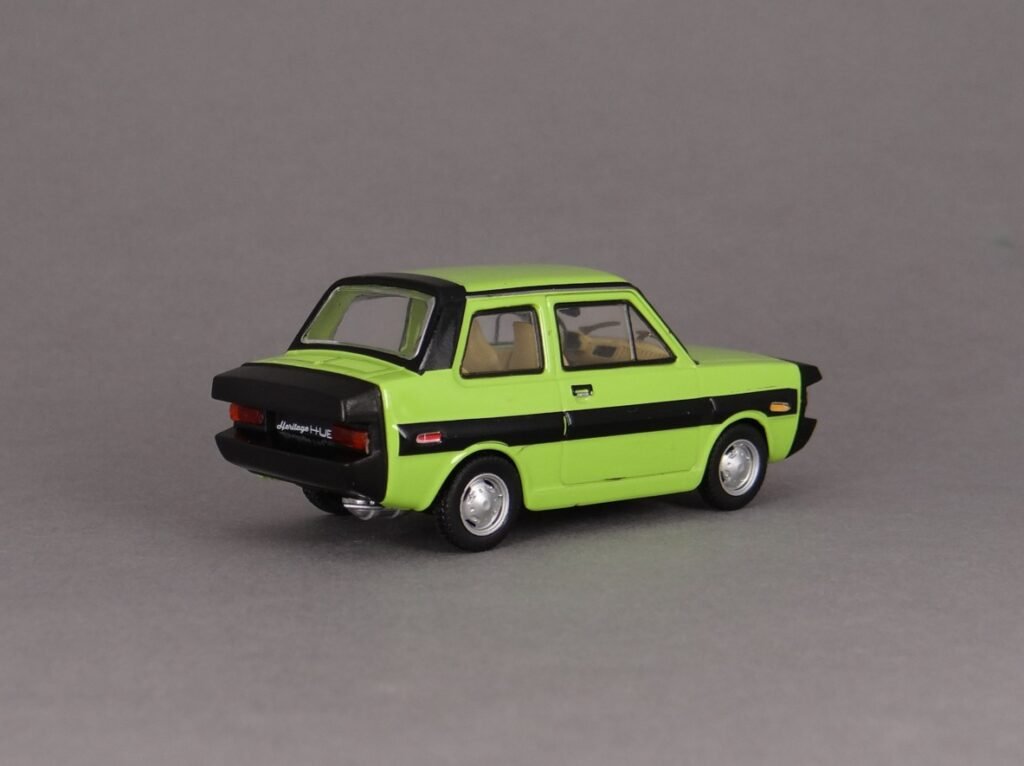
The ESV programme, an acronym for Experimental Safety Vehicle, was launched by the American organization NHSB – National Highway Safety Bureau, which decided to take steps toward significantly improving vehicle safety. In 1971, the agency announced a competition for American companies to design new vehicles that would provide the highest possible level of passive safety. However, the response was limited. Only two companies entered the competition — American Machine & Foundry and Fairchild Hiller, both of which were associated with the aviation industry.
After the initial failure, the NHSB decided to open the program to foreign companies as well. At that point, the biggest American manufacturers joined in — Chrysler, Ford and General Motors — along with Japanese producers such as Honda, Nissan and Toyota, as well as several European brands — Mercedes, Volkswagen and of course, Fiat.
The Italian manufacturer took the most ambitious approach to the project, being the only one to present three different prototypes in three different categories. These were the Fiat ESV 1500, ESV 2000, and ESV 2500. Contrary to what their names might suggest, the numbers did not refer to engine displacement, but rather to the vehicle’s weight in pounds. All three were based on heavily modified production models. The smallest, the Fiat ESV 1500 (weighing approximately 680 kg), was based on the Fiat 500.
Immediately noticeable were the Fiat 126 body panels combined with large additional bumpers, engineered to absorb impacts at speeds of up to 5 mph. Hidden from view were structural reinforcements integrated into the floor, roof and doors, creating a protective safety cell for the passengers. The vehicle also featured controlled crumple zones.
Fiat first presented the ESV 1500 in Washington in 1972. The car did not meet all of the program’s requirements, so it was gradually modified and improved. In total, Fiat built 13 ESV 1500 prototypes, which were subjected to crash testing as planned. Only one example has survived to this day, and it is displayed at the Fiat Museum in Turin. Although none of the prototypes went into series production (with the minor exception of the ESV 2000, which served as inspiration for the design of the FSO Polonez), they all contributed to the development of many passive safety features that are now commonly used.
About the miniature – Fiat ESV 1500
The announcement of this model in Hachette’s “Kultowe Maluchy” series in Poland was certainly a big surprise. Even more so, because the car itself is only loosely connected with the series’ namesake, the Fiat 126. Whether it truly belongs in the collection is open to debate, but it is undoubtedly an interesting addition. In my opinion at least, it is far better than the completely random examples of DIY conversions, that Hachette has already treated us to in this series.
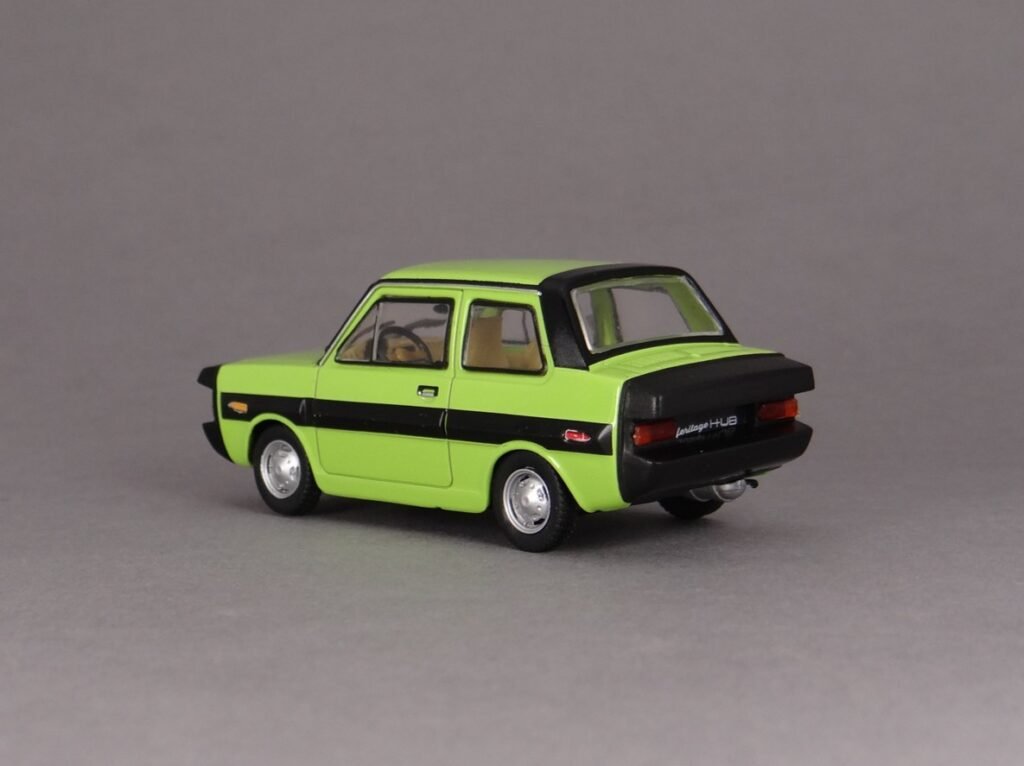
The Fiat ESV 1500 was released today as part 29 of Hachette’s “Kultowe Maluchy” series. Taking advantage of the opportunity, I went to the newsstand this morning and bought the model. My first impression — quite a good one! We have to give the manufacturer credit for clearly putting effort into this model. That has not always been the case with this series, but here we get a completely new casting and, as far as I know, the first scale model of the Fiat ESV 1500.
The model looks really good and the painted interior is a very nice feature. It is difficult to find any major flaws in the model. However, quite a few examples at my newsstand had a bent rear axle. So, I tried to choose the one with the least noticeable misalignment.
As always, feel free to check out the gallery and of course, be sure to visit MiniAutomobile on Instagram and Facebook!