
Alpine A390 to nie tylko największy model w historii tej francuskiej marki, ale też pierwszy crossover/SUV w jej portfolio. Ma za zadanie zwiększyć sprzedaż marki i pozyskać nowych klientów.
Alpine, sportowa marka grupy Renault, w styczniu 2023 roku przedstawiła swój plany ofensywy modelowej nazwany “Dream Garage”. Zakłada on, że do 2030 roku firma przedstawi 7 całkowicie nowych, elektrycznych modeli. Pierwszym z nich był bazujący na Renault 5, model A290. Drugim jest właśnie Alpine A390.
Zapowiedzią modelu było pokazane 11 października 2024 roku studium Alpine A390_β. Produkcyjna wersja natomiast, wyglądem zbliżona do prototypu, ujrzała światło dzienne kilka miesięcy później – 27 maja 2025 roku. Puryści spłonęli oczywiście z wściekłości. Dla nich, duży i ciężki elektryczny SUV to absolutna zdrada ideałów marki. Francuzi się tym jednak w ogóle nie przejmują, twierdząc że taka jest przyszłość motoryzacji i trzeba się z tym pogodzić. Alpine A390 dołącza tym samym do grona, w którym znajdują się np. Porsche Macan, Maserati Grecale czy Polestar 3.
Sportowy fastback
Podwyższone, pięciodrzwiowe nadwozie z napędem na cztery koła – dla większości to definicja crossovera bądź SUVa. Choć A390 idealnie pasuje do tego opisu, to Alpine wystrzega się go jak ognia. W zamian, woli nazywać A390 “sportowym fastbackiem”.
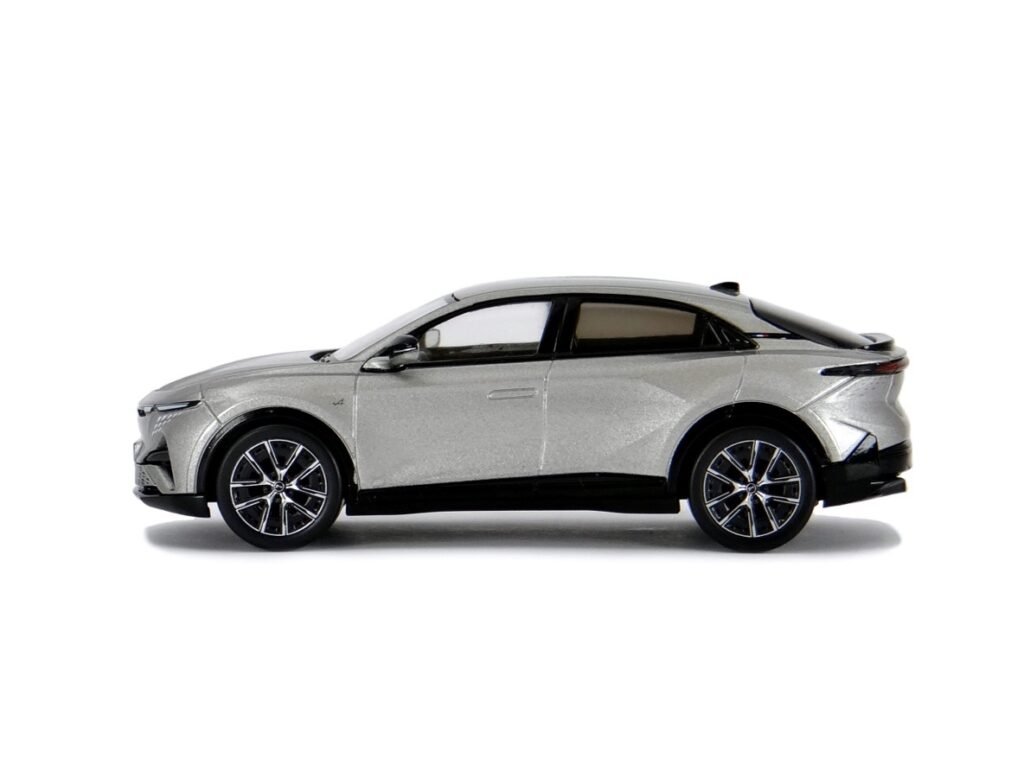
Faktycznie, Alpine dołożyło wiele starań, aby ich “nie-SUV” wyglądał sportowo. Opadająca linia dachu, aerodynamiczne przetłoczenia, przymrużone reflektory i wielkie koła (standardowo 20-calowe, opcjonalnie 21-calowe z oponami przygotowanymi specjalnie dla A390 przez Michelina), z pewnością dodają sportowego charakteru.
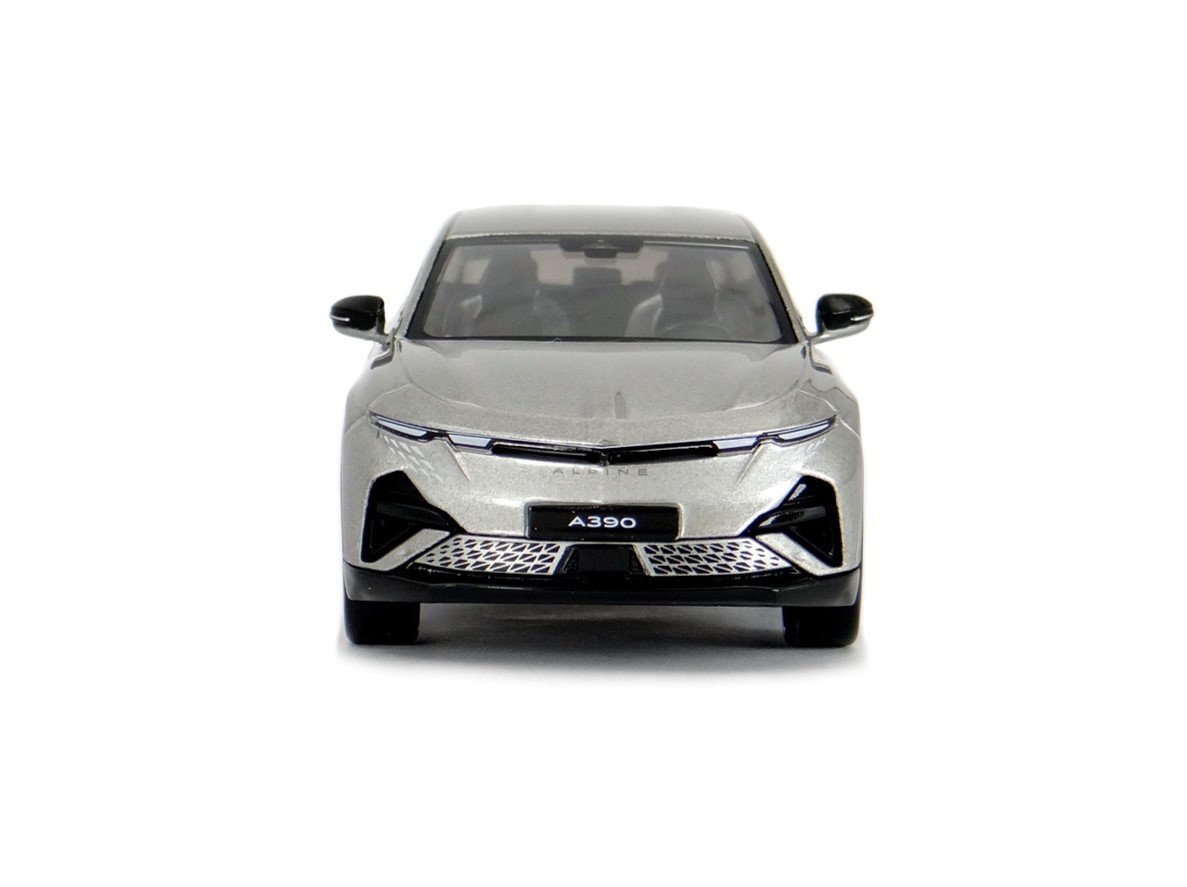
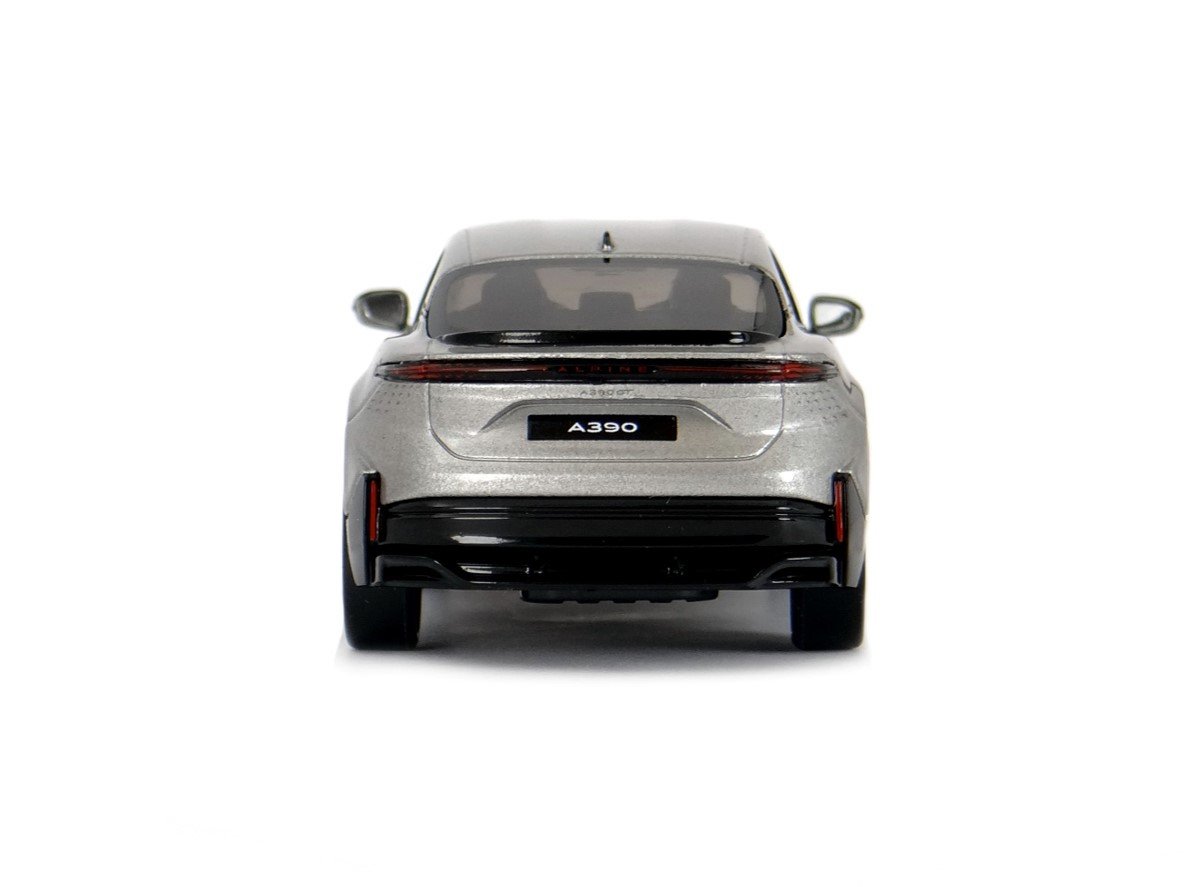
Bardzo ciekawym zabiegiem stylizacyjnym są trójkątne wycięcia z przodu, mieszczące światła LED. Ten motyw projektanci powtórzyli też z tyłu, choć już bez LED-ów. Za oświetlenie tyłu odpowiada bowiem cienki pas świetlny, pośrodku którego dumnie widnieje podświetlany napis “Alpine”. Smaczku dodaje mała francuska flaga na tylnych słupkach – czytelne podkreślenie pochodzenia auta (na marginesie – to płatna opcja). Alpine A390 bowiem nie tylko zostało we Francji zaprojektowane, ale jest tam też w całości produkowane. Konkretnie, w historycznej fabryce w Dieppe, na północy kraju.
Wnętrze wzięte z…Renault
O ile nadwozie Alpine A390 ma swój własny styl, o tyle kokpit jest prawie żywcem przeniesiony ze Scenica E-Tech. Centralne miejsce zajmują na nim takie same, dwa ogrome ekrany; jeden poziomy o przekątnej 12,3-cali, drugi pionowy o przekątnej 12-cali. Kokpity różnią się tylko kierownicą, kilkoma przełącznikami i materiałami. W A390 można wybrać obicia ze skóry Nappa, alcantary lub mikrofibry. W opcji, dostępne są też kubełkowe siedzenia firmy Sabelt oraz 13 głośnikowy system audio Xtremesound marki Devialet.
Na wrażenia akustyczne wpływ ma też system Alpine Drive Sound, który oferuje do wyboru trzy scieżki dźwiękowe podczas jazdy. Pierwsza opcja oznacza całkowity brak dźwięków. Druga, określona jako „Sport”, ma według założeń oddawać akustyczne odczucia znane z jazdy modelem A110, a trzecia nazwana „Daily”, oferuje łagodniejsze dźwięki do codziennego użytkowania.
Z Renault przejęto też system informacyjno-rozrywkowy oparty o Google-Android. Z kolei wzorem mniejszego A290, do Alpine A390 dostępna jest też specjalna aplikacja monitorująca nasz styl jazdy i oferująca szczegółowe dane dotyczące użytkowania samochodu.
Alpine A390 przeznaczone jest dla pięciu osób, jednak ze względu na mocno opadającą linię dachu komfortowo będzie tylko czterem. O wiele więcej miejsca jest za to w bagażniku. Pojemność 532 litrów to świetny wynik, jak na sportowe auto zaliczane do segmentu C. Producent bardzo chciał, aby auto było praktyczne na codzień i to się zdecydowanie udało. A390 to najpraktyczniejsze Alpine w historii.
Technika Renault, tuning Alpine
W przeciwieństwie do wnętrza, to, że Alpine A390 korzysta z techniki firmy-matki, już nie dziwi. Auto bazuje na platformie AmpR Medium, wykorzystanej już w Renault Mégane E-Tech i Scenic E-Tech, a także Nissanach Ariya i Leaf. Inżynierowie Alpine dokonali w niej jednak kilku zmian. W A390 znajdziemy szerszy rozstaw kół, skrócony rozstaw osi (2708 mm) i elementy zawieszenia z kutego aluminium. Konstrukcja zawieszenia jest już identyczna (kolumny MacPhersona z przodu i konstrukcja wielowachaczowa z tyłu), ale inżynierowie Alpine dopasowali nastawy specjalnie dla A390. Wszystko po to, żeby zapewnić kierowcy jak najbardziej sportowe wrażenia z jazdy.
Na pewno pomoże w tym niemal idealny rozkład masy wynoszący 49:51 (przód:tył). Maskuje on trochę wysoką masę własną A390, wynoszącą 2121 kg. To niestety kłóci się z tradycją budowania przez Alpine ultralekkich samochodów. Szczególnie, że A390 jest nawet cięższe od niektórych swoich konkurentów.
Mocy pod dostatkiem
Szczęśliwie, Alpine A390 nadrabia to mocą. Auto dostępne jest w dwóch wariantach: GT i GTS. Oba warianty korzystają z trzech motorów elektrycznych: jednego motoru z przodu napędzającego przednie koła i dwóch z tyłu, napędzających tylną oś. Czyni to z A390 pierwsze Alpine w historii z napędem na cztery koła.
Podstawowe Alpine A390 GT ma moc 400 KM i moment obrotowy 650 Nm, co przekłada się na przyspieszenie do 100 km/h w 4,8 s i prędkość maksymalną 200 km/h. Alpine A390 GTS ma już 470 KM i aż 808 Nm momentu obrotowego, dzięki czemu przyspiesza do 100 km/h w 3,9 s i może jechać maksymalnie 220 km/h.
Obie odmiany korzystają z tego samego, niklowo-manganowo-kobaltowego akumulatora (NMC) o pojemności 89kWh, opracowanego przez francuską firmę Verkor, specjalnie dla Alpine A390. Inżynierowie postarali się, aby akumulator nie tracił wydajności podczas wyczynowej jazdy. W tym celu nie tylko zmodyfikowali skład chemiczny ogniw, ale również opracowali wydajniejszy system chłodzenia. Alpine A390 standardowo wyposażone jest również w wysokowydajną pompę ciepła.
Maksymalna moc ładowania wynosi 190 kW, jednak Alpine bardziej chwali się tym, że akumulator przystosowano do długotrwałego, szybkiego ładowania. Akumulator obsługuje również dwukierunkowe przesyłanie mocy (V2G) do 22 kW. Ładowanie z poziomu 15 do 80 proc. ma trwać 25 minut.
Początek nowej ery
Zamówienia na A390 Alpine zaczęło przyjmować w listopadzie zeszłego roku, a pierwsze dostawy dotarły do klientów w pierwszym kwartale tego roku. Choć w przekazie medialnym Alpine na każdym kroku podkreśla, że w A390 znajdziemy ducha ultralekkiego A110, rzeczywistość jest niestety inna.
Trudno, aby ważący ponad 2 tony elektryczny SUV oferował podobne doznania, co ważący o połowę mniej, lekki sportowy samochód spalinowy. A390 fizyki nie oszuka i fanów marki też nie. Puryści go nie kupią, ale też chyba nie stanowią grupy docelowej. Alpine A390 ma po prostu rozszerzyć ofertę marki i zdobyć nowych klientów, a z tego wywiązuje się bez zarzutu.
O miniaturze – Alpine A390 GT
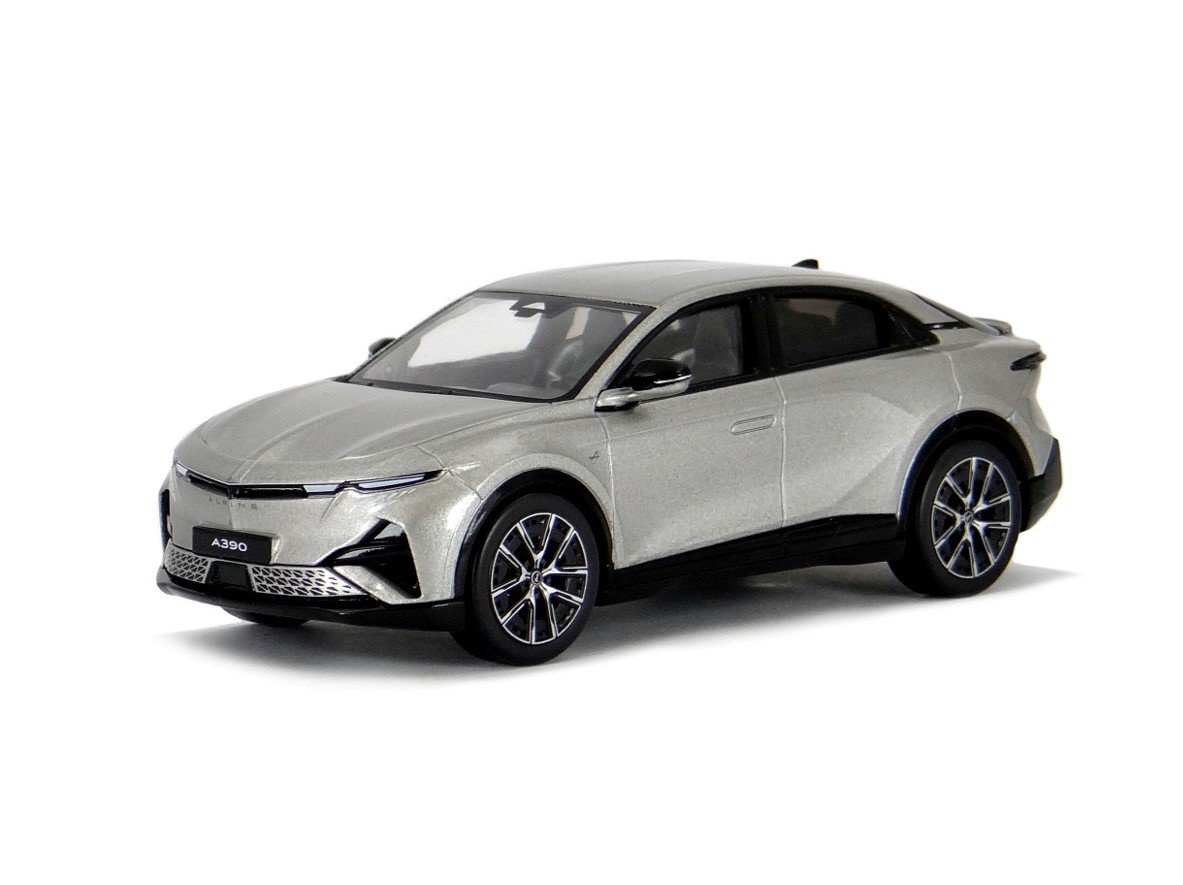
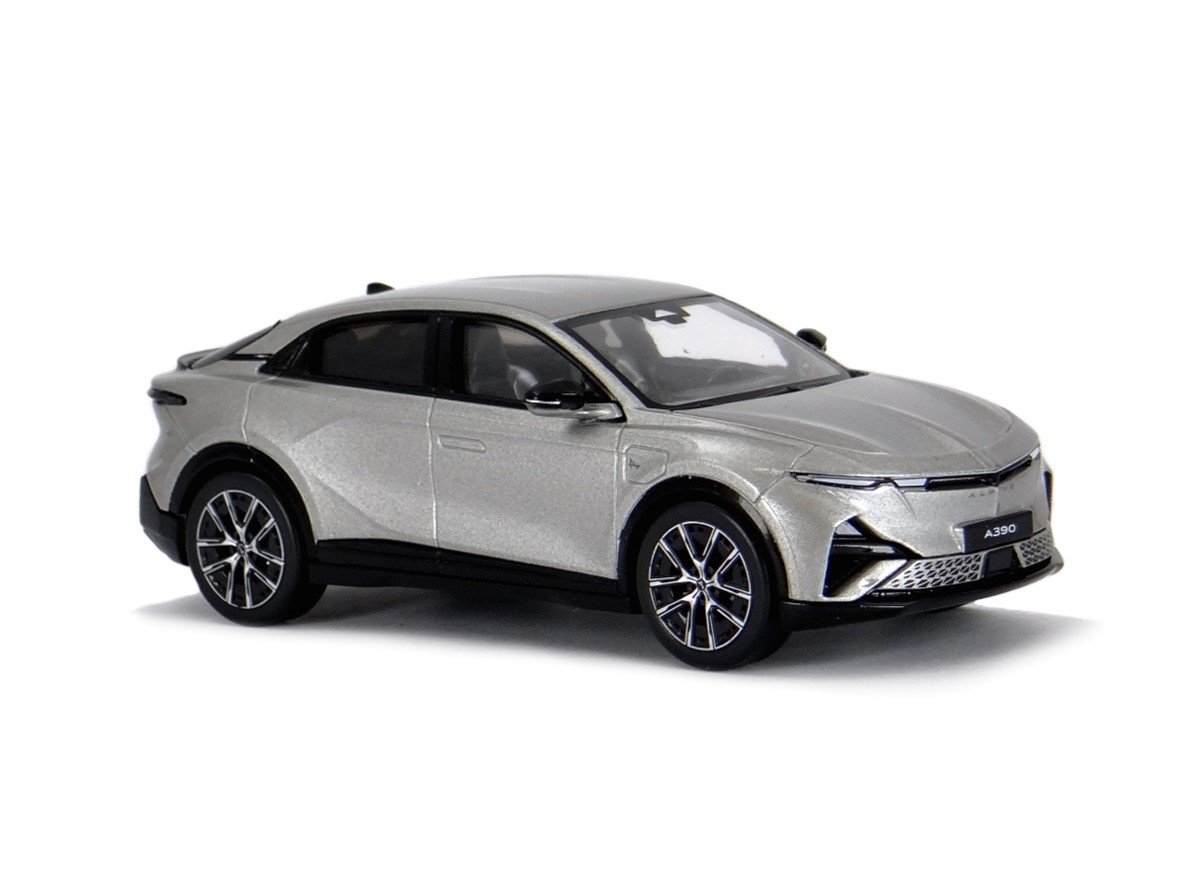
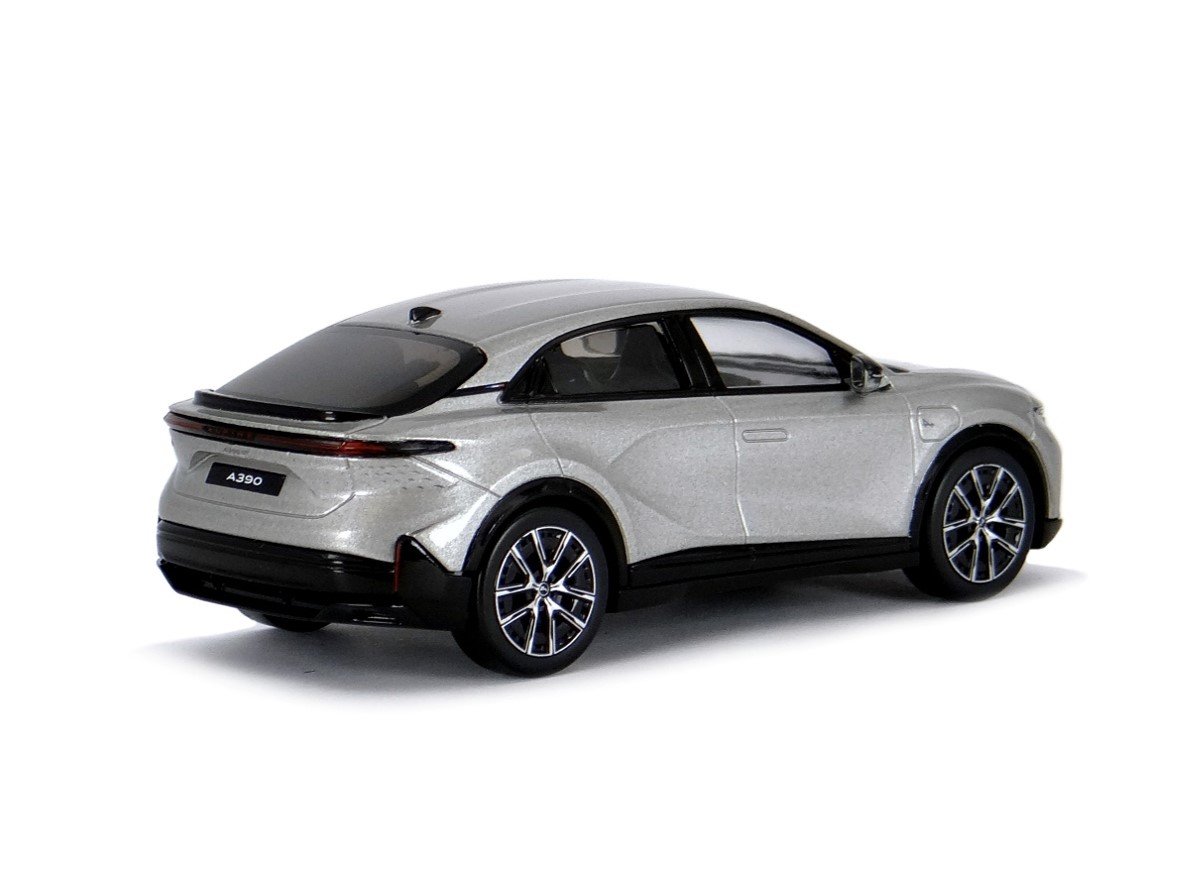
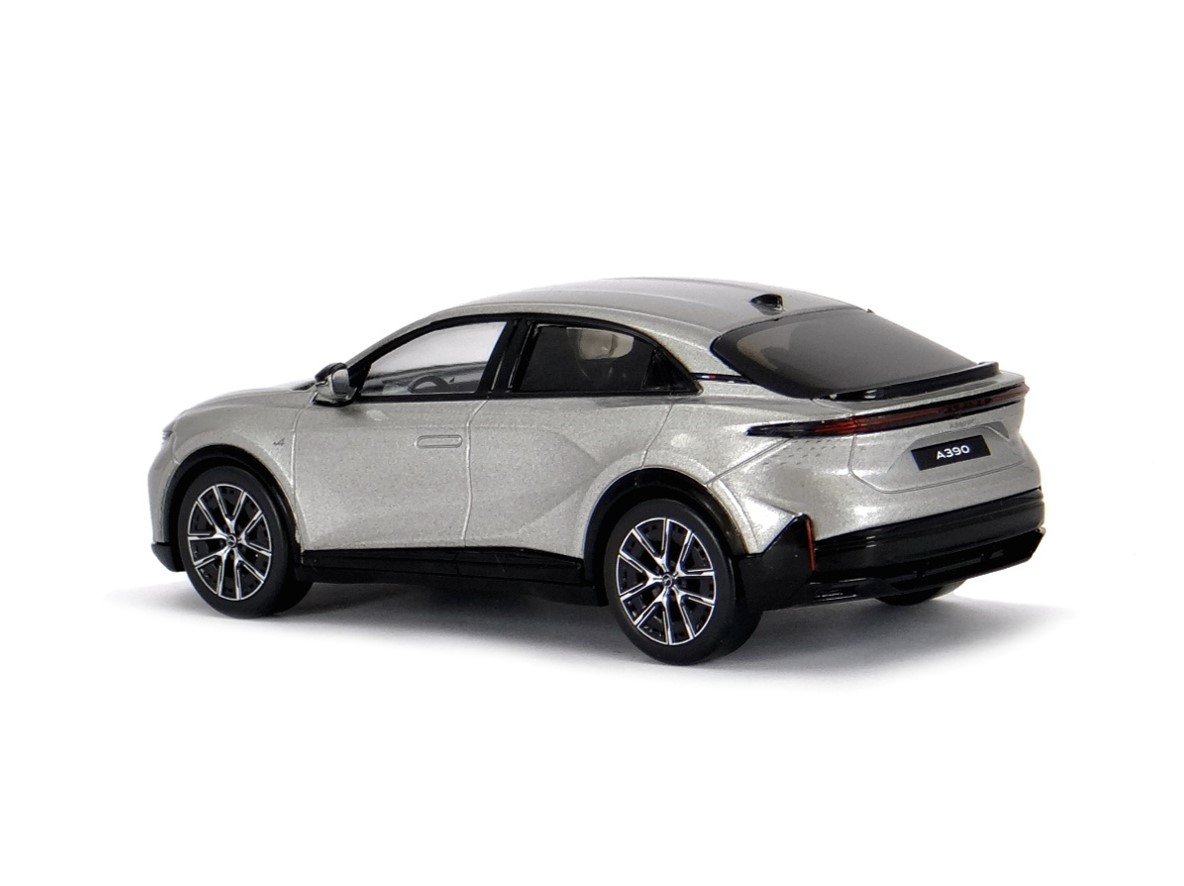
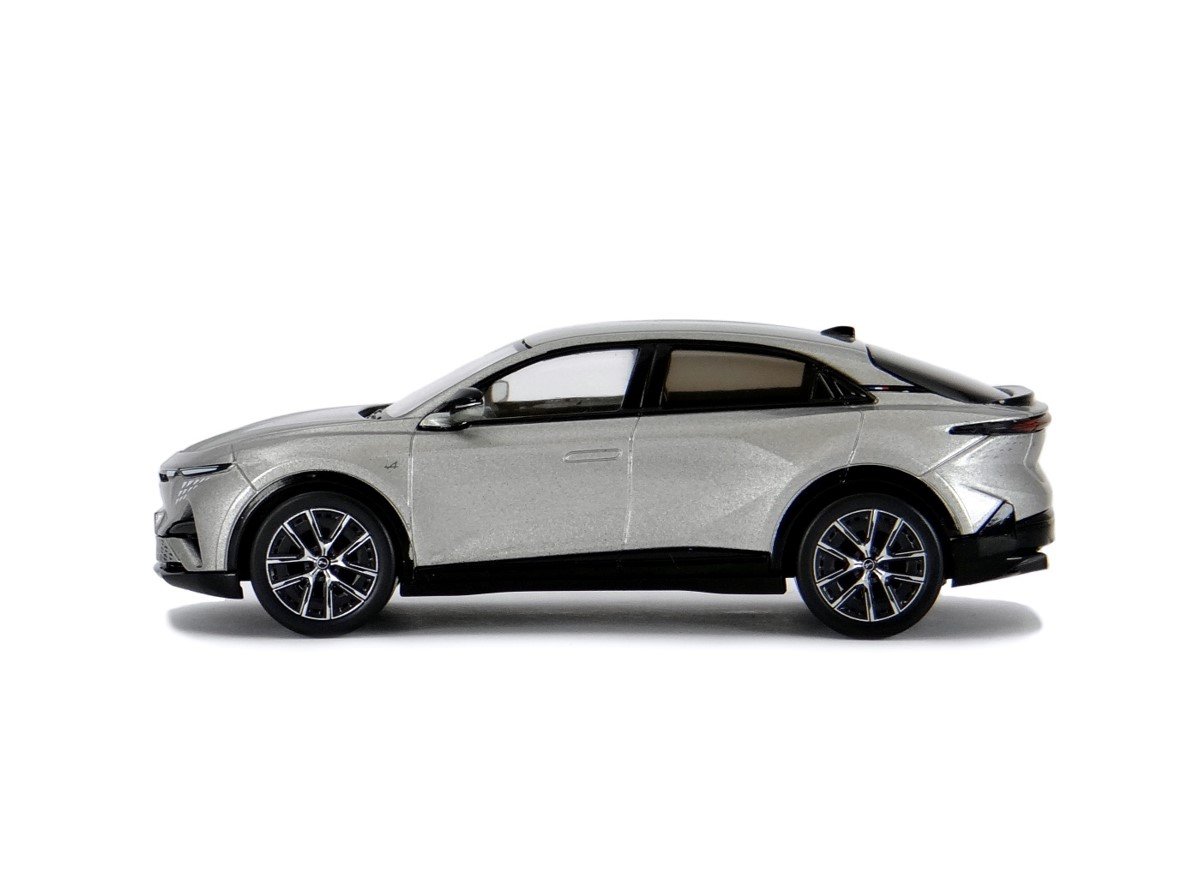
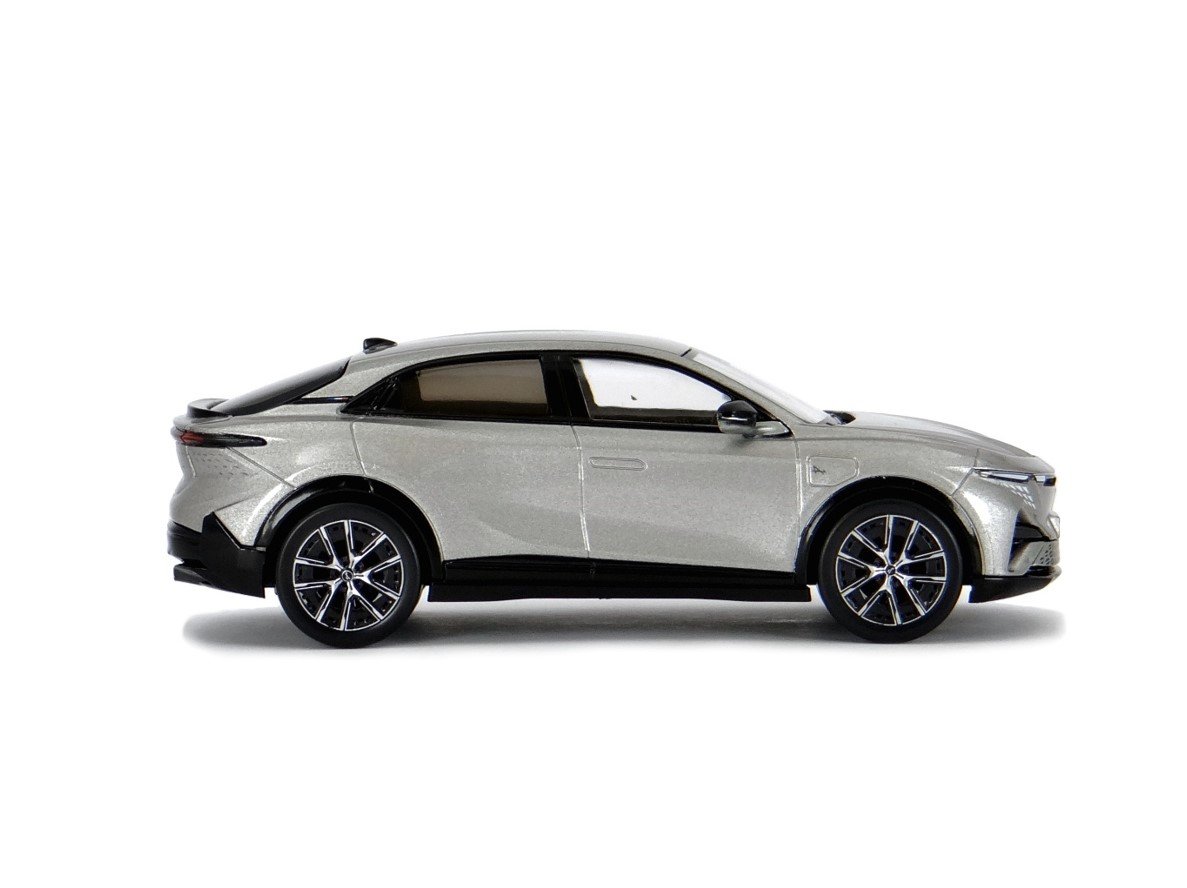
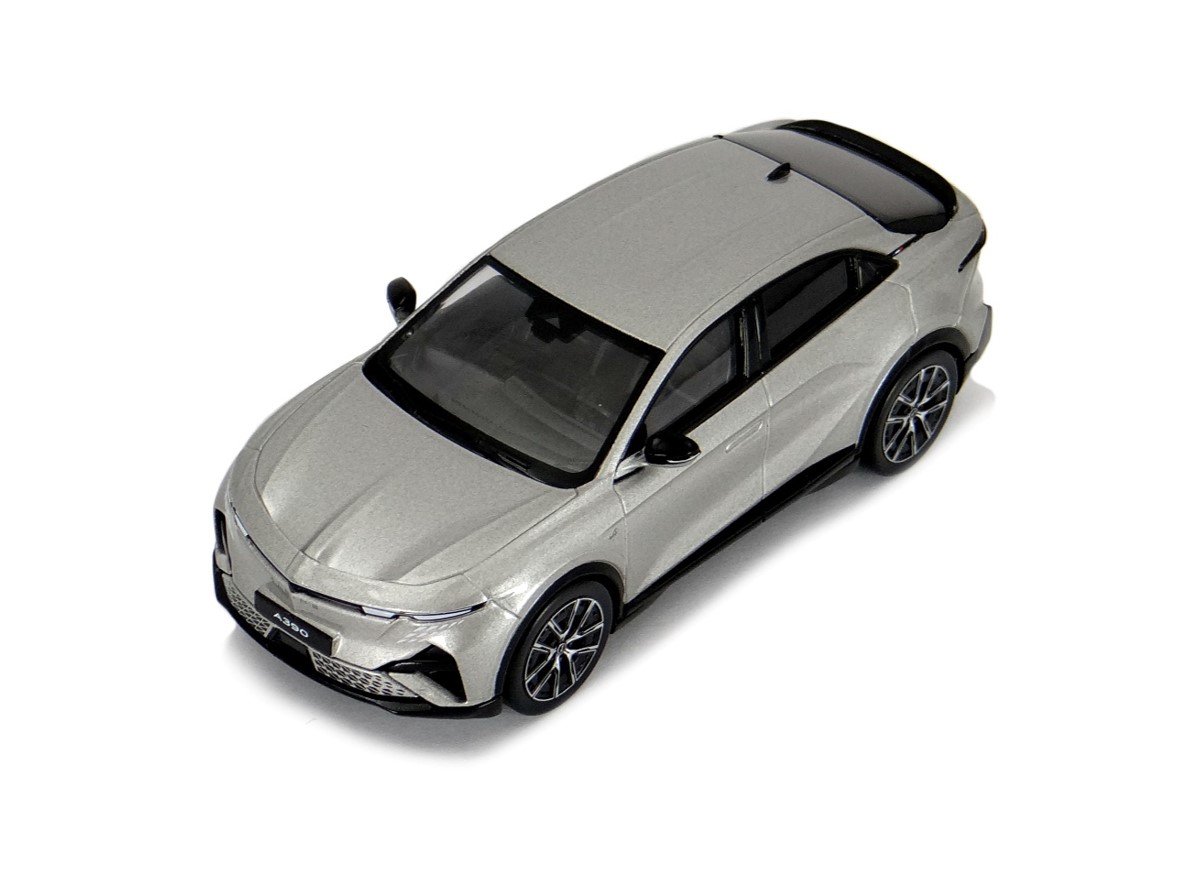
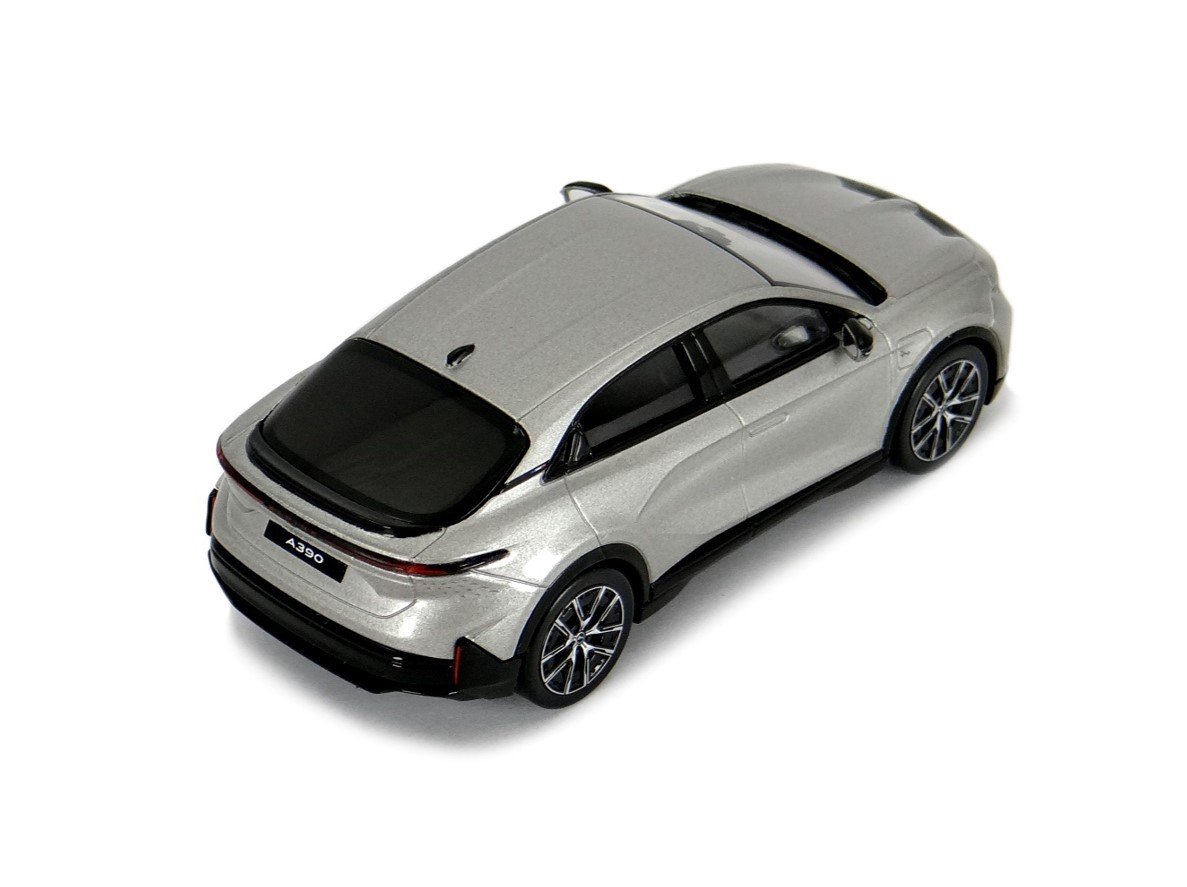
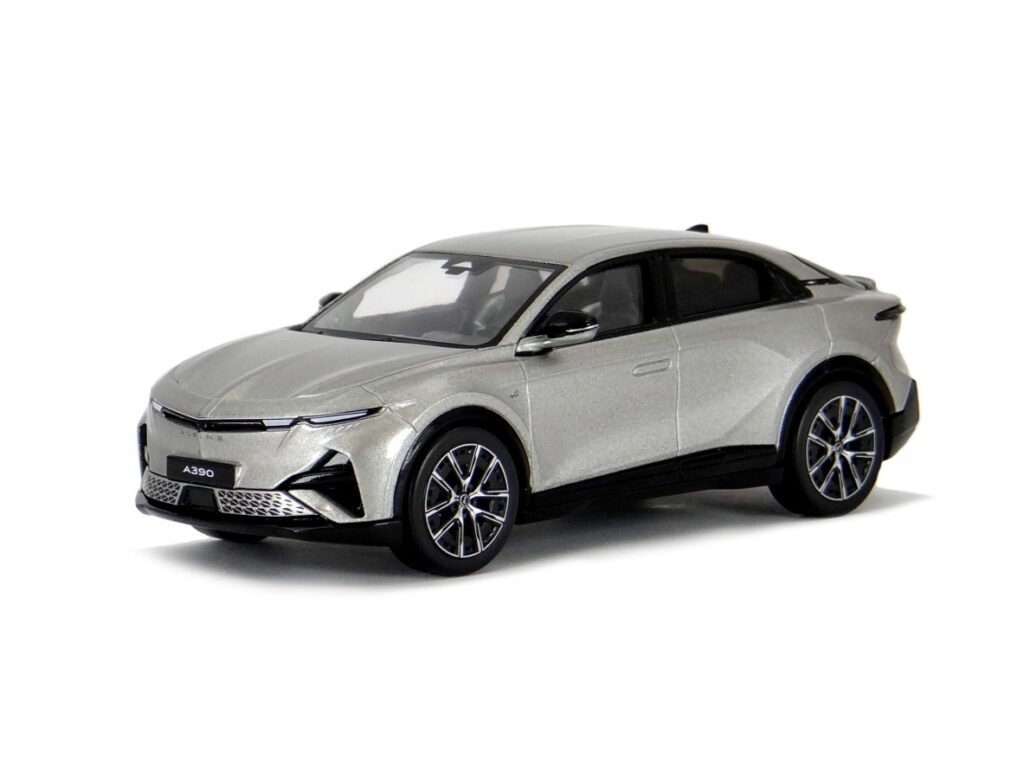
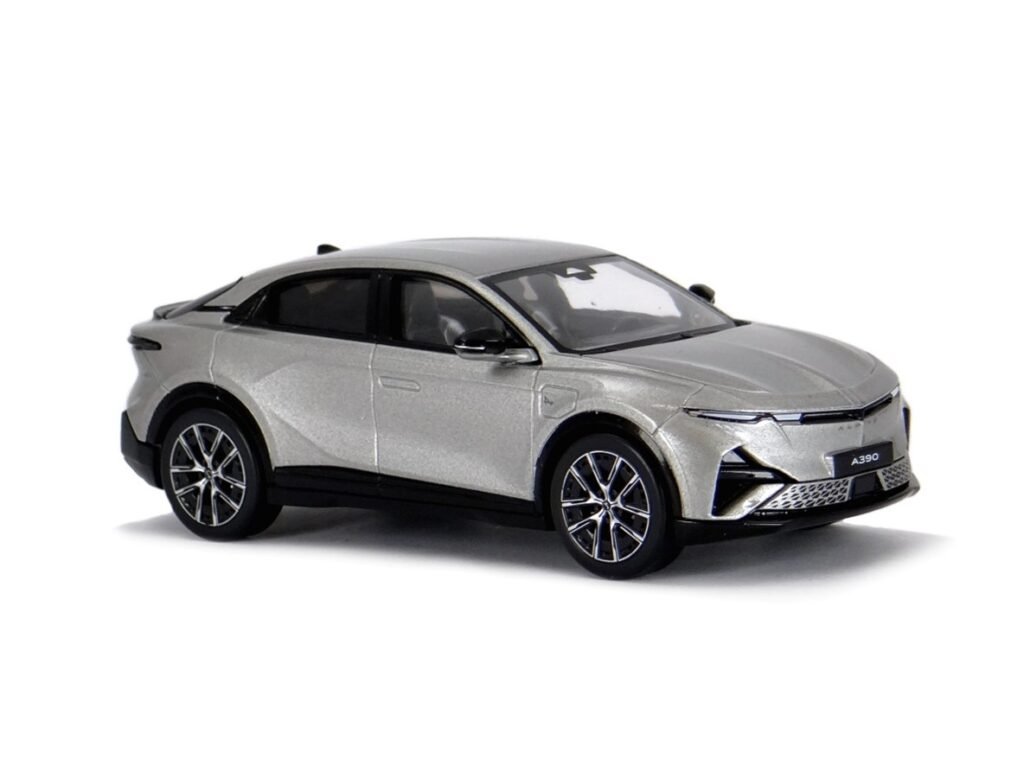
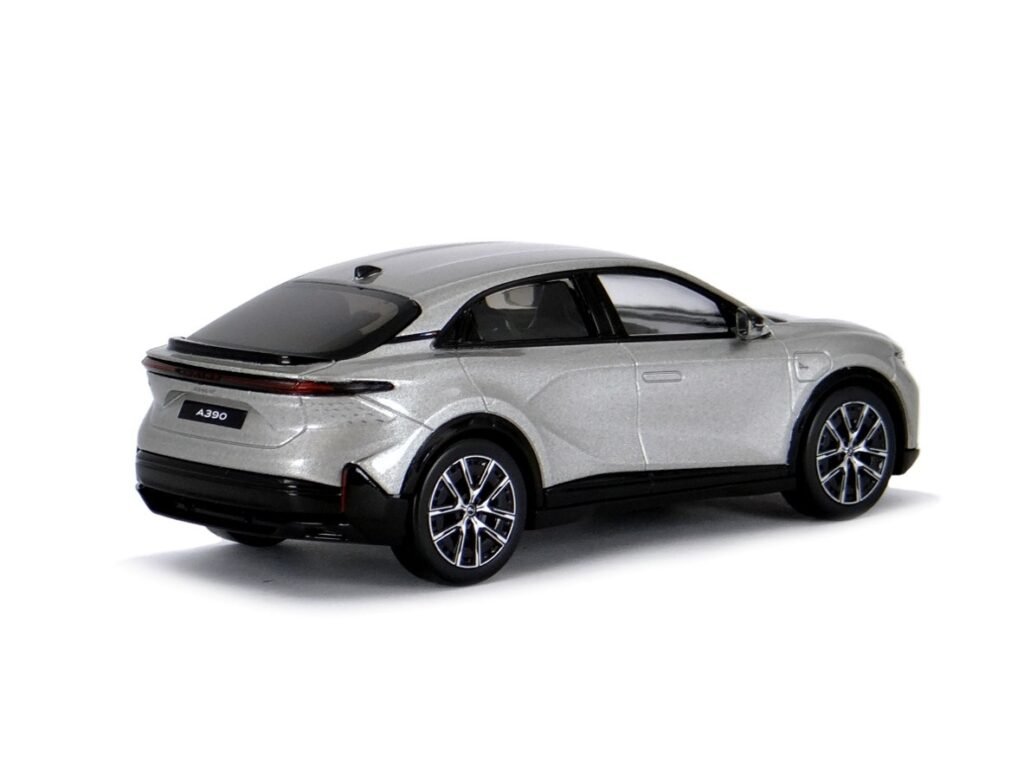
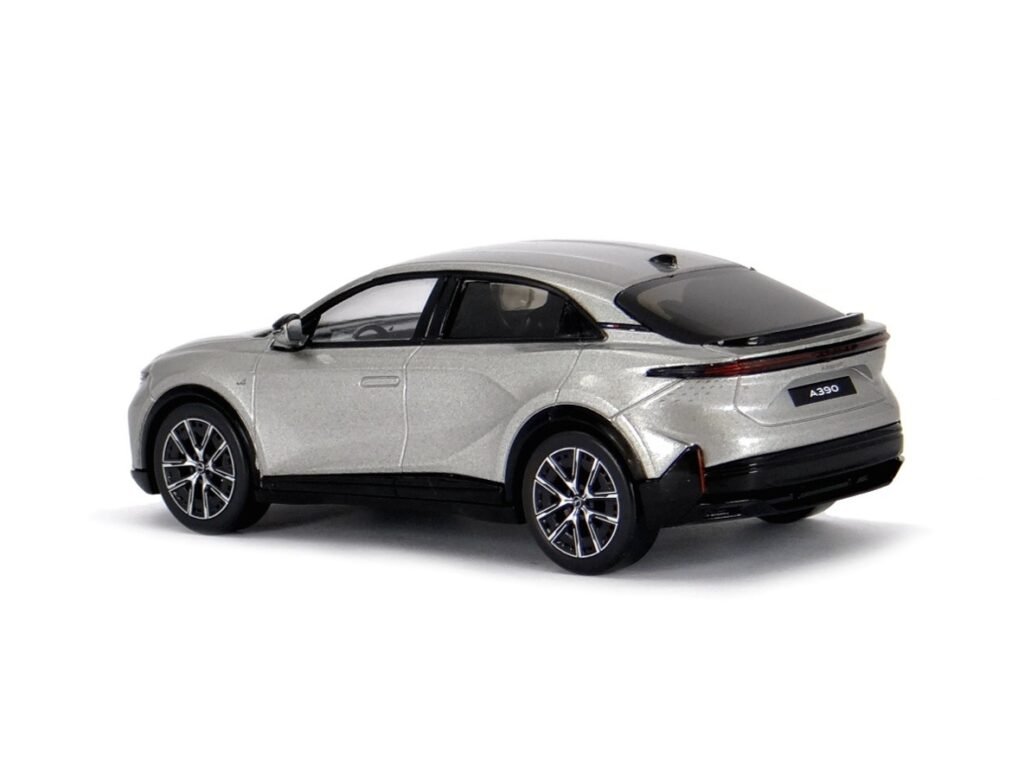
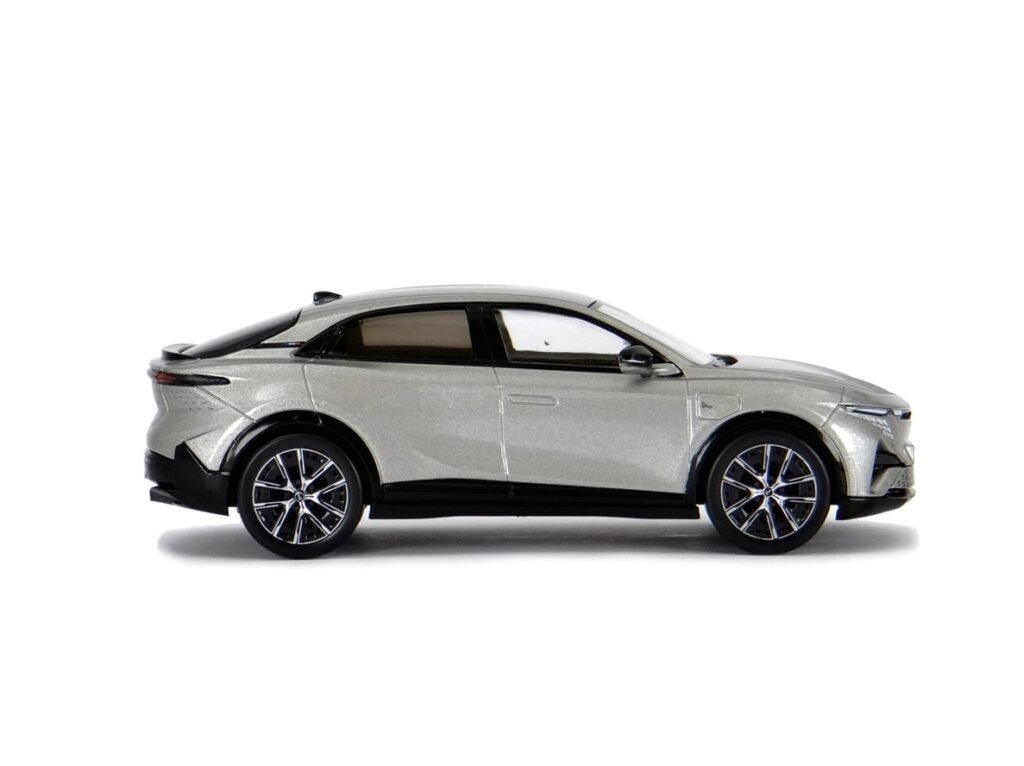
Norev wypuścił miniaturę Alpine A390 GT w kolorze srebrny Mercury (kod 519211) 6 marca tego roku. Typowo dla modeli współczesnych samochodów od Noreva, w Alpine A390 znajdziemy sporo uproszczeń wynikających z cięcia kosztów. Należą do nich plastikowe kóła rodem z zabawek, głęboko osadzone szyby, całkowicie czarne wnętrze i malowane kawałki plastiku służące za światła. Nie brzmi to najlepiej, ale akurat w tym modelu – ze względu na projekt nadwozia – to o dziwo zbytnio nie razi. Oczywiście, większa dbałość o detale poprawiłaby wygląd miniatury, niemniej jednak naprawdę nie jest źle.
Typowo dla Noreva, dużą rolę w prezencji miniaturki gra ładny lakier. Odcień srebrny Mercury świetnie pasuje do kształtów A390, maskując jednocześnie niedoskonałości samego modelu. Ogólnie, model Alpine A390 GT wygląda fajnie.
Zapraszam do obejrzenia modelu Alpine A390 GT w galerii a także odwiedzenia MiniAutomobili na Facebooku i Instagramie!
*** ENGLISH ***
The Alpine A390 is not only the largest model in the history of this French brand, but also the first crossover/SUV in its portfolio. It aims to increase the brand’s sales and attract new customers.
Alpine, Renault Group’s sports car brand, unveiled its model offensive plan called “Dream Garage” in January 2023. It assumes that by 2030 the company will introduce seven completely new electric models. The first of these was the A290, a model based on the Renault 5. The second is the Alpine A390.
The Alpine A390 was previewed by the Alpine A390_β concept, unveiled on 11 October 2024. The production version, which closely resembles the prototype in terms of design, was revealed a few months later — on 27 May 2025. Naturally, purists were outraged. To them, a large, heavy electric SUV represents a complete betrayal of the brand’s founding principles. The French brand, however, is not concerned by the criticism, arguing that electrification is the only way forward and that is something everyone will have to accept. With the A390, Alpine enters a segment already occupied by models such as the Porsche Macan, Maserati Grecale and the Polestar 3.
A sports fastback
A raised five-door body with an all-wheel drive — for most people, that is the very definition of a crossover or SUV. Although the A390 fits this description perfectly, Alpine avoids using those terms at all costs. Instead, the brand prefers to call the A390 a “sports fastback”.
Indeed, Alpine has put a lot of effort into making its “not-an-SUV” look sporty. The sloping roofline, aerodynamic sculpting, narrow-eyed headlights and large wheels (20-inch as standard, with optional 21-inch wheels fitted with tyres specially developed for the A390 by Michelin) certainly add to its sporting character.
One of the most distinctive design features are the the triangular cutouts in the front, housing dozens of LEDs. This visual motif is carried over to the rear, albeit without the LED treatment. Instead, the back of the car is defined by a slim full-width light bar, centred around a proudly illuminated “Alpine” nameplate. Adding a subtle French touch is the small tricolour flag on the rear pillars — a clear celebration of the car’s heritage (though, notably, it is an optional extra). The Alpine A390 was not only designed in France, but is also entirely built there, specifically at the brand’s historic factory in Dieppe, in the north of the country.
Interior borrowed from…Renault
While the Alpine A390’s exterior has its own distinctive character, the cockpit is almost directly carried over from the Renault Scenic E-Tech. Dominating the dashboard are the same two large screens: a 12.3-inch digital instrument cluster alongside a 12-inch portrait-oriented infotainment screen. The cockpits differ only in the steering wheel, several switches and materials. In the A390, Nappa leather, Alcantara or microfiber upholstery can be selected. Optional equipment includes items such as Sabelt bucket seats and a 13-speaker Xtremesound audio system from Devialet.
The acoustic experience is also influenced by the Alpine Drive Sound system, which offers three different sound profiles while driving. The first option provides complete silence, with no artificial sounds. The second, called “Sport”, is designed to recreate the kind of acoustic sensations familiar from driving the A110, while the third, “Daily”, delivers softer sounds better suited to everyday use.
The infotainment system, based on Google’s Android platform, has also been carried over from Renault. Following the smaller A290, the Alpine A390 is also available with a dedicated app that monitors driving style and provides detailed data about how the car is used.
The Alpine A390 is designed to accommodate five occupants, although the steeply sloping roofline means that only four will be truly comfortable. The boot, however, offers significantly more space. With a capacity of 532 litres, it is an excellent figure for a sports car in the C-segment. Alpine wanted to put a strong emphasis on everyday practicality, and it has certainly succeeded. The A390 is the most practical Alpine ever made.
Renault technology, Alpine tuning
Unlike the interior, the fact that the Alpine A390 uses technology from its parent company comes as no surprise. The car is based on the AmpR Medium platform, which is already used by the Renault Megane E-Tech and Scenic E-Tech, as well as the Nissan Ariya and Leaf. However, Alpine’s engineers have made several modifications. The A390 features wider track widths, a shortened wheelbase (2708 mm) and forged aluminium suspension components. The suspension layout itself remains unchanged (MacPherson struts at the front and a multi-link setup at the rear), but Alpine’s engineers have tailored the settings specifically for the A390. The aim was to deliver the most engaging and sporty driving experience possible.
This should be helped by the near-perfect 49:51 front-to-rear weight distribution. It helps to offset the A390’s considerable kerb weight of 2,121 kg. This unfortunately goes against Alpine’s long-standing philosophy of creating lightweight sports cars, particularly since the A390 is actually heavier than some of its direct rivals.
Abundance of power
Fortunately, the Alpine A390 makes up for it with plenty of power. The car is available in two versions: GT and GTS. Both variants use a three-motor electric powertrain: one motor at the front driving the front wheels and two motors at the rear powering the rear axle. This makes the A390 the first Alpine in history to feature all-wheel drive.
The entry-level Alpine A390 GT produces 400 hp and 650 Nm of torque, allowing it to accelerate from 0–100 km/h in 4.8 seconds and reach a top speed of 200 km/h. The Alpine A390 GTS takes things further, with 470 hp and a substantial 808 Nm of torque, cutting the 0–100 km/h sprint time to 3.9 seconds and raising the top speed to 220 km/h.
Both versions use the same 89 kWh nickel-manganese-cobalt (NMC) battery developed by French company Verkor specifically for the Alpine A390. Alpine’s engineers have gone to great lengths to ensure consistent battery performance even during intensive driving. To achieve this, they not only modified the chemical composition of the cells but also developed a more efficient cooling system. The Alpine A390 also comes equipped as standard with a high-efficiency heat pump.
The maximum charging power is 190 kW, although Alpine places greater emphasis on the battery’s ability to sustain high-speed charging over extended periods. The battery also supports bidirectional power transfer (V2G) at up to 22 kW. Charging from 15 to 80 per cent takes 25 minutes.
Beginning of a new era
Alpine began accepting orders for the A390 in November last year, with the first deliveries reaching customers in the first quarter of this year. Although Alpine’s media messaging repeatedly emphasises that the A390 carries the spirit of the lightweight A110, the reality is unfortunately rather different.
A two-tonne-plus electric SUV was never going to replicate the driving experience of a lightweight combustion-engined sports car weighing half as much. The A390 cannot defy physics, nor can it trick Alpine’s fans. The purists among them won’t buy it, but then again, they were probably never the target audience. The Alpine A390’s purpose is simply to expand the brand’s offering and attract new customers, and in that respect it succeeds without fault.
About the miniature – Alpine A390 GT
Norev released the miniature of the Alpine A390 GT in Mercury Silver (code 519211) on 6th March this year. As is typical of Norev’s modern car models, the Alpine A390 features quite a few compromises resulting from cost-cutting measures. These include toy-like plastic wheels, deeply recessed windows, a completely black interior and painted plastic pieces used instead of proper light lenses. On paper, these may not sound particularly appealing, but on this model they are surprisingly well disguised thanks to the A390’s distinctive body design. Of course, greater attention to detail would have improved the miniature’s appearance, but overall it is genuinely not a bad effort.
As is often the case with Norev miniatures, the paintwork makes a significant contribution to the model’s visual appeal. The Mercury Silver finish complements the A390’s lines beautifully, while at the same time disguising some of the model’s weaker details. Overall, the Alpine A390 GT is a nicely looking model car.
Feel free to take a closer look at the Alpine A390 GT in the gallery and also visit MiniAutomobile on Facebook and Instagram!