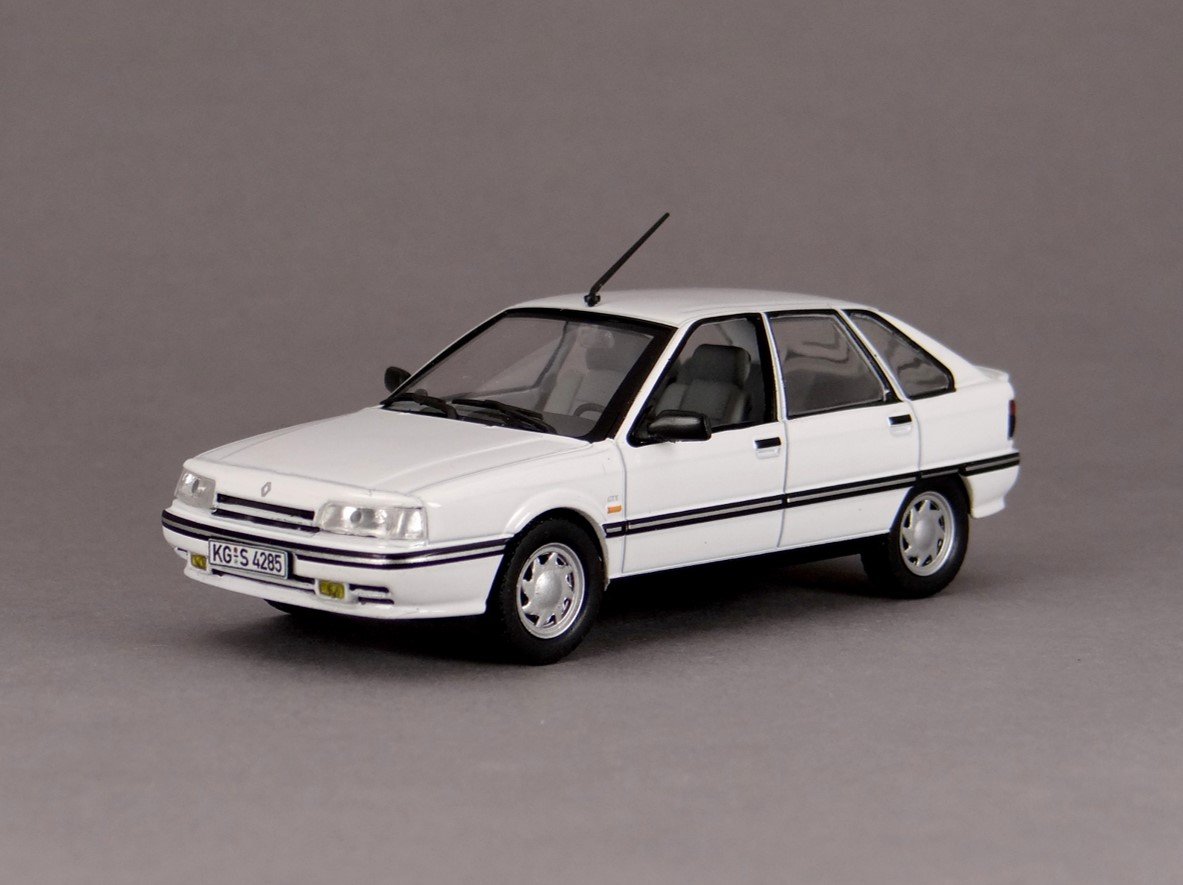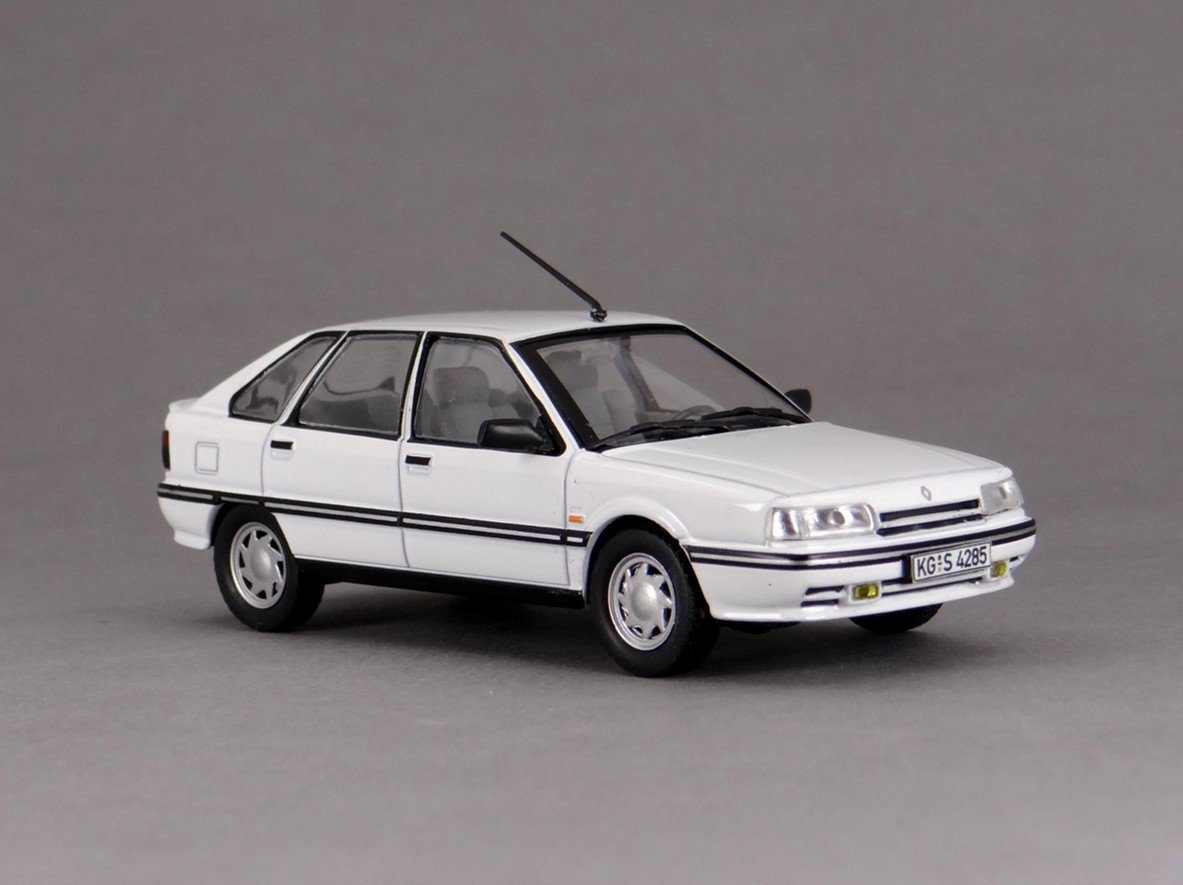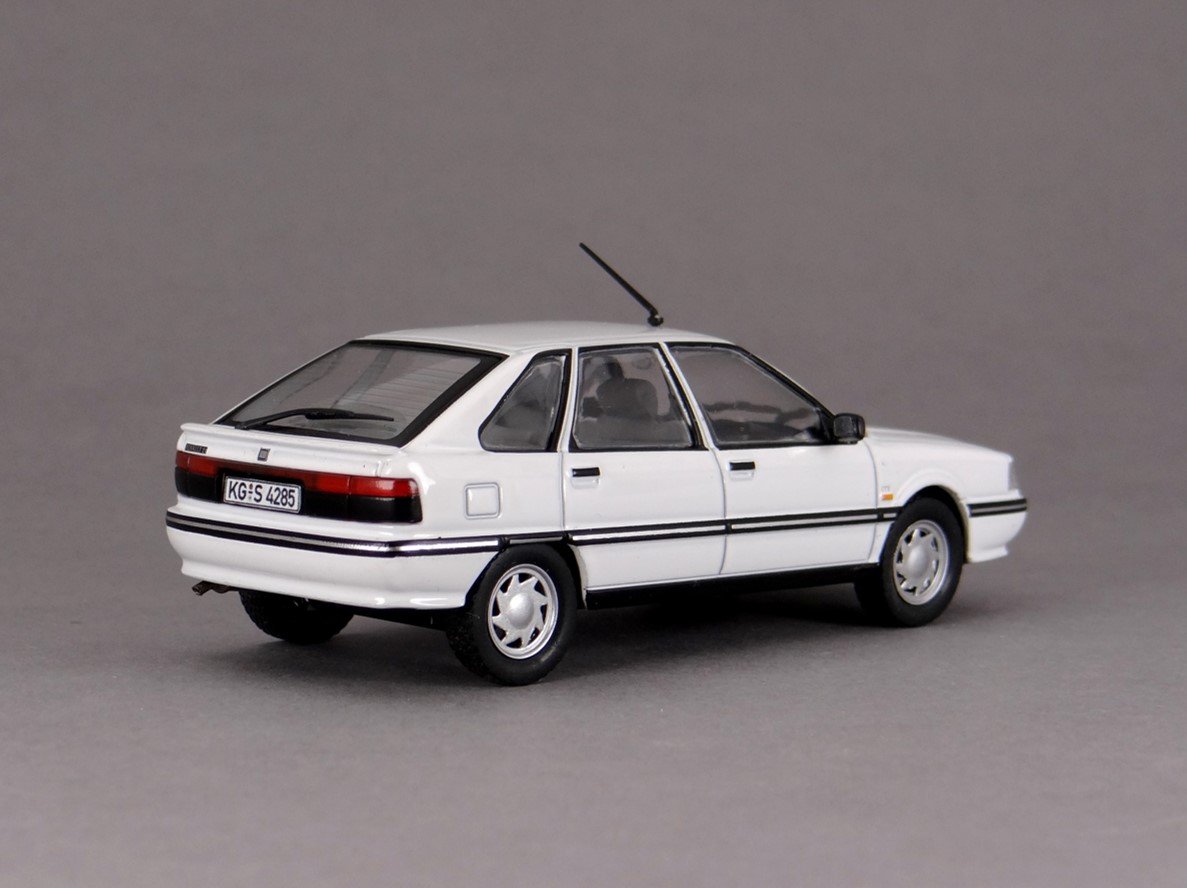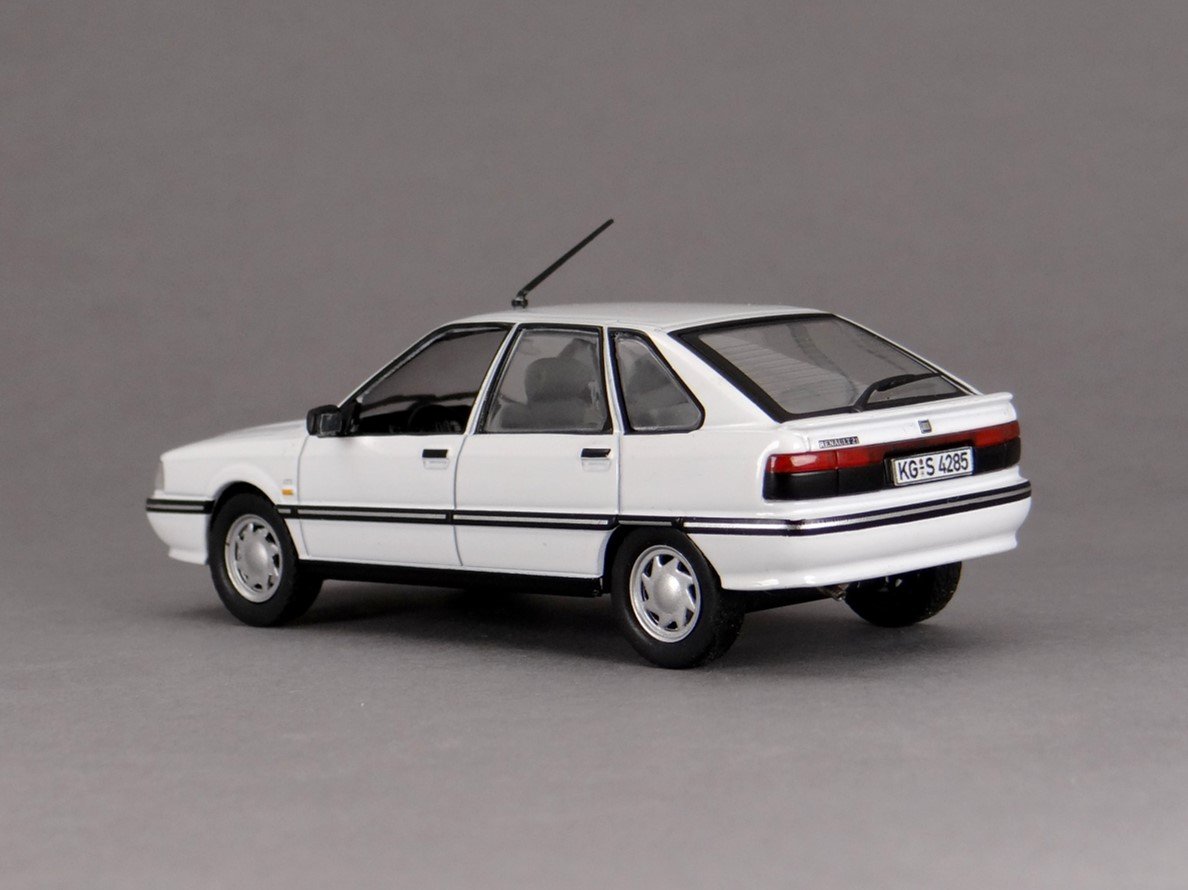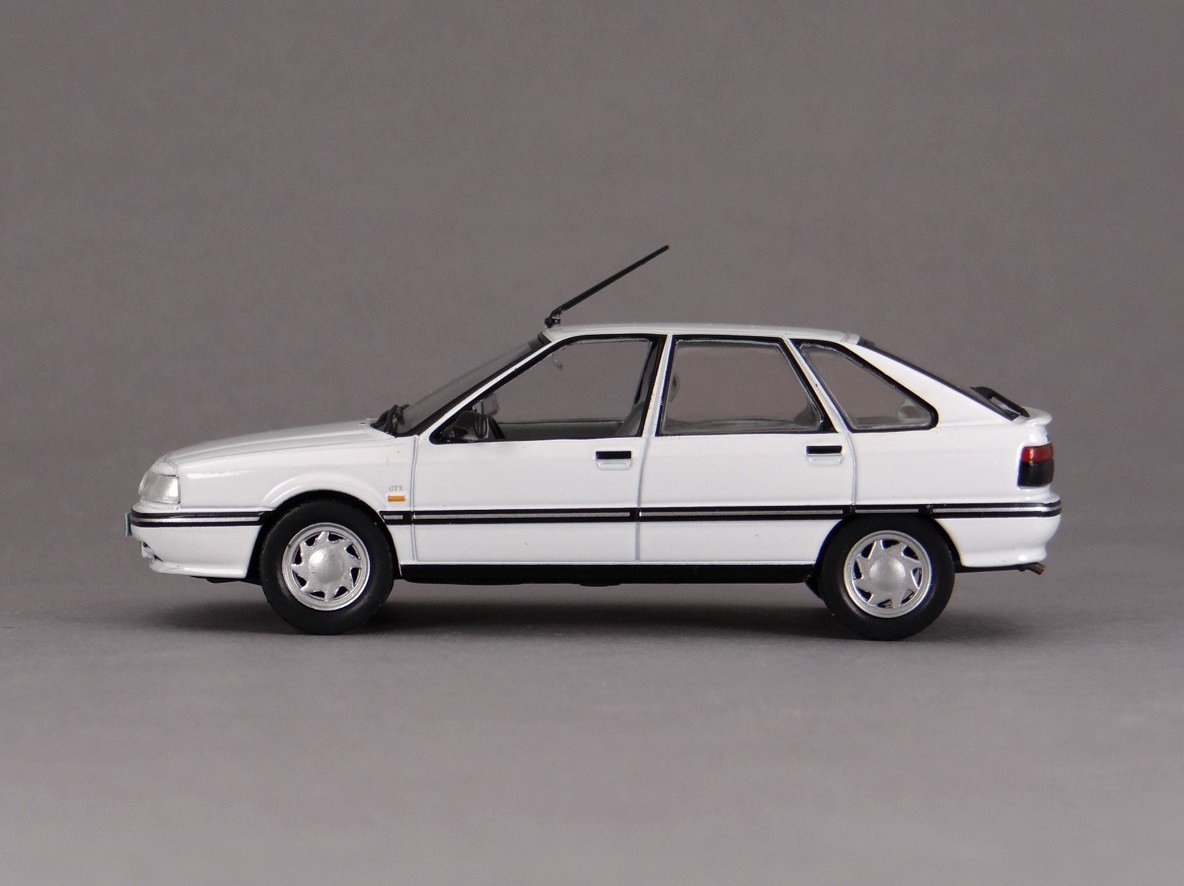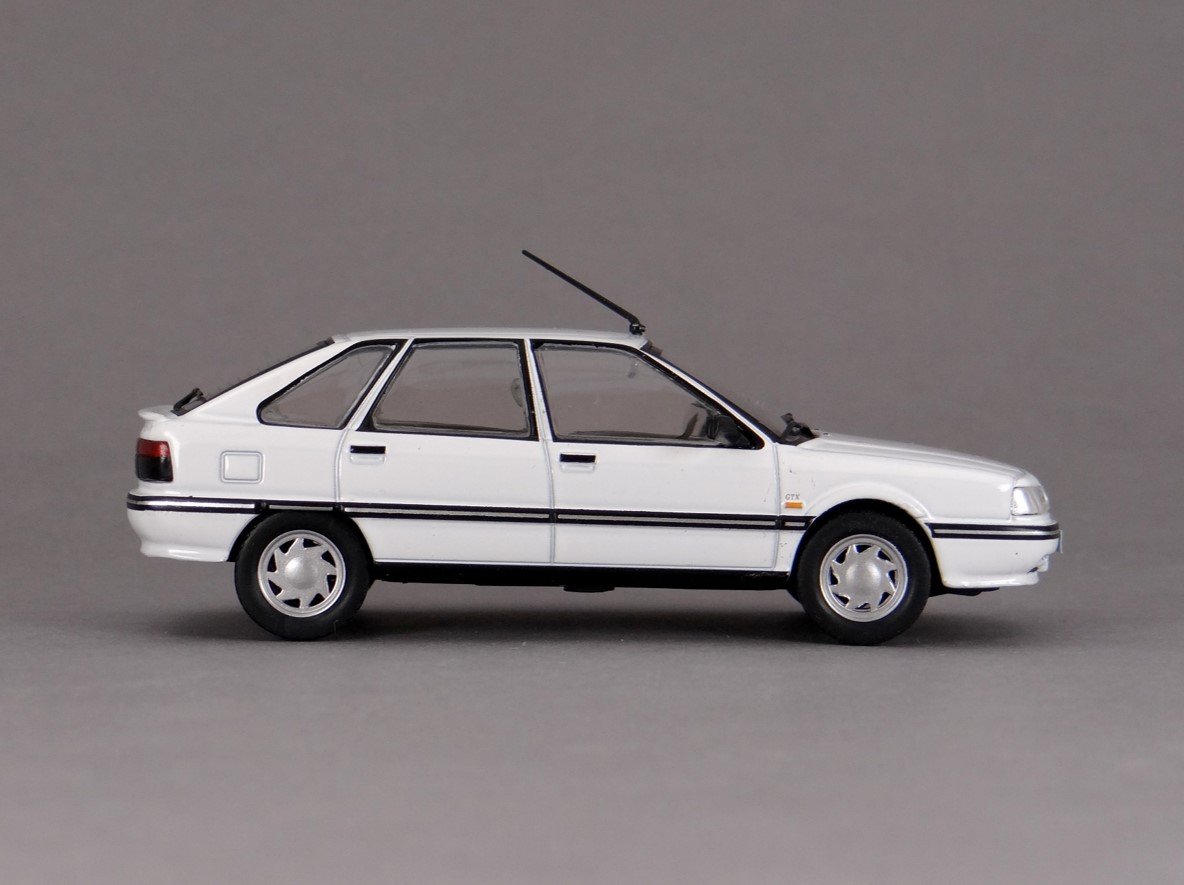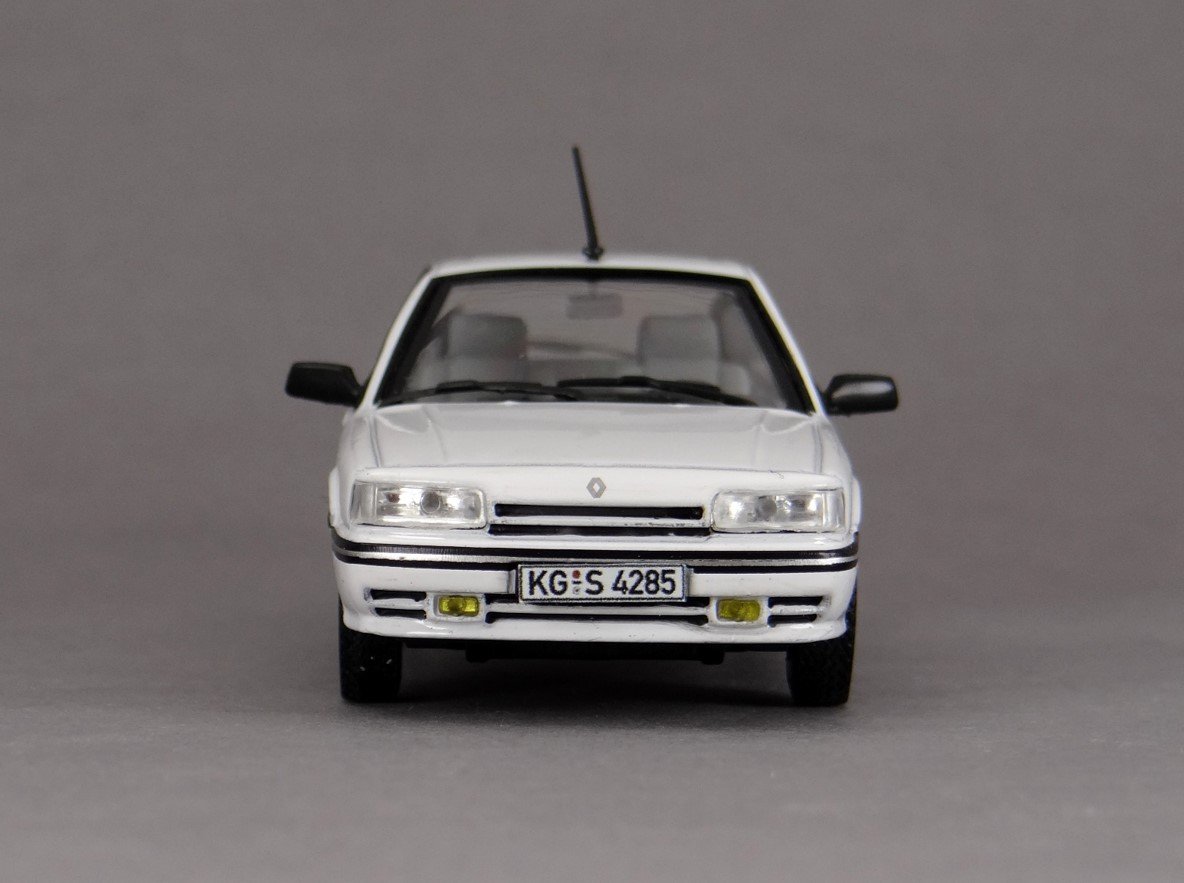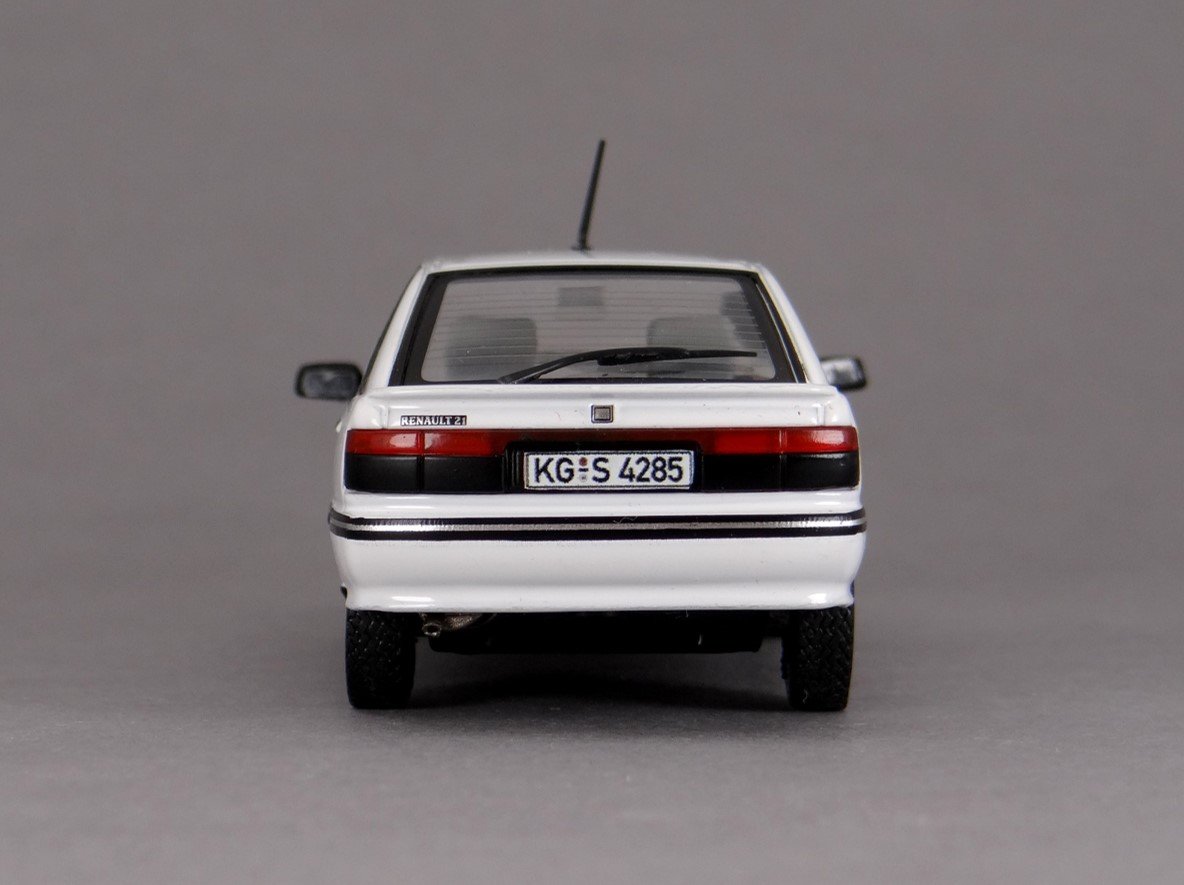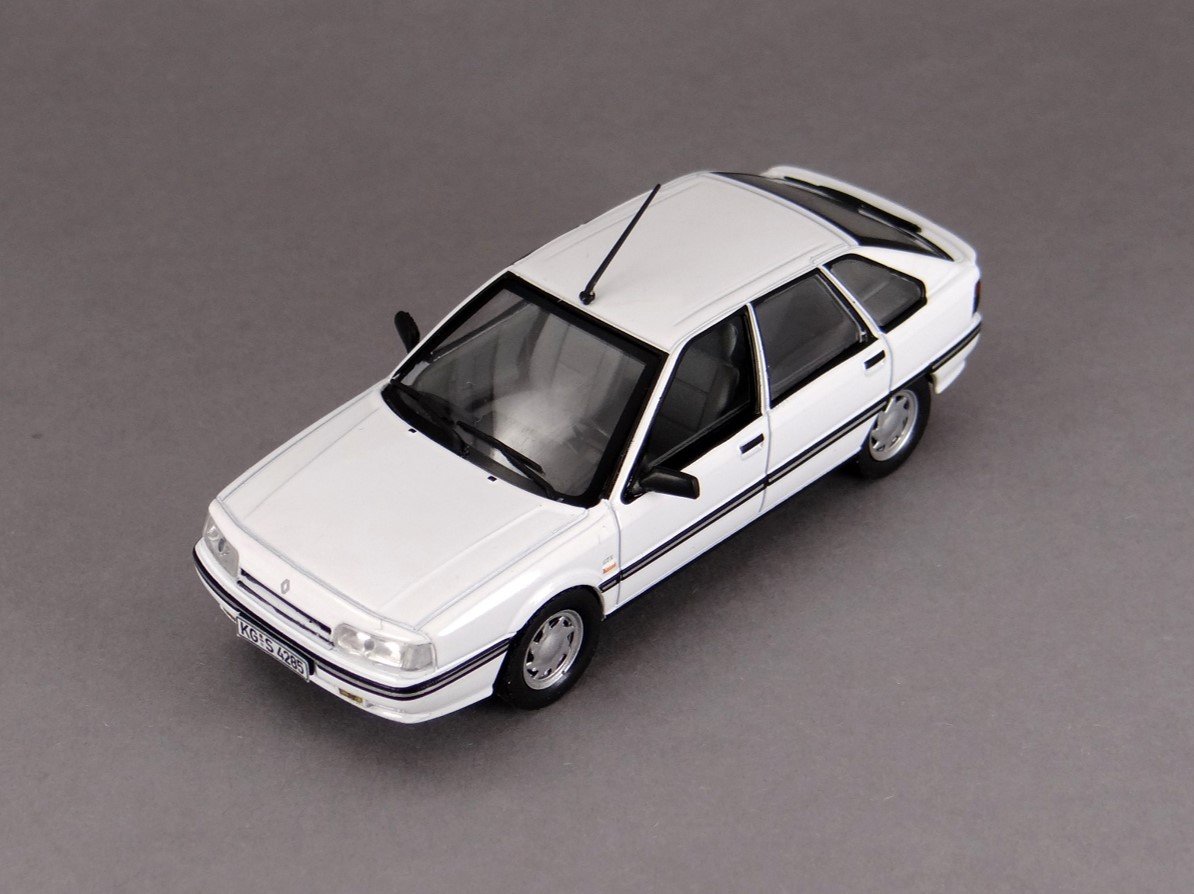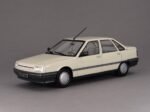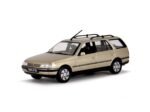

Renault 21 w 1989 roku przeszło dość znaczny lifting, zwany typowo dla marki “phase 2”. Jedną z najważniejszych zmian, było wprowadzenie nowej wersji nadwozia – pięciodrzwiowego liftbacka.
Kiedy Renault zaprezentowało model 21 w 1986 roku, europejski segment klasy średniej był polem wyjątkowo zaciętej rywalizacji. Ford Sierra, Opel Ascona, Peugeot 405, czy Volkswagen Passat walczyły o klientów oczekujących przestronnego, wygodnego i nowoczesnego samochodu rodzinnego. 21 idealnie spełniała te wymagania i okazała się popularna, choć niekoniecznie porządana. To był rodzaj samochodu który absolutnie nie zapadał w pamięć. Po prostu robił swoje, i tyle.
Lifting z lata 1989 roku niewiele pod tym względem zmienił. Dość nijakie nadwozie projektu Ital Design Giugiaro otrzymało wprawdzie nowy przód i tył, ale nadal było nijakie. Miękkie i wygodne fotele wciąż były miękkie i wygodne. Typowo francuskie, komfortowe zawieszenie również. Nawet nietypowy układ napędu, z silnikami montowanymi poprzecznie lub wzdłużnie, zależnie od wersji, pozostał ten sam.
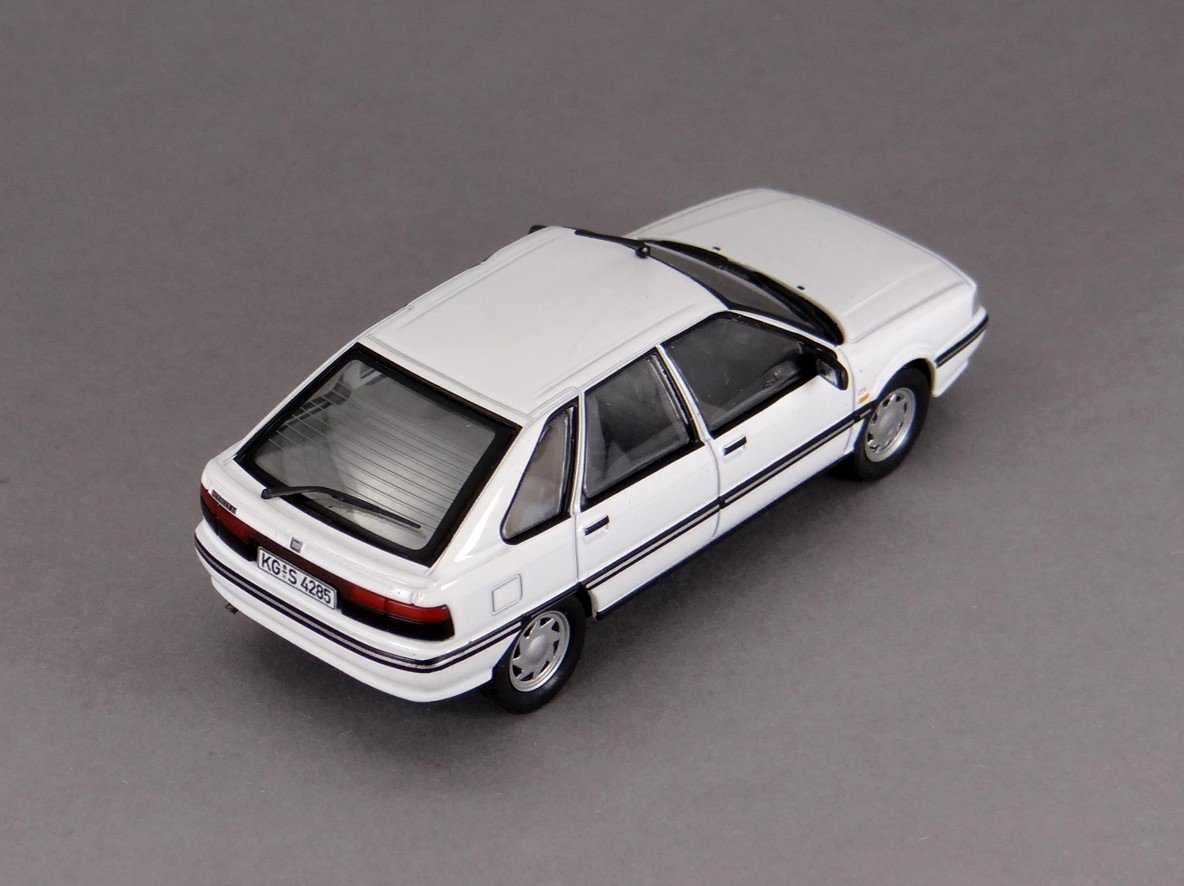
Chyba najbardziej znaczącą zmianą było wprowadzenie nowej wersji nadwozia. Do sedana i kombi Renault dołożyło liftbacka. Praktyczna odmiana nadwoziowa niestety, nie należała do szczególnie urodziwych. Liftback miał długość identyczną jak w sedanie, 446 cm, ale jego tylna część miała dość dziwne proporcje. W rezultacie, liftback nie wyglądał tak harmonijnie jak model trójbryłowy. Pomimo to, we Francji okazał się o wiele popularniejszy od sedana i kombi.
Do napędu służyły benzynowe jednostki 1.4, 1.7, 2.0 i 2.2 oraz diesle 1.9 i 2.1. Duża zmiana zaszła w 1992 roku, kiedy zaostrzyły się europejskie norny emisji spalin. We wszystkich silnikach benzynowych wtrysk paliwa zastąpił stosowane dotychczas gaźniki. W każdym montowano też już katalizator.
W tym samym roku Renault zmieniło też dostępne pakiety wyposażenia. Podstawowa odmiana nosiła nazwę Prima, średnia – Manager, topowa – Alizé, a klienci mieli jeszcze do wyboru wprowadzoną rok wcześniej luksusową wersję Baccara.
Lifting pozwolił Renault 21 jeszcze przez jakiś czas utrzymać pozycję rynkową, jednak sprzedaż zaczęła z czasem nieuchronnie spadać. Wiek konstrukcji był coraz bardziej widoczny. Następcą linii 21 została w 1994 roku o wiele nowocześniejsza Renault Laguna, choć Renault 21 kombi pozostało w sprzedaży do końca 1995 roku.
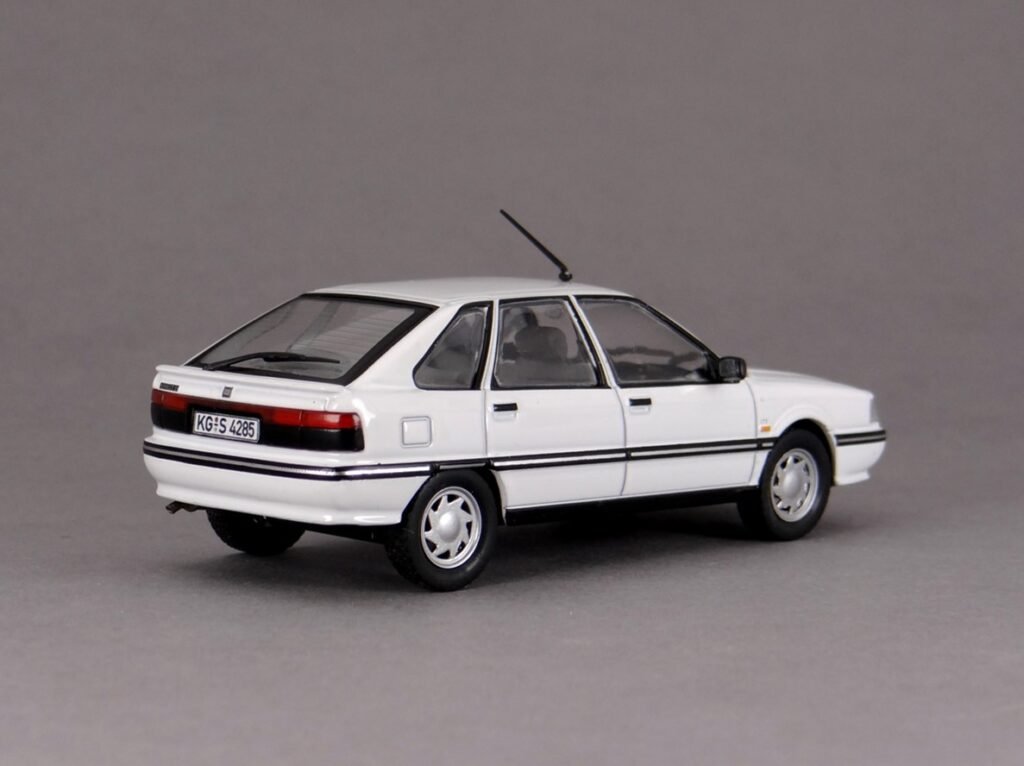
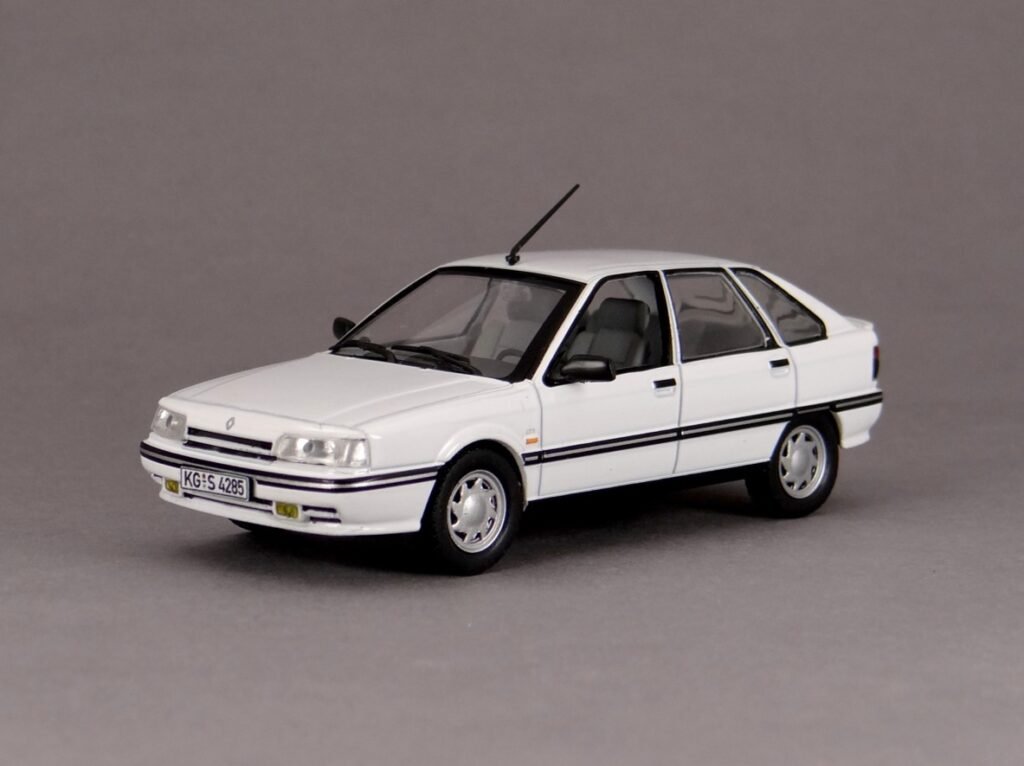
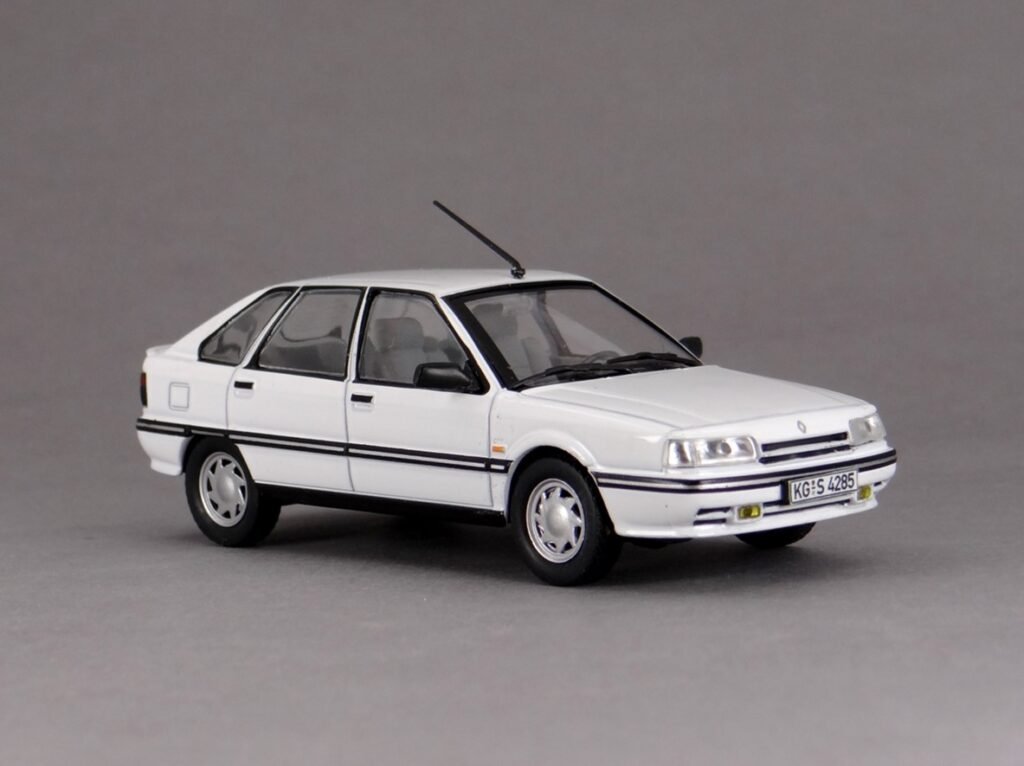
O miniaturze – Renault 21 GTX
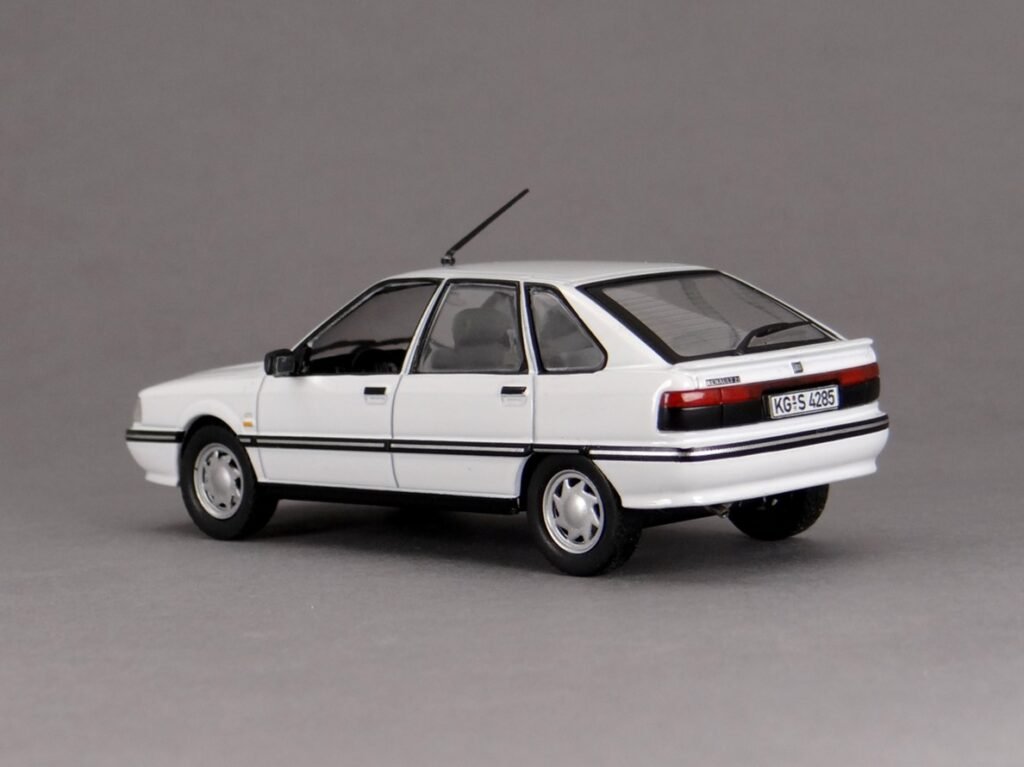
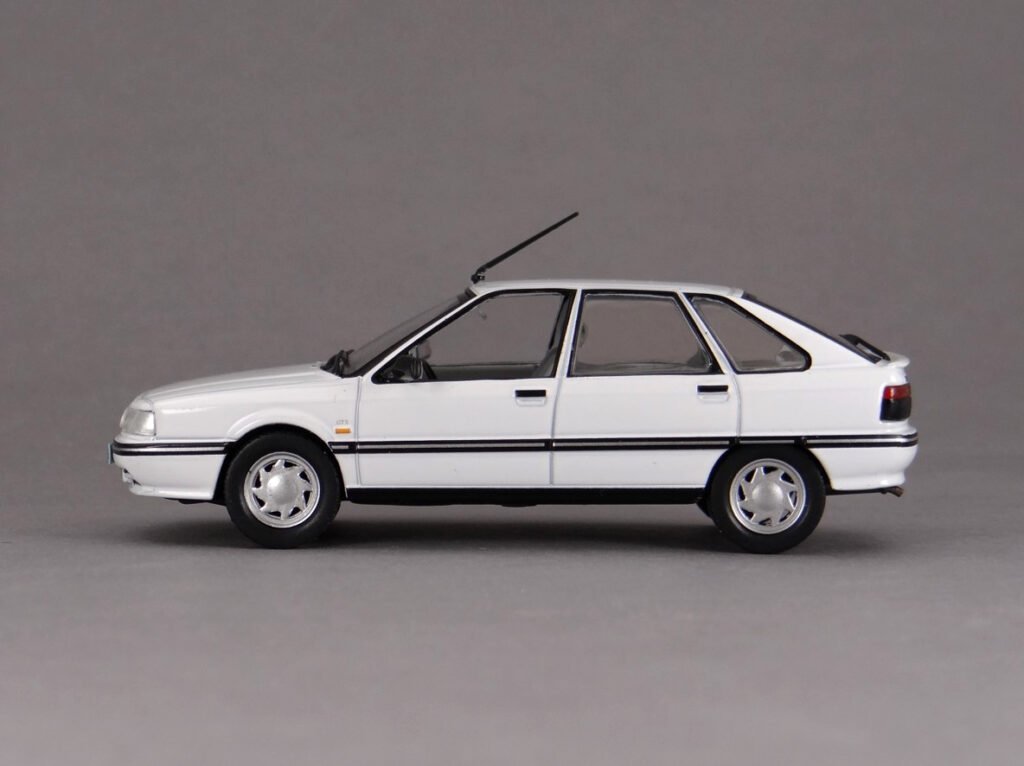
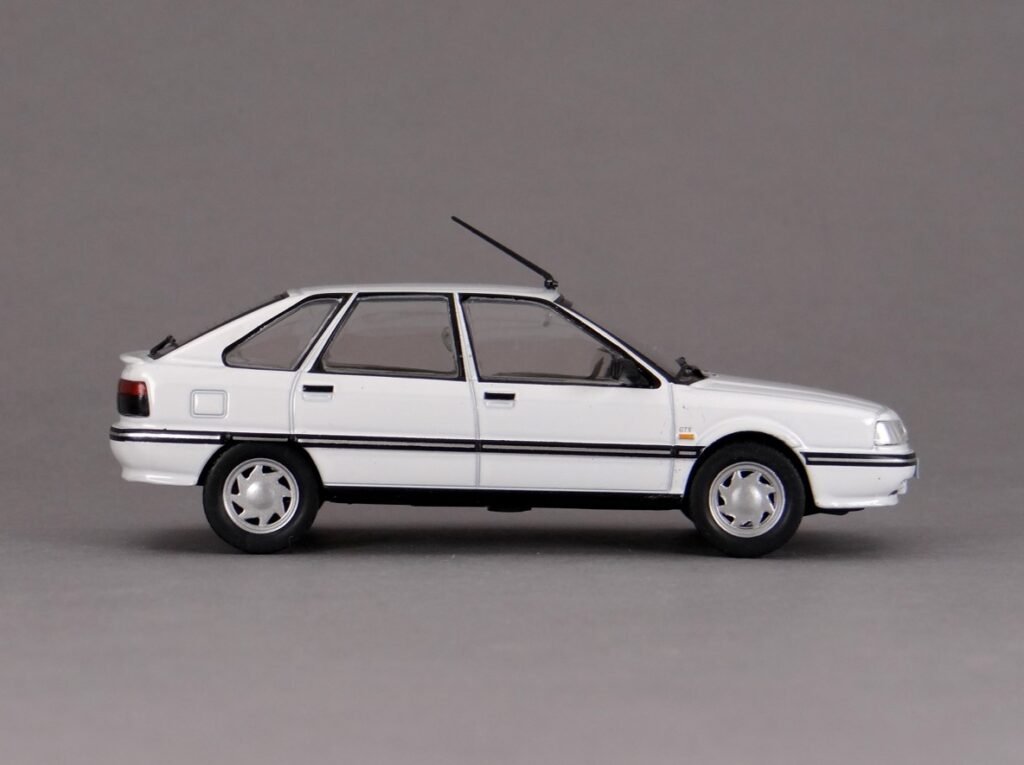
Modelik Renault 21 GTX w wersji liftback jest na rynku od wielu lat. Przez ten czas, odlew IXO-PCT w skali 1/43 został wykorzystany w wielu zachodnich seriach gazetowych wydawnictw Altaya, Edicola i Hachette. Natomiast w wersji gablotkowej kilka lat temu wydała go firma Odeon.
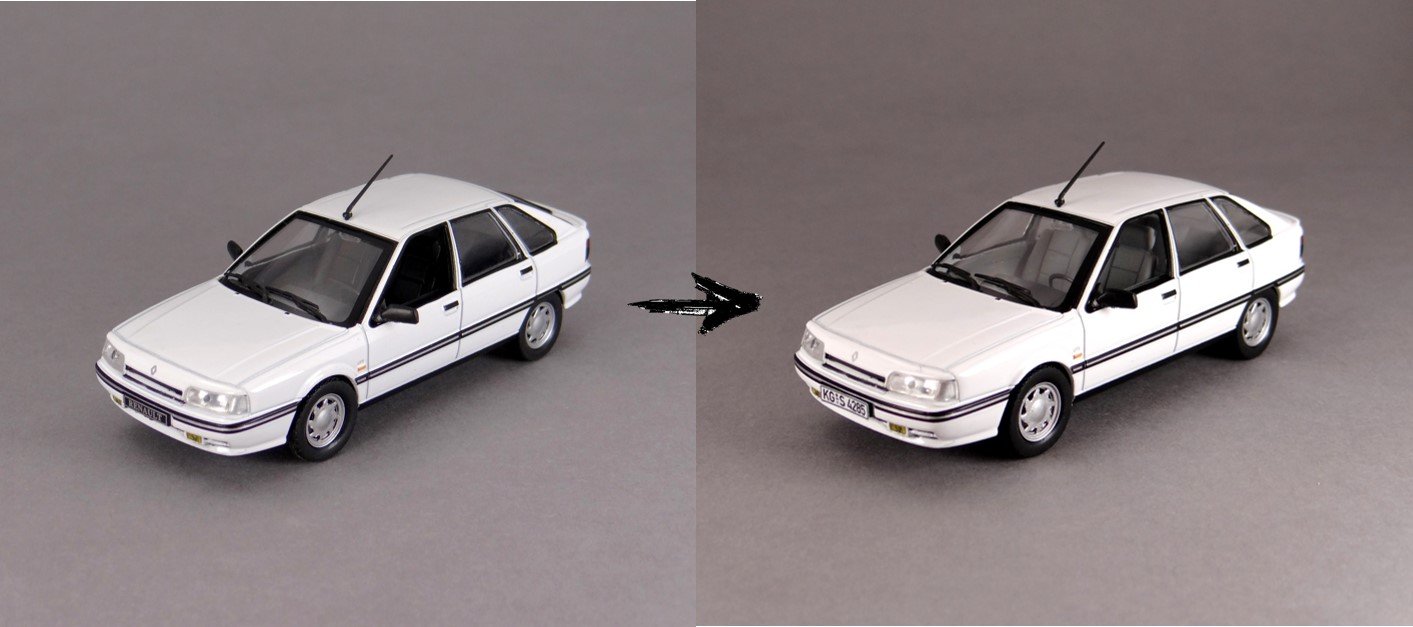
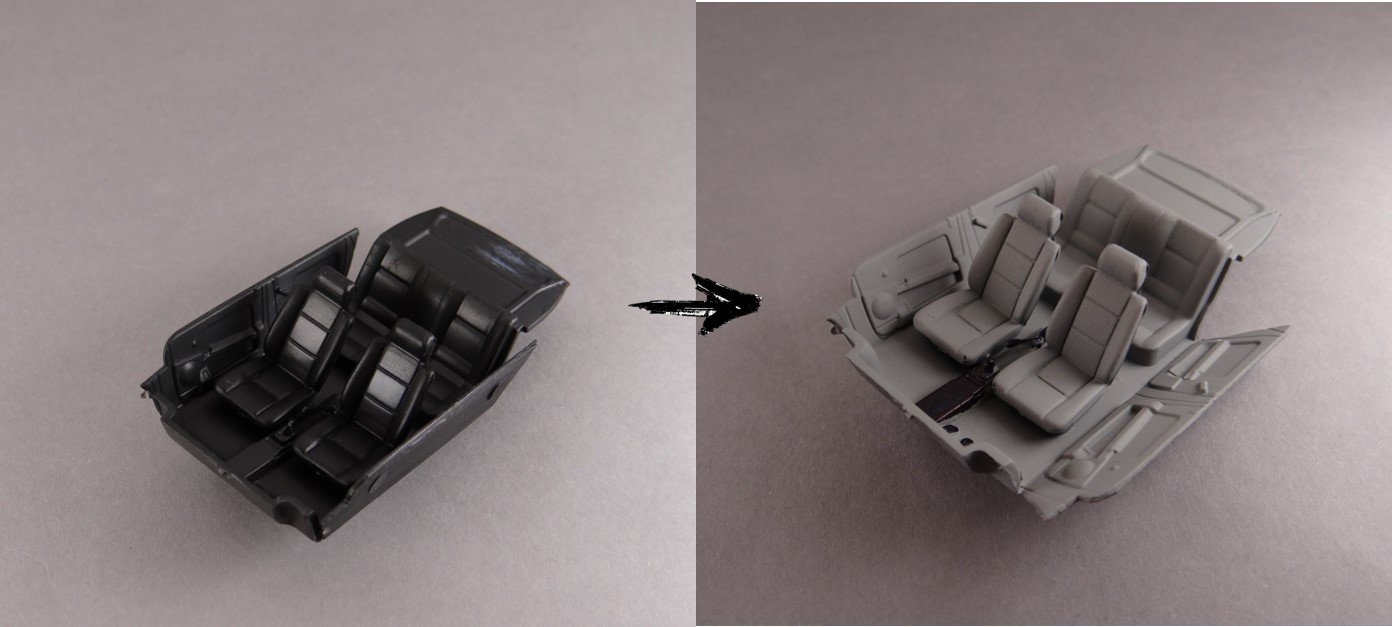
Ogólnie, poziom wykonania modeliku jest całkiem przyzwoity. Renault 21 GTX ma poprawne proporcje nadowzia oraz czystą i równą powłokę lakierniczą. Zaskakuje też odwzorowanie wskaźników na desce rozdzielczej. Z drugiej strony, brak w nim barwionego wnętrza, które musiałem pomalować sam. Dodałem też szkiełka w bocznych lusterkach oraz niemieckie tablice rejestracyjne z epoki.
Dla mnie, największą wadą modelu są tylne światła. Producent poszedł tutaj całkowicie po linii najmniejszego oporu i zastosował kawałek plastiku pomalowany na czarno i czerwono. Wygląda to słabo, ale niestety niewiele da się z tym zrobić. Pomimo tego, modelik mi się ogólnie podoba. Szczególnie z jasnym wnętrzem.
Jak zwykle, zapraszam do obejrzenia galerii zdjęć oraz odwiedzania MiniAutomobili na Instagramie i Facebooku!
*** ENGLISH ***
Renault 21 received a substantial facelift in 1989, commonly referred to by Renault as the “Phase 2”. Among the key changes was the debut of a five-door liftback body style.
When Renault launched the 21 in 1986, Europe’s mid-size family car market was fiercely competitive. The Ford Sierra, Opel Ascona, Peugeot 405 and Volkswagen Passat were all competing for buyers seeking a spacious, comfortable and modern family car. The Renault 21 ticked all those boxes and proved to be popular, although not necessarily desirable. It wasn’t particularly memorable either – it simply got on with the job at hand.
The summer 1989 facelift did little to change that. The rather nondescript body designed by Italdesign Giugiarogained a new front and rear end, but remained as unremarkable as ever. The soft, comfortable seats stayed just that—soft and comfortable. The typically French, comfort-oriented suspension also remained unchanged. Even the unusual drivetrain layout, with engines mounted either transversely or longitudinally depending on the version, remained the same.
Perhaps the most significant change was the introduction of a new body style. Renault expanded the range by adding a five-door liftback alongside the saloon and estate. Practical though it was, the new version was hardly a styling triumph. Although it was exactly the same length as the saloon at 446 cm (175.6 in), its oddly proportioned rear end made it look less cohesive than the conventional three-box model. Even so, it proved considerably more popular than both the saloon and the estate in France.
The engine range comprised 1.4-, 1.7-, 2.0-, and 2.2-litre petrol units, along with 1.9- and 2.1-litre diesel engines. A major change came in 1992, when stricter European emissions regulations came into force. Carburettors were replaced by fuel injection across the entire petrol range and every petrol model was also fitted with a catalytic converter.
That same year, Renault also revised the trim levels. Prima became the entry-level specification, Manager occupied the middle of the range and Alizé took over as the top-end trim. Buyers could also opt for the luxurious Baccara, which had joined the range a year earlier.
The facelift allowed the Renault 21 to retain its market position for a few more years, but sales gradually and inevitably declined. As the years passed, the car’s ageing underpinnings became increasingly difficult to disguise. In 1994, the 21 was succeeded by the much more modern Renault Laguna, although the Renault 21 estate remained on sale until the end of 1995.
About the miniature – Renault 21 GTX
The Renault 21 GTX liftback model has been around for many years. During that time, the 1:43 scale IXO-PCT casting featured in numerous partwork collections from Altaya, Edicola and Hachette. A few years ago, Odeon also released it as a boxed, display-case model.
Overall, this is a fairly well-made miniature. The Renault 21 GTX has accurate body proportions and a smooth, even paint finish. The dashboard dials are also replicated, which is a pleasant surprise! On the other hand, the interior is unpainted, so I had to paint it myself. I also added a glass-effect to the wing mirrors and fitted period German license plates.
For me, the model’s biggest flaw are certainly the rear light clusters. The manufacturer clearly took the easy way out here, by simply painting a piece of plastic in black and red. It looks rather poor, but unfortunately there’s not much that can be done about it. Despite this, I like the model overall. Particularly with the light interior.
As always, go and check out the photo gallery and visit MiniAutomobile on Facebook and Instagram!