
Renault 12 z 1969 roku było pierwszym planowanym “samochodem światowym” producenta. Założenia prostej konstrukcji, przestronnego wnętrza i przystępnej ceny, utorowały drogę do międzynarodowego sukcesu w wielu odsłonach.
Oczywiście, zaraz ktoś powie “Ale zaraz, przecież to Renault 4 pierwsze odniosło sukces!” I ten ktoś miałby rację, w końcu debiutujące w 1961 roku R4 zdobyło niebywałą popularność na całym świecie, stając się absolutnie kultowe. Tyle tylko, że stało się to niejako “przy okazji”. Auto było projektowane bowiem przede wszystkim z myślą o rynku francuskim. Natomiast “12-tkę”, Renault od samego początku projektowało jako samochód globalny. To się Francuzom opłaciło, bo choć Renault 12 nie osiągnęło statusu ikony jak R4, szybko okazało się sukcesem komercyjnym.
Zadowolić świat
Renault 12 rozpoczęło swój żywot w 1964 roku jako Projekt 117. Nowy samochód miał w gamie Renault plasować się między starzejącymi się modelami 8 i 10, które w efekcie zastąpił, oraz opracowywanym jeszcze wówczas, flagowym R16. Renault chciało też mocniej zaistnieć na światowych rynkach, co prawie w całości dyktowało założenia Projektu 117. Auto miało być ekonomiczne i trwałe, ale nieskomplikowane technicznie, co pozwalałoby na produkcję na całym świecie. Nadwozie z kolei miało zapewniać maksymalną przestronność i duży bagażnik oraz umożliwić powstanie różnych wersji pochodnych, spełniających potrzeby róznych rynków.
Punktem wyjściowym dla projektantów zostało prototypowe coupé Ligne Flèche na bazie Renault 4 z 1963 roku. Charakterystyczny klinowaty kształt Renault 12 z unoszącą się ku górze linią dachu wywodzi się właśnie z niego. Projektanci postanowili zaaplikować ten nowoczesny kształt do klasycznego nadwozia typu sedan, co pozwalało trafić w gusta szerokiej rzeszy odbiorców.
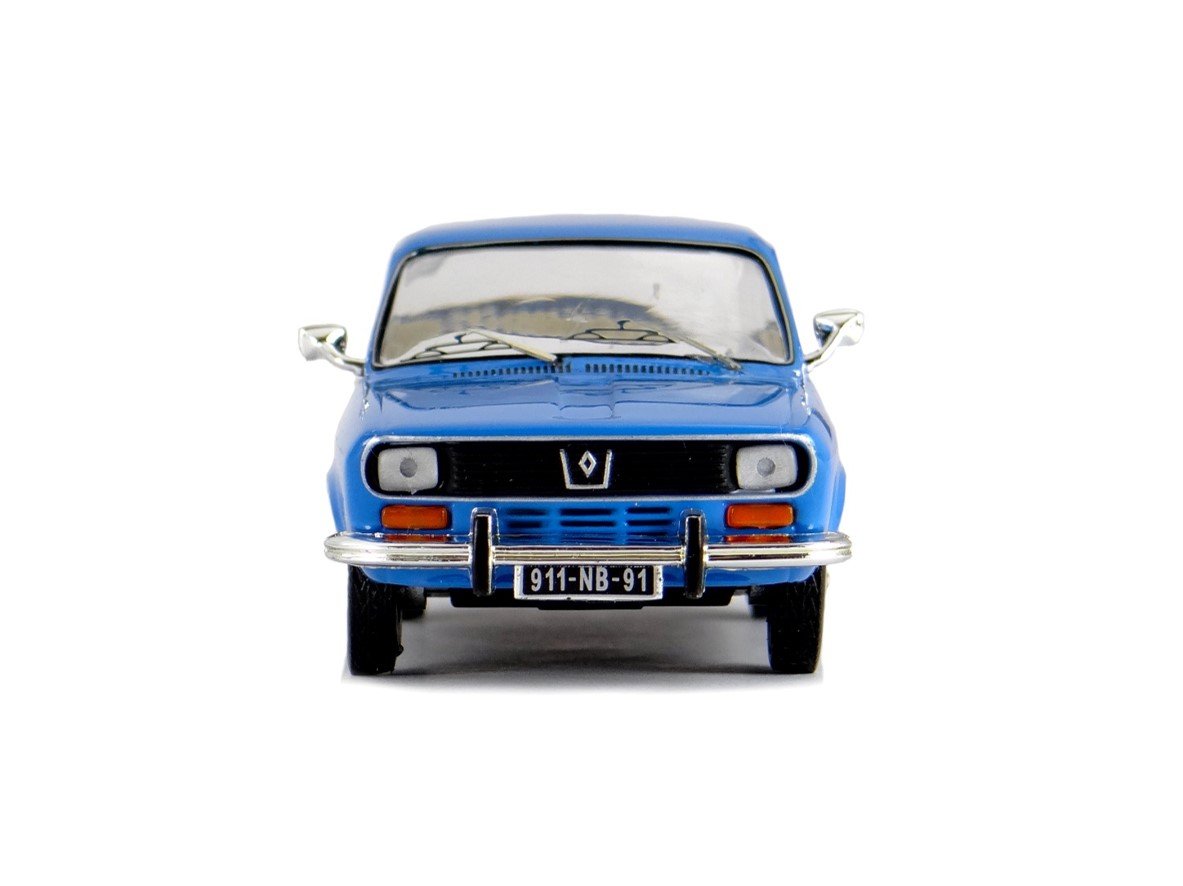
W pogoni za stonowanym wyglądem dla mas i łatwością w homolgacji, Renault słusznie zrezygnowało też z wątpliwej urody wynalazku forsowangeo w trakcie prac rozwojowych, w postaci trzech osobnych reflektorów. Szczęśliwie i rozsądnie wygrał klasyczny układ dwóch przednich świateł.
Racjonalna inżynieria
Mechanicznie, Renault 12 stworzono tak, by idealnie odpowiadał założeniom ekonomiki i trwałości. Francuzi zaprojektowali do niego wprawdzie zupełnie nową płytę podłogową, ale wykorzystali też wiele części z już istniejących modeli. To zapewniało nie tylko niższe koszty, ale też sprawdzoną niezawodność i łatwość napraw.
Nowa platoforma oznaczała zmianę napędu z tylnych na przednie koła, tak jak w pozostałych nowych Renault. W przeciwieństwie do nich jednak, inżynierowie umieścili silnk wzdłużnie przed przednią osią, by zwiększyć ilość miejsca w kabinie.
Sam silnik z kolei, był starym dobrym znajomym. Żeliwna, czterocylindrowa jednostka Cléon-Fonte pojawiła się bowiem już w 1962 roku w modelach 8 i 10. W Renault 12 powiększono jednak jej pojemność do 1289 cm³ i połączono z czterobiegową skrzynią biegów z Renault 16. Poskutkowało do umieszczeniem drążka zmiany biegów “normalnie” między siedzeniami, choć już dźwignia hamulca ręcznego znajdowała się pod deską rozdzielczą (zmieniło się to w 1972 roku, kiedy powędrowała między przednie siedzenia).
Układ hamulcowy i zawieszenie Renault 12 miało już własne. W przeciwieństwie do pozostałych modeli Renault z niezależnym zawieszeniem wszystkich osi, z tyłu 12 korzystało z prostej belki. Inżynierowie postanowili też wykorzystać hamulce bębnowe przy tylnej osi (poprzednik korzystał z tarczowych). Wszystkie wybory były podyktowane jednym – maksymalną prostotą i obniżeniem ceny. Choć na zachodzie auto było za to często krytykowane, w biedniejszych, rozwijających się państw nikt nie zawracał sobie tym głowy.
Udany projekt
Renault 12 debiutowało w październiku 1969 roku podczas salonu samochodowego w Paryżu i niedługo potem trafiło do sprzedaży. Auto było chwalone za przestronną kabinę i wygodne fotele oraz konkurencyjną cenę. Na tle ówczesnych konkurentów, auto wyróżniało się też nowoczesnym i dynamicznym wyglądem. Zarówno prasa jak i opinia publiczna chwalili R12.
Początkowo Renault oferowało 12 tylko jako sedana w dwóch wersjach wyposażeniowych: L (Luxe) i TL (Tourisme Luxe). Oferta się jednak systematycznie powiększała. W 1970 roku do oferty dołączyła odmiana kombi Break a w 1971 roku sportowa wersja Gordini z silnikiem 1565 cm³. W 1972 roku Renault przedstawiło topowe 12 TS (Tourisme Sport) a w roku 1973 12 TR, plasujące się między wersjami TL i TS.
Delikatny lifting Renault 12 przeszło w 1975 roku, zanim w 1978 roku pojawił się następca, czyli Renault 18. Produkcję modelu 12 na rynki europejskie Renault kontynuowało jednak do 1980 roku, choć w bardzo okrojonej gamie.
Światowa kariera
Zgodnie z pierwotnym planem Renault, 12 było prawdziwie światowym samochodem. Wytwarzano je w kilku krajach na pięciu kontynentach; w Argentynie, Australii, Belgii, Chile, Hiszpanii, Kanadzie, Kolumbii, Maroku, Meksyku, Nowej Zelandii, Portugalii, Turcji i Wenezueli.
Najciekawiej historia Renault 12 potoczyła się natomiast w Brazylii i Rumunii. Choć docierały tam pojedyncze sztuki tego auta, prawdziwy sukces na tamtejszych rynkach osiągnęły jego pochodne.
W Rumunii i przy okazji większości krajów bloku wschodniego, Renault 12 jest oczywiście znane jako Dacia 1300/1310 i jej niezliczone odmiany. Produkowane, w zależności od wersji, aż do 2006 roku (!), stanowiły częsty widok na drogach, pomimo fatalnej opinii o ich jakości.
Mniej znana jest jednak historia brazylijska. W Brazylii Renault 12 funkcjonowało bowiem jako…Ford Corcel a potem – Del Rey. Wynikało to z tego, iż część prac nad Projektem 117 Renault przeprowadzało w fabryce Willys Overland do Brasil, dostosowując nowe auto do brazylijskich realiów. Niedługo potem, fabrykę i prawa do produkcji samochodu kupił brazylijski oddział Forda. Technicznie identyczny i wizualnie podobny do Renault 12 (szczególnie w wersji kombi), Ford Corcel trafił do sprzedaży w 1968 roku, czyli jeszcze na rok przed swoim francuskim kuzynem.
To tylko pokazuje sukces Renault 12 jako projektu samochodu “dla świata”. Nie sposób nawet dokładnie policzyć ile sztuk wyprodukowano. Możemy szacować, że fabryki opuściło od 2 do ponad 4 milionów sztuk w zależności od sposobu liczenia.
O miniaturze – Renault 12
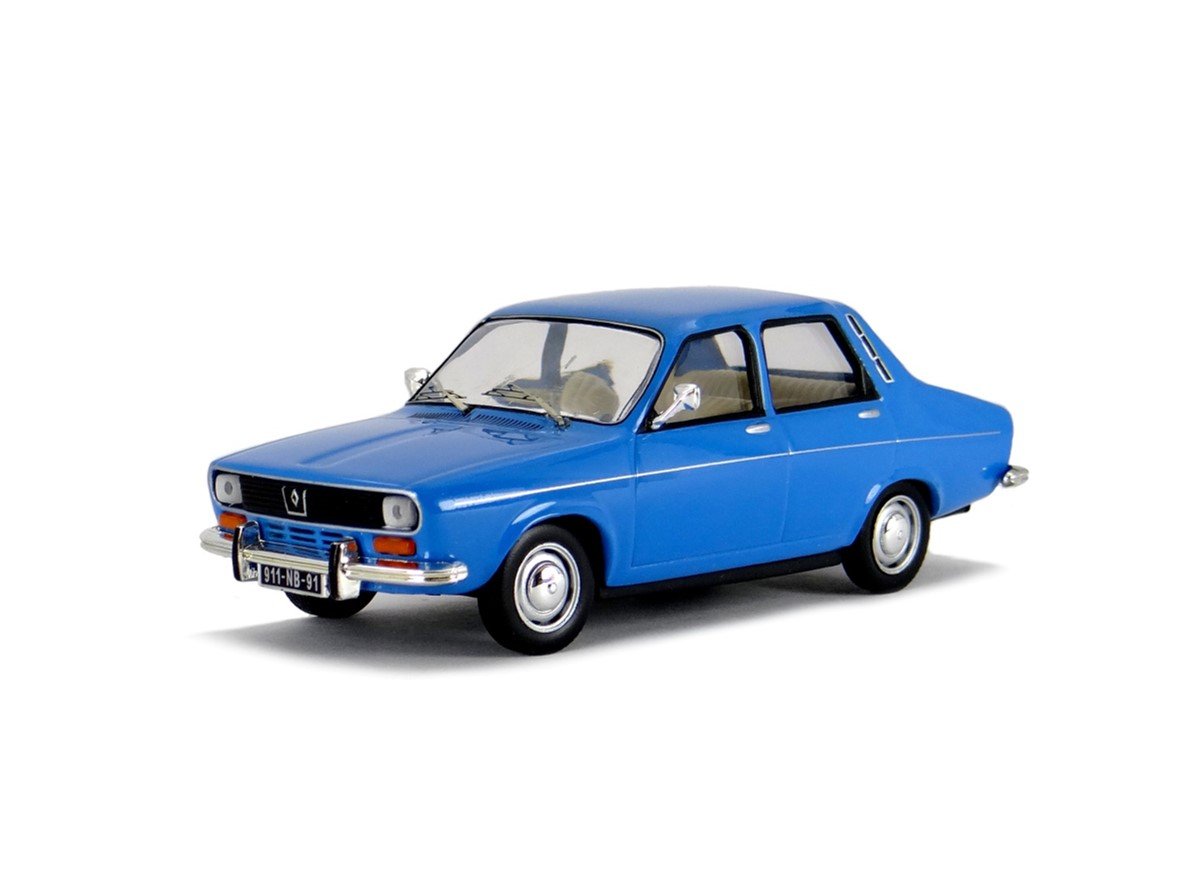
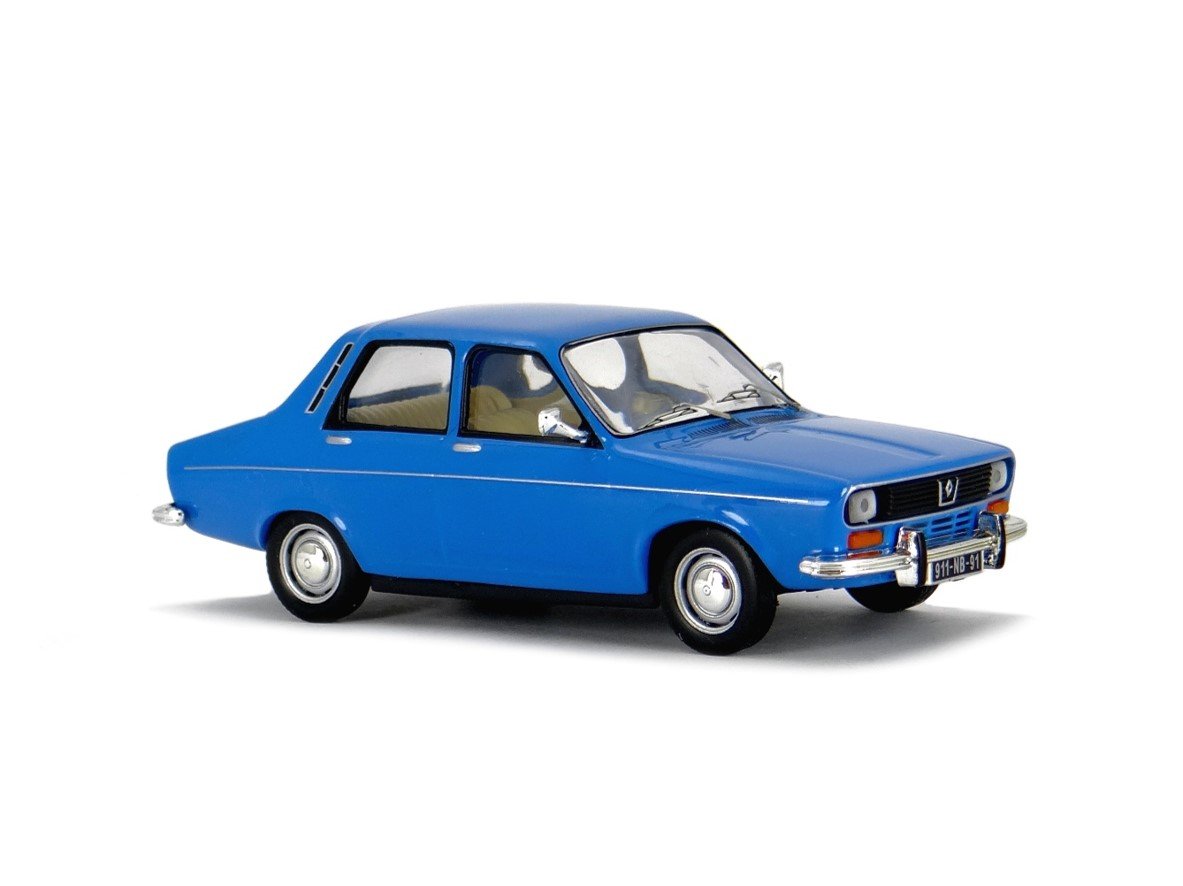
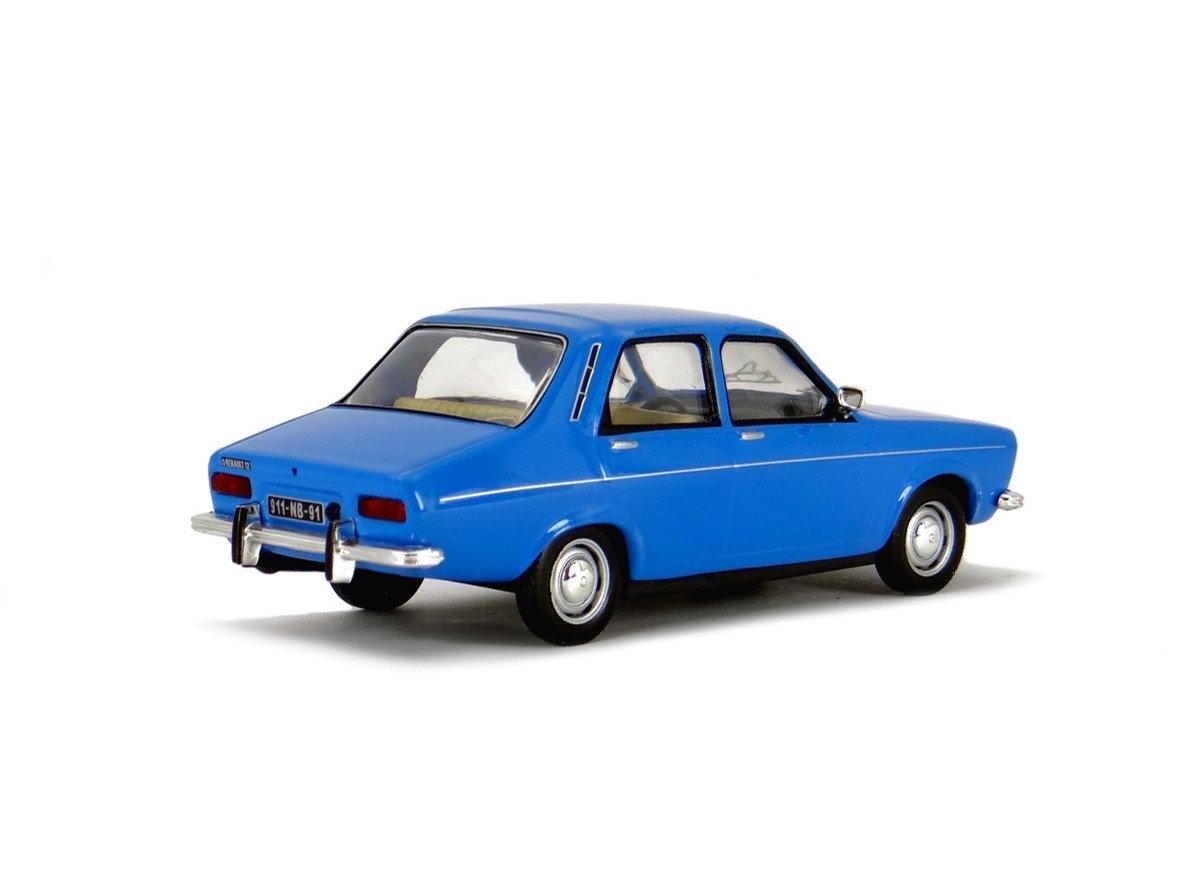
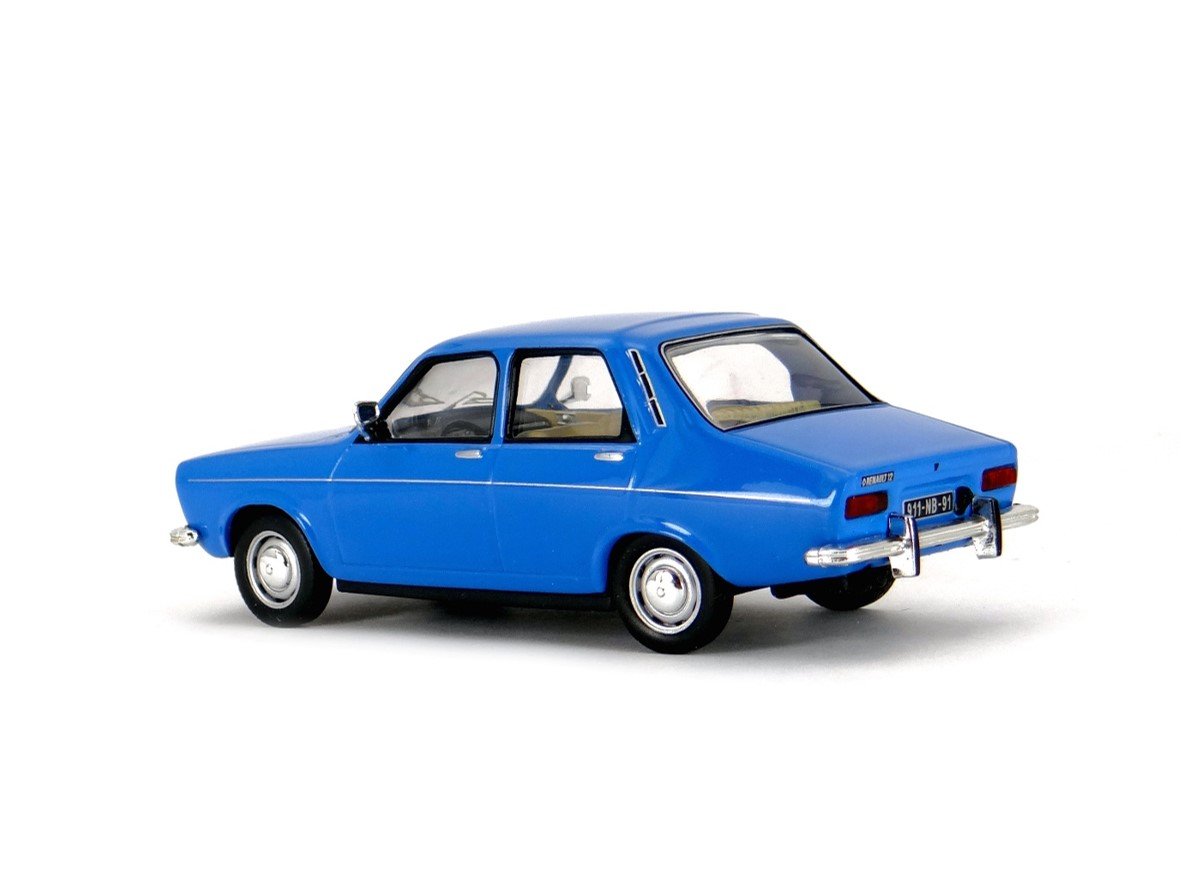
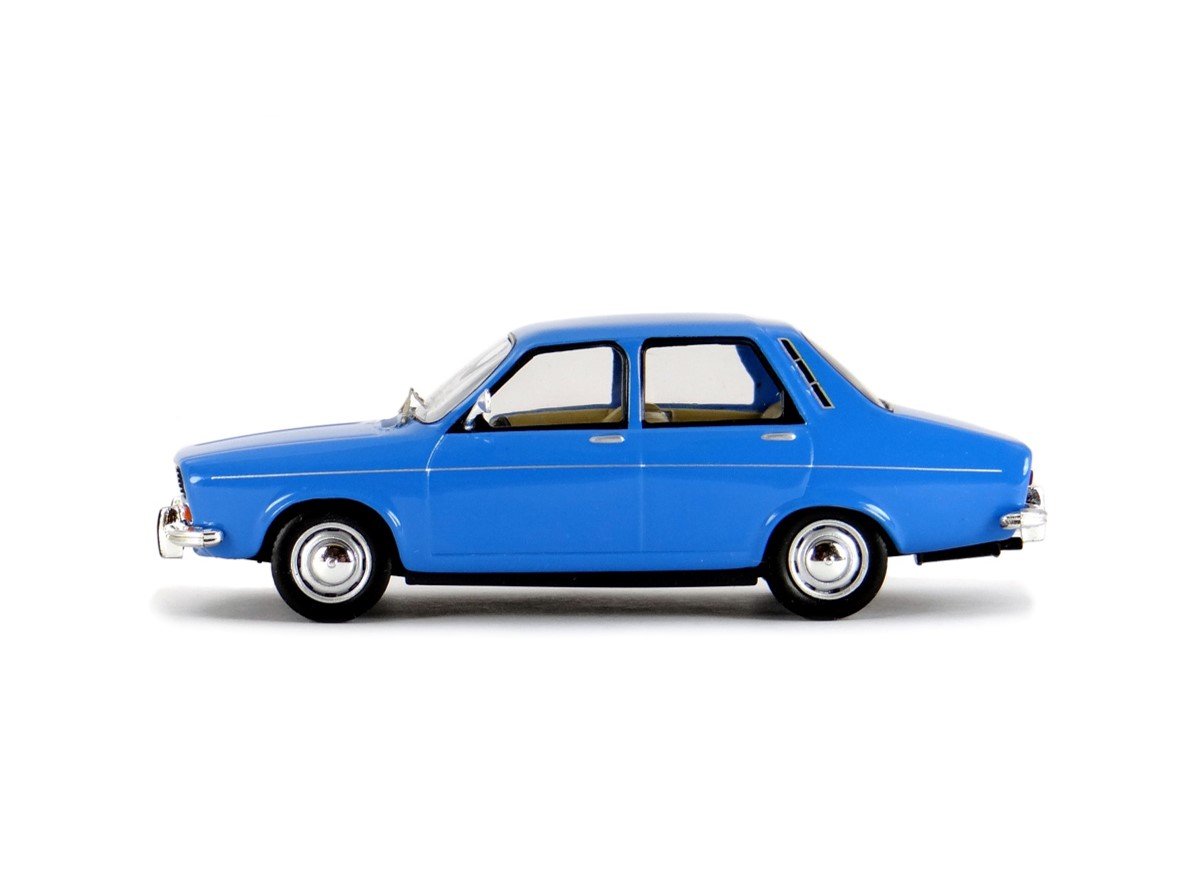
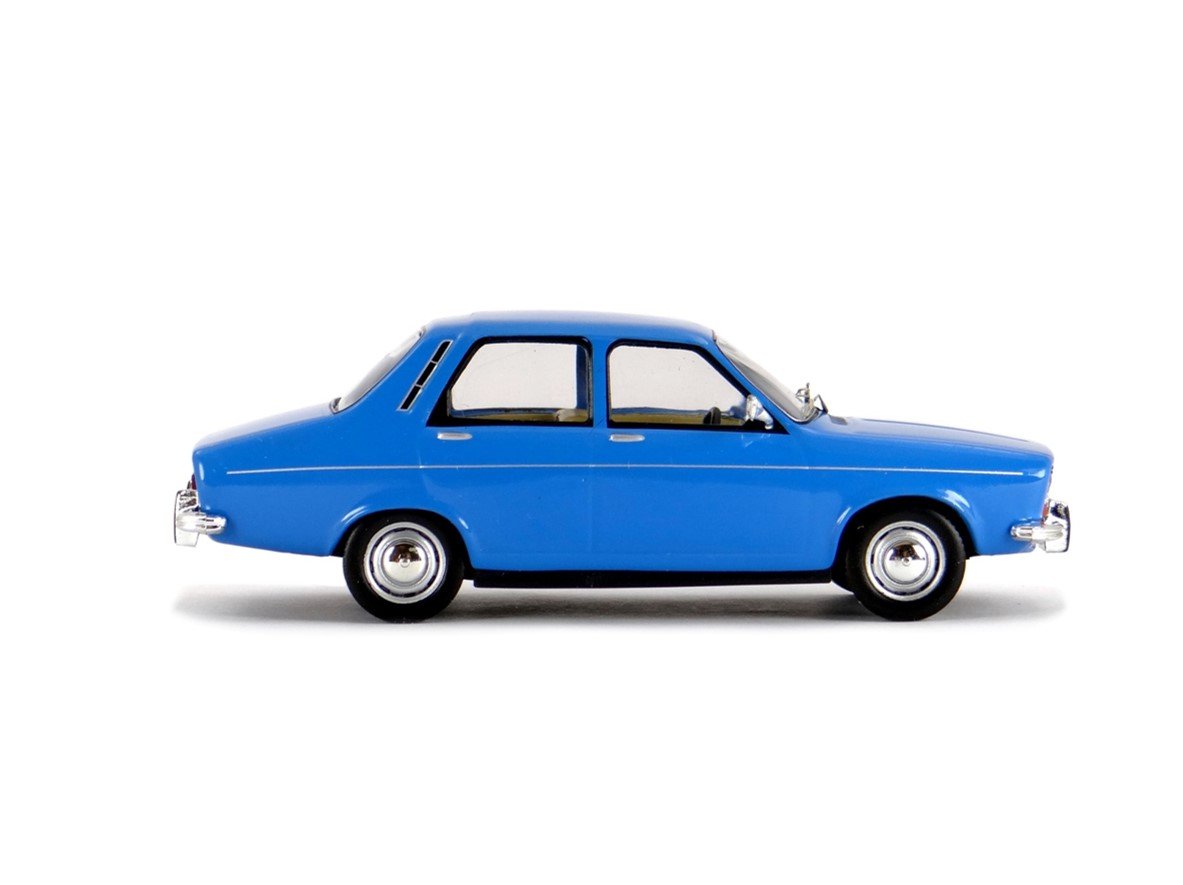
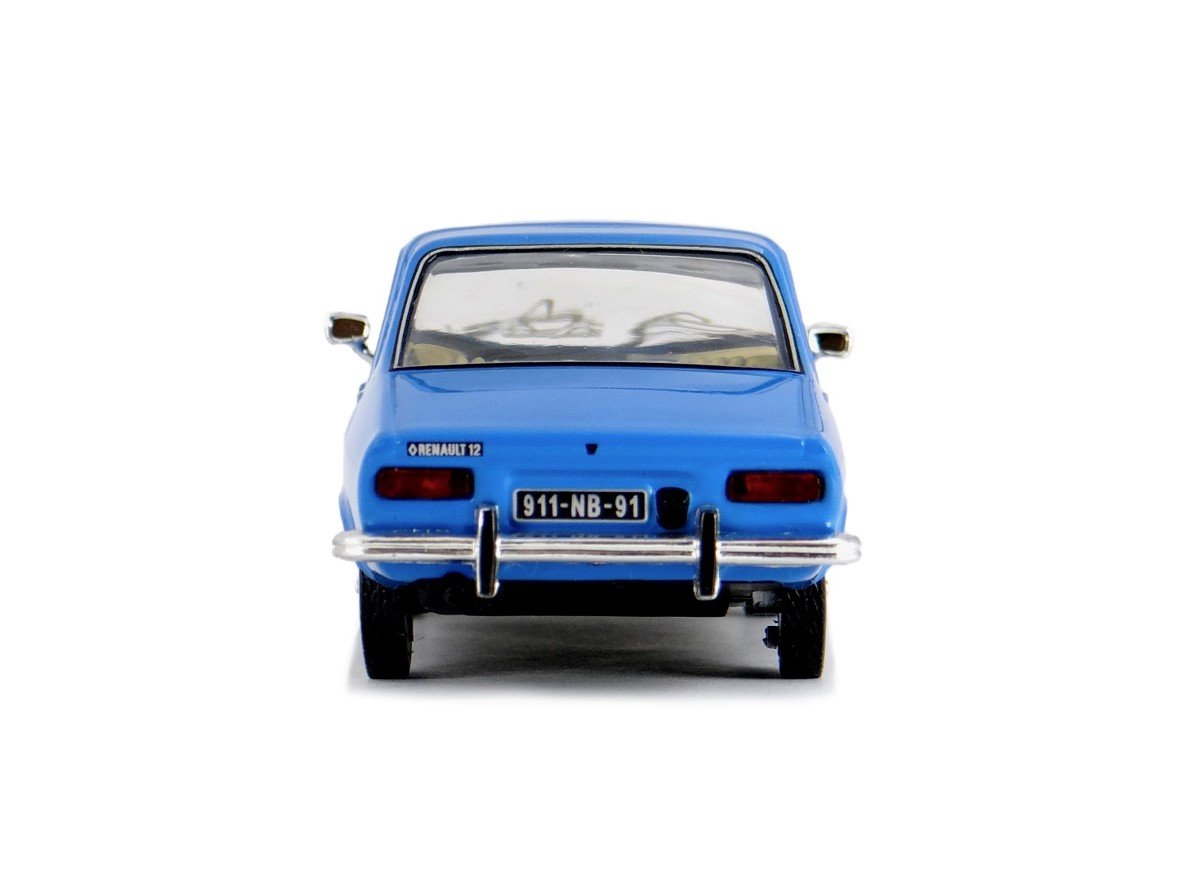
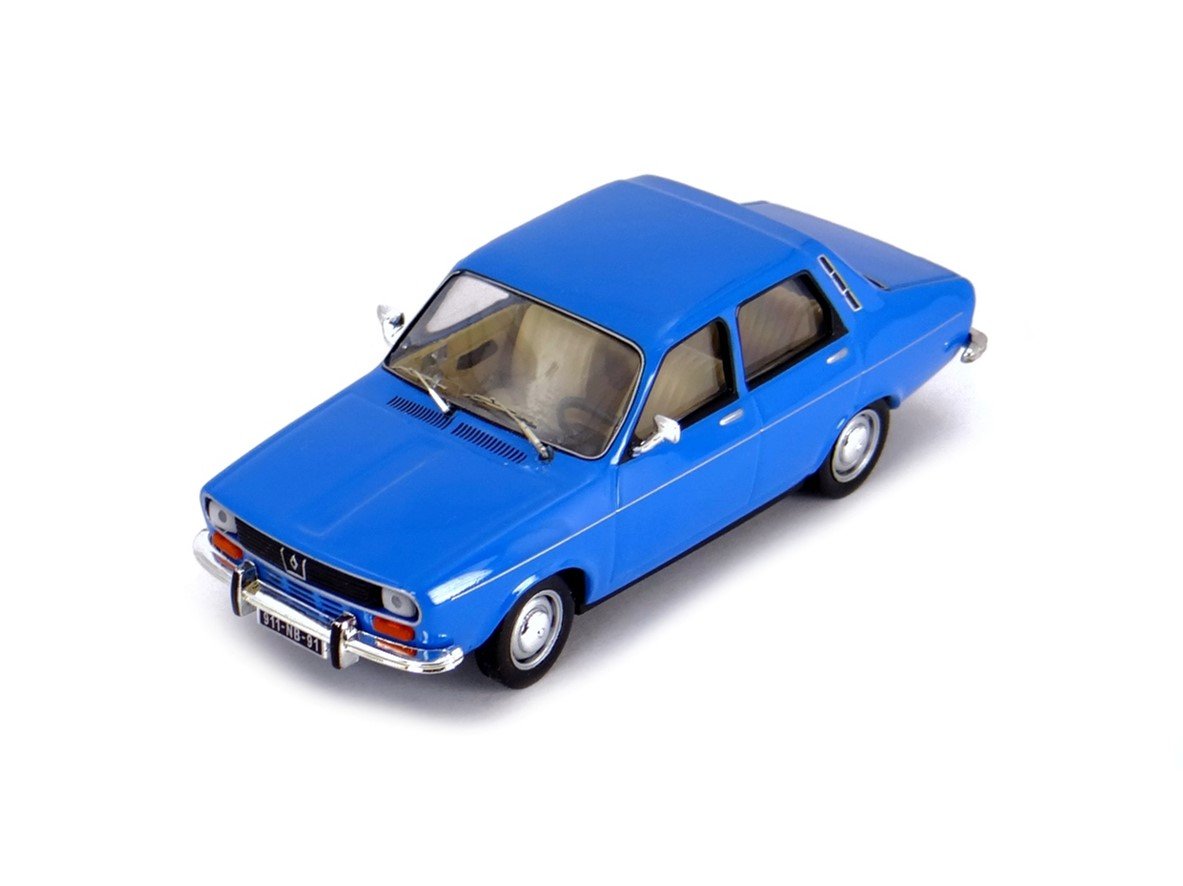
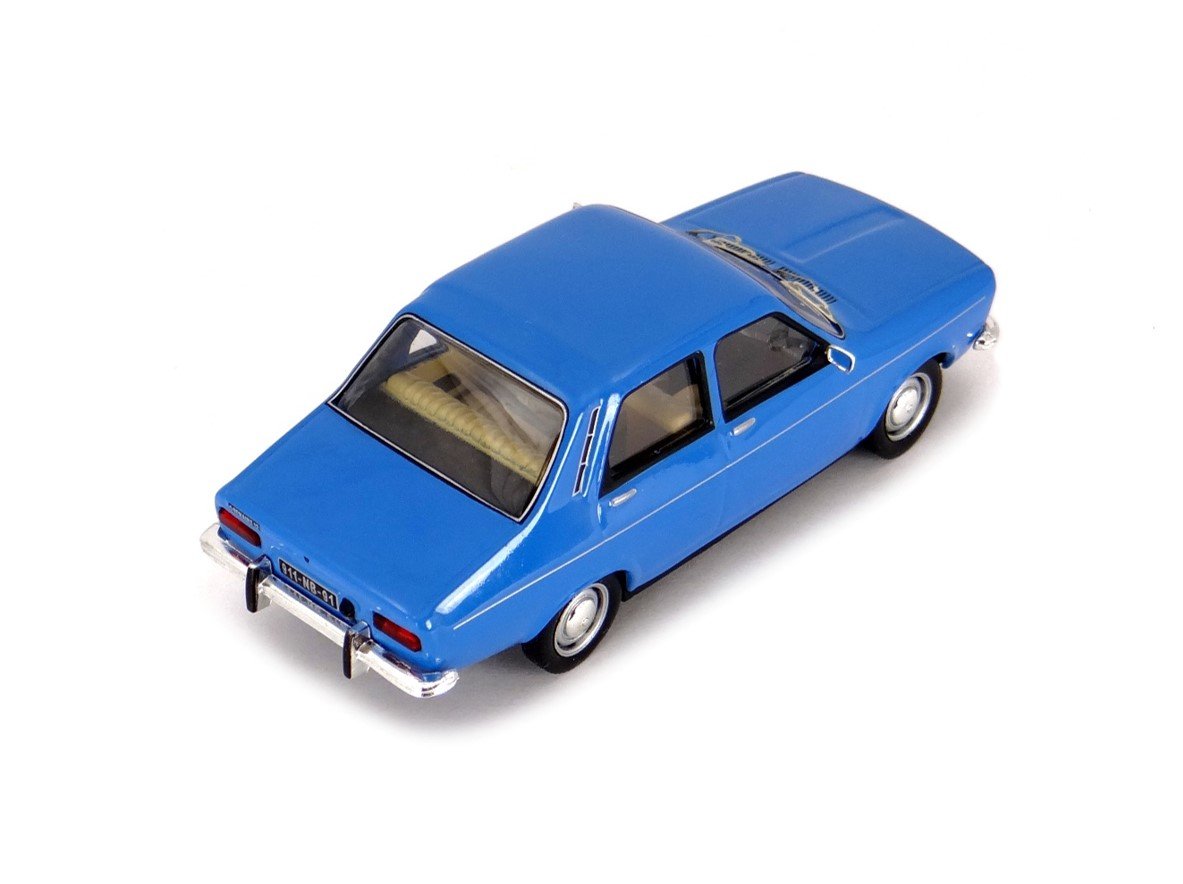
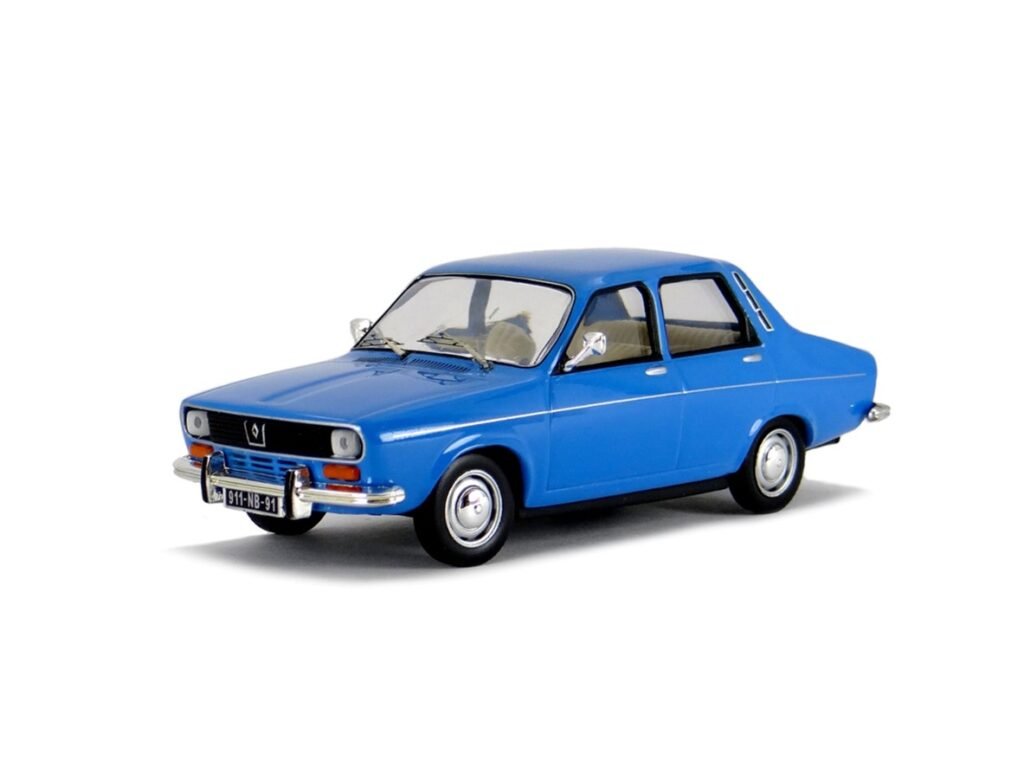
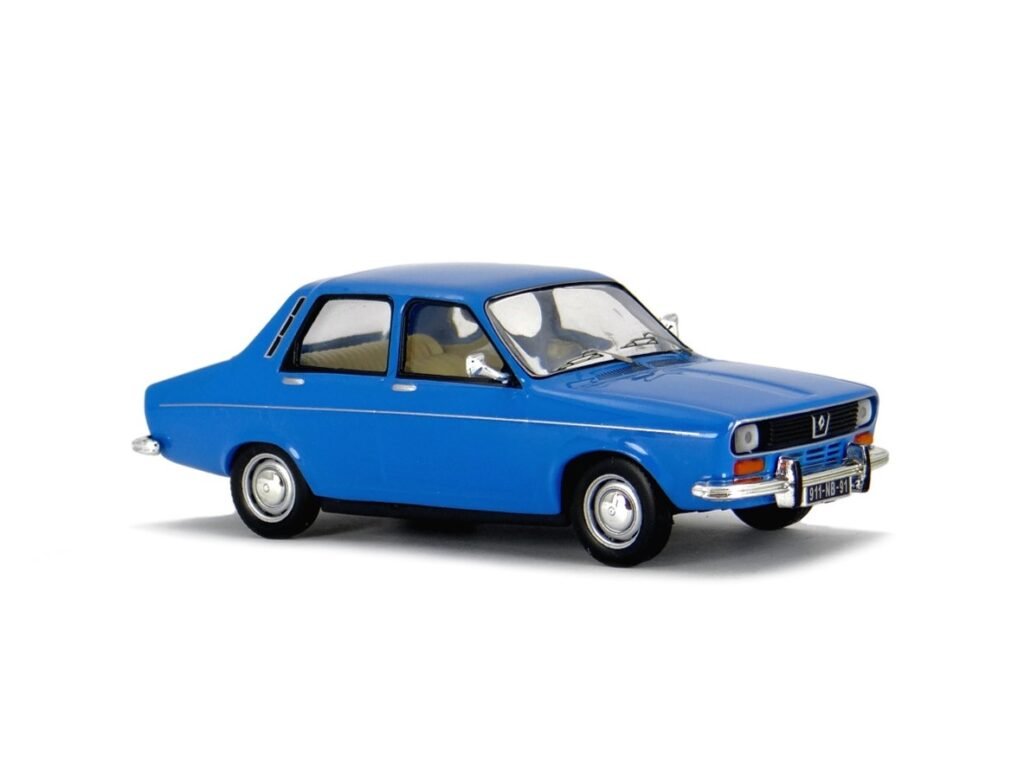
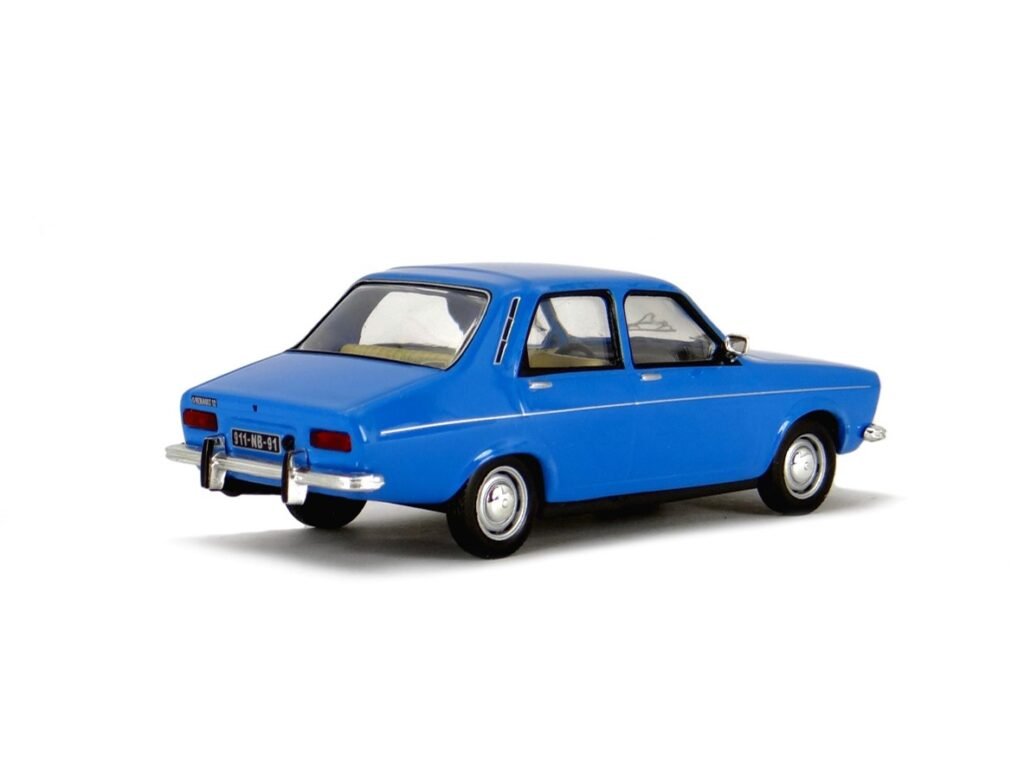
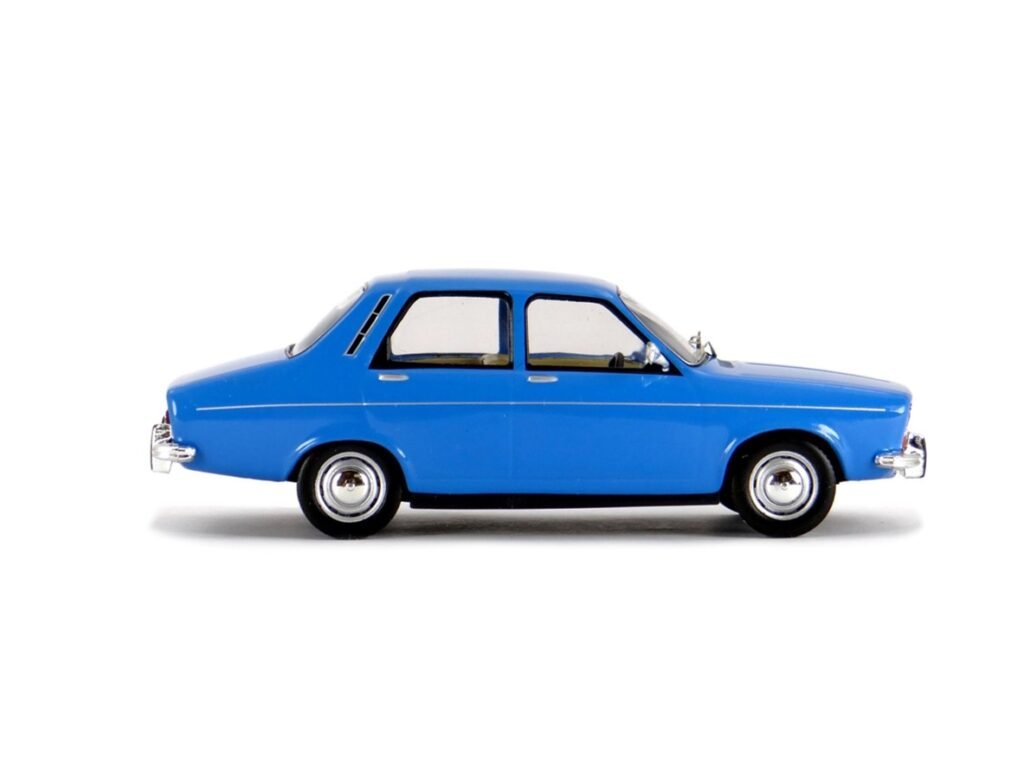
Niebieski model Renault 12 w skali 1/43 pochodzi z jednej z pierwszych, popularnych serii gazetowych wydawnictwa Altaya. To już absolutna klasyka gatunku, ale pomimo wielu lat, odlew IXO/PCT nadal trzyma poziom.
Model wygląda dobrze, tak samo jest z poziomem odwzorowania detali. Jedynym większym minusem jest gruba warstwa lakieru i grube wycieraczki. Wycieraczki postanowiłem wymienić na fototrawione i przyznam, że dzięki nim model wygląda o wiele lepiej.
Zapraszam do oglądania galerii oraz oczywiście do odwiedzania MiniAutomobili na Facebooku i Instagramie!
*** ENGLISH ***
The 1969 Renault 12 was the brand’s first intended “world car”. The design brief of simple mechanicals, spacious interior and affordability, unsurprisingly paved way for international success.
Of course, someone will come and say “Hold on a minute, the Renault 4 achieved success first!”. And they would have a point. The R4, launched in 1961, did in fact go on to achieve extraordinary popularity around the world, becoming a true automotive icon. However, that success was somewhat incidental, because the car was designed primarily with the French market in mind. The Renault 12 meanwhile was a totally different affair, being designed from the outset as a world car. That worked out well for the French brand, because although the Renault 12 never reached the legendary status of the R4, it quickly proved to be a commercial hit.
Satisfying the world
The Renault 12 began life in 1964 as Project 117. The new car was intended to sit in Renault’s range between the ageing Renault 8 and 10 models — which it eventually replaced — and the flagship R16, which was still under development at the time. Renault also wanted to establish a stronger presence in international markets, which shaped most of the Project 117 brief. The new model needed to be economical and robust, yet simple enough mechanically to be built in factories around the world. Is body meanwhile, had to provide maximum interior space and luggage capacity, while also providing a flexible platform from which a range of derivatives could be developed to suit the needs of different markets.
The designers’ starting point was the 1963 Ligne Flèche prototype coupé, based on the Renault 4. The Renault 12’s distinctive wedge-shaped profile with its rising roofline, comes directly from it. The designers decided to apply this modern form to a classic sedan body, which allowed it to appeal to a much wider audience.
In the pursuit of a restrained design suitable for the mass market and easier homologation processes, Renault also wisely abandoned a rather questionable styling choice pushed through during development: a front end with three individual headlights. Fortunately and sensibly, the classic arrangement of two headlights prevailed.
Sensible engineering
Mechanically, the Renault 12 was designed to perfectly match the principles of economy and durability. Although the French engineers created an entirely new platform for it, they also made extensive use of components from existing models. This not only kept costs down, but also provided proven reliability and made repairs easier.
The new platform brought a switch from rear-wheel drive to front-wheel drive, just like Renault’s other new models. Unlike those cars, however, the engineers mounted the engine longitudinally ahead of the front axle in order to maximise cabin space.
The engine itself meanwhile, was a good, old friend. The cast-iron, four-cylinder Cléon-Fonte unit had already appeared in the Renault 8 and 10 models back in 1962. For the Renault 12, however, its displacement was increased to 1,289 cc and it was paired with the four-speed gearbox from the Renault 16. This resulted in the gear lever being placed in the “normal” position between the seats, although the handbrake lever was still located beneath the dashboard (this changed in 1972, when it was moved between the front seats).
The Renault 12 got its own suspension and breaking systems however. Unlike Renault’s other models, which featured independent suspension on all four wheels, the 12 used a simple torsion beam arrangement at the rear. The engineers also opted for rear drum brakes, despite the fact that its predecessor had used discs. All the choices came down to one priority – maximum simplicity and minimal price. Although this approach was frequently criticised in the Western markets, nobody bat an eye in the poorer, developing countries.
A good design
The Renault 12 made its debut in October 1969 at the Paris Motor Show and went on sale shortly afterwards. The car was praised for its spacious cabin, comfortable seats and competitive pricing. Compared with its rivals at the time, it also stood out thanks to its modern and dynamic styling. Both the press and general public praised the R12.
Initially, Renault offered the 12 only as a sedan in two trim levels: L (Luxe) and TL (Tourisme Luxe). However, the range was gradually expanded. In 1970 the estate, the Break, was added to the lineup and in 1971 the sporty Gordini version was introduced, featuring a 1,565 cm³ engine. In 1972, Renault presented the range-topping 12 TS (Tourisme Sport) and in 1973 the 12 TR was introduced, positioned between the TL and TS models.
The Renault 12 received a minor facelift in 1975, before its successor, the Renault 18, appeared in 1978. Nevertheless, Renault continued production of the 12 for European markets until 1980, although with a significantly reduced range of models.
Worldwide career
As Renault had originally intended, the 12 became a genuinely international car. It was built in several countries on five continents, including Argentina, Australia, Belgium, Chile, Canada, Colombia, Mexico, Morocco, New Zealand, Portugal, Spain, Turkey and Venezuela.
The Renault 12 story took the most interesting turn in Brazil and Romania however. Although a few examples of the original car did make their way there, was its derivatives that achieved real success in those countries.
In Romania, and indeed in most Eastern Bloc countries, the Renault 12 is best known as the Dacia 1300/1310 and its countless variants. Produced, depending on the version, until as late as 2006 (!), they remained a common sight on the roads despite their poor reputation for quality.
Far less familiar, however, is the Brazilian chapter of the Renault 12’s story. In Brazil, the Renault 12 existed as the…Ford Corcel and later, Del Ray. The reason dates back to Project 117, part of which Renault developed at the Willys Overland do Brasil plant while adapting the new model to Brazilian market conditions. Shortly afterwards, the factory and the rights to produce the vehicle were purchased by Ford’s Brazilian subsidiary. Mechanically identical and visually very similar to the Renault 12 (especially in the estate body), the Ford Corcel went on sale in 1968 – a full year before its French cousin.
This only serves as a testament to the success of the Renault 12 as a “world car” project. The exact production figure is difficult, if not impossible, to establish. Estimates suggest that between 2 and more than 4 million examples left the factories, depending on how the figures are counted.
About the miniature – Renault 12
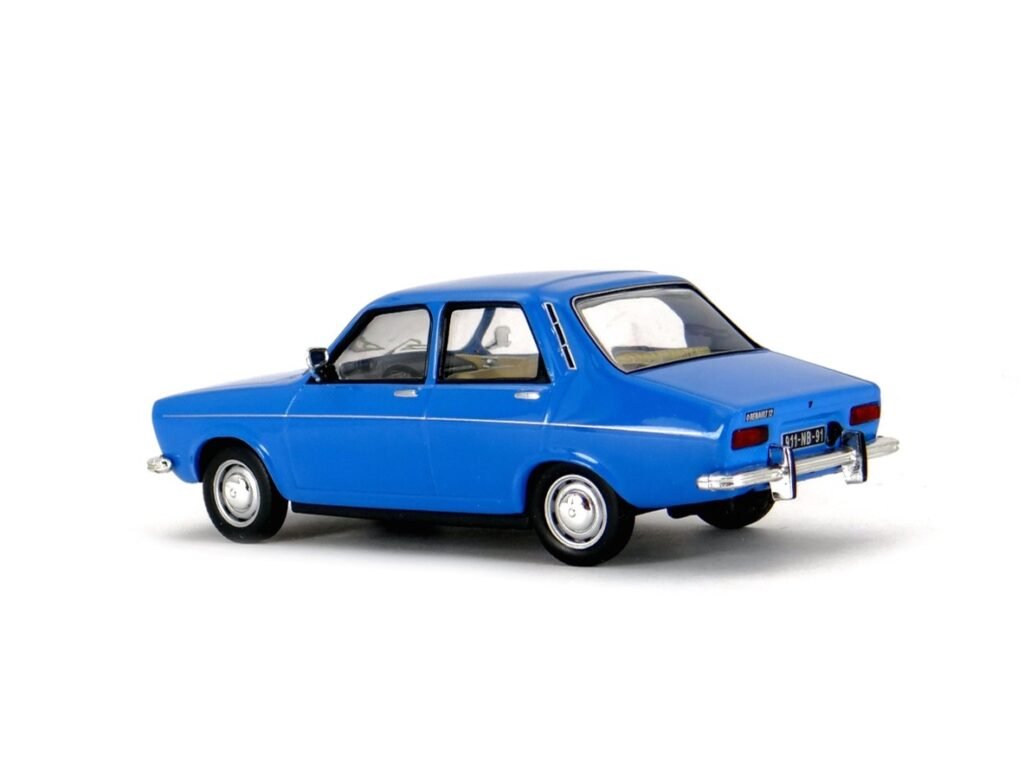
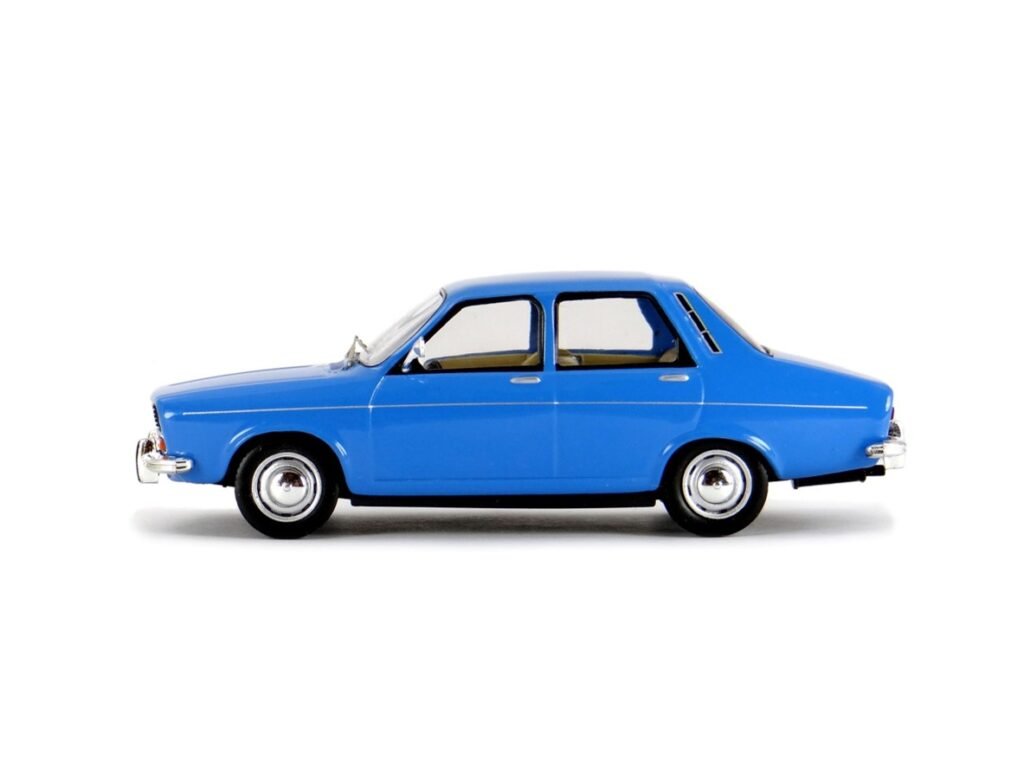
The blue 1:43 scale Renault 12 model comes from one of the early, popular partwork series released by Altaya. It is now an absolute classic, but despite its age, the IXO/PCT casting still holds up well.
The model car looks good and the same goes for the level of detail. The only major drawbacks are the thick layer of paint and the thick windscreen wipers. decided to replace the wipers with photo-etched parts, and I have to admit that they make the model look much better.
Feel free to check out the gallery and of course, visit MiniAutomobile on Facebook and Instagram!