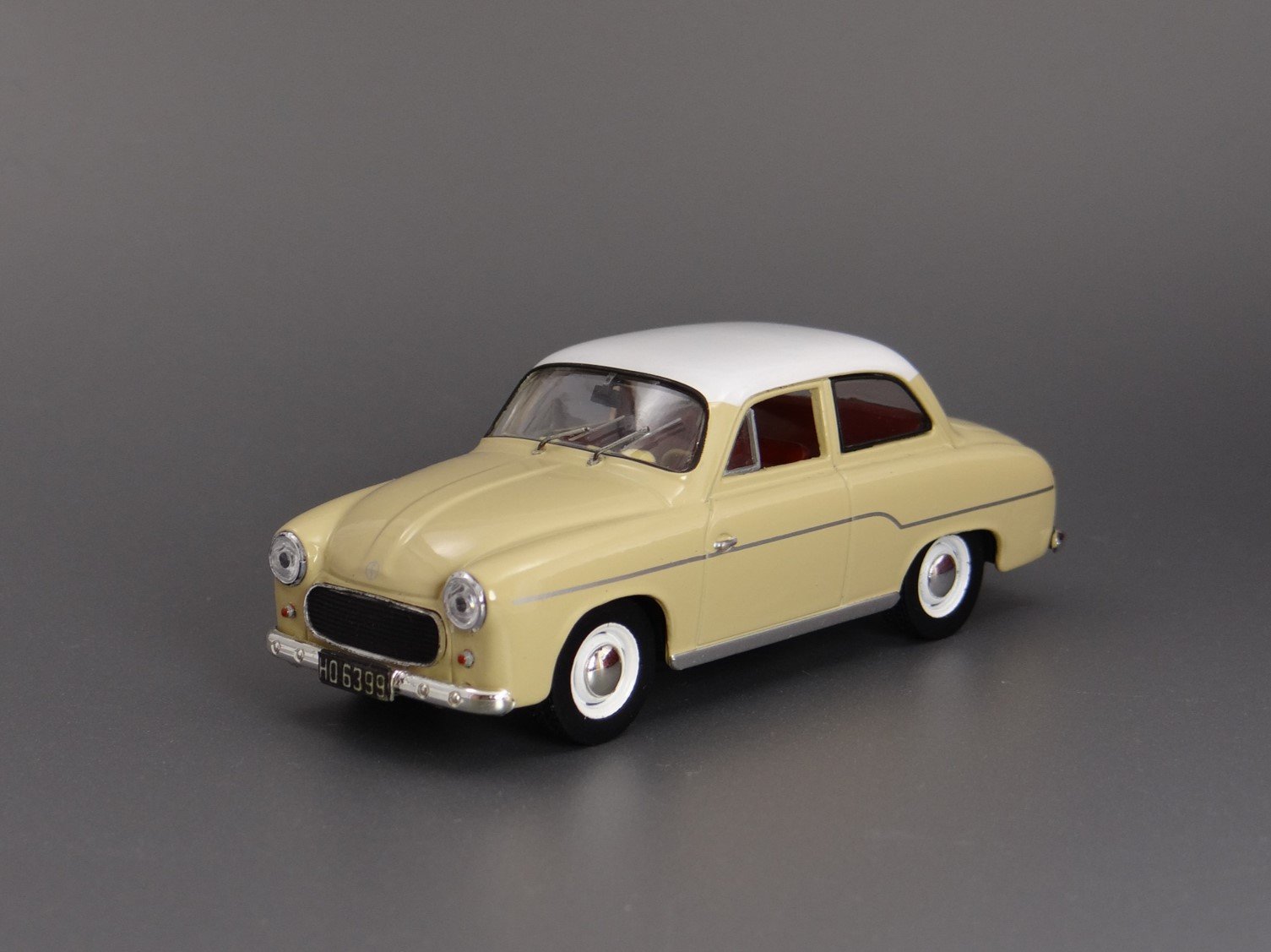

Polonez Caro wprowadzał FSO i całą polską motoryzację w nieznane realia wolnego rynku. Pomimo wielu przeciwności, poradził sobie zaskakująco dobrze. Szybko stał się jednym z symboli Polski lat 90.
Słoneczny dzień, rodzina jest na pikniku na łące a w tle gra wesoła muzyczka. Mama z tatą rozmawiają:
-Polonez za milion czterysta? To niemożliwe!
-Zaraz się przekonasz
Nagle zrywa się porywisty wiatr, zmienia się muzyka a na łące ląduje wojskowy helikopter. Po otwarciu drzwi, wyjeżdża z niego białe Caro. Lektor za chwilę informuje, że samochód można nabyć już za milion czterysta tysięcy złotych miesięcznie.
Tak w pierwszej reklamie FSO pokazywała Polakom swój najnowszy produkt. 15-sekundowe “dzieło” rodzimego marketingu może i zabijało żenadą, ale nie na tyle skutecznie, by odstraszyć kupujących. FSO Polonez Caro sprzedawał się w Polsce jak świeże bułeczki.
Włoski mariaż
Gdy Polonez debiutował w 1978 roku, stanowił dumę zarówno FSO jak i całej polskiej motoryzacji. Nic dziwnego, w końcu było to najlepsze co mogliśmy wtedy zaoferować zarówno sobie jak i światu. Zaprojektowane z włoską pomocą, całkiem nowoczesne nadwozie Poloneza, skrywało jednak przestarzałe podzespoły z Polskiego Fiata 125p. Te z kolei wywodziły się z Fiata 1300/1500, czyli pamiętały jeszcze wczesne lata 60.
FSO doskonale zdawała sobie sprawę, że taka stara konstrukcja rodziła w nowym aucie wiele ograniczeń. Dlatego, gdy podpisywano umowę współpracy z Fiatem, zamieszczono w niej zapis o modernizacji podzespołów i wprowadzeniu nowoczesnych fiatowskich silników. Tak, aby Polonez mógł faktycznie rywalizować z zachodnimi autami.
Niestety, tej części umowy nigdy nie zrealizowano. Inżynierowie FSO zostali więc skazani na własne umiejętności i walkę z peerelowskimi realiami permanentnych braków w zasobach. To przekładało się na minimalne, ale rozwleczone w czasie modyfikacje konstrukcji.
Zmiany na raty
Polonez dość szybko stawał się nieznośnie przestarzały, więc w 1985 roku FSO podjęła decyzję o pierwszej poważnej modernizacji. W Ośrodku Badawczo Rozwojowym FSO w Falenicy, projektanci zaczęli tworzyć makiety nowego auta (szerzej o nich w poprzednim wpisie). Wybitnie skromny budżet po raz kolejny dał o sobie jednak znać. Inżynierowie musieli działać w dość sztywnych ramach a proponowane zmiany trzeba było wprowadzać do Poloneza etapami.
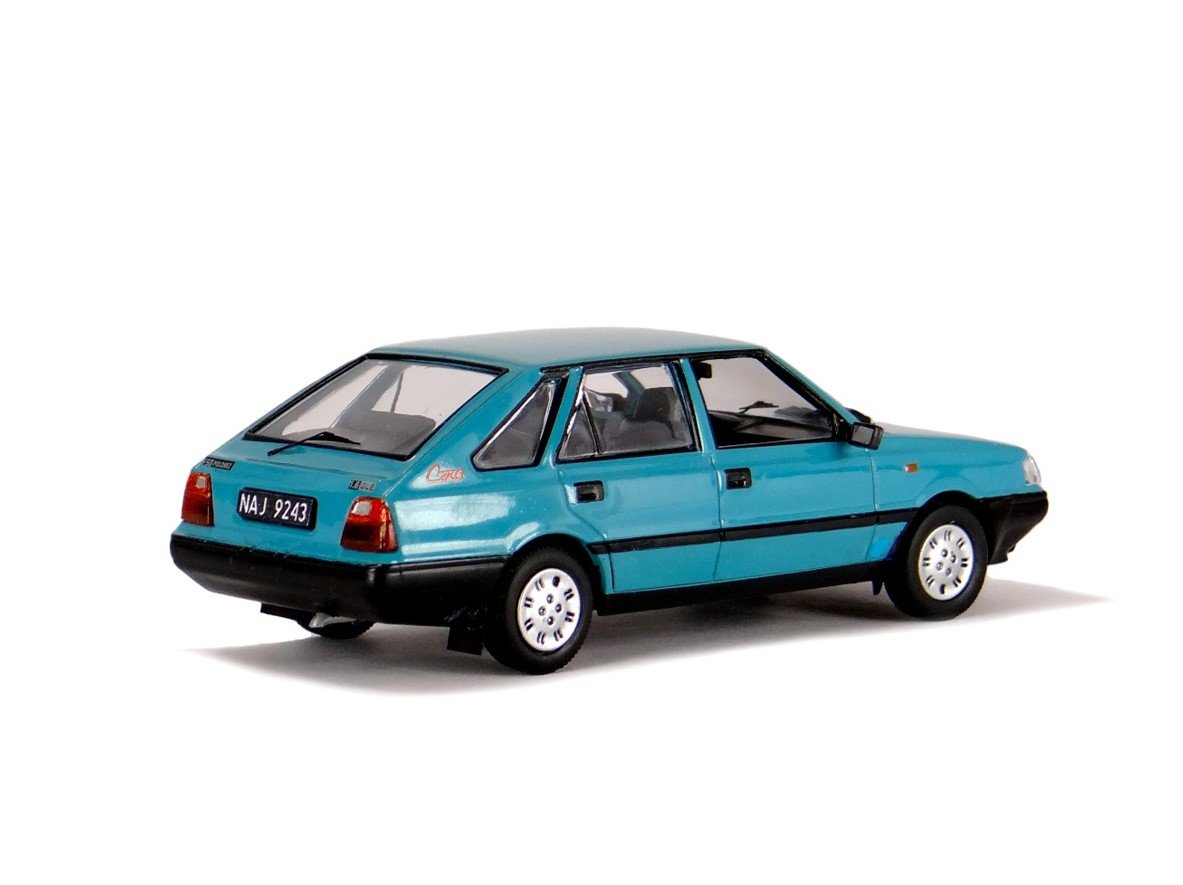
Najpierw, w modelach z roku 1987 (MR’87), dodano boczne okienko w słupku C. Następnym krokiem w kierunku Poloneza Caro był model roku 1989 (MR’89). To w nim pojawiły się trapezoidalne tylne lampy zespolone oraz całkowicie nowa pokrywa bagażnika z obniżonym progiem załadunku. Stąd był już tylko krok do Caro.
Polonez na nowe czasy
Choć większość prac nad autem wykonano w okresie PRL-u, to produkcja i sprzedaż ruszyły już po przemianie ustrojowej – latem 1991 roku. Projektanci FSO zrobili co mogli, aby Polonez Caro prezentował się jakkolwiek nowocześnie, wprowadzając w nim prawie 270 modyfikacji.
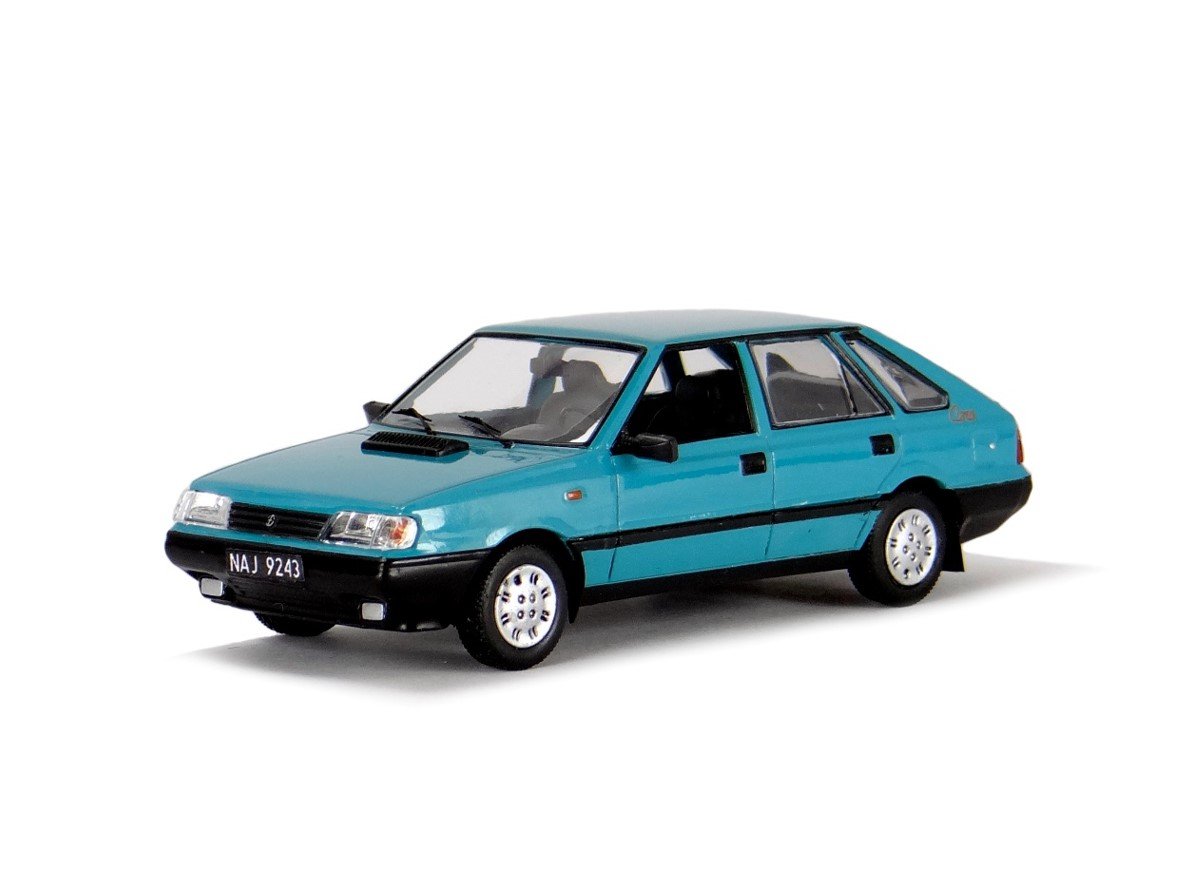
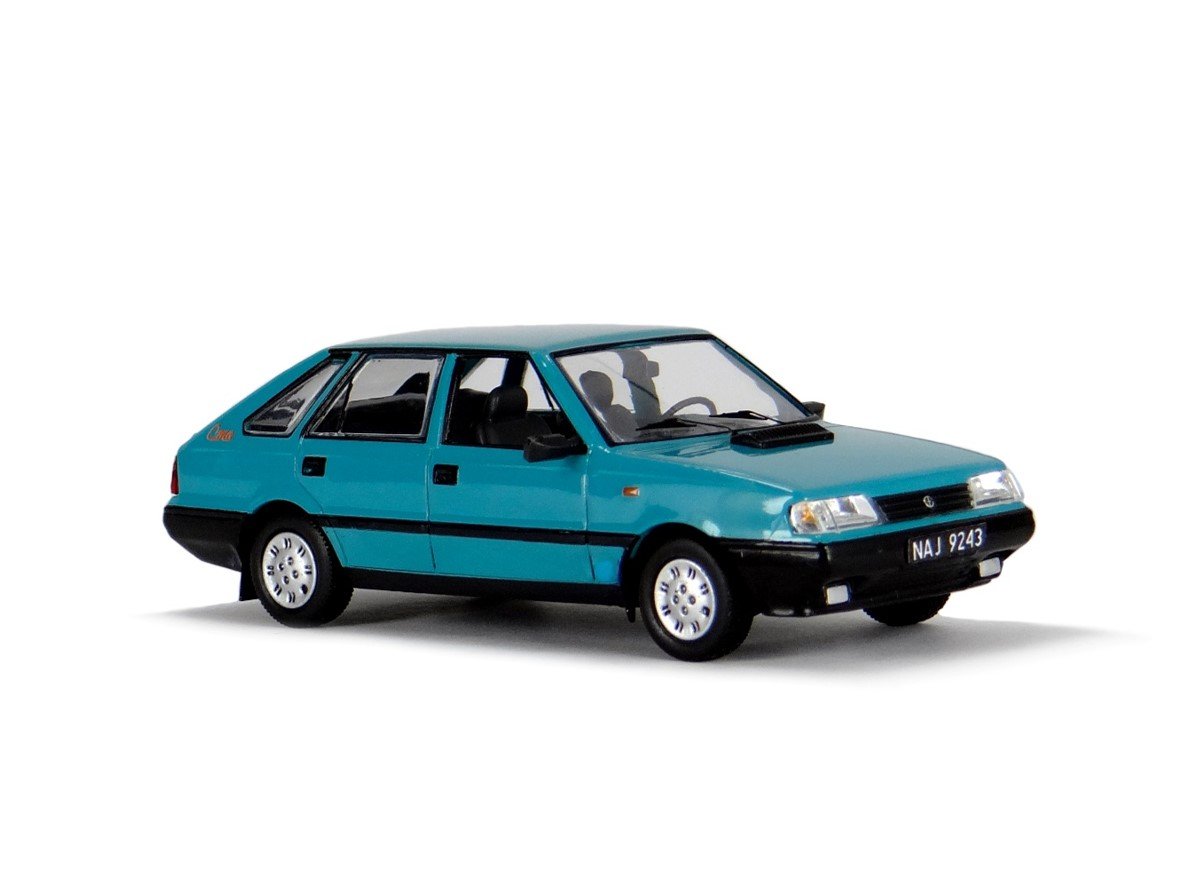
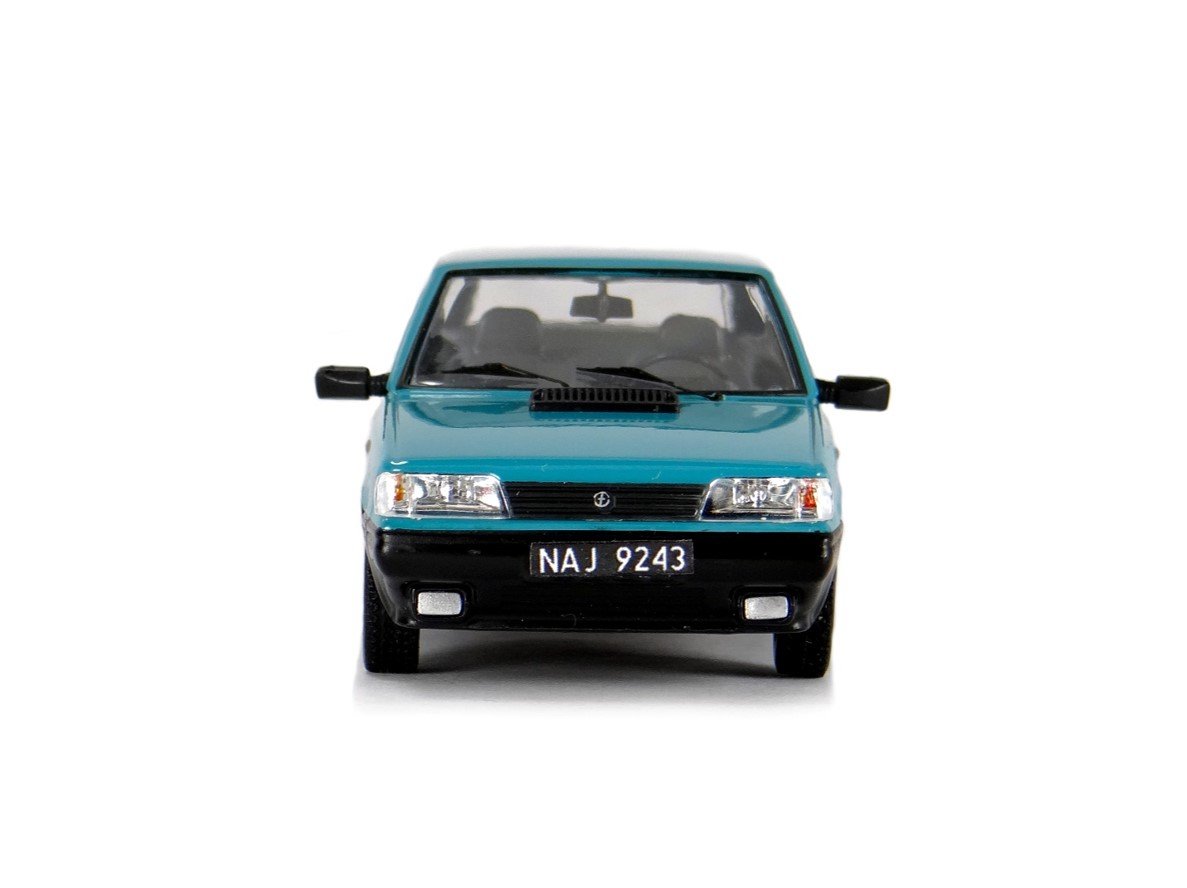
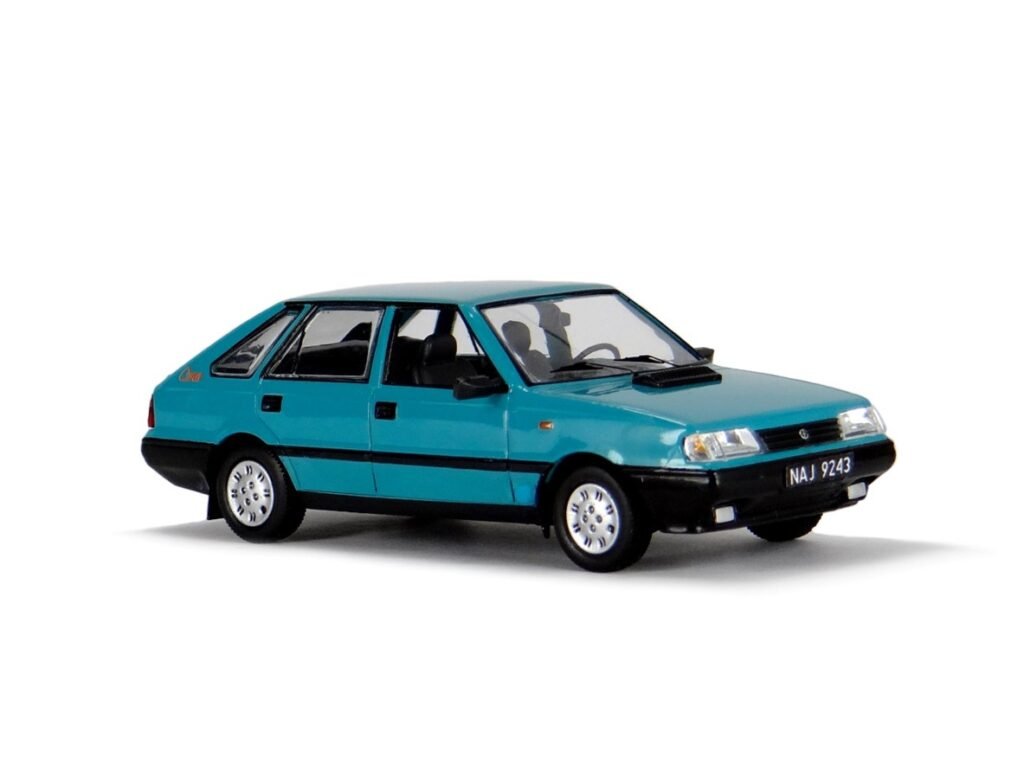
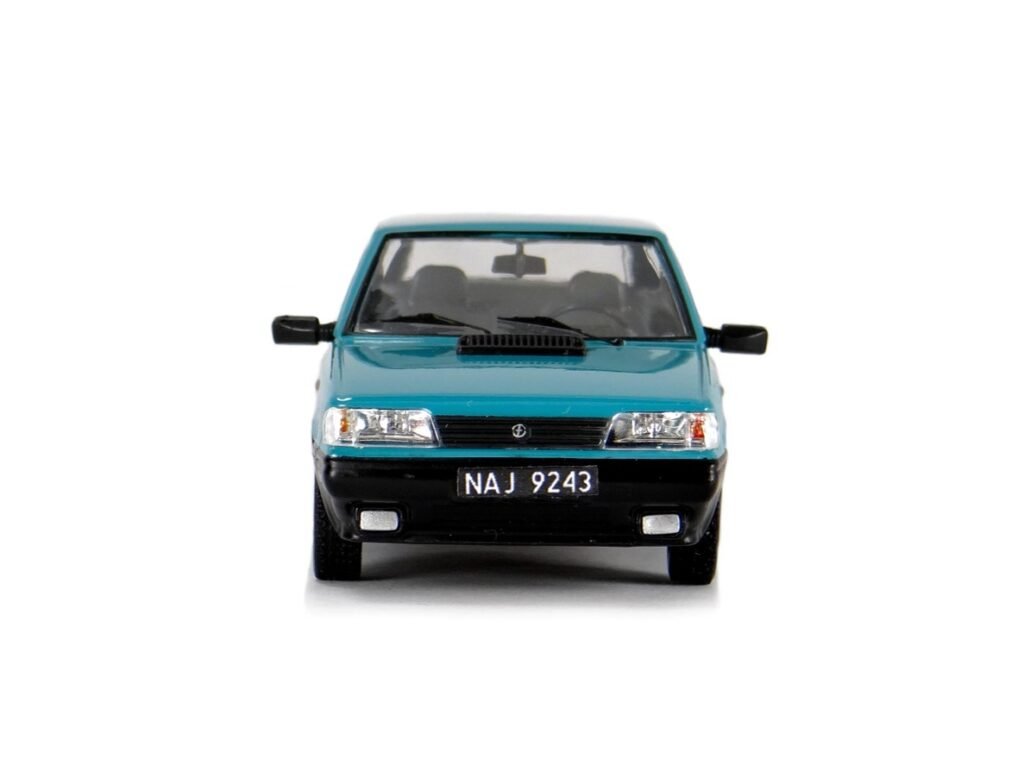
Najbardziej widoczne były oczywiście zmiany stylistyczne, szczególnie w przedniej części nadwozia. Całkowicie nowy przedni pas został obniżony i pochylony do tyłu w porównaniu do poprzednich wersji Poloneza. Radykalnie zmienił się też kształt przednich reflektorów – zamiast okrągłych, pojawiły się prostokątne lampy ze zintegrowanym kierunkowskazem, zachodzące na boki auta. Nowy był również kształt przednich i tylnych zderzaków. Charakterystycznym elementem nadwozia stała się kolorowa naklejka z logo Caro. W środku z kolei uwagę zwracała nowa kierownica i zmodernizowana deska rozdzielcza.
Aby jeszcze mocniej podnieść atrakcyjność Caro, FSO wyposażała go w rzeczy niespotykane dotąd w Polonezie. Klienci mogli doposażyć auto w centralny zamek, klimatyzację, autoalarm, elektrycznie regulowane przednie szyby, aluminiowe felgi, sportowe fotele Inter Groclin, wydajniesze hamulce Lucas czy wspomaganie kierownicy.
Caro zaskakiwało też szeroką gamą silników – w ofercie znalazło się aż dziewięć jednostek napędowych! Od wywodzącego się z PF 125p podstawowego motoru 1481 cm³ OHV w kilku wersjach mocy i zasilania (gaźnik lub wtrysk), przez motor 1598 cm³ OHV, aż po silniki zachodnich producentów. Fordowski 2.0 SOHC (105 KM), pochodzący z Rovera 1.4 16V (103 KM) oraz kultowy, wolnossący diesel 1.9 D (70 KM) XUD koncernu PSA Citroën-Peugeot.
Kolejne modyfikacje
Konstruktorzy FSO nie ustawali w próbach ulepszania Poloneza i w 1993 roku wprowadzili kolejne zmiany. Najważniejszą był zwiększony o 6 cm rozstaw kół, co znacząco poprawiło właściwości jezdne. Te auta zwano potocznie „szerokimi Caro” lub MR’93.
Kilka miesięcy później wprowadzono kolejne zmiany: z maski silnika zniknął plastikowy wlot powietrza, którego rolę przejęło nowe poszybie, zmodernizowano instalację elektryczną, poprawiono wentylację oraz ogrzewanie wnętrza a także zastosowano nowy zestaw wskaźników. Ogólnie, podobnie jak to miało miejsce we wcześniejszych Polonezach, zmiany wprowadzano na bieżąco, bez określania ich jako nowych modeli. Zresztą, nawet po zmianie ustroju w FSO wciąż panował spory bałagan, więc w autach często montowano po prostu to, co akurat było na stanie. Dlatego też modele teoretycznie z tej samej seii, róźniły się od siebie detalami.
Zachodni akord
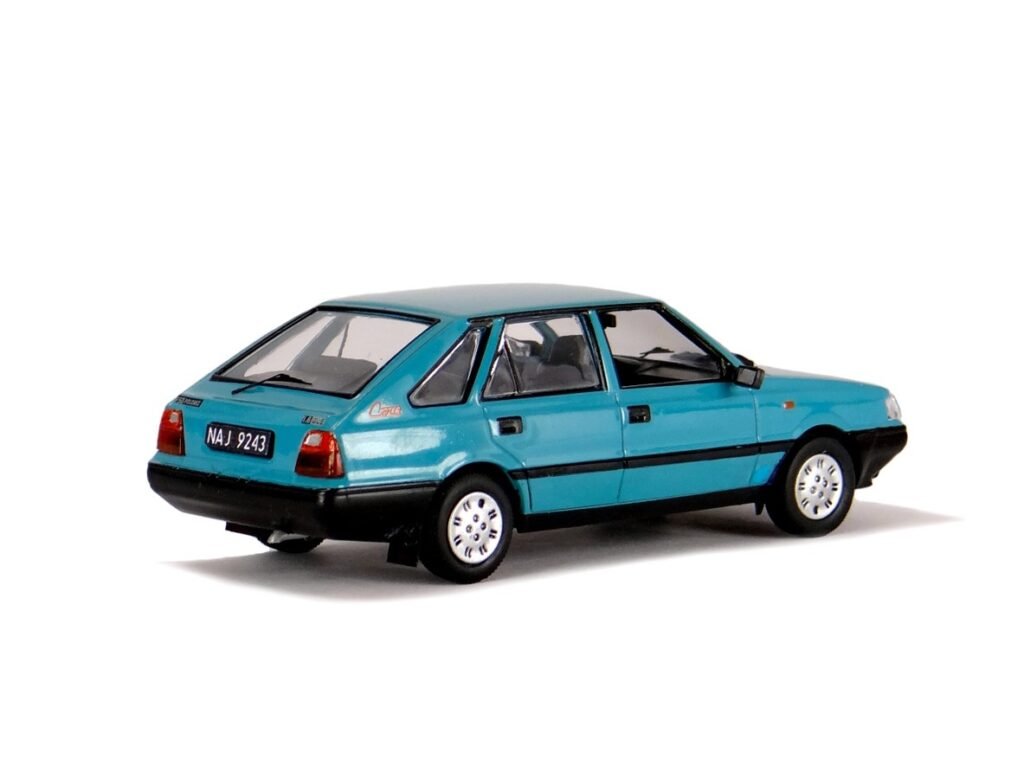
Przy Polonezie Caro w FSO odżyła też ambicja zaistnienia na zachodzie, napędzana dodatkowo zmianami ustrojowymi. Żerańskiej fabryce marzyło się powtórzenie wyników eksportowych Polskiego Fiata 125p. W tym celu, w Przemysłowym Instytucie Motoryzacji przeprowadzono próbę zderzeniową przy prędkości 50 km/h. W teście uczestniczyli obserwatorzy z Instytutu Homologacyjnego UTAC. Wyniki wykazały, że wnętrze kabiny pasażerskiej pozostało nienaruszone, a zastosowane hamulce działały bardzo skutecznie.
Po przeprowadzeniu kolejnych badań Polonez Caro uzyskał od belgijskiego Ministerstwa Transportu certyfikat bezpieczeństwa, który umożliwił jego eksport na rynki zachodnie. Modele eksportowe miały oczywiście, z reguły, o wiele lepsze wyposażenie od tych krajowych. Jednak na zachodnich rynkach i tak walczyły głównie ceną.
W latach 90. miks techniki z lat.60 i 70. na zachodzie już nikgo jednak nie zachwycał, nawet za najniższą cenę. Zagraniczna prasa raczej krytykowała nasze auto, wytykając przestsrzałą technikę, kiepskie prowadzenie i niską jakość. Polonez Caro zagranicznej kariery więc nie zrobił, sprzedając się o wiele gorzej od Polskiego Fiata.
Ikona popkultury
O ile podbój zagranicznych rynków całkowicie FSO nie wyszedł, o tyle w Polsce Polonez Caro okazał się gigantycznym sukcesem. Auto tchnęło nowe życie w FSO, które znajdowało się wtedy w fatalnej sytuacji. Producent sprzedawał rocznie 80 – 100 tys. egzemplarzy, co przez kilka lat czyniło Poloneza Caro najchętniej kupowanym autem w naszym kraju. Pomimo, że wcale nie należał do tanich. Podstawowa wersja Poloneza Caro kosztowała bowiem równowartość 22 miesięcznych pensji. Z czasem do oferty dołączyły kolejne odmiany; sedan Atu i Cargo, jeszcze mocniej cementując pozycję auta na rynku.
Caro szybko stało się elementem polskiego krajobrazu. Jako radiowóz, taksówka czy auto cywilne – Polonezy Caro były wszędzie. W połączeniu z intensywnym marketingiem oraz obecnością w filmach, teledyskach i programach telewizyjnych, zrobiło to z Poloneza Caro nieodłączną część polskiej popkultury lat 90. Tuż obok ortalionowych dresów, „dzikiego kapitalizmu”, Jarmarku Europa i disco polo.
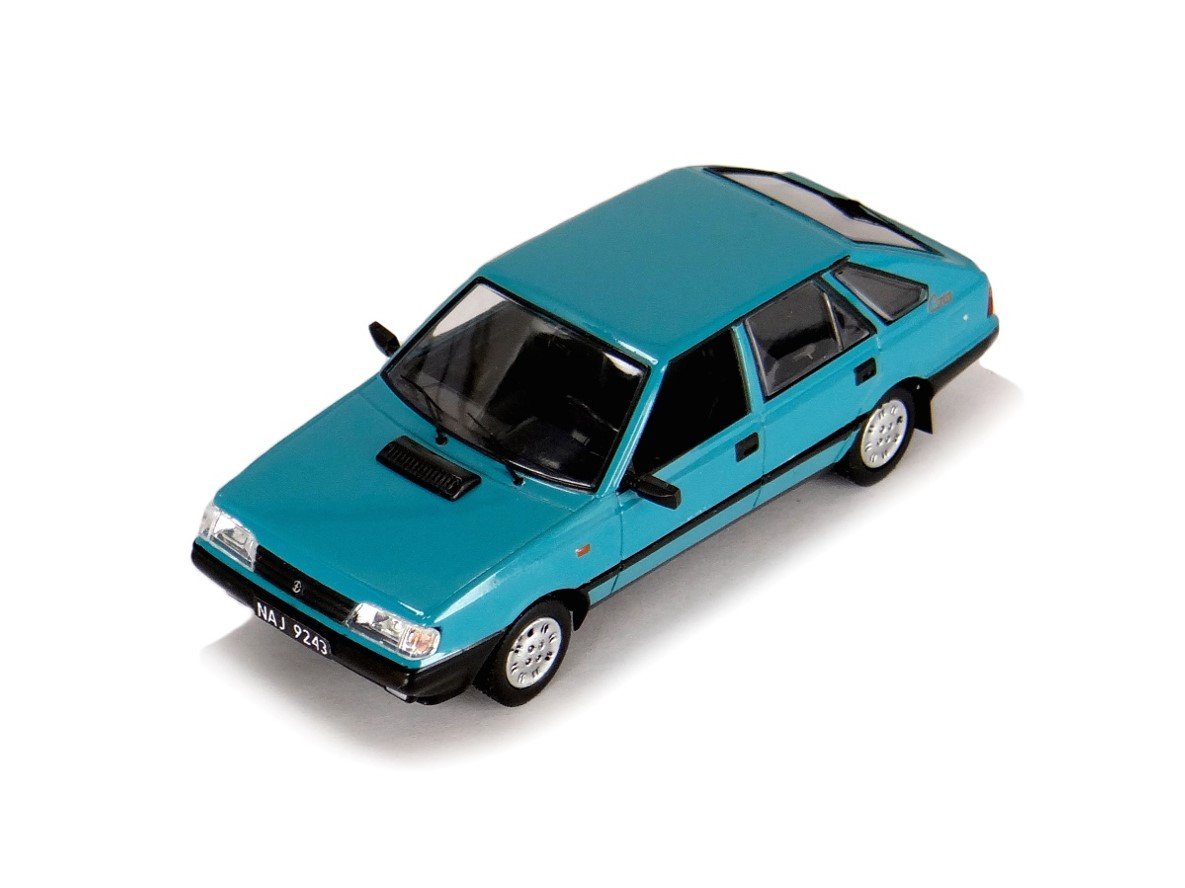
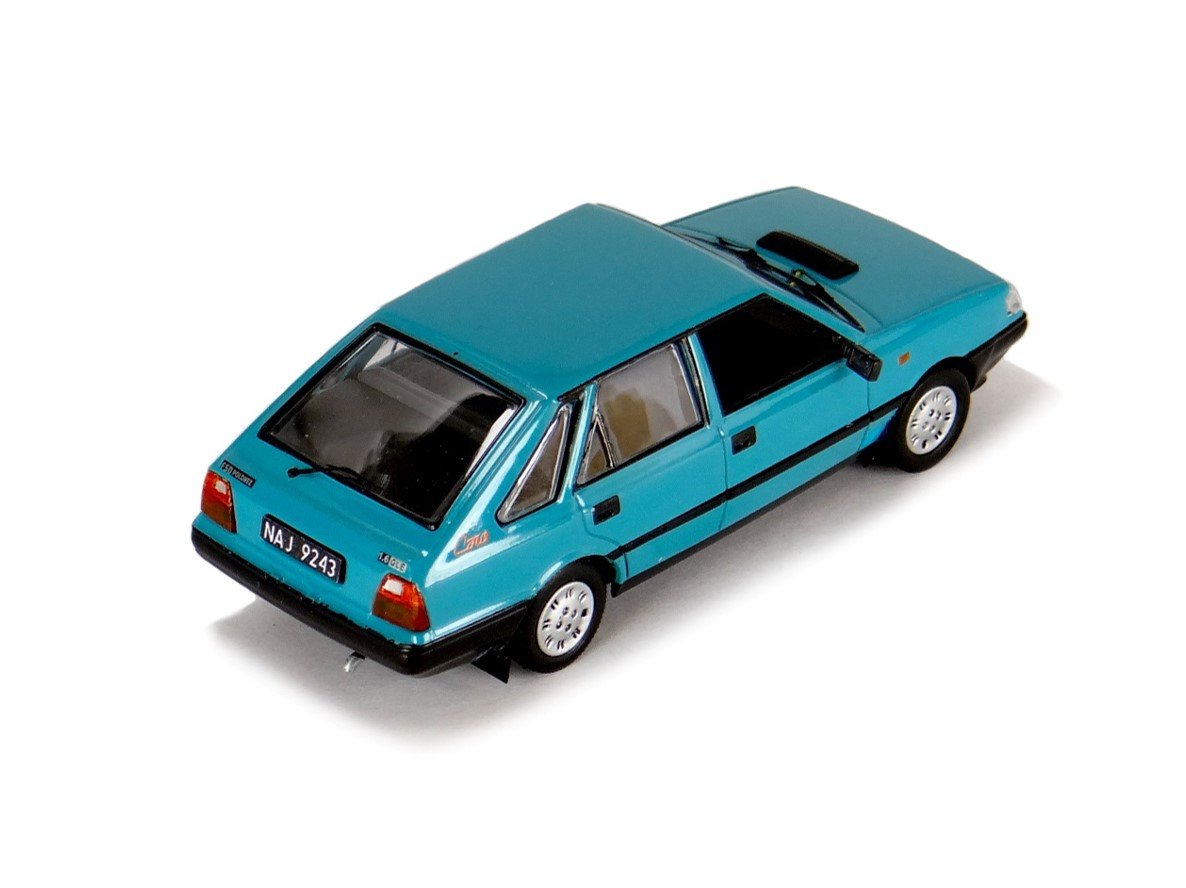
O miniaturze – FSO Polonez Caro
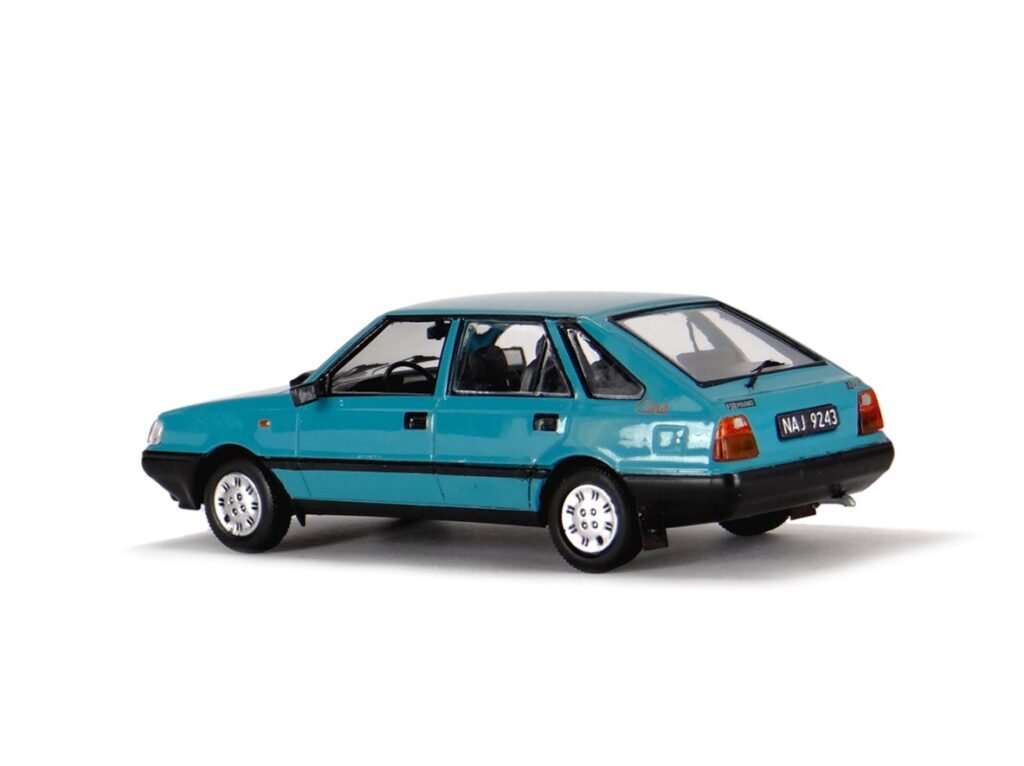
FSO Polonez Caro z „Kultowych Aut PRL-u” to stary, dobry znajomy każdego kolekcjonera w Polsce. Model ukazał się w lutym 2015 roku, w 168. numerze serii. Plotki o nim wprawdzie krążyły już od jakiegoś czasu, ale nikt nie mógł mieć wtedy pewności, że Caro rzeczywiście się ukaże. DeAgostini czekało z nim prawie do samego końca serii. Choć rocznikowo auto nie łapało się na okres PRL, to z jego pojawienia się prawie wszyscy byli zadowoleni. Auto było „nasze” i „kultowe” i to liczyło się najbardziej.
Model Poloneza Caro z „Kultowych Aut PRL-u” korzysta z tej samej formy, co wydany kilka lat przed nim gablotkowy IST Models. O ile z reguły modele IST są jakościowo o kilka półek wyżej, niż uproszczone, tanie modele z gazetówek, o tyle w przypadku Caro, nie jest to takie jednoznaczne. Oba modele mają wady i zalety.
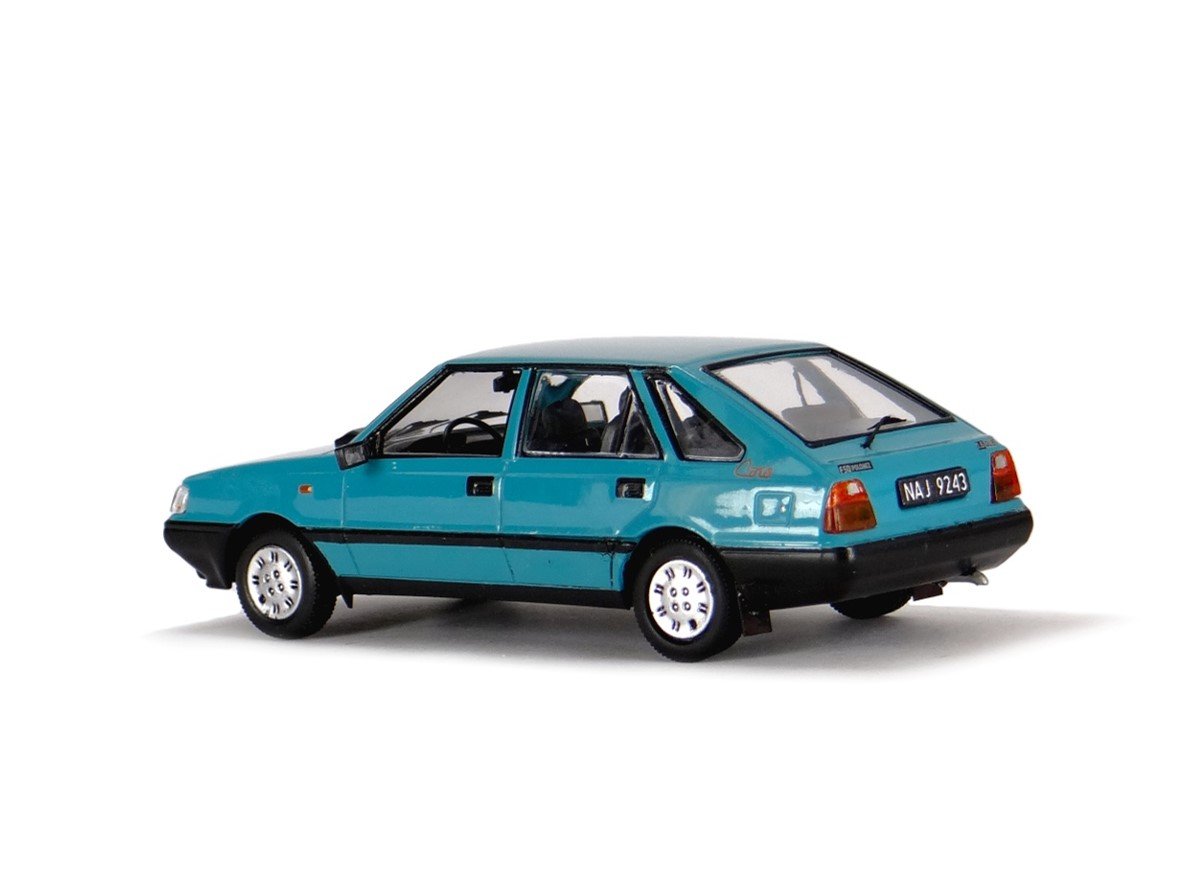
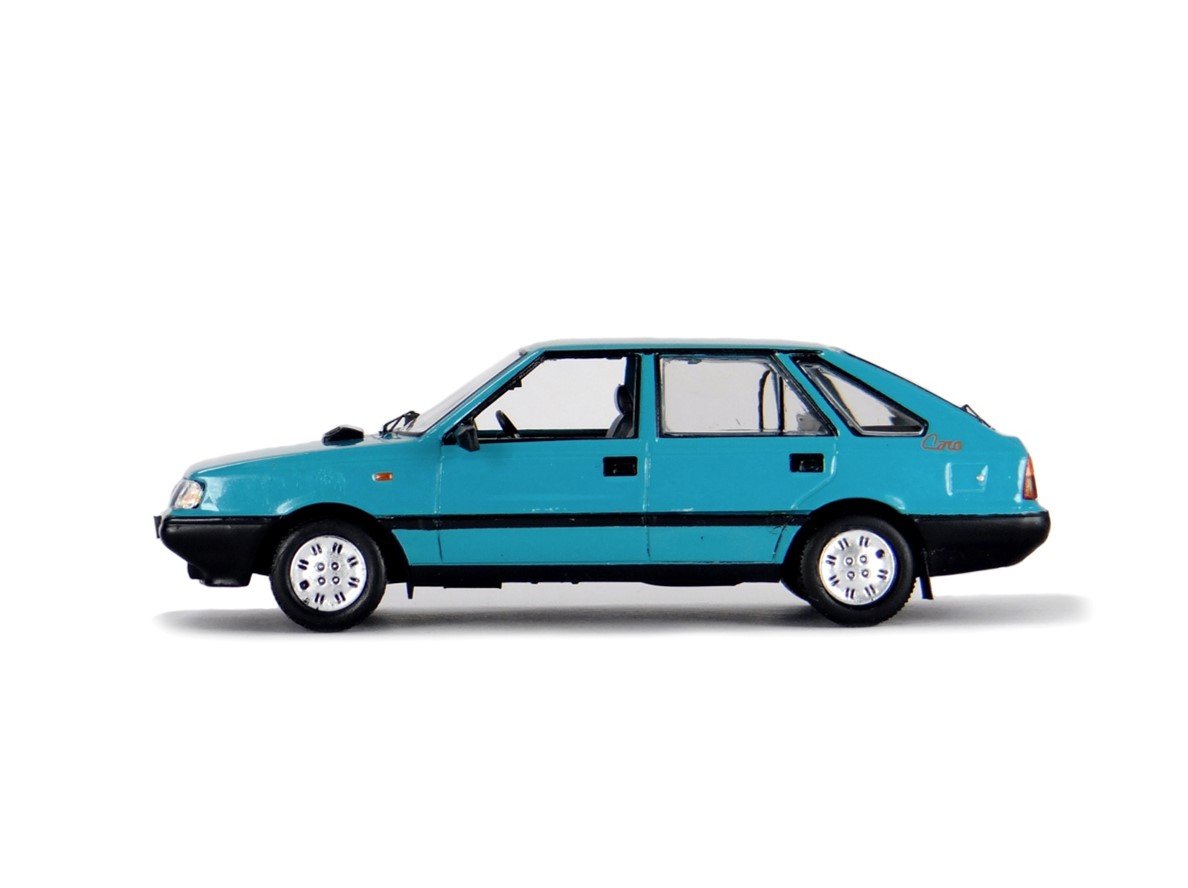
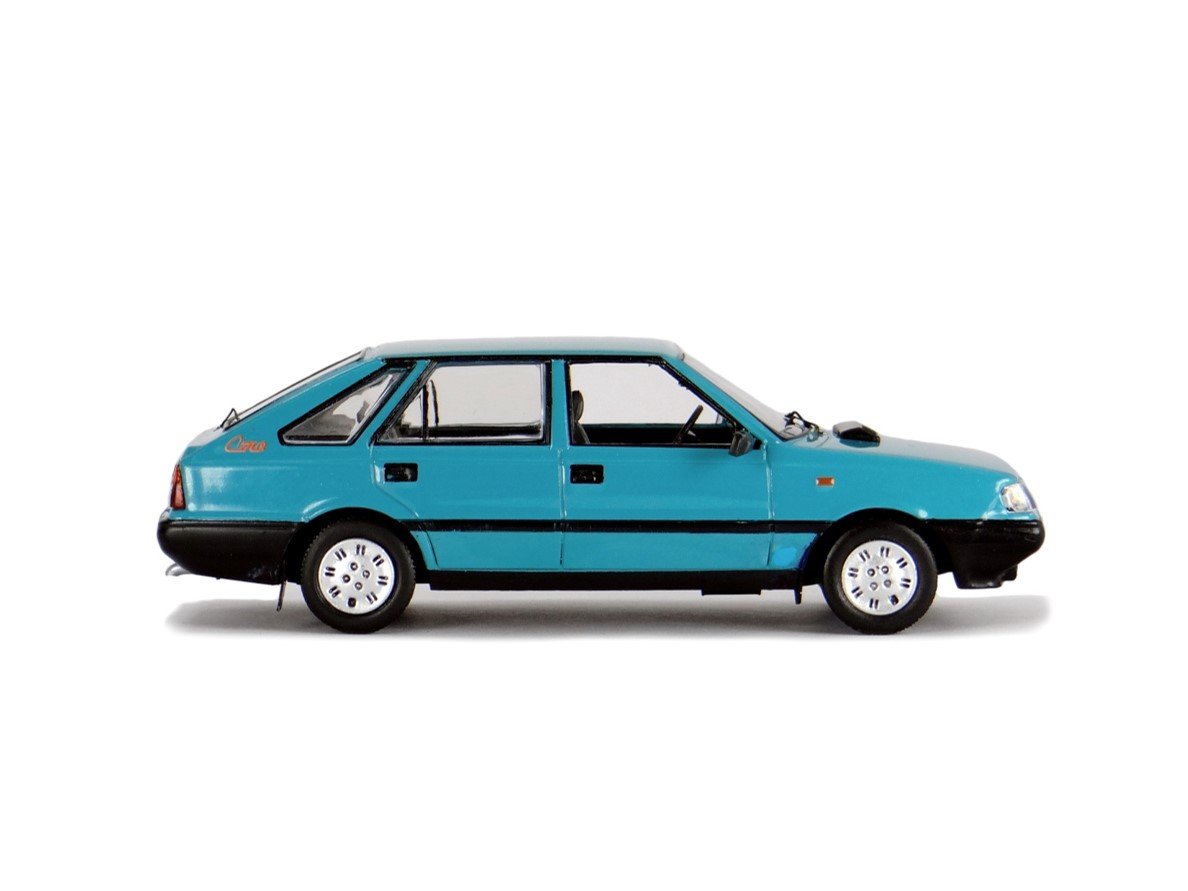
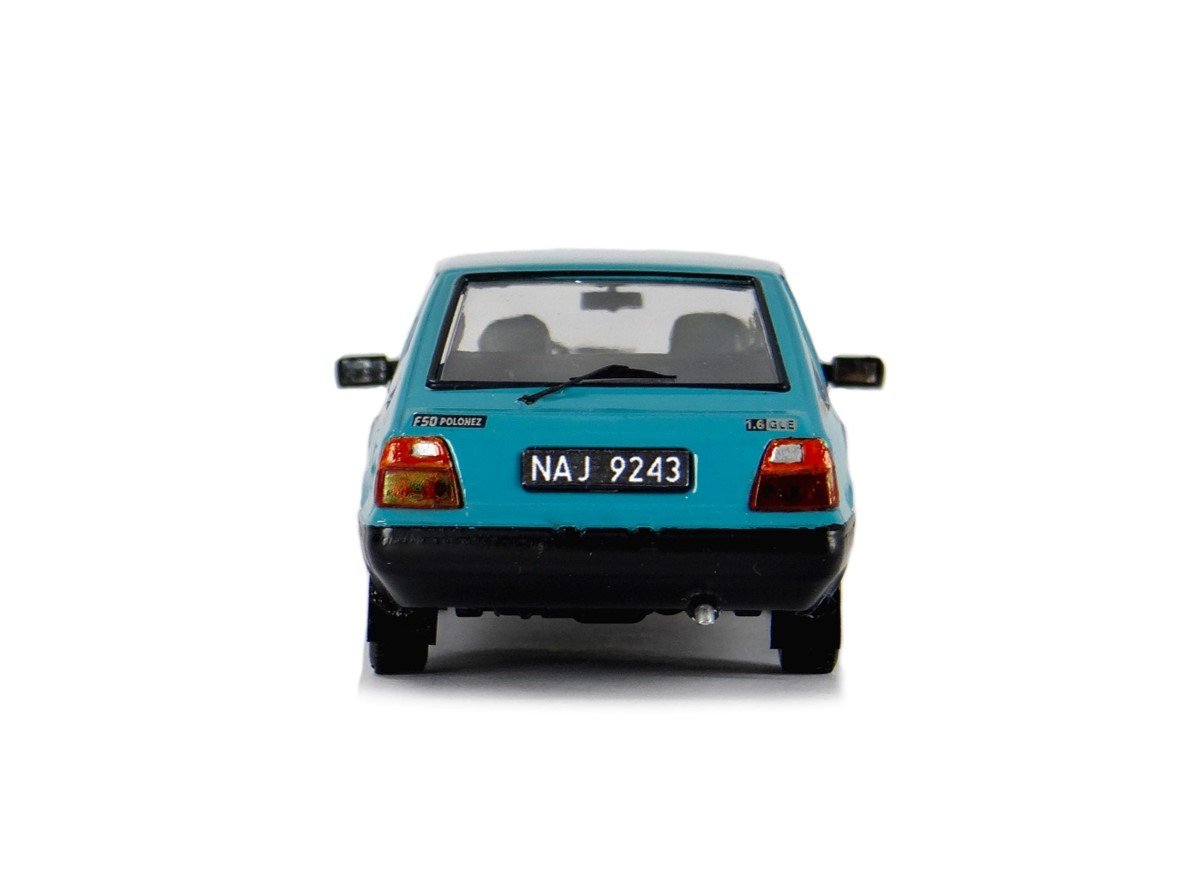
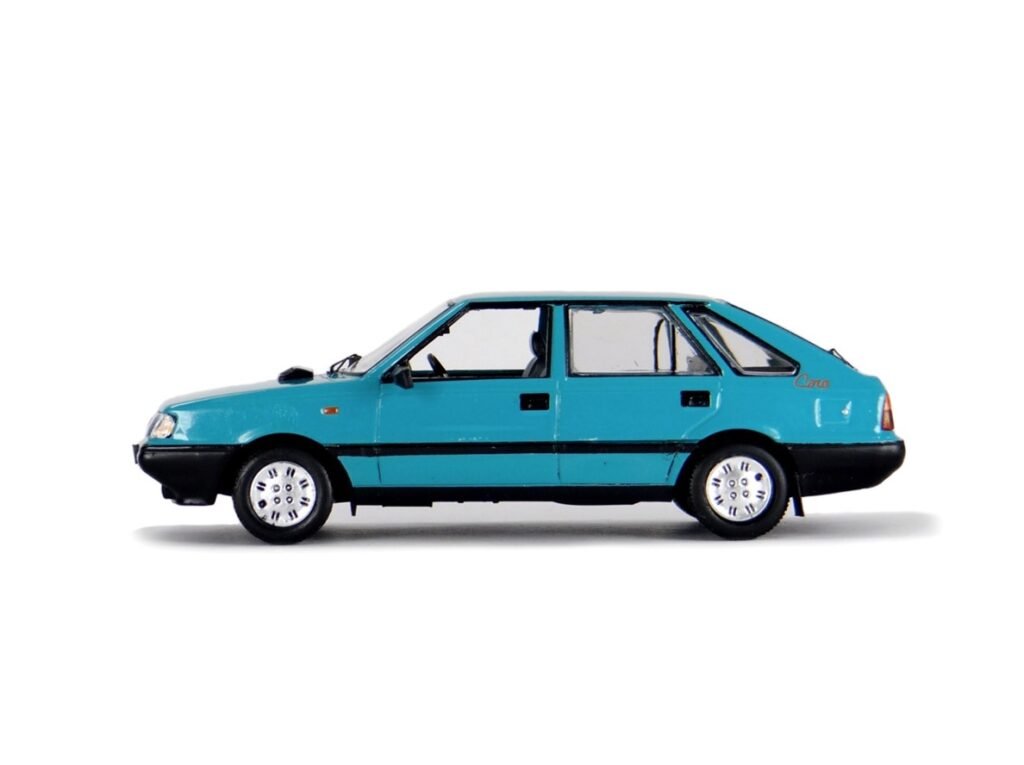
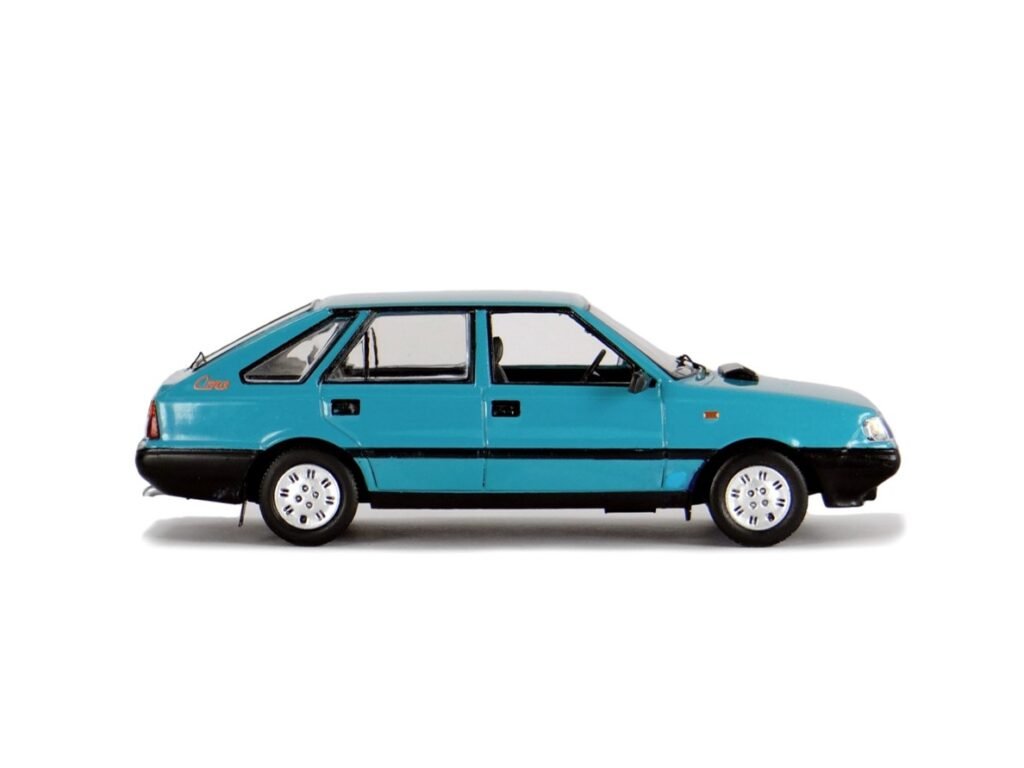
FSO Polonez Caro z KAP poprawiło błędy Caro z IST, czyli brak naklejki „Caro” na tylnym słupku i złe oznaczenia modelu na klapie bagażnika. Dodało też inny wzór kołpaków. Niestety, typowo dla modeli z KAP, standardowo miało czarne wnętrze, grube wycieraczki i jednolicie czerwone tylne światła. Na dodatek, było źle wypoziomowane – we wszystkich modelach tył „siadał”, jakby był znacznie obciążony. Nie byłem z tego zadowolony, więc postanowiłem to zmienić.
Lata prac
Żeby poprawić większość z tych niedoskonałości, model trzeba było rozkręcić. Pomimo wielu prób, okazało się to dla mnie niemożliwe. Jednak nawet, gdyby to się udało, nie potrafiłbym wtedy podwyższyć tylnego zawieszenia. Potrzebowałem pomocy.
Niedługo później, natknąłem się na Grzegorza Wieczorka z Tracker Art i wysłałem do niego model na poprawki. Konkretnie: fototrawione wycieraczki, malowane wnętrze i wypoziomowanie zawieszenia. Trochę na to czekałem, ale w końcu poprawiony model do mnie wrócił.
Polonez nadal drażnił mnie jednak kilkoma szczegółami; ciemnymi tylnymi światłami i niepomalowanymi lub niechlujnie pomalowanymi uszczelkami. Udało mi się to poprawić, niestety, w trakcie prac ubrudziłem pisakiem dolną część nadwozia. Chciałem to zetrzeć jak zazwyczaj, delikatnie namoczoną w zmywaczu do paznokci watką, ale okazało się, że ten element jest wykonany z plastiku. W rezultacie, zmył się też turkusowy lakier.
Nie wiedziałem jak to naprawić, więc przez kilka lat model czekał odłożony na półkę. Dopiero niedawno zabrałem się do jego dokończenia. Do listy modyfikacji dodałem jeszcze szkiełka w bocznych lusterkach, poprawione tablice rejestracyjne oraz tylne chlapacze (z tych ostatnich jestem szczególnie dumny).
Zapraszam Was serdecznie do obejrzenia efektów prac, jak również odwiedzania MiniAutomobili na Facebooku i Instagramie!
*** ENGLISH ***
The Polonez Caro ushered FSO and the entire Polish automotive industry into the uncharted territory of the free market. Despite facing various challenges, it performed surprisingly well. It soon became one of the symbols of 1990’s Poland.
It’s a sunny day, and a family is enjoying a picnic in a meadow, with cheerful music playing in the background. Mum and Dad are chatting.
-A Polonez for one million four hundred thousand? That’s impossible!
-Just wait and see
Suddenly, a strong gust of wind picks up. The music takes a dramatic turn as a military helicopter touches down. Its doors open and a white Polonez Caro drives out. A moment later, the the voice-over announces that the car can be yours for just 1.4 million złotys a month.
That’s how the FSO introduced Poles to its latest product, in its first commercial. The 15-second “masterpiece” of homegrown marketing may have been excruciatingly cringeworthy, but apparently not enough to deter buyers. In Poland the new Polonez sold like hot cakes.
An Italian affair
When the Polonez first appeared in 1978, it was a source of pride for both FSO and the entire Polish automotive industry. Hardly surprising, considering it was the best Poland could offer at the time, both domestically and to the world. A relatively modern bodywork of the Polonez, developed with Italian input, concealed ageing mechanicals inherited from the Polski Fiat 125p. Themselves derived from the Fiat 1300/1500 – a design dating back to the early 1960s.
FSO was well aware that such an outdated design would place considerable constraints on the new car. That’s why, when it signed a co-operation agreement with Fiat, it included provisions for upgrading the mechanical components and introducing modern Fiat engines. Something, which would allow the Polonez to compete with the Western cars.
Unfortunately, this part of the agreement never materialised. FSO’s engineers were thus left to their own devices, having to battle with the harsh realities of communist Poland and its chronic shortages of resources. This translated to minimal changes to the car’s design, but introduced over a prolonged period.
Staged upgrades
The Polonez began ageing rapidly, so in 1985 FSO decided on its first major facelift. Designers at FSO’s Research and Development Centre in Falenica set about creating mock-ups of the new model (more on those in the previous post). Once again, however, the extremely limited budget proved to be a major obstacle. Engineers had to work within fairly strict constraints, while the proposed improvements to the Polonez would have to be introduced gradually, in several stages.
First, the 1987 model year (MR’87) saw the addition of a small side window in the C-pillar. The next step towards the Polonez Caro came with the 1989 model year (MR’89). This version introduced trapezoidal rear light clusters and a completely redesigned boot lid, featuring a lower loading sill. From there, the Polonez Caro was only a step away.
A Polonez for the new times
Although most of the development work had been carried out during the communist era, production and sales did not begin until after the political transformation, in the summer of 1991. FSO’s designers did their absolute best to give the Polonez Caro a chance at modern appearance, introducing almost 270 modifications in the process.
The most noticeable changes were, of course, the styling updates, particularly to the front end of the car. The entirely redesigned front section was lower and more sharply angled backwards compared to earlier Polonez models. The shape of the front headlights also changed dramatically. Instead of round headlights, the car featured rectangular lamps with integrated turn signals that extended around the sides of the vehicle. The front and rear bumpers also received a completely new design.
A distinctive exterior feature was the colourful decal displaying the Caro’s logo.
Meanwhile inside, the most notable changes included a new steering wheel and an updated dashboard.
To make the Caro even more appealing, FSO equipped it with features that had never previously been available on the Polonez. Customers could choose additional equipment such as central locking, air conditioning, an alarm system, electric front windows, alloy wheels, sporty Inter Groclin seats, more powerful Lucas brakes and power steering.
The Caro also impressed with its wide range of engines, offering as many as nine different power units! The line-up ranged from the entry-level 1,481 cc OHV engine derived from the PF 125p, available in several power outputs and with either carburettor or fuel-injection systems, through the 1,598 cc OHV engine, to units from Western manufacturers. These included Ford’s 2.0-litre SOHC engine producing 105 hp, Rover’s 1.4-litre 16-valve unit developing 103 hp and the legendary, naturally aspirated 1.9-litre XUD diesel producing 70 hp, sourced from the PSA Peugeot-Citroën Group.
Further modifications
FSO engineers continued their efforts to improve the Polonez, introducing further modifications in 1993. The most significant change was a 6 cm increase in the track width, which considerably improved the car’s handling. These models were commonly known as the “wide Caro” or MR’93.
A few months later, further changes were introduced. The plastic air intake disappeared from the bonnet, with its function taken over by a new cowl panel. The electrical system was modernised, the interior ventilation and heating were improved, and a new instrument cluster was fitted.
In general, just as with earlier Polonez models, changes were introduced on an ongoing basis, without necessarily being designated as new models. Not that this mattered massively, as even after the political system changed, FSO remained fairly disorganised. As a result, vehicles were frequently built using whatever components happened to be in stock. Consequently, two cars from what was theoretically the same production series could have differed in detail from each other.
A Western chord
The arrival of the Polonez Caro also rekindled FSO’s ambitions to establish itself in Western markets, further encouraged by the political and economic changes taking place in Poland. The factory in Żerań hoped to replicate the export success previously achieved by the Polski Fiat 125p. To help achieve this, a crash test was conducted at the Automotive Industry Institute at a speed of 50 km/h, with observers from the UTAC Homologation Institute also present. The results demonstrated that the passenger compartment retained its structural integrity and that the braking system proved highly effective.
Following further testing, the Polonez Caro was awarded a safety certificate by the Belgian Ministry of Transport, allowing it to be exported to Western markets. Export models generally came with considerably better equipment than those sold on the domestic market. Neverthless, their main competitive advantage in Western markets remained their low price.
By the 1990s, however, a blend of 1960s and 1970s engineering was hardly enough to impress Western buyers, even at the lowest prices. Reviews in the foreign motoring press were largely unfavourable, highlighting the car’s outdated technology, poor handling characteristics and substandard build quality. Ultimately, the Polonez Caro failed to achieve any success abroad, with export sales falling well short of those recorded by the Polski Fiat 125p.
A pop culture icon
Although FSO’s ambitions of conquering Western markets totally failed, the Polonez Caro turned out to be an outstanding success at home in Poland. The car breathed new life into FSO, which was in a terrible state at the time. Annual production sales reached between 80,000 and 100,000 units, making the Polonez Caro Poland’s best-selling passenger car for several years. Despite it being far from a cheap car. Even the entry-level Polonez Caro cost the equivalent of 22 months’ average wages. Over time, the range expanded with additional variants, including the Atu saloon and the Cargo, further consolidating the Polonez’s strong position in the domestic market.
The Caro soon became a part of the Polish landscape. Whether in police service, operating as a taxi or being driven as a private car, the Polonez Caro was virtually everywhere. Coupled with an extensive marketing campaign and regular appearances in films, music videos and television programmes, this made the Polonez Caro an inseparable part of Polish pop culture in the 1990s. It was as much a symbol of the decade as synthetic tracksuits, wild capitalism, the Europa Market and disco polo.
About the miniature – FSO Polonez Caro
The FSO Polonez Caro from the “Kultowe Auta PRL-u” partwork series is an old familiar sight among Polish collectors.The model appeared in February 2015, in the 168th issue of the series. Rumours about its release had been circulating for some time, but nobody could be certain that the Caro would actually make it into the collection. DeAgostini had kept it back until almost the very end of the series.
Although the car’s production years technically fell outside the communist-era period, almost everyone in the Polish collector’s community was delighted to see it included. was Polish, it was iconic, and ultimately, that was all that mattered.
The Polonez Caro from the “Kultowe Auta PRL-u” collection shares its mould with the IST Models release, which appeared several years earlier as a display model. While IST Models miniatures are generally several steps ahead in terms of quality compared to the simplified, budget models found in magazine collections, the Caro is a less clear-cut case. Both models have their own strengths and weaknesses.
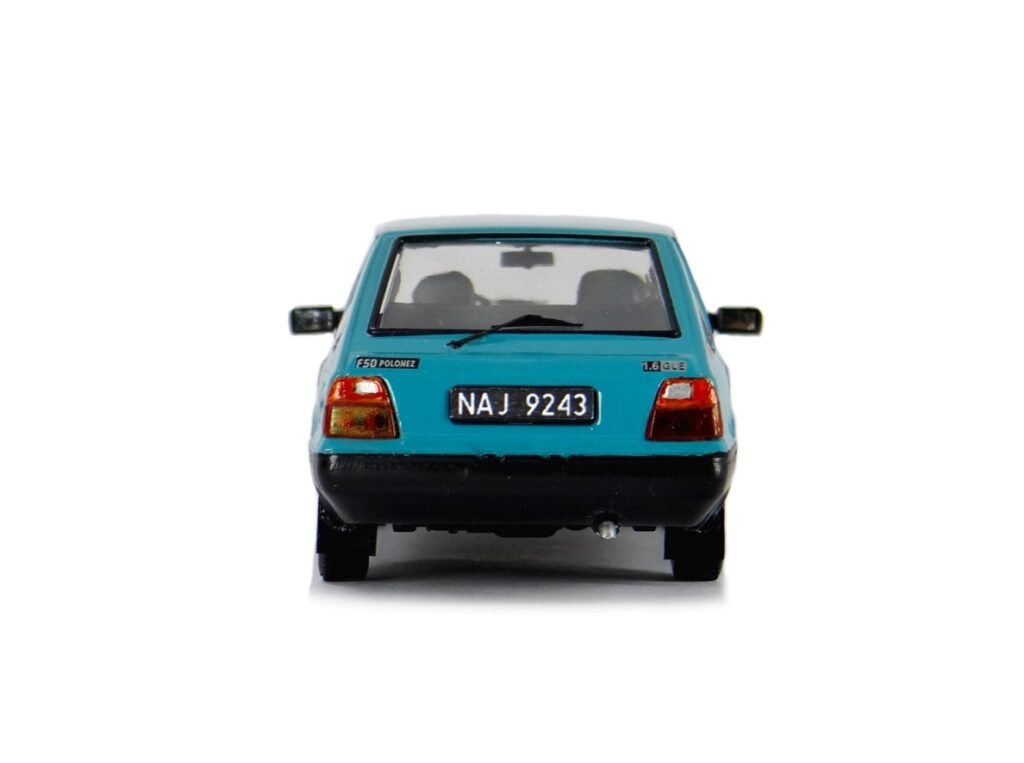
The FSO Polonez Caro from the KAP collection corrected some of the flaws found on the earlier IST Models version, namely the missing “Caro” decal on the rear pillar and the incorrect model badging on the boot lid. It also featured a different wheel trim design. Unfortunately, it suffered from the usual shortcomings of KAP models: a plain black interior, overly thick windscreen wipers and solid red rear lights with no separate colour detailing. To make matters worse, the model sat awkwardly, with the rear end noticeably lower, as if the car was carrying a particularly heavy load. I wasn’t happy with this, so I decided to make some modifications.
Years of work
To correct most of these shortcomings, the model needed to be taken apart. Despite several attempts, I found this impossible to do. However, even if I had managed to dismantle it, I wouldn’t have known how to raise the rear suspension. I needed some help.
Not long afterwards, I came across Grzegorz Wieczorek from Tracker Art and sent him the model to have some modifications carried out. These included photo-etched windscreen wipers, a repainted interior and corrected suspension height. I had to wait a little while, but eventually the modified model returned to me.
However, a few details still bothered me about the Polonez: the dark rear lights and the unpainted or poorly finished window seals. I managed to correct these issues, but unfortunately, during the process, I accidentally marked the lower part of the bodywork with a paint marker. I wanted to remove it as I normally would, using a cotton ball slightly moistened with nail polish remover. However, it turned out that this particular part was made of plastic. As a result, the turquoise paint came off as well, much to my horror.
I had no idea how to fix the damage, so the model ended up sitting on a shelf for several years. Only recently did I find the motivation to return to the project and bring it to completion. I also added a few more modifications to the list, including reflective inserts for the side mirrors, improved registration plates and rear mud flaps. I’m particularly pleased with how the latter turned out.
Feel free to take a closer look at the results of my work, and of course – remember to follow MiniAutomobile on Facebook and Instagram!